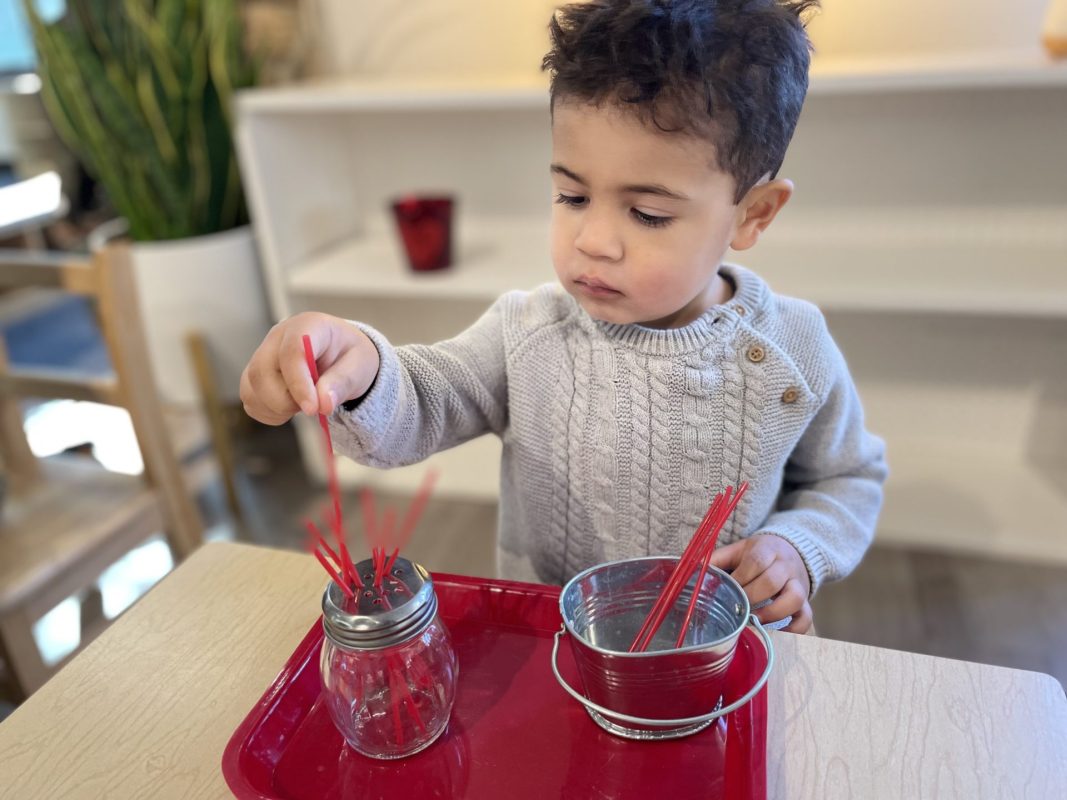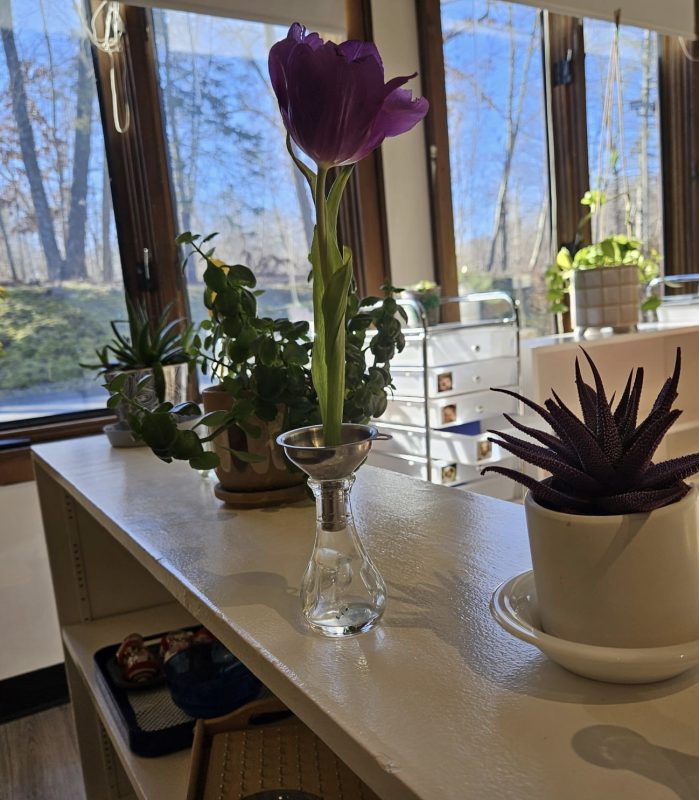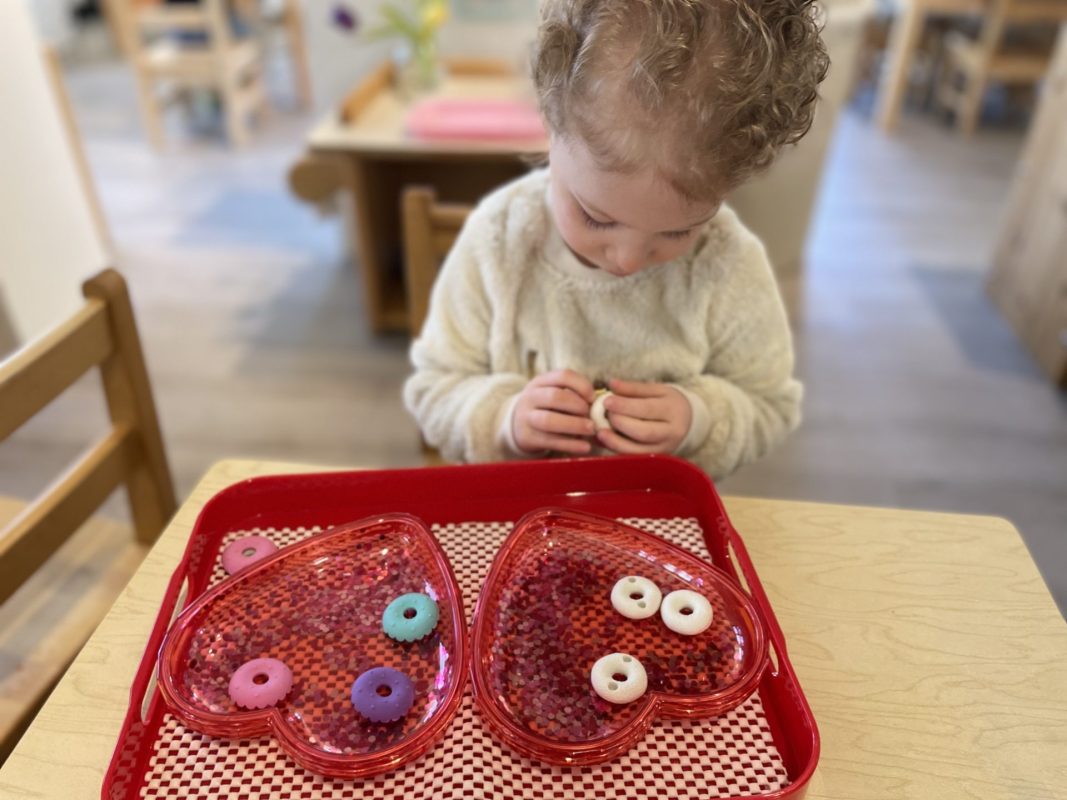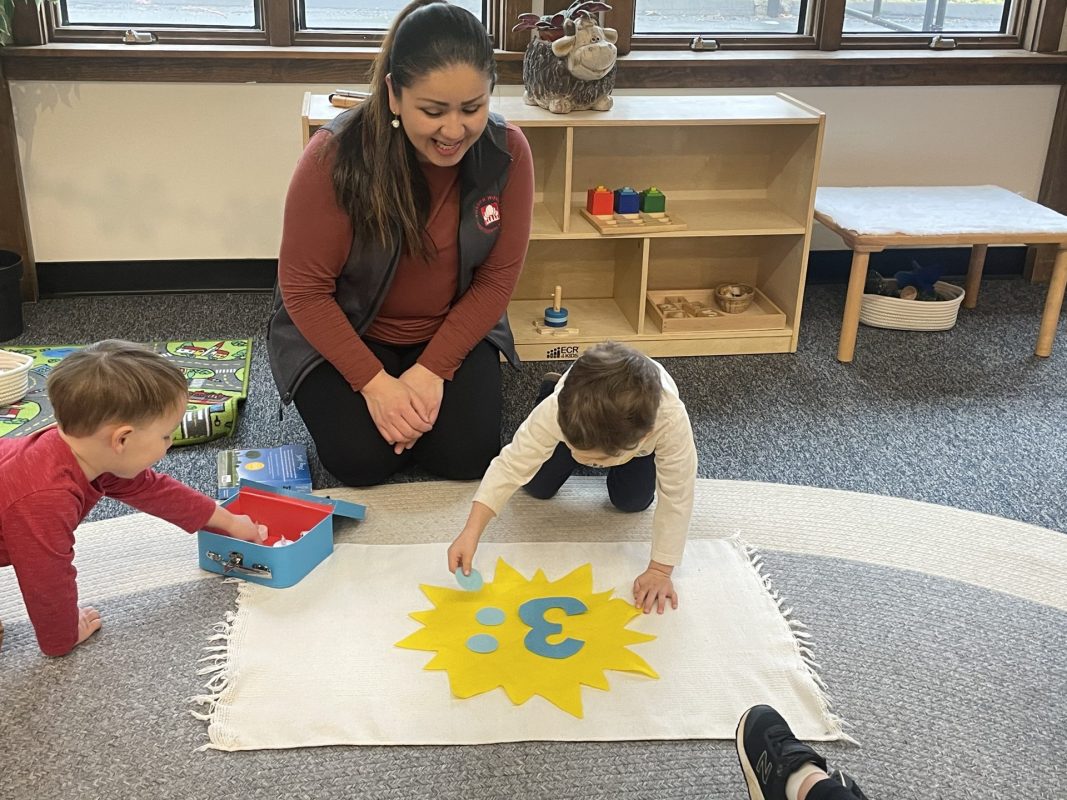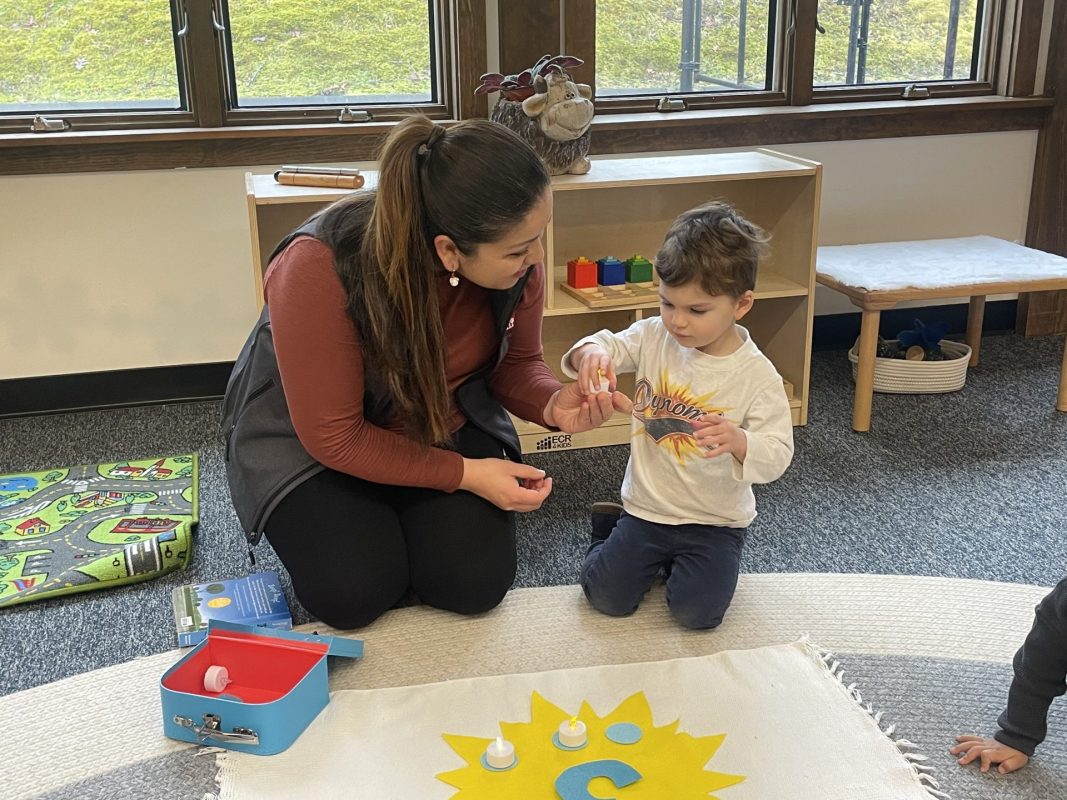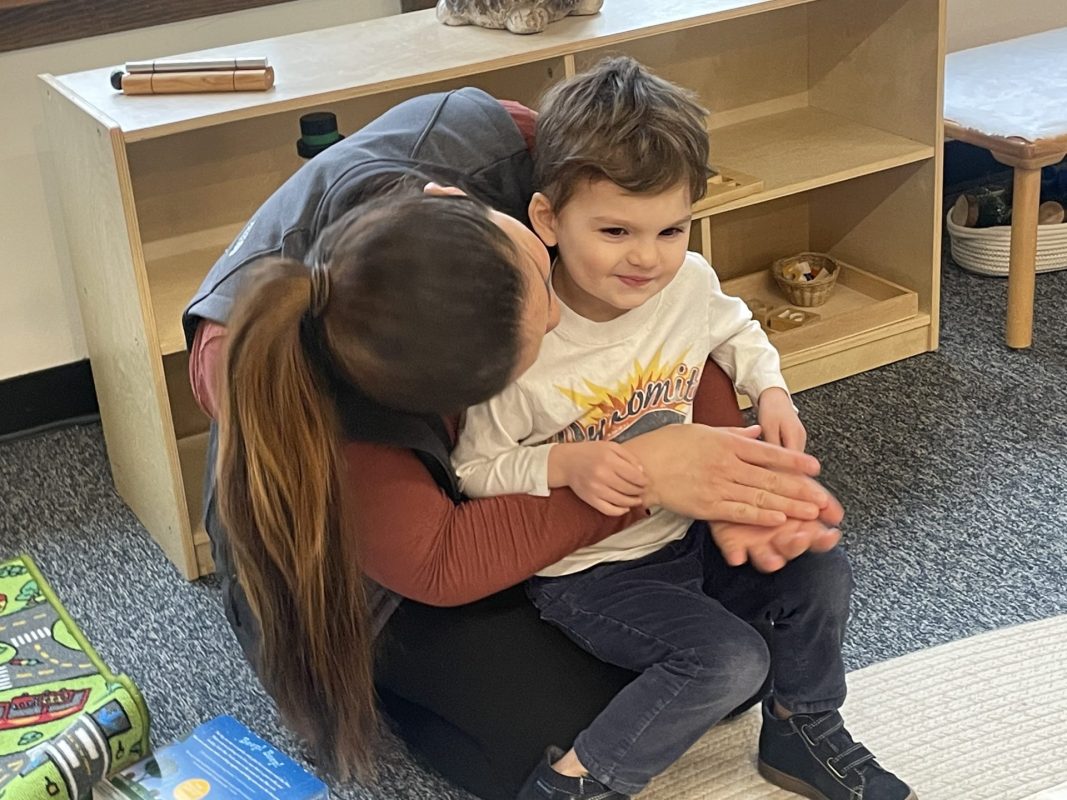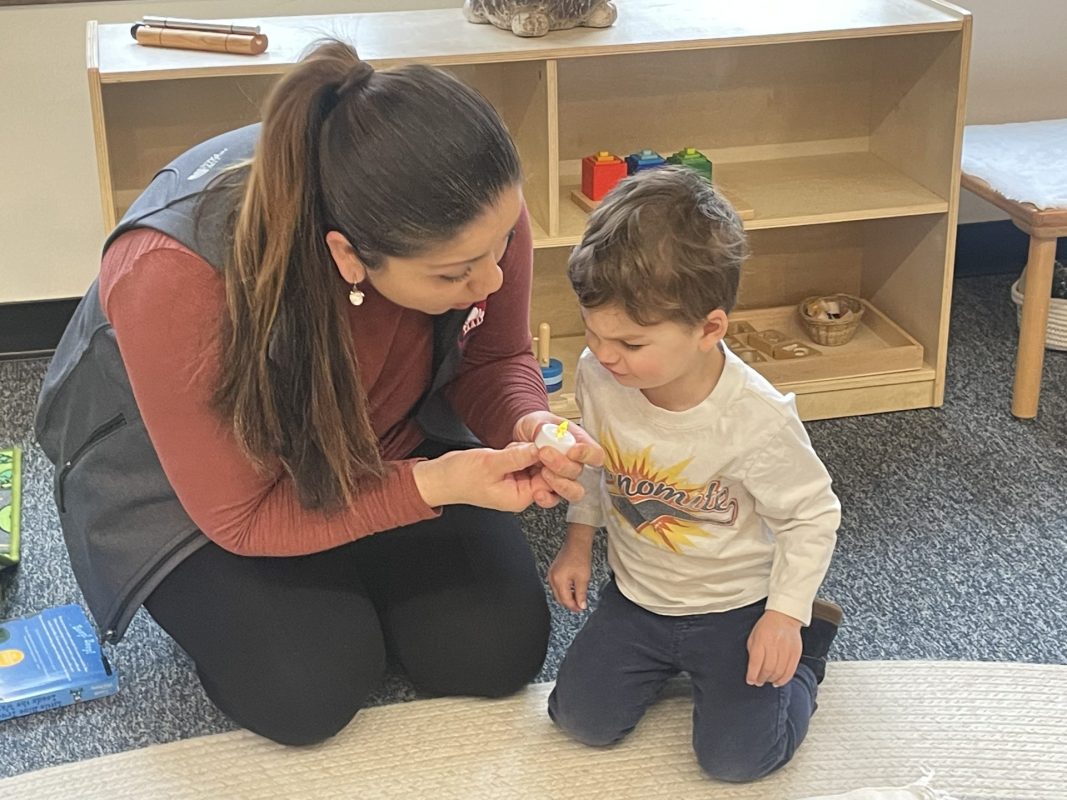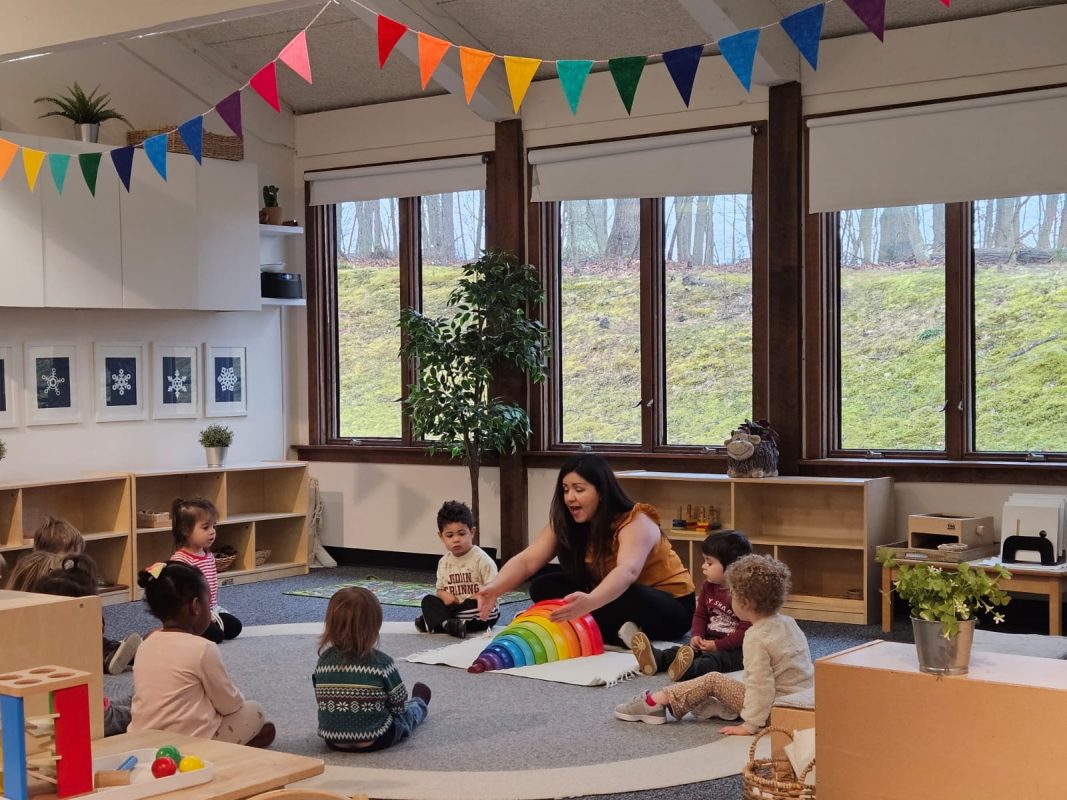
Mrs. Hood: Exploring the Rainbow!

Color recognition can provide children with essential learning tools in life. For example, color recognition is used in mathematics to categorize, sort, compare, and organize. Additionally, as children learn to identify colors and use color as a language tool to describe things, it develops and strengthens their ability to communicate effectively. Recognizing and identifying the color names is important to a child’s development. It is considered a marker and milestone in a child’s cognitive process.

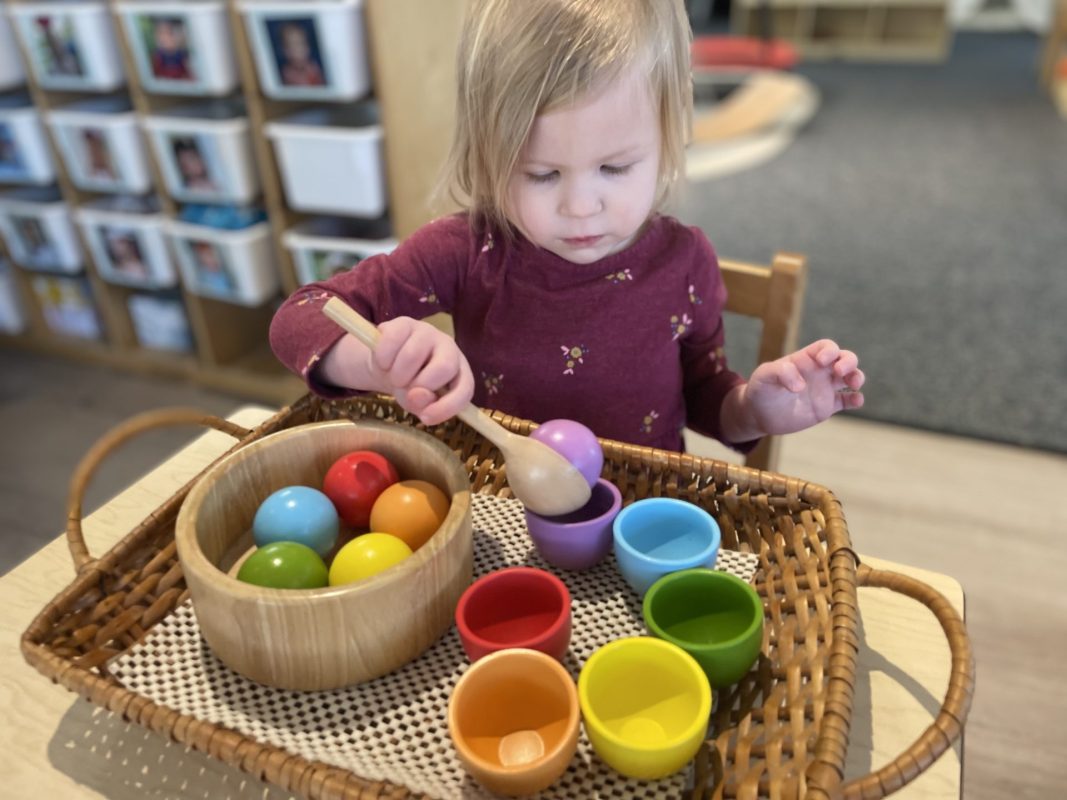
Colors are part of our daily lessons throughout the school year when using the different materials, games, books, songs, and activities in our environment. However, during the next weeks, we will purposely focus on studying the colors of the rainbow.

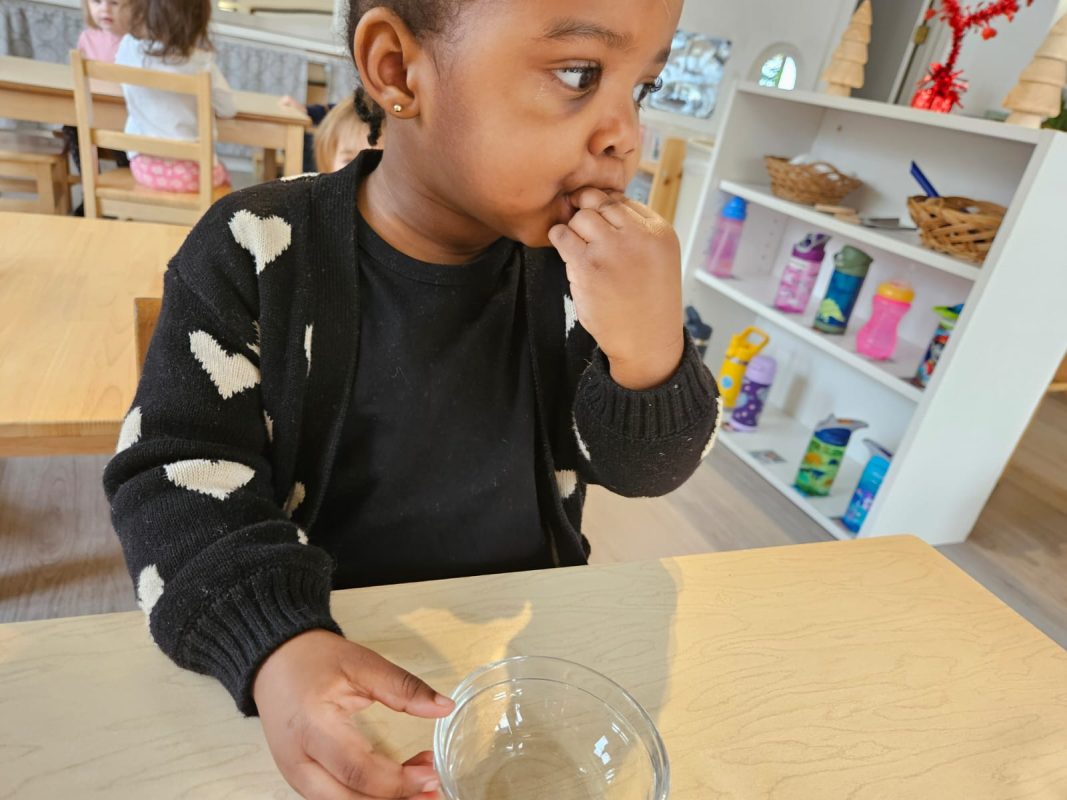
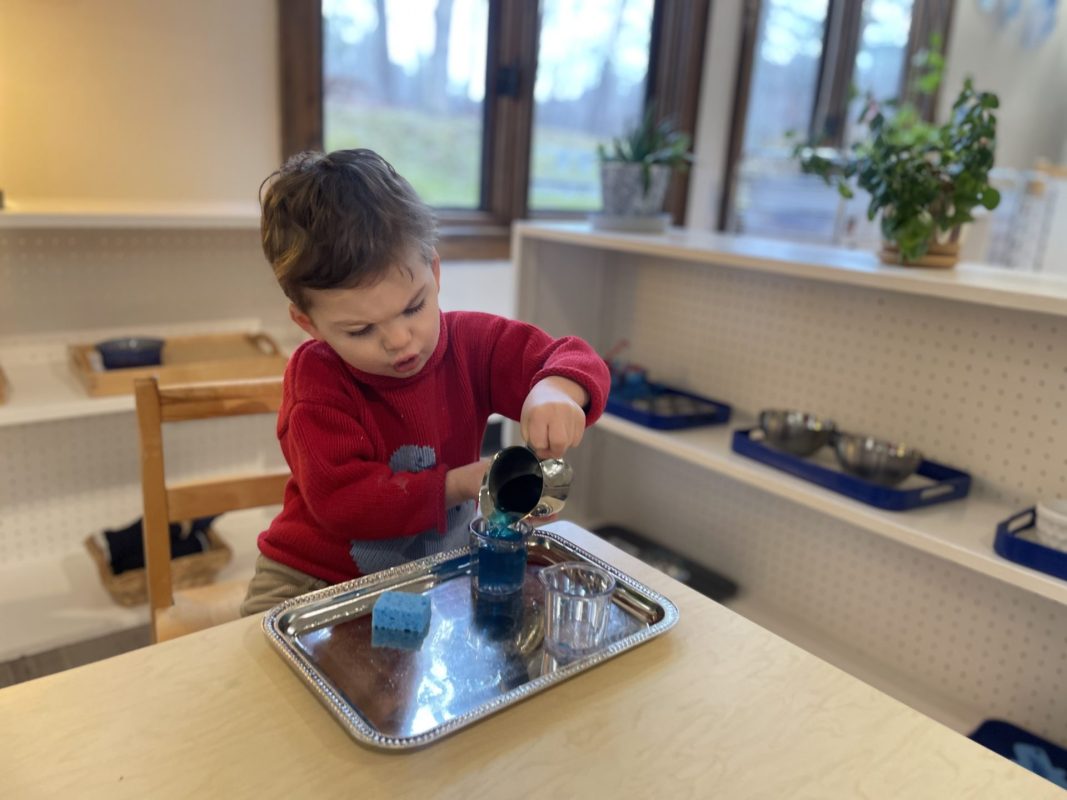
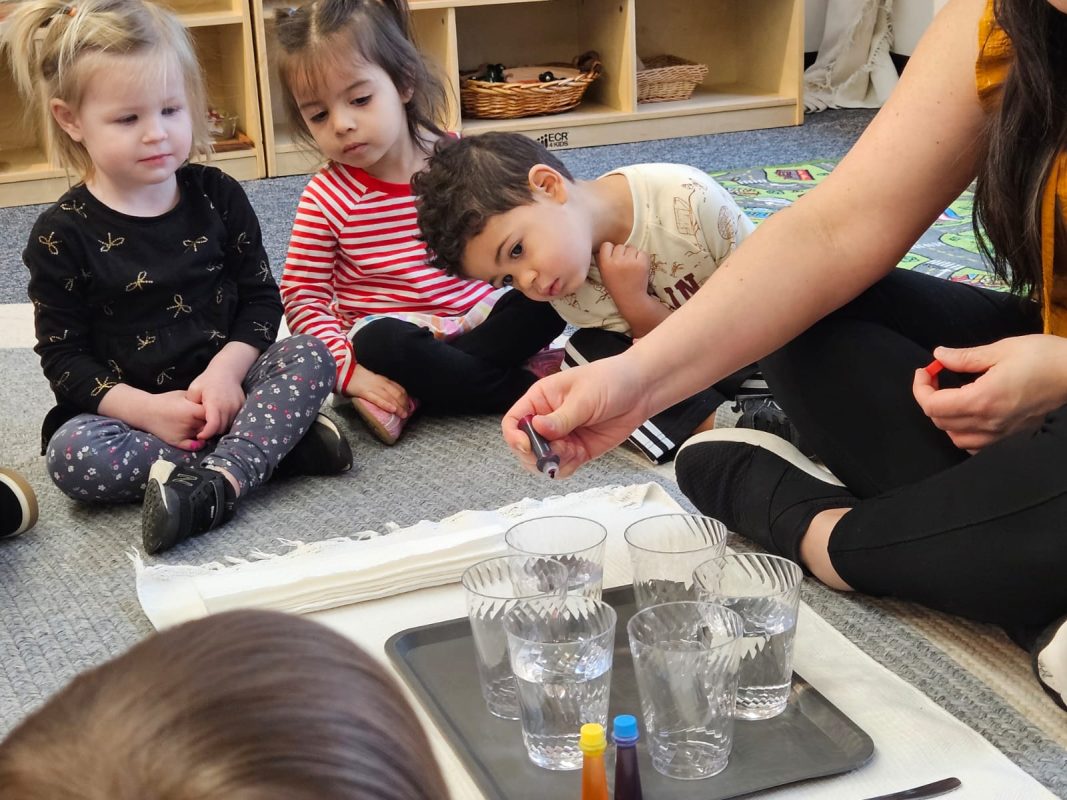
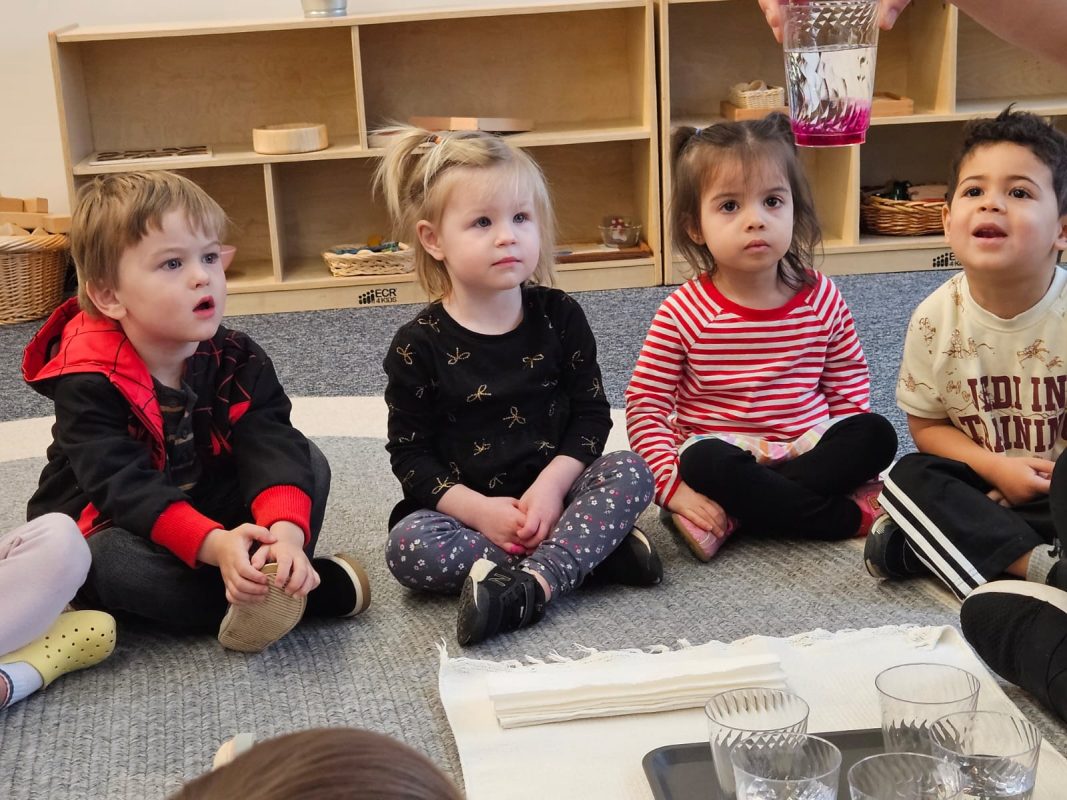
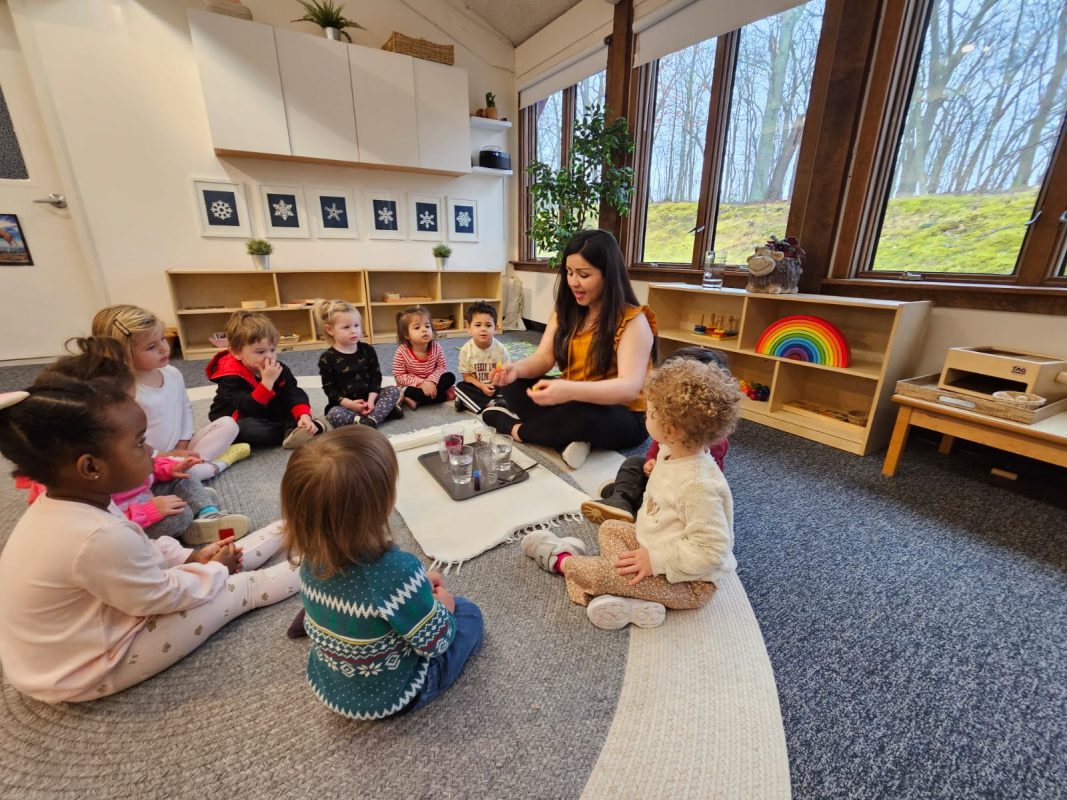
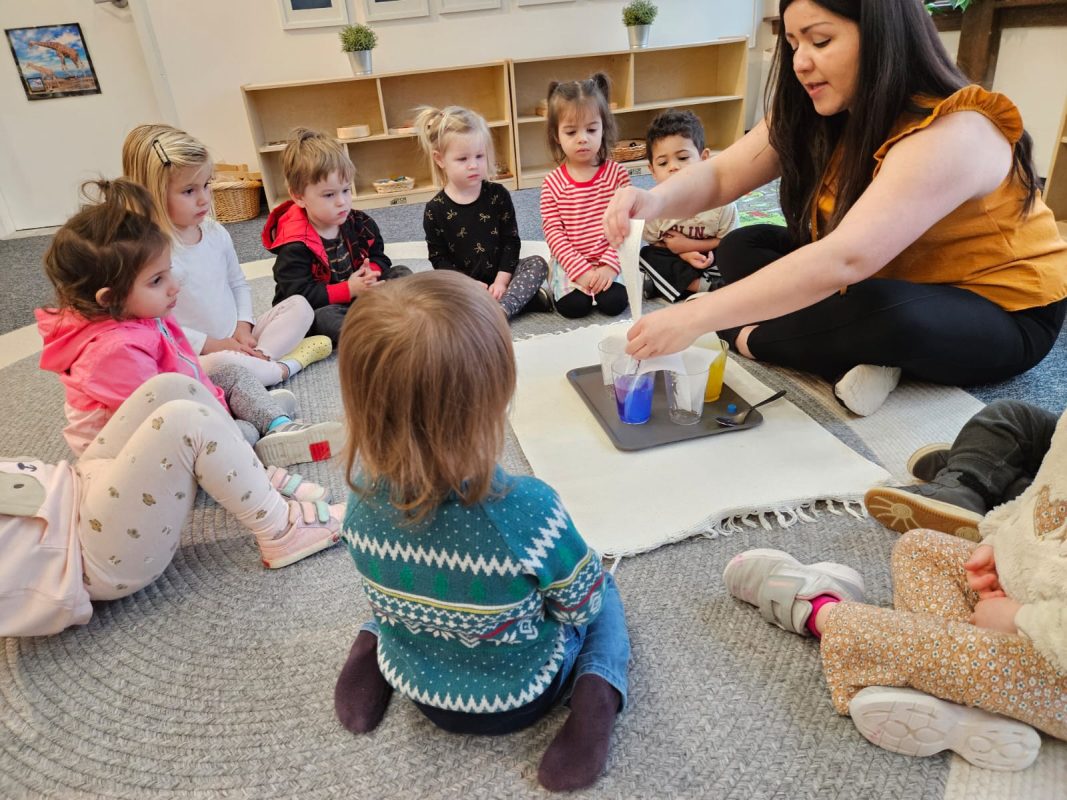
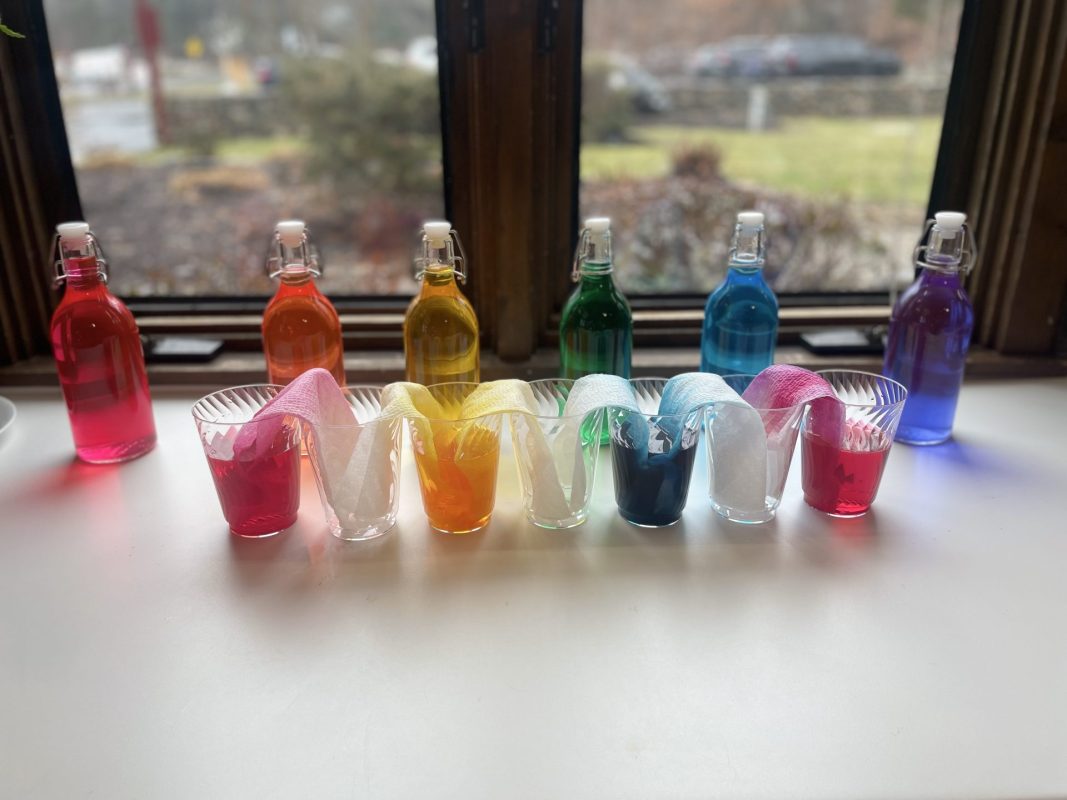
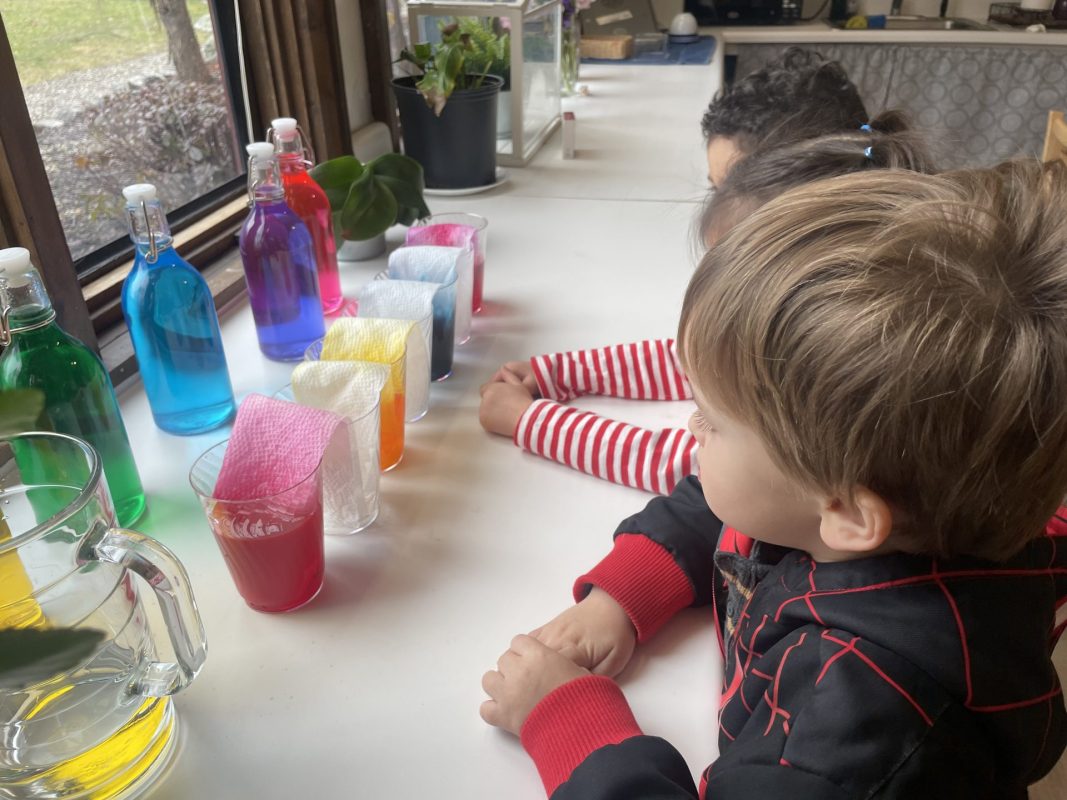
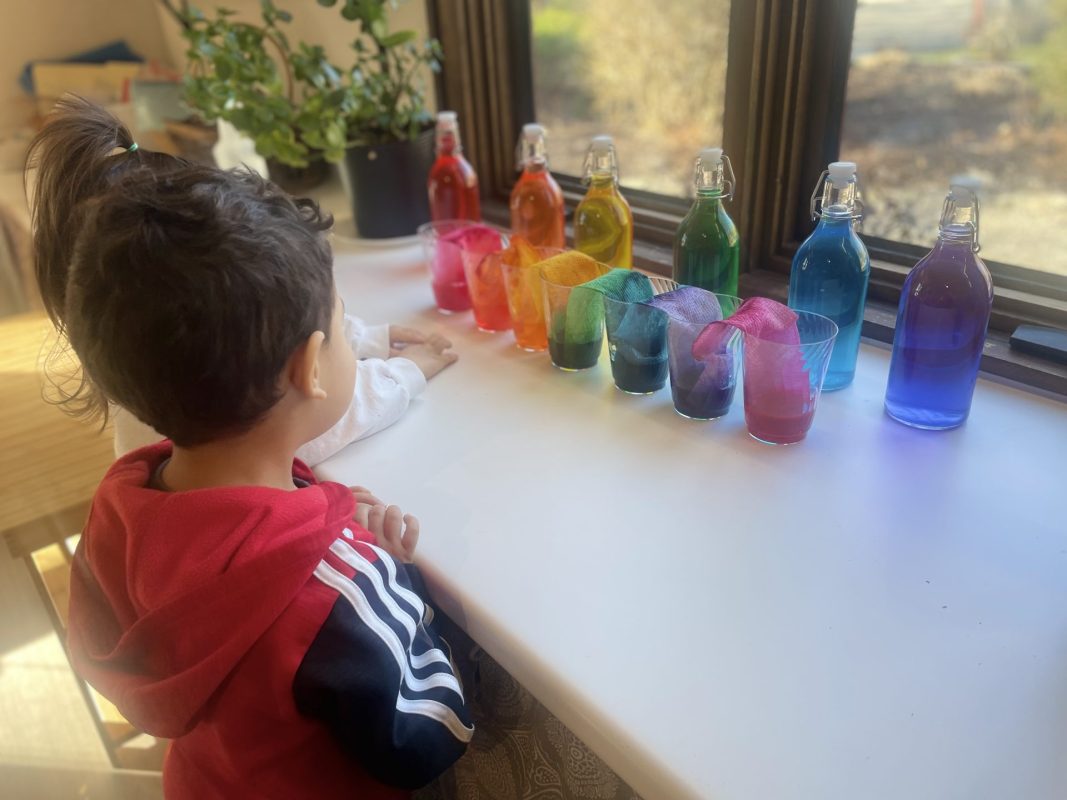
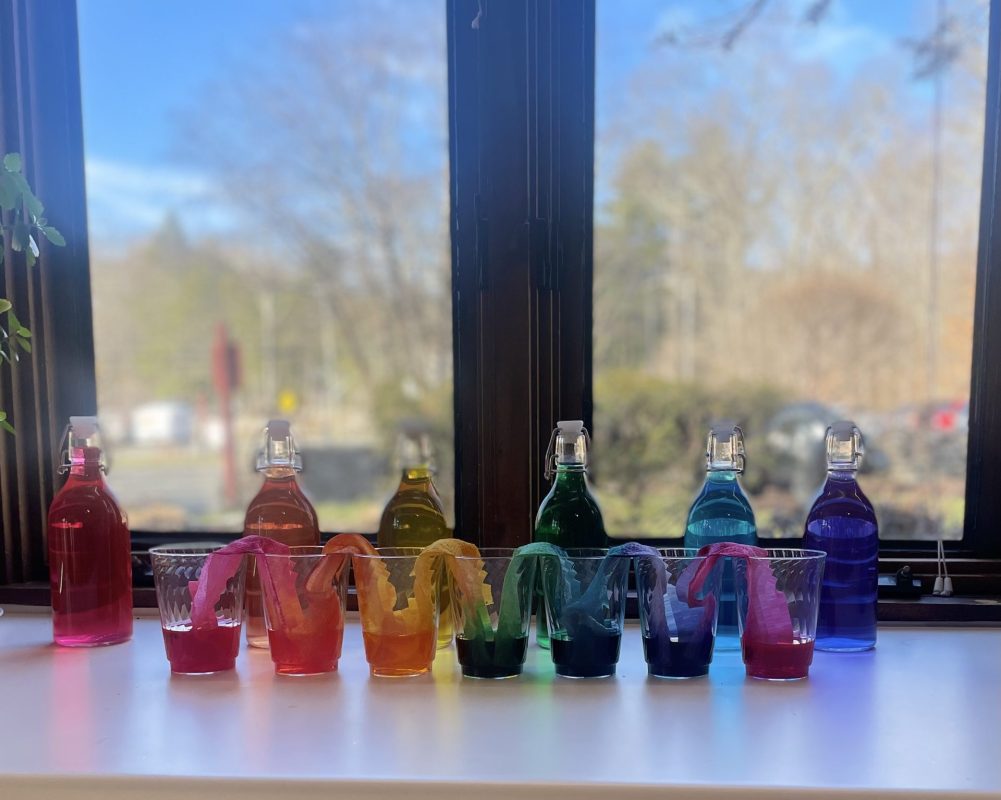
As an introductory activity,  we started this week  by observing a walking rainbow experiment.  Using cups with water, paper towels and red, blue and yellow food coloring, the children got to observe how the water traveled through the paper towel and mixed in the empty cups creating new colors like orange, green and purple.

How does this experiment work? The water moves up the paper towels through a process called capillary action. The paper towel is made from fibers, and the water is able to travel through the gaps in the fibers. The gaps in the paper towel act like capillary tubes and pull the water upward. This is what helps water climb from a plant’s roots to the leaves at the top of the plant or tree. The water is able to move upward against gravity because of the attractive forces between the water and the fibers in the paper towel.

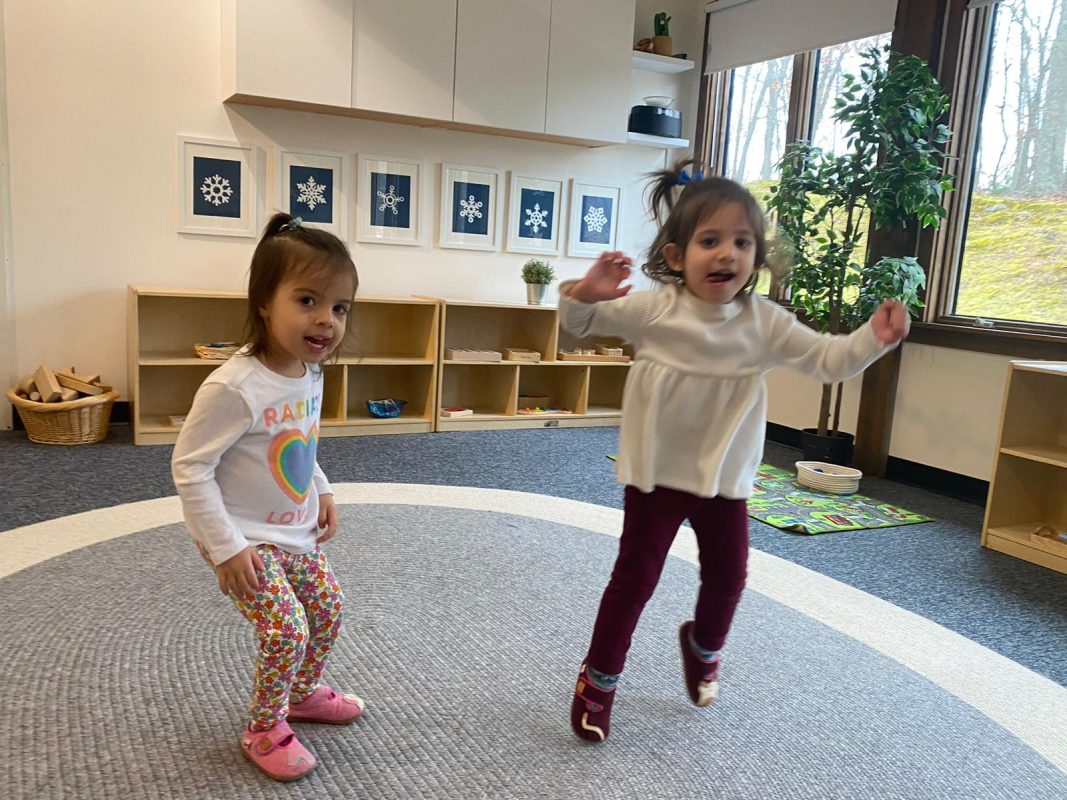
Children observed in awe the different stages of this experiment throughout the week. The main expression used was: Wow! Followed by giggles and little dances.

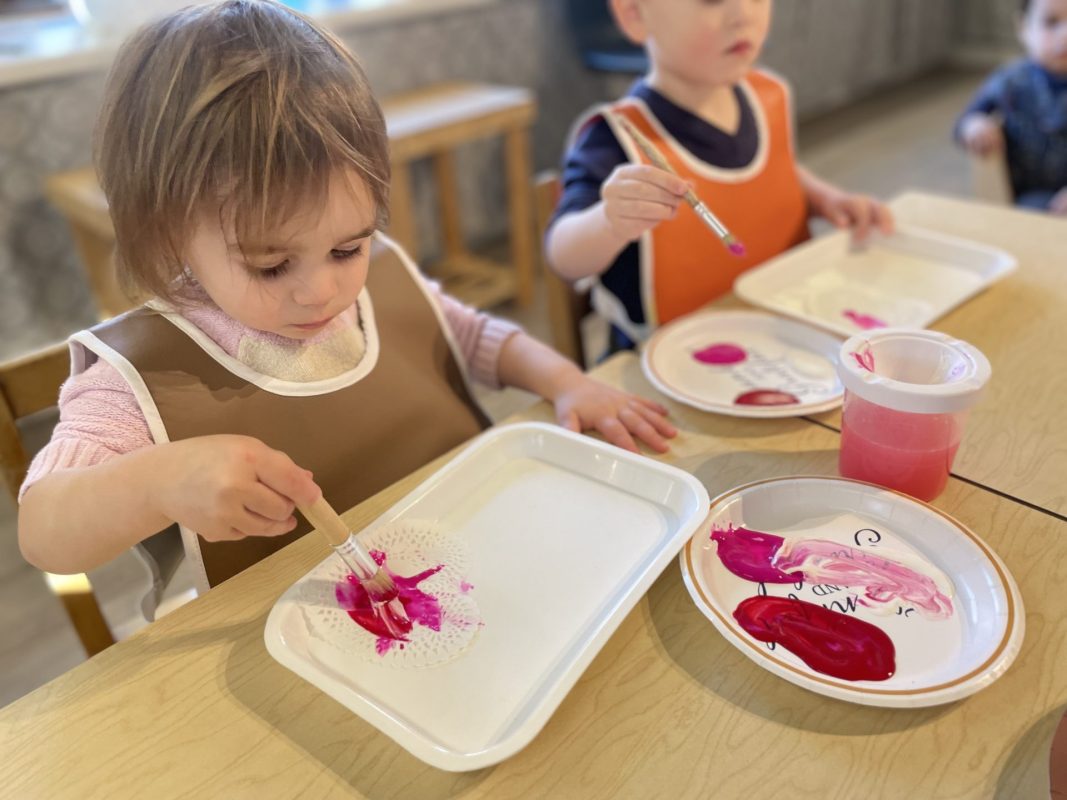
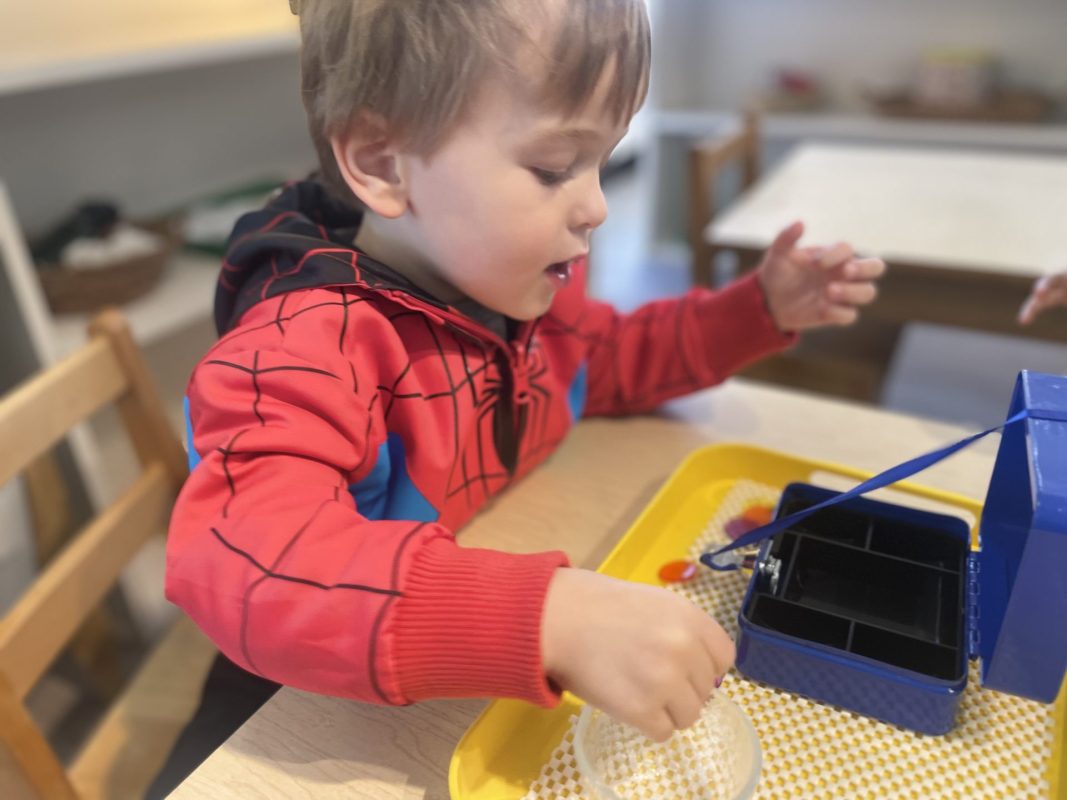
On another note, children worked happily in our class gift for our FWM Annual Gala & Auction. A big shout out to our amazing class moms, Shannon Turkett and Regine Hooper-Campbell, for coordinating and to Roberth VanEgghen, Megan Lang, and Neetha Desai for volunteering their time to come and work with the toddlers on this project! We SO appreciate you! They also had some fun with Miss Sara Hunsucker, our school art teacher, preparing another great project for the auction!

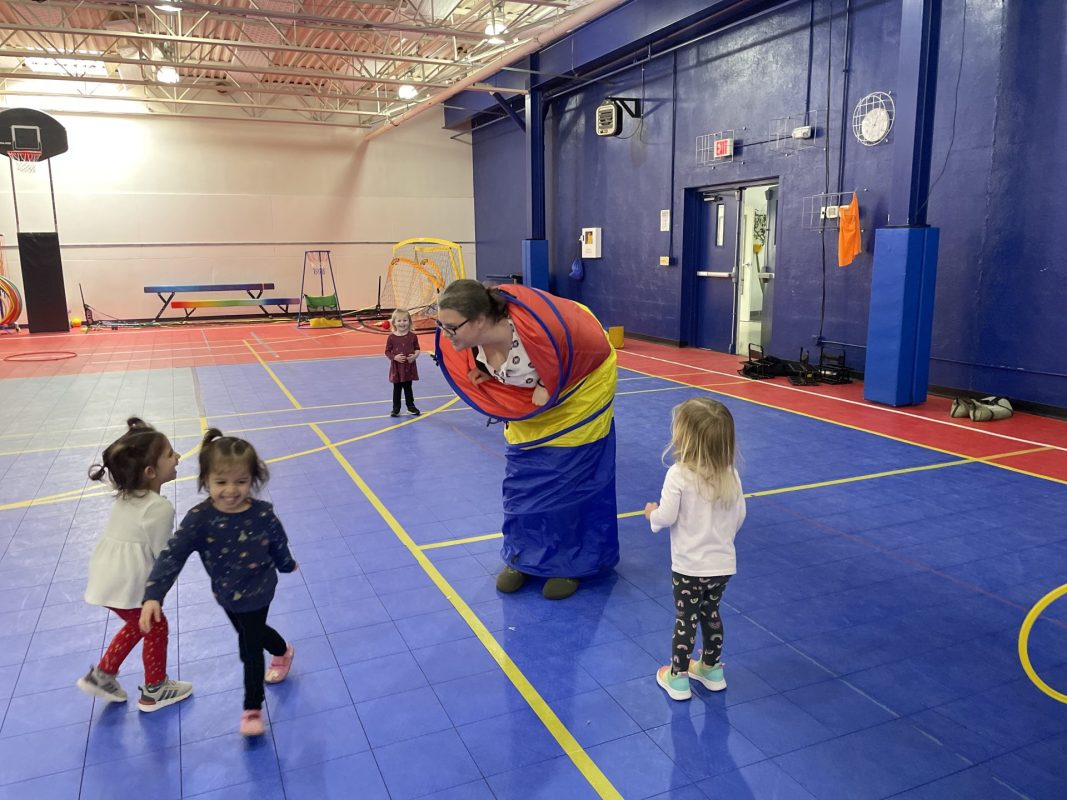
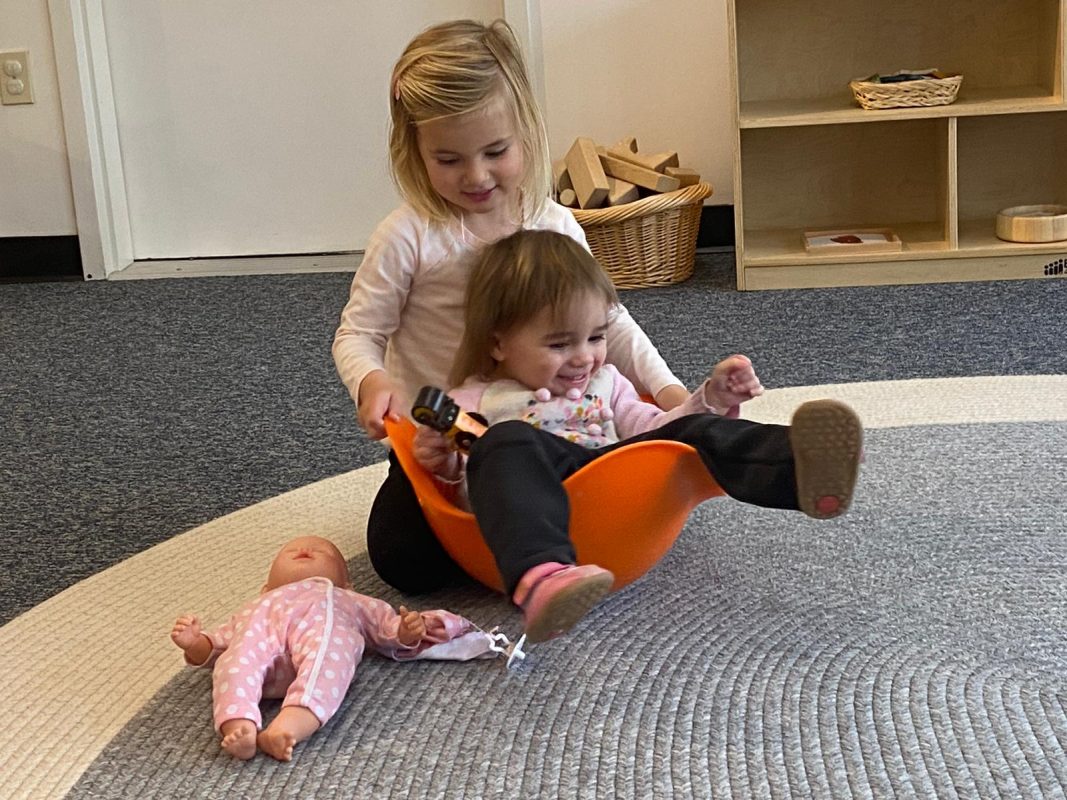
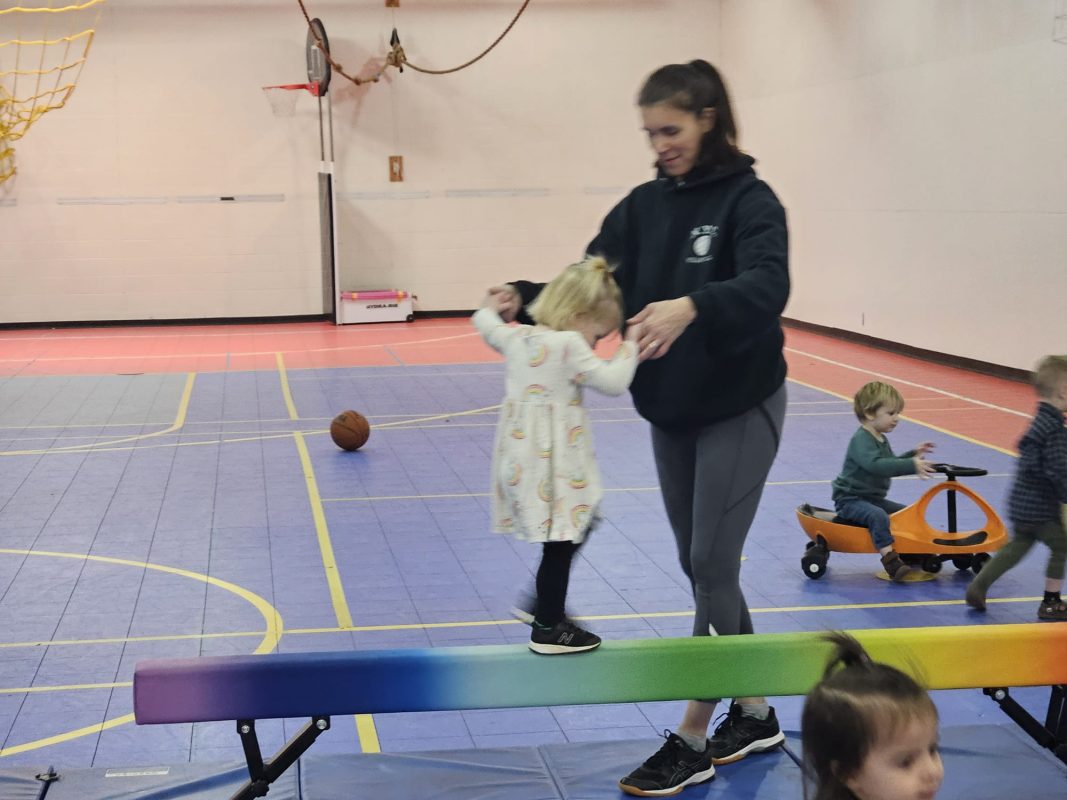
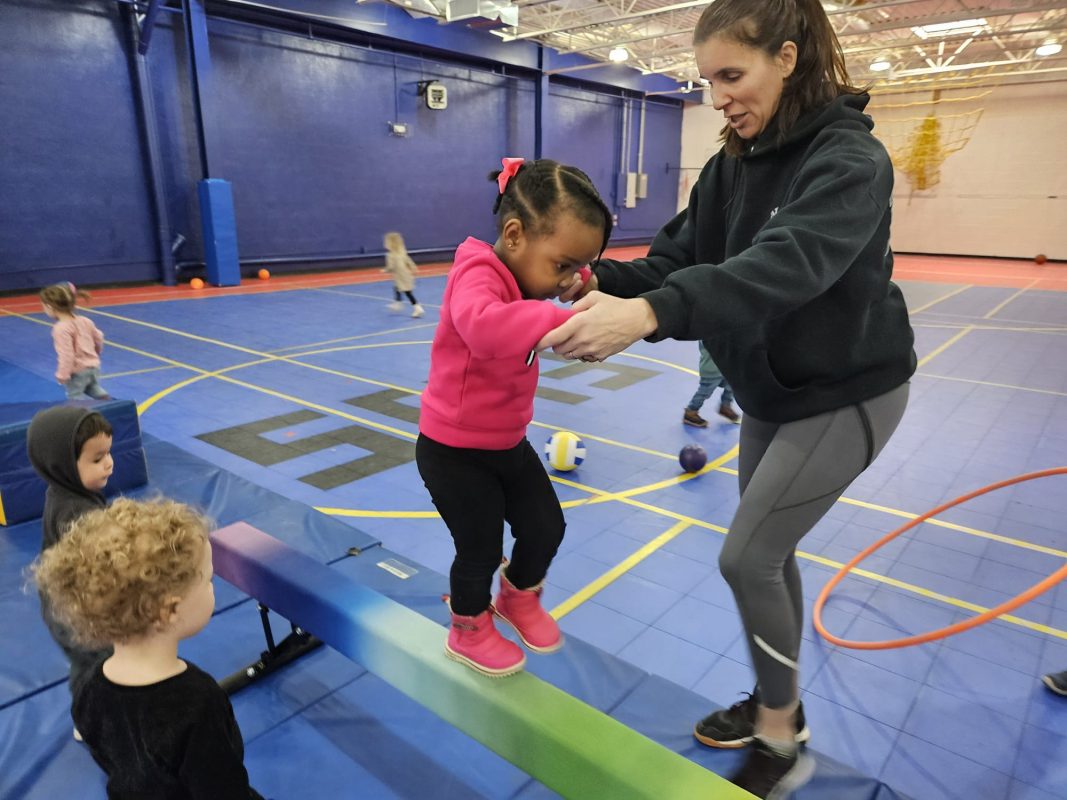
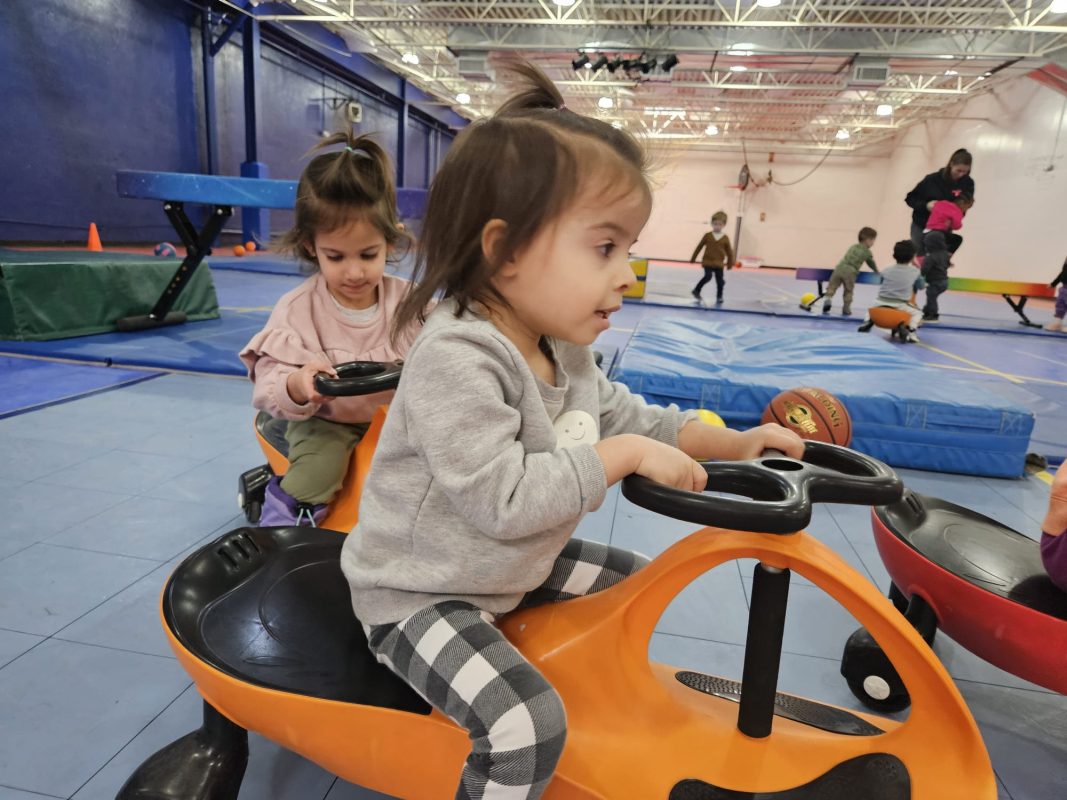
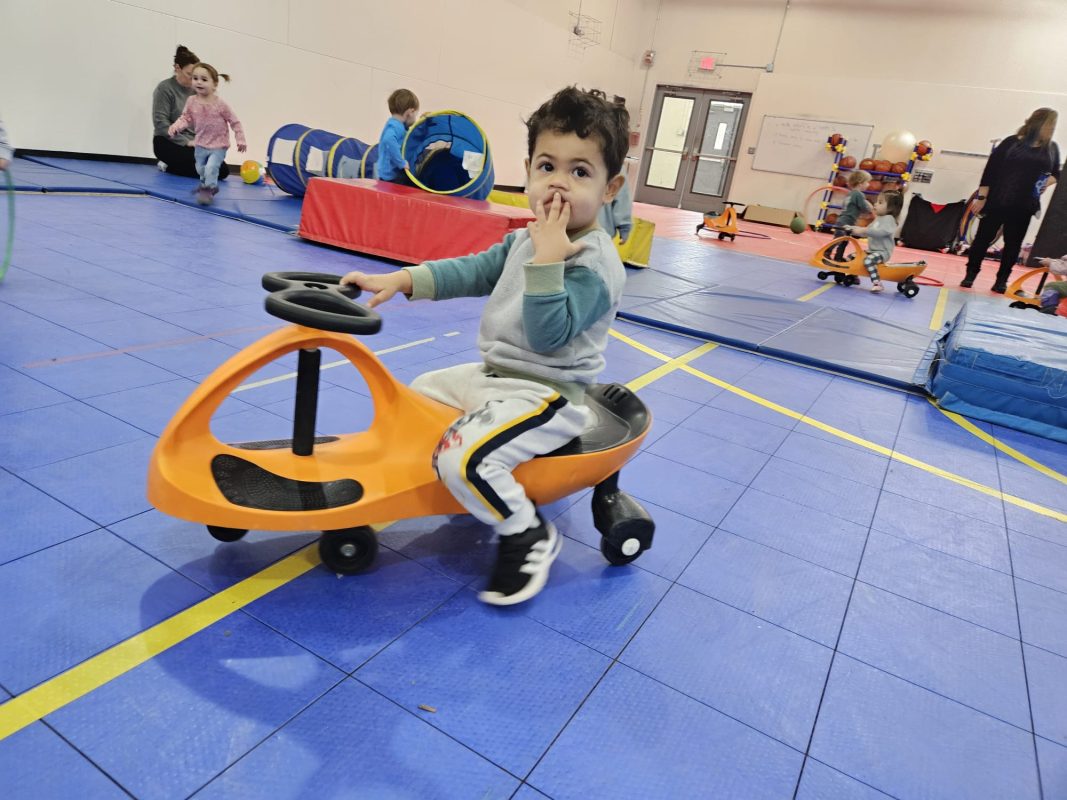
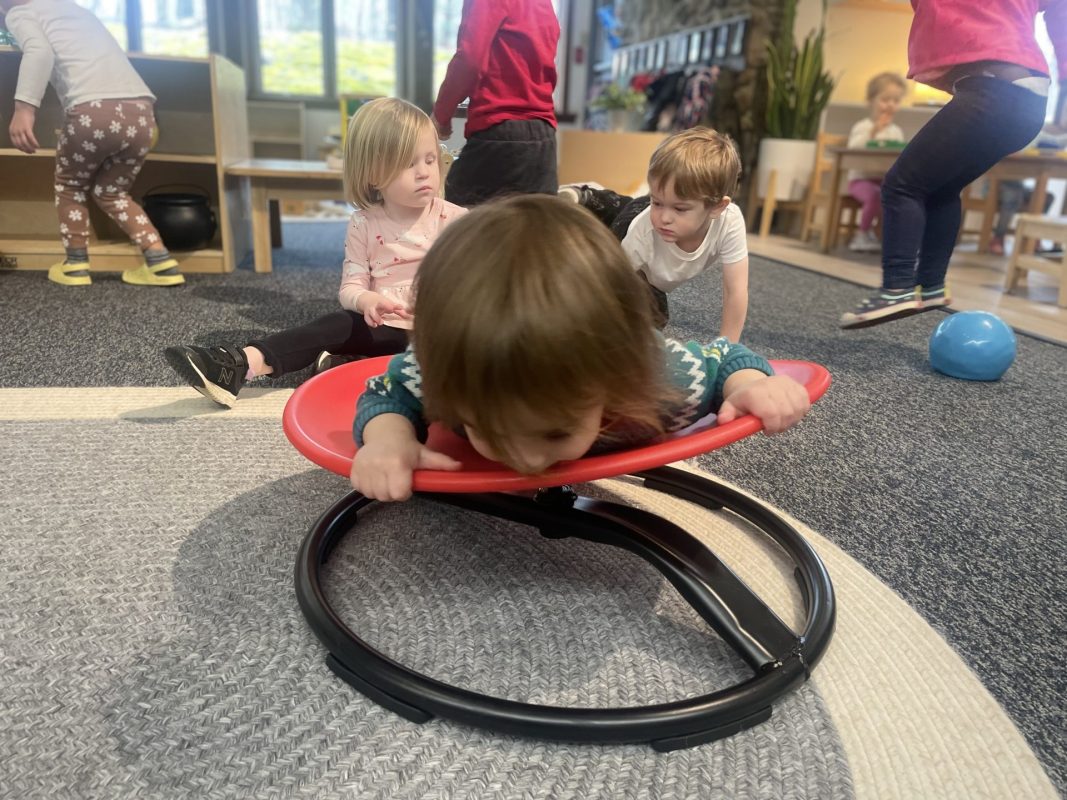
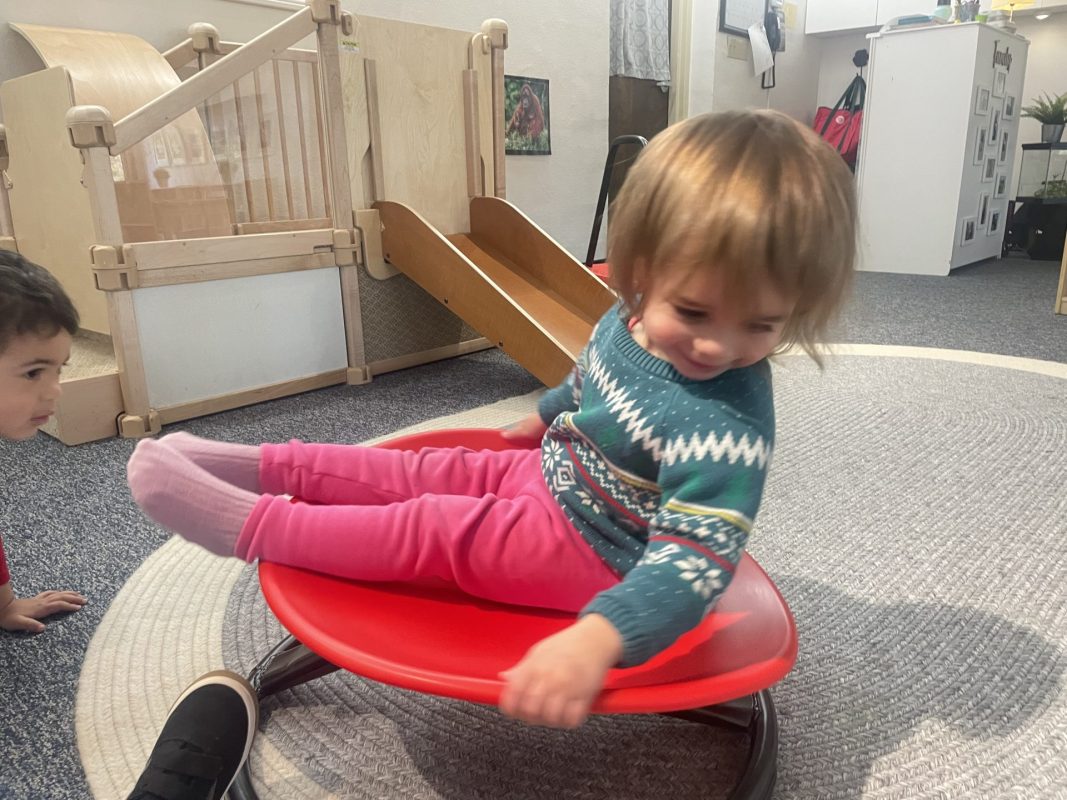
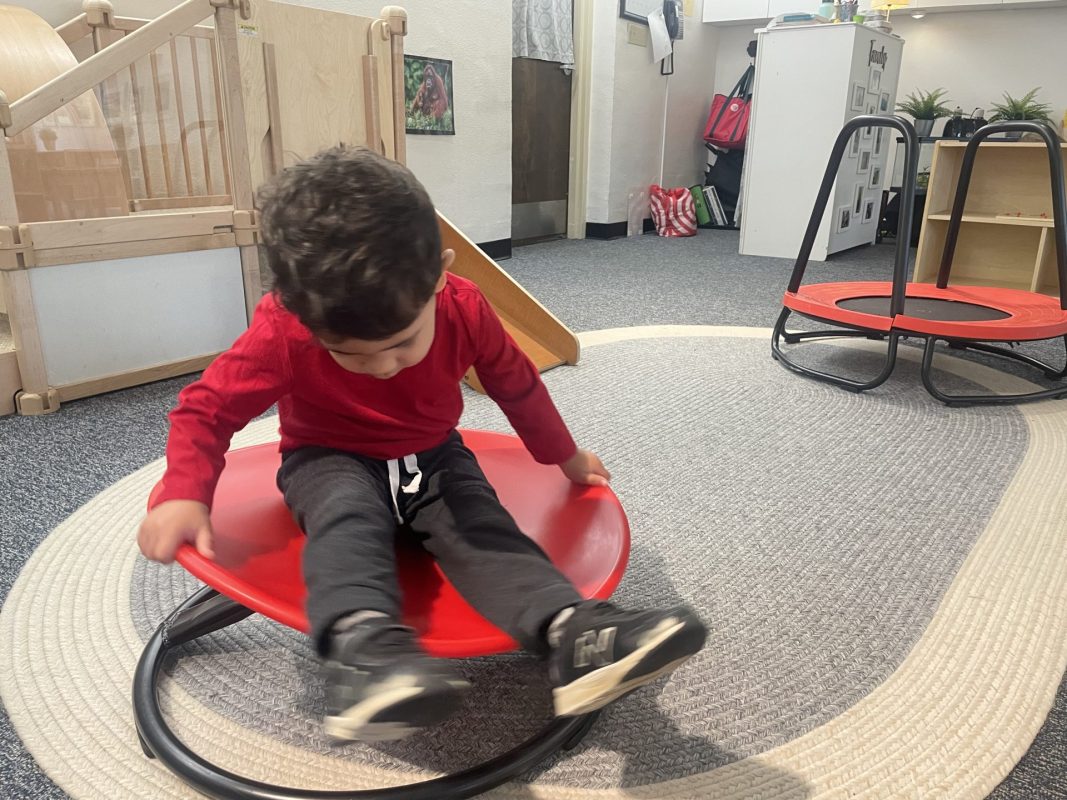
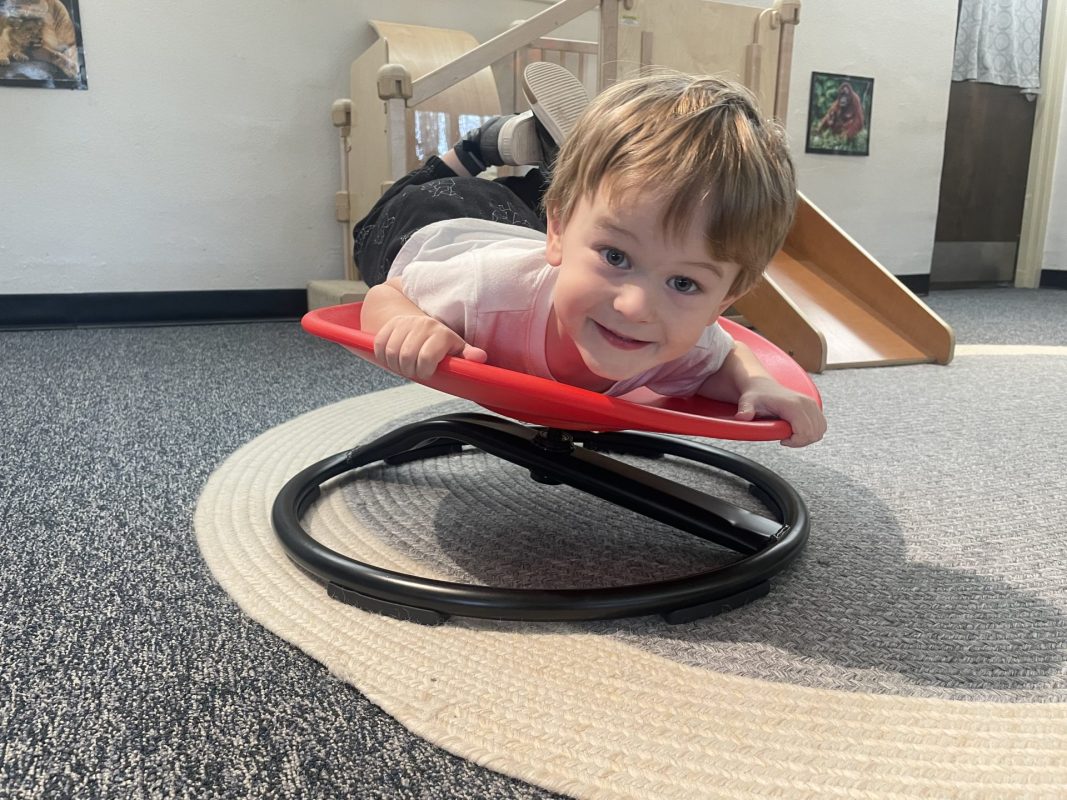
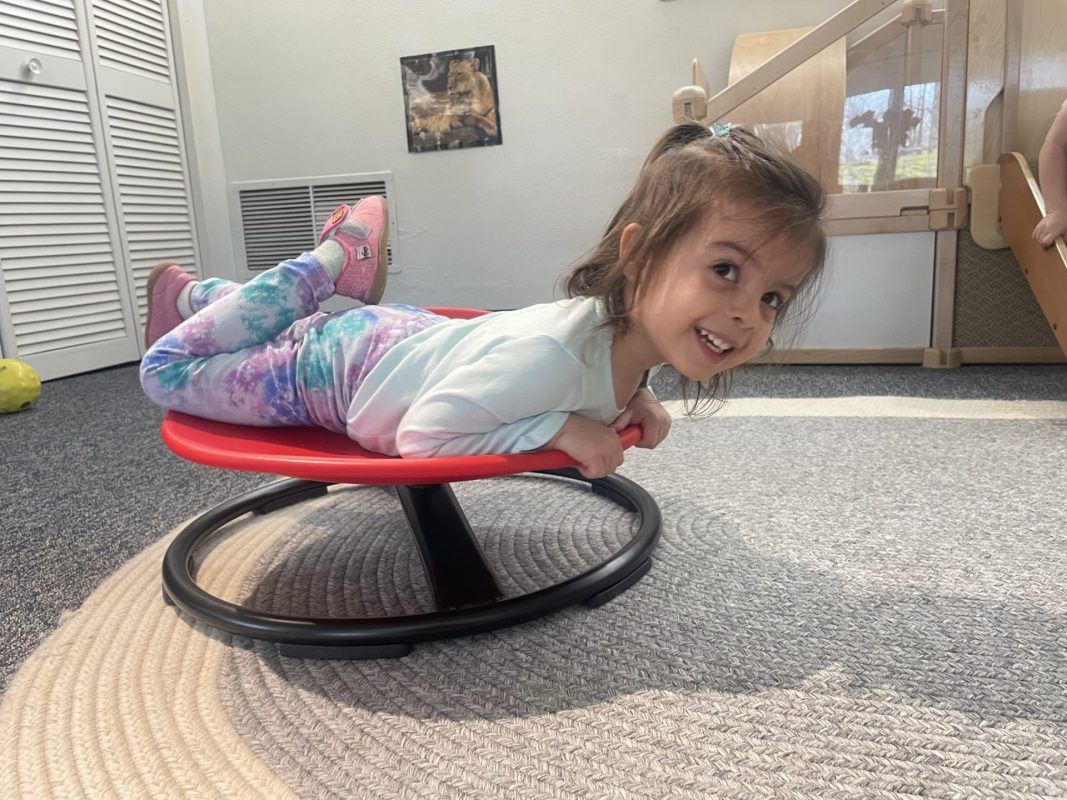
Lastly, a new popular piece of equipment was introduced in the movement area: A sensory spinning chair. Spinning on a chair provides intense vestibular input, which helps toddlers develop their sense of balance and spatial orientation. This stimulation can be calming for some children and can improve their ability to focus and attend to tasks.  Spinning on a chair requires coordination and motor planning, which can help toddlers develop their gross motor skills. It can also improve their core strength and stability, which is important for posture and overall physical development. The repetitive motion of spinning can have a calming effect on toddlers, helping them regulate their emotions and reduce feelings of anxiety or frustration. To say children LOVE this chair is an understatement!

We hope you all have the most wonderful Spring break! See you in two weeks!

Adios!

Mrs. Hood and Ms. Mollie

Mrs. Hood: The Process of Normalization

In Montessori education, the concept of “normalization” holds a profound significance, quite different from its conventional meaning. Maria Montessori used this term to describe a remarkable process she observed in children’s development—a process that unfolds when children are given the freedom to work in an environment that aligns with their developmental needs.

“Normalization” in Montessori does not imply conforming to a standard or being forced into a mold. Instead, it signifies a state of being where children exhibit a deep sense of inner peace and discipline. Montessori observed that when children engage in activities that captivate their interest and require their full concentration, they experience a profound sense of fulfillment and satisfaction. This focused, purposeful work leads to a state of normalization characterized by a calm, content demeanor.

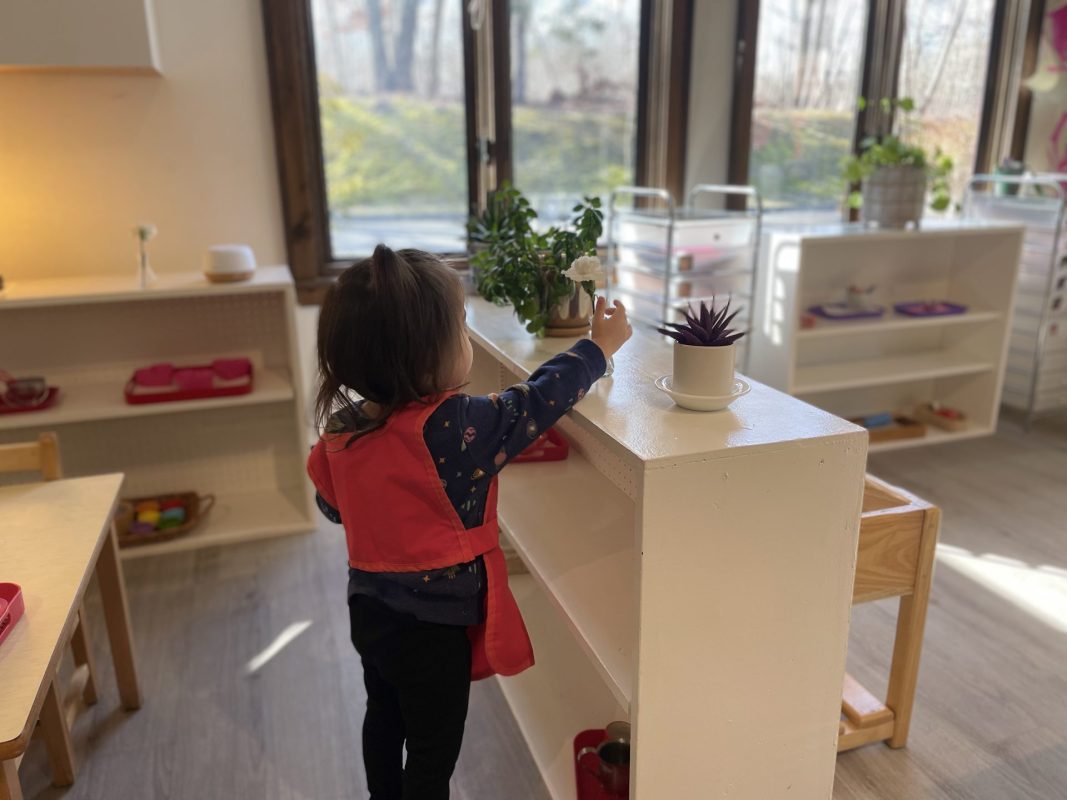
In our Montessori environment, we witness the signs of normalization every day. Children are deeply engaged in their chosen activities, demonstrating sustained concentration and a sense of joy in their work. As a result, they become more independent and self-disciplined, fostering an environment of peaceful, harmonious interactions.

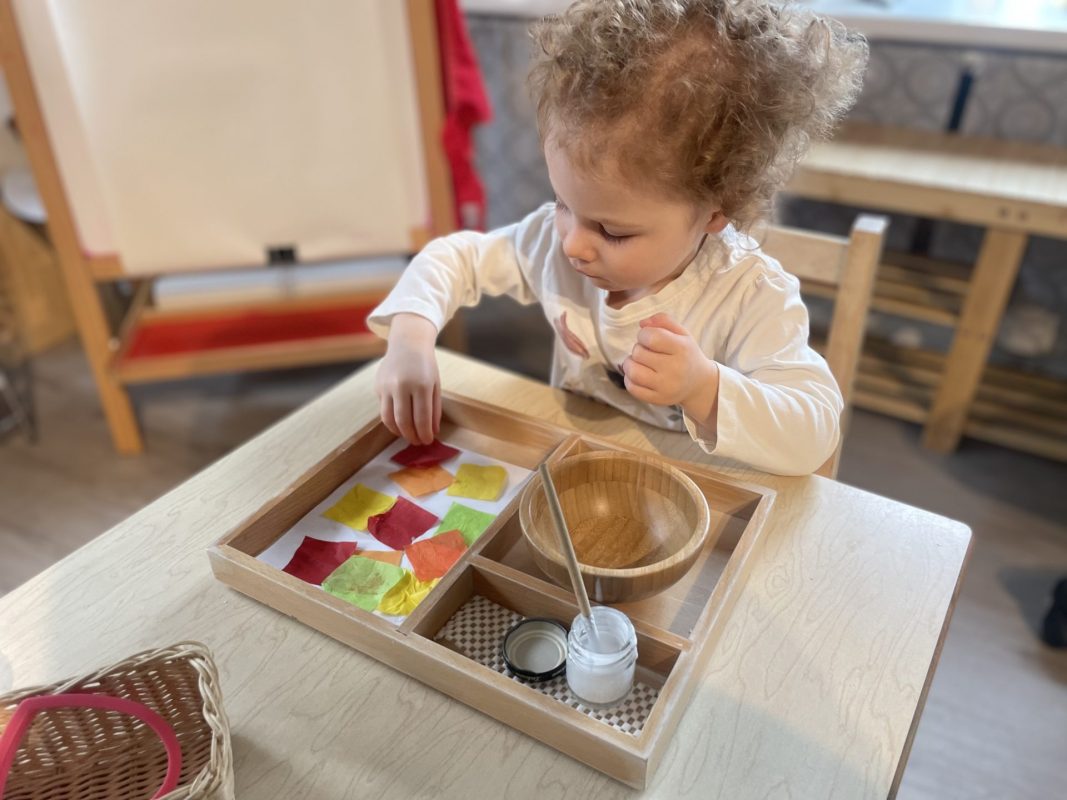
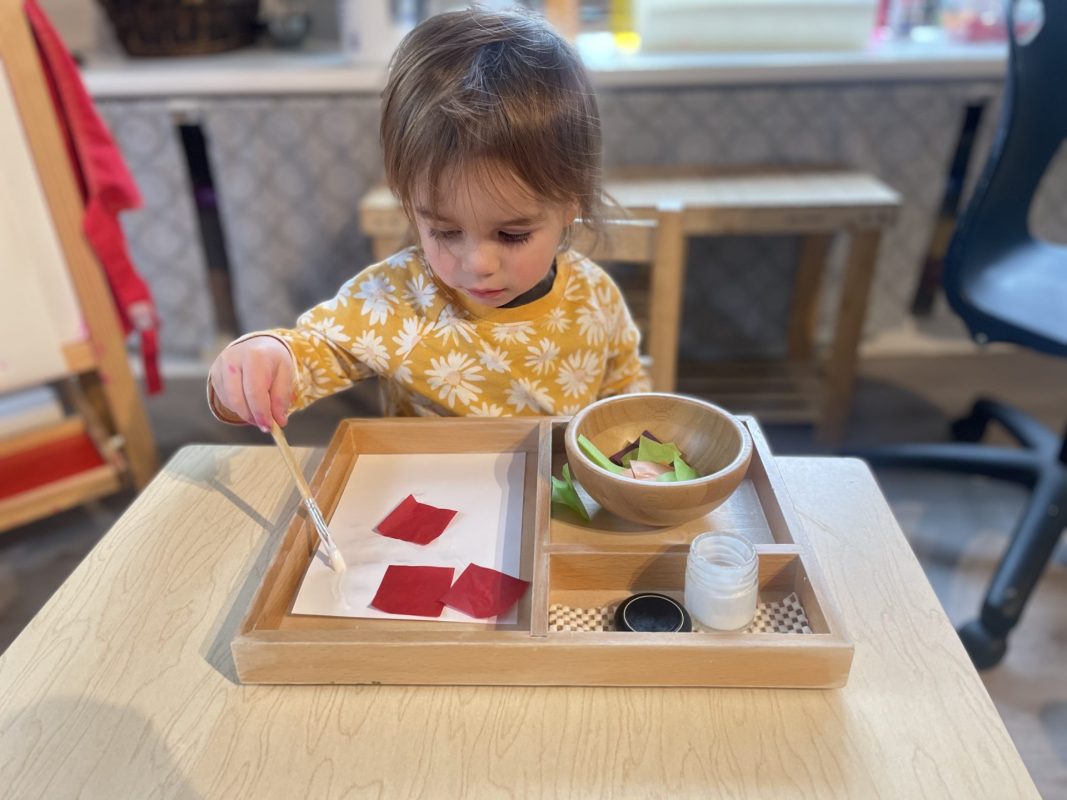
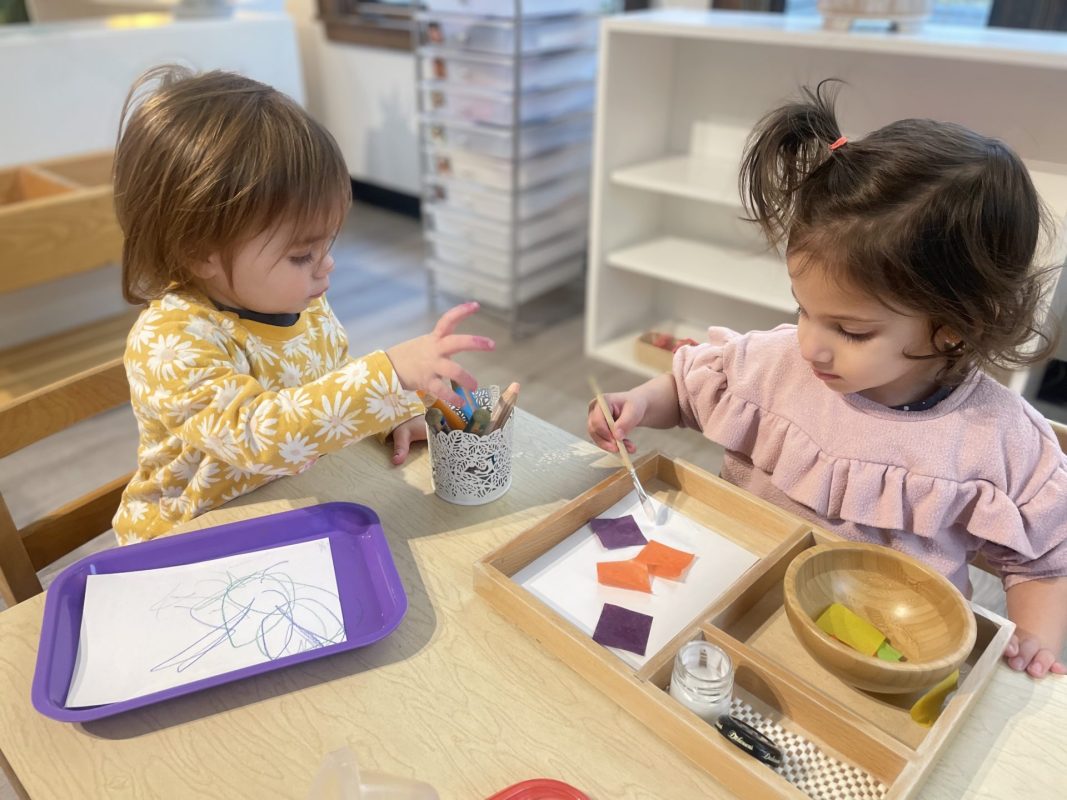
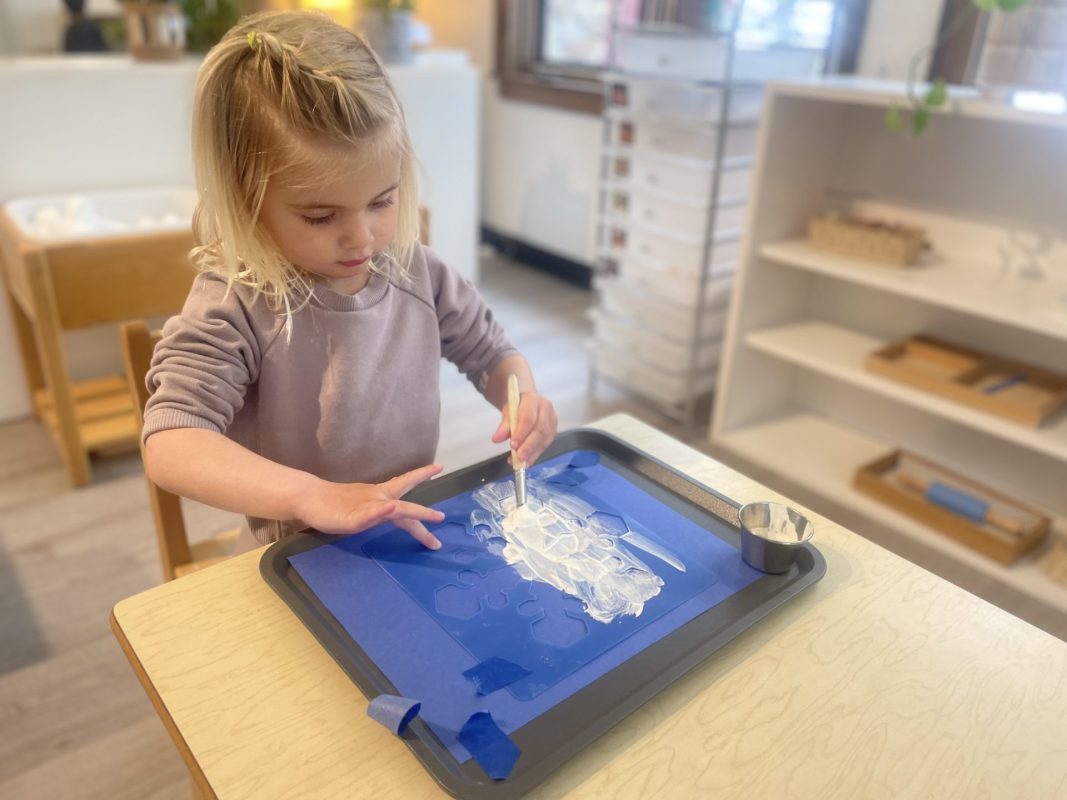
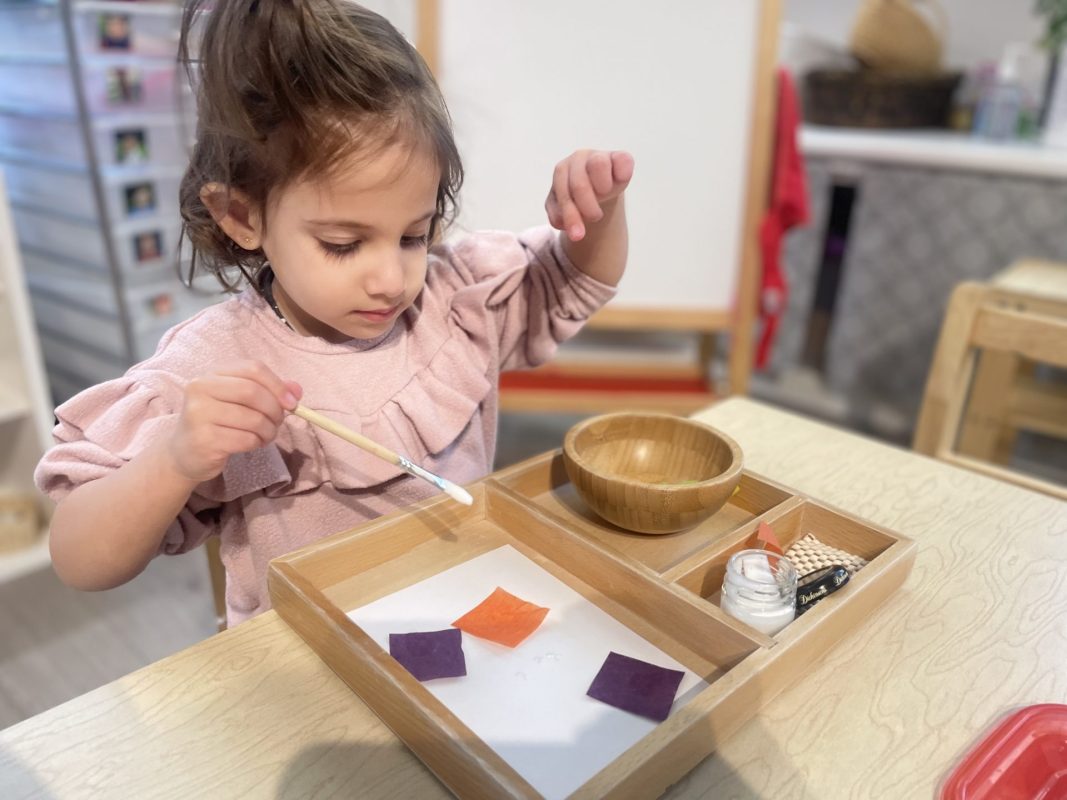
On another note, this week, we introduced the art skill of gluing, which has become a favorite among the children. Learning to use glue may seem like a simple activity, but it offers numerous benefits. It enhances hand-eye coordination, refines fine motor skills, and helps children understand the sensory concept of stickiness, adding a tactile dimension to their learning experience.

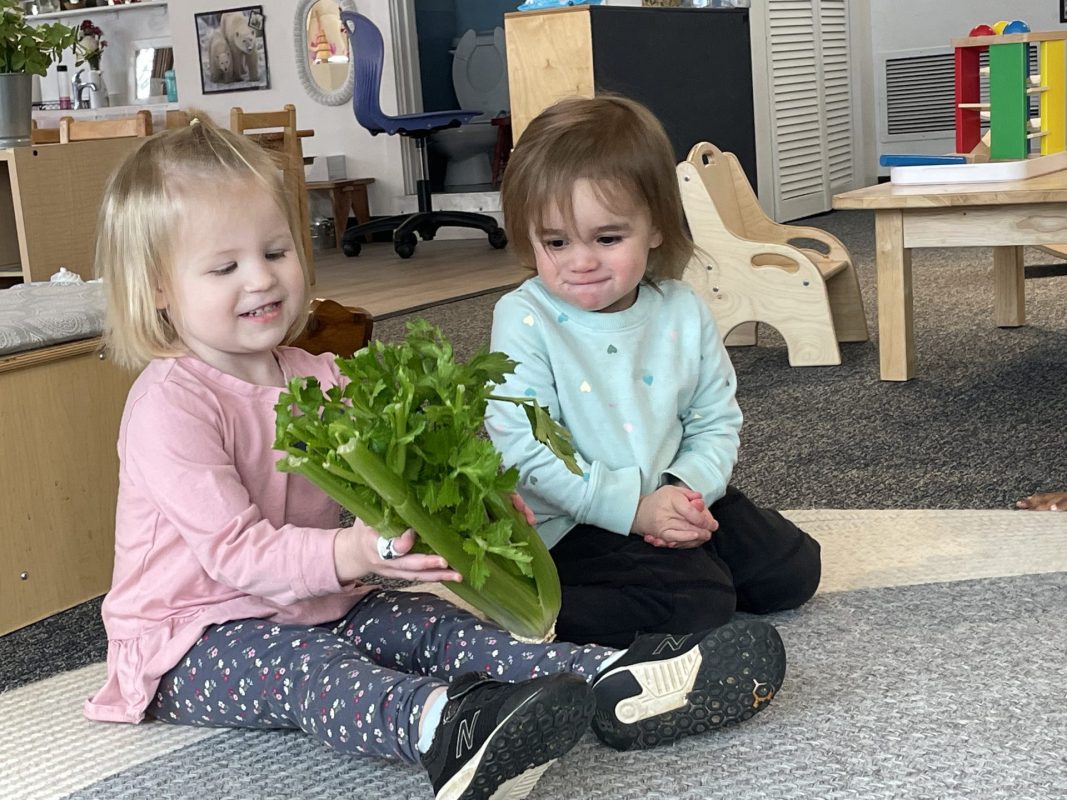
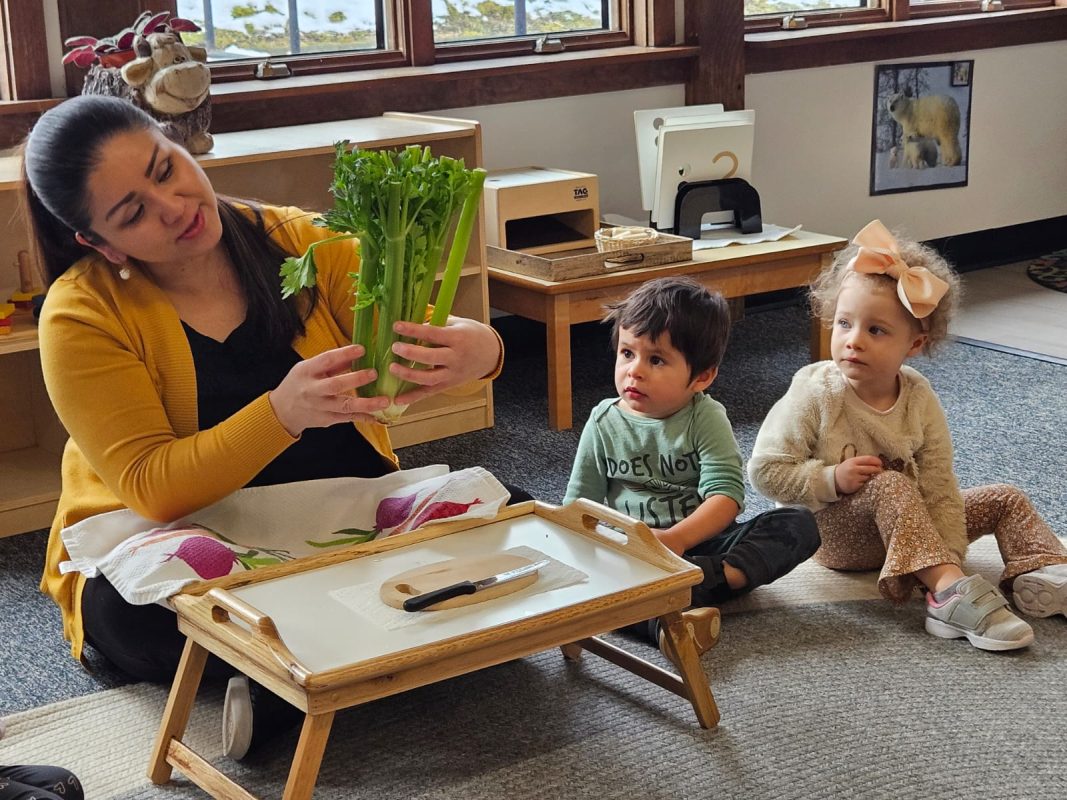
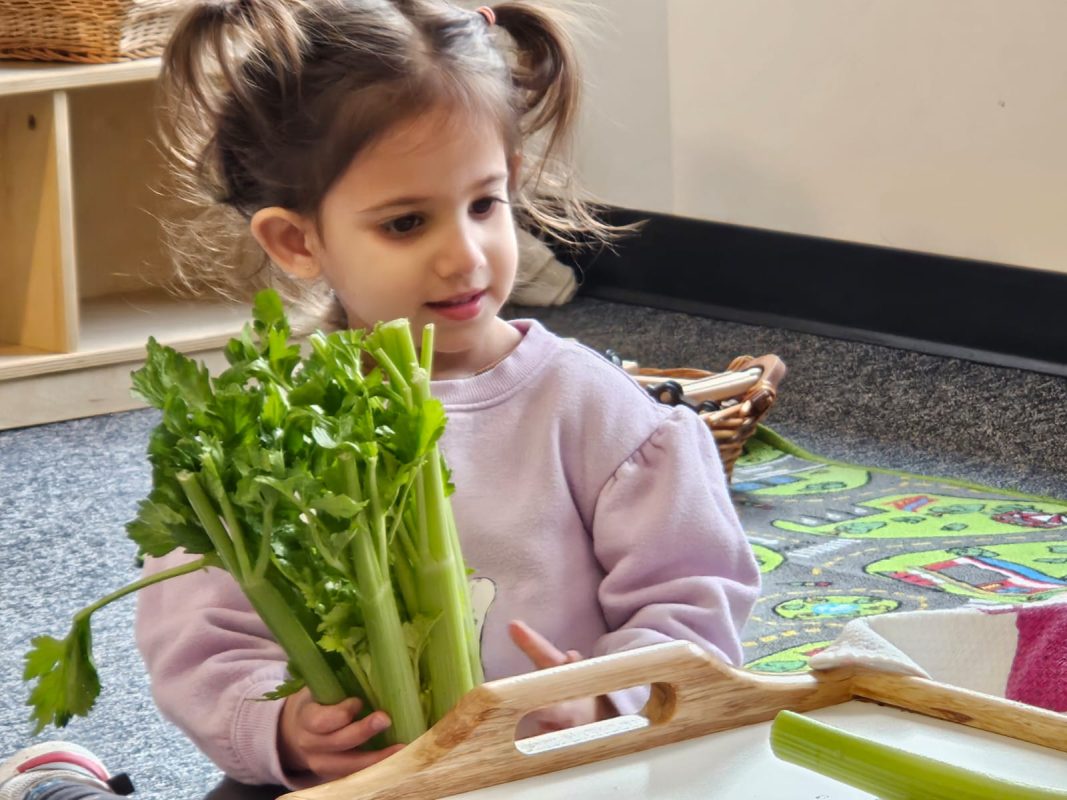
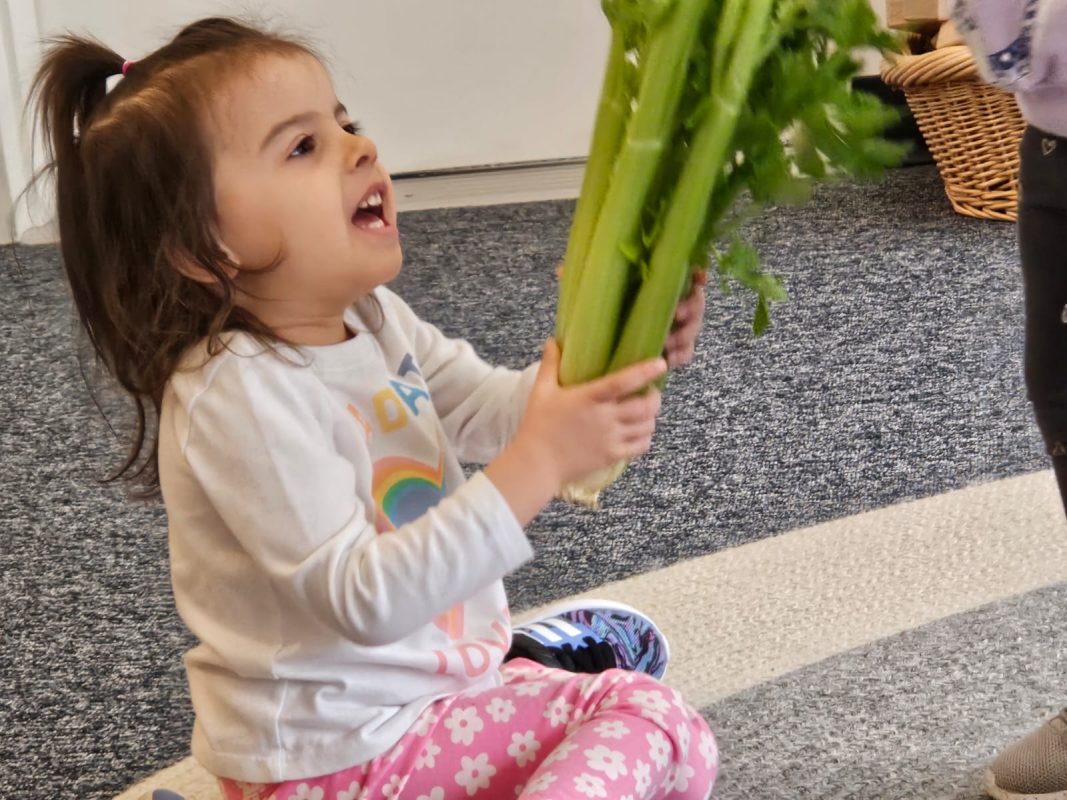
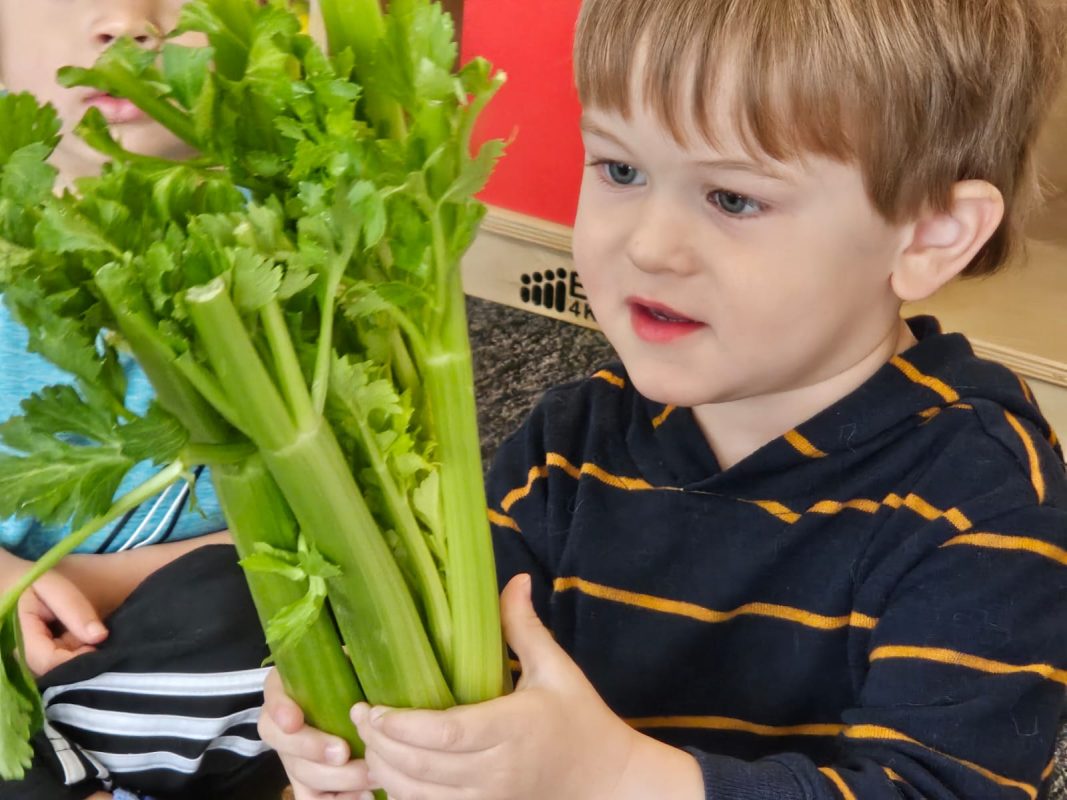
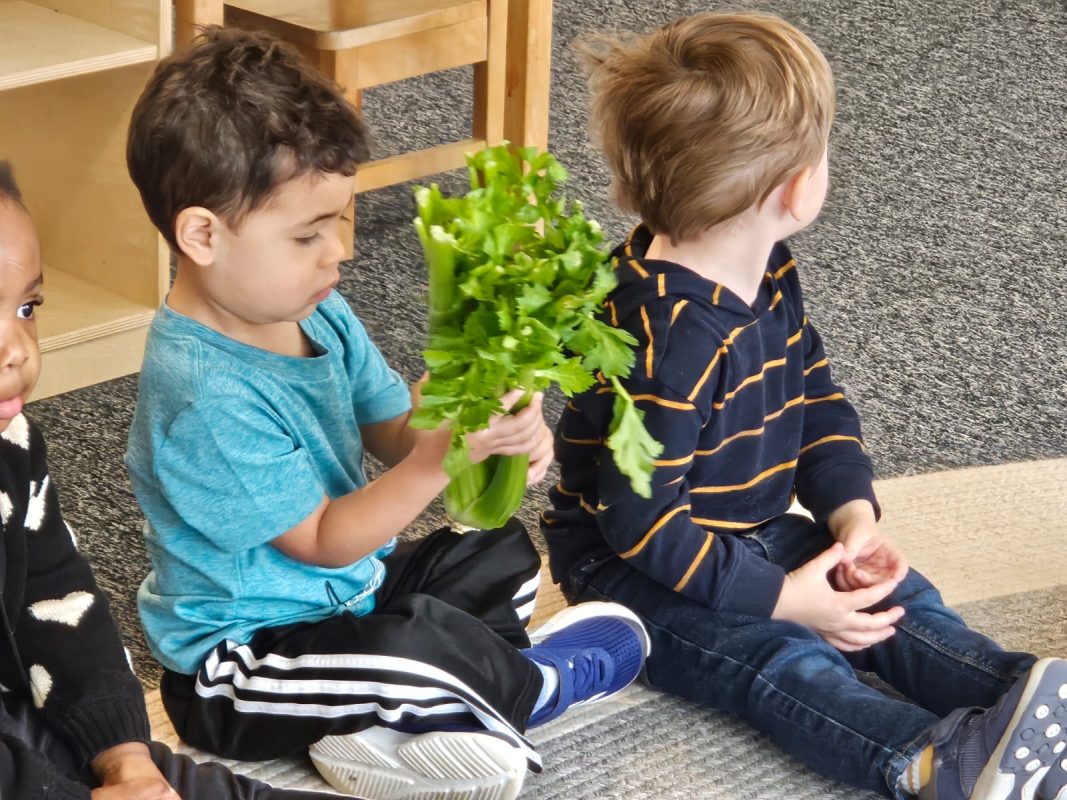
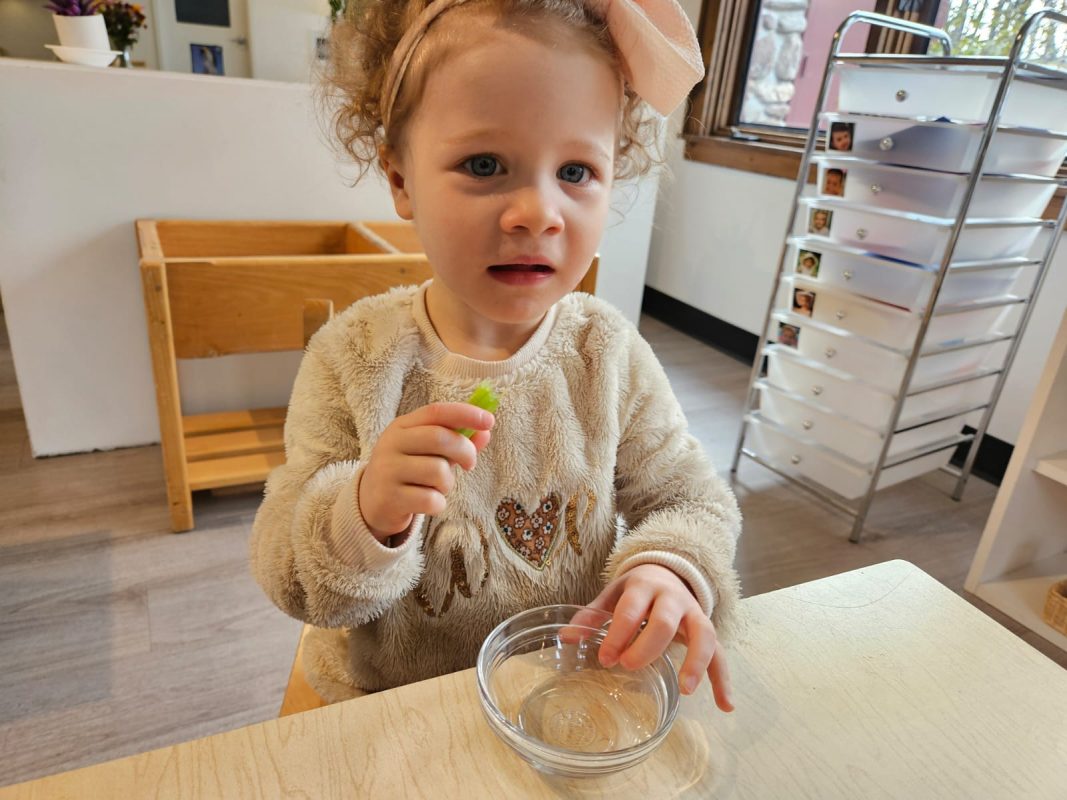
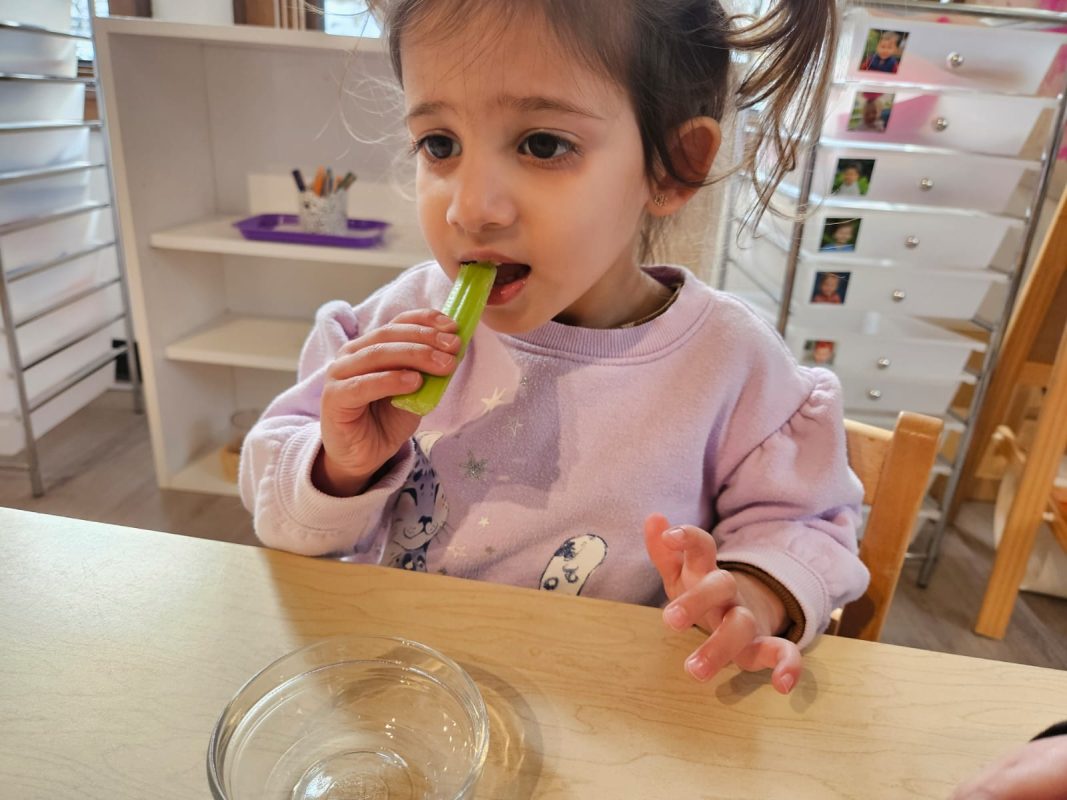
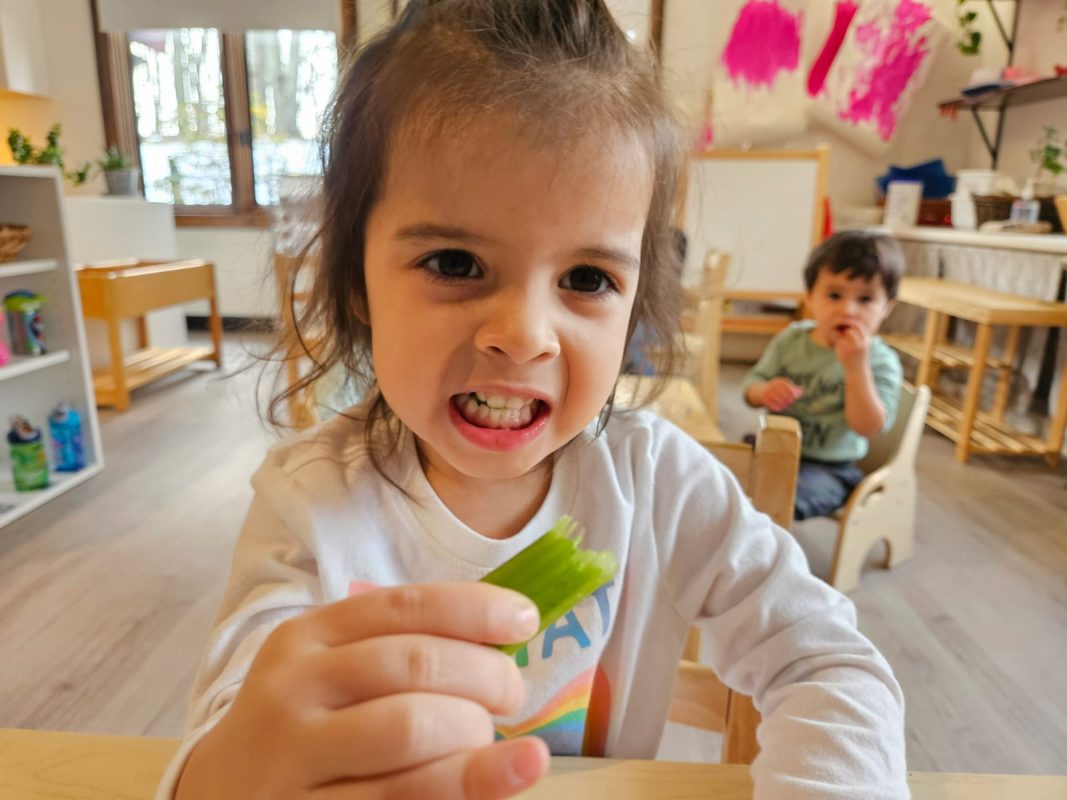
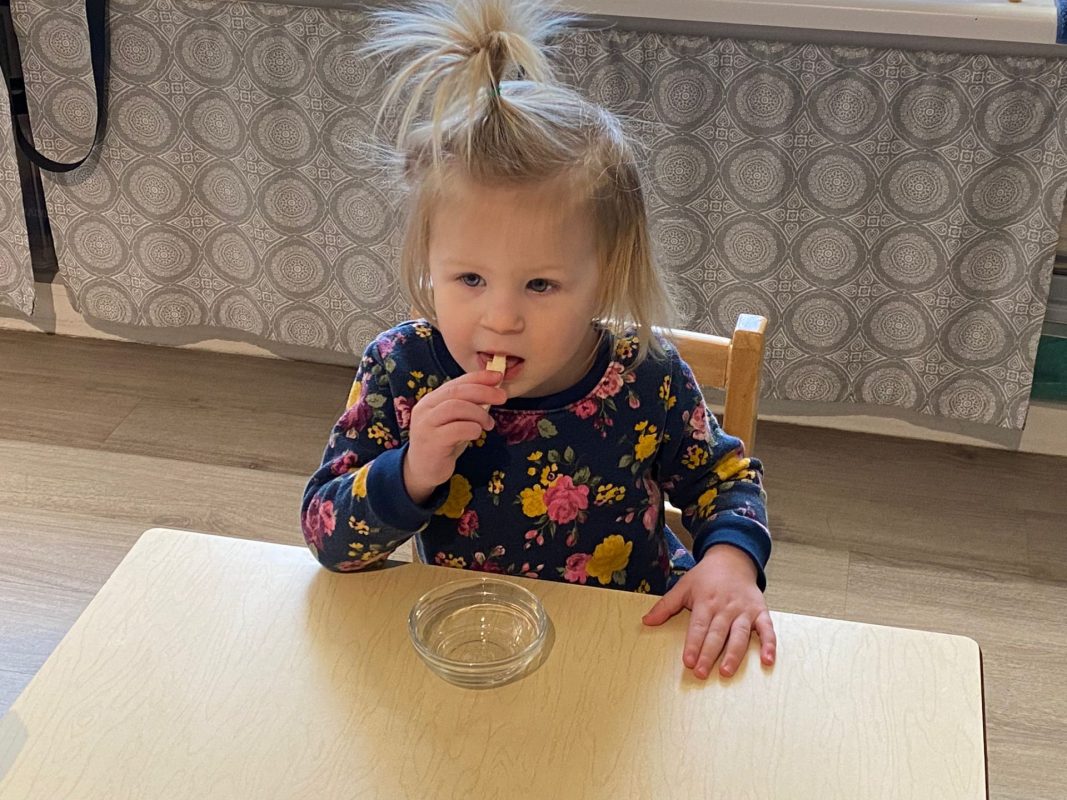
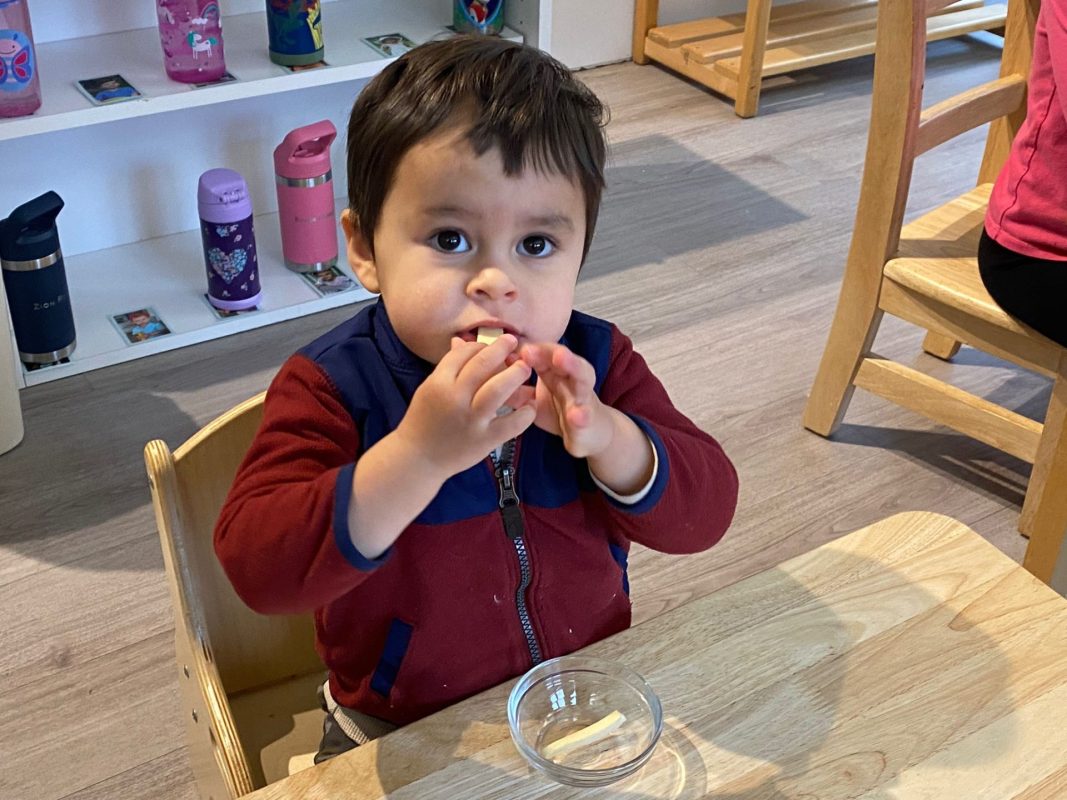
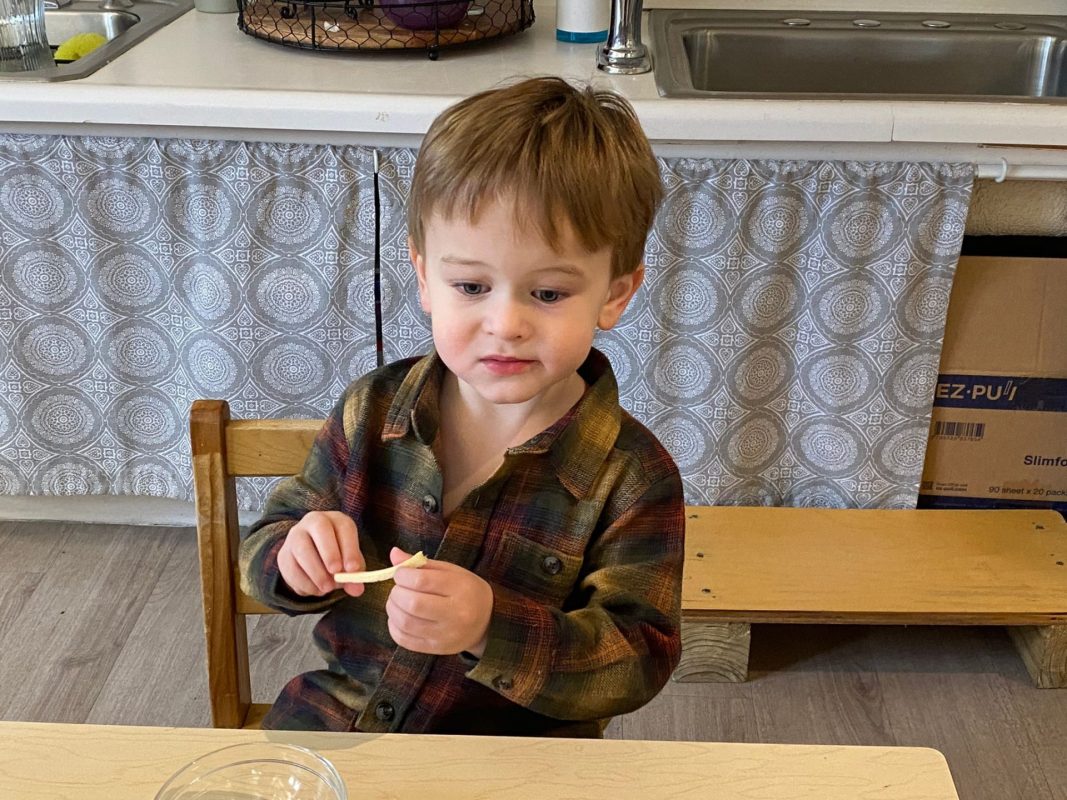
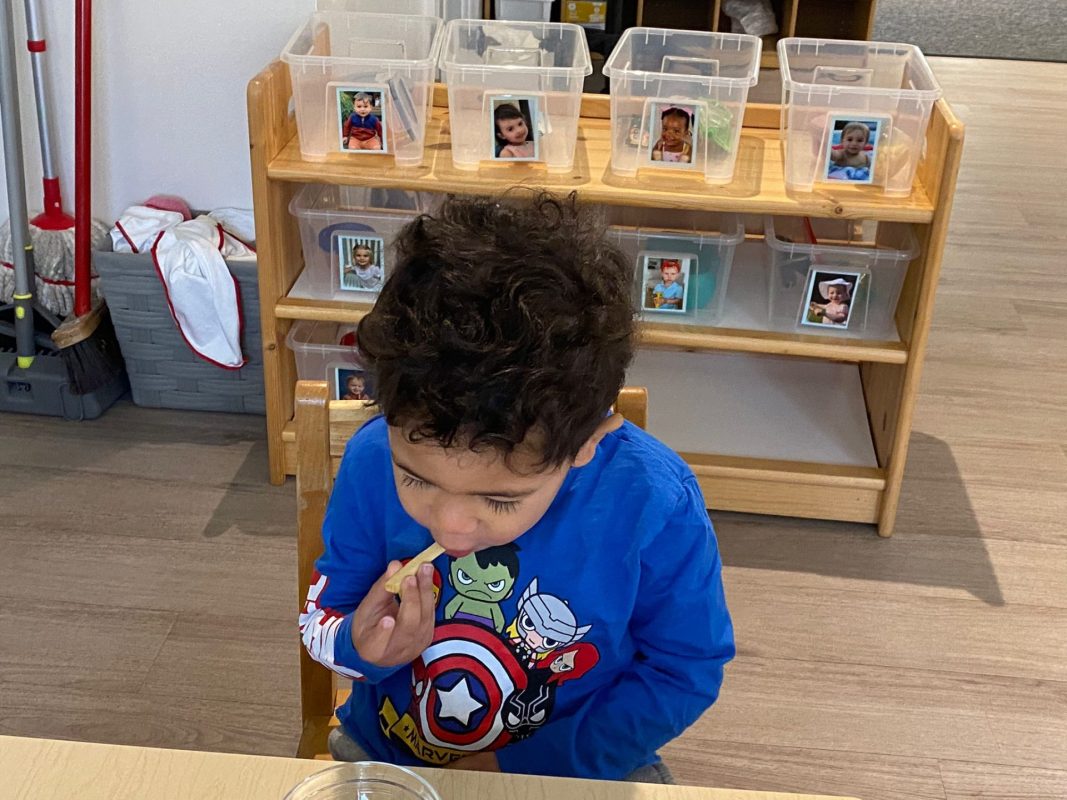
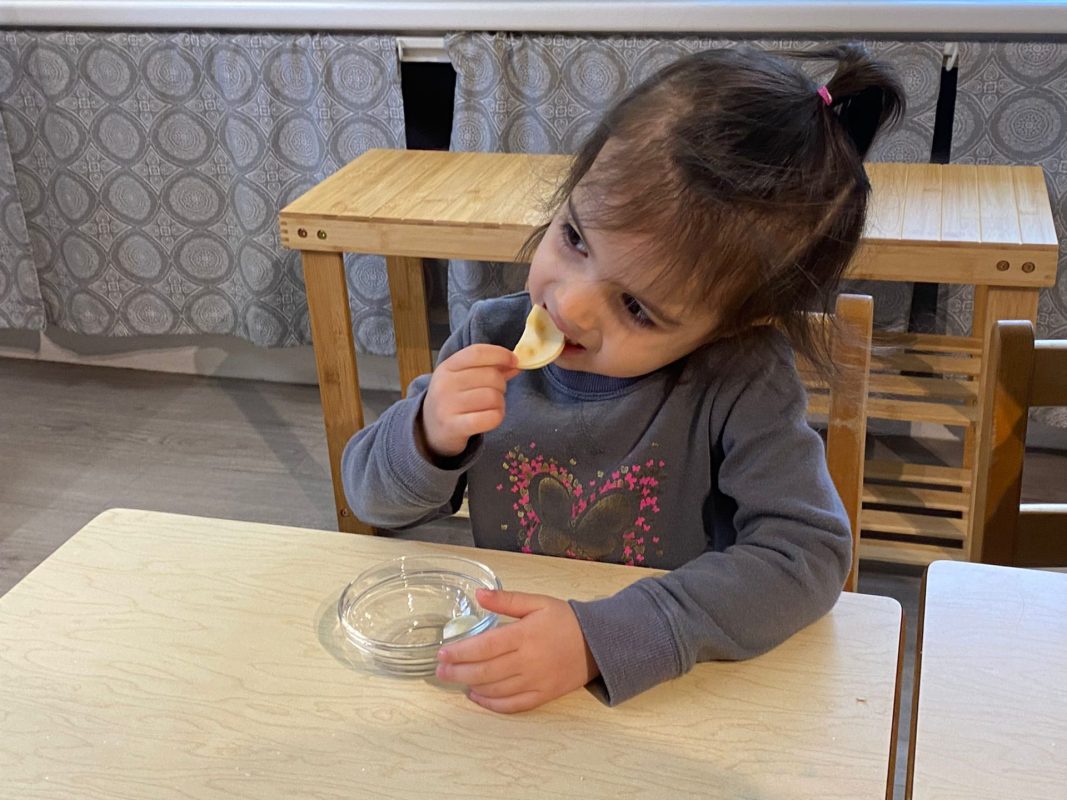
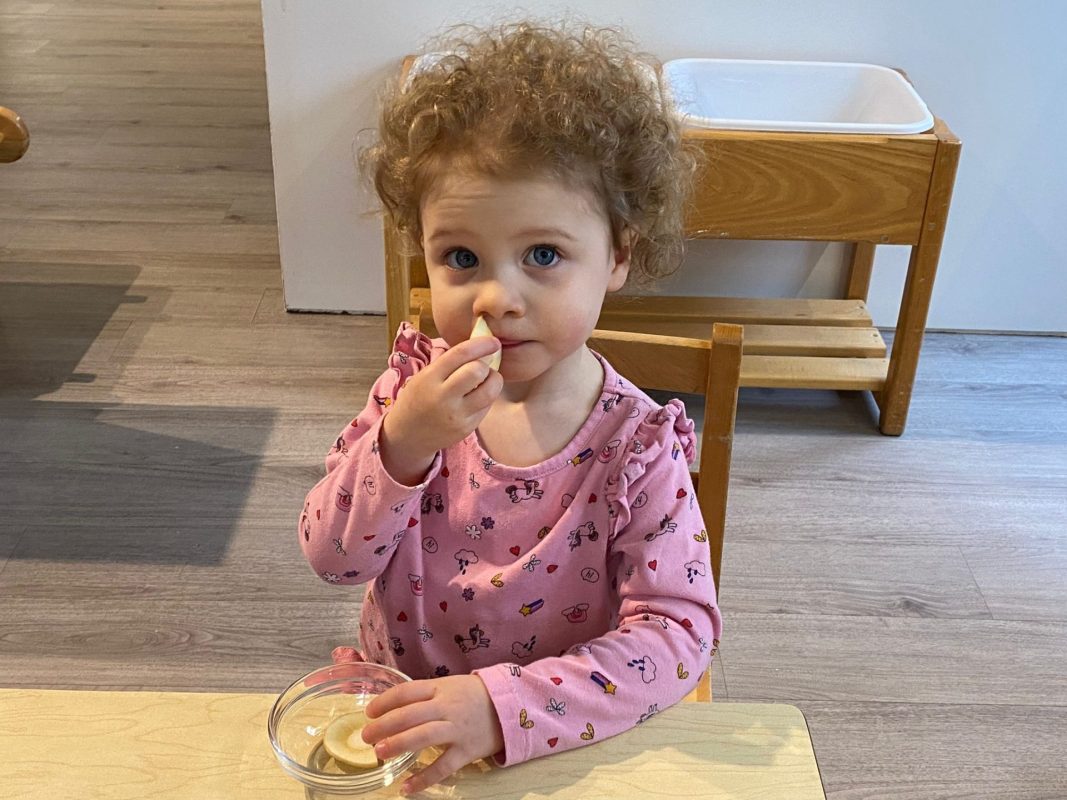
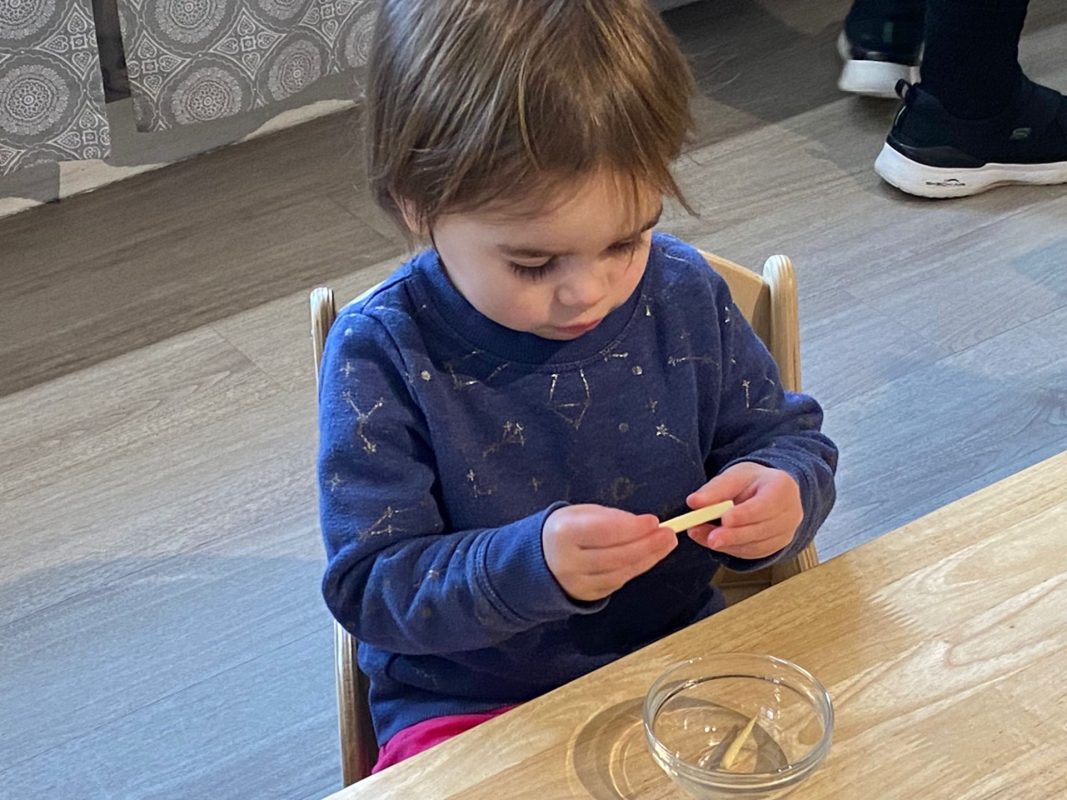
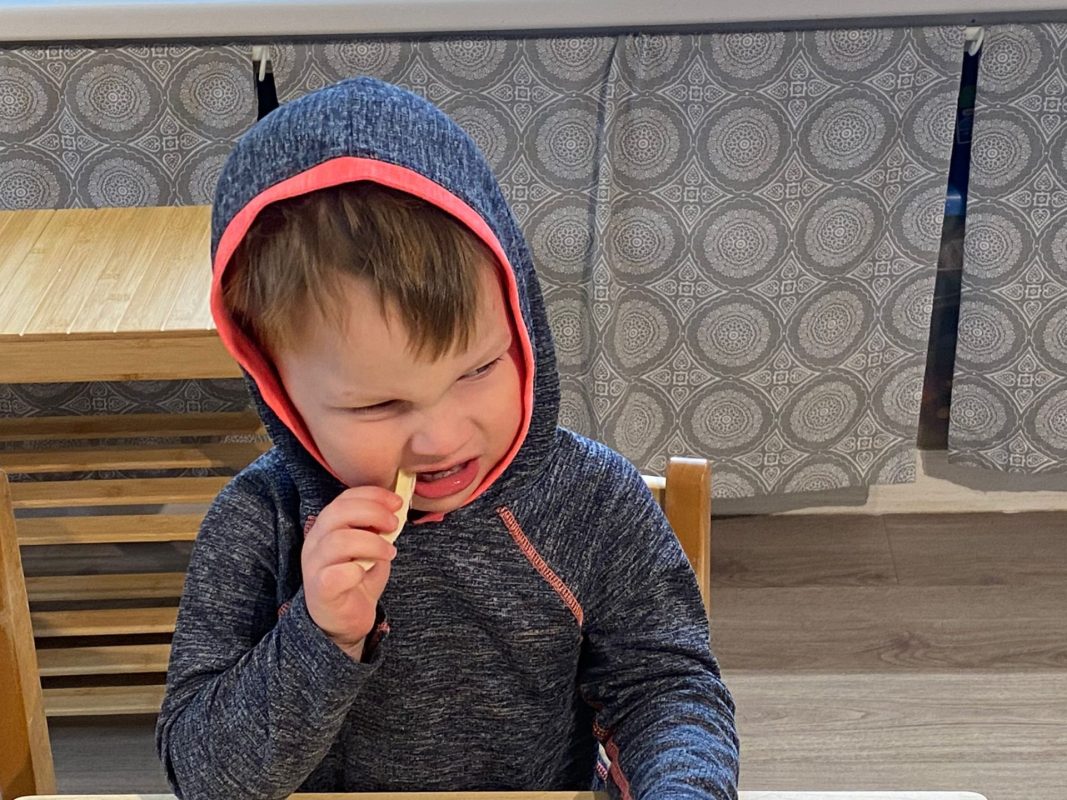
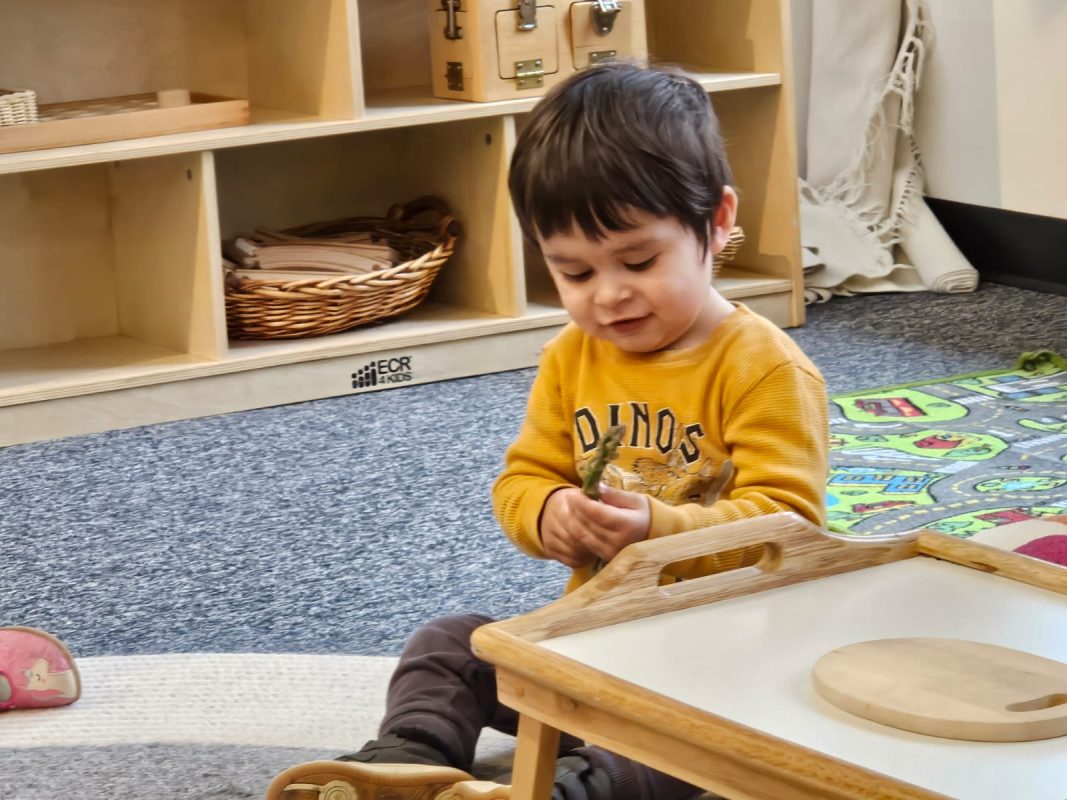
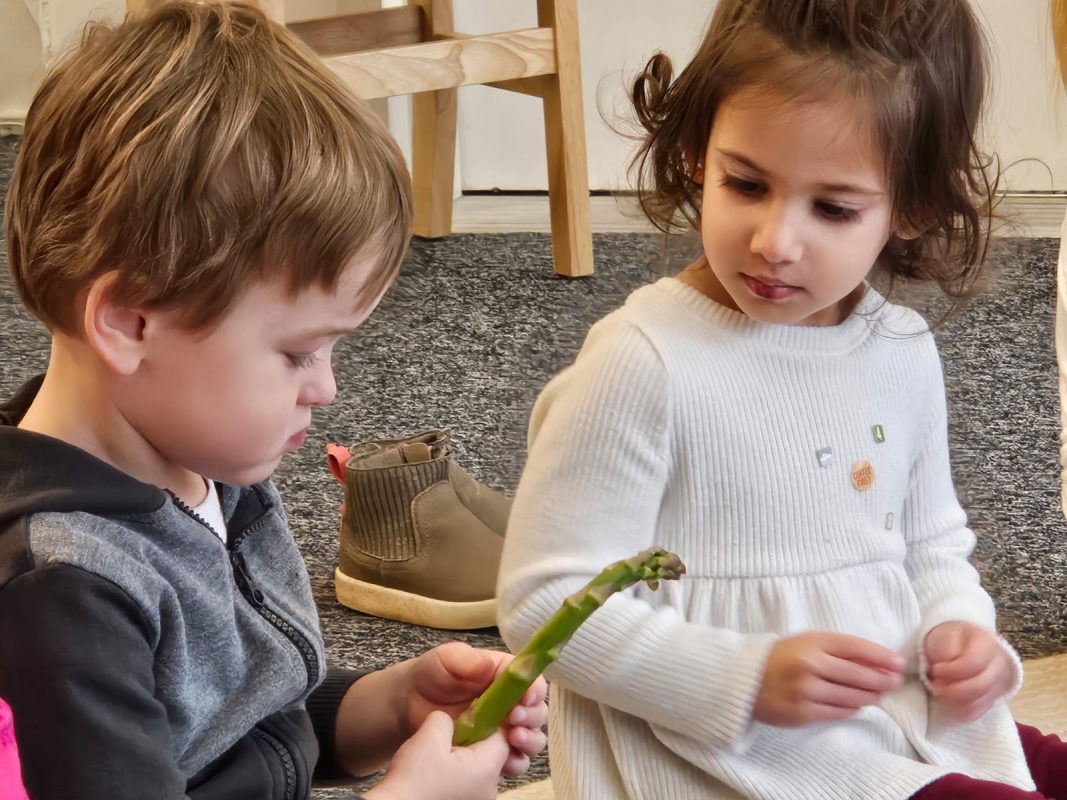
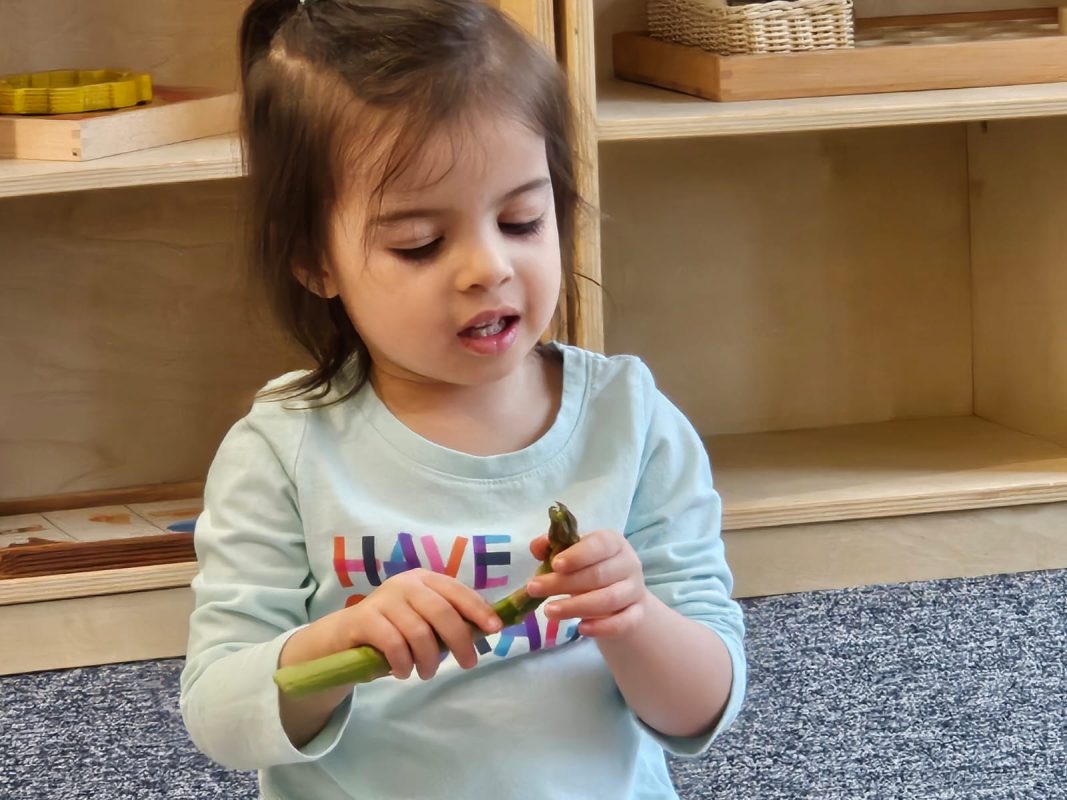
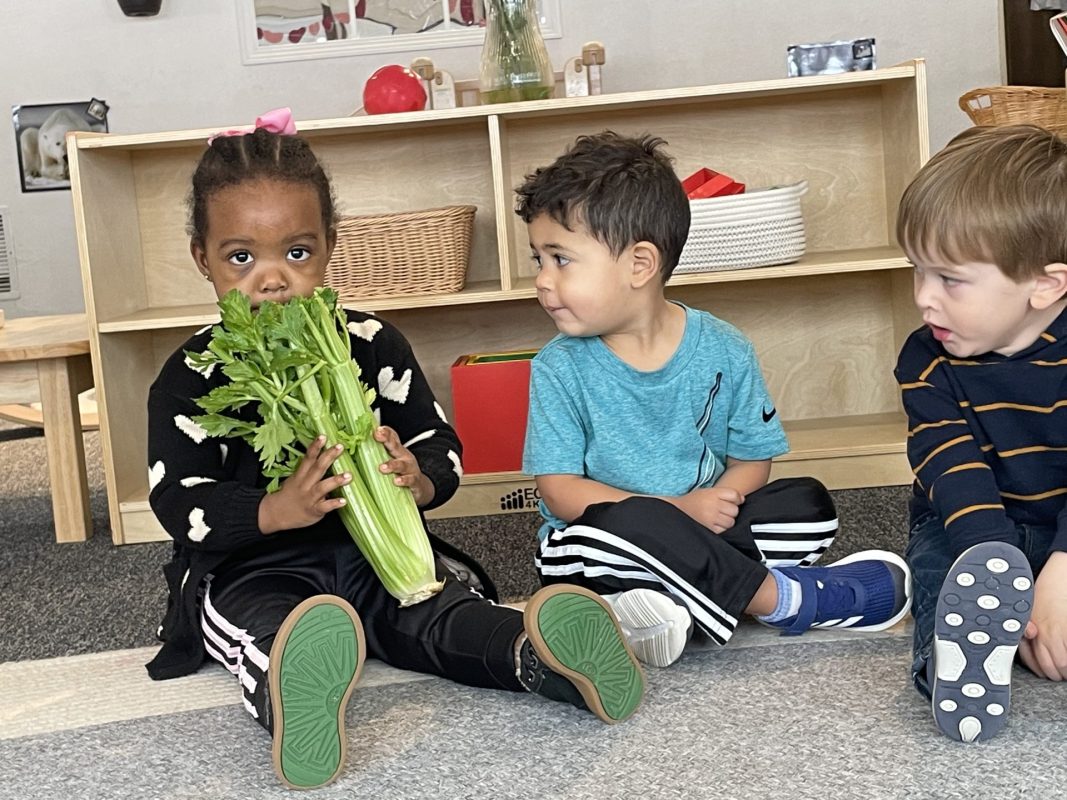
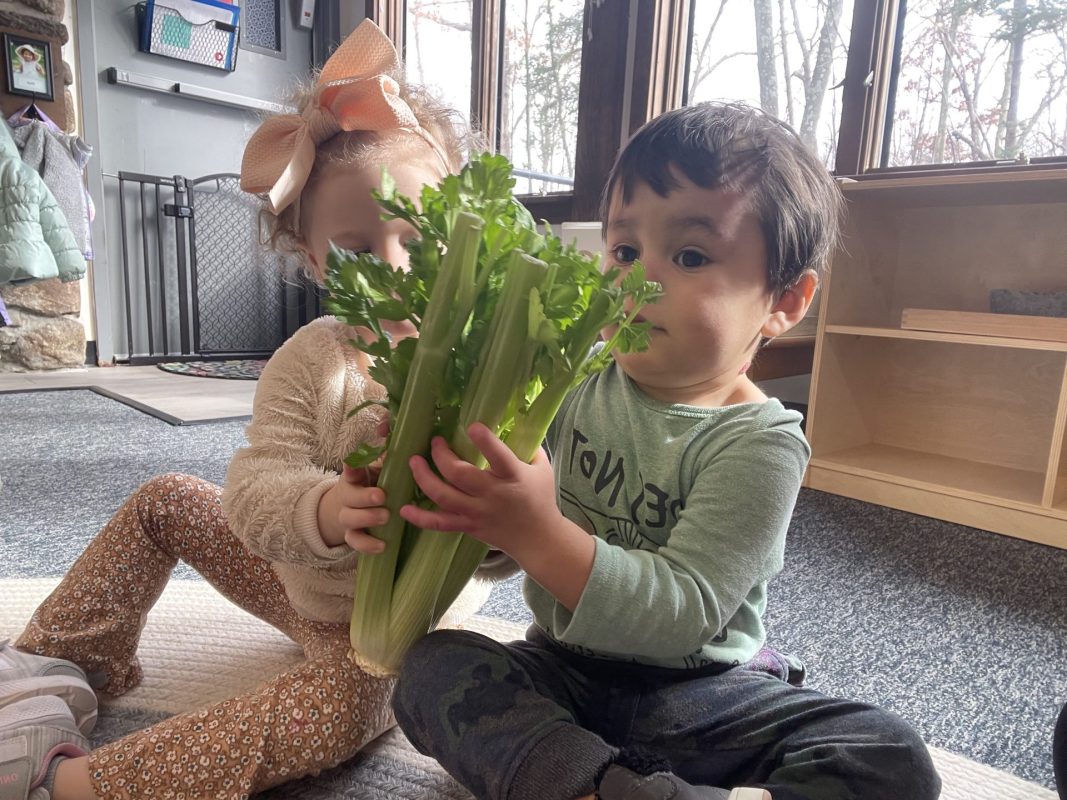
In our most recent food-tasting lesson, we explored celery. Although most of the children were not too excited about this vegetable at the time of tasting, they were in awe of how cool-looking and heavy the whole stalk of celery was.

As we continue to nurture the process of normalization in our environment, we celebrate the remarkable growth and development taking place in your child.

Enjoy your weekend!

Mrs. Hood and Mrs. Mollie


Mrs. Hood’s: Amigos!

“Of all things, love is the most potent.” – Maria Montessori

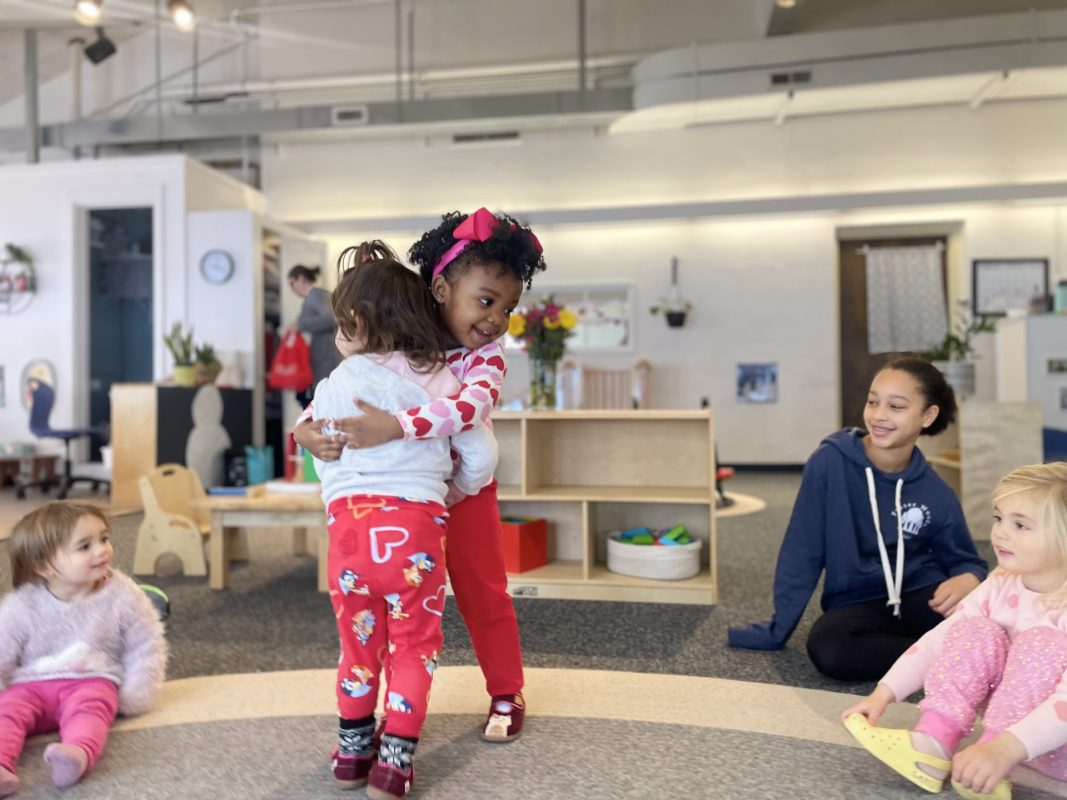
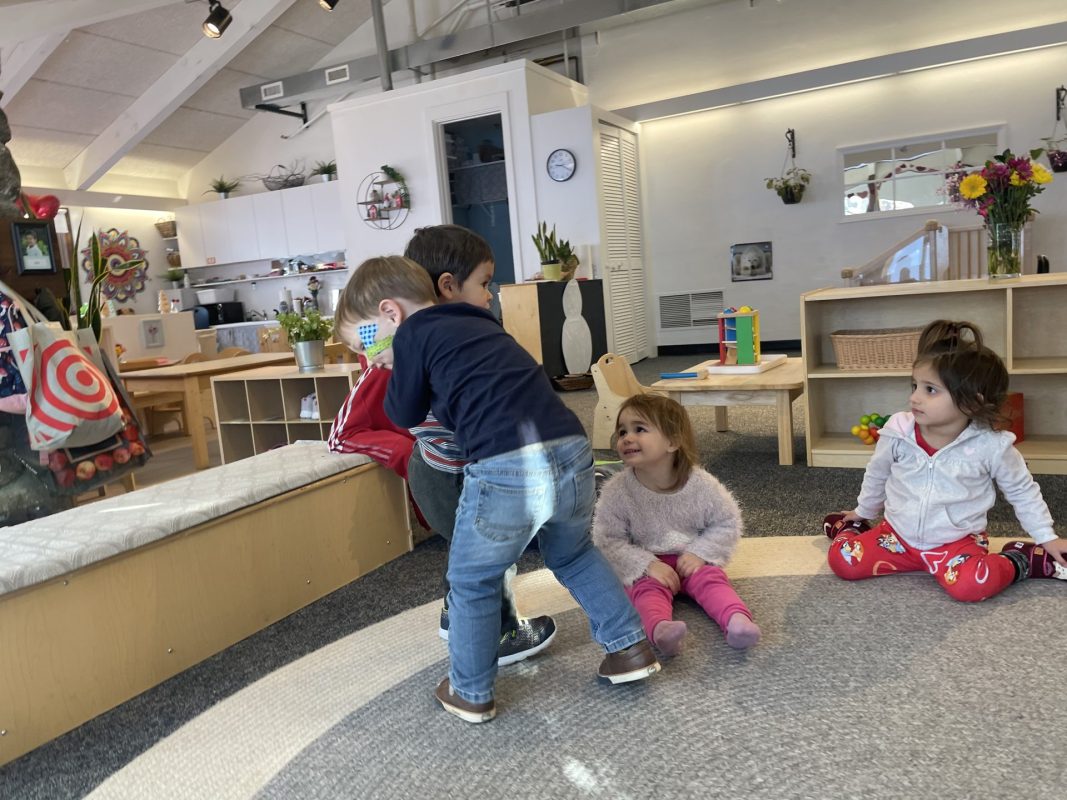
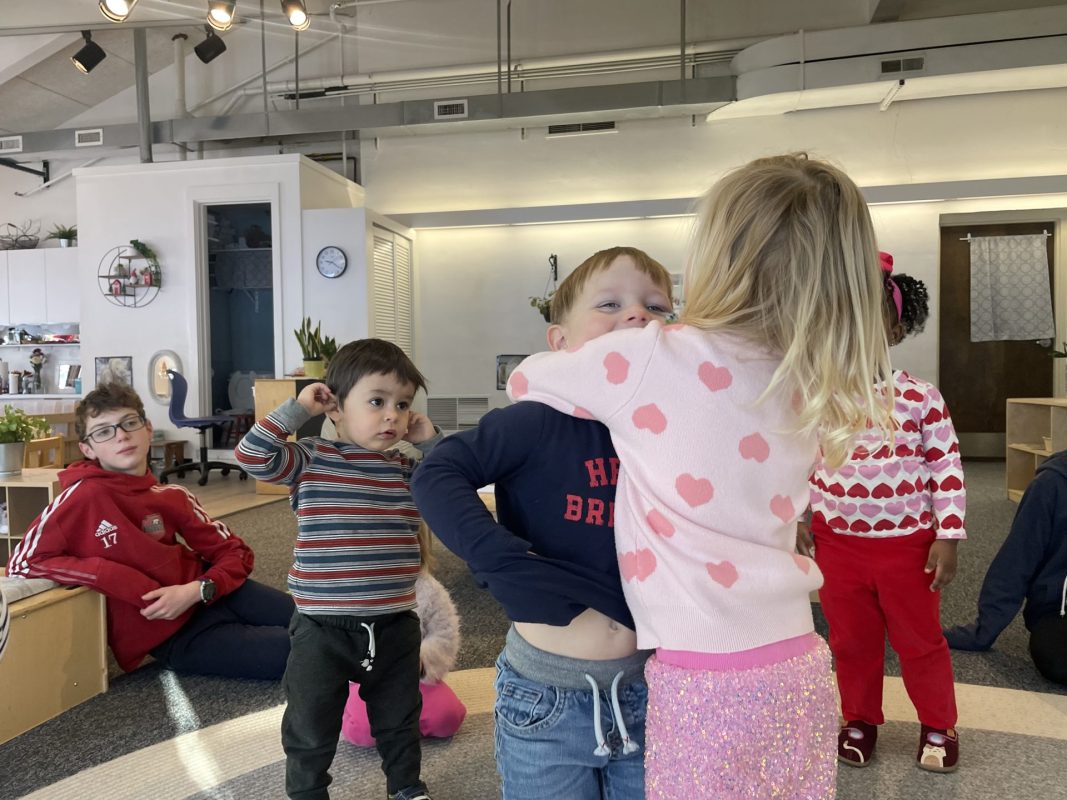
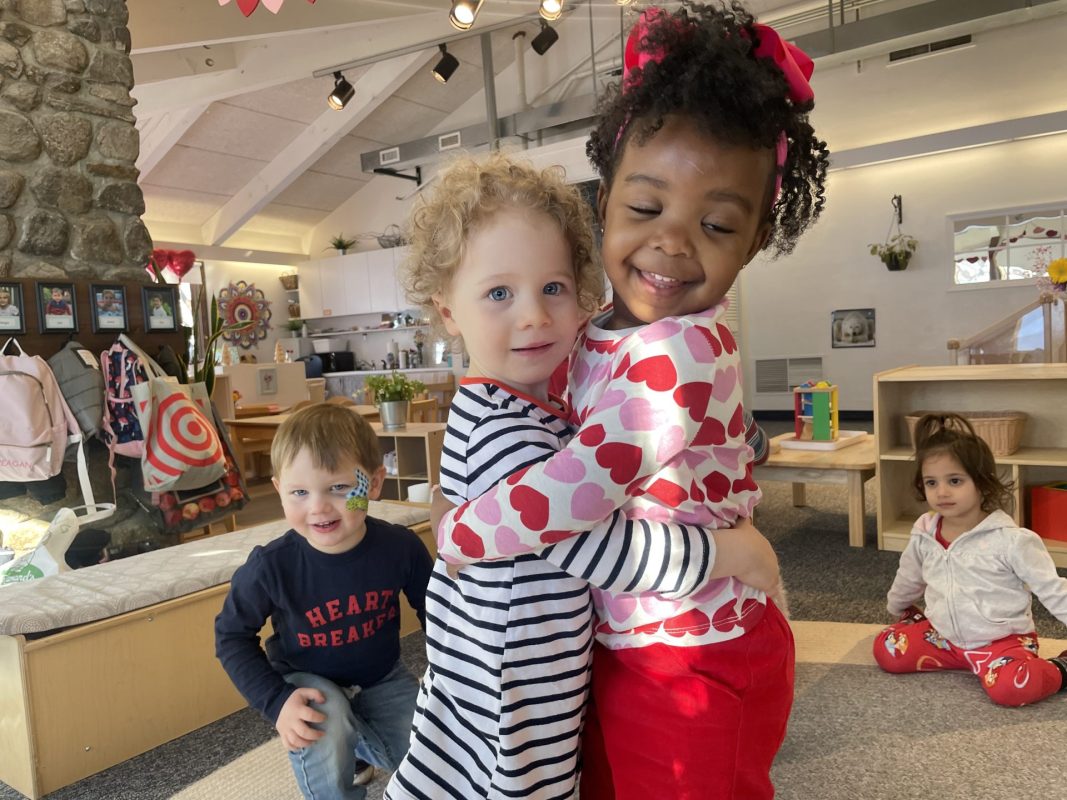
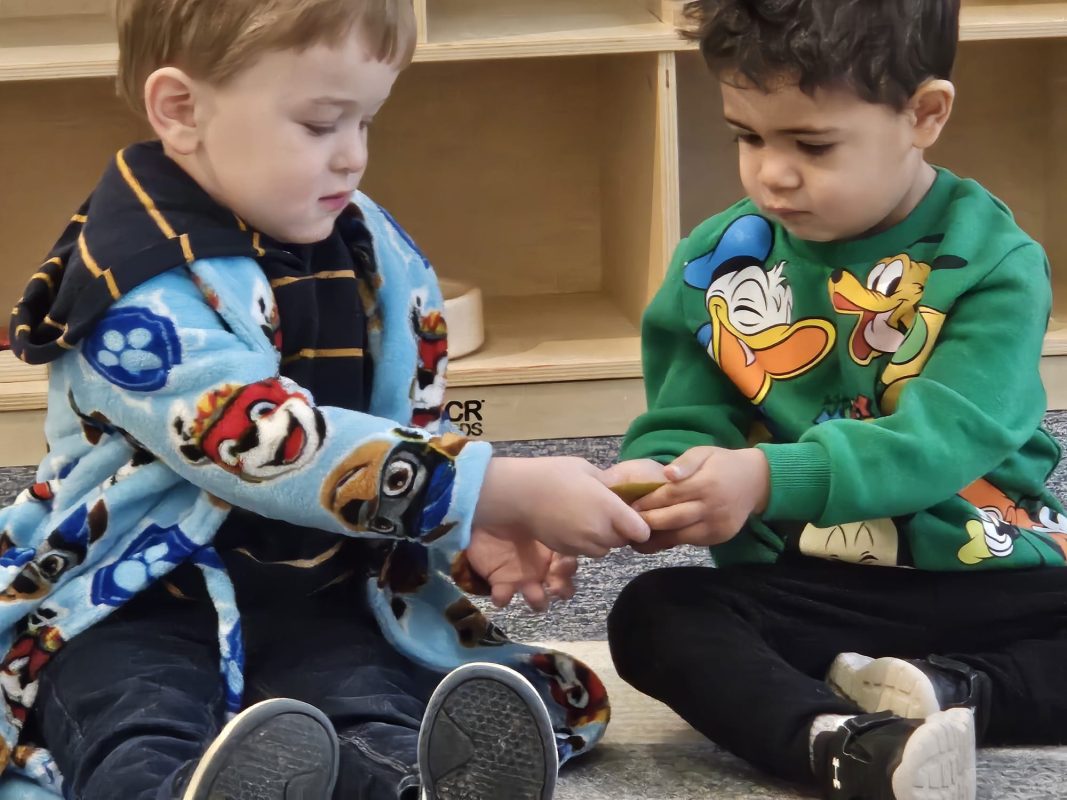
Humans have an innate desire to connect, to experience dynamic relationships with one another. At around 18 months, there are notable changes in cognitive skills that help real friendships blossom. The toddler becomes more consciously aware of themselves and others. Watching toddlers making friends for the first time is truly a delight! In our environment, children show excitement every morning when they see their amigos and love practicing their names. Younger toddlers, still working on their expressive language, like to point to their friends with big smiles and do a little dance of happiness.

Grace and courtesy is one of the most critical areas in our Montessori curriculum. Grace is the outer expression of our inner selves as observed in body language and movements: facial expressions such as smiles, eye contact, tone of voice, inflection, body movements, and the actual words used to express ourselves. Courtesy is the manners given for human interaction. As we all know, neither grace nor courtesy are instinctive but acquired. This is why in our Toddler environment, we use constant, daily lessons in this area through intentional modeling rather than specific lessons presented, as children will encounter at our Primary levels. It’s truly amazing to observe how your children continue to grow in gentleness, respect for each other, care and expressions of kindness, etc.,  despite their young age. It’s SO wonderful!

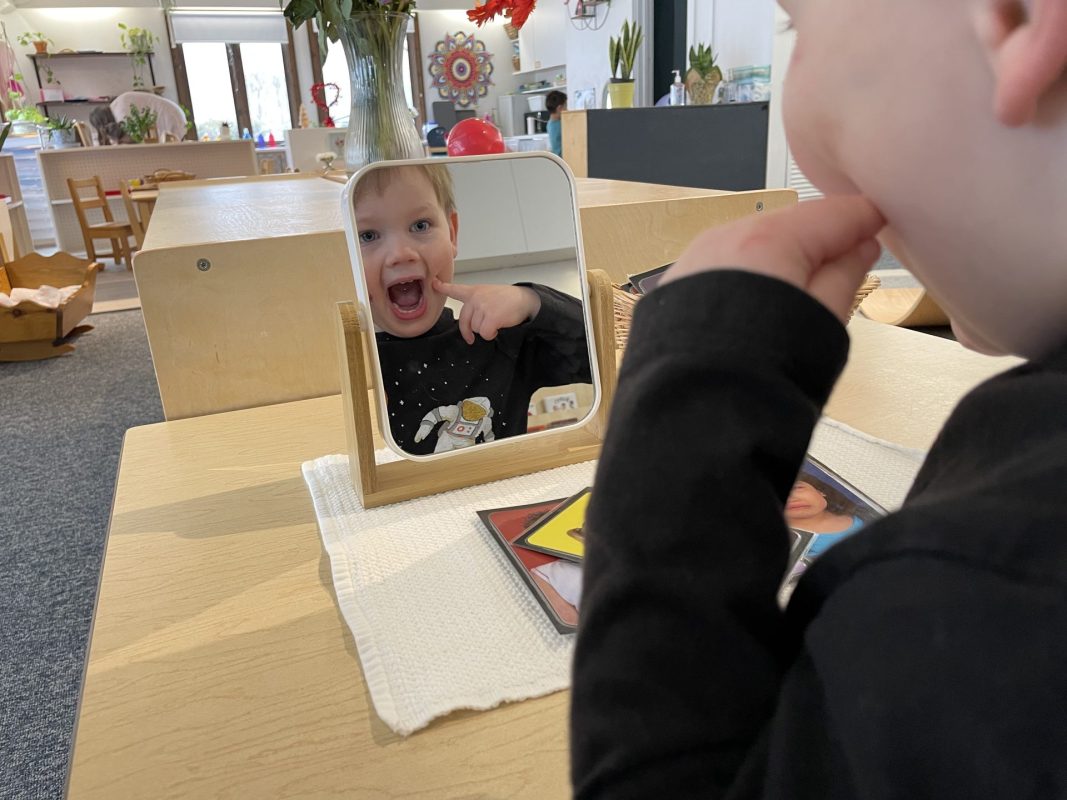
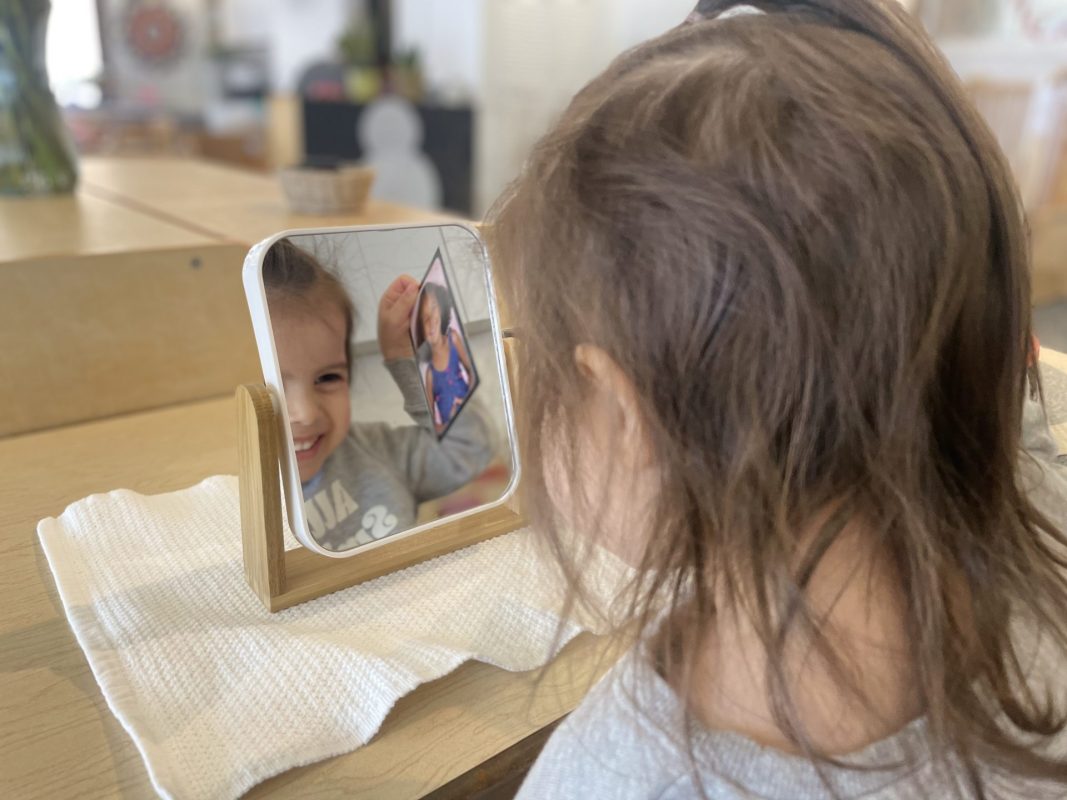
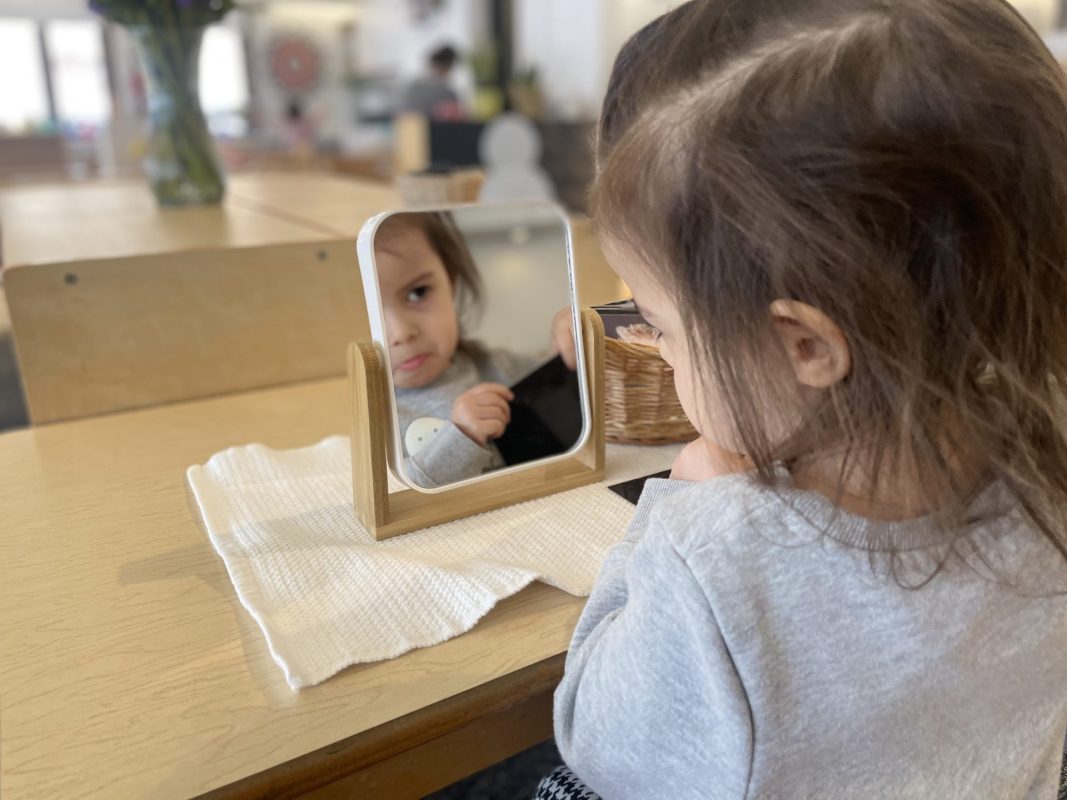
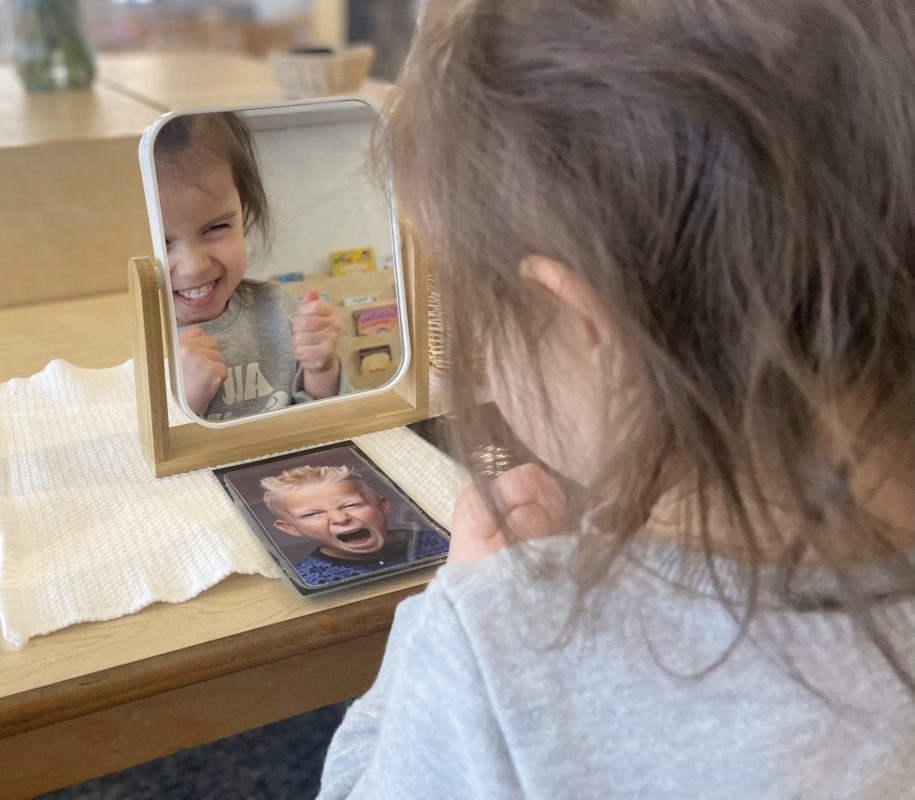
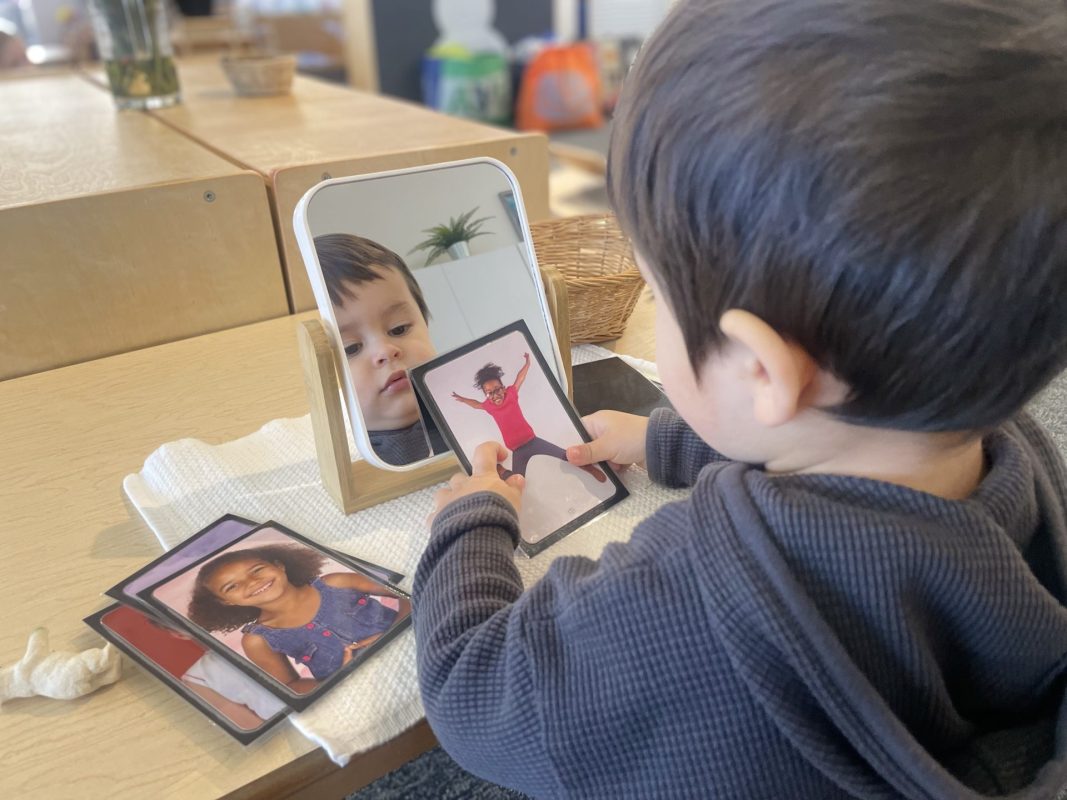
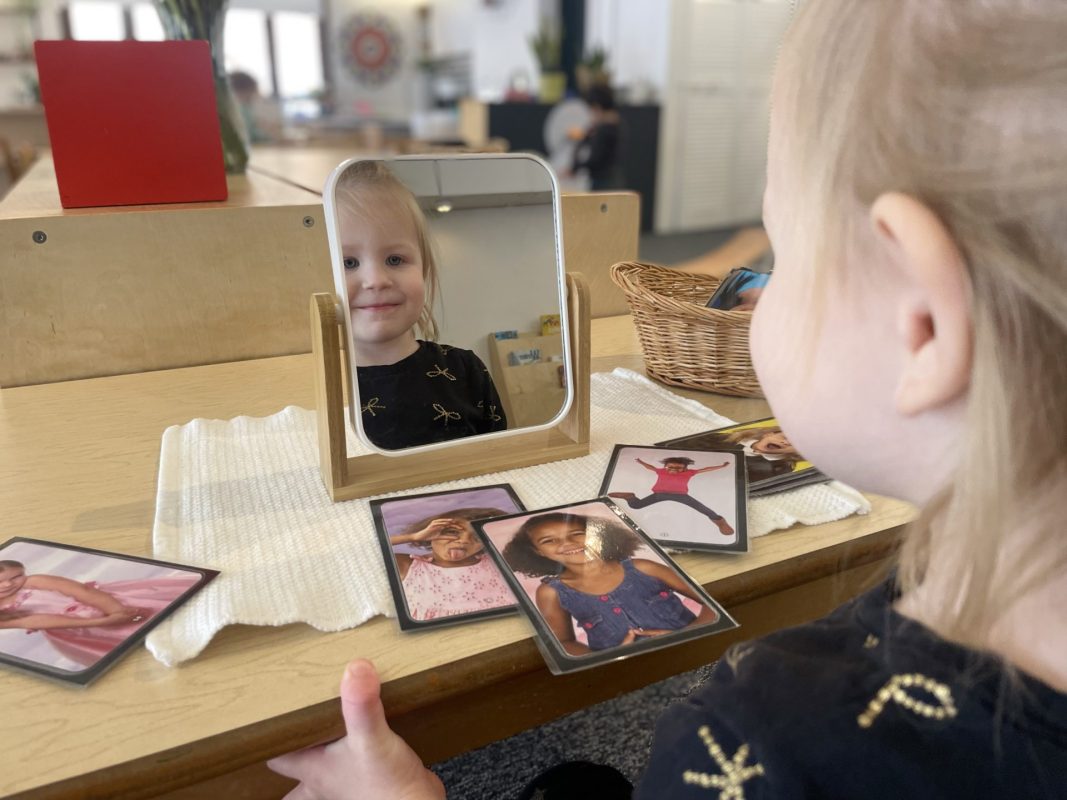
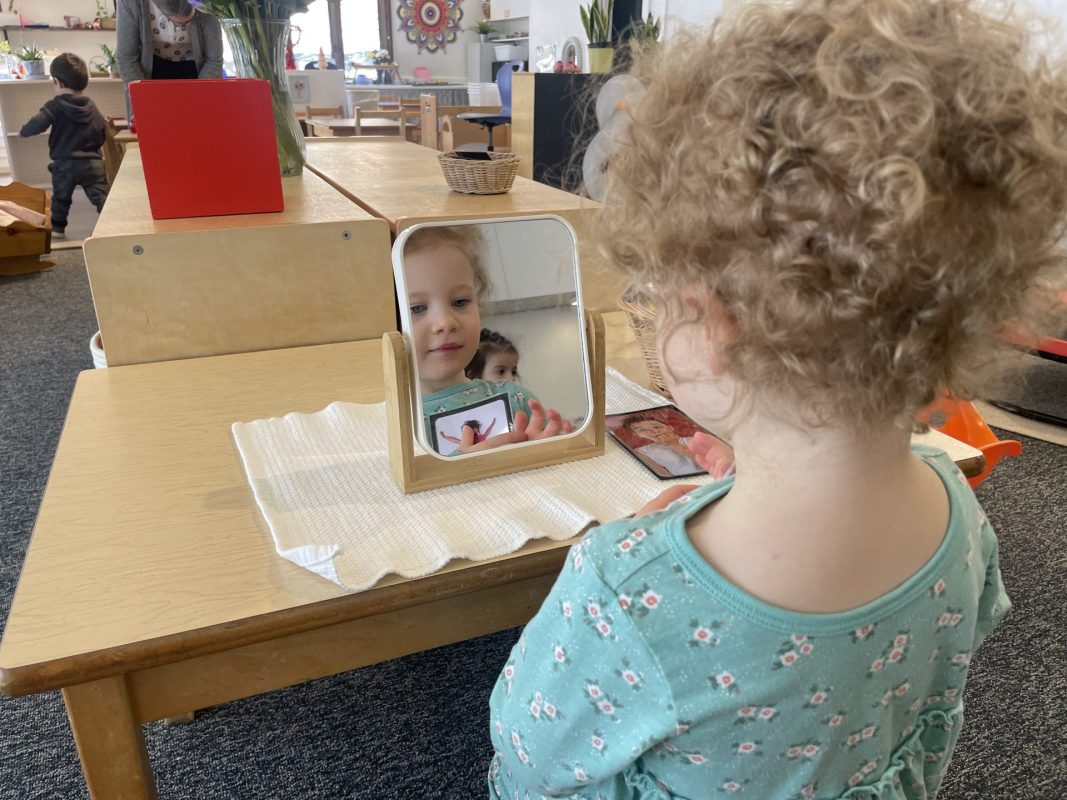
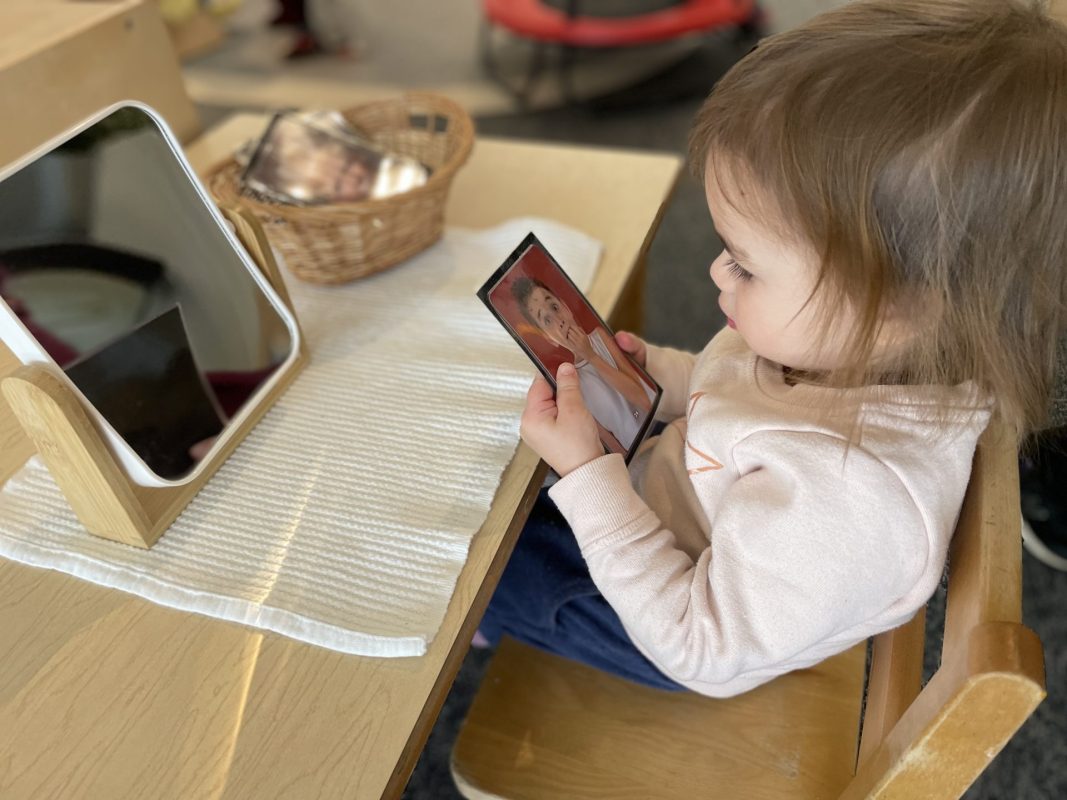
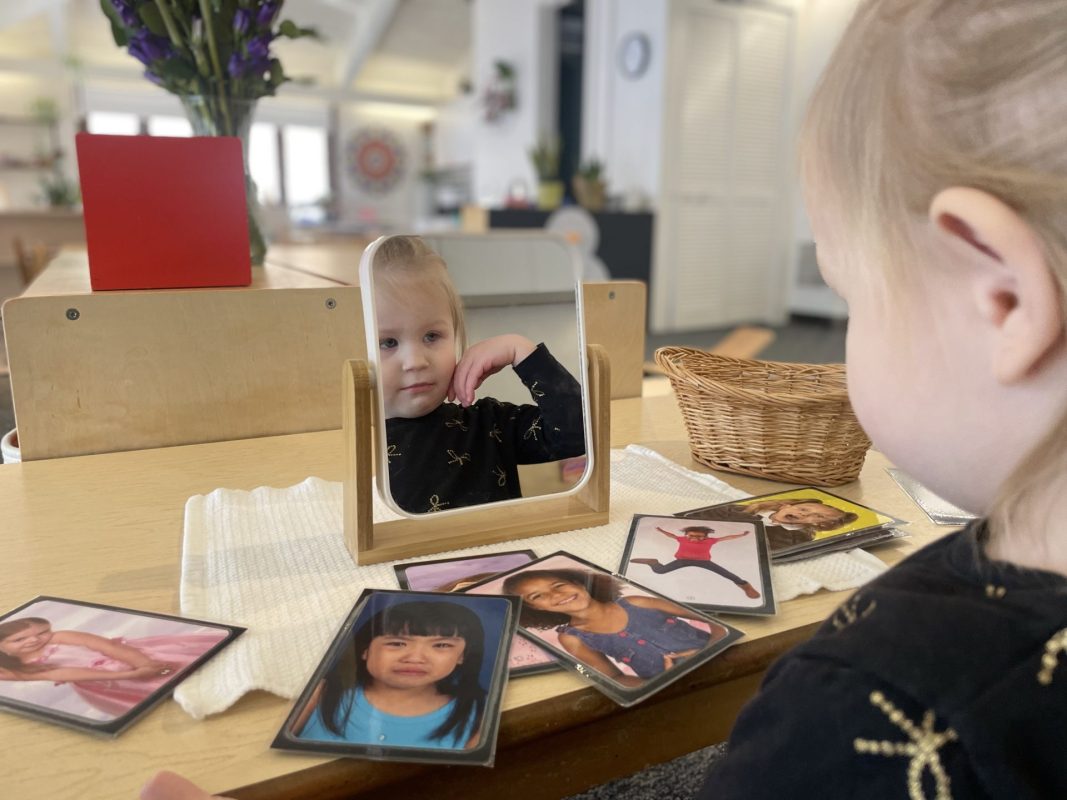
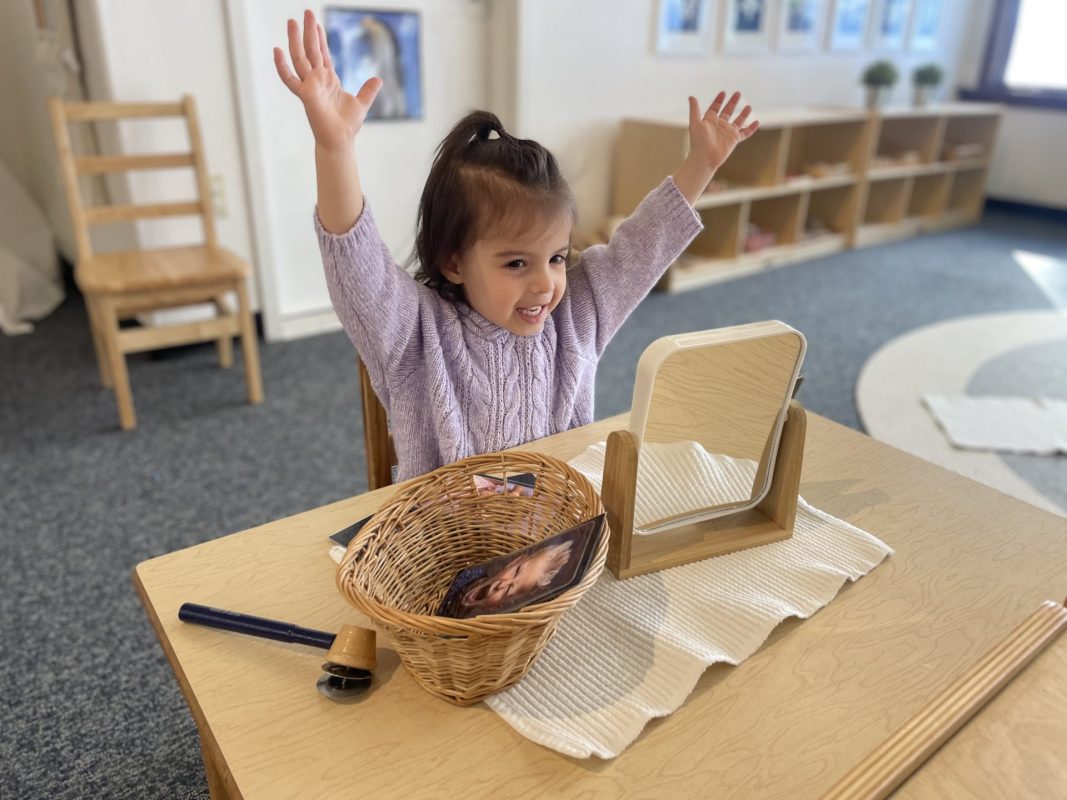
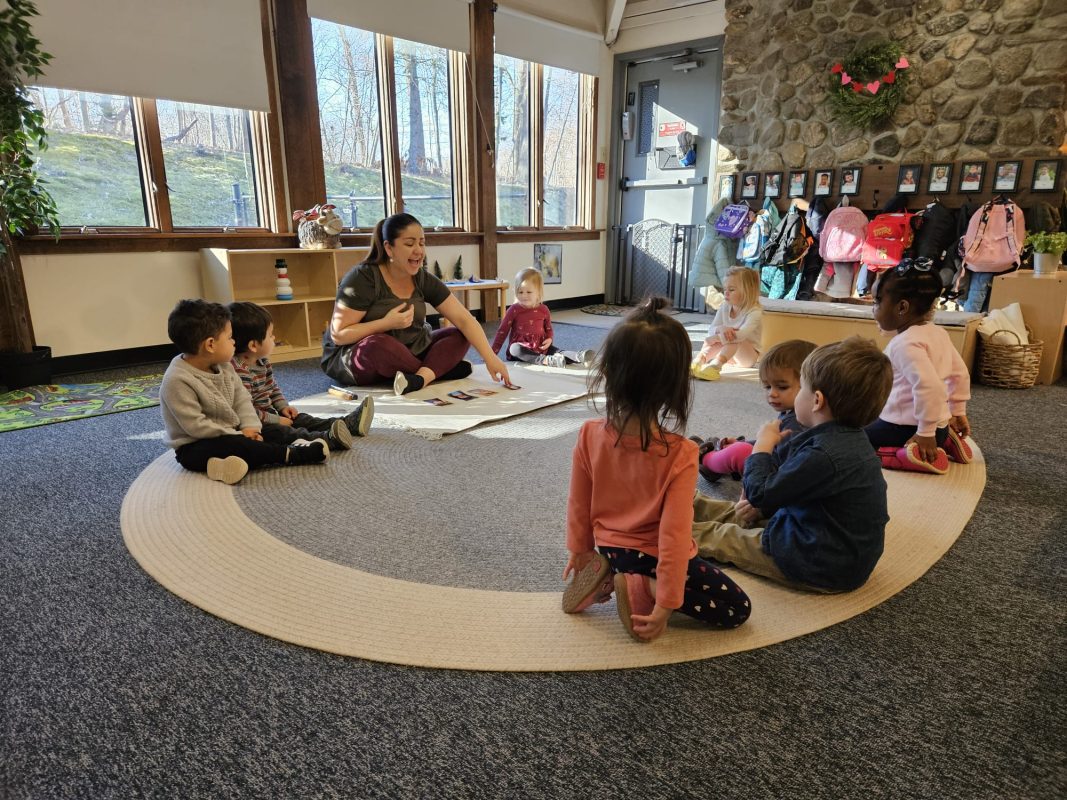
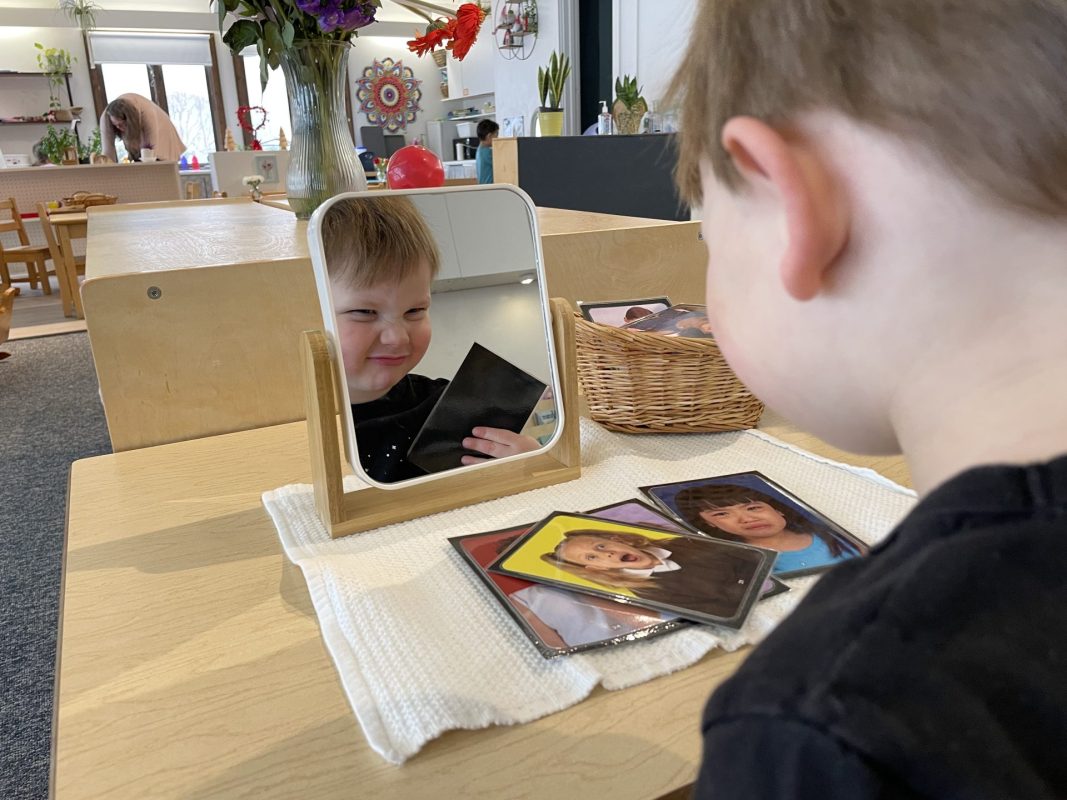
Based on our Emotional intelligence studies, this week, children also had the opportunity to use the emotion cards as individual work using a table mirror. The children seem to love to observe the picture cards and copy the facial expressions in the mirror. With the older toddlers, we also use this work as an enrichment of vocabulary activity by establishing conversations with the child and wondering together what they think happened to the children in the picture. Why are they feeling that way? Oh! The stories they come up with are just so great!

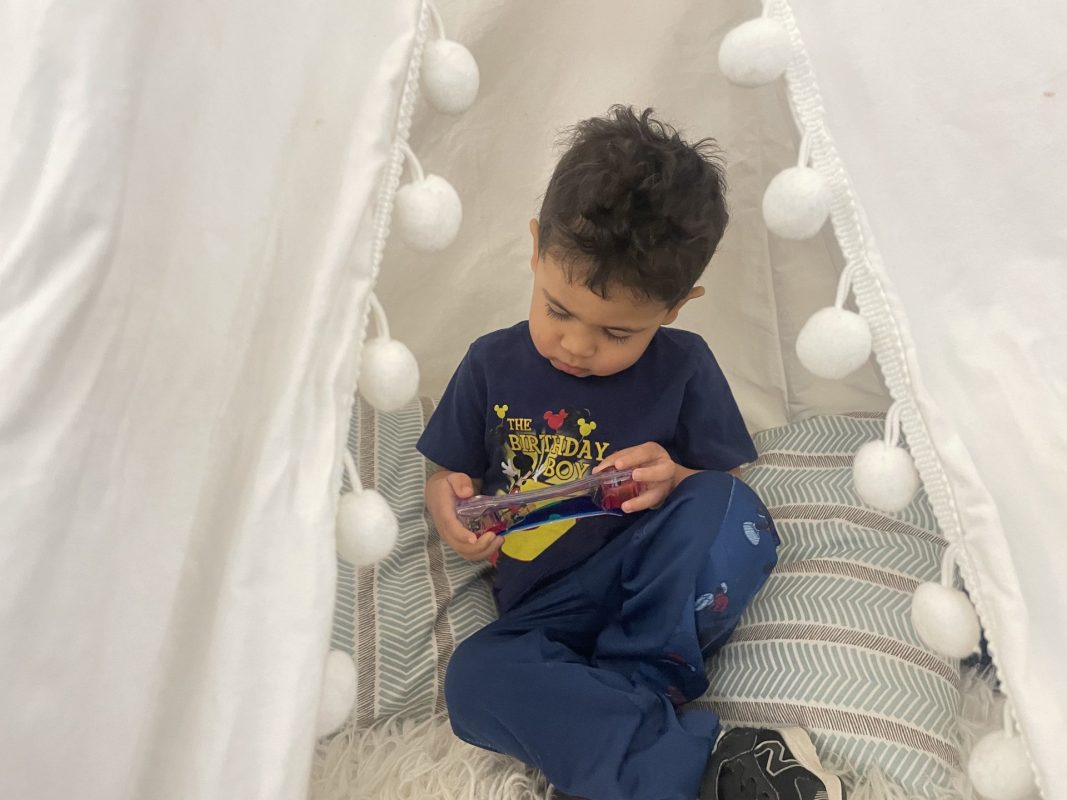
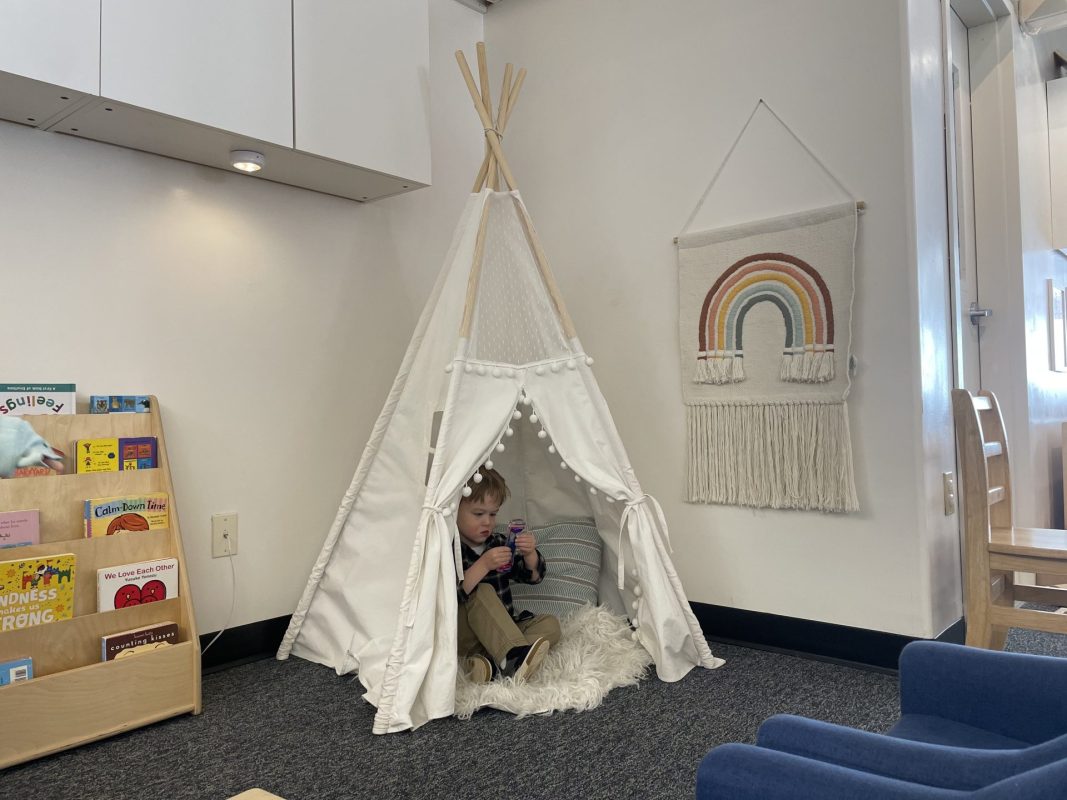
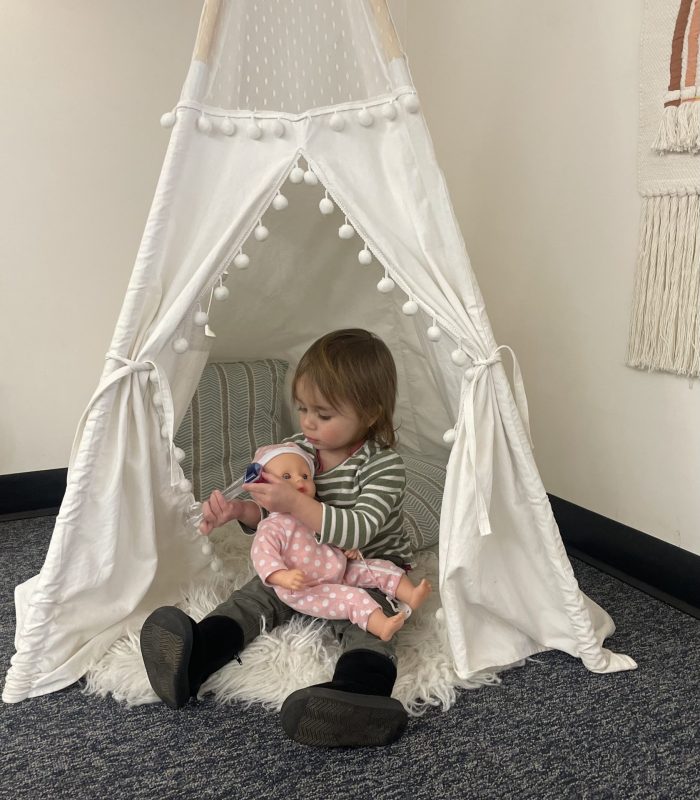
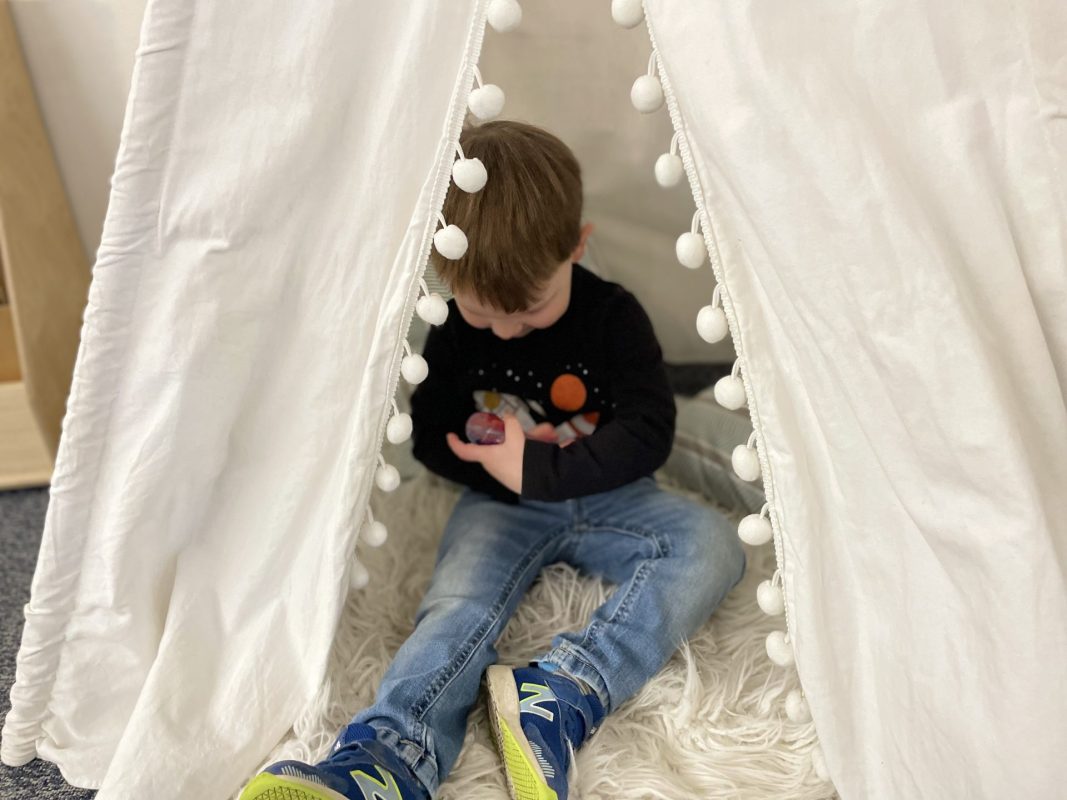
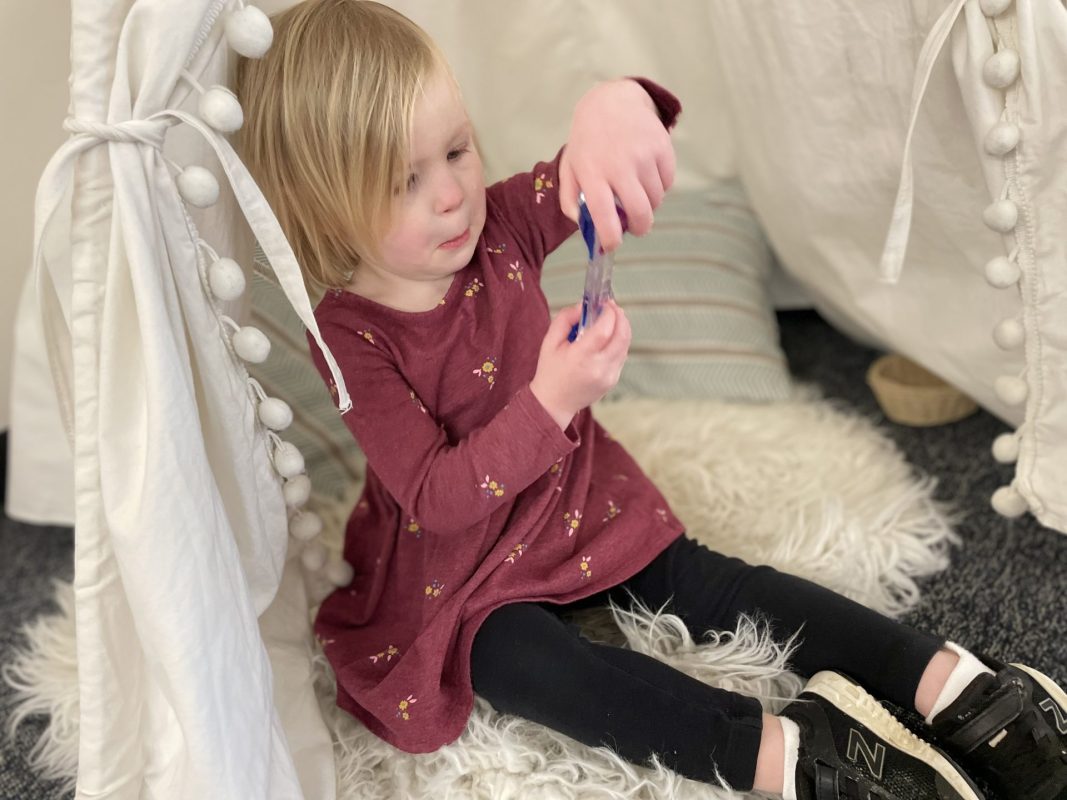
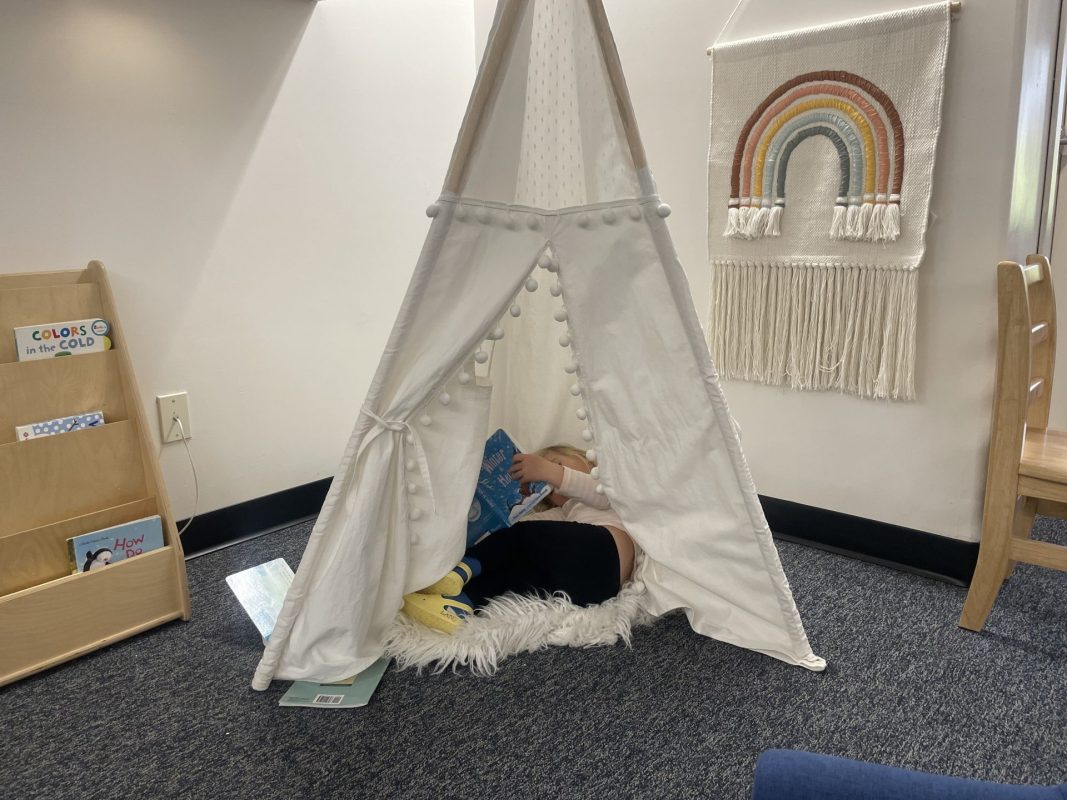
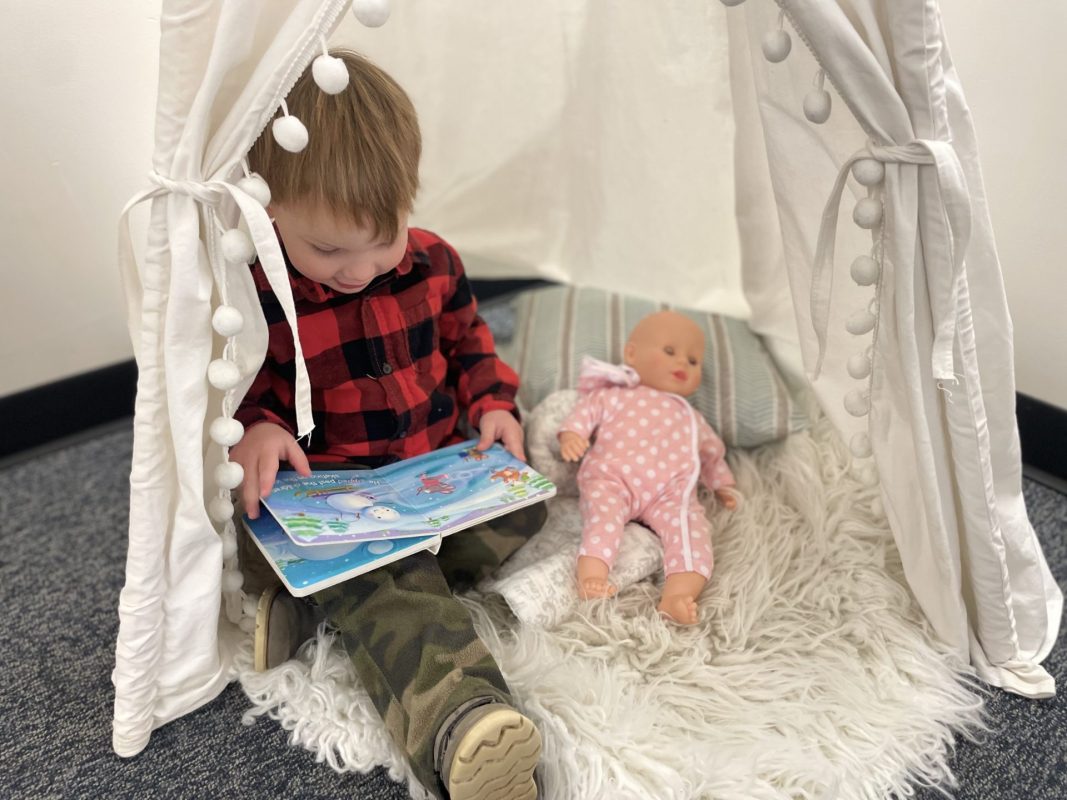
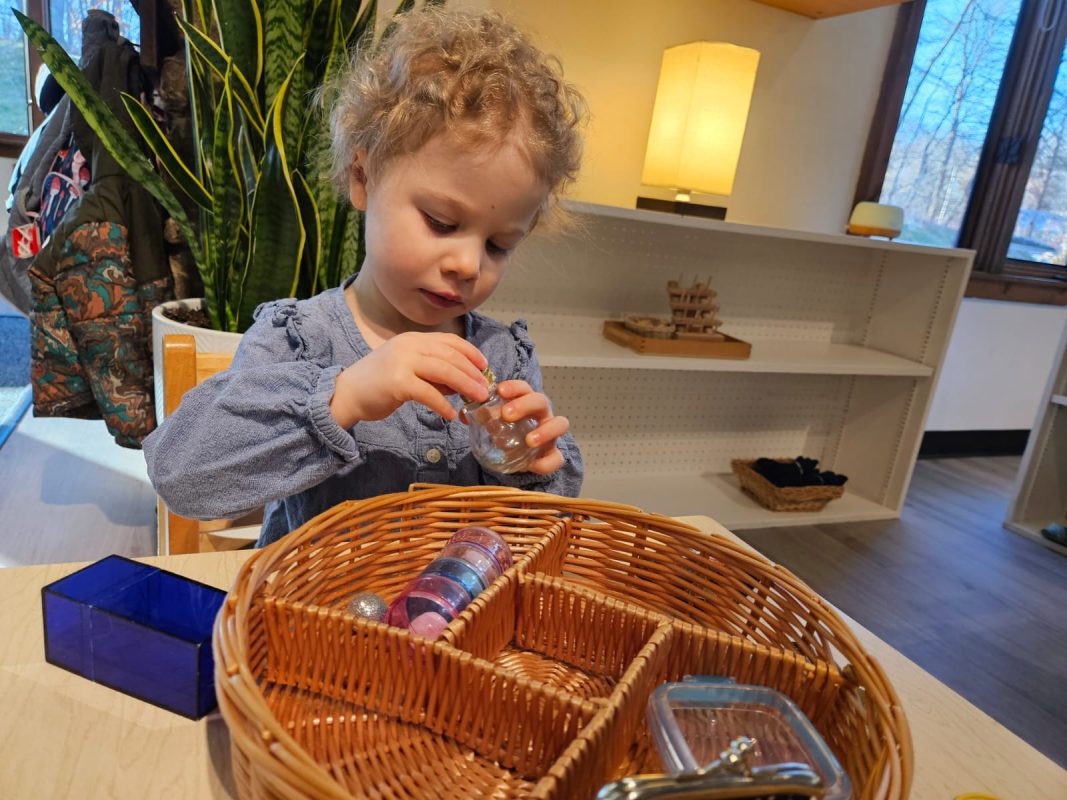
Some of the most beloved books by your children  lately  has been: In My Heart by Jo Witek, The Feelings Book by Todd Parr, and especially Calm Down Time by Elizabeth Vedick. With the help of this book, children practiced the importance of breathing deeply when encountering difficult emotions. We practice by encouraging the toddlers to “Smell the flowers” (inhale) and “blow the candles” (exhale). We also encourage our students to use the teepee as our calm-down area to get some space and learn to regulate themselves.In this area children have a faux sheepskin rug, cushy pillows and often they will have a variety of calming items like sensory bottles, stretchy string fidgets or  liquid motion bubblers to support this process.  For your children, this is one of their favorite places in our classroom. A place to decompress when needed or just have some space!  I highly recommend you creating a calm-down area at your home, especially if your child struggles with tantrums.

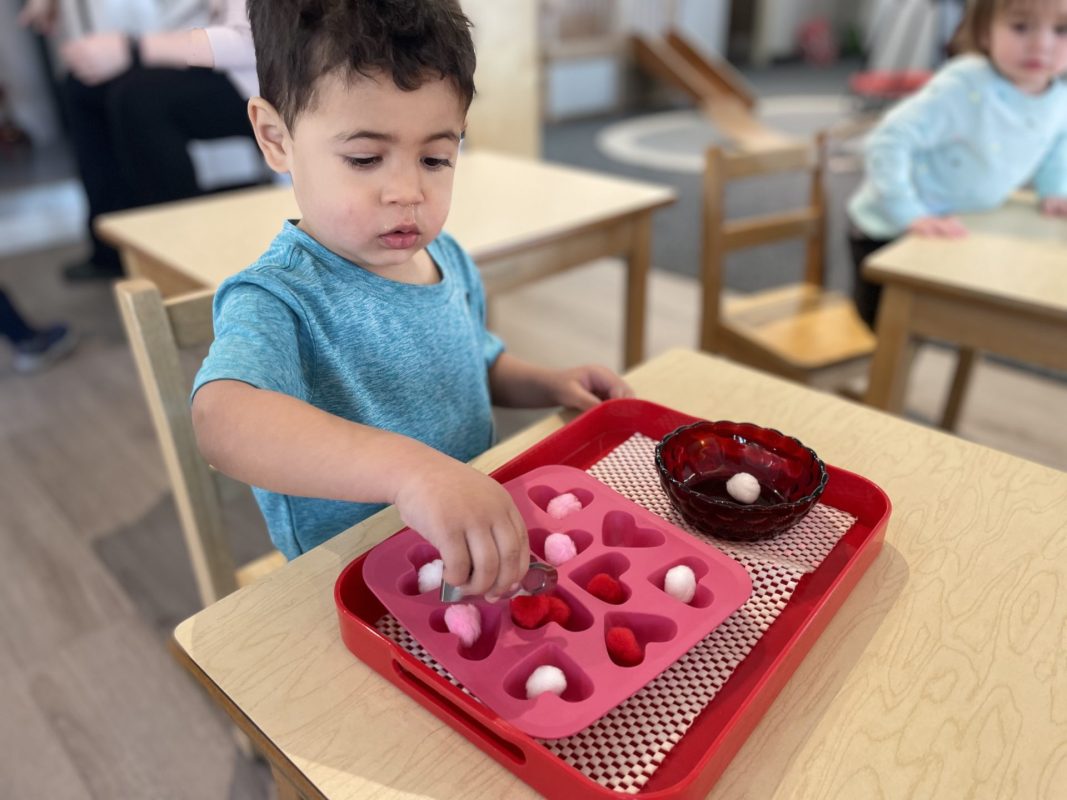
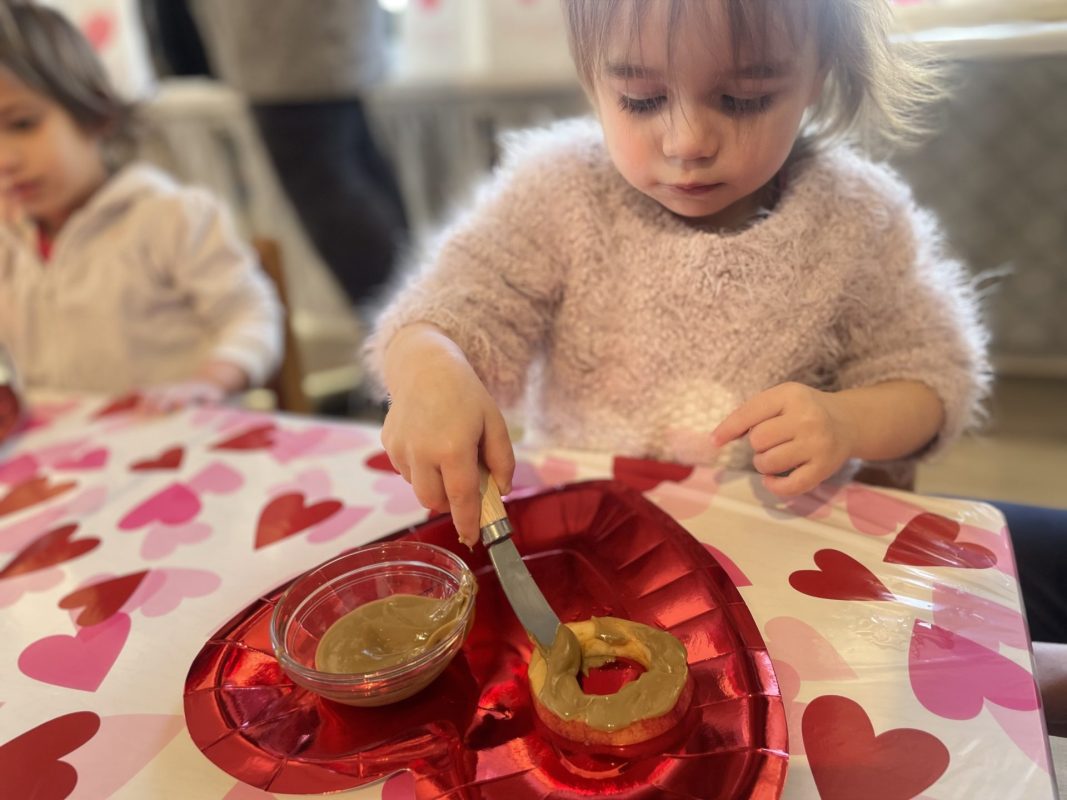
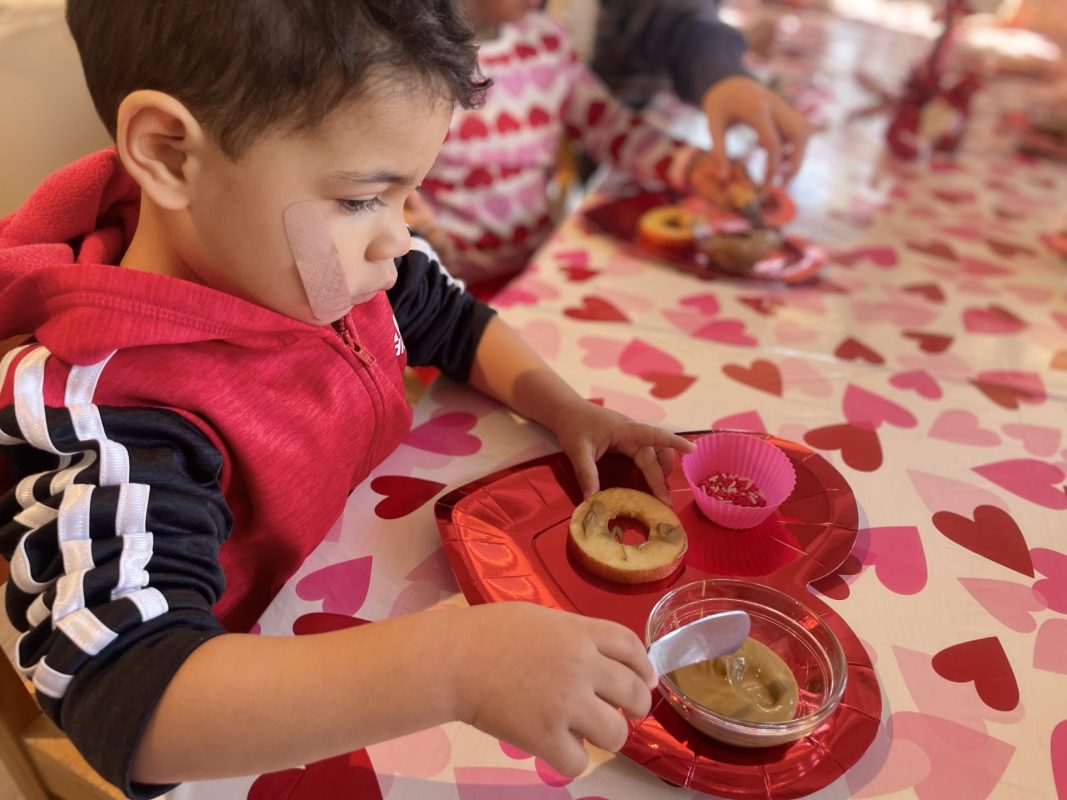
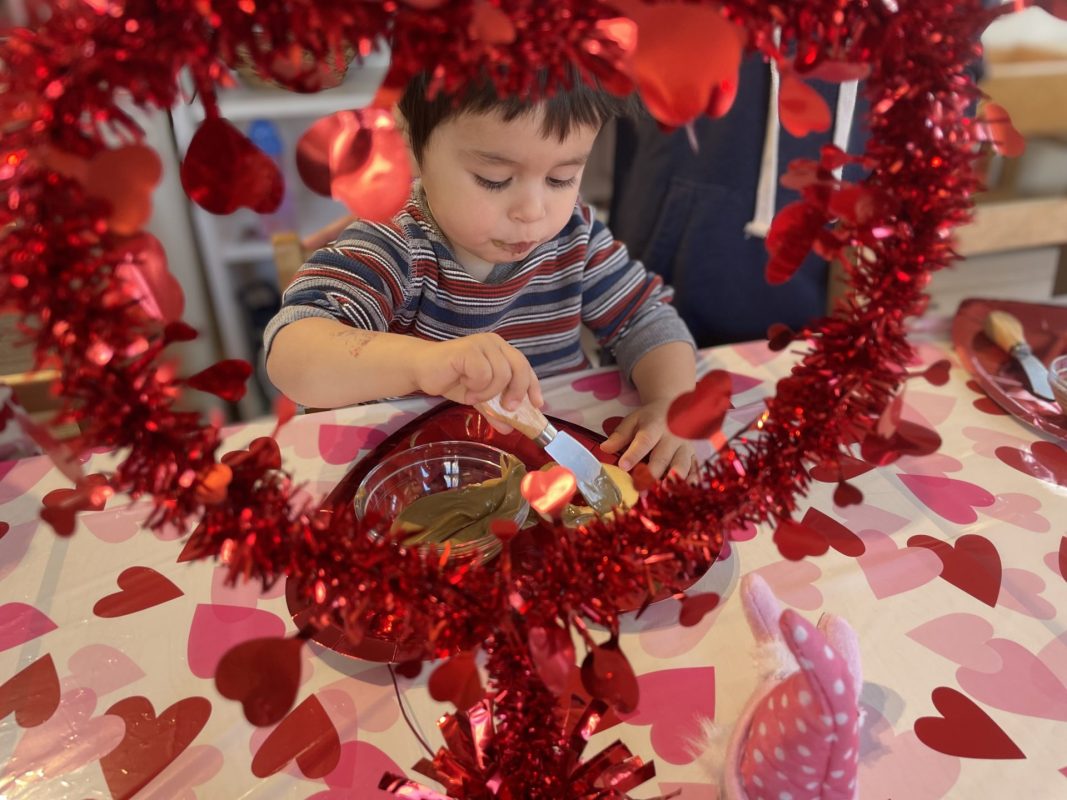
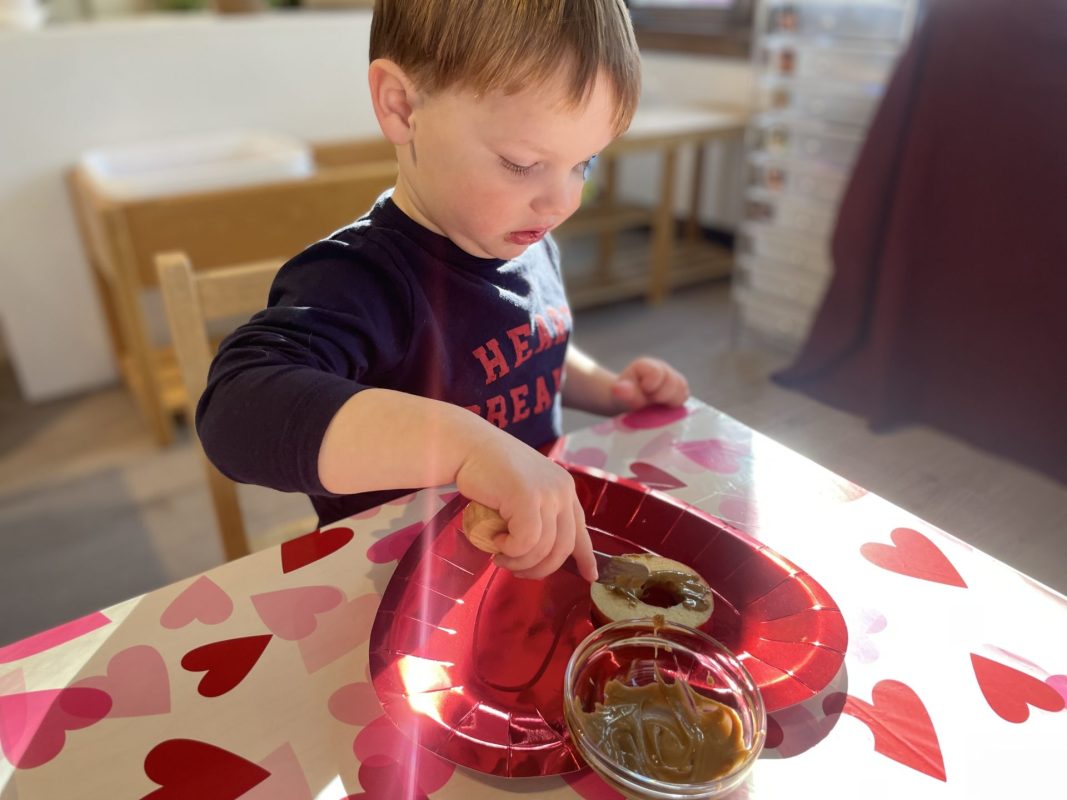
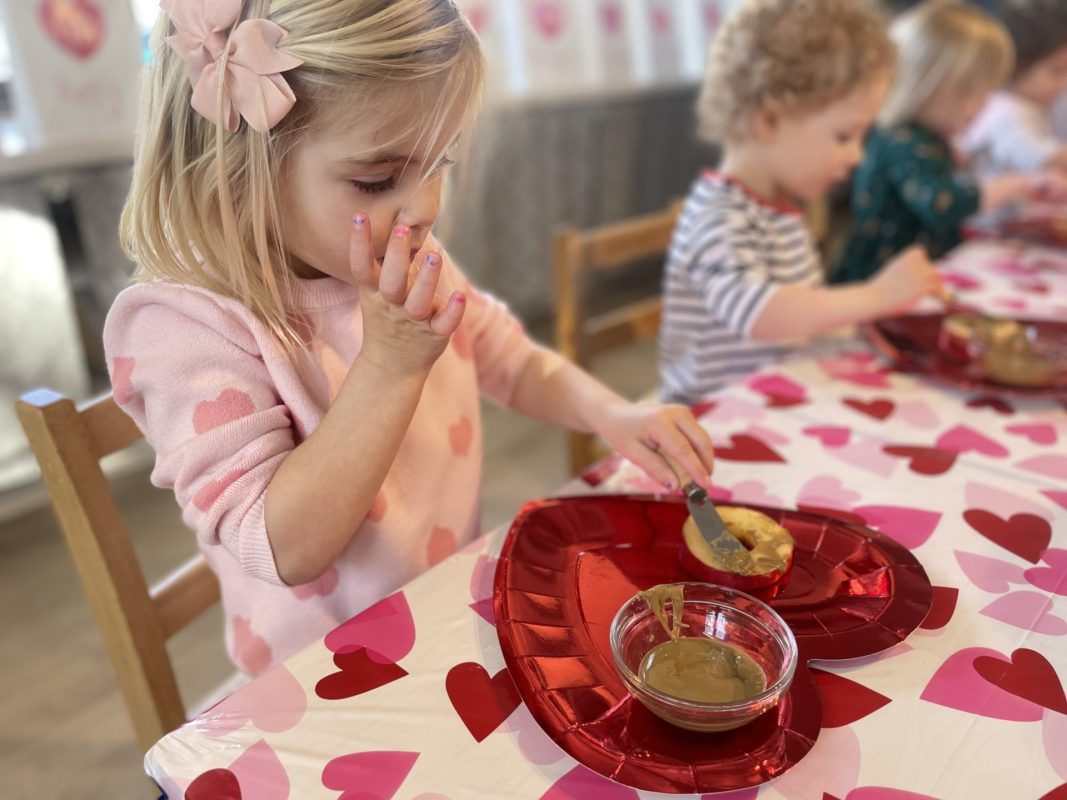
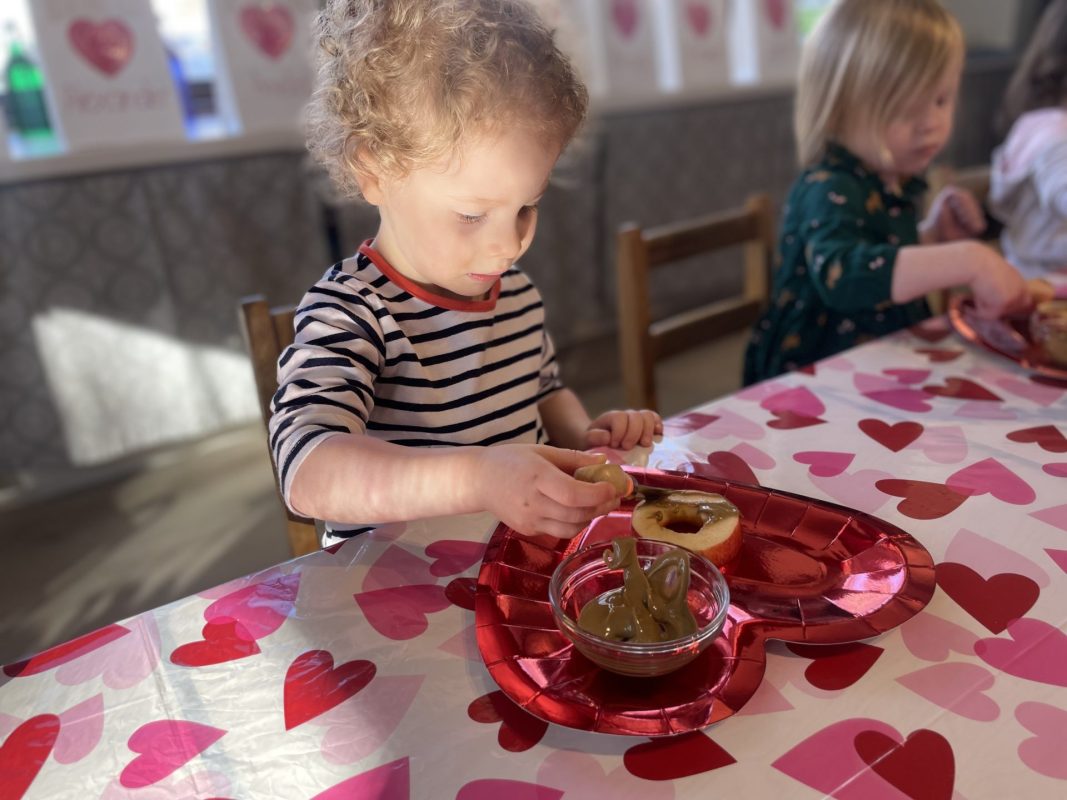
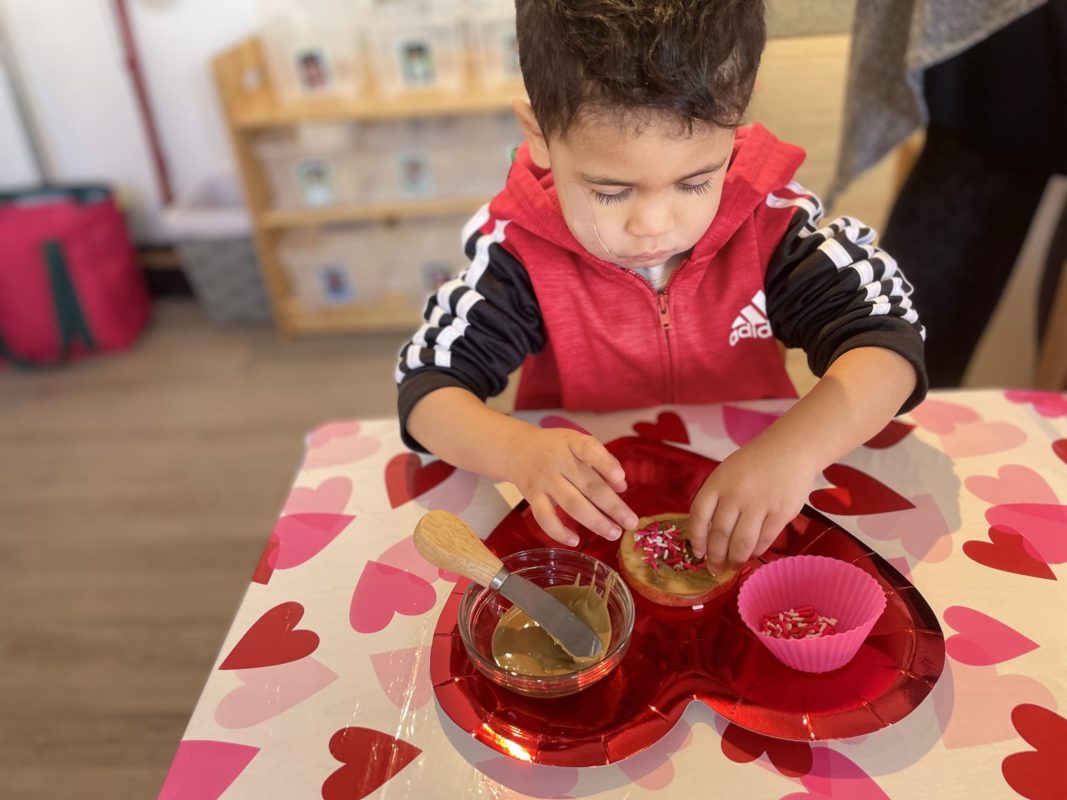
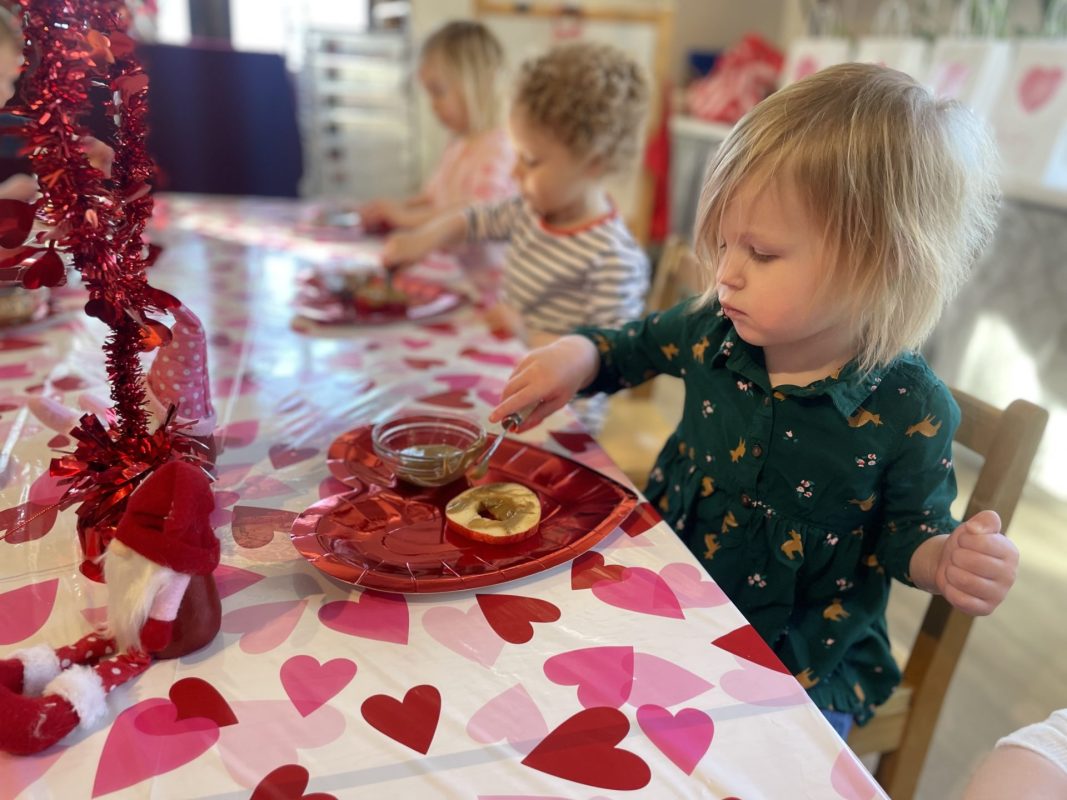
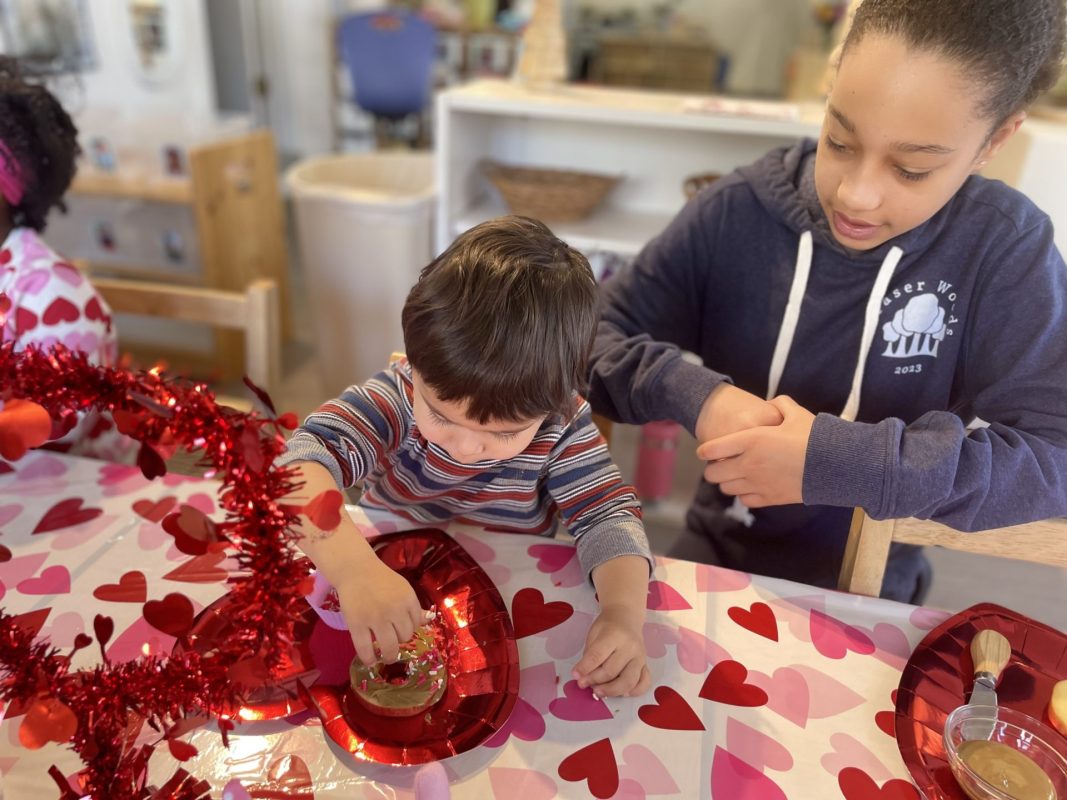
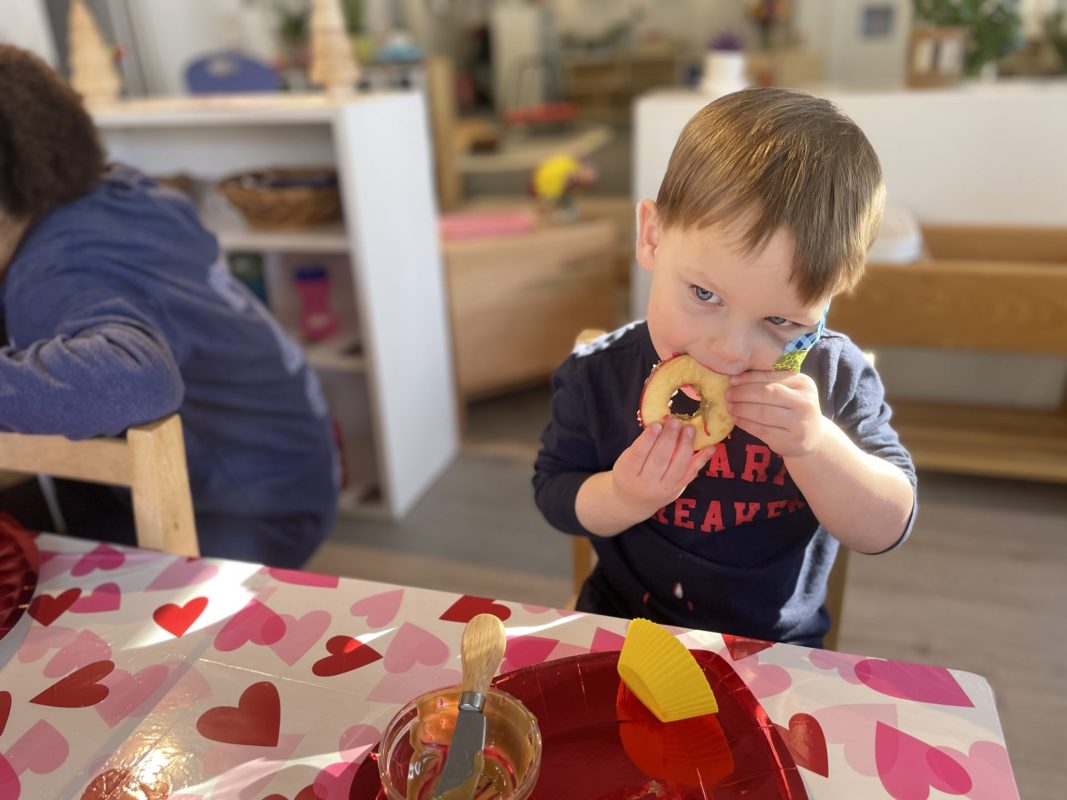
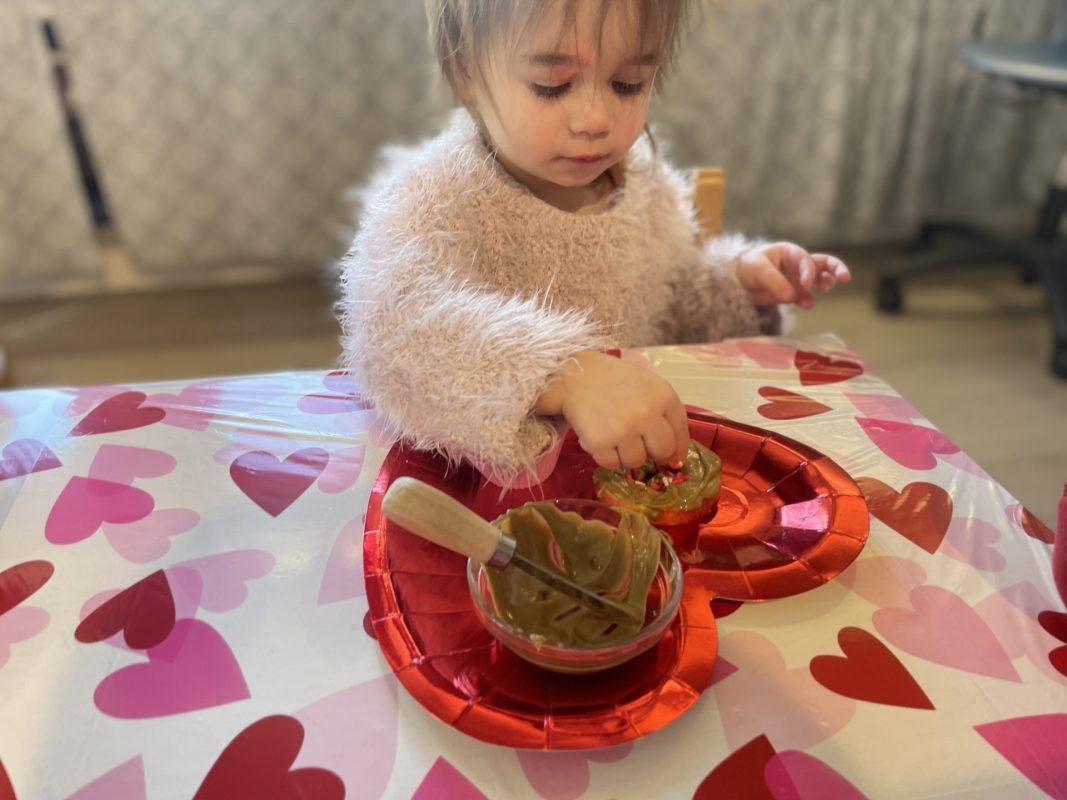
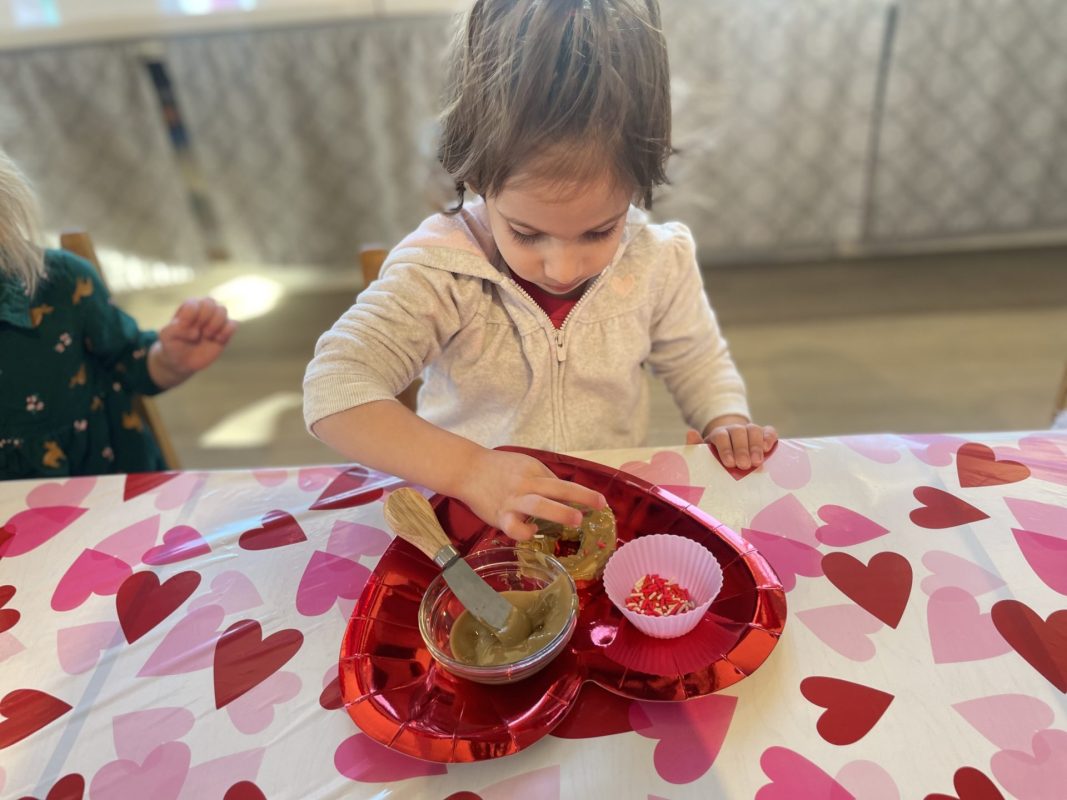
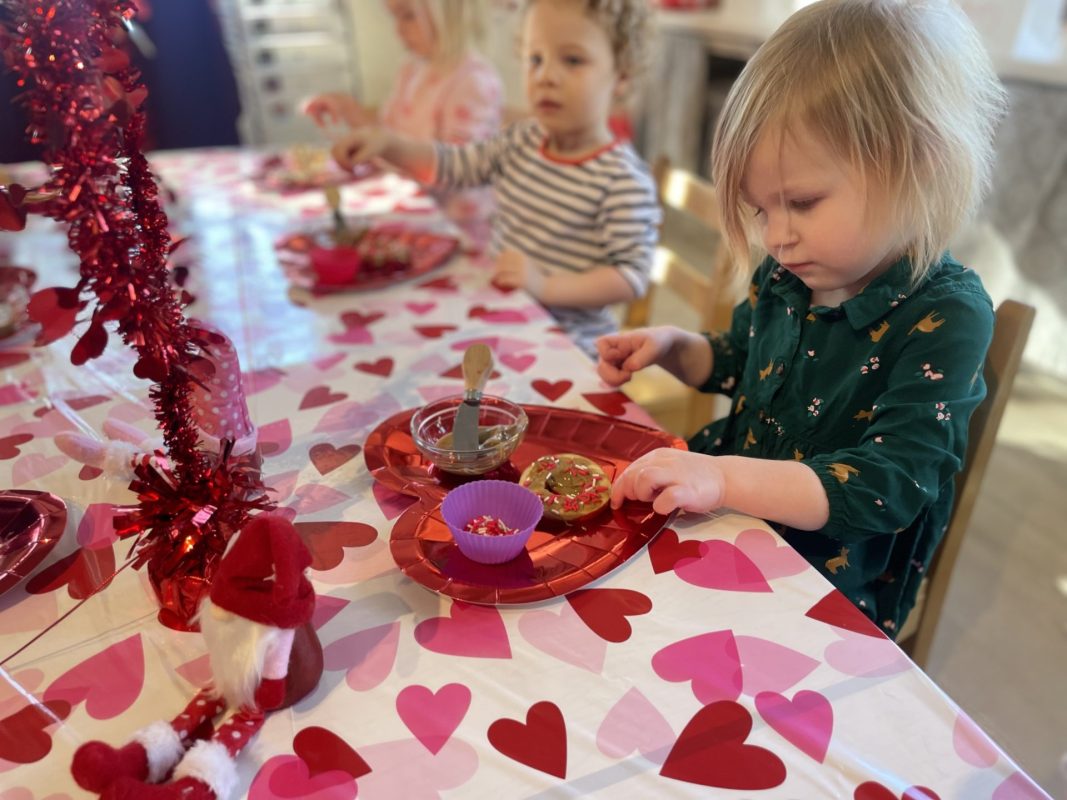
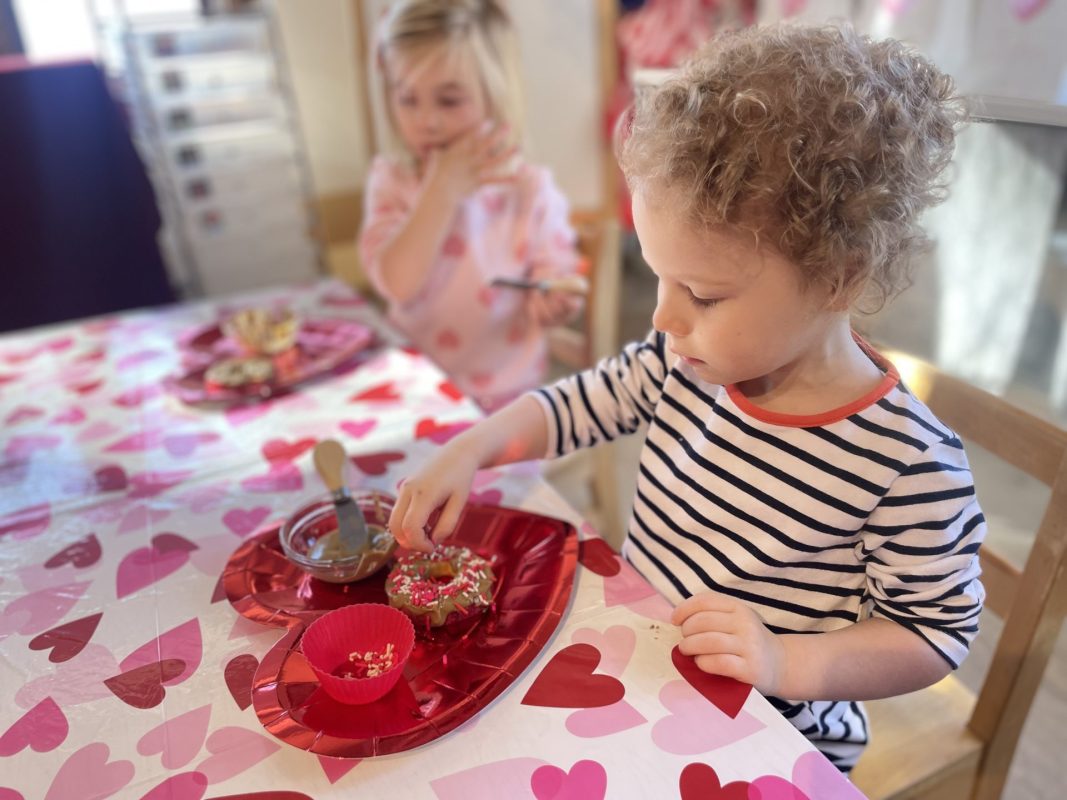
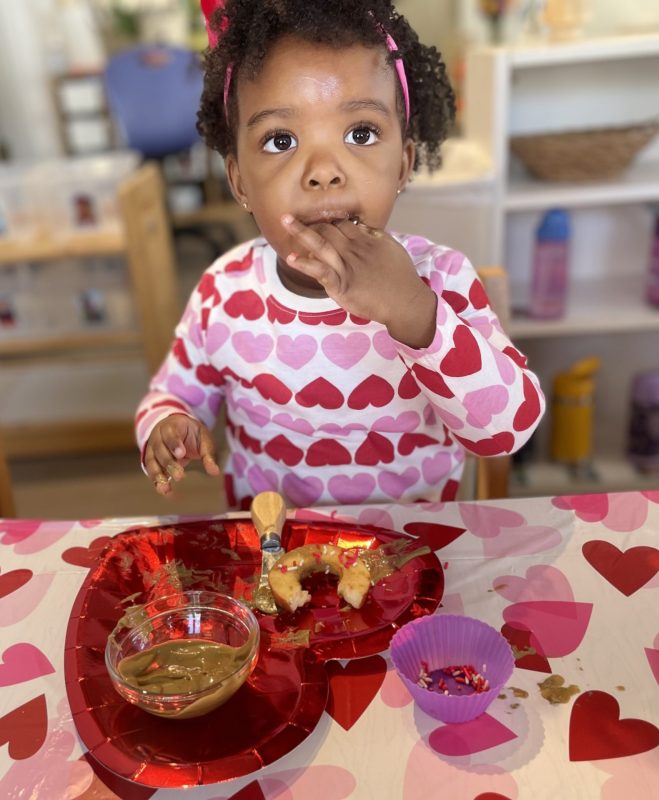
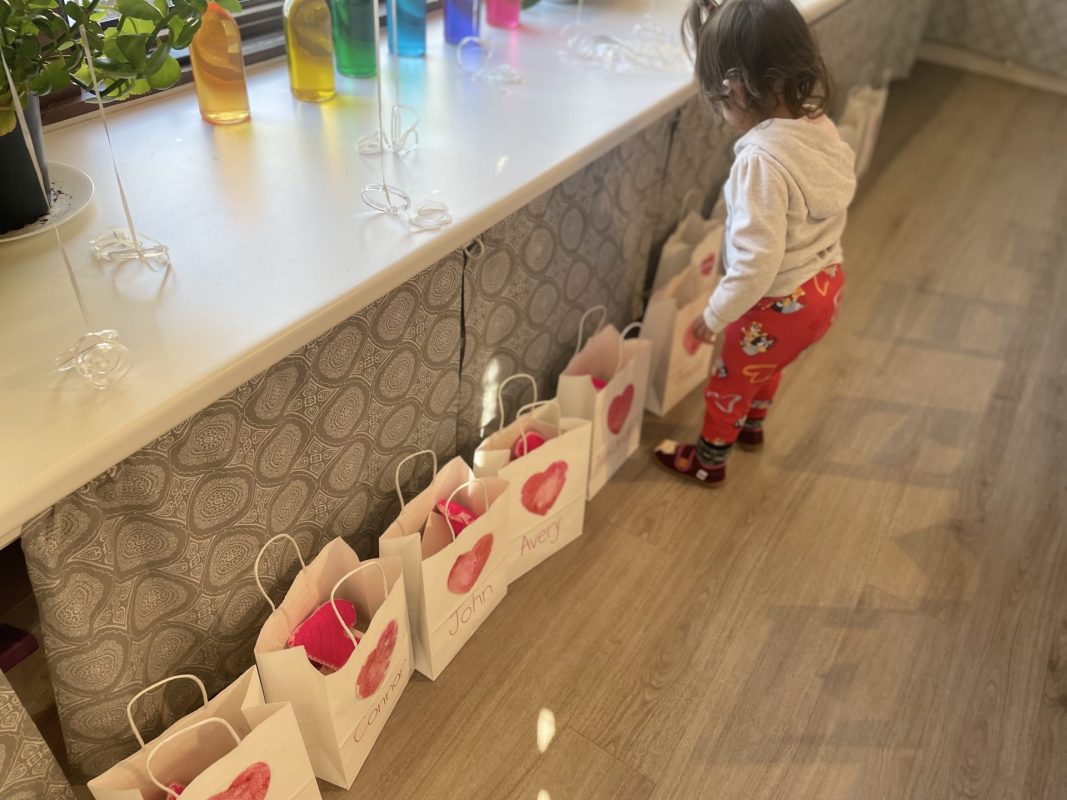
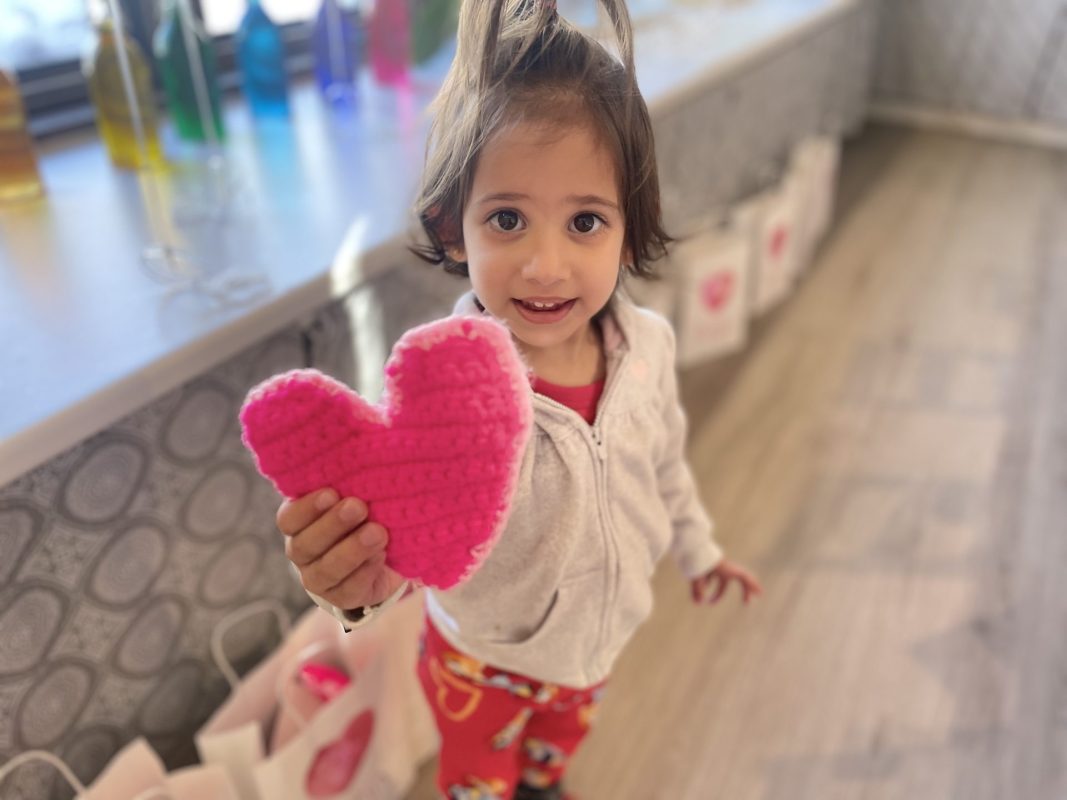
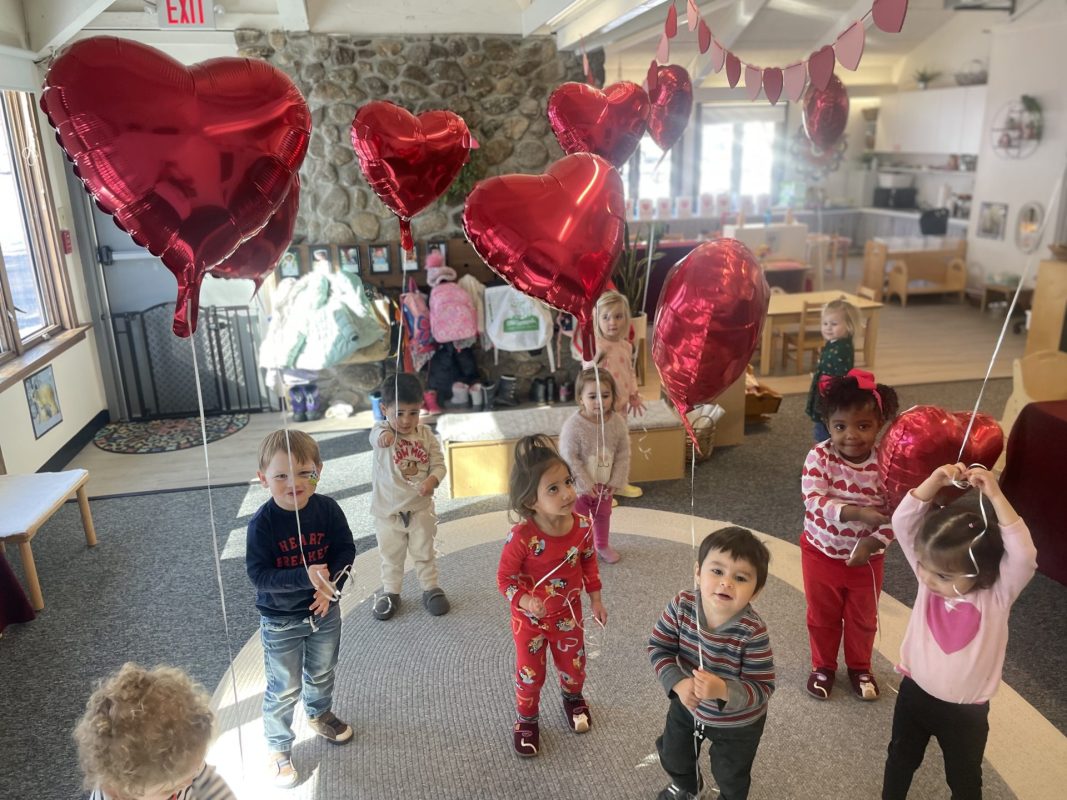
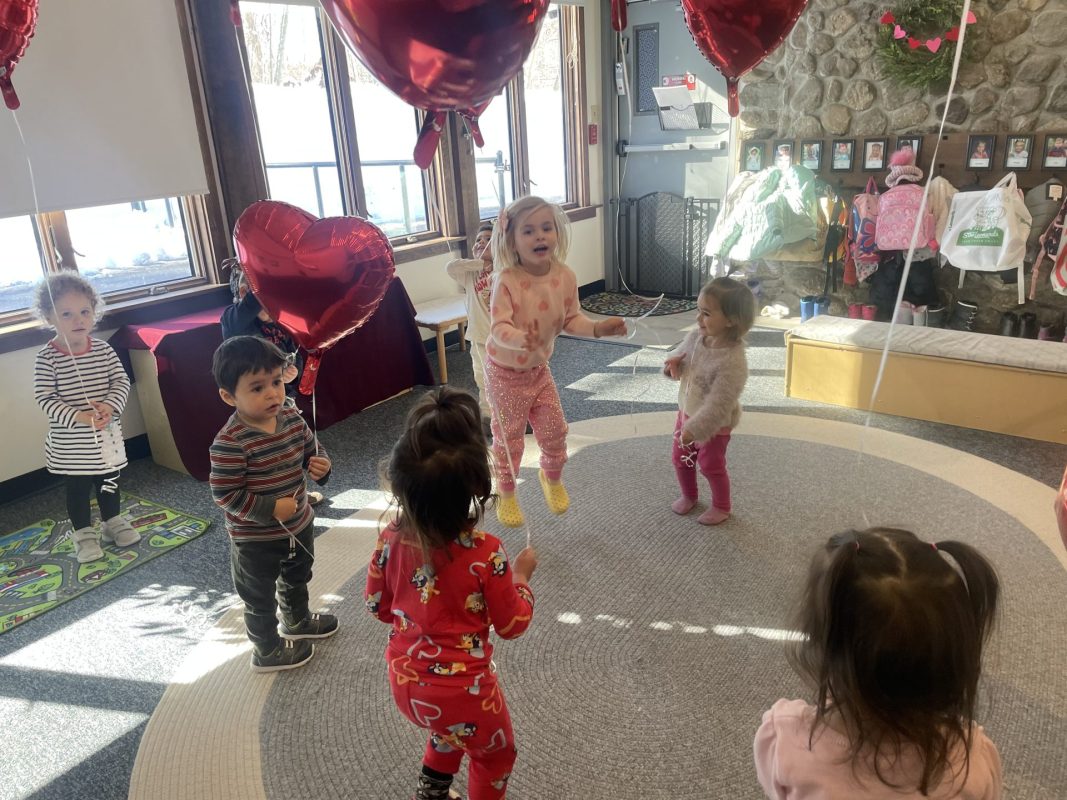
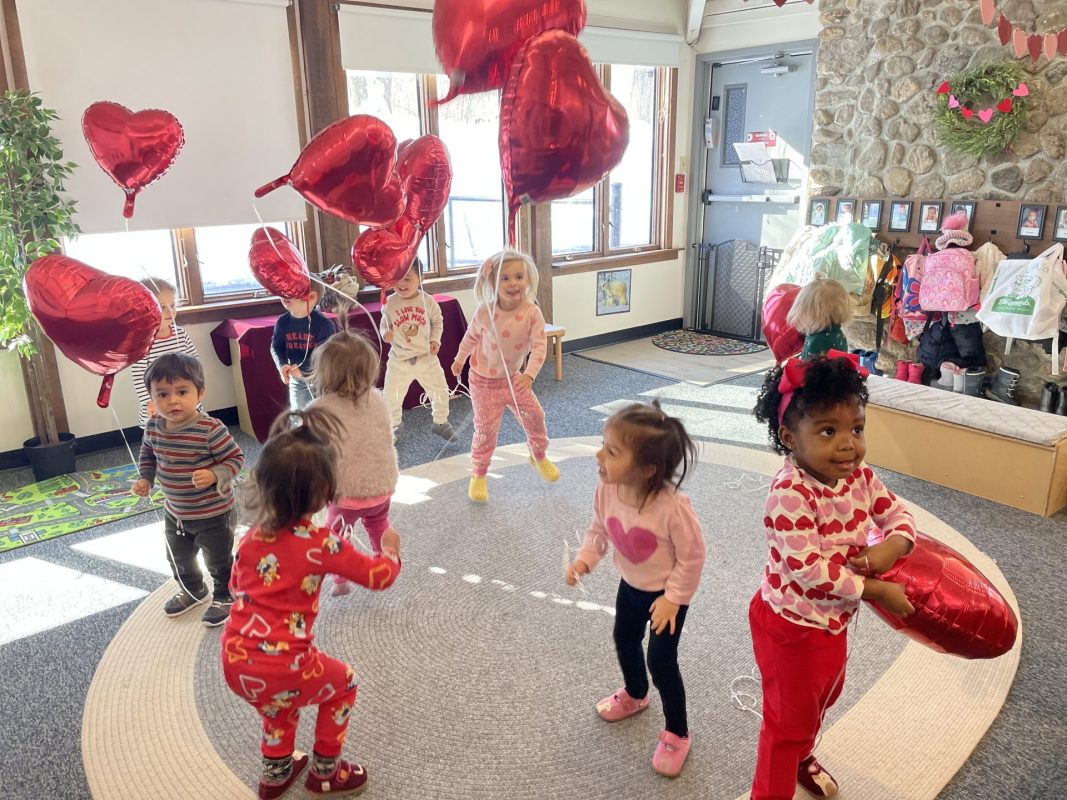
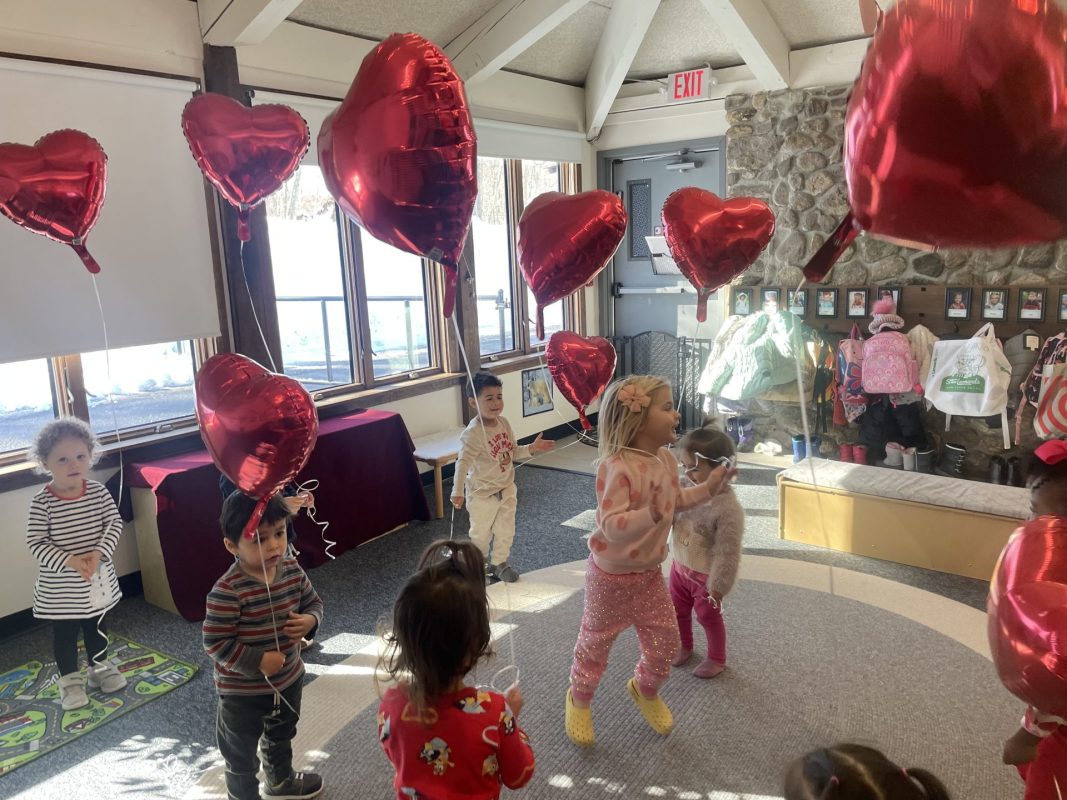
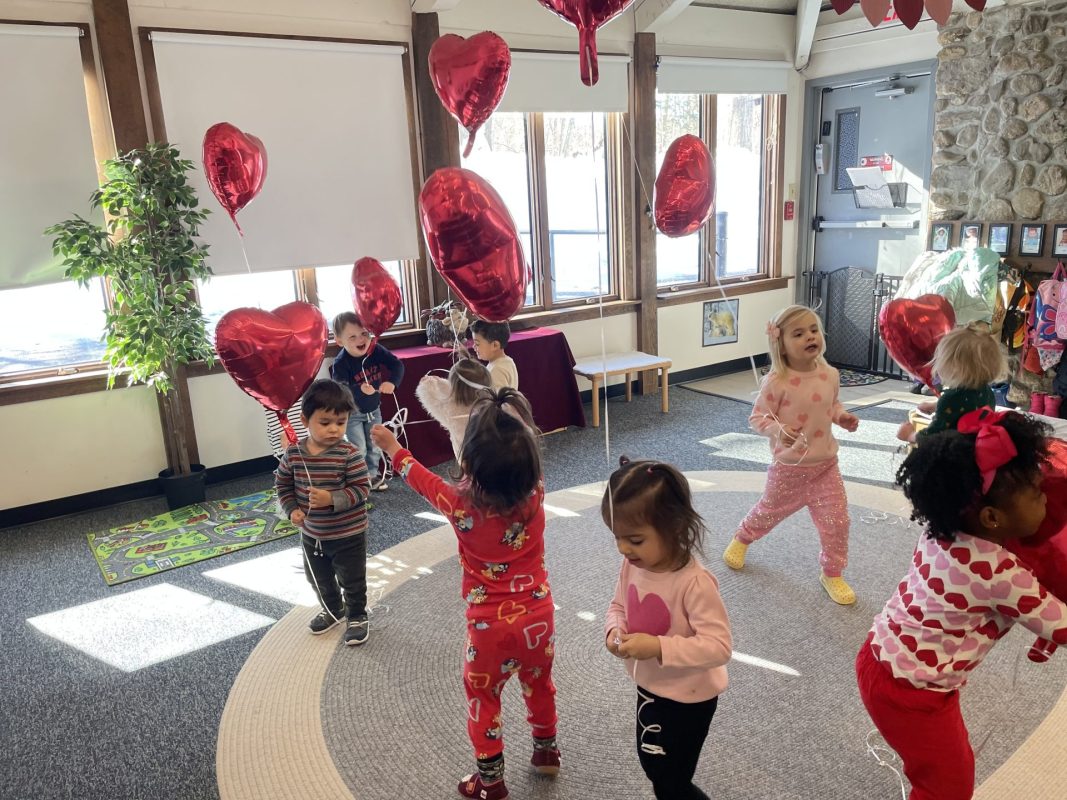
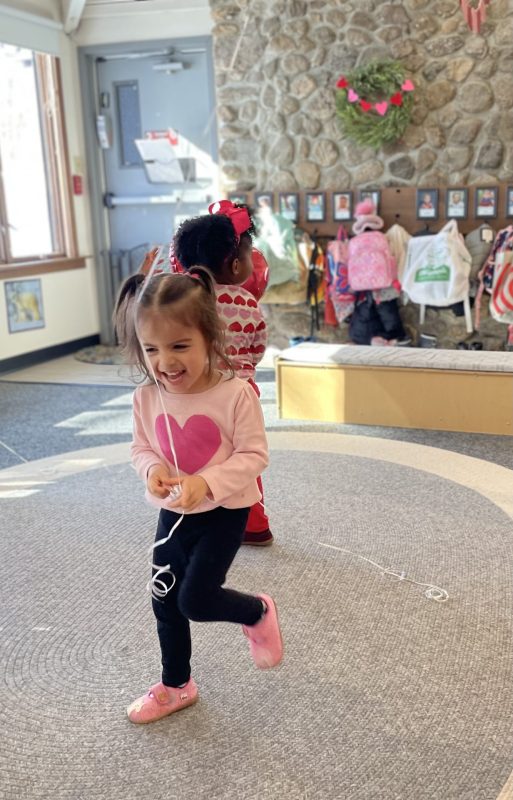
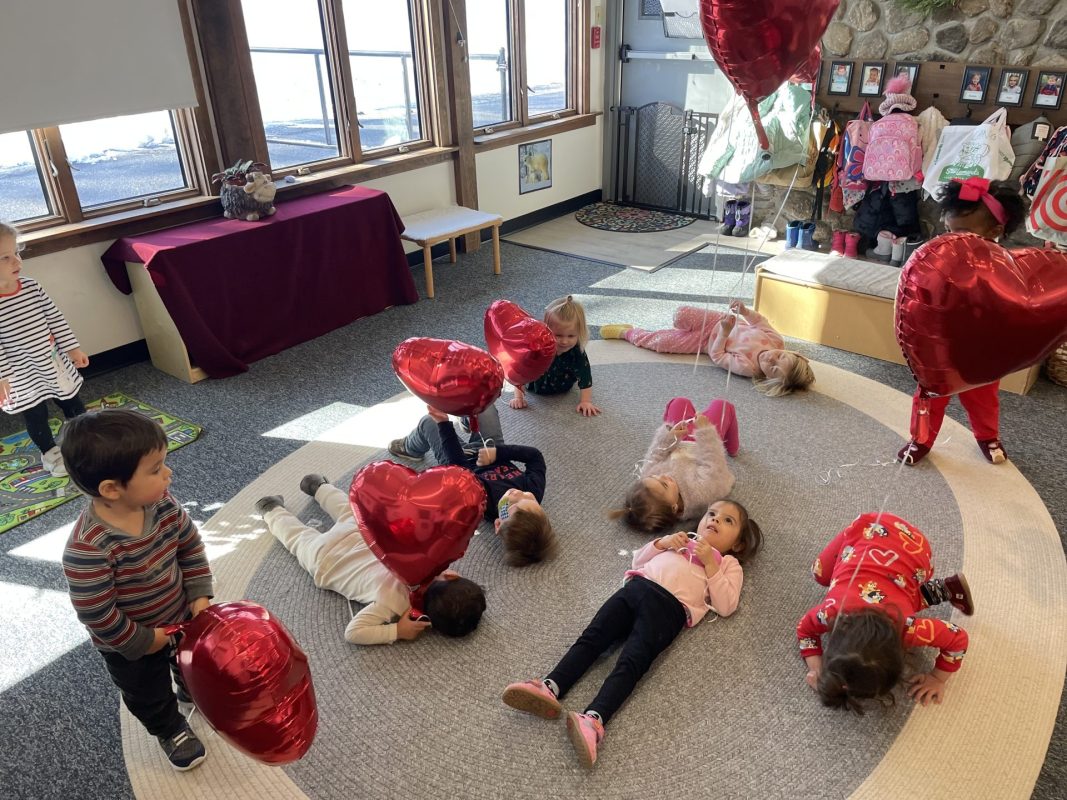
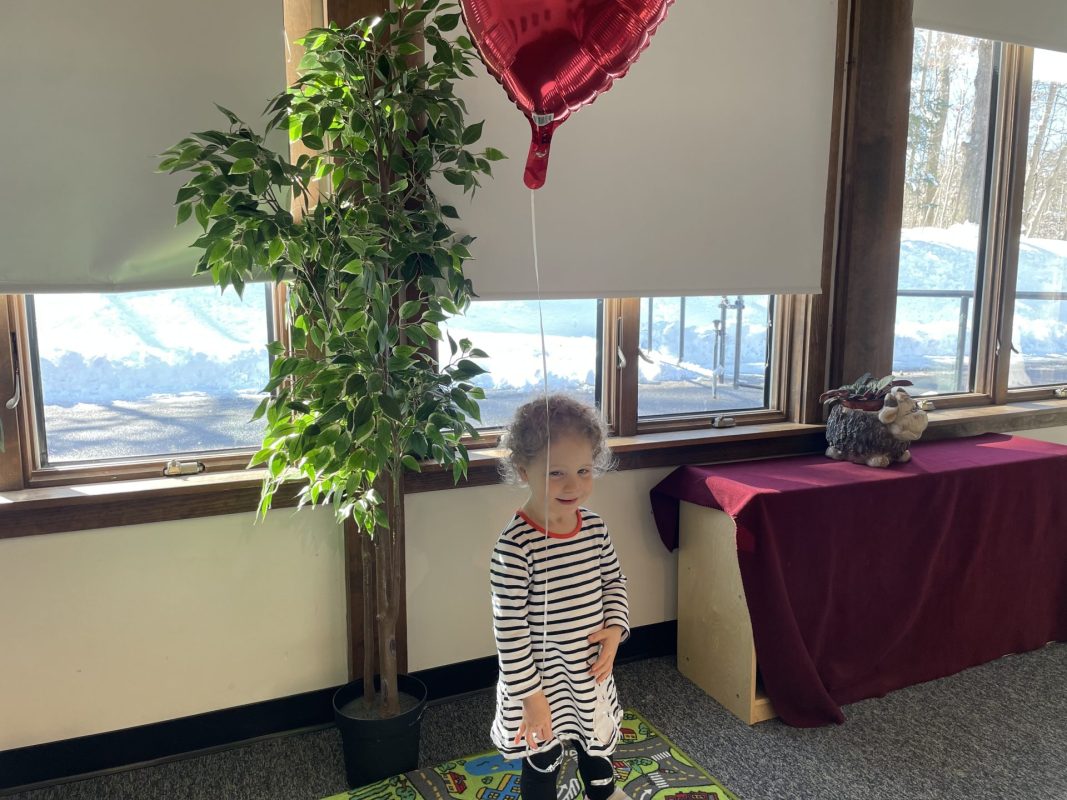
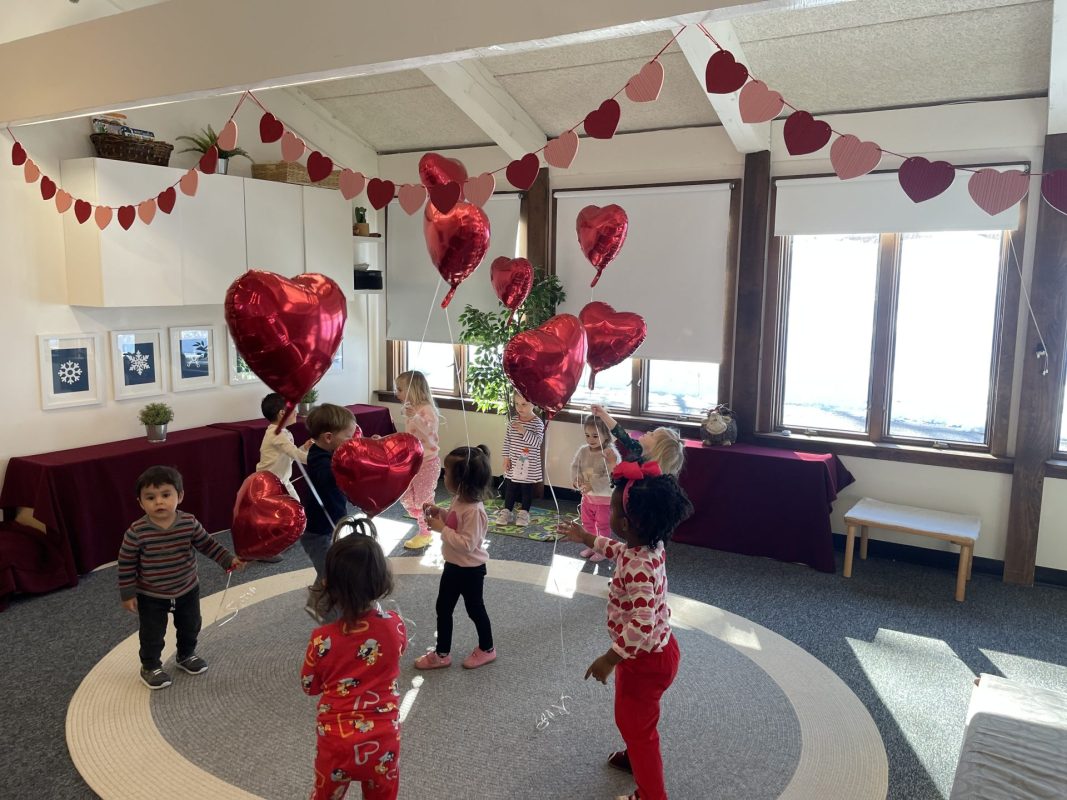
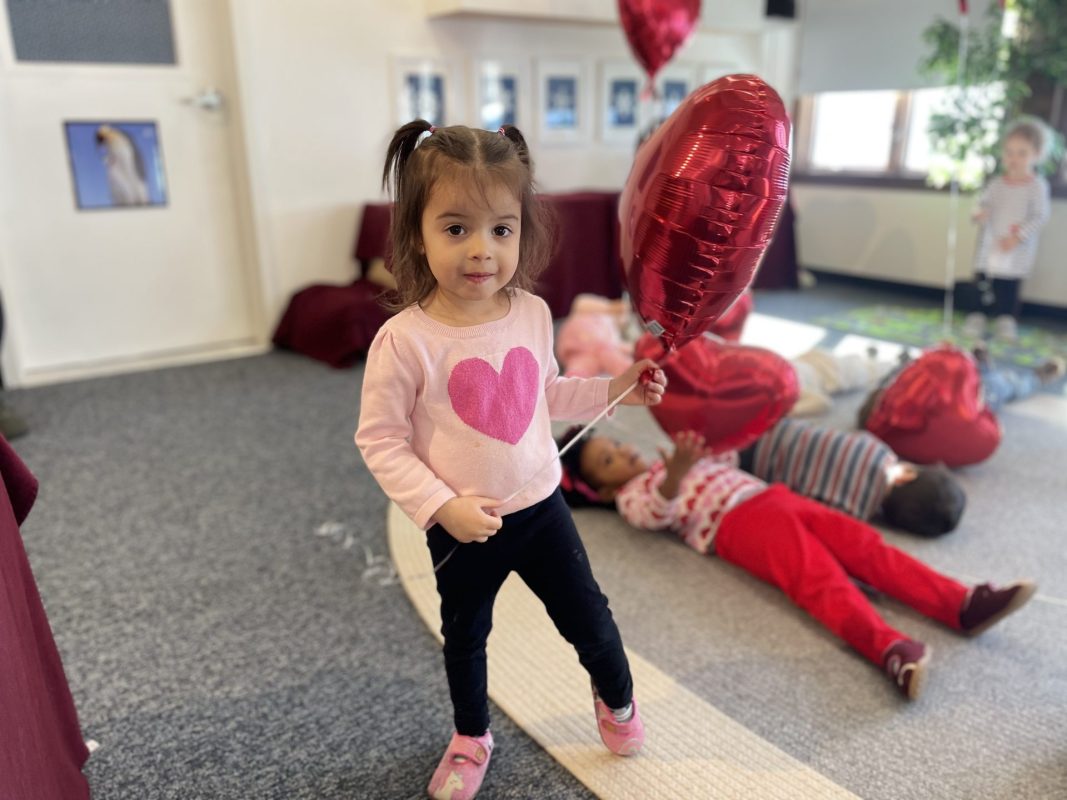
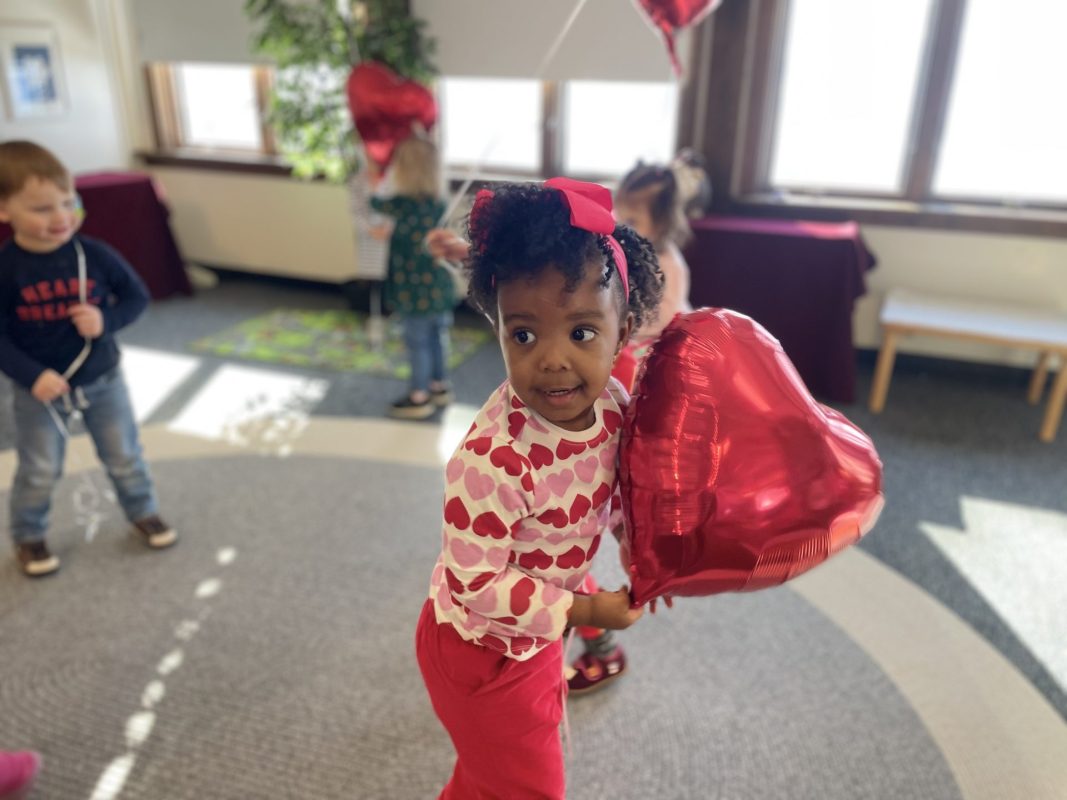
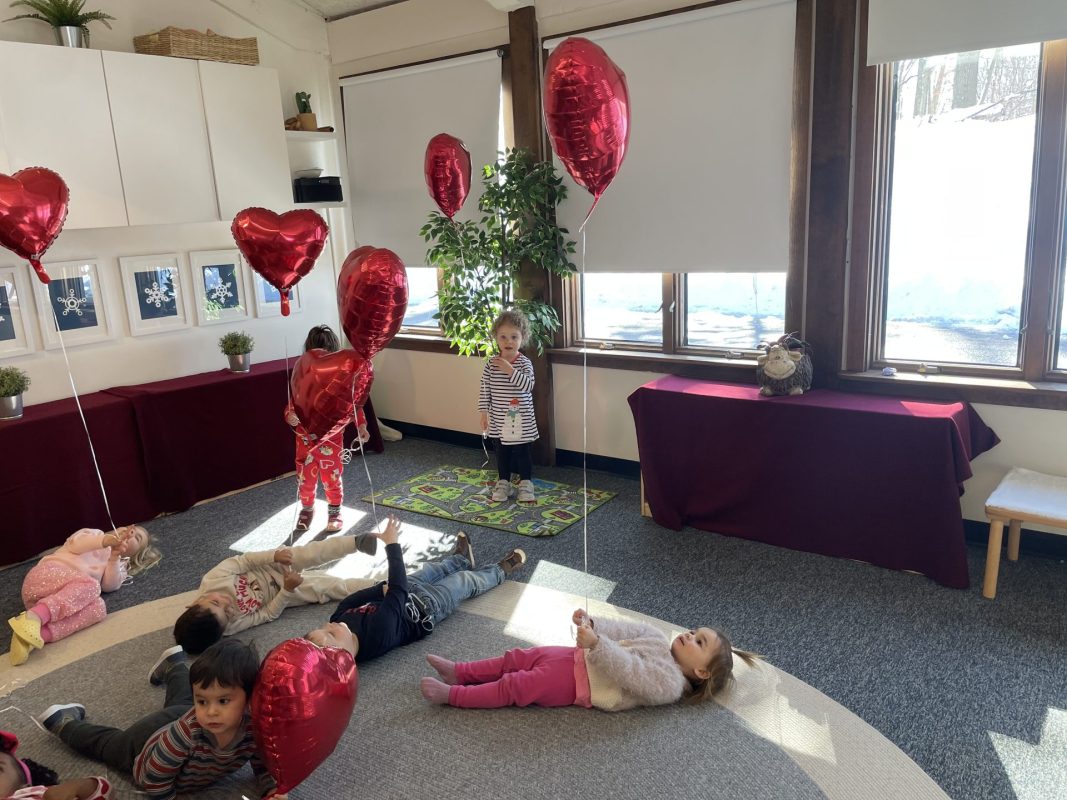
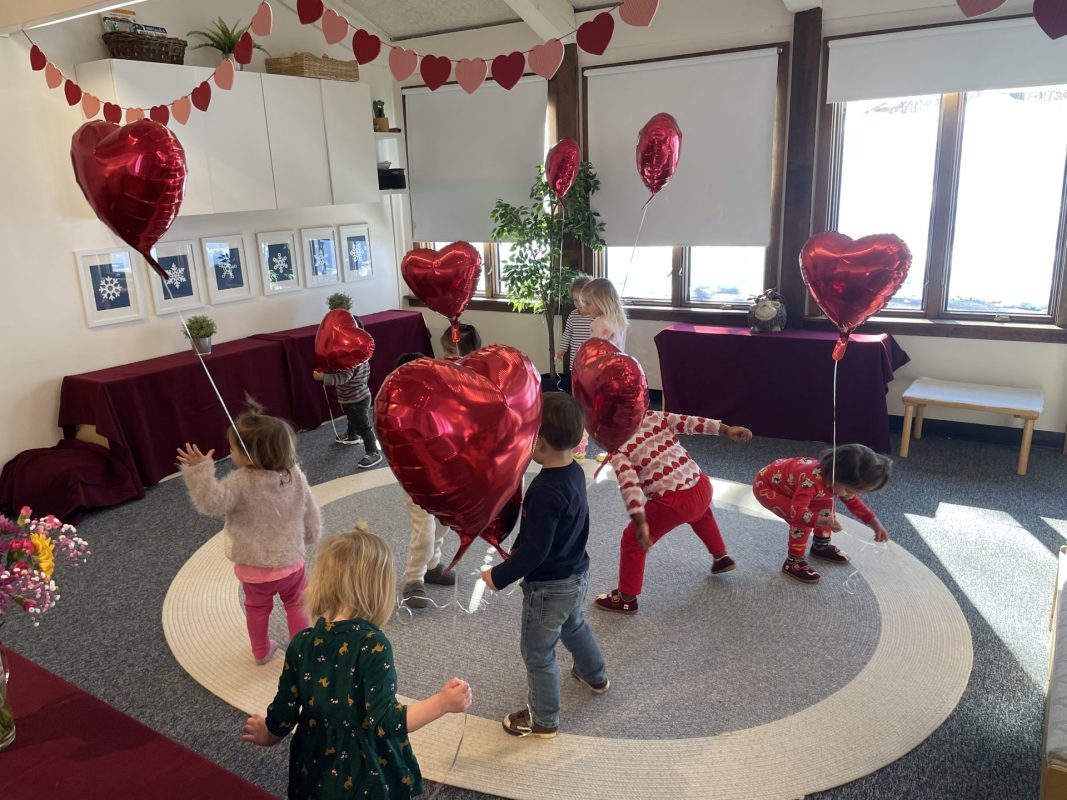
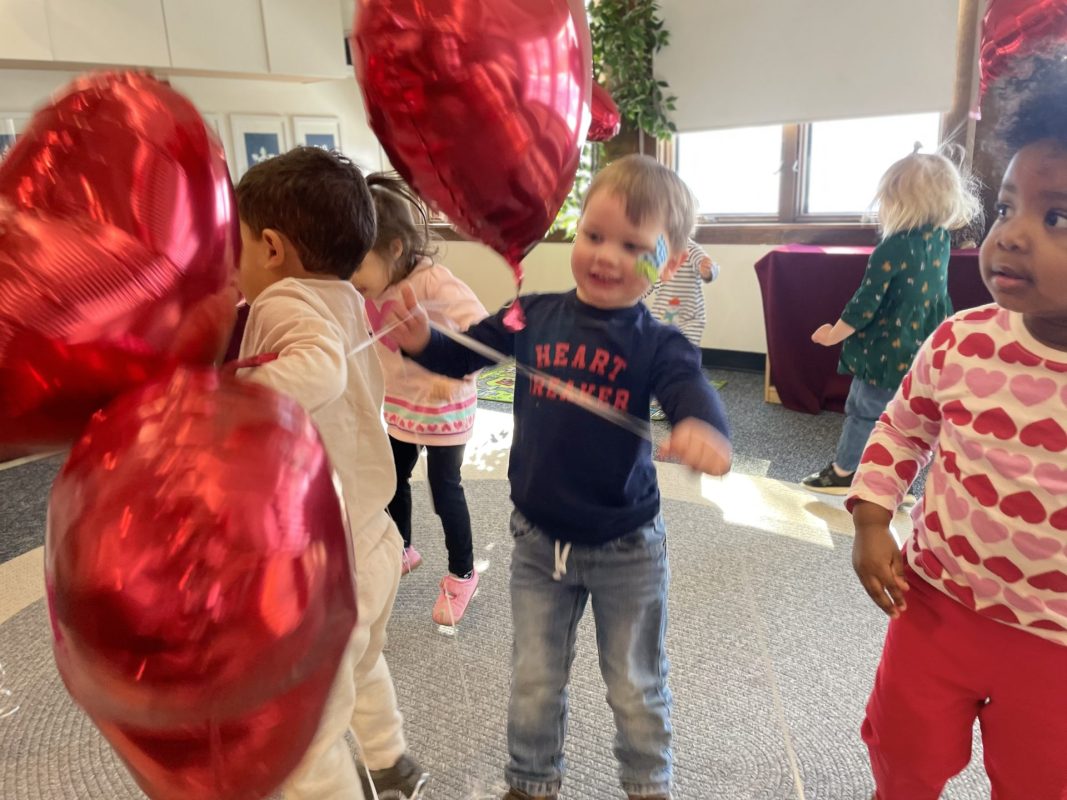
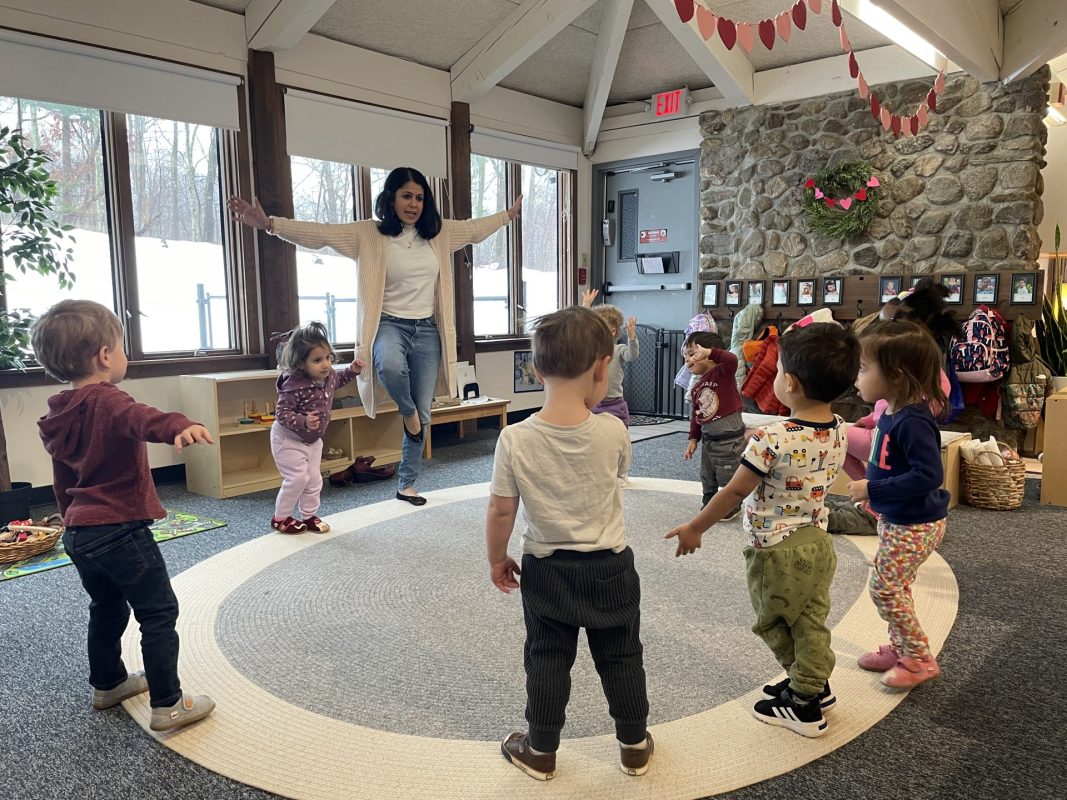
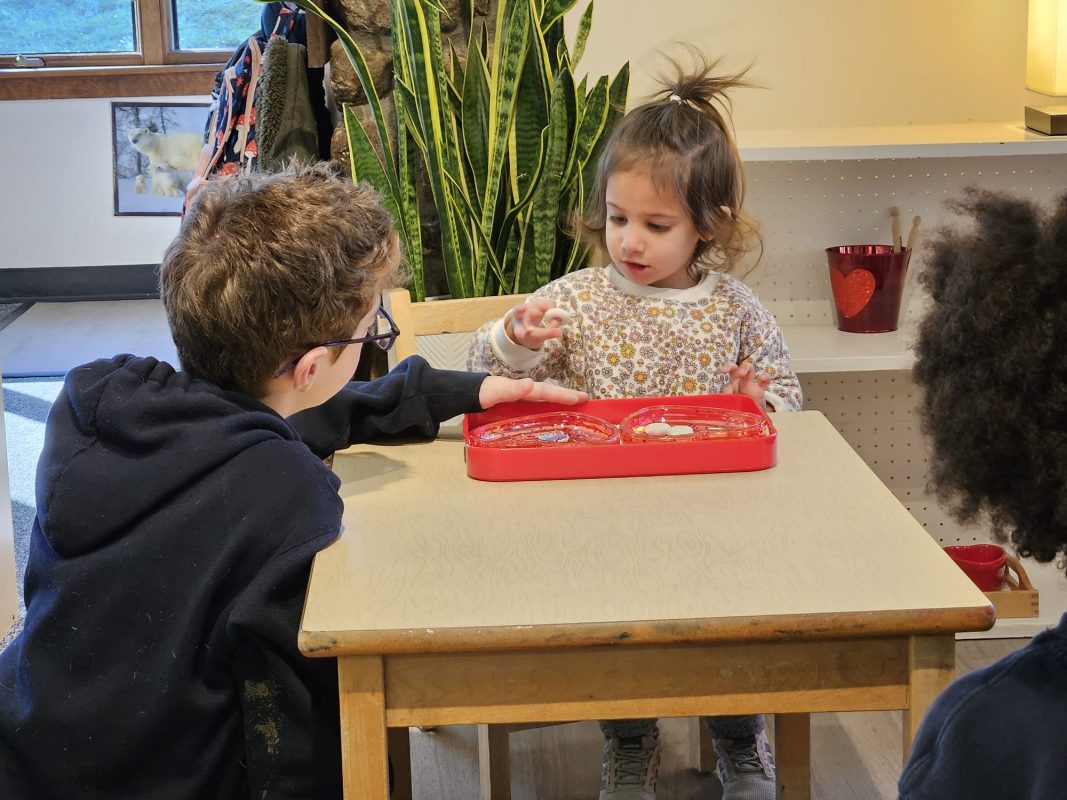
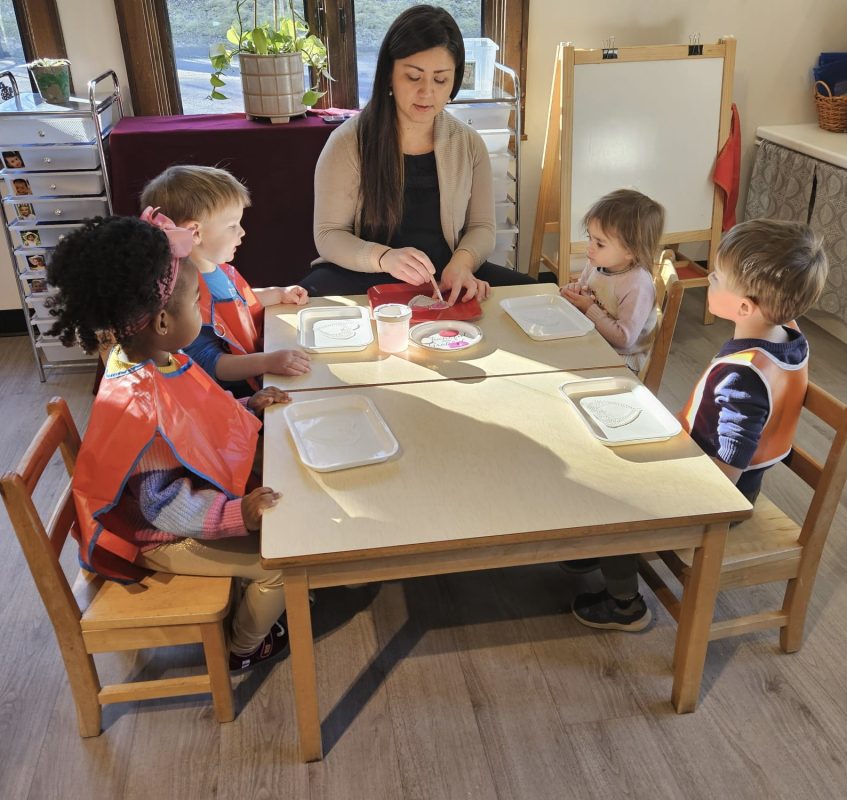
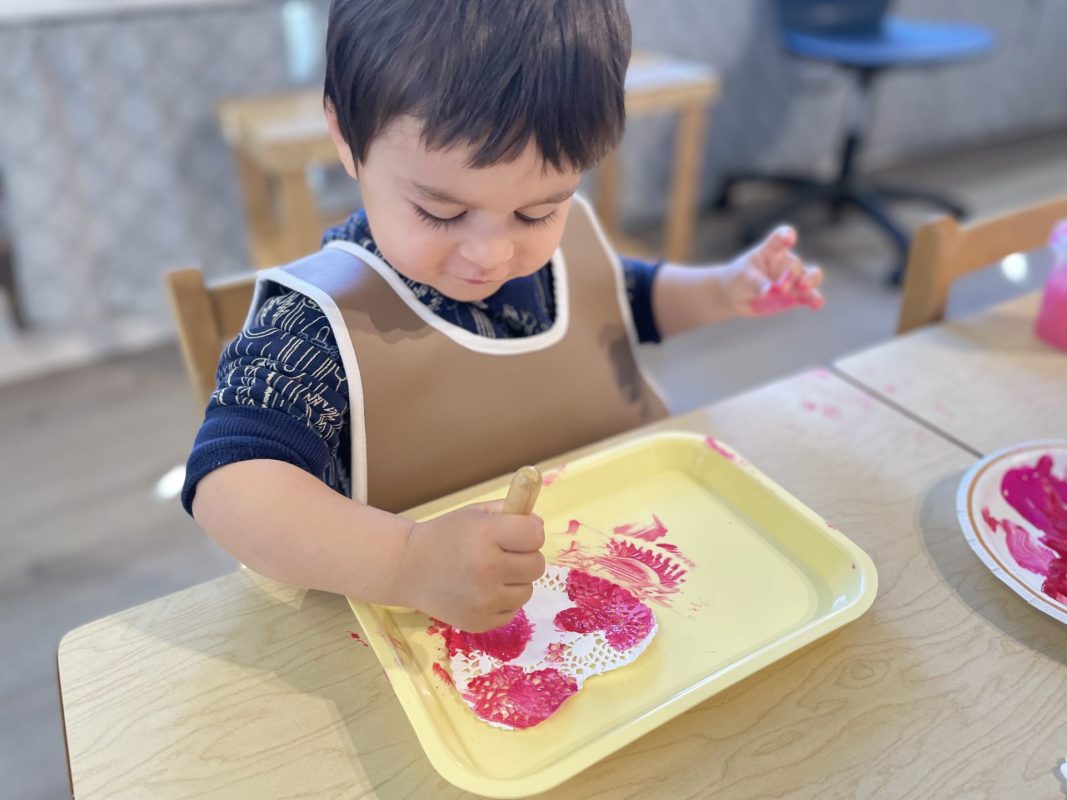
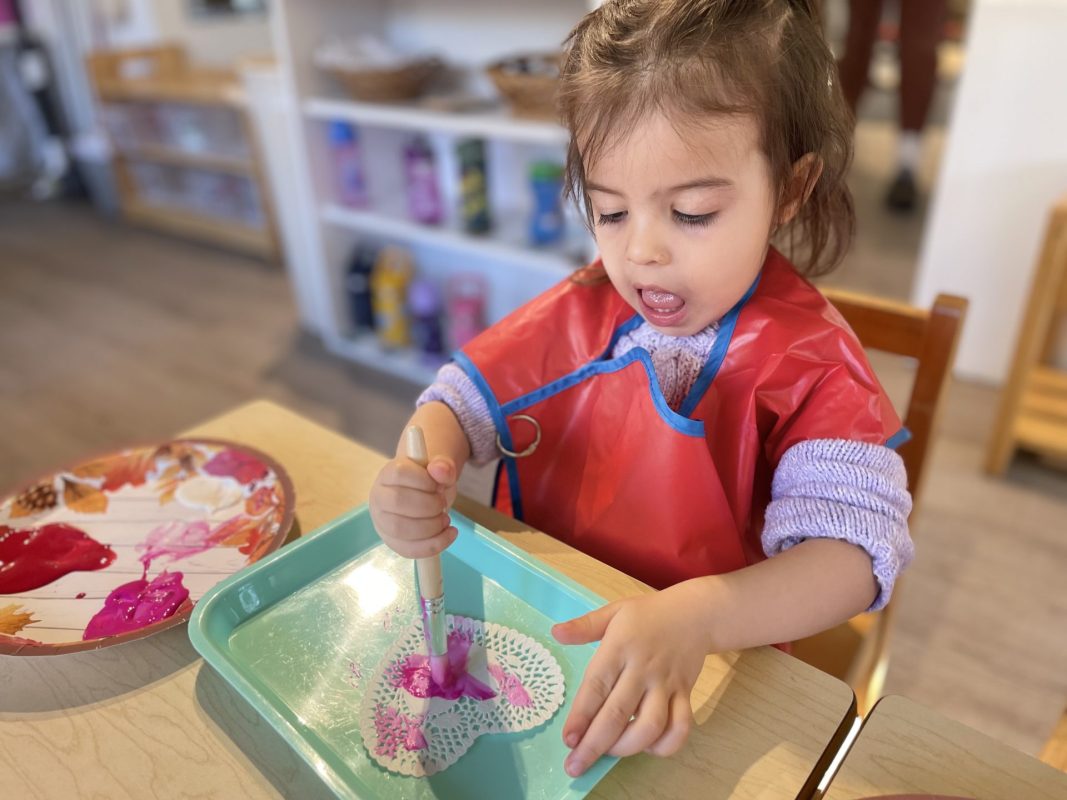
On another note, children had a blast celebrating friendship on Valentine’s day and they were so focused on perfecting their spreading skills while creating “donuts” using apple rings, sunflower butter and delicious sprinkles! They also enjoyed sharing their valentine’s with their friends and having fun in an epic balloon dance party! During circle time that day, we talked about how hugs make our brain happy and it was just so amazing to see how each child chose a friend to offer a hug!

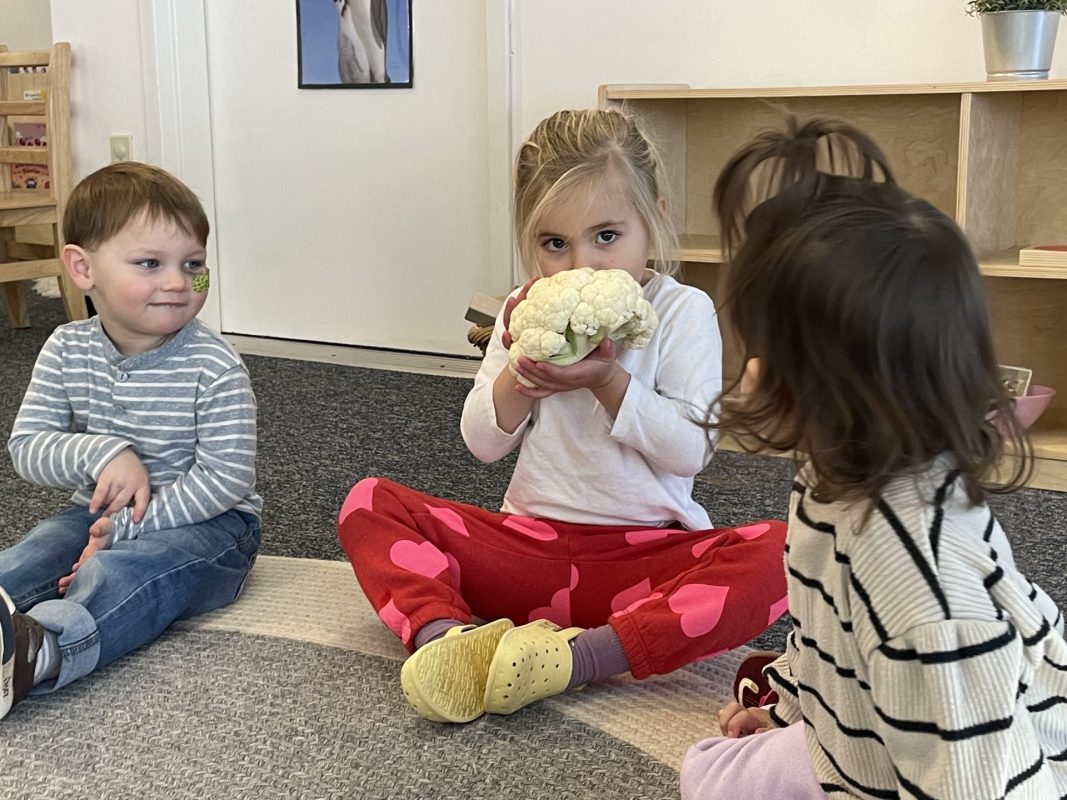
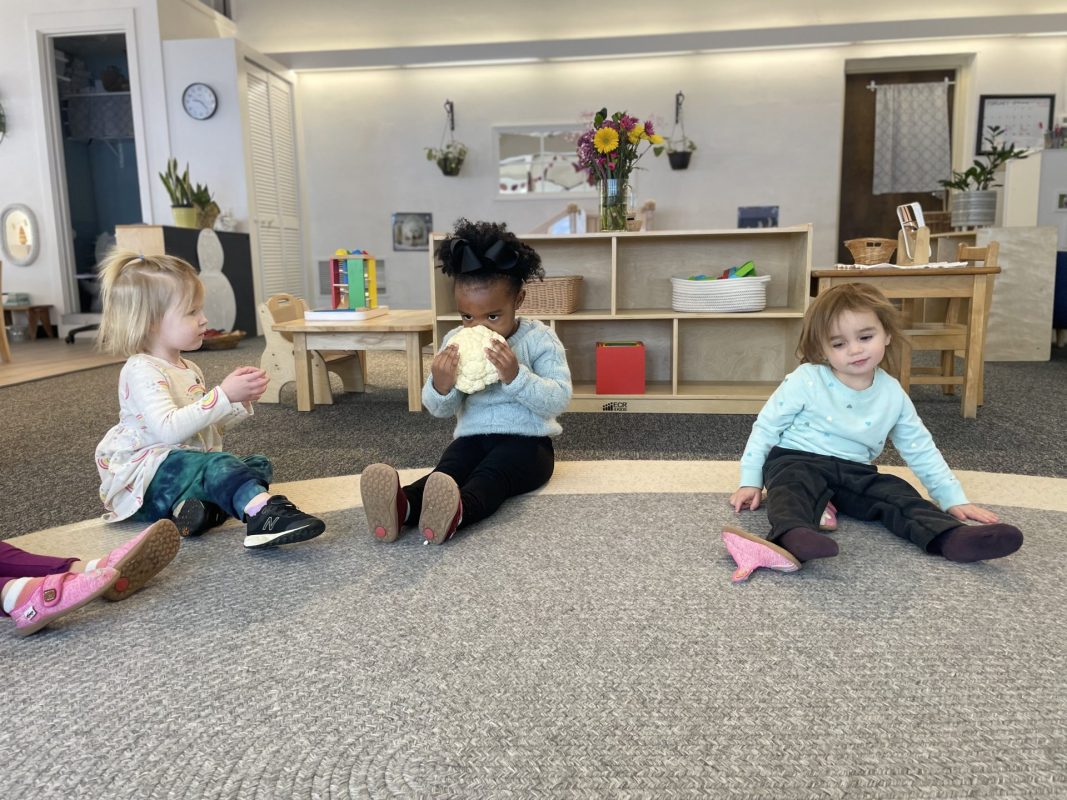
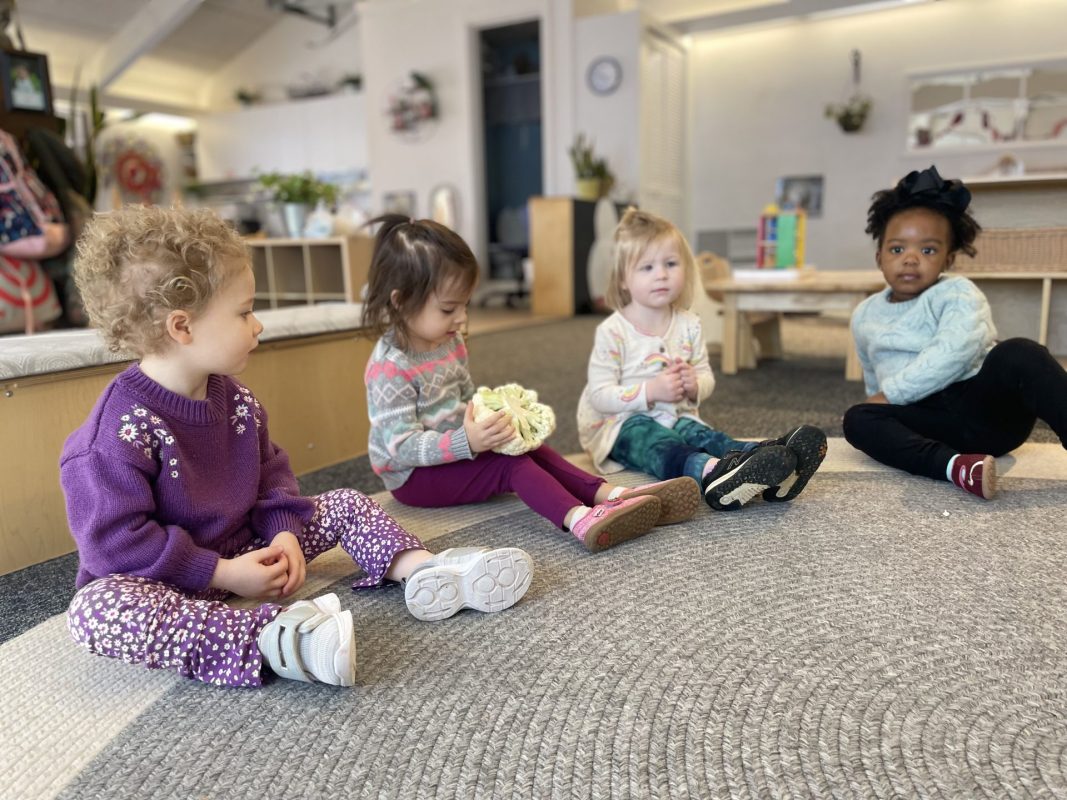
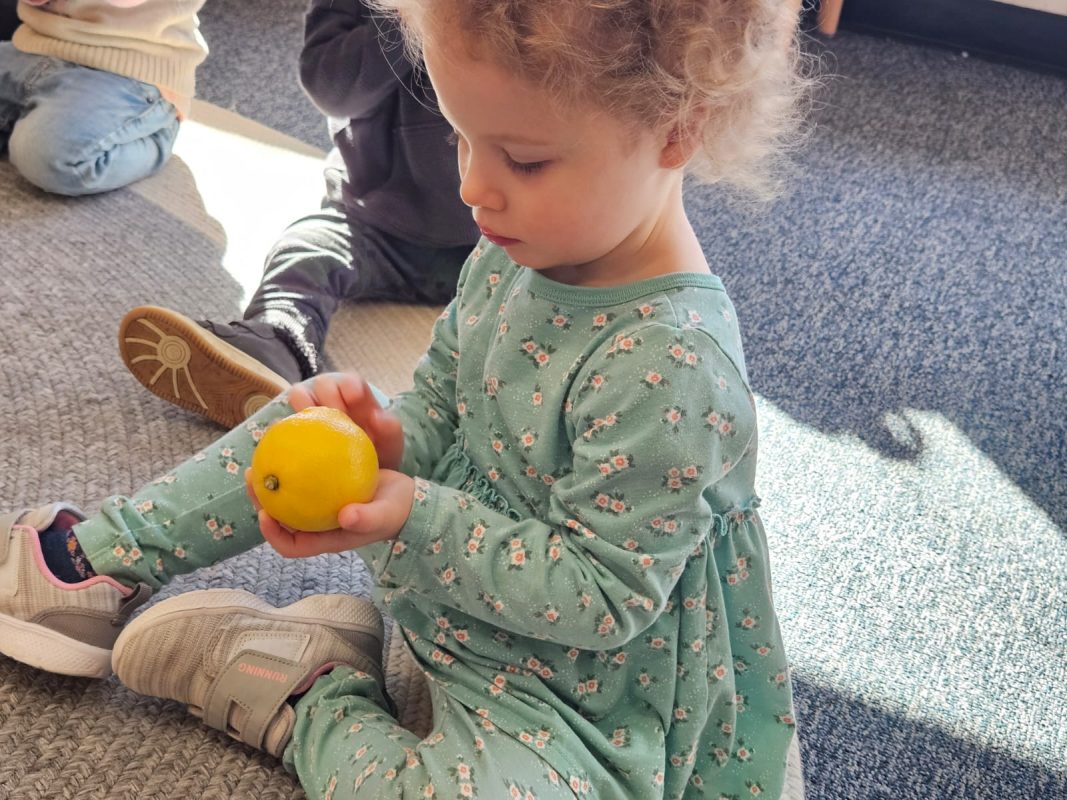
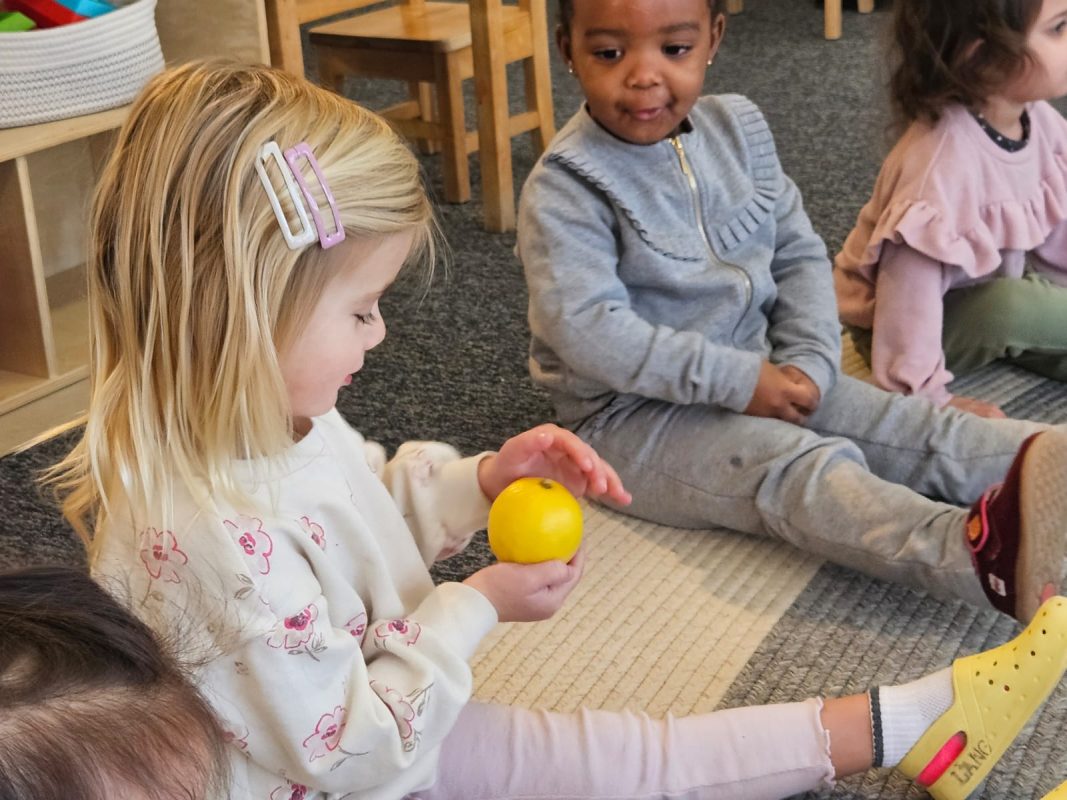
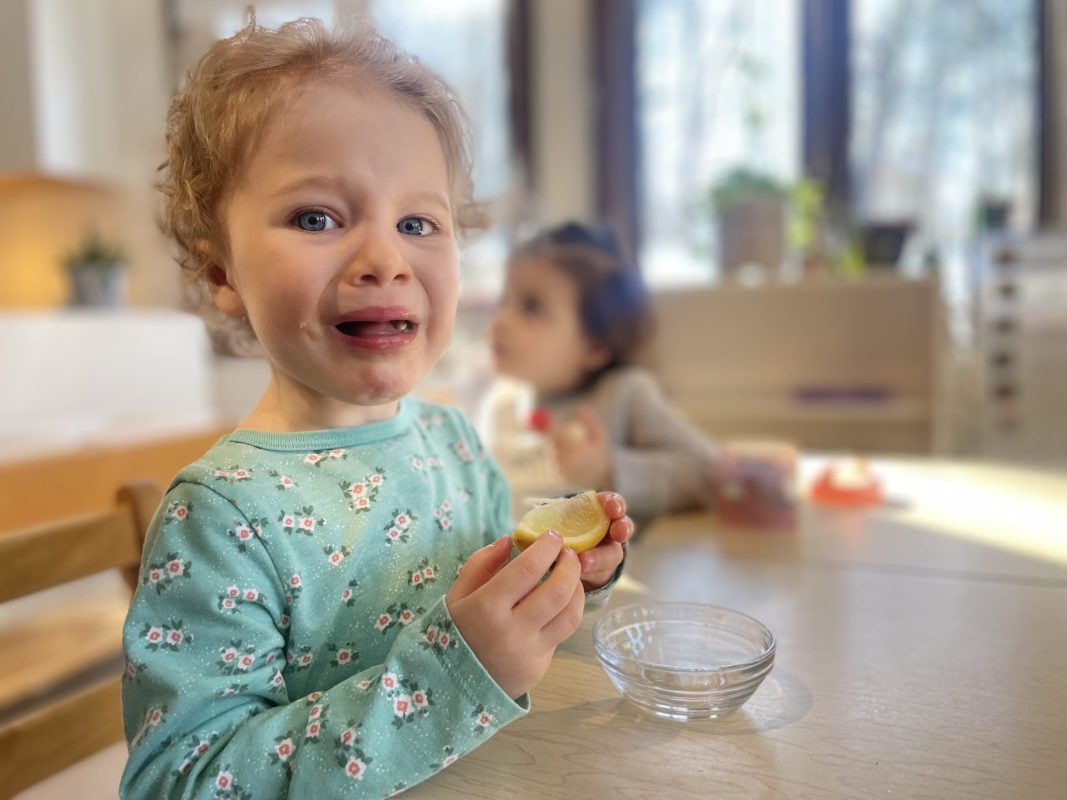
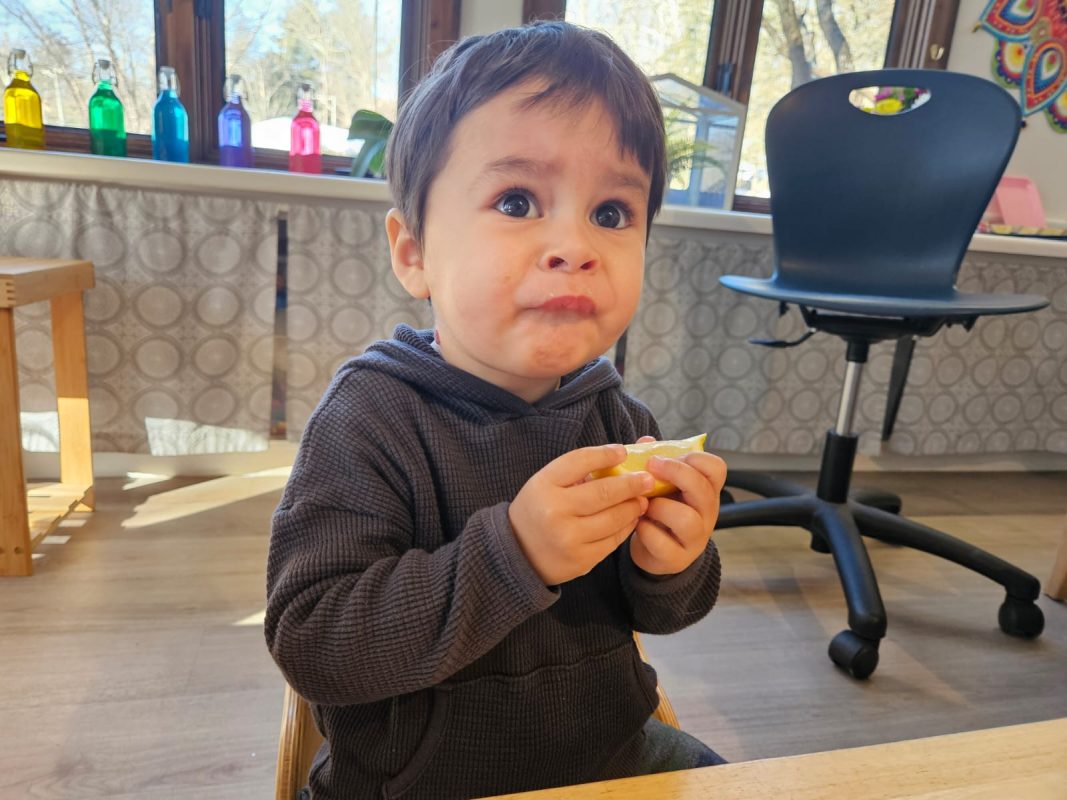
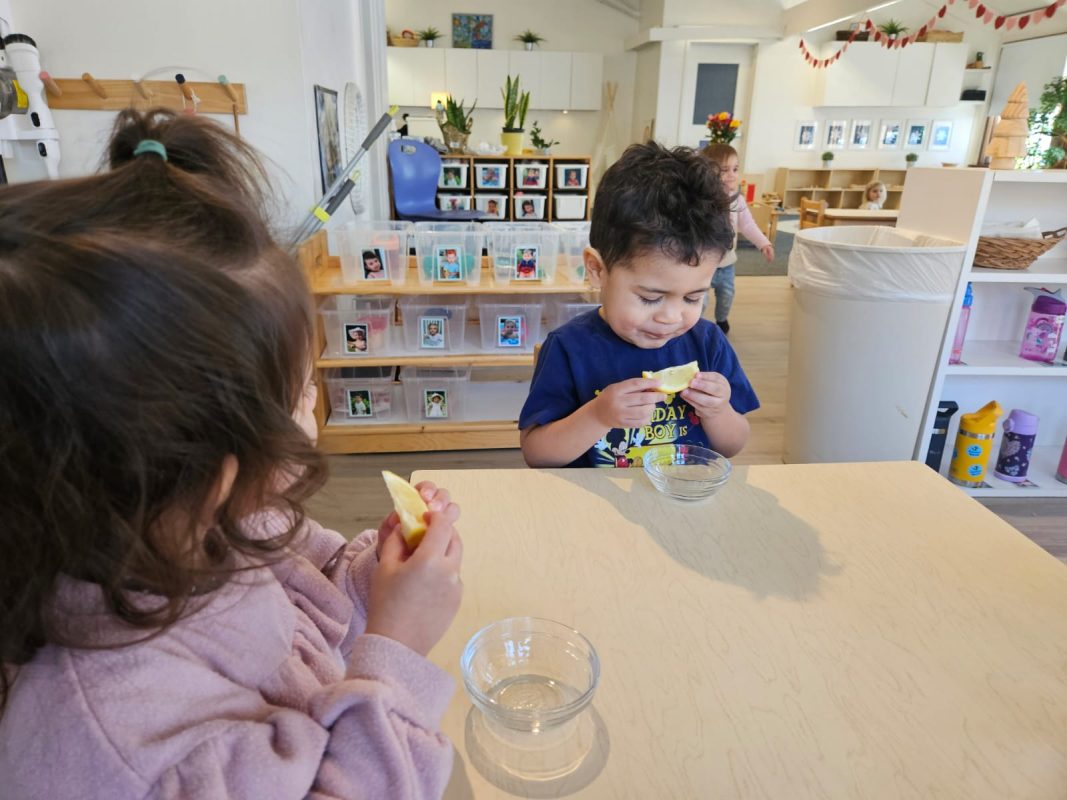
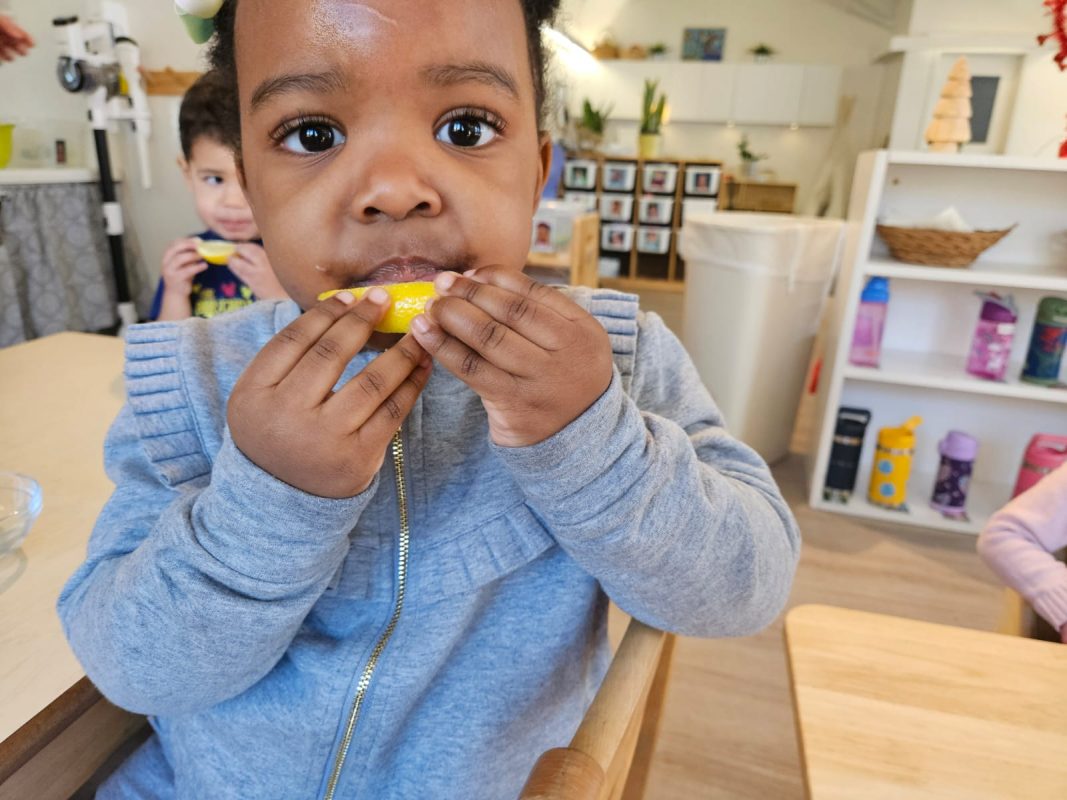
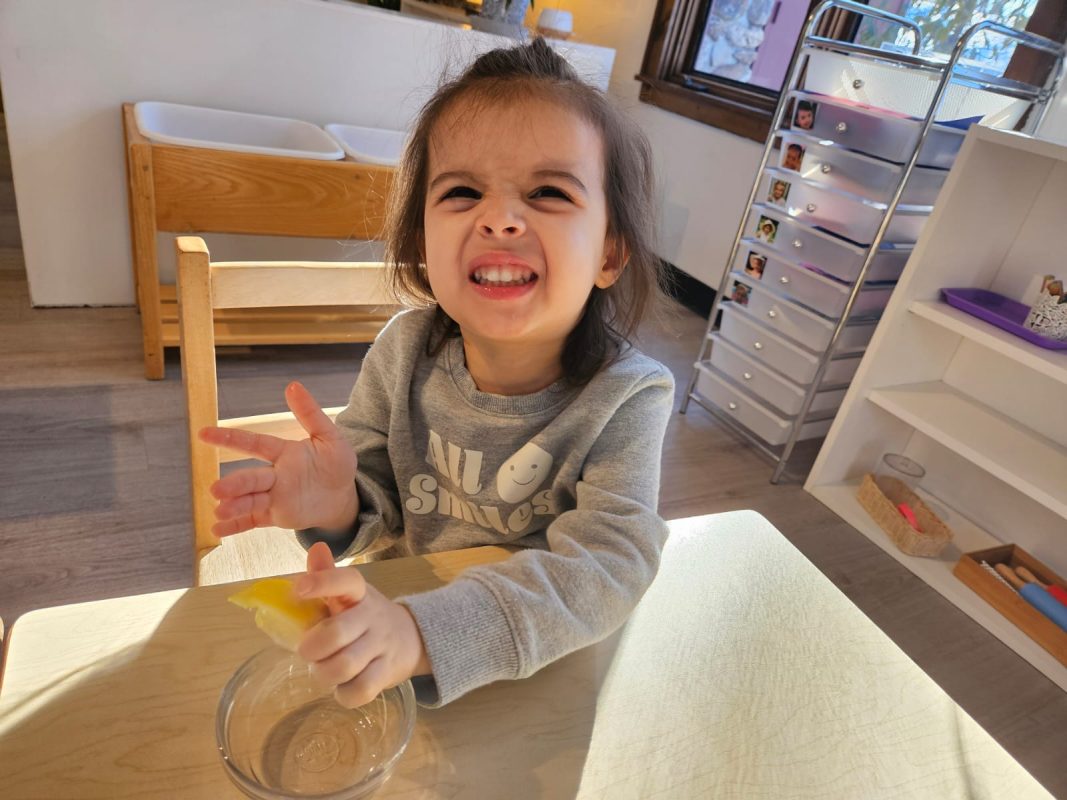
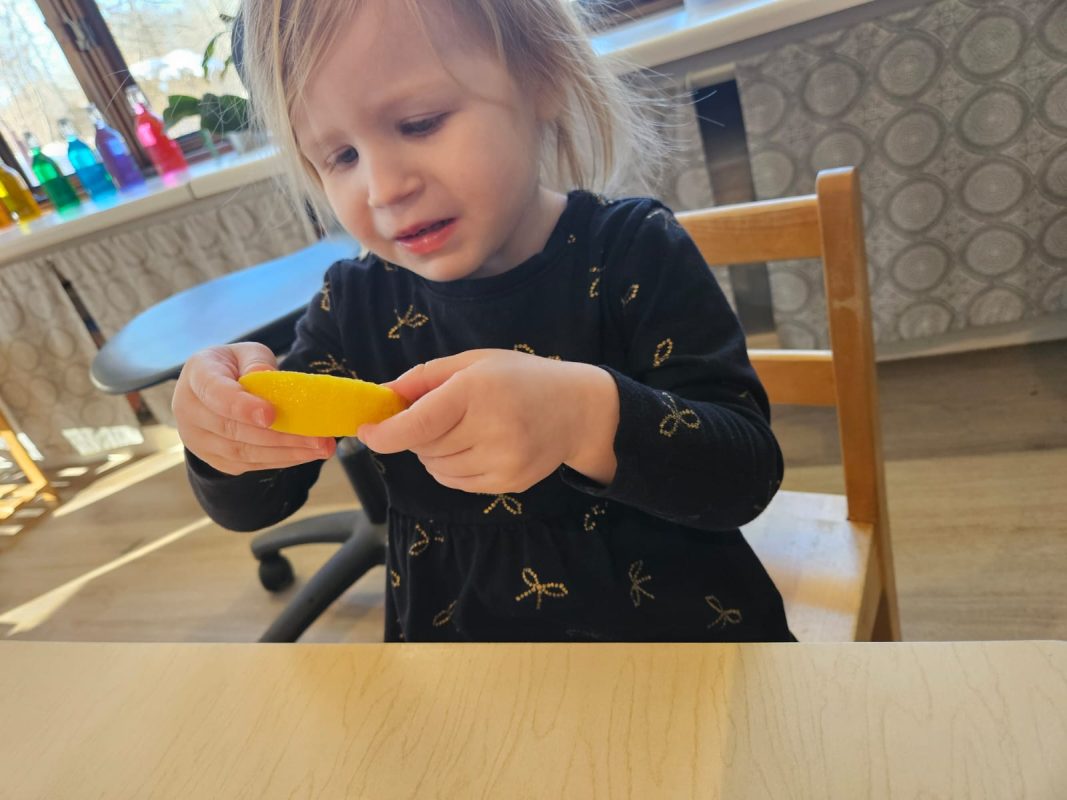
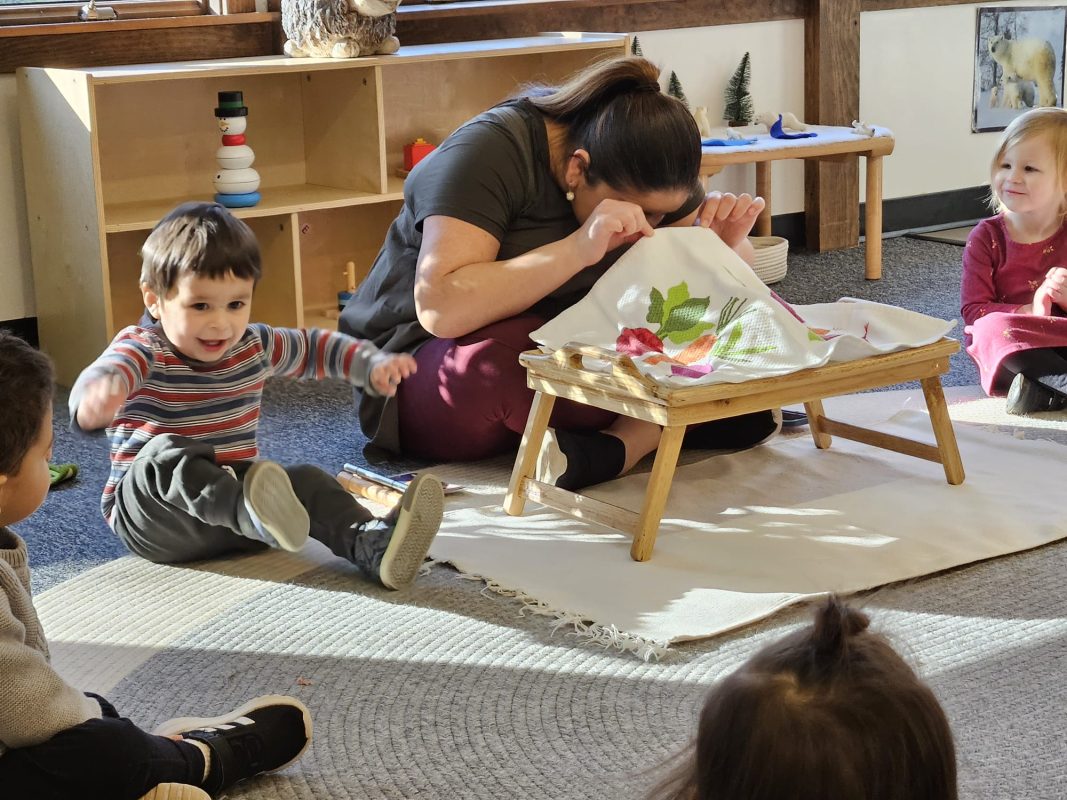
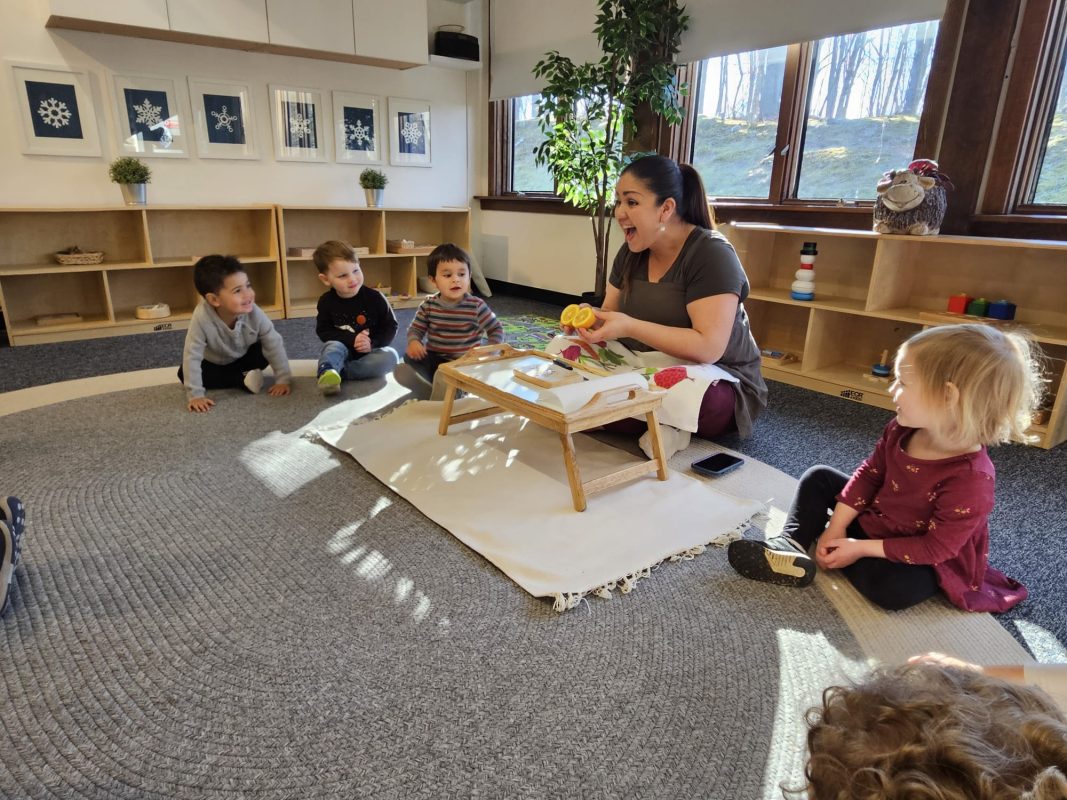
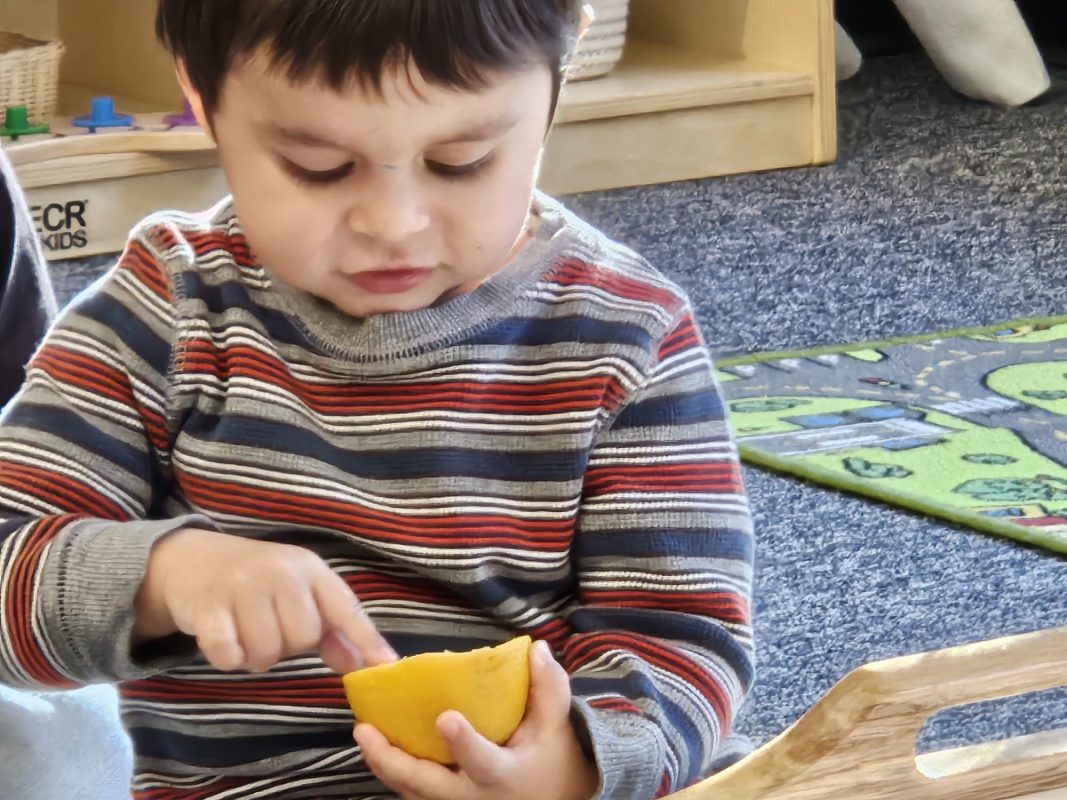
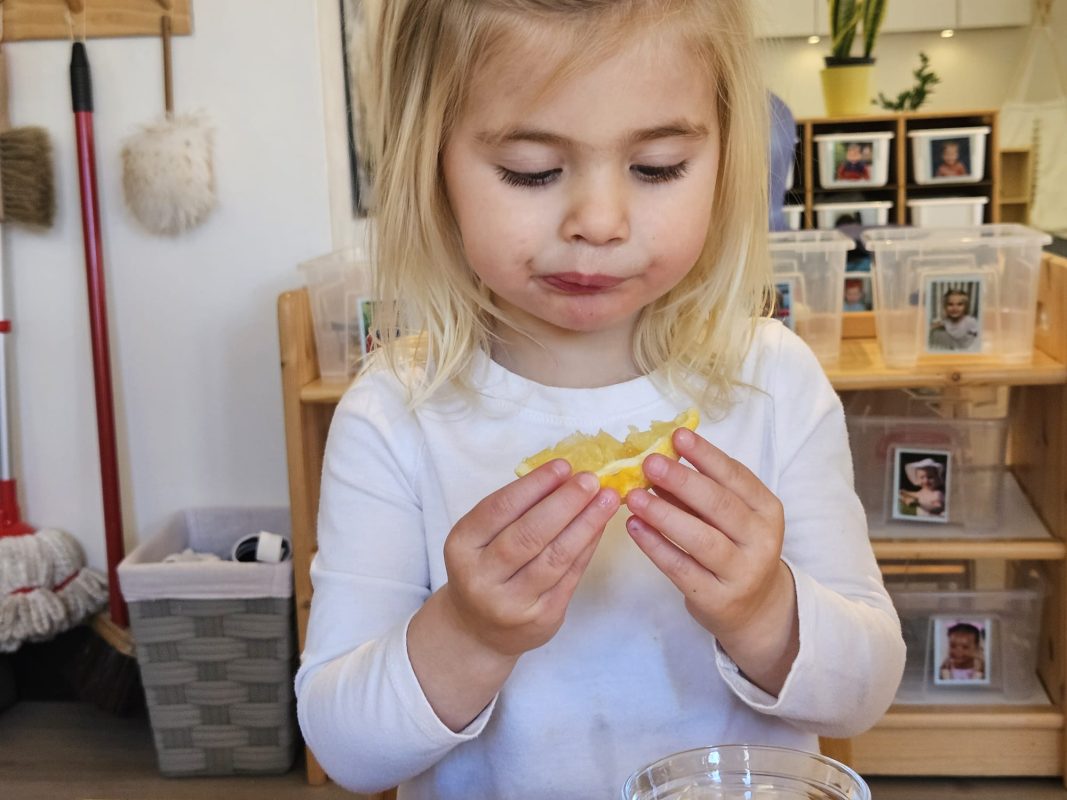
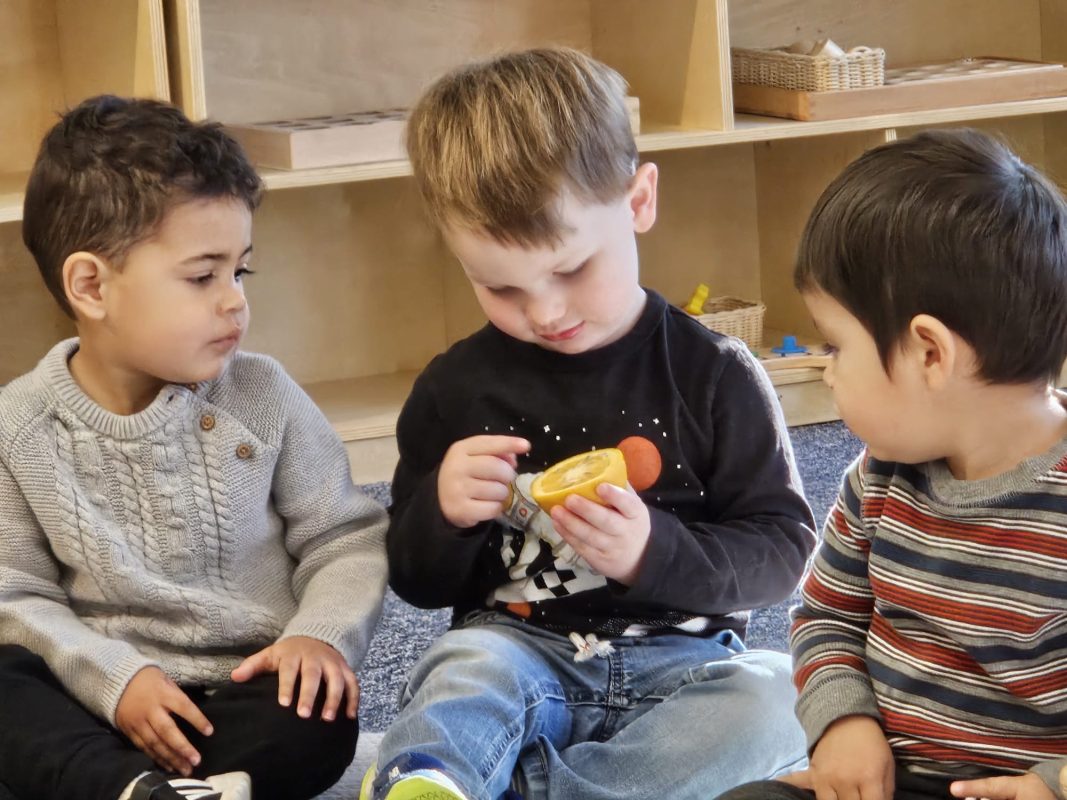
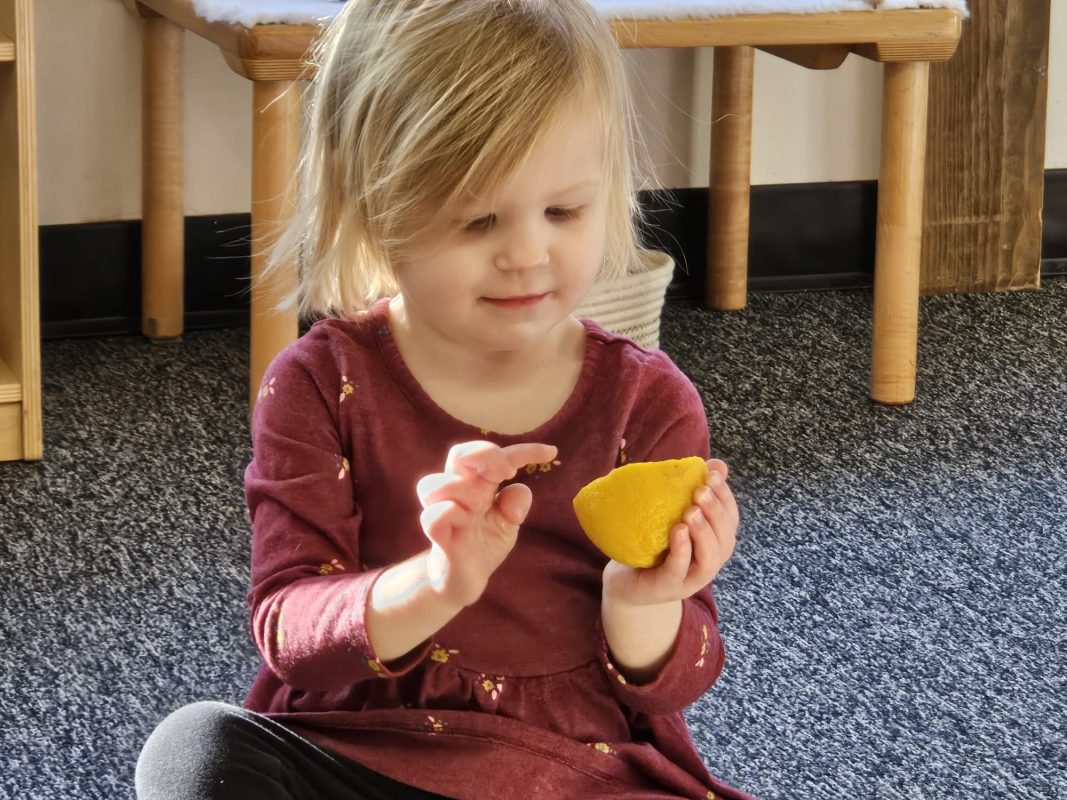
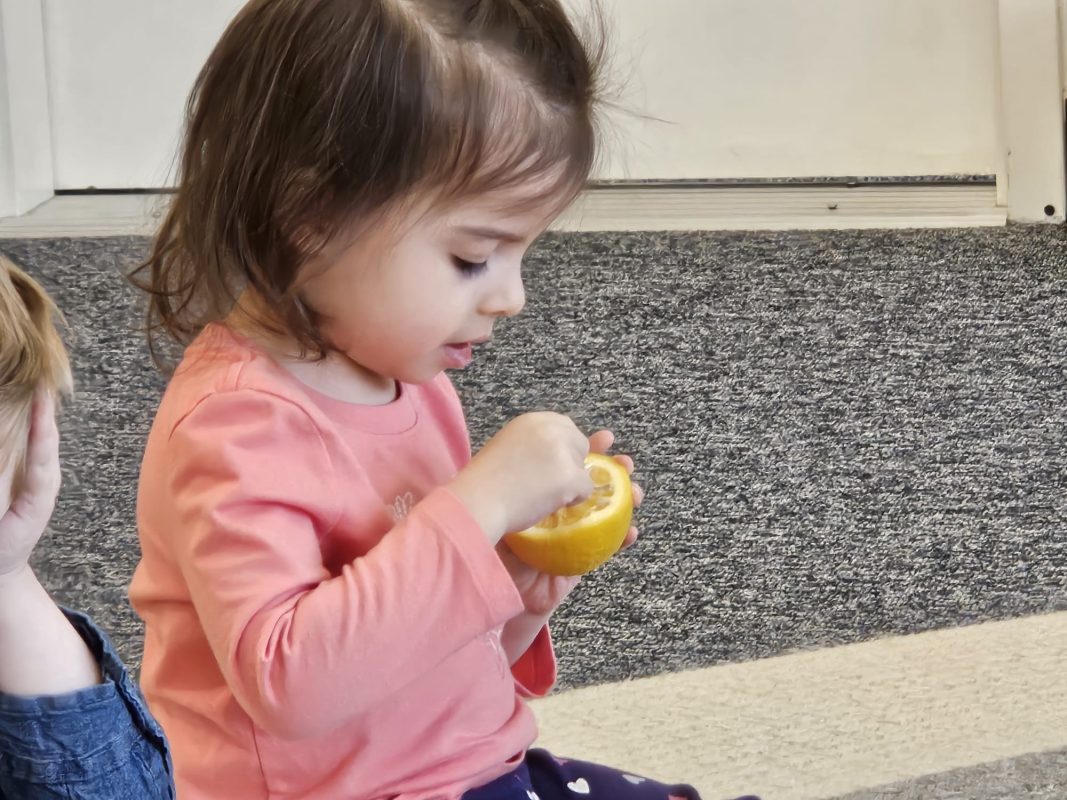
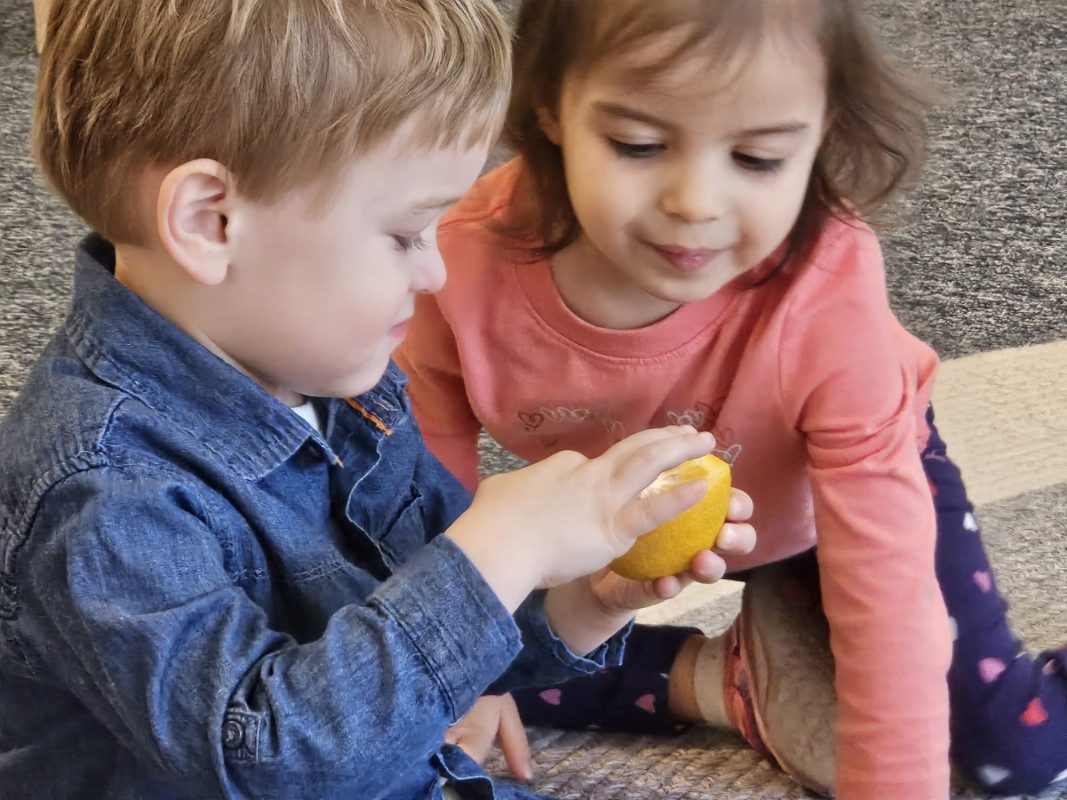
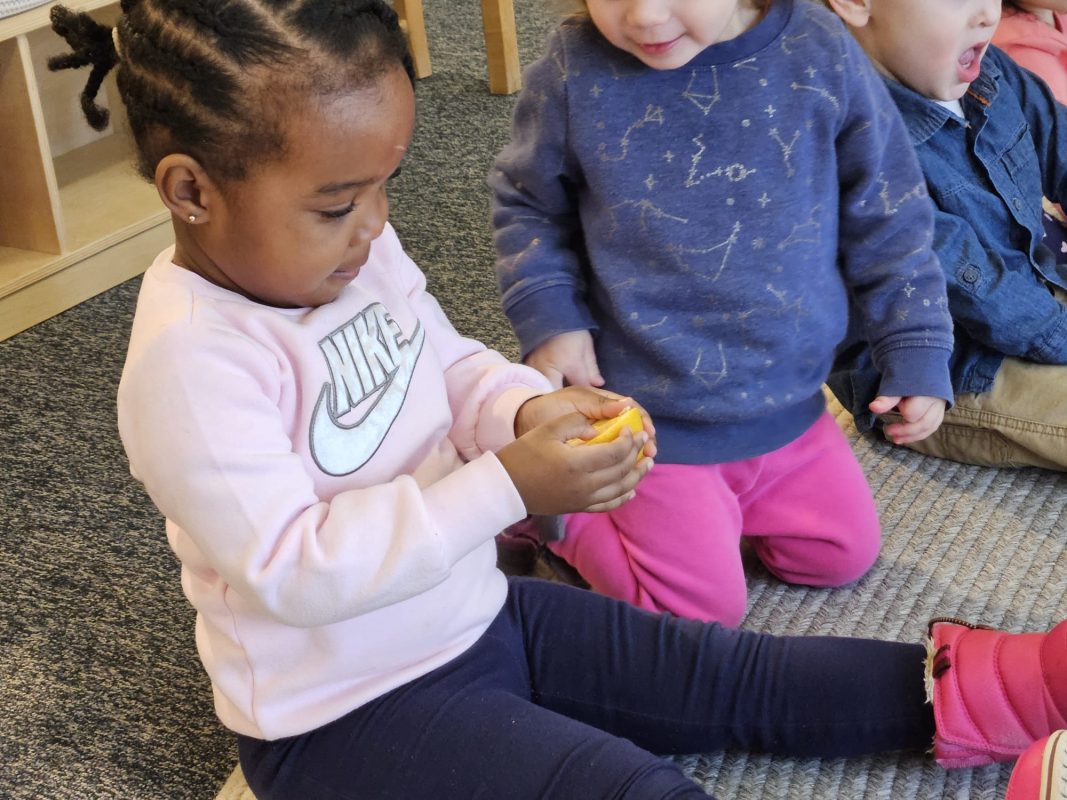
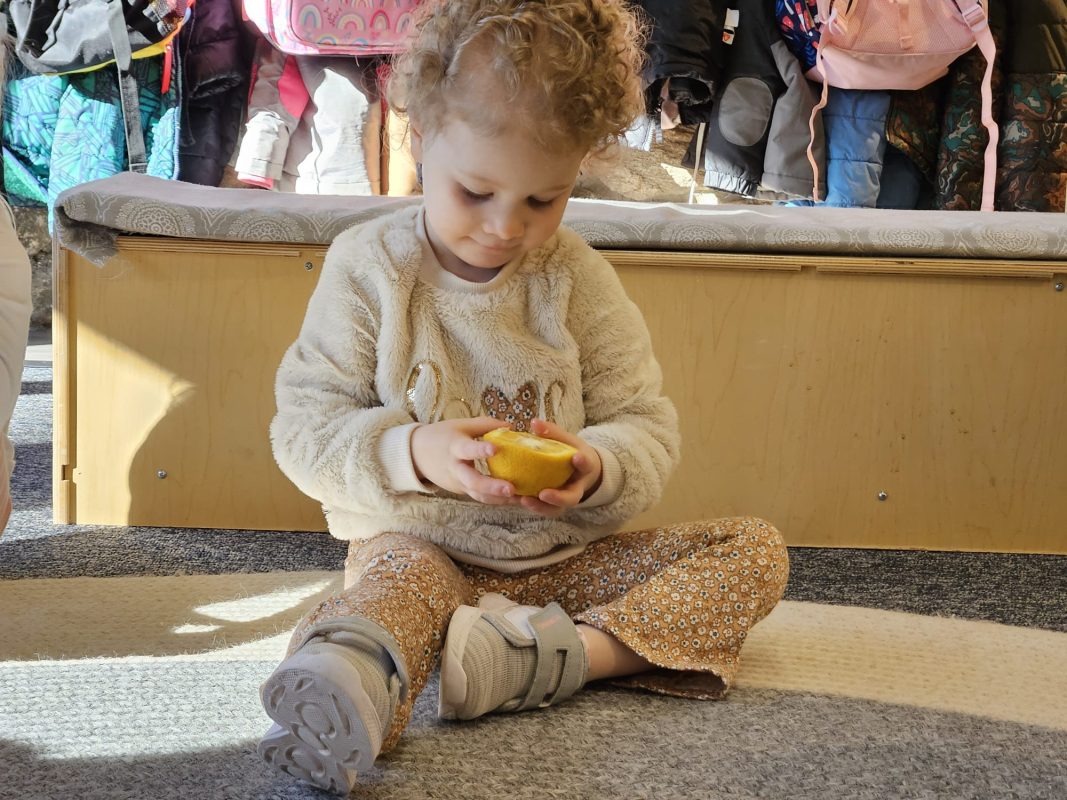
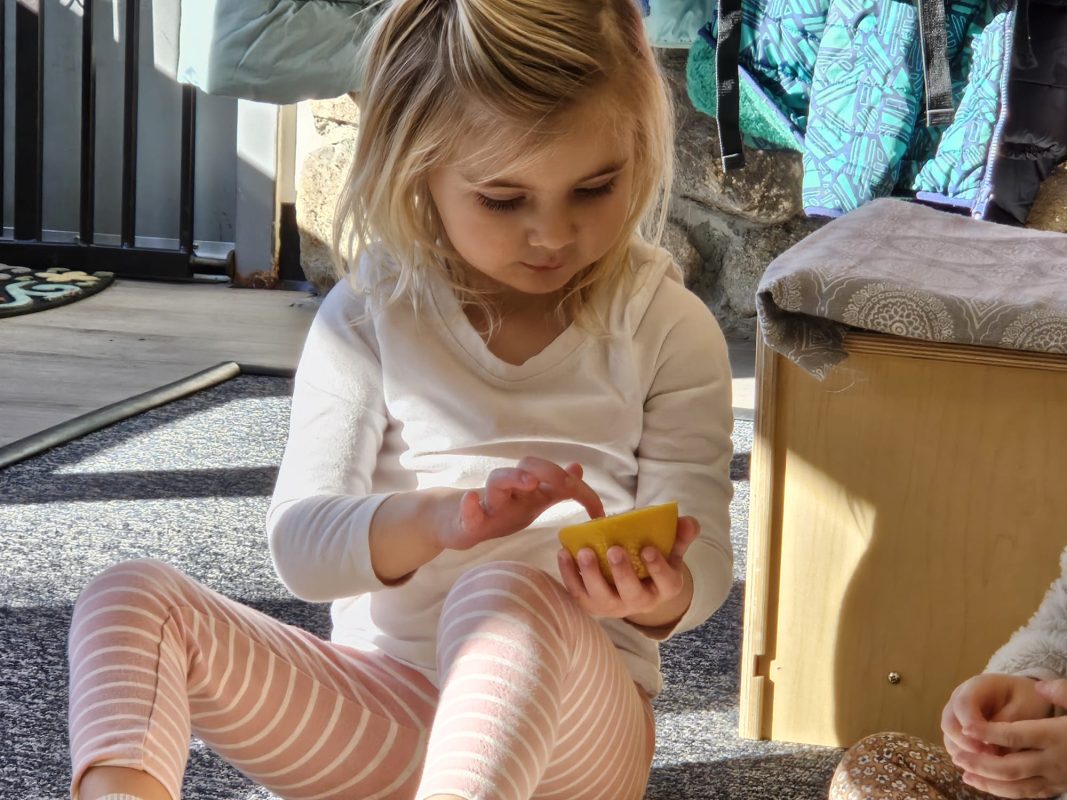
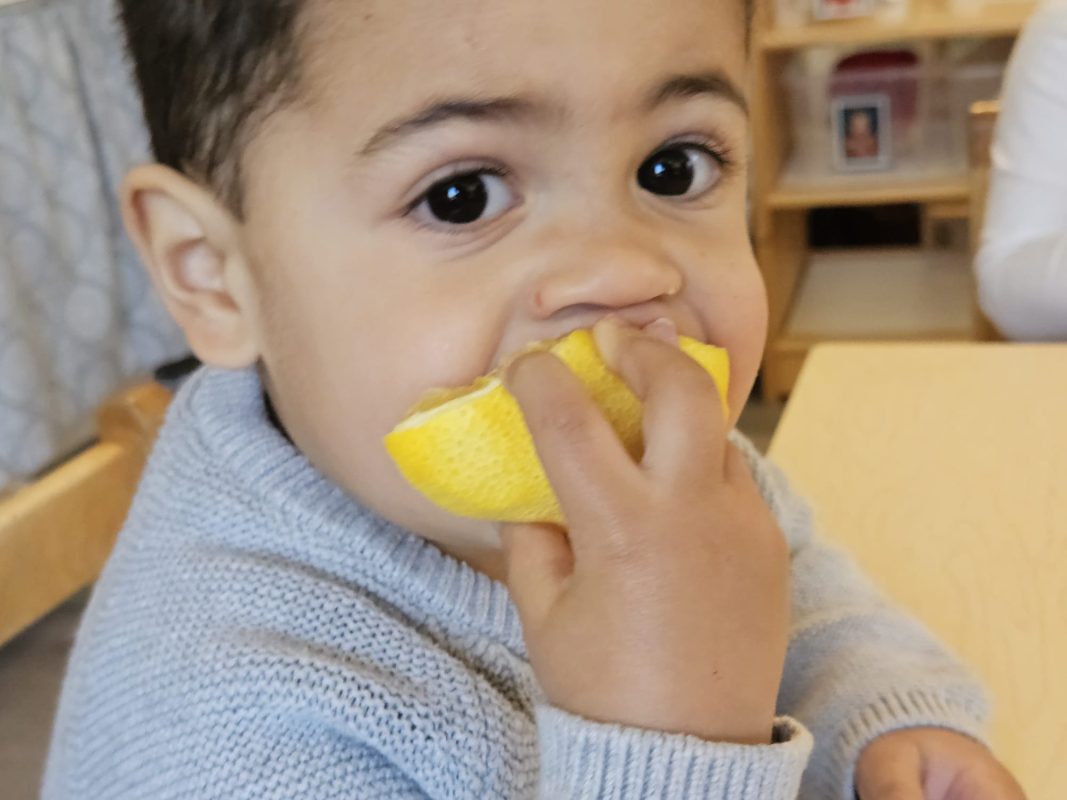
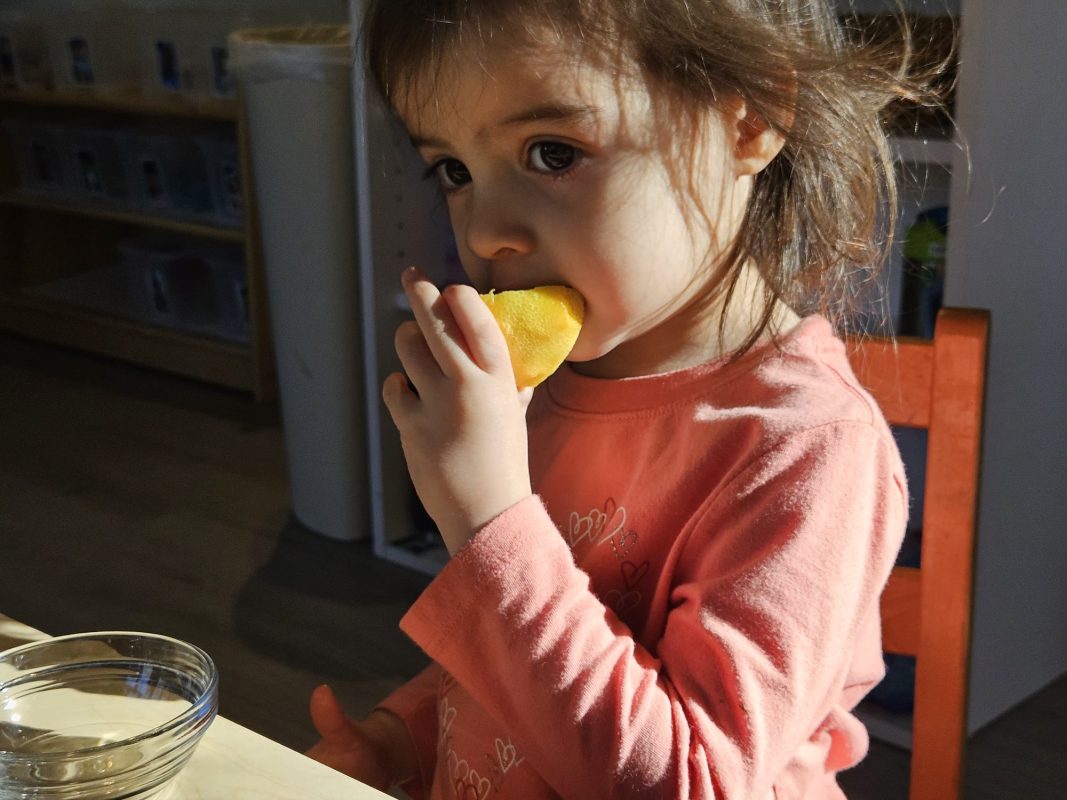
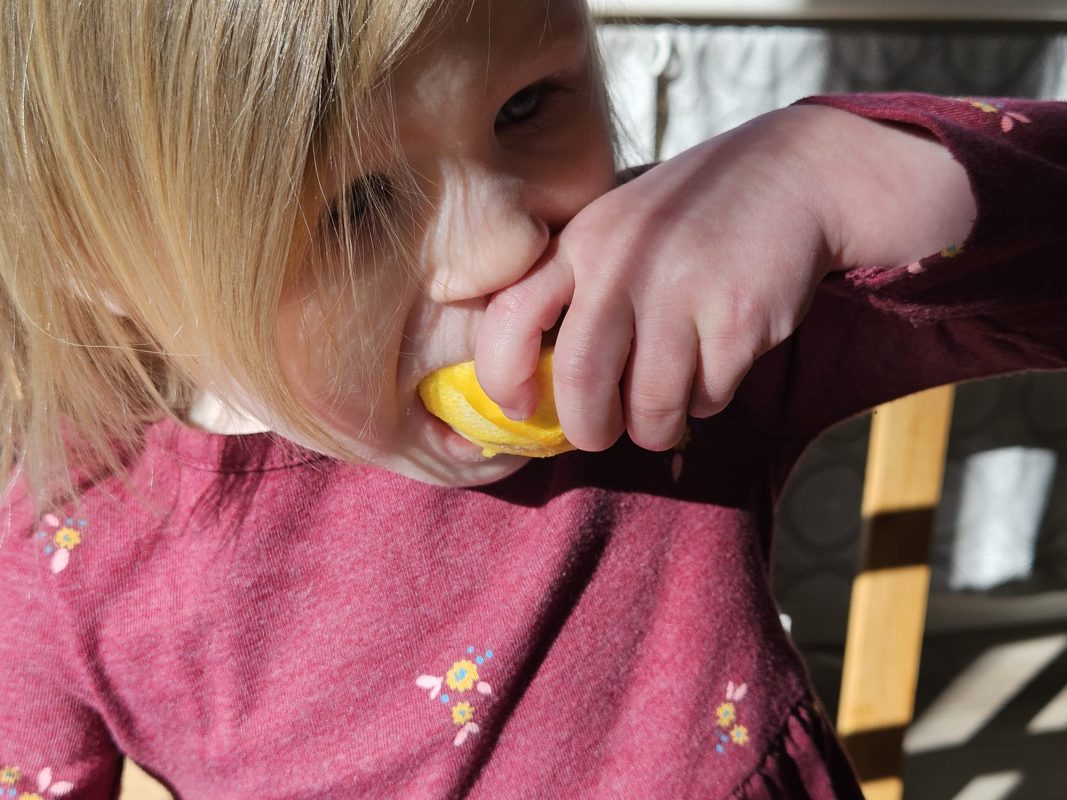
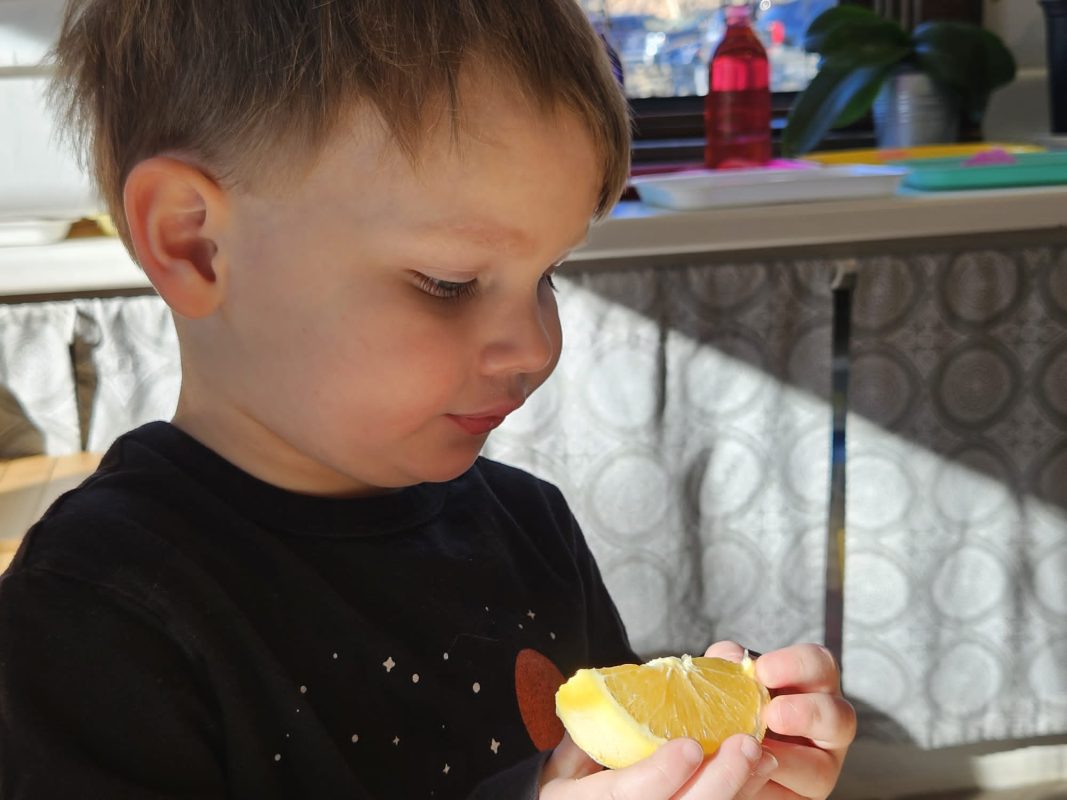
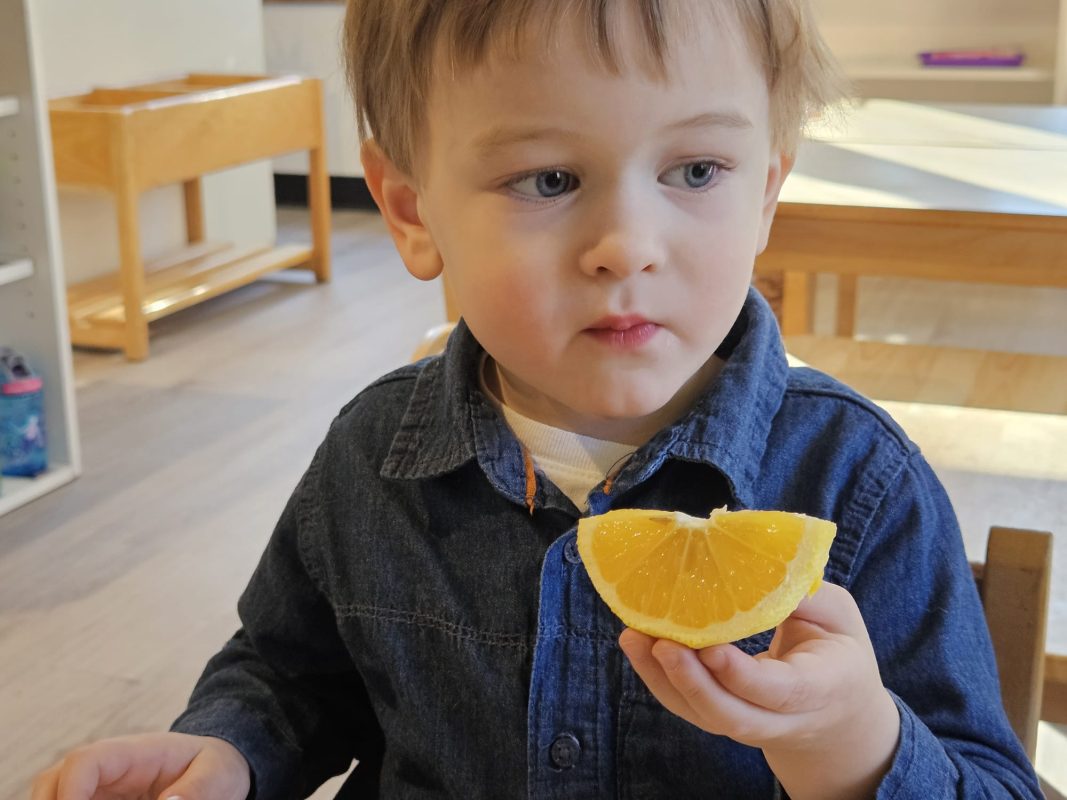
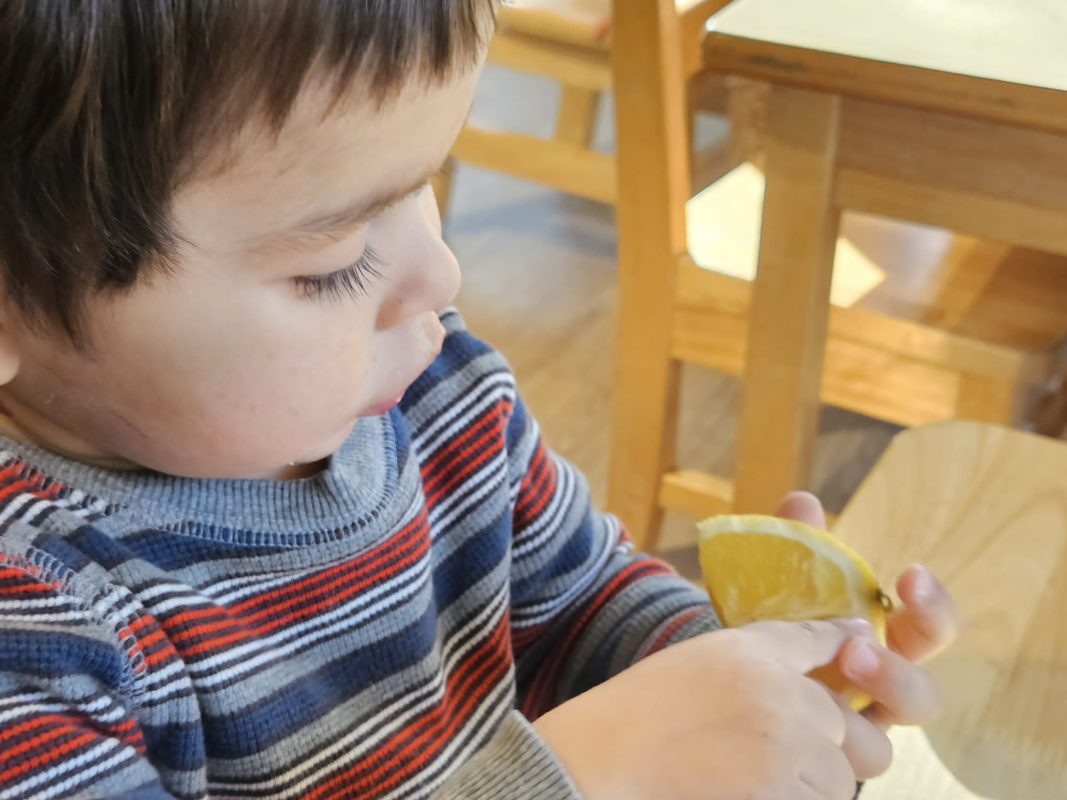
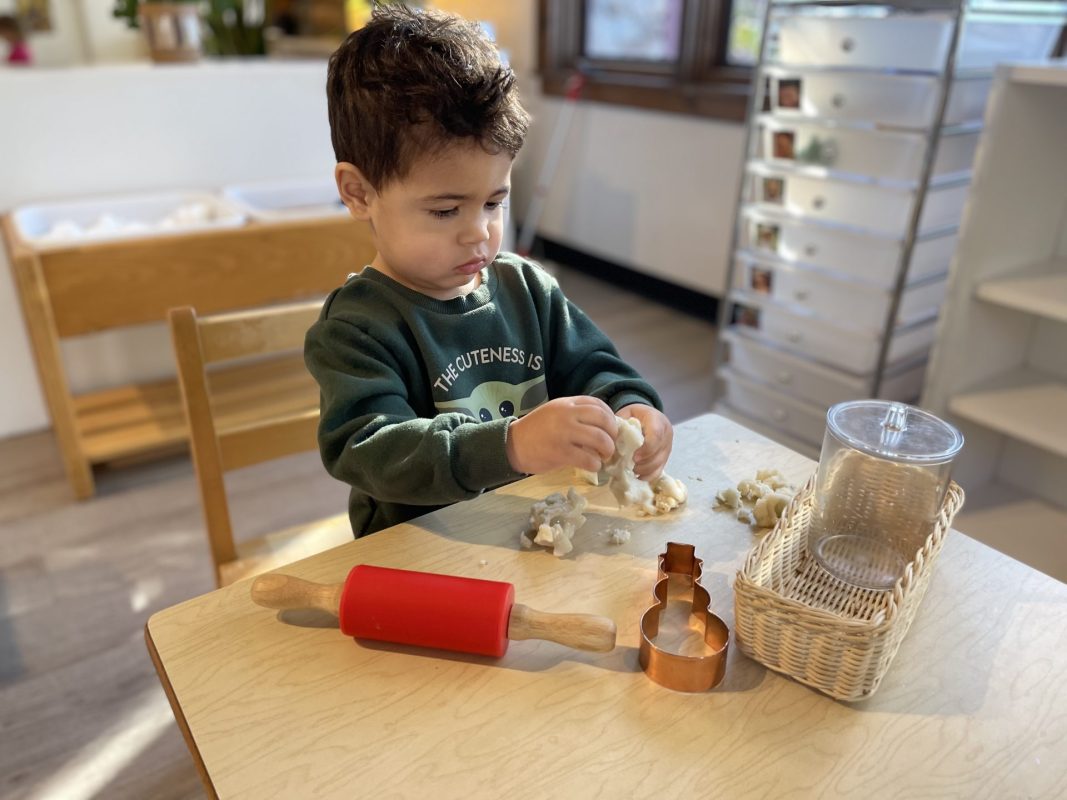
For food tasting lesson we explored  Cauliflower and tangy lemons! Sour is definitely a new word in their vocabulary!

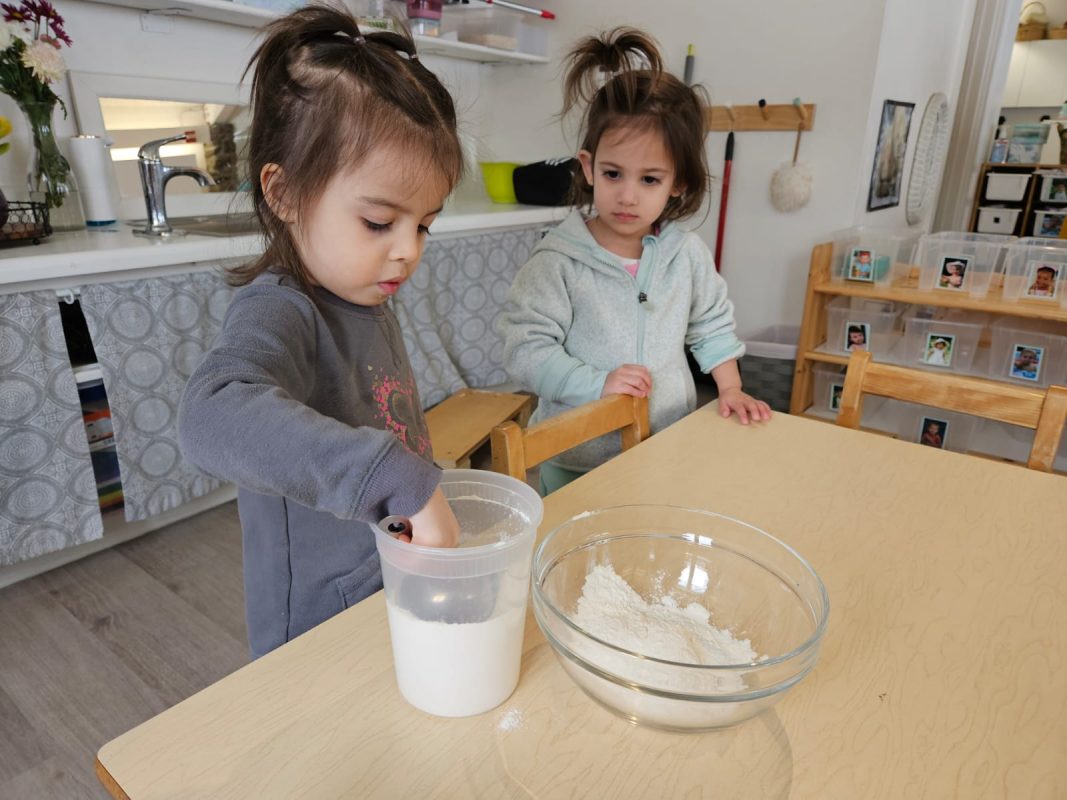
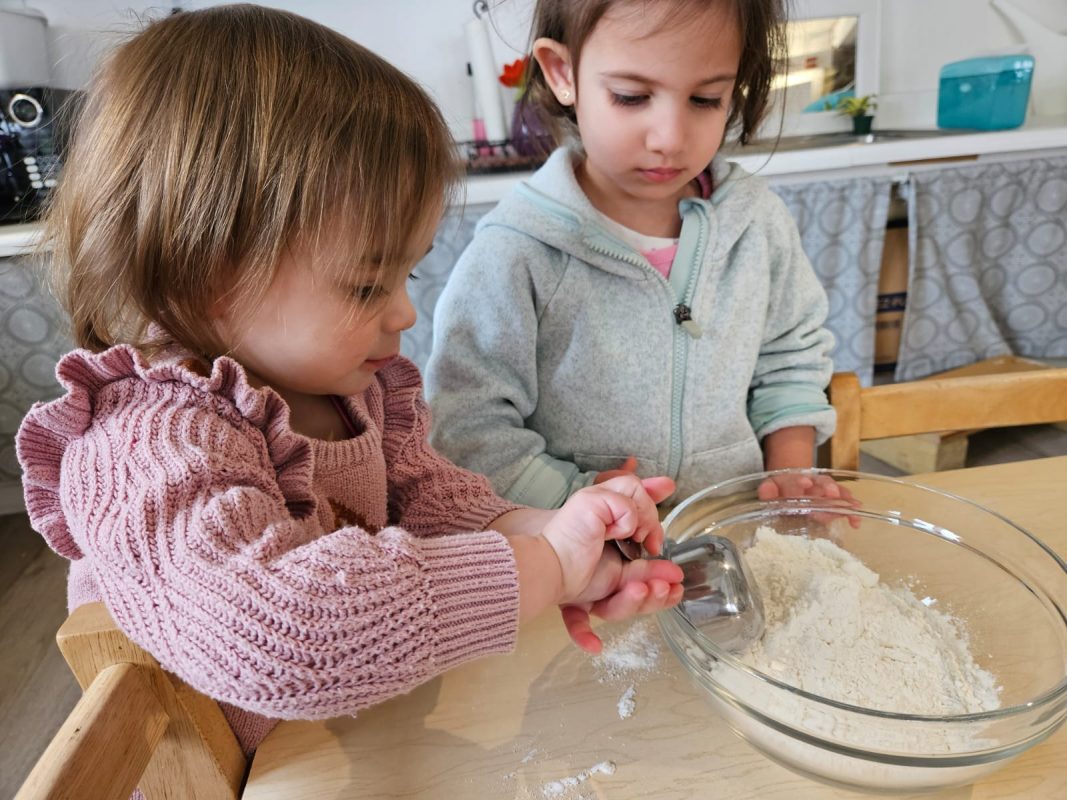
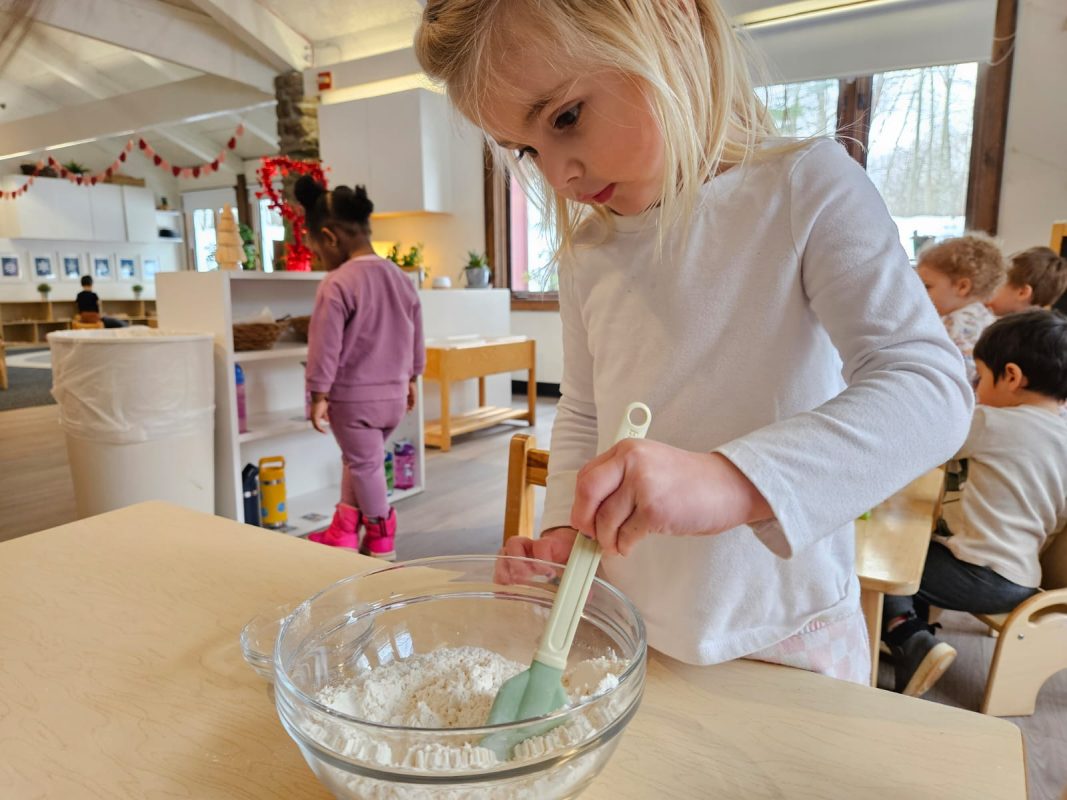
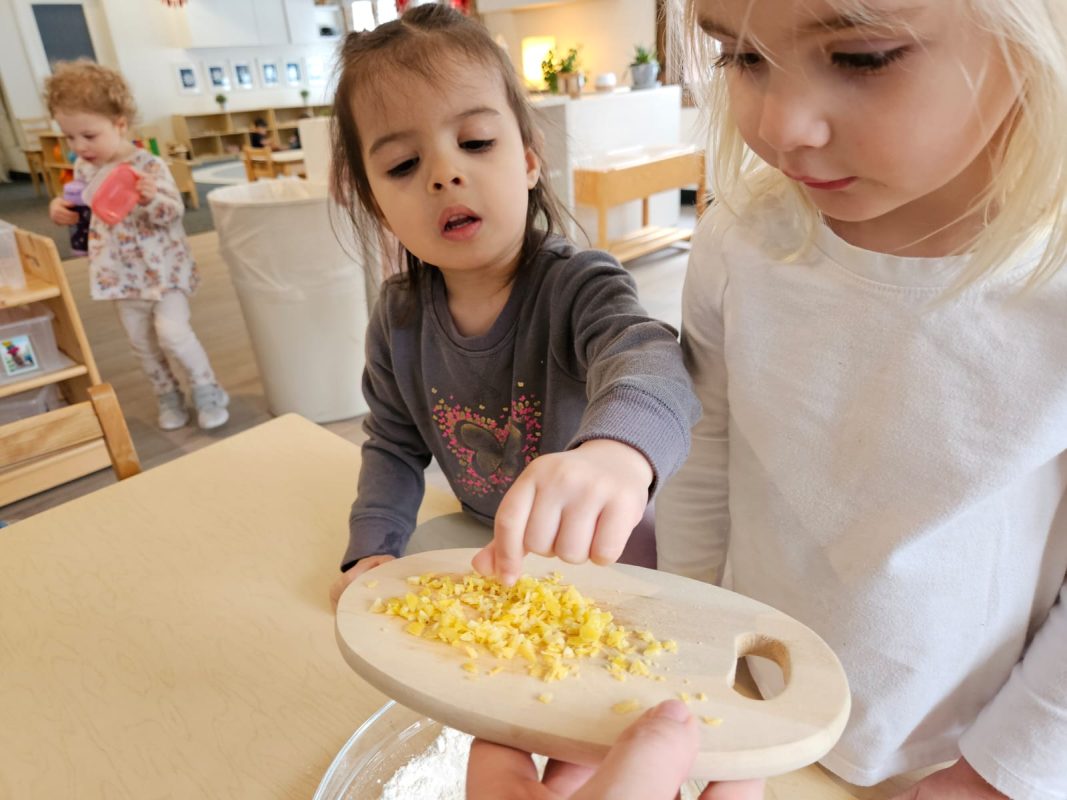
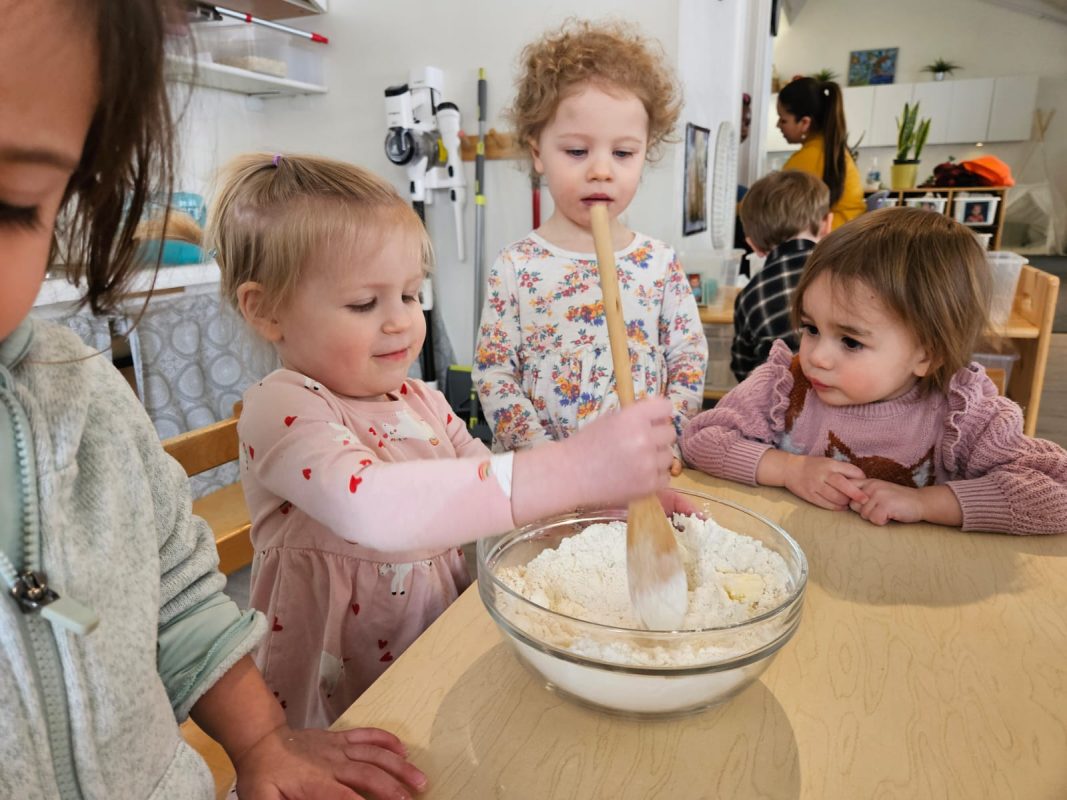
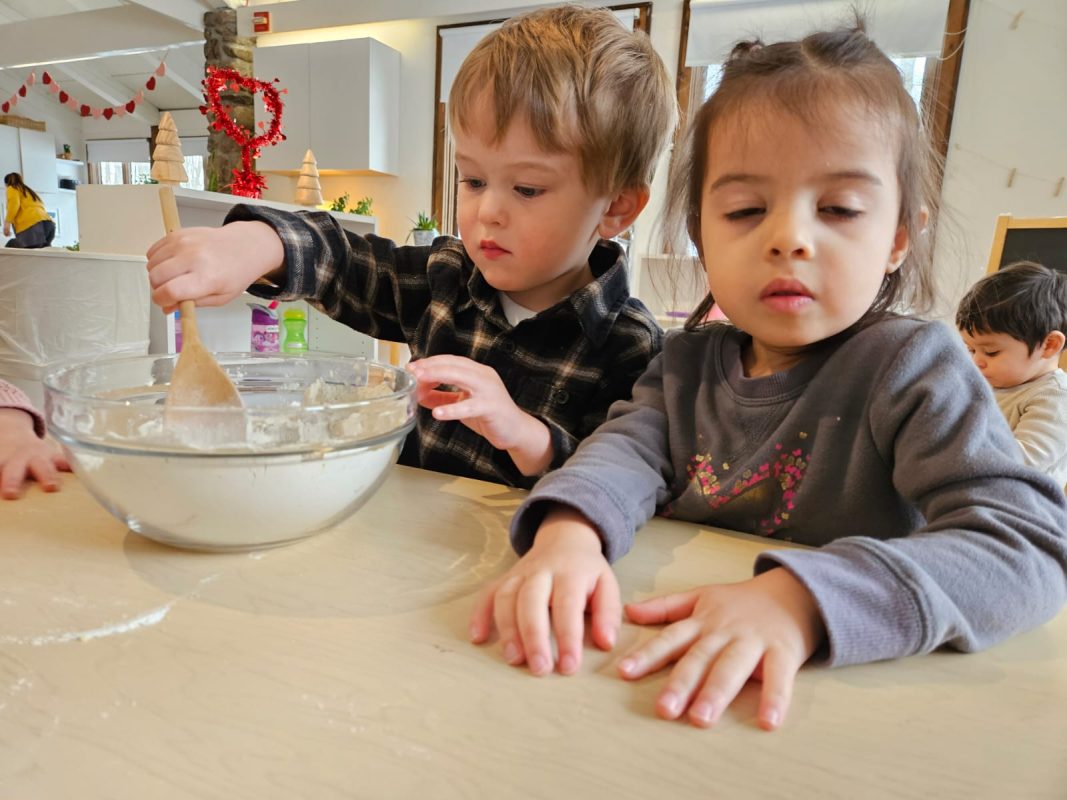
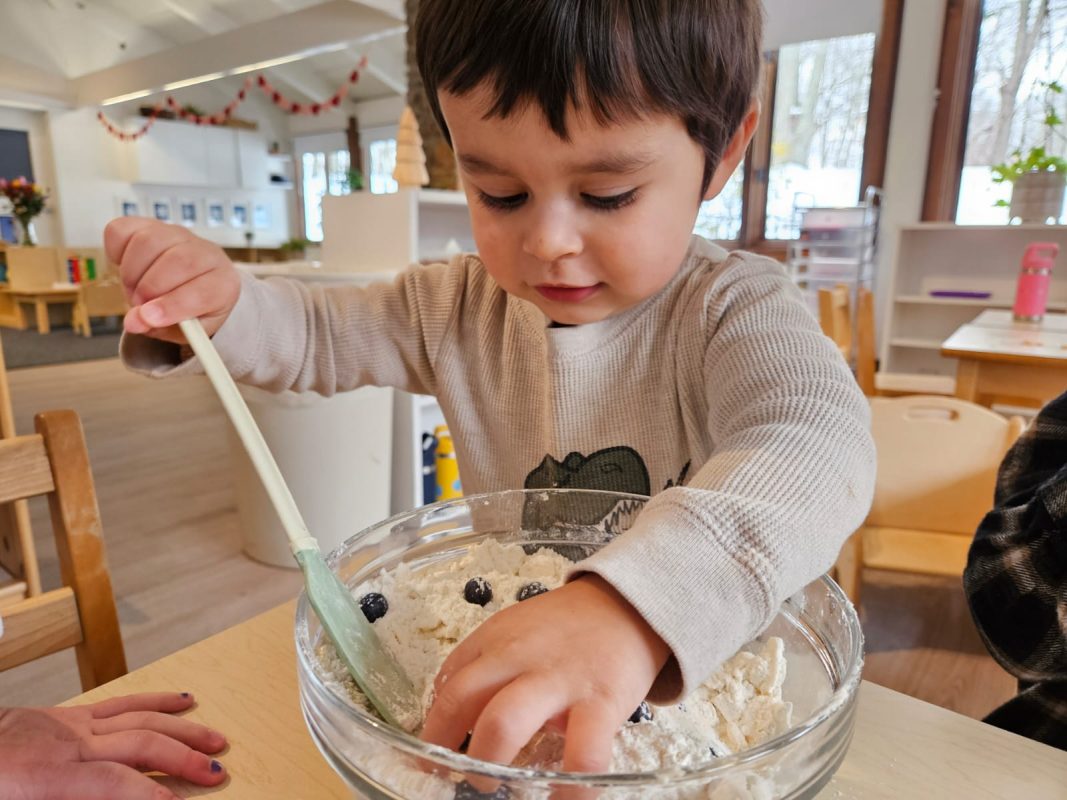
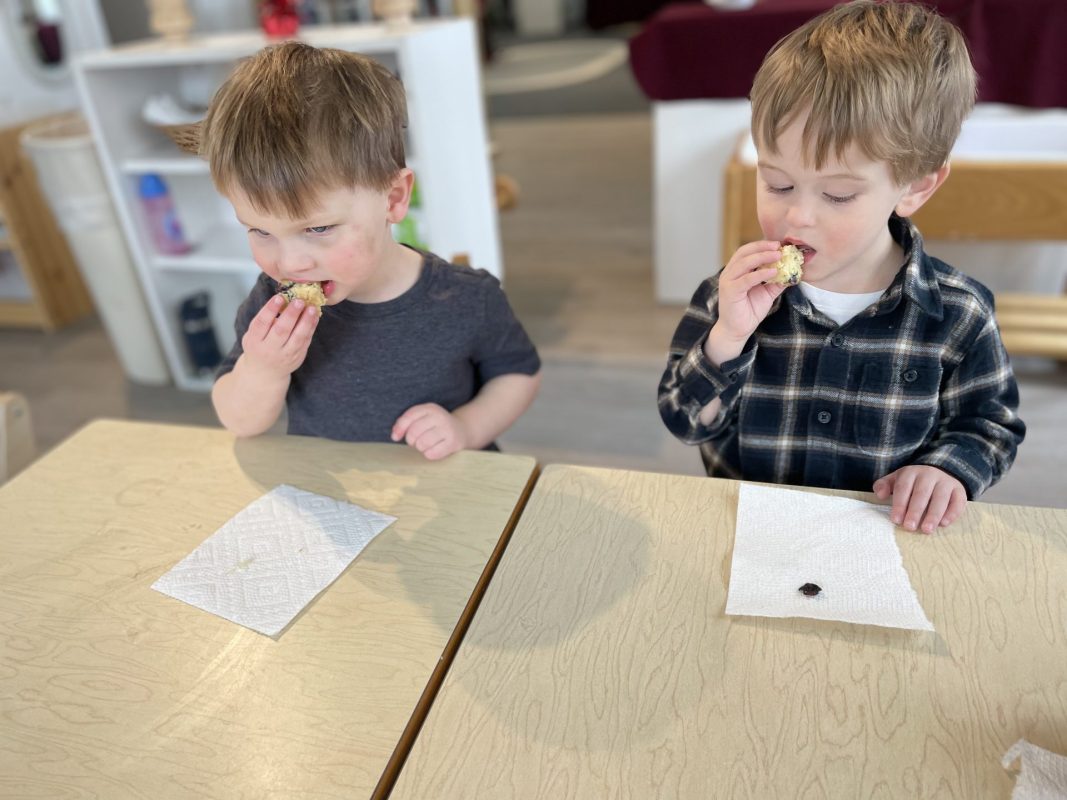
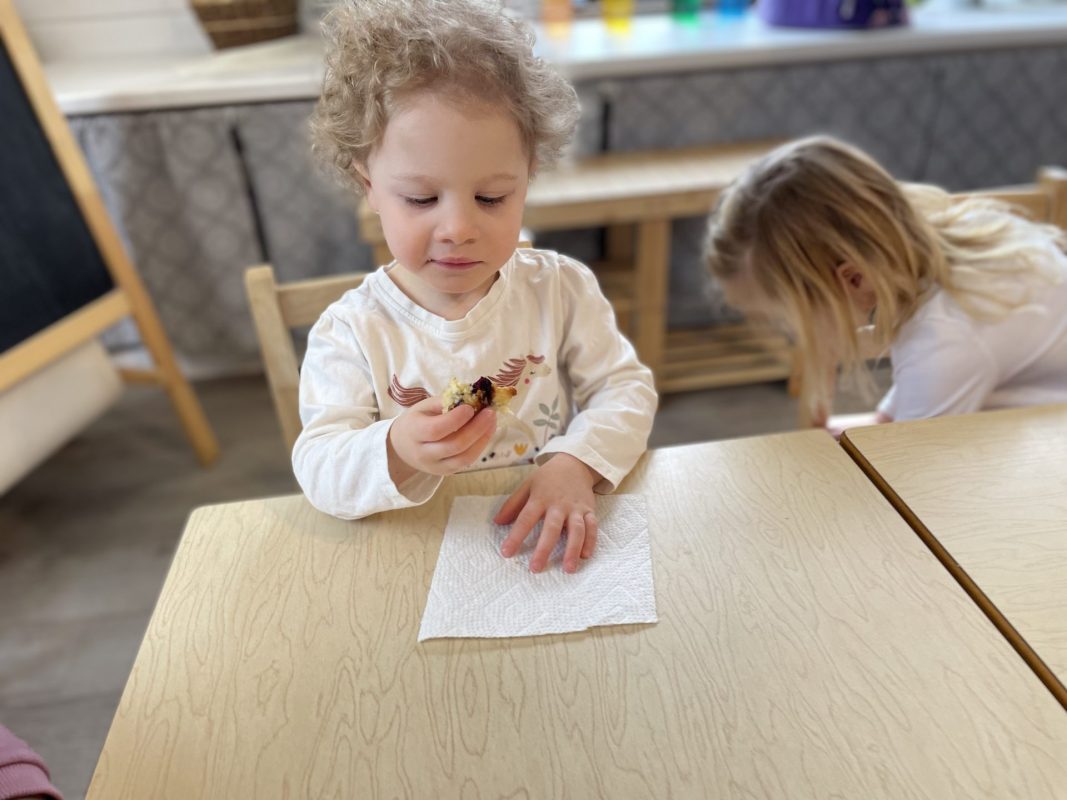
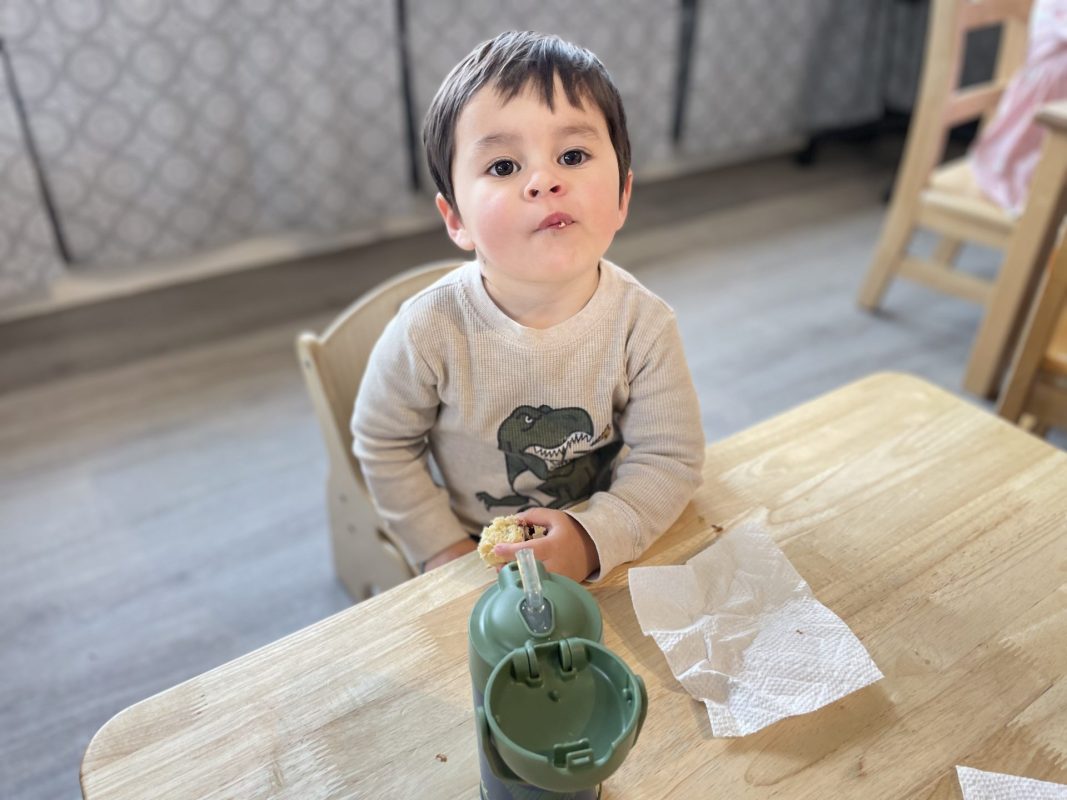
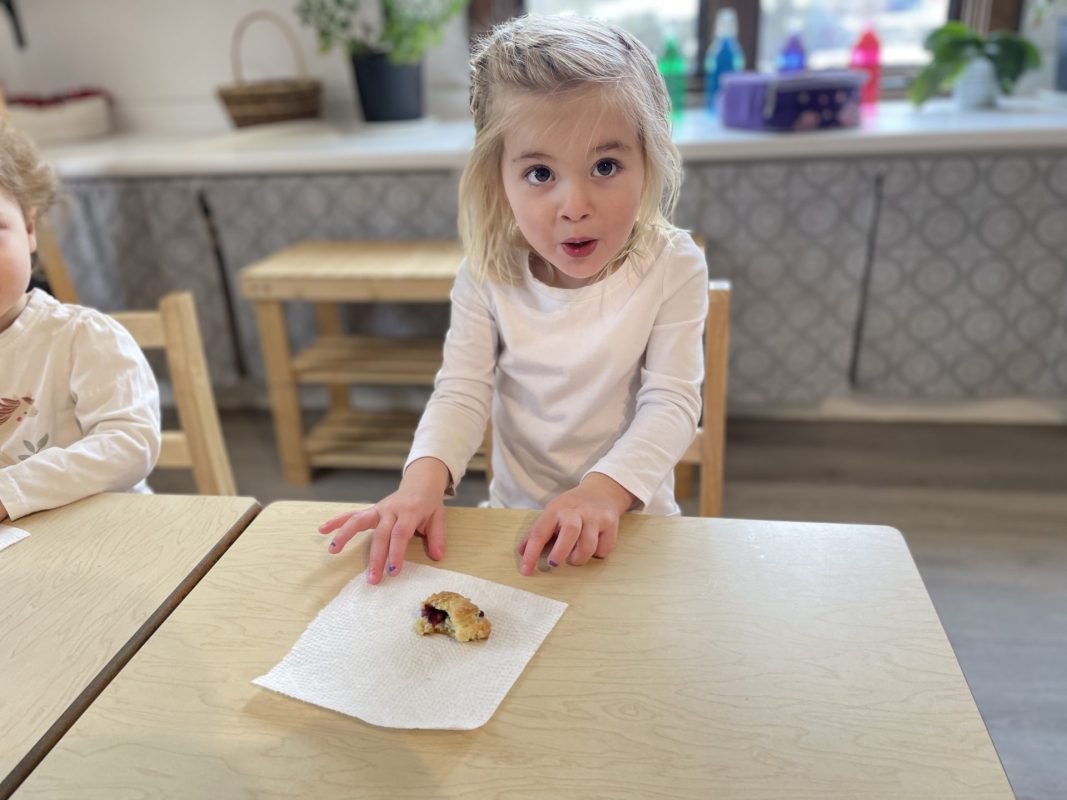
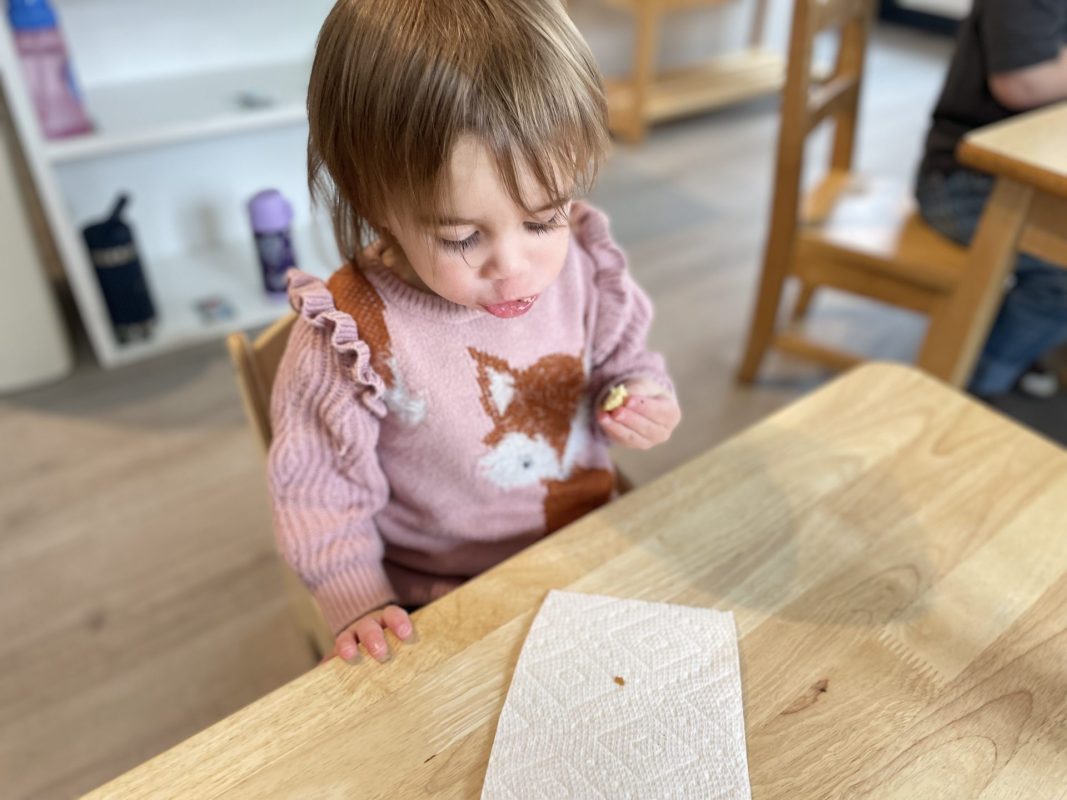
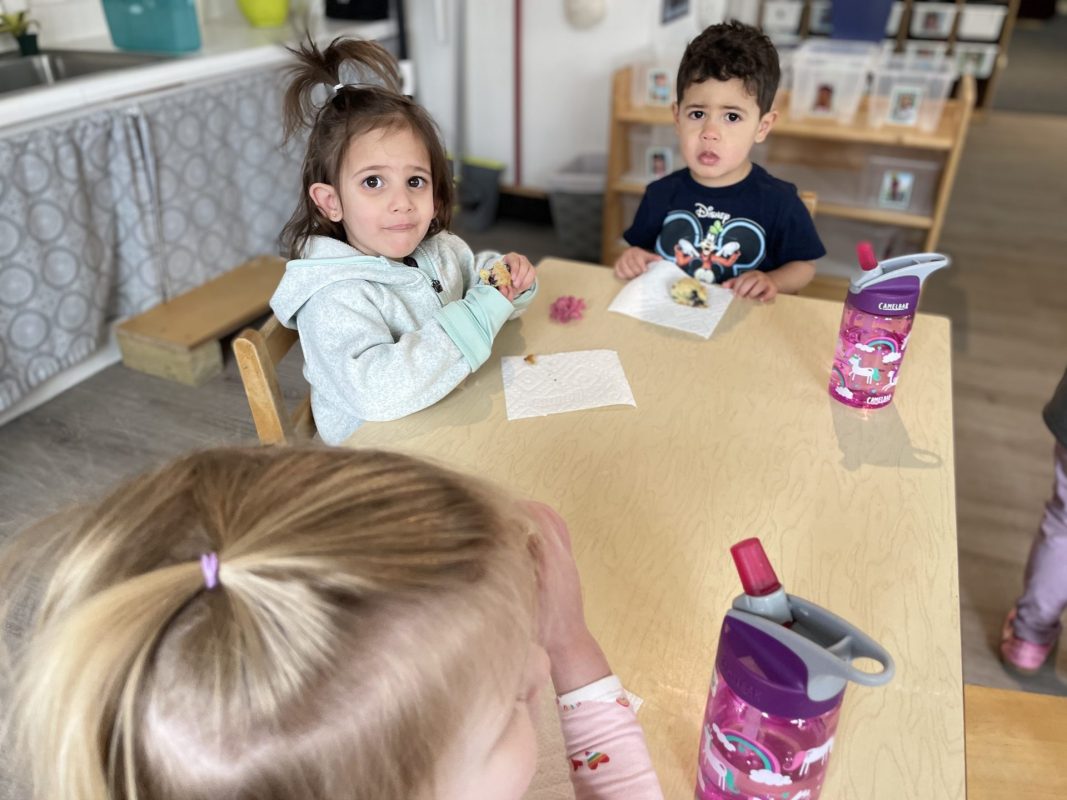
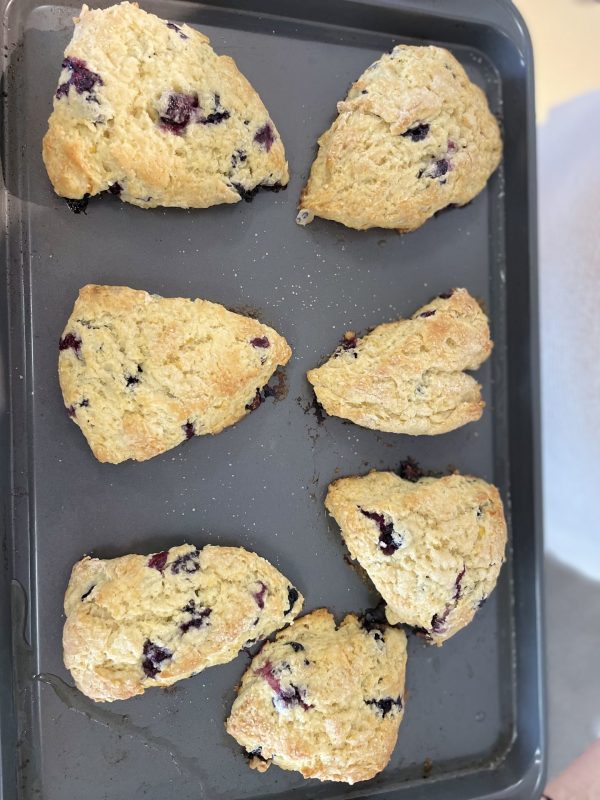
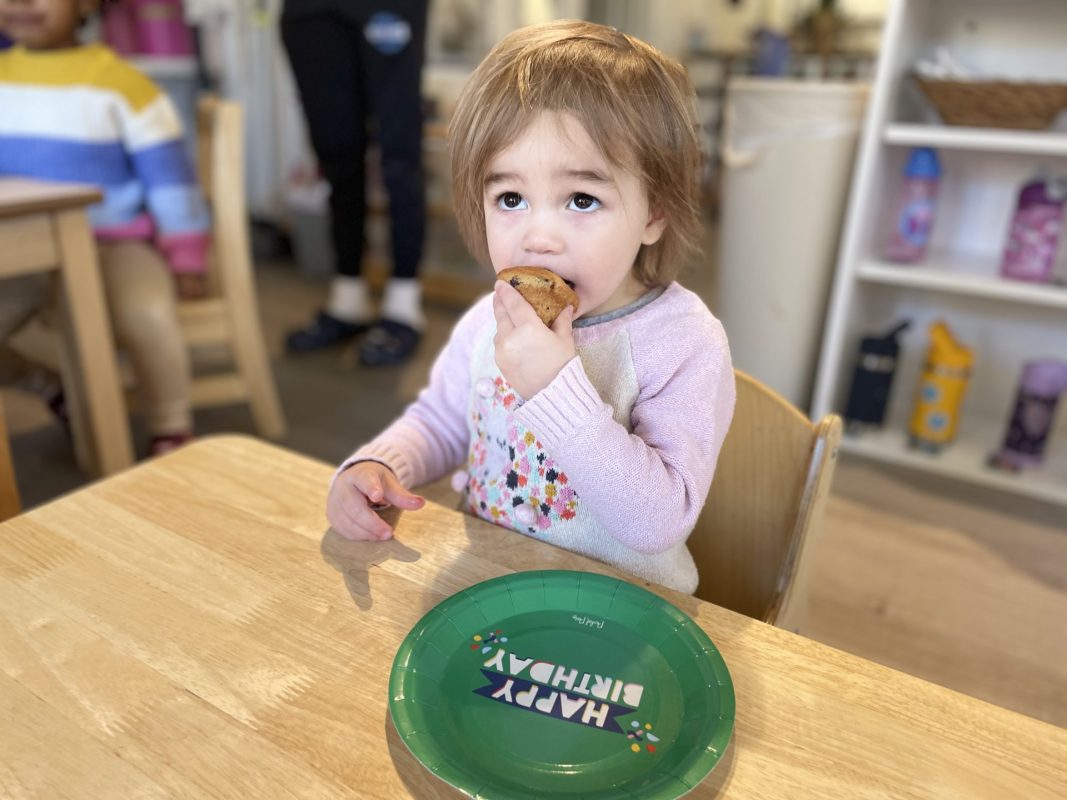
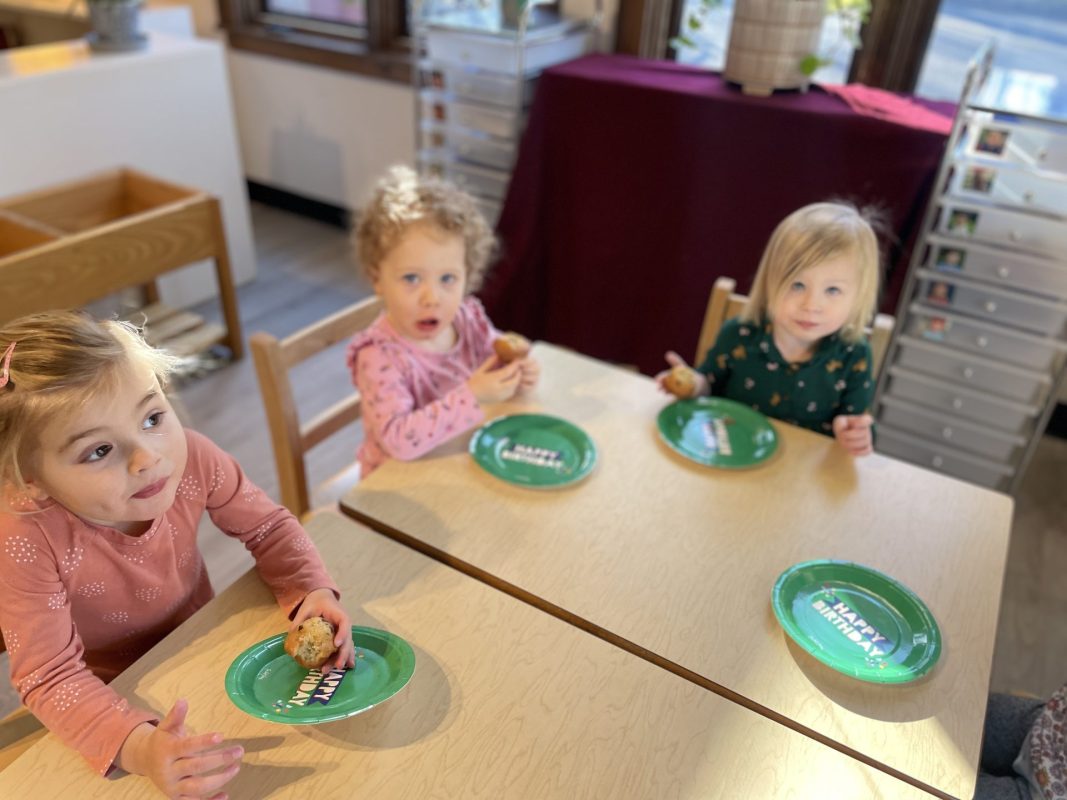
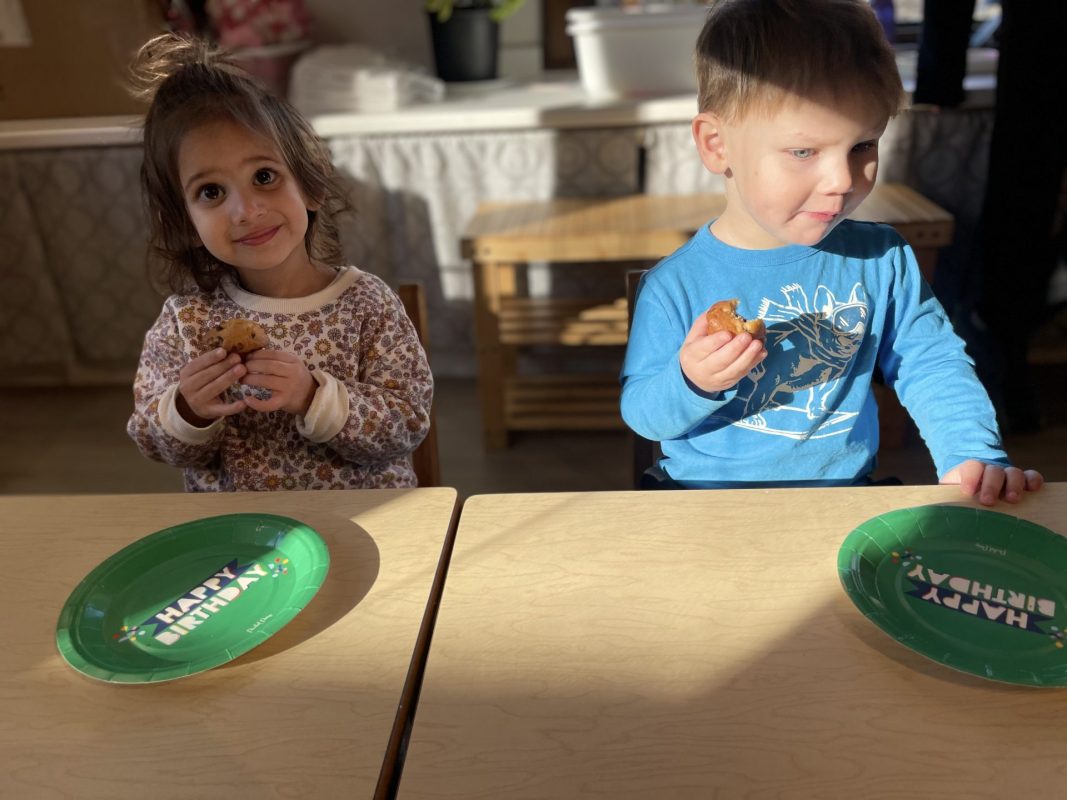
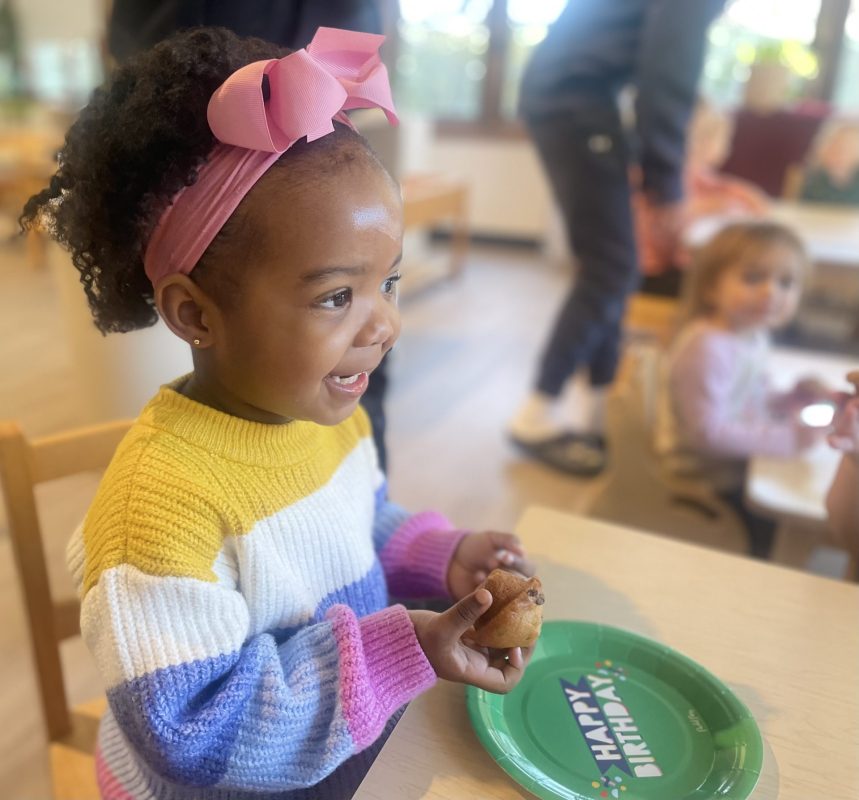
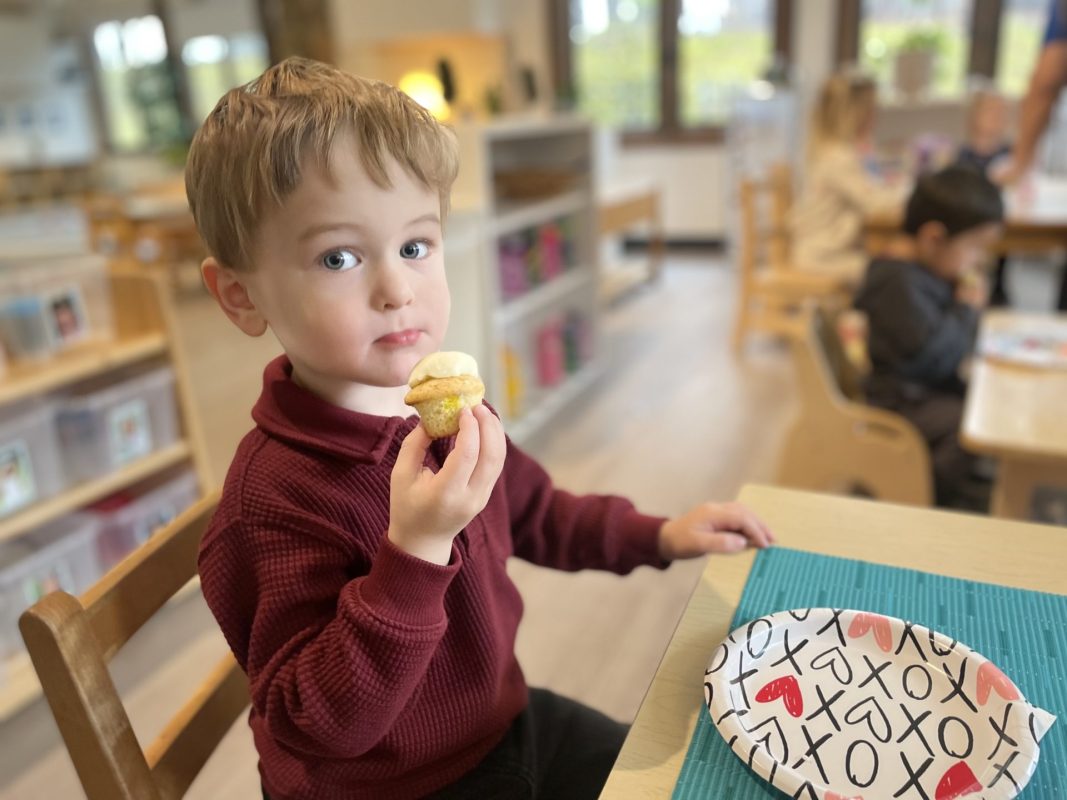
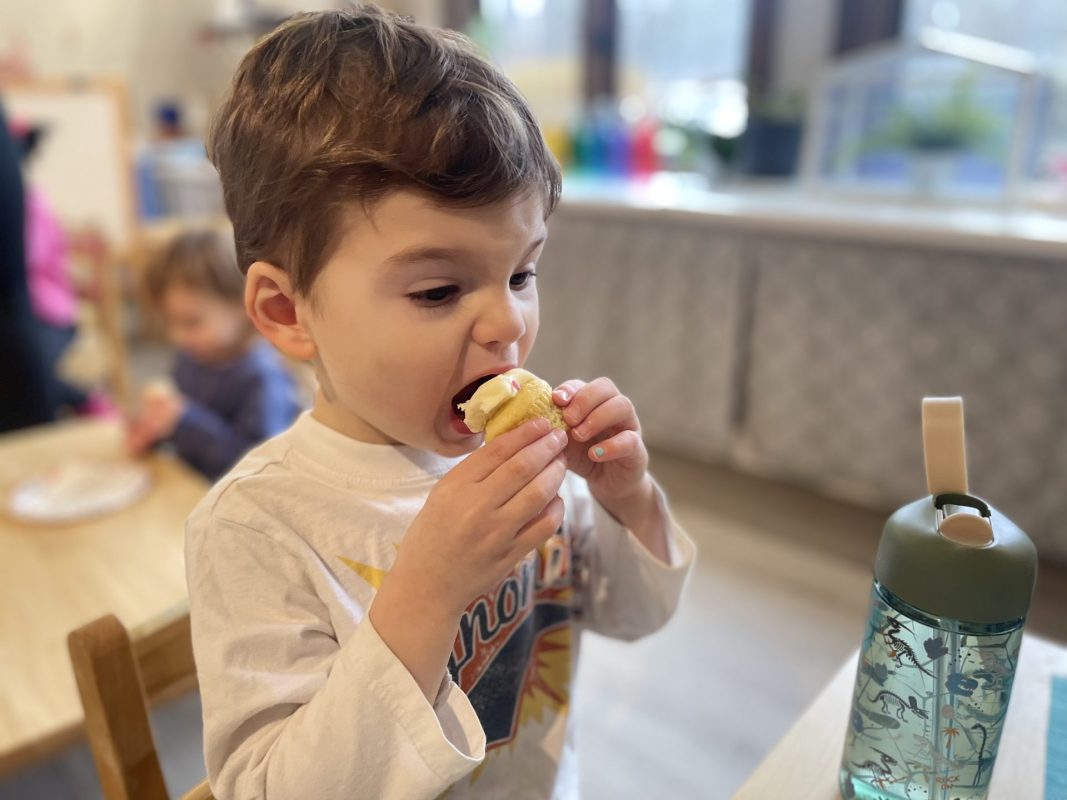
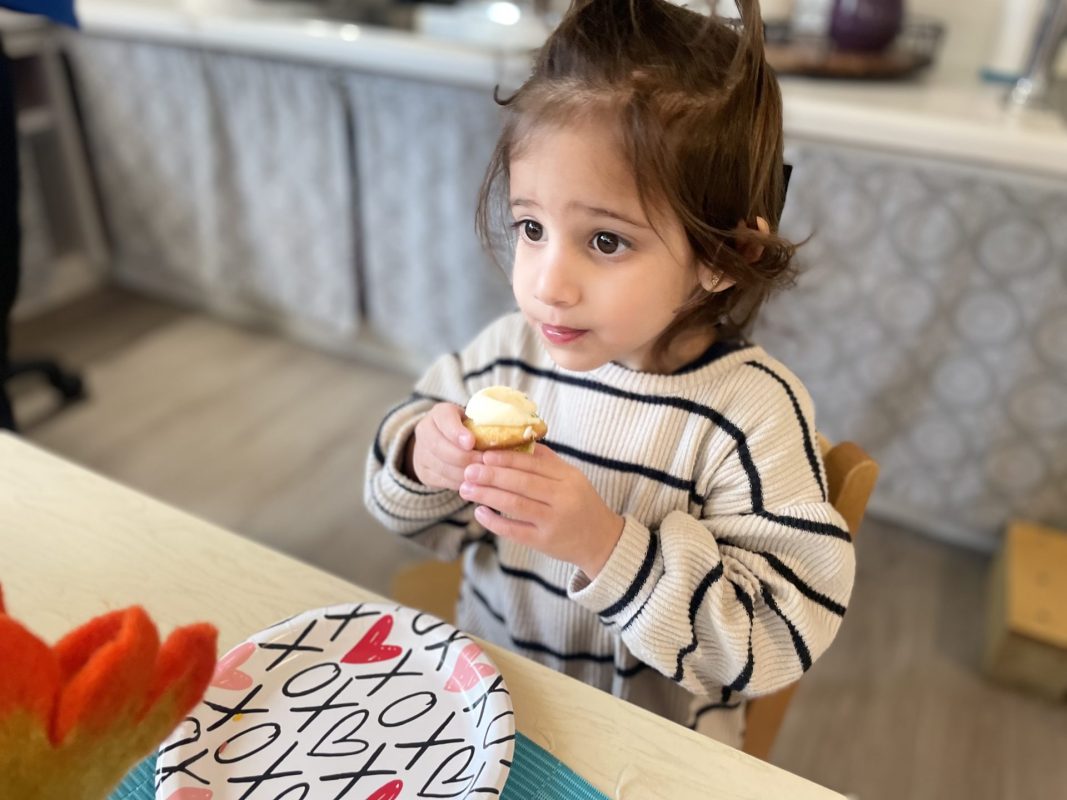
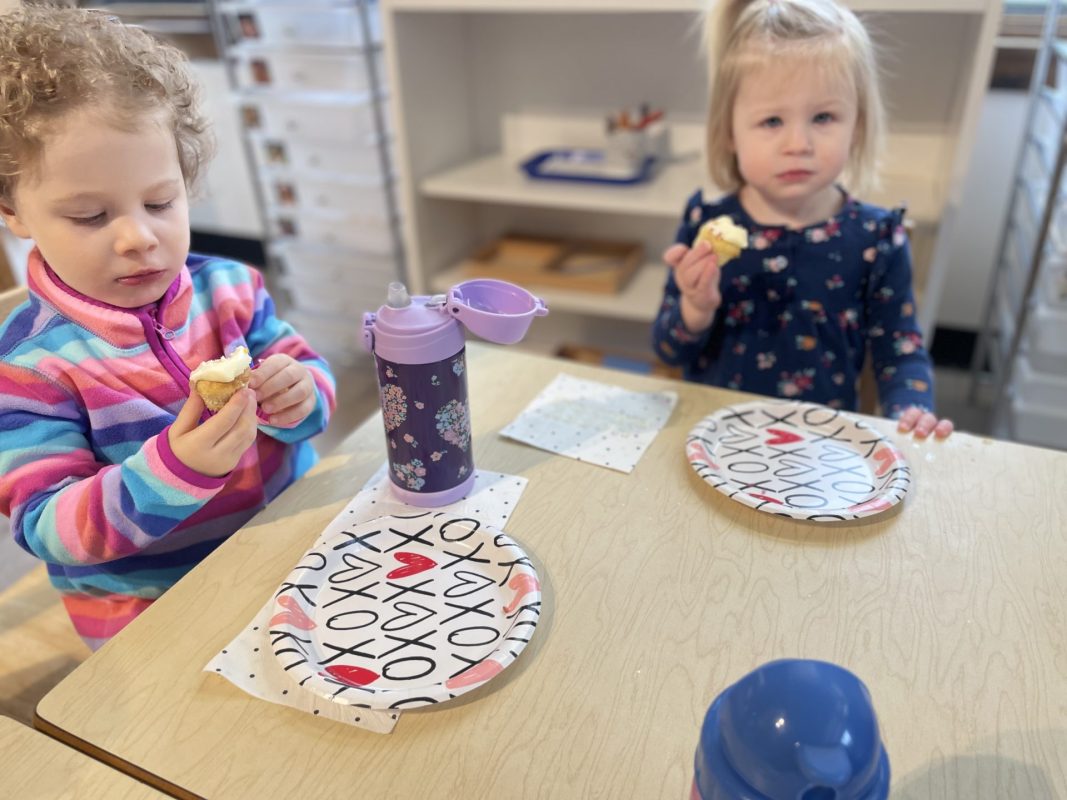
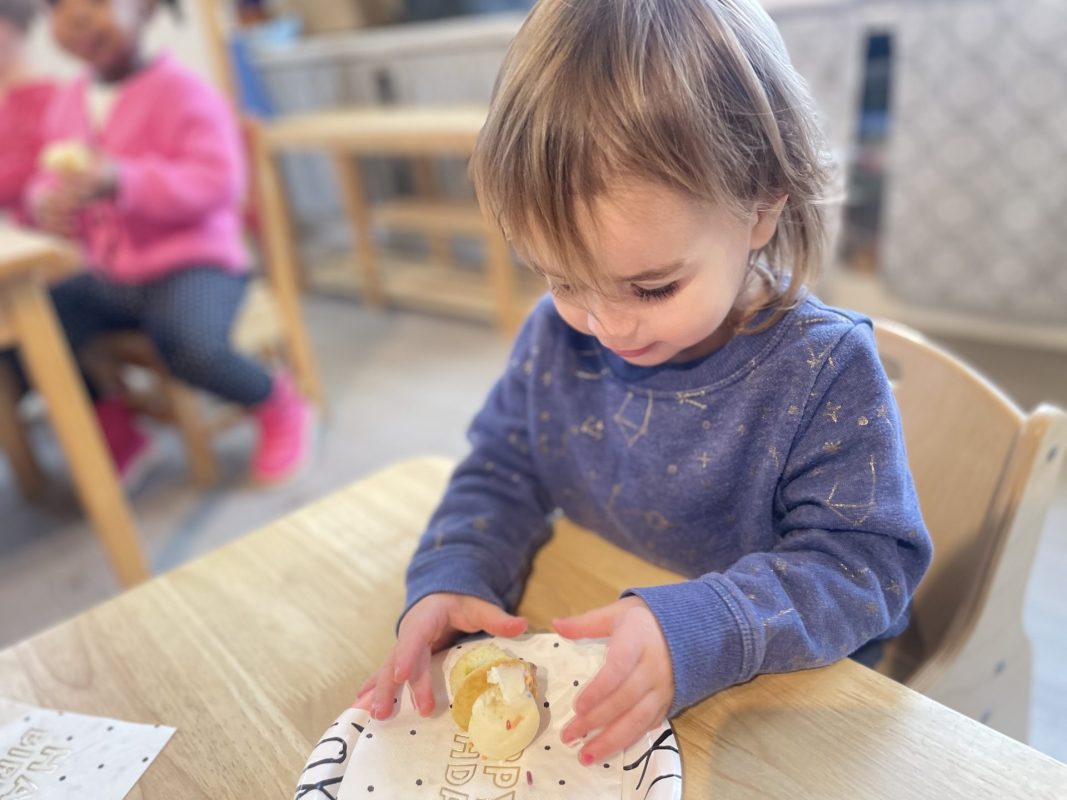
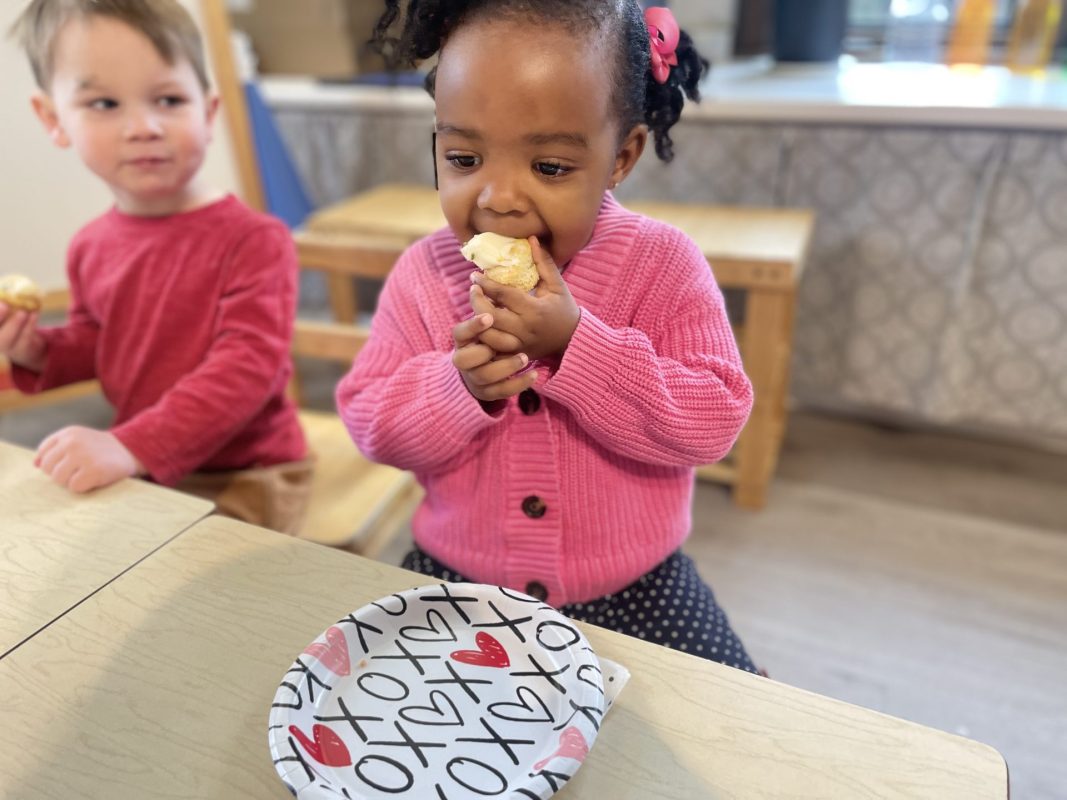
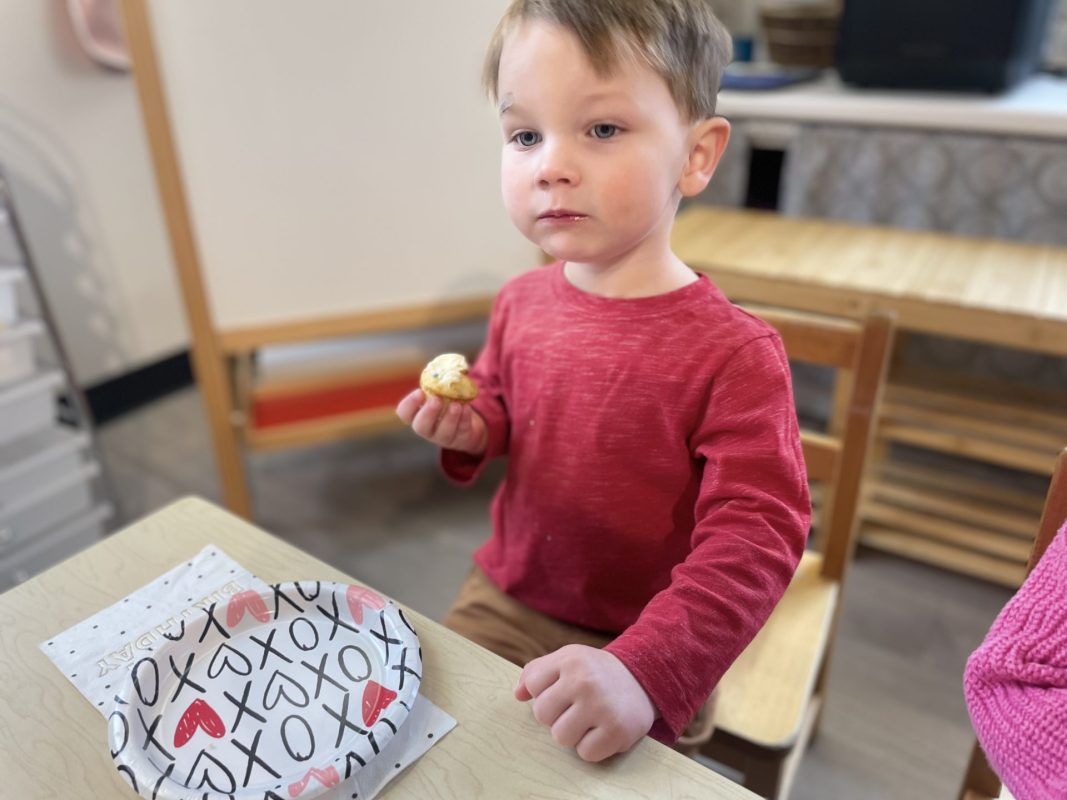
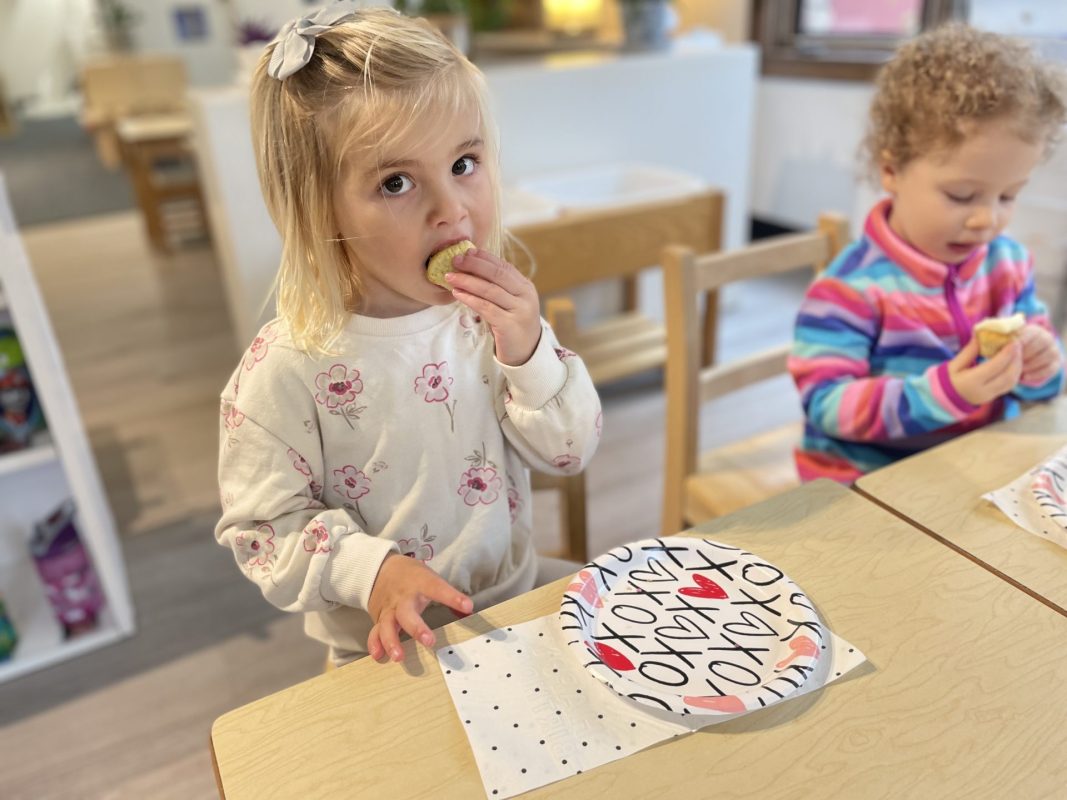
Lastly, we finished this busy week with a little 100 day of school celebration where children baked  delicious lemon blueberry scones! Children loved them so much that we wanted to send you all the recipe. Click here to get it!

Enjoy the pics!

Mrs. Hood and Ms. Mollie


Mrs. Hood: Emotional Intelligence!

Human emotion. We are so very lucky to each experience such a wide-ranging set of feelings, but that experience can be quite the roller coaster, especially if you are a toddler.

Supporting and teaching emotional intelligence to our students is one of our main goals in our toddler class. First, we do so by teaching the toddlers to identify and name emotions, their own emotions, and the emotions they see in others. It’s very important to teach children that there is a range of emotions and that ALL emotions are OK. Once children can name their emotions, they can better express themselves and feel heard and understood. We can then help the child develop techniques to manage that emotion.

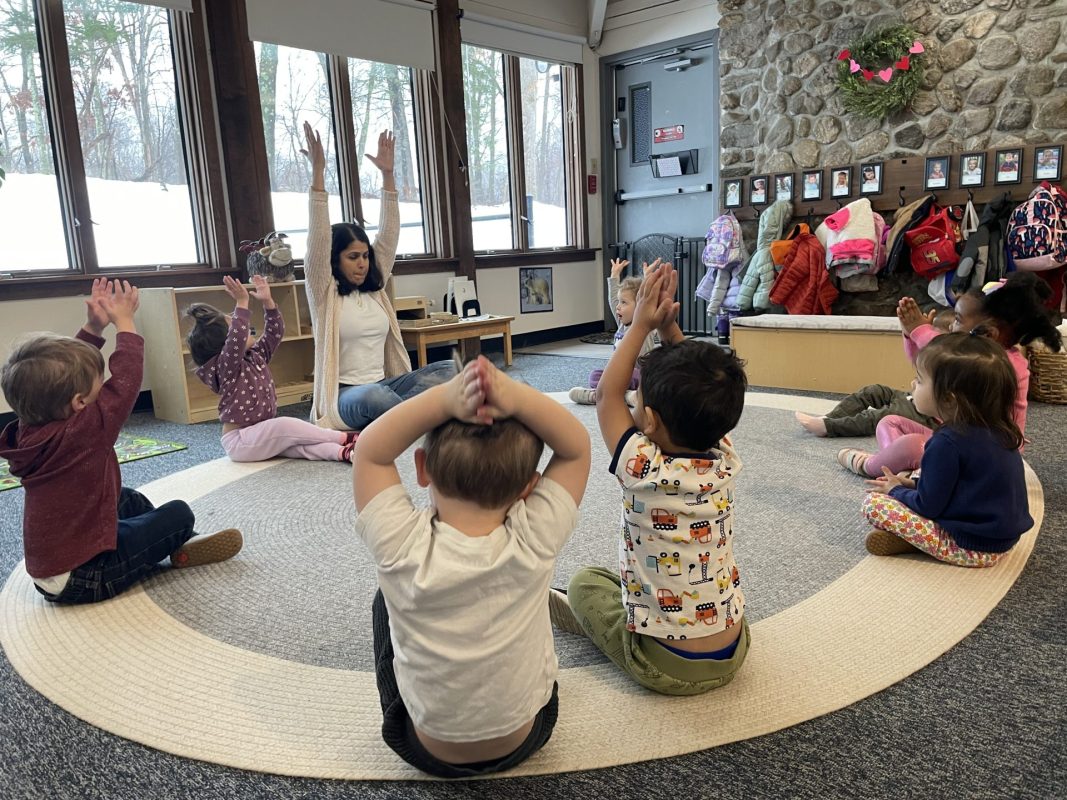
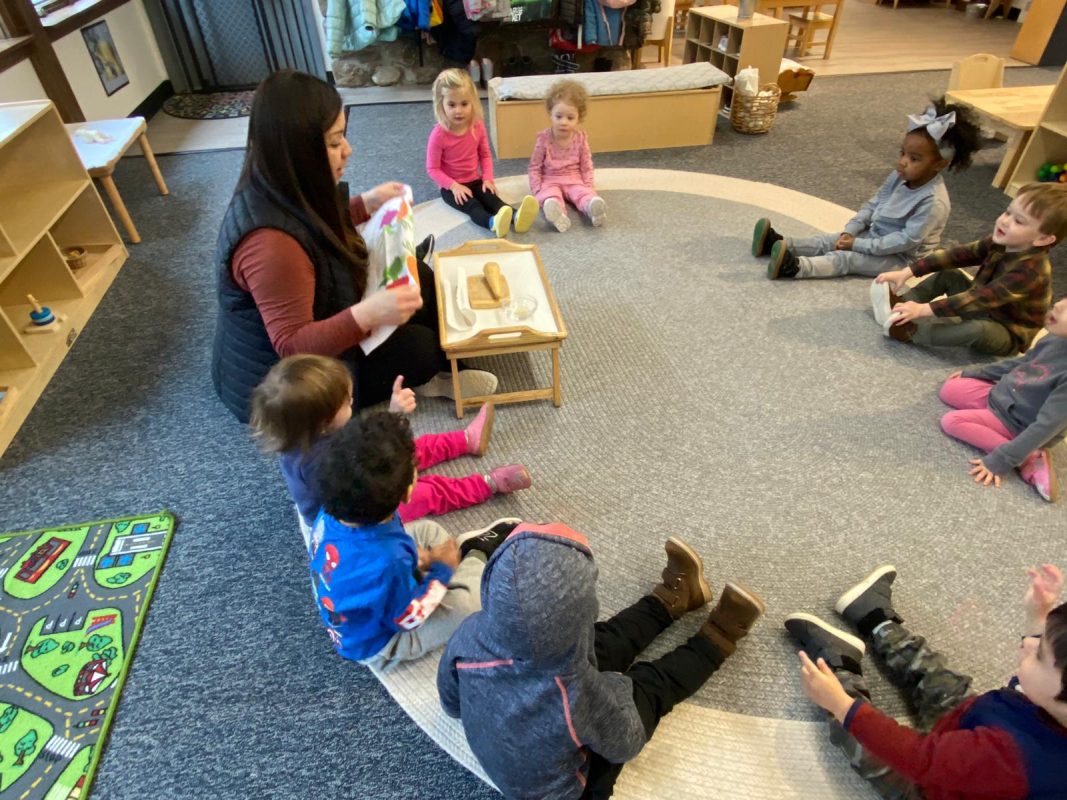
This week, we focused on this theme during our morning circle time. We utilized songs, emotion cards, and captivating books to reinforce the vocabulary of emotions and their visual expressions. Some of the emotions we explored included happiness, sadness, anger, excitement, and shyness. In the upcoming weeks, we will continue to expand this emotional vocabulary.

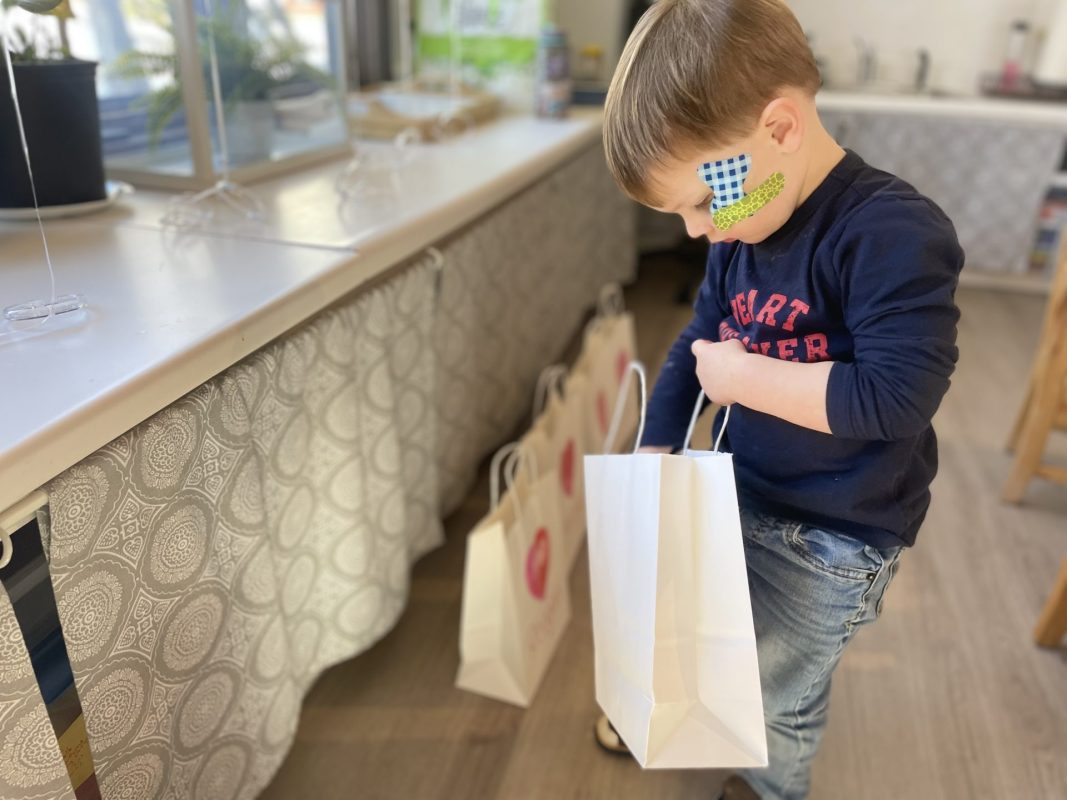
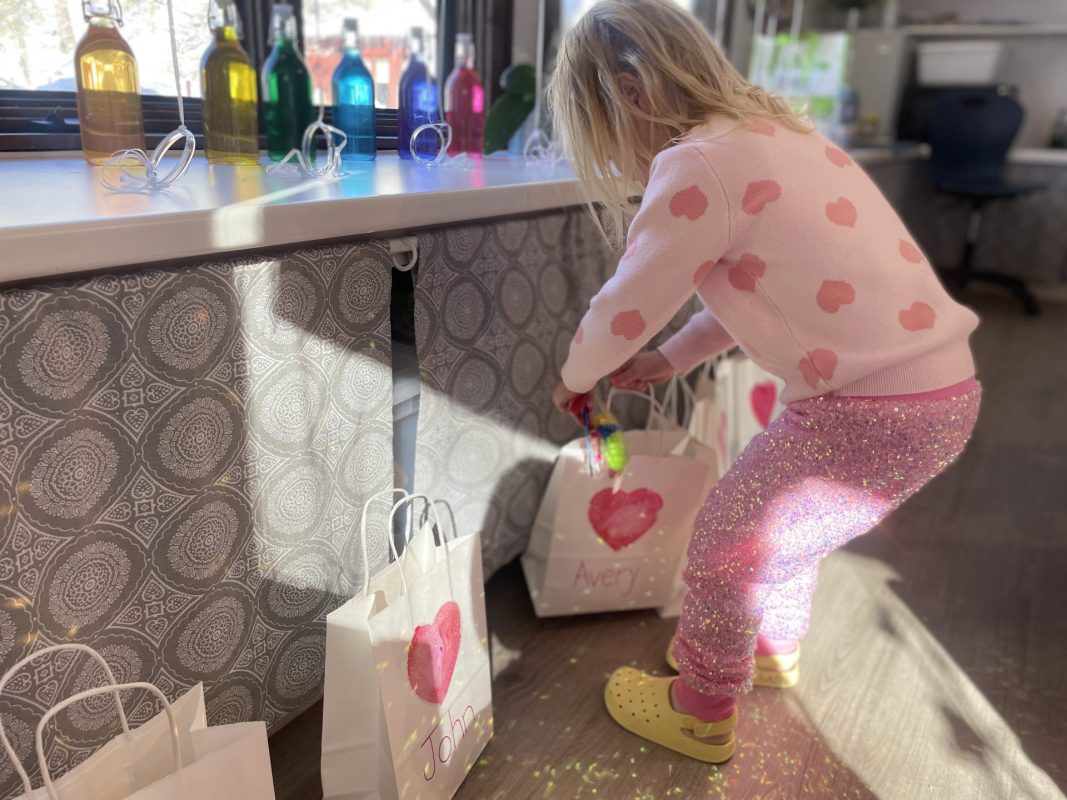
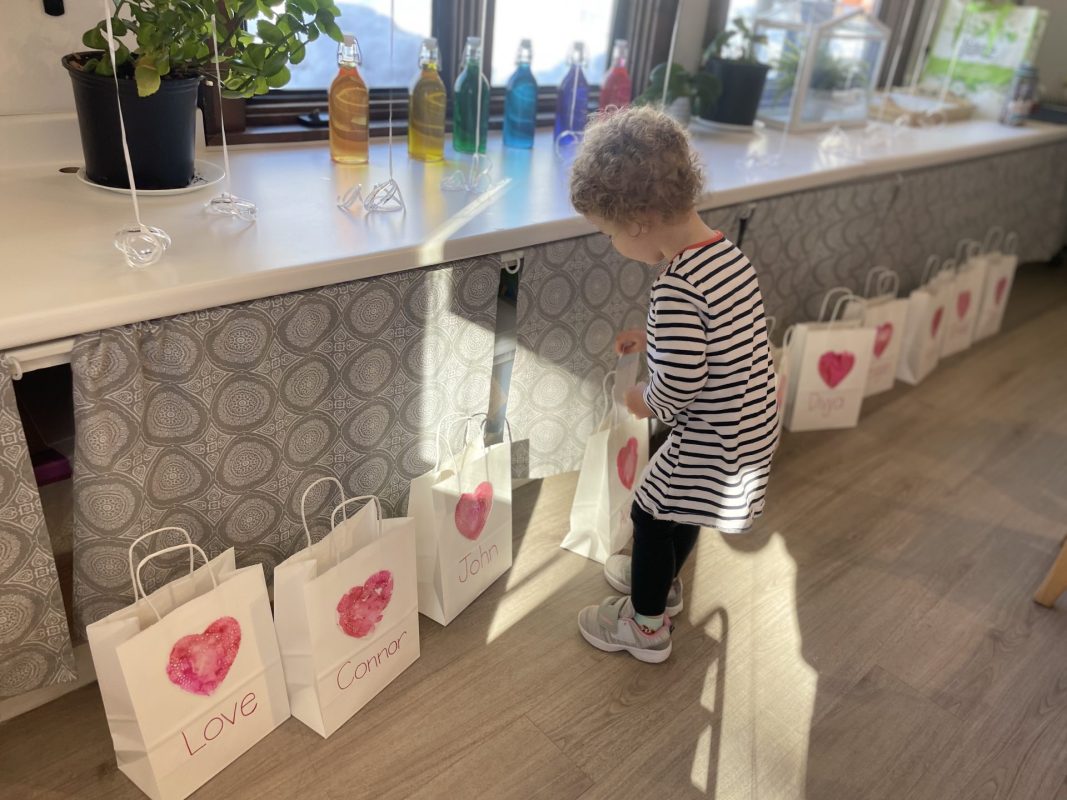
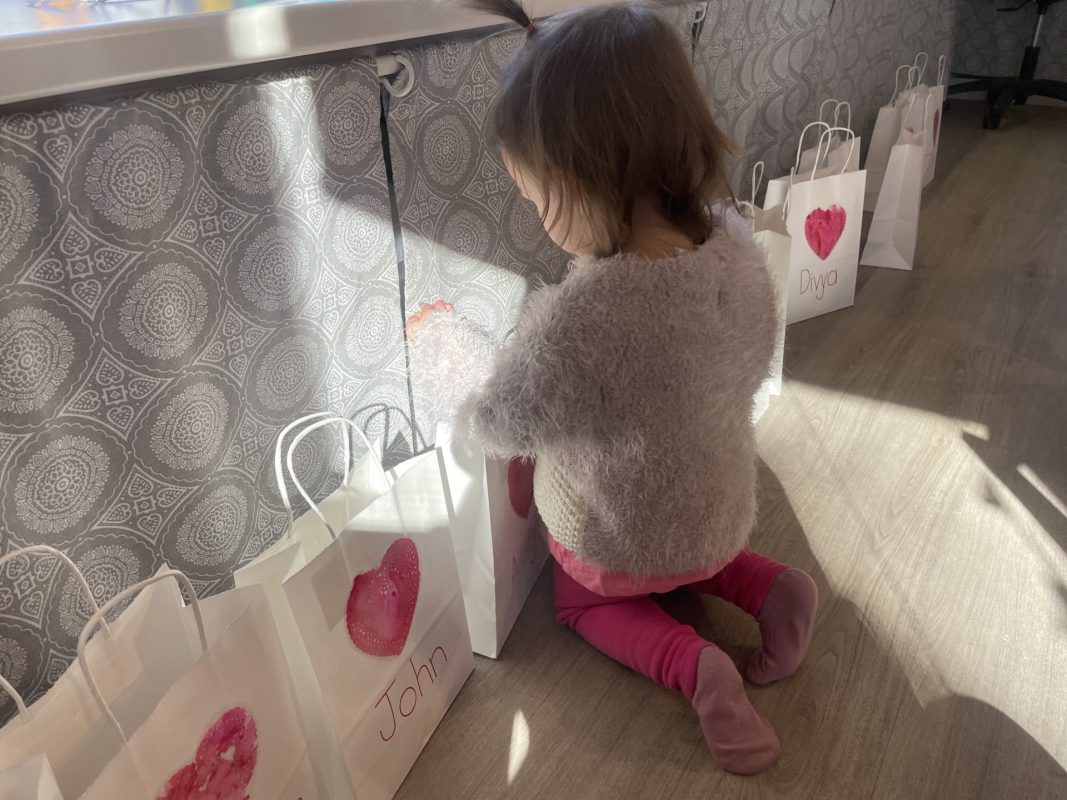
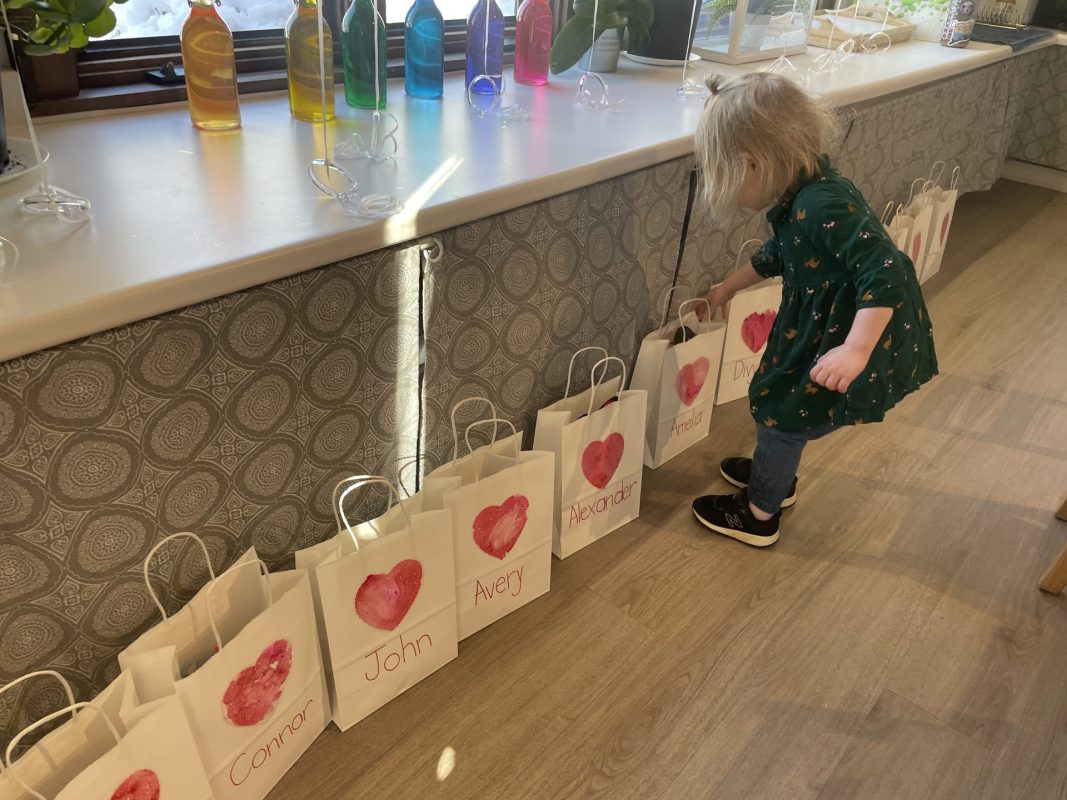
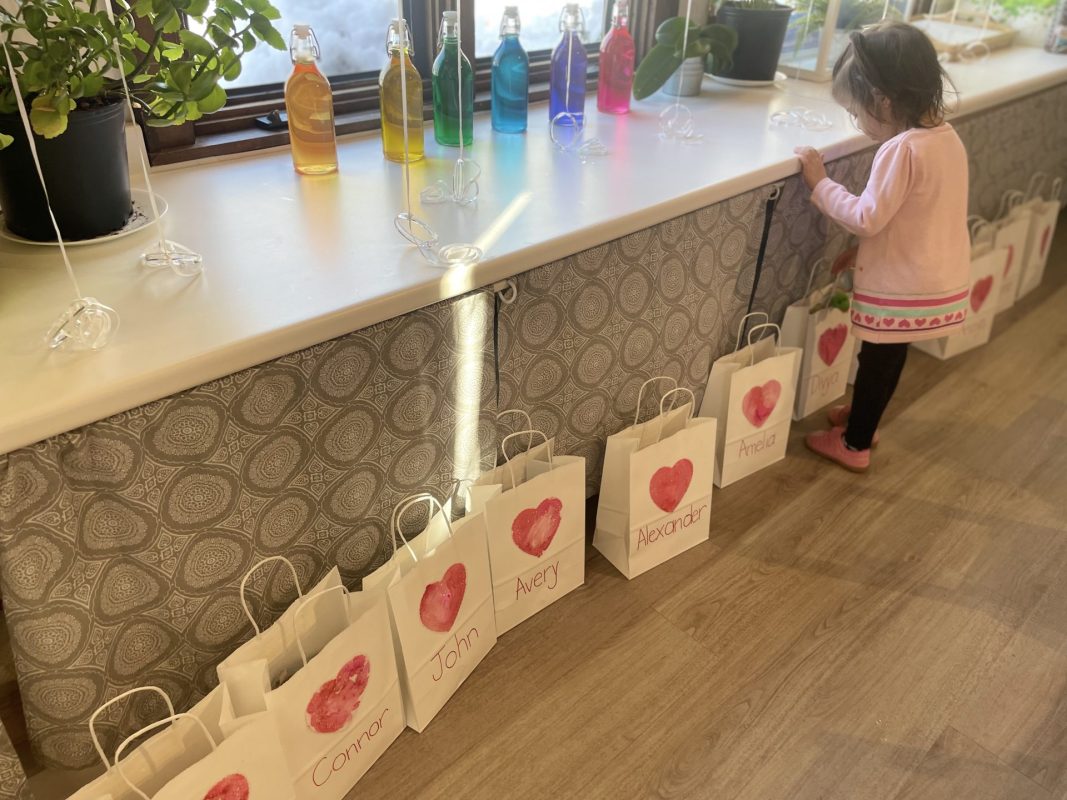
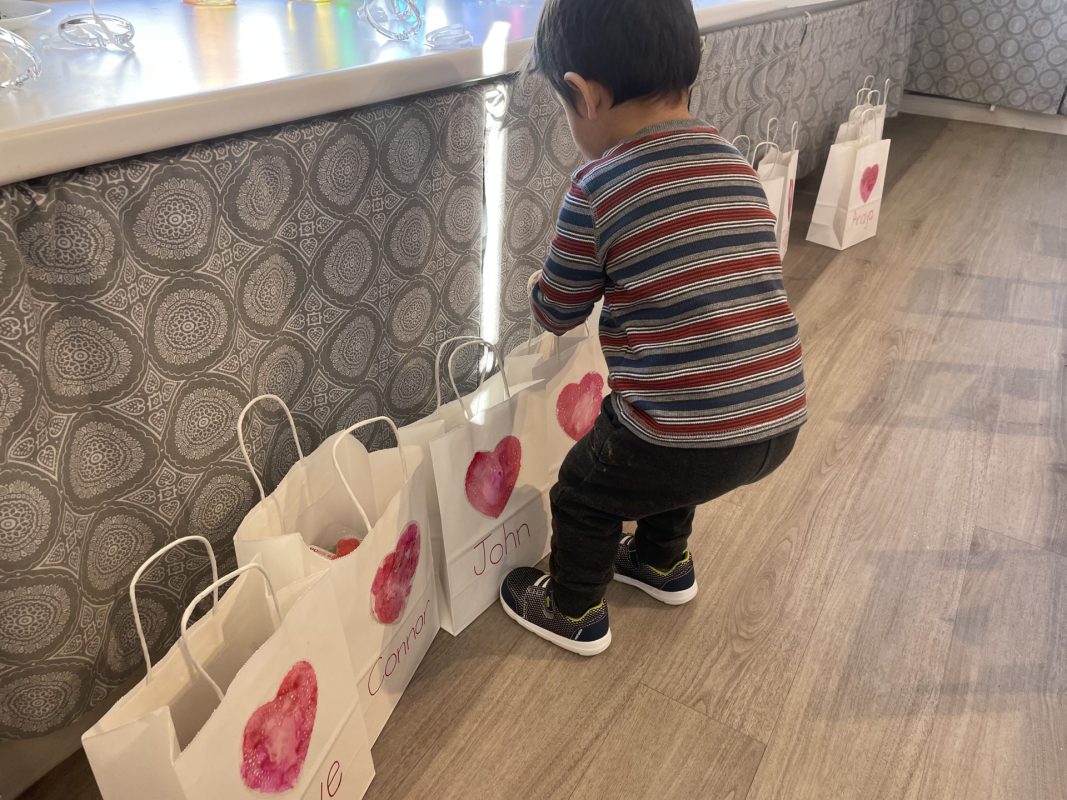
Children also have been pretty engaged with all the new materials in the environment and had the opportunity to work on decorating their Valentine’s Day bags in preparation for our celebration next Wednesday, February 14th. Our older students, who grasp the concept better, are particularly excited about this event.

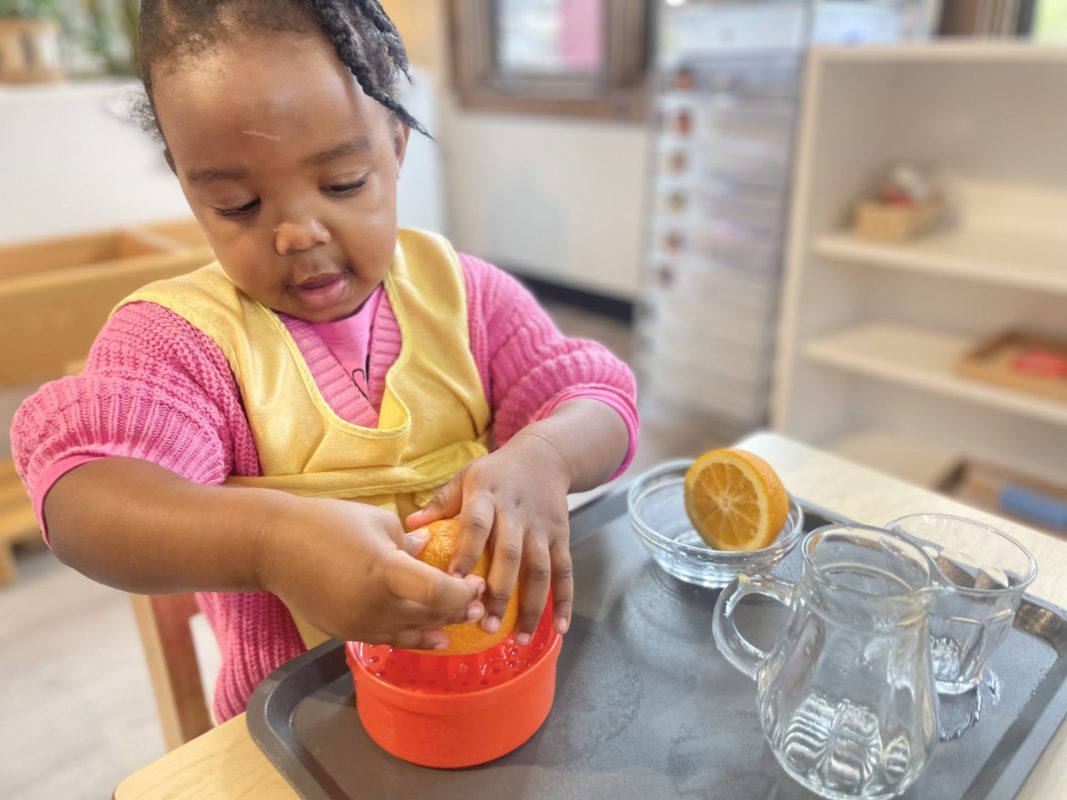
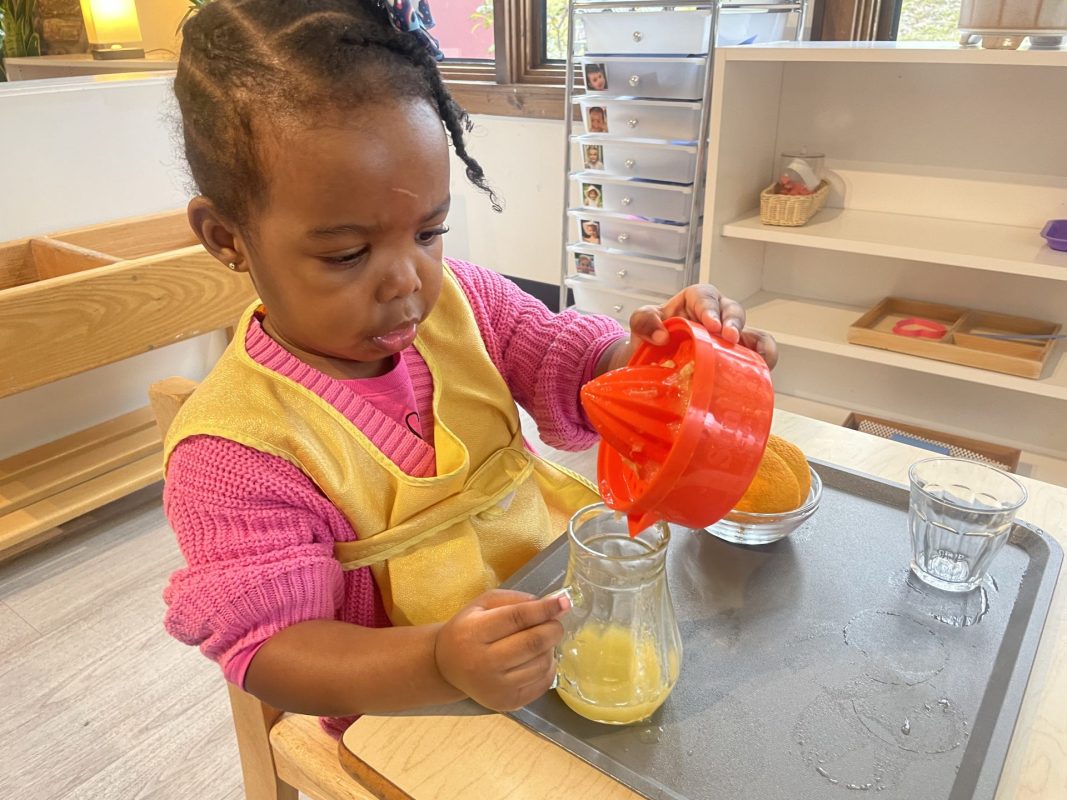
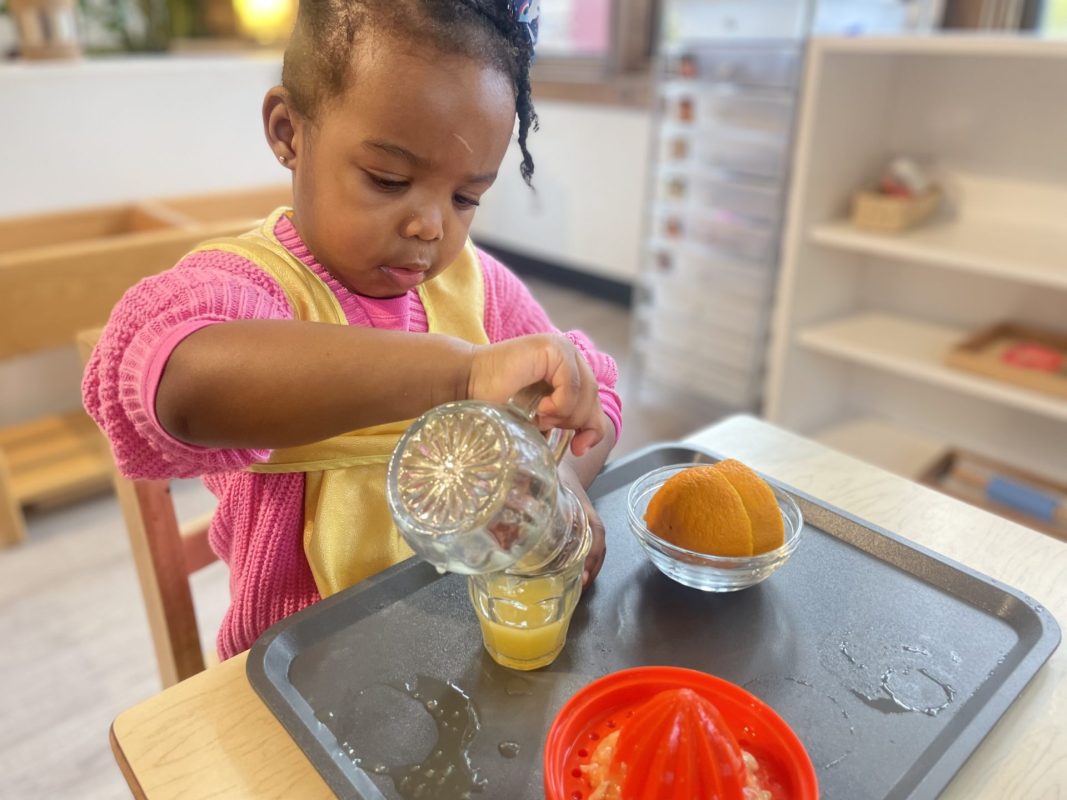
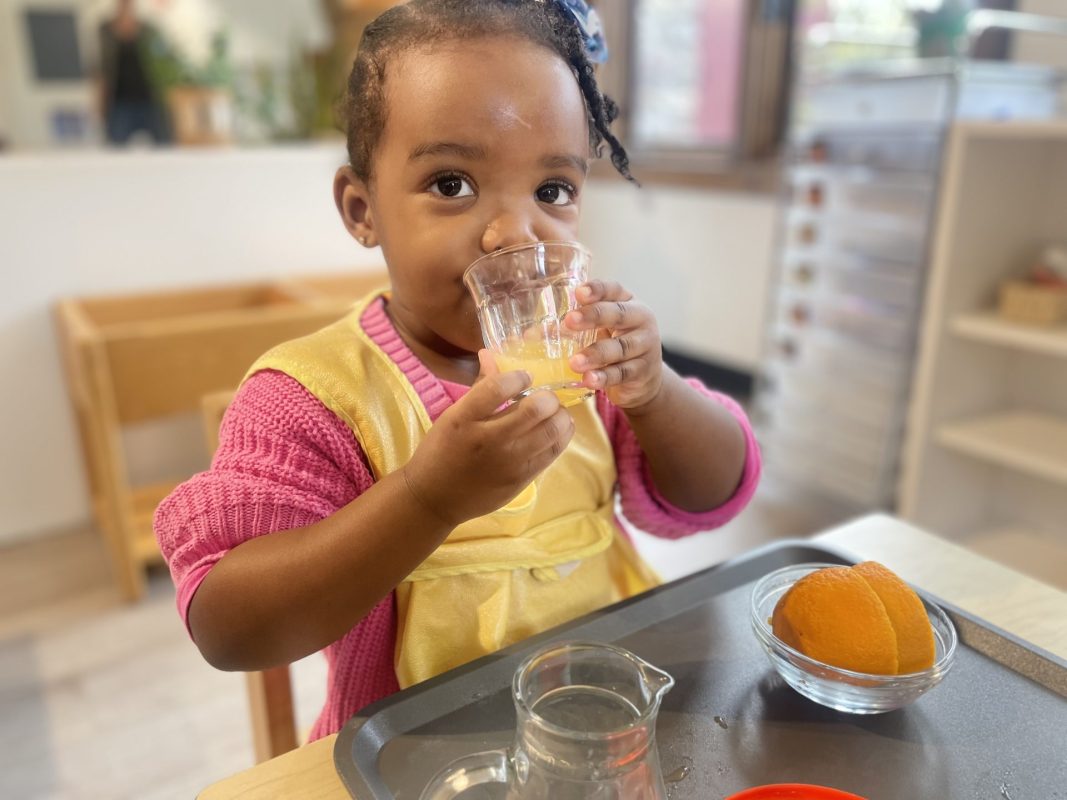
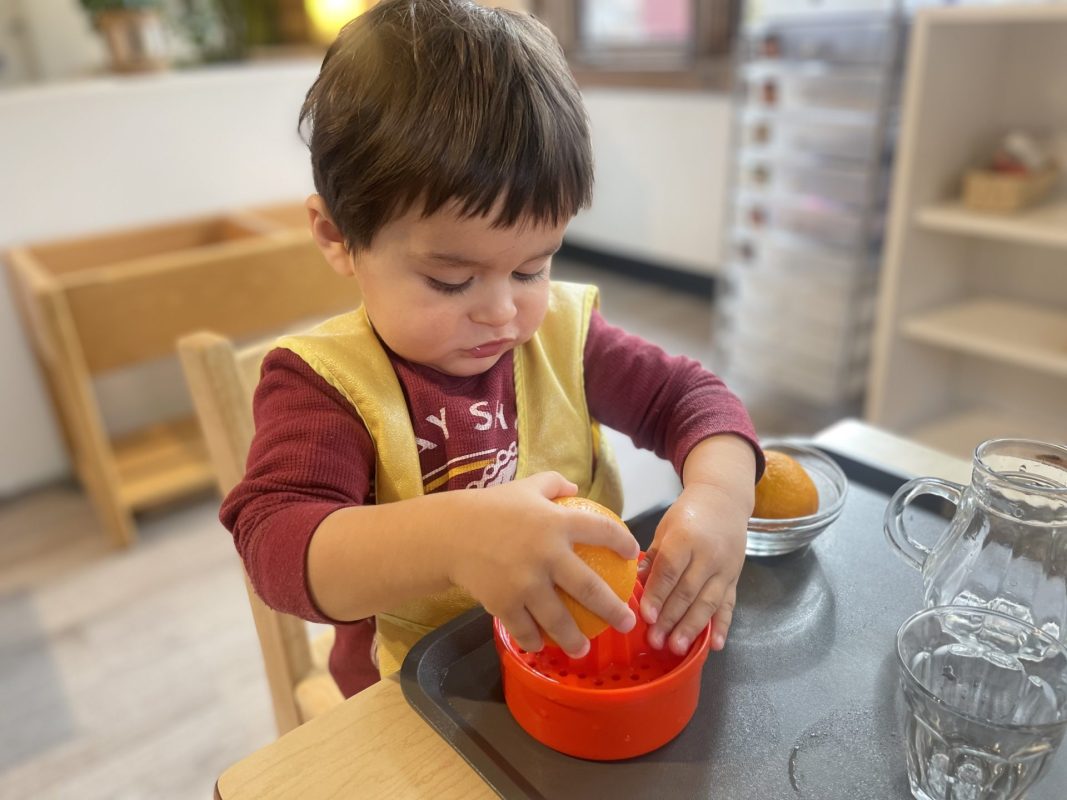
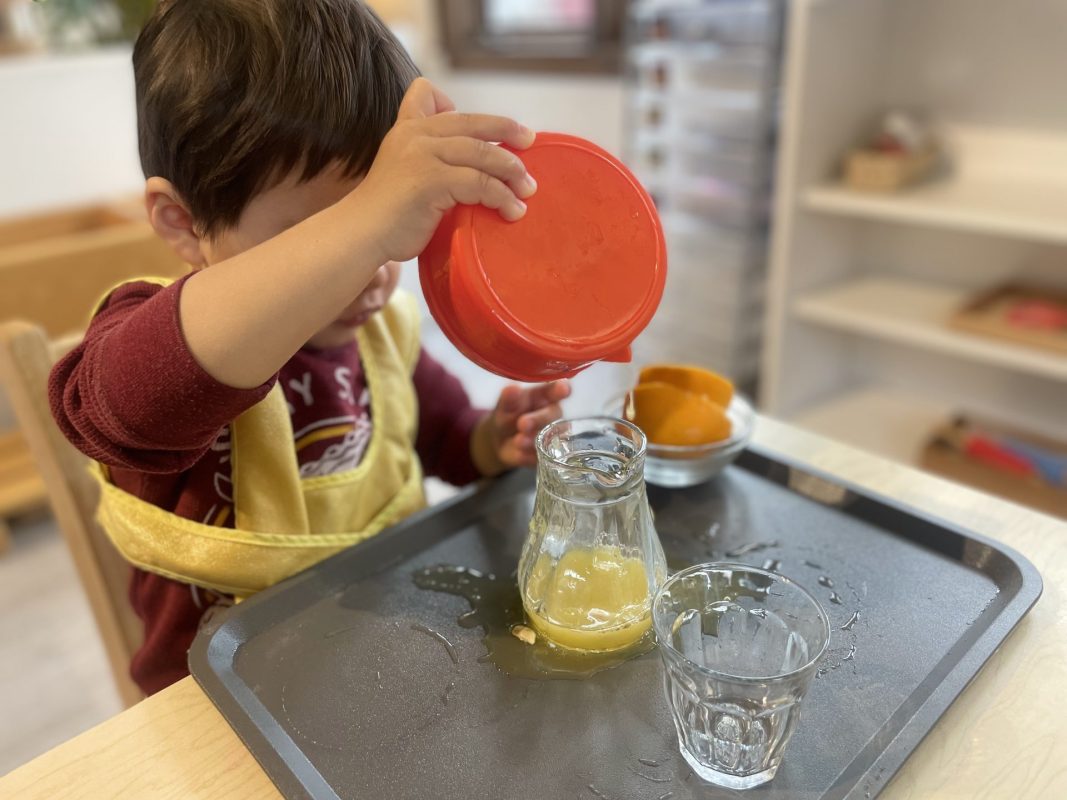
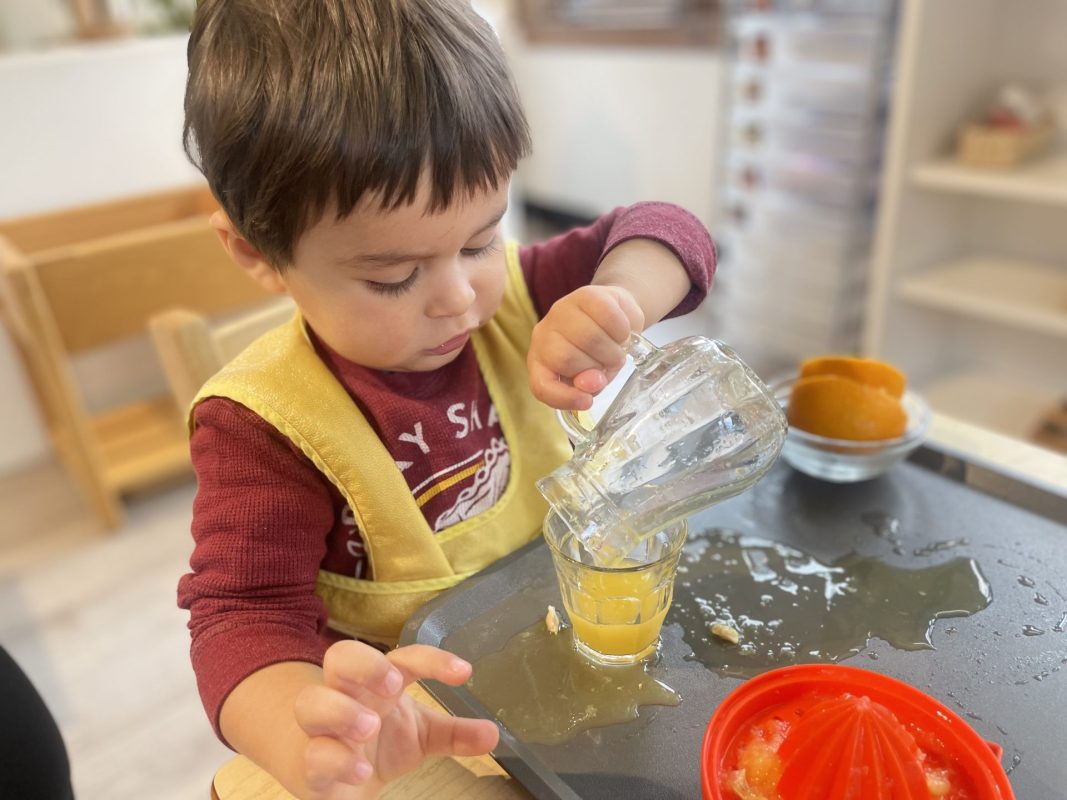
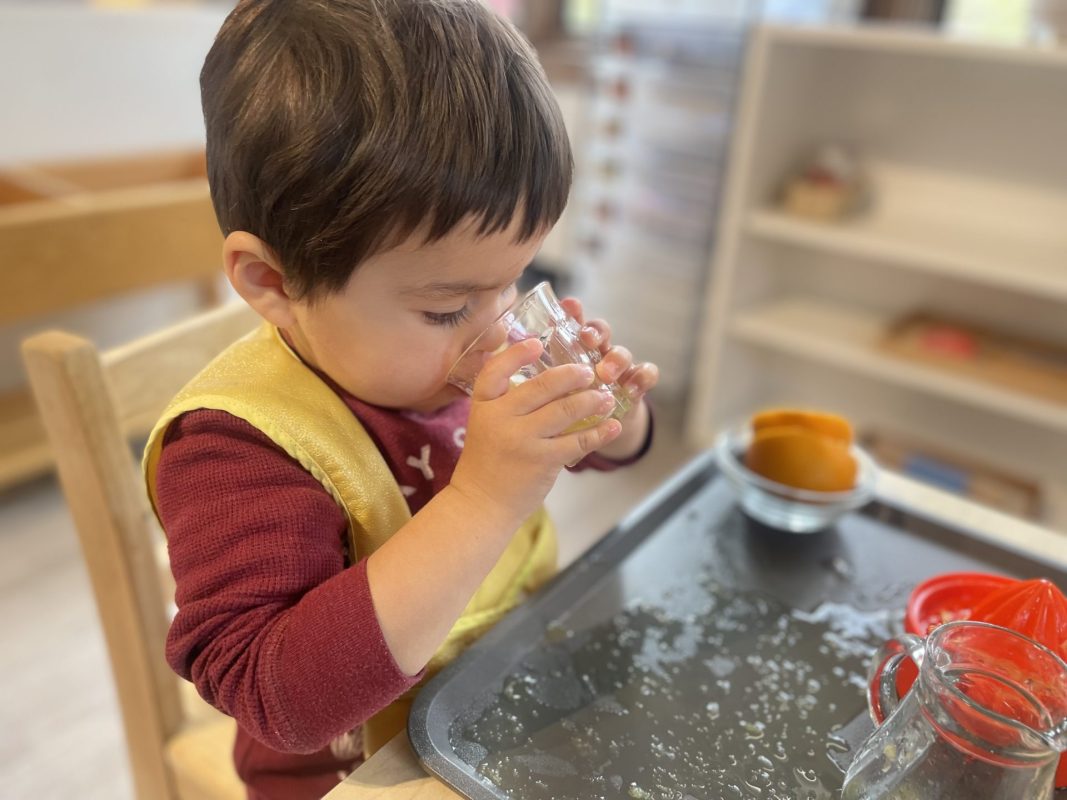
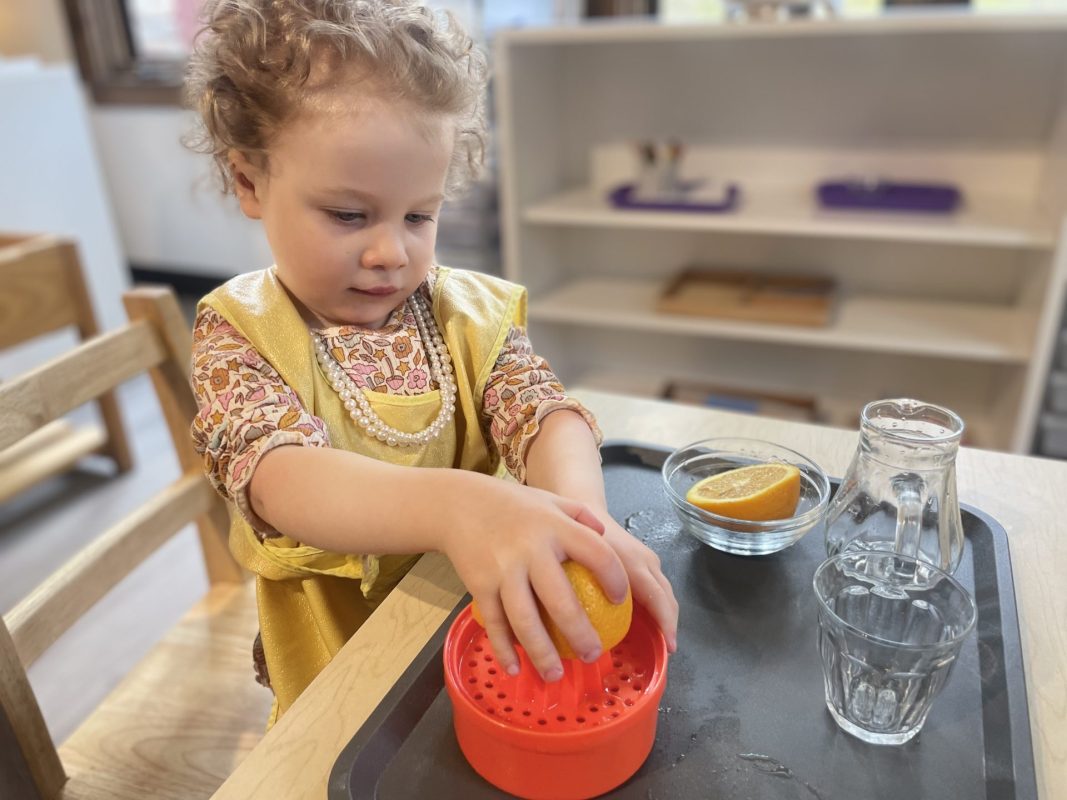
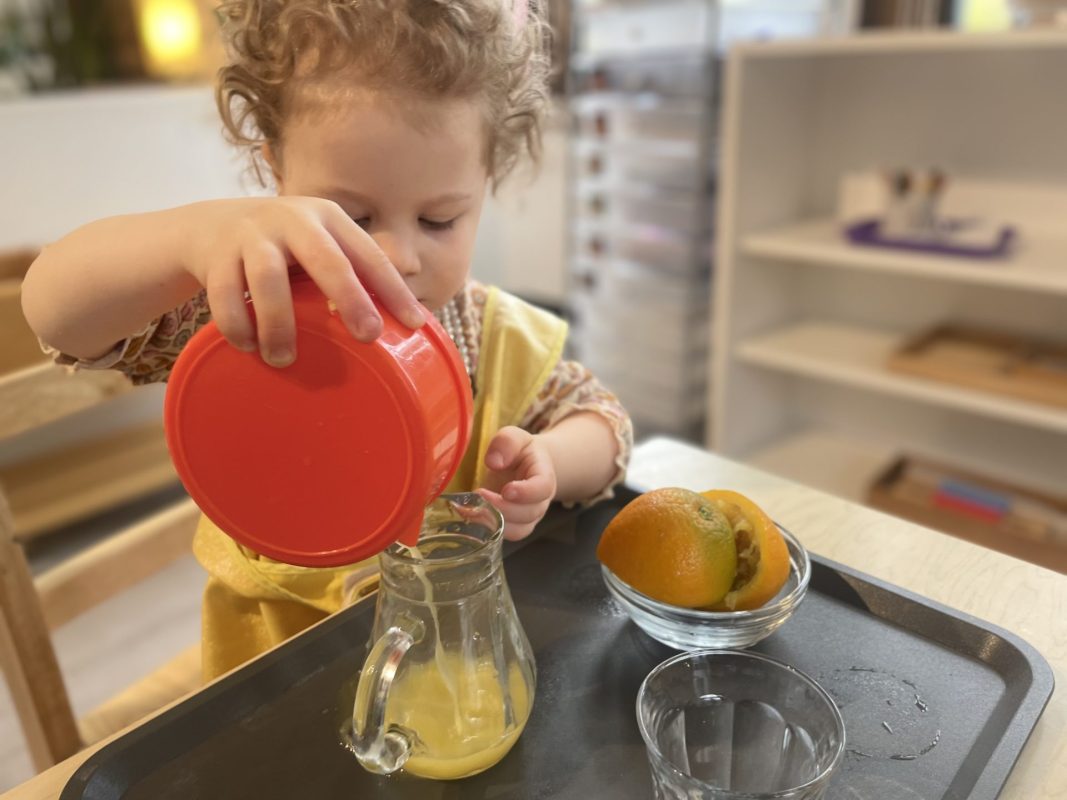
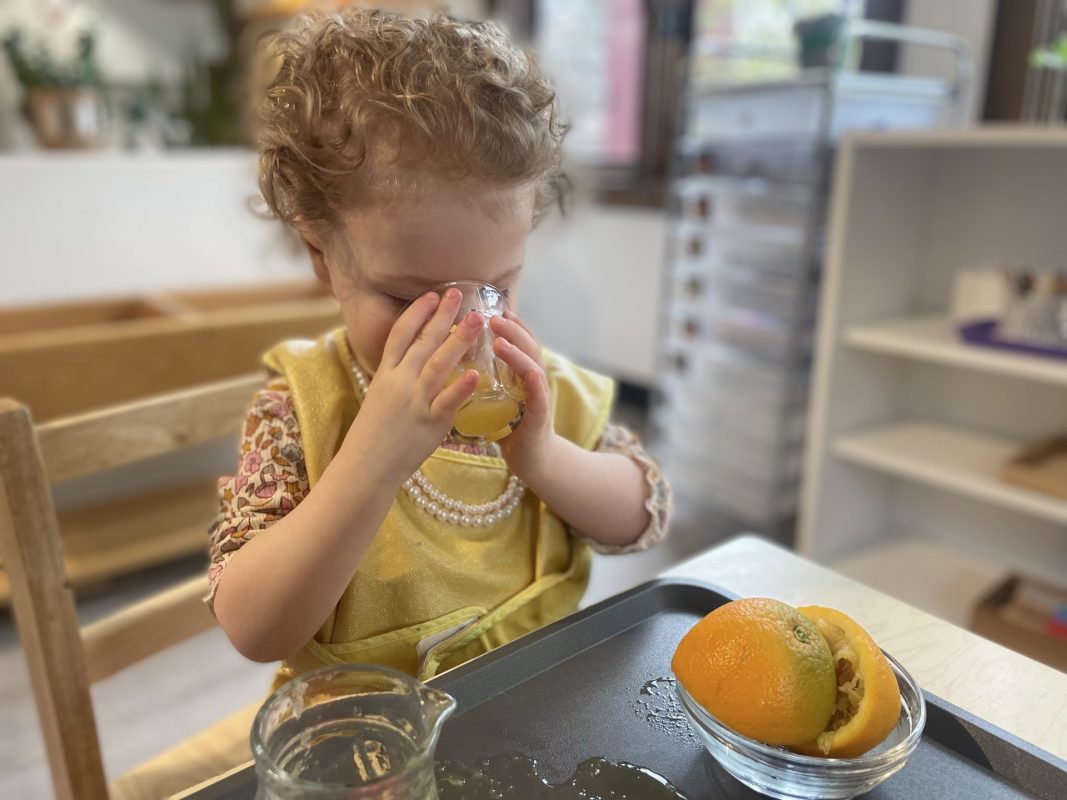
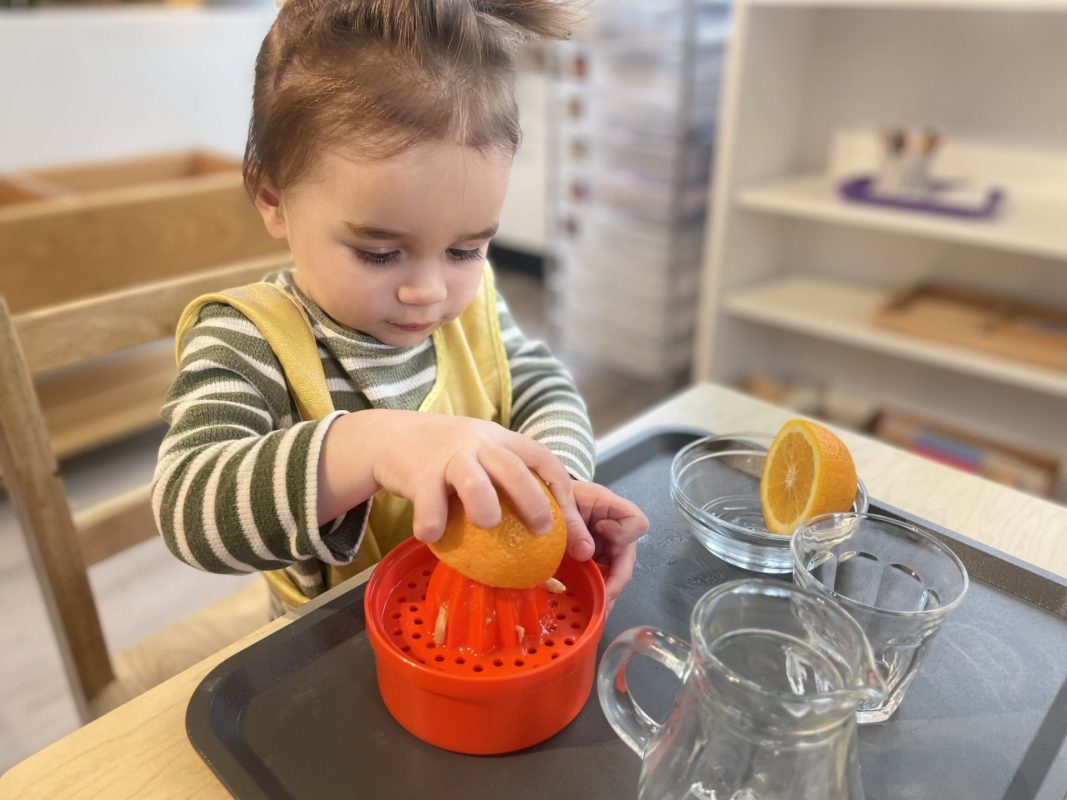
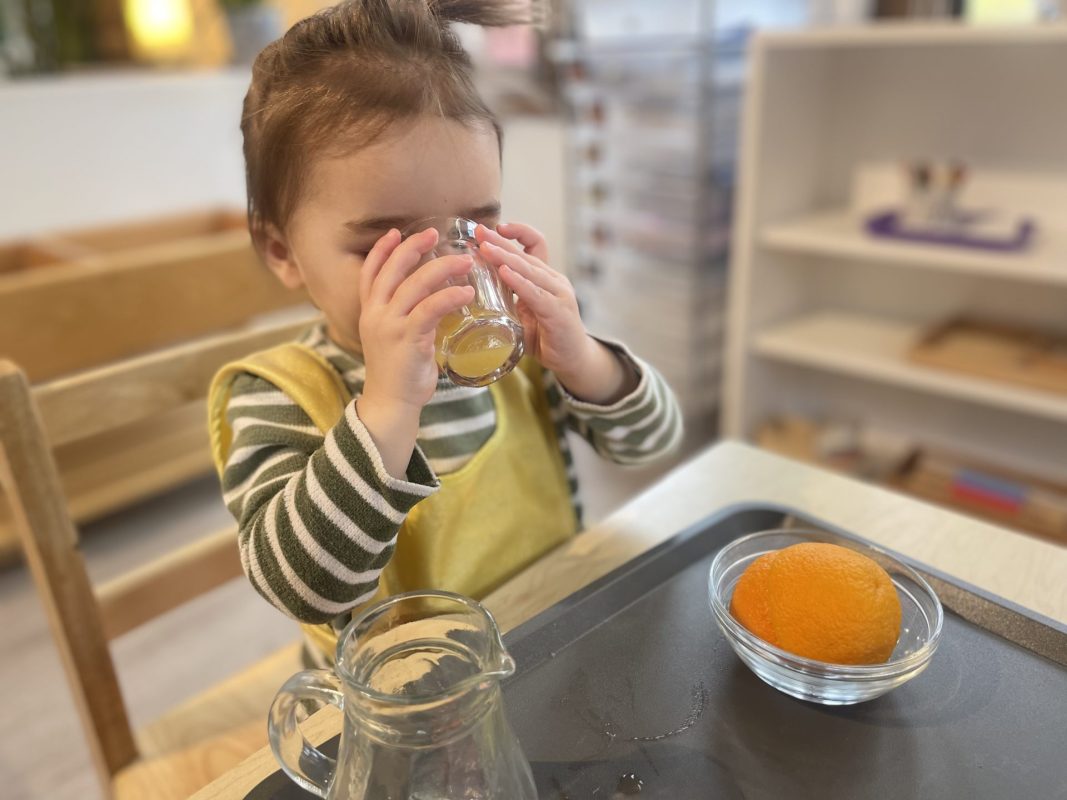
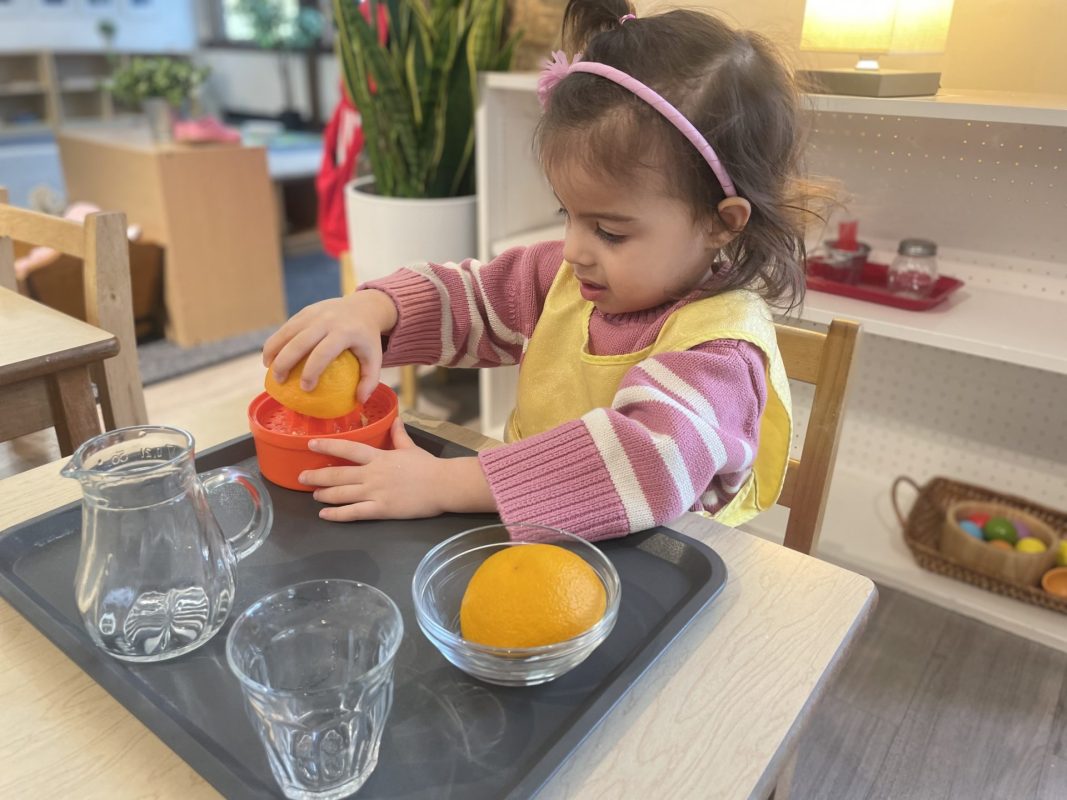
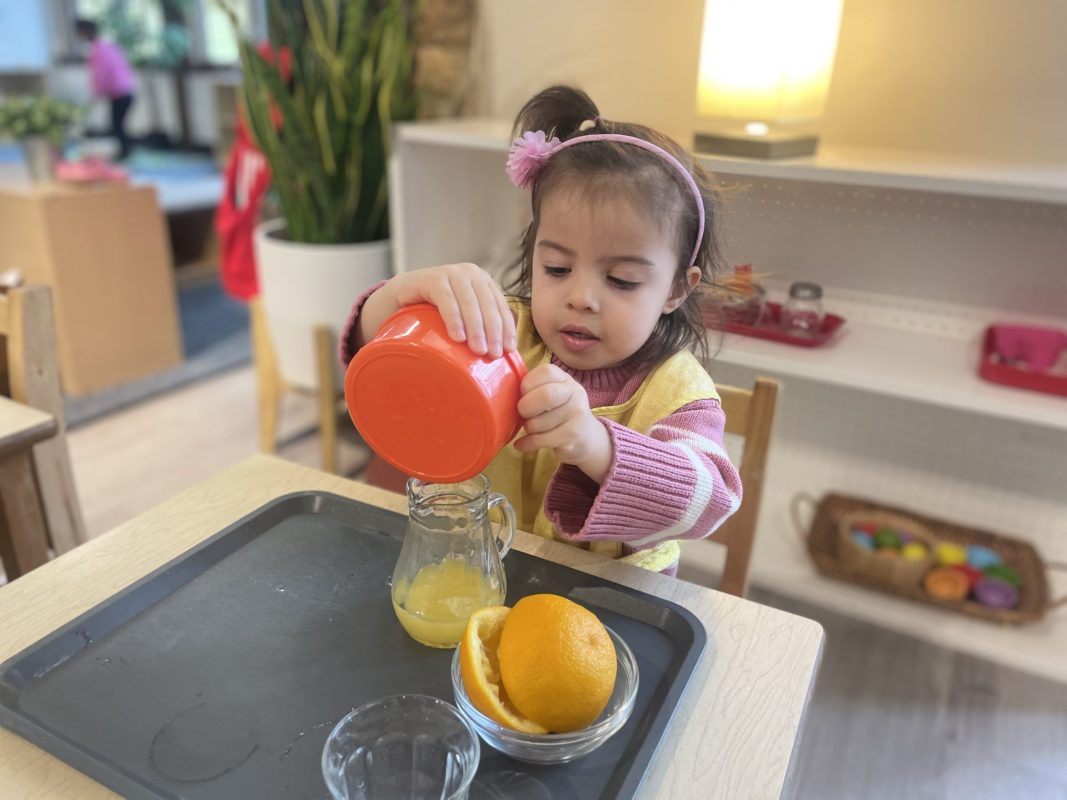
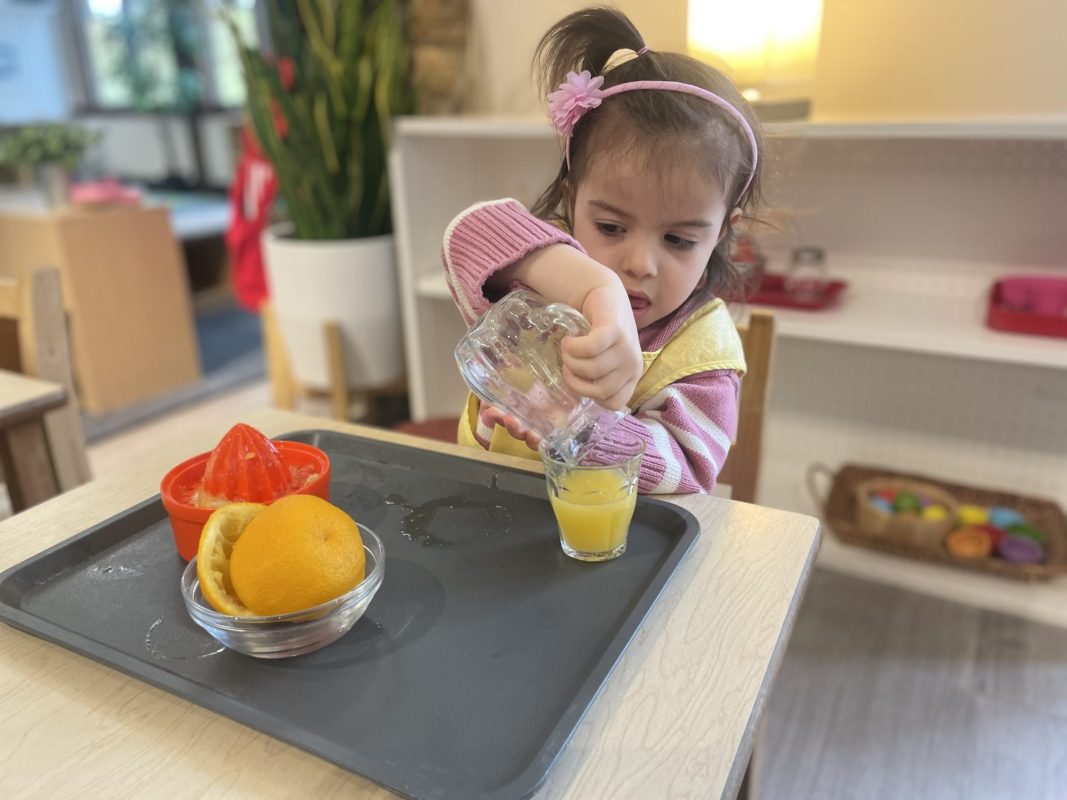
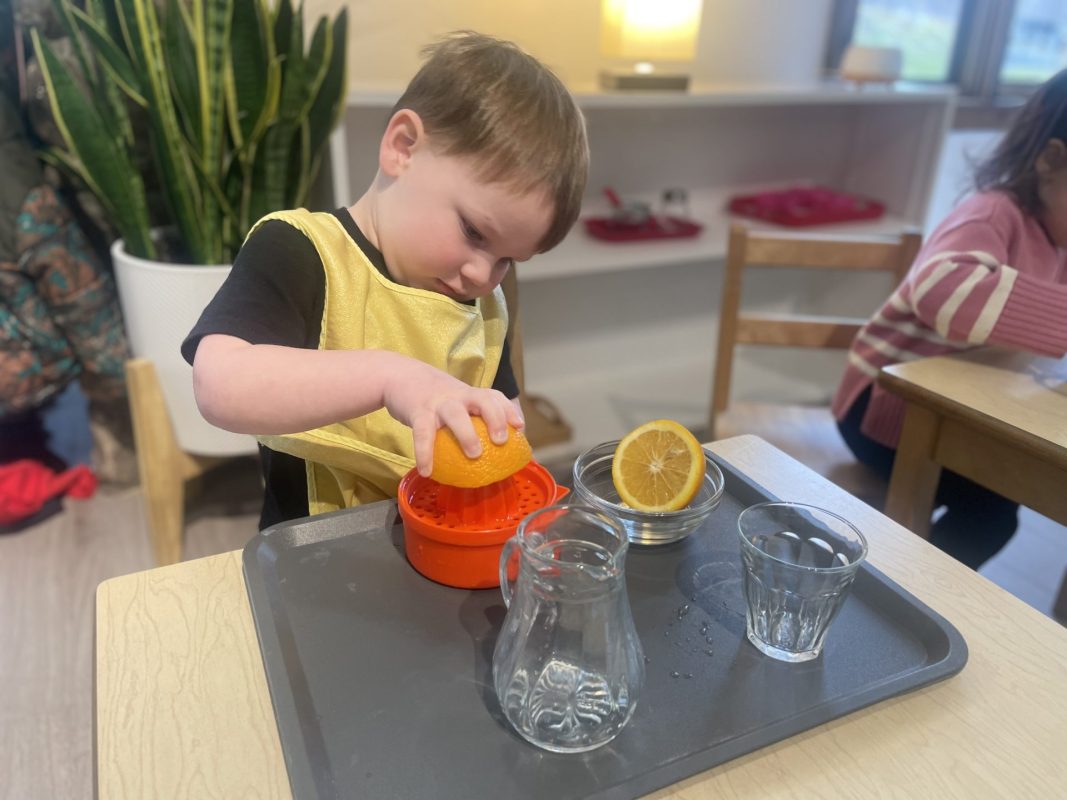
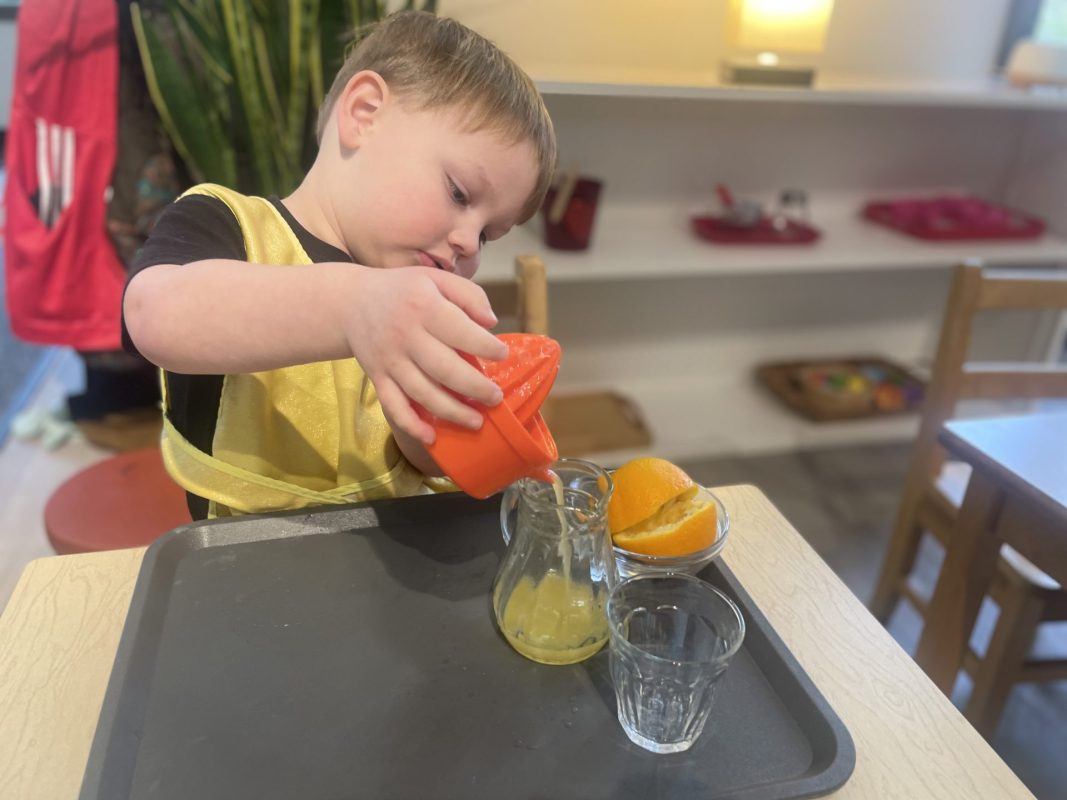
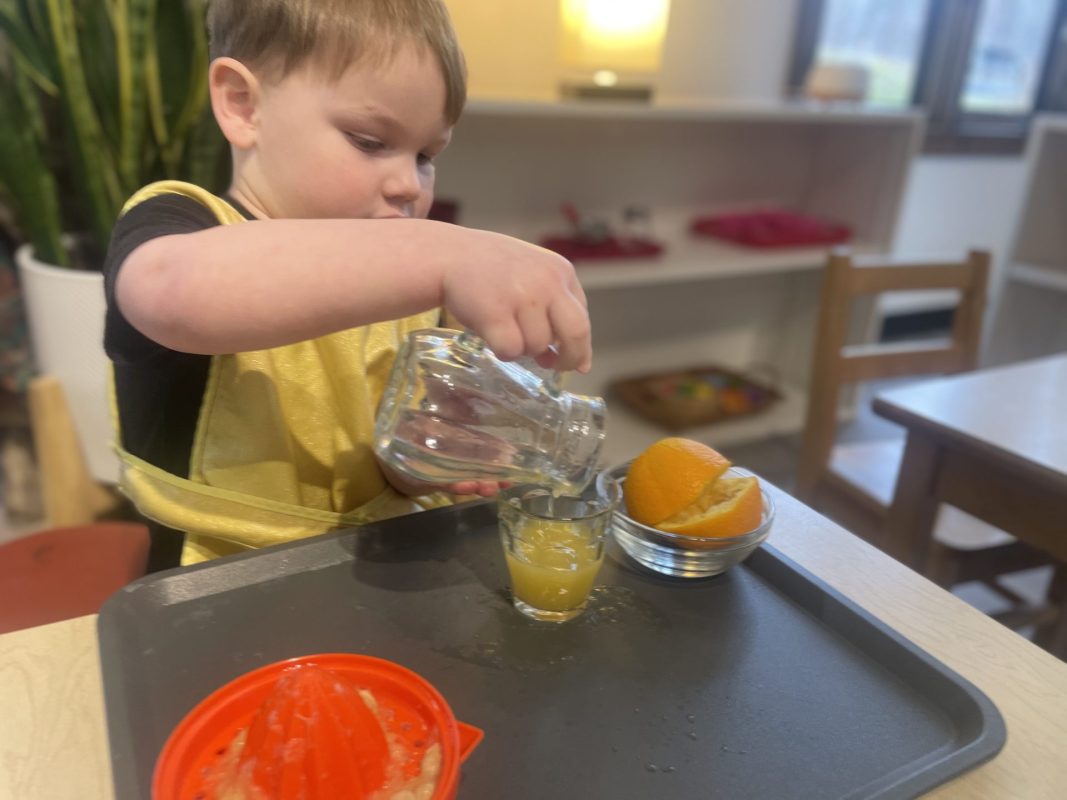
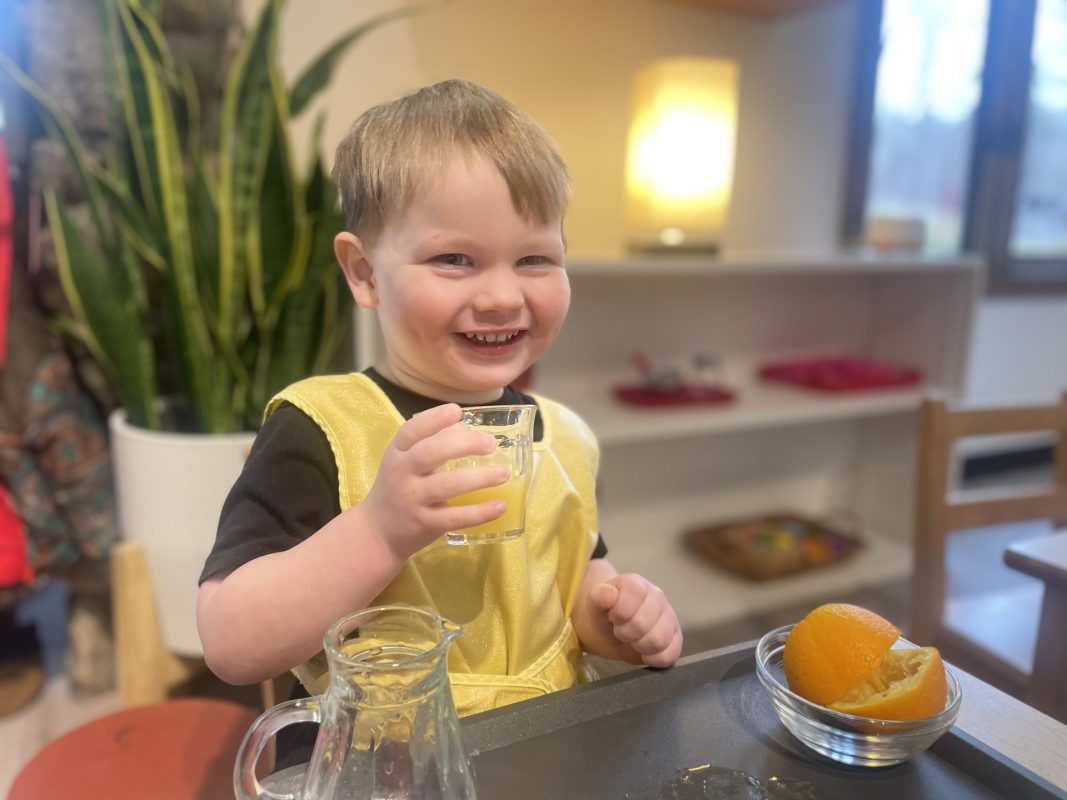
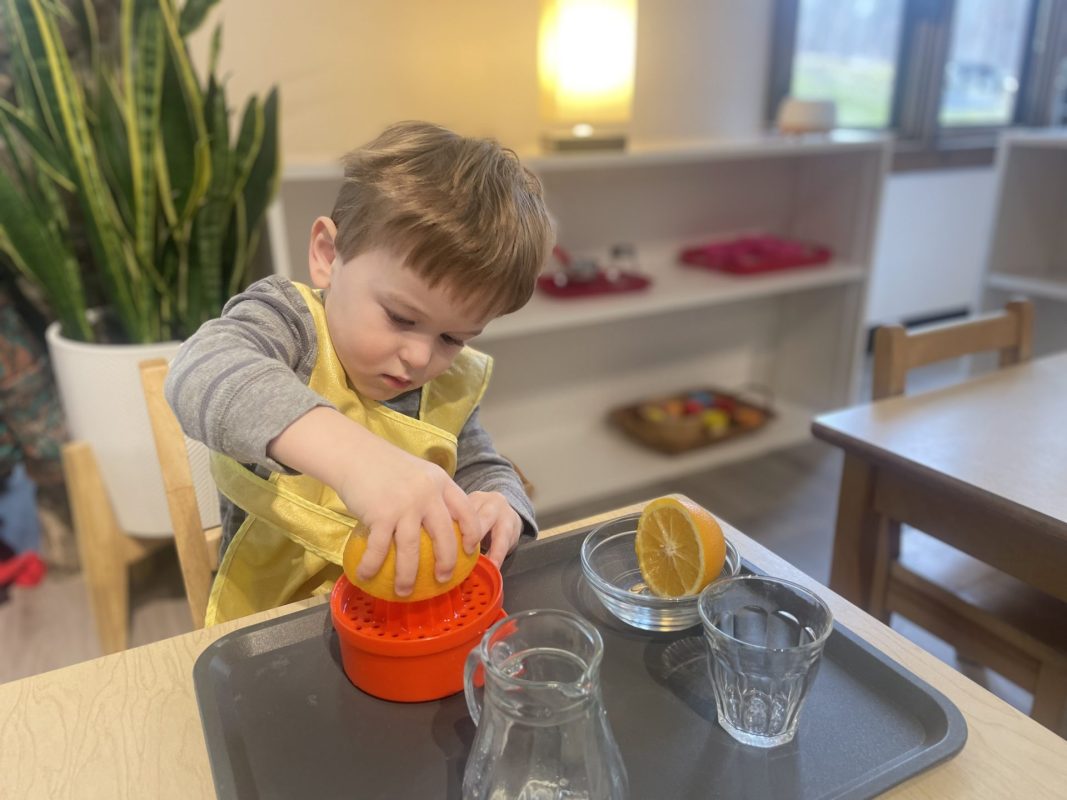
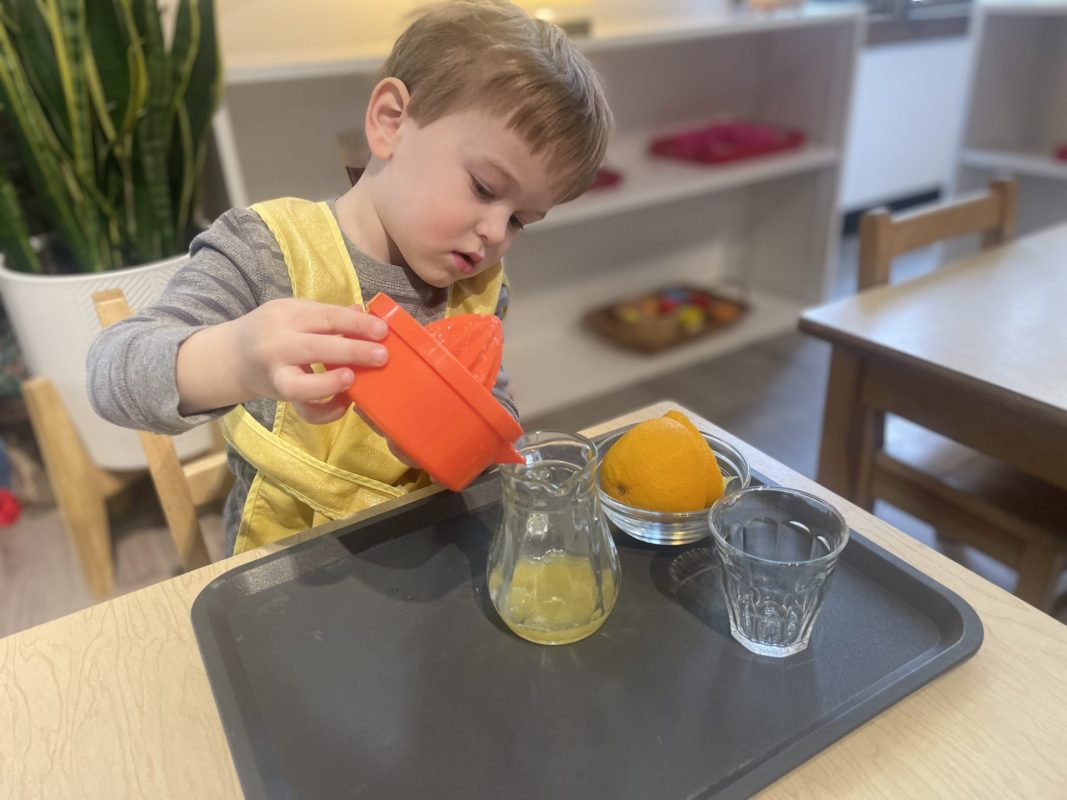
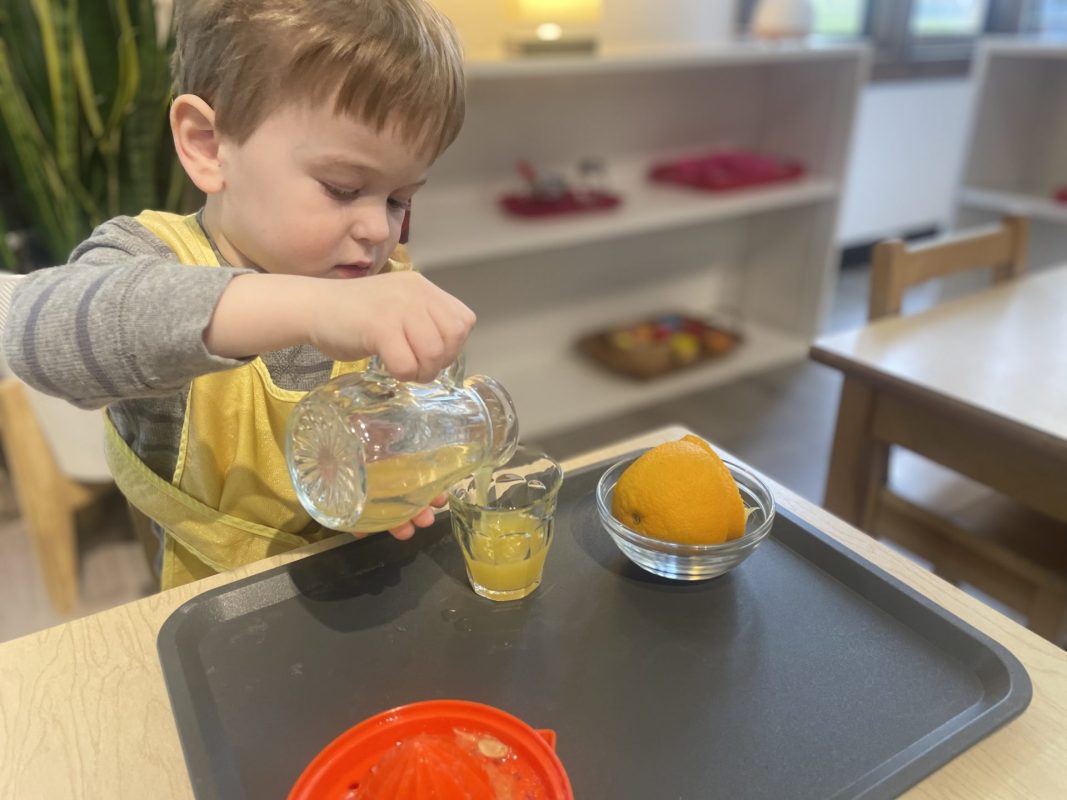
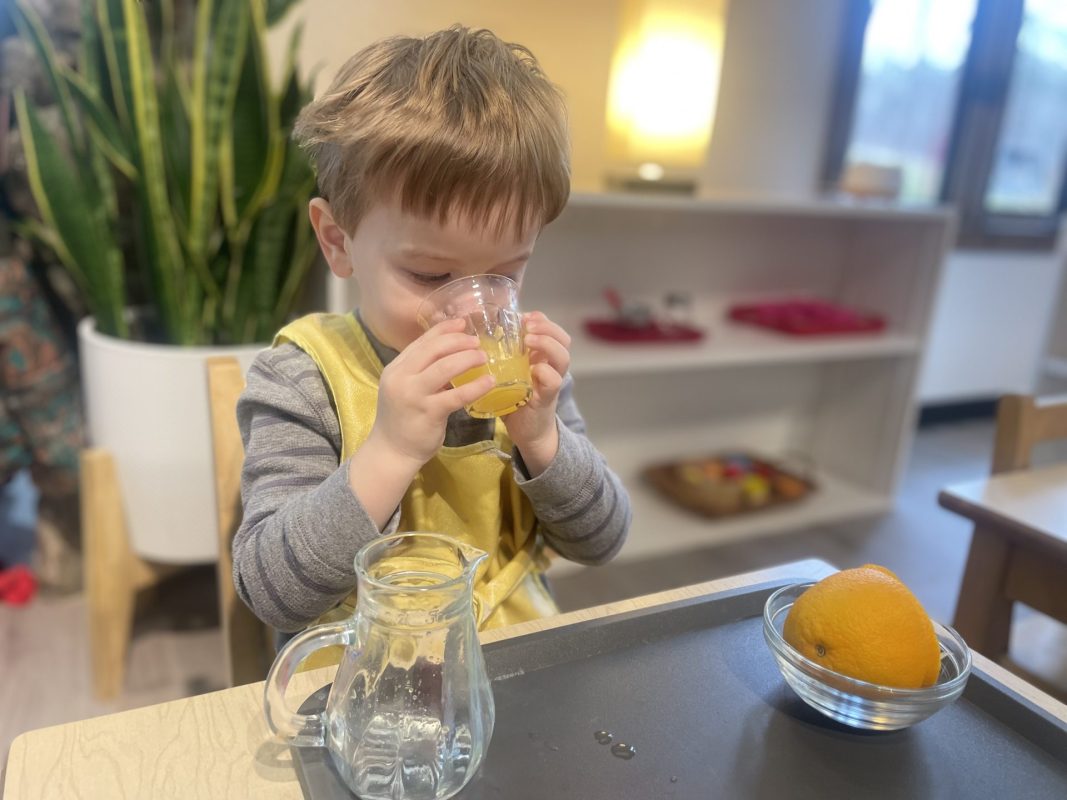
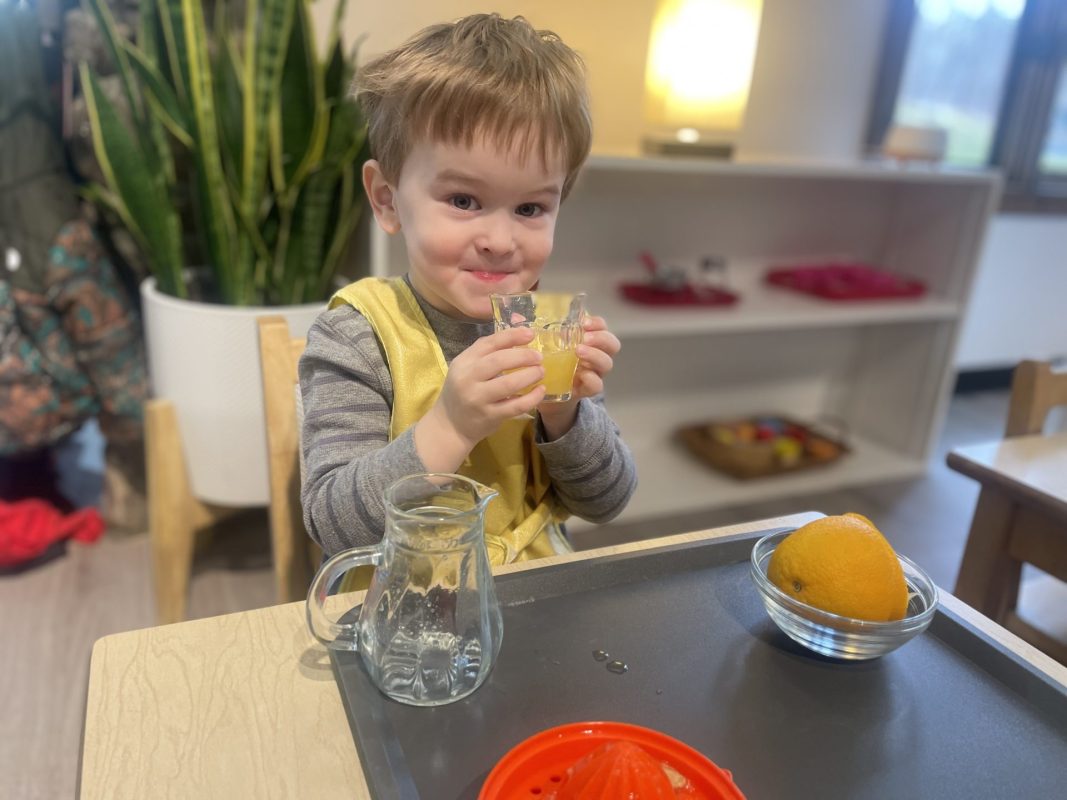
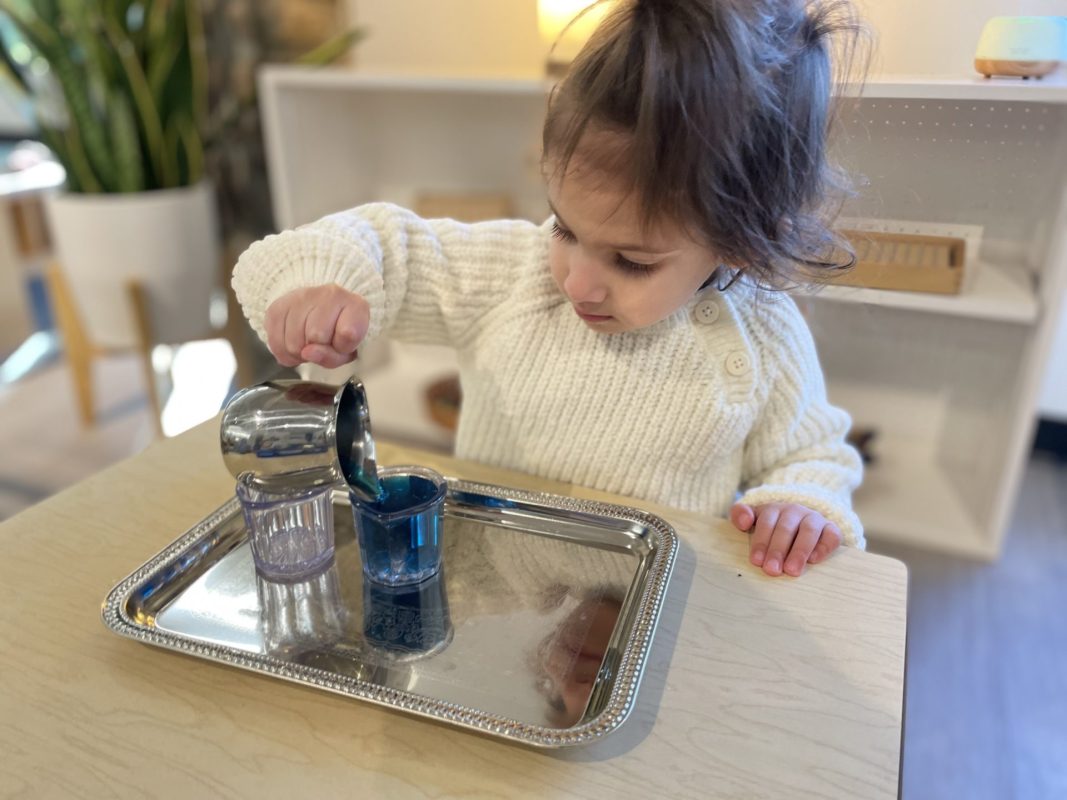
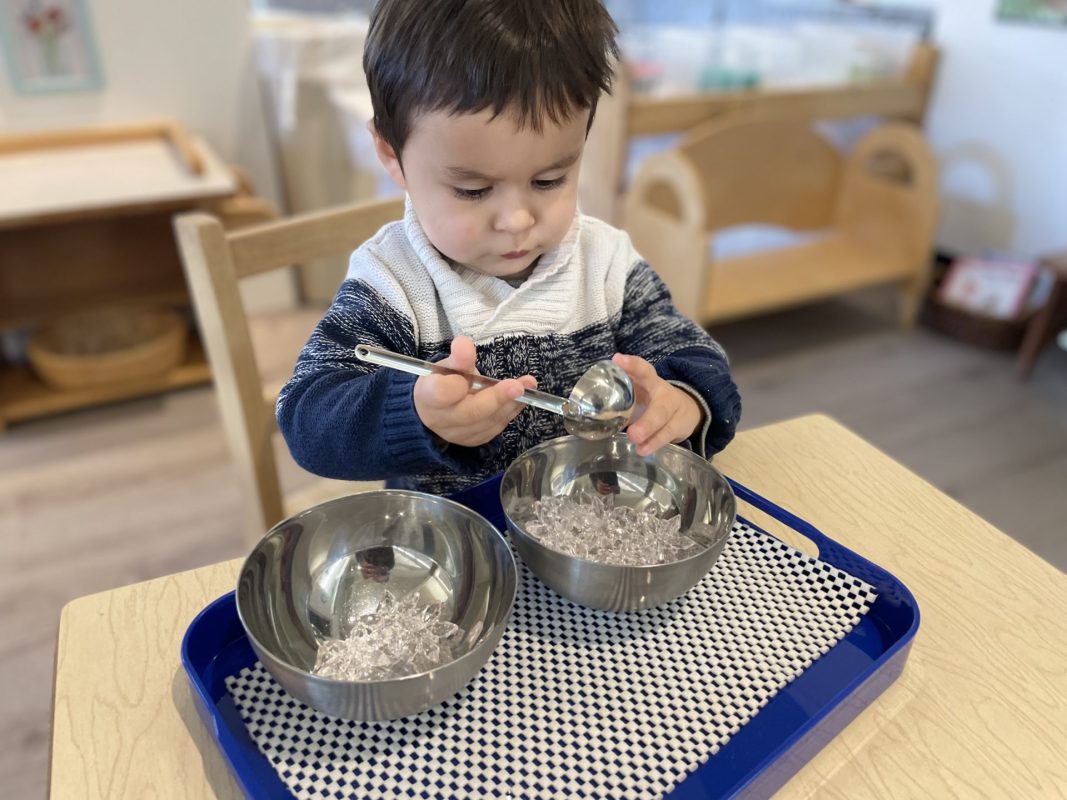
On another note, we explored delicious oranges for our food-tasting lesson, and it was a hit. Furthermore, children were introduced to the process of making orange juice all by themselves! Children worked their muscles and their maximum effort by making sure they squeezed and twisted their orange into the handheld juicer. After this, children practiced their fine motor skills by transferring the juice into a small pitcher and then serving themselves their orange juice into an open cup. To say that they seem to enjoy the process and the result of this activity is an understatement.

Lastly, we celebrated another 3-year-old birthday in our class! It’s awe-inspiring to witness the remarkable growth of our students every single day.

Enjoy the snapshots,

Mrs. Hood and Ms. Mollie

Mrs. Hood: The secret of perfection!

“To have learned something for the child is only a point of departure. When he has learned the meaning of an exercise, then he begins to enjoy repeating it, and he does repeat it an infinite number of times, with the most evident satisfaction.”- Maria Montessori, The Montessori Method

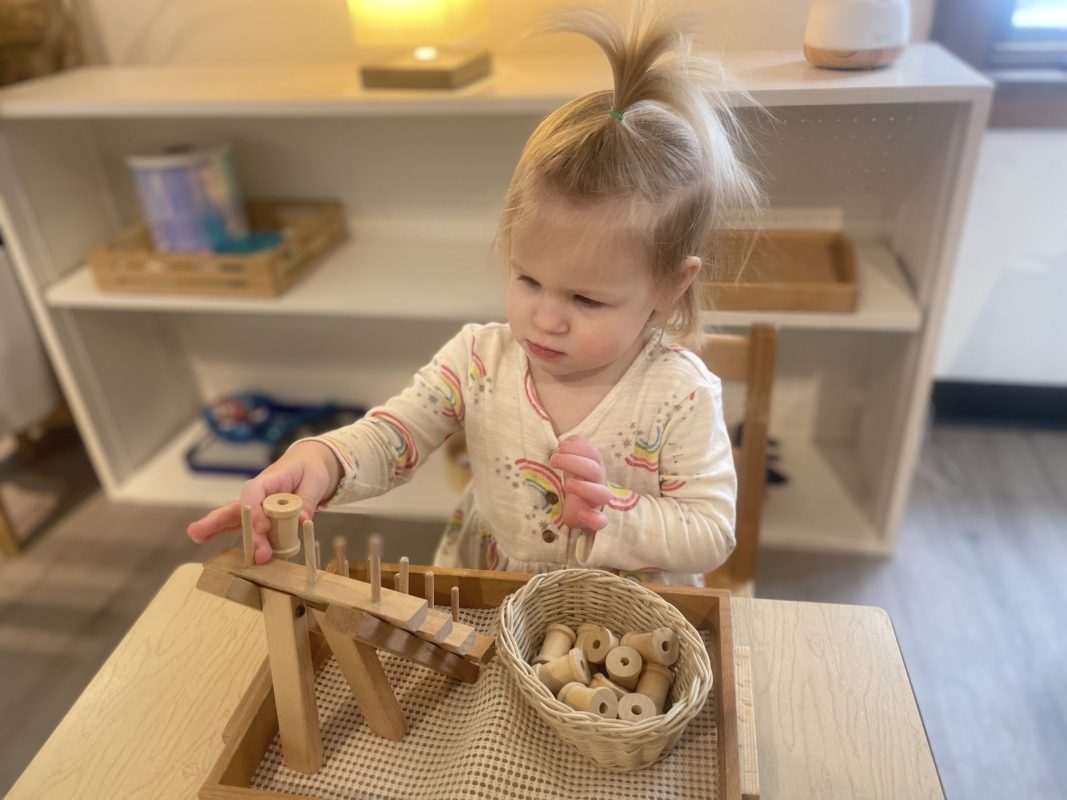
In a Montessori environment, repetition does not necessarily mean that the child has to engage in the same exact work over and over again. Anything that provides the child with the practice of a previously learned skill, including extensions and games, is repetition.

Dr. Montessori said, “Repetition is the secret of perfection.”

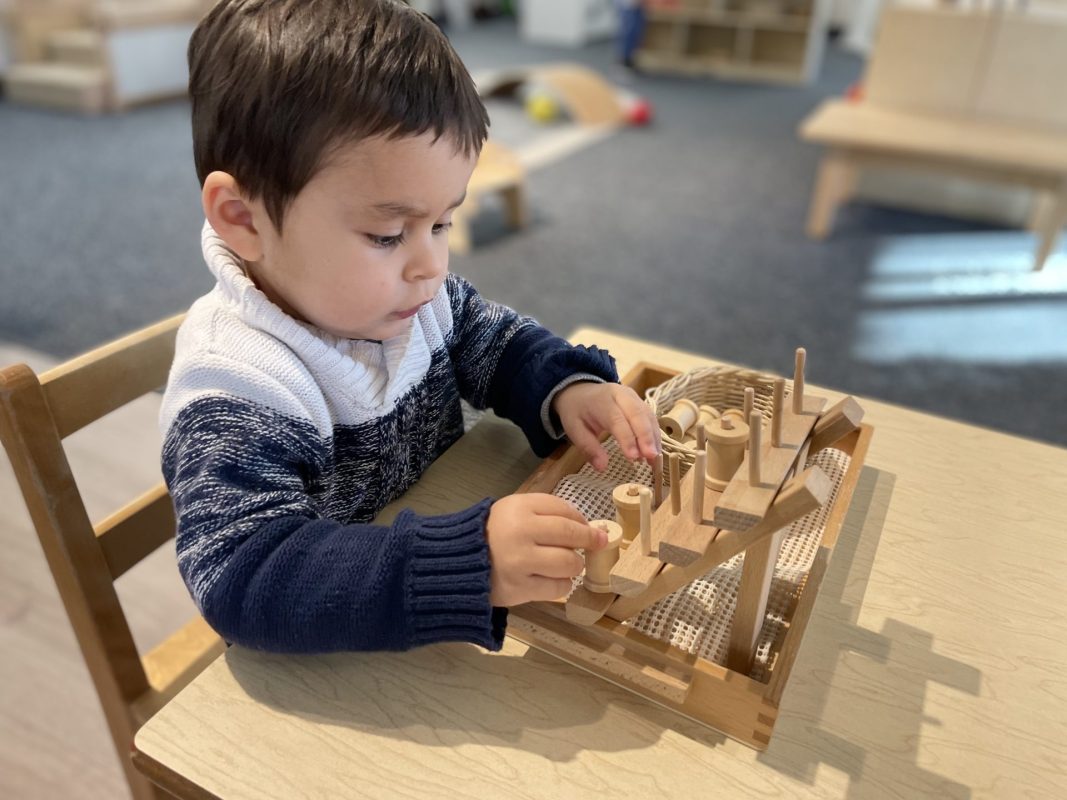
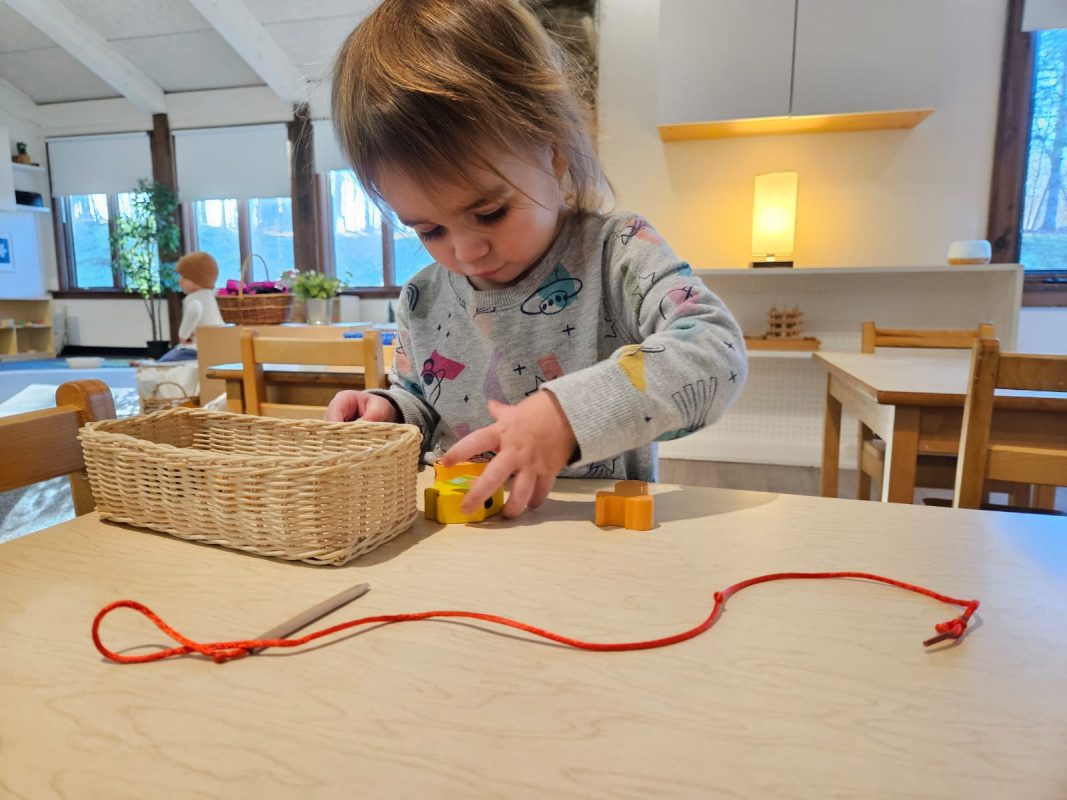
Through repetitive exploration, your children are able to look at a material from different angles and explore it, letting it become part of their understanding of the world. At the same time, it allows them to self-critique: they look at how they are doing something and make slight changes in order to perfect the action, making it more efficient. The Montessori environment is designed to support exactly this kind of learning. Children choose their own work, allowing their interests to guide them to a choice. They are drawn by desire, and that allows them to return to an activity with frequency, working with it until they have perfected it. It is, in fact, a developmental need. A common phrase you can hear in our environment is the children saying: “Again!” Dr. Maria Montessori wrote, “When a child has attained this stage of repeating an exercise, he is on the way to self-development, and the external sign of this condition is his self-discipline.”

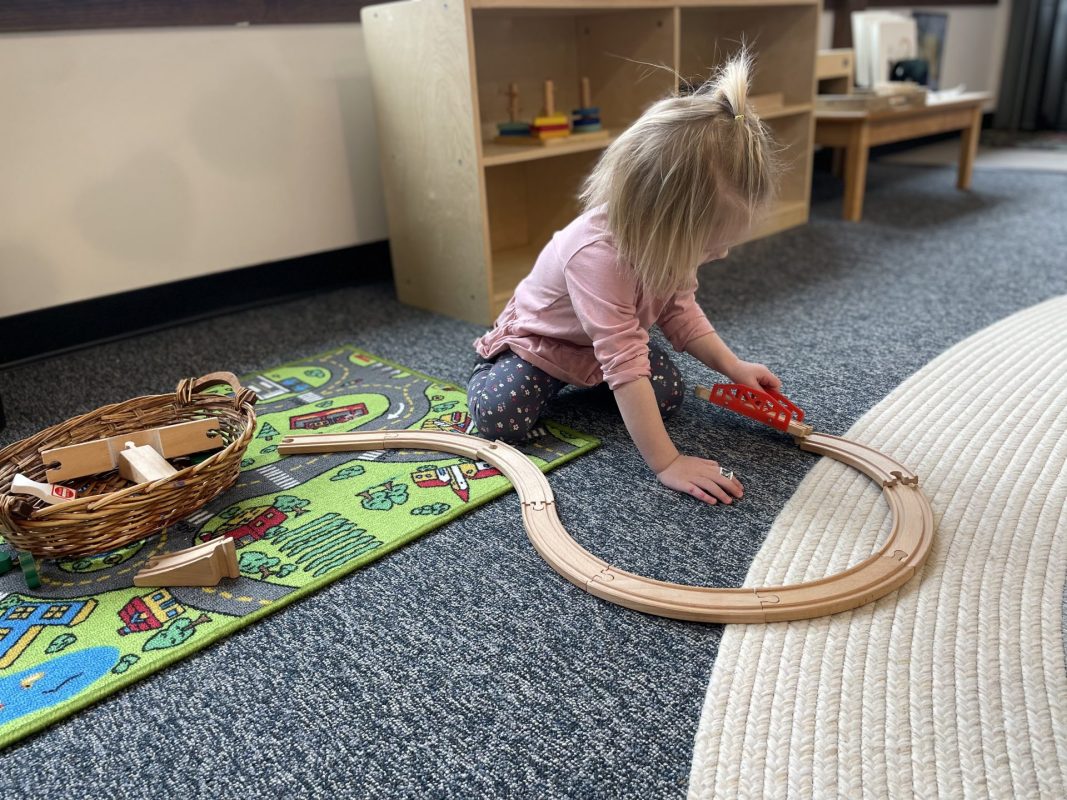
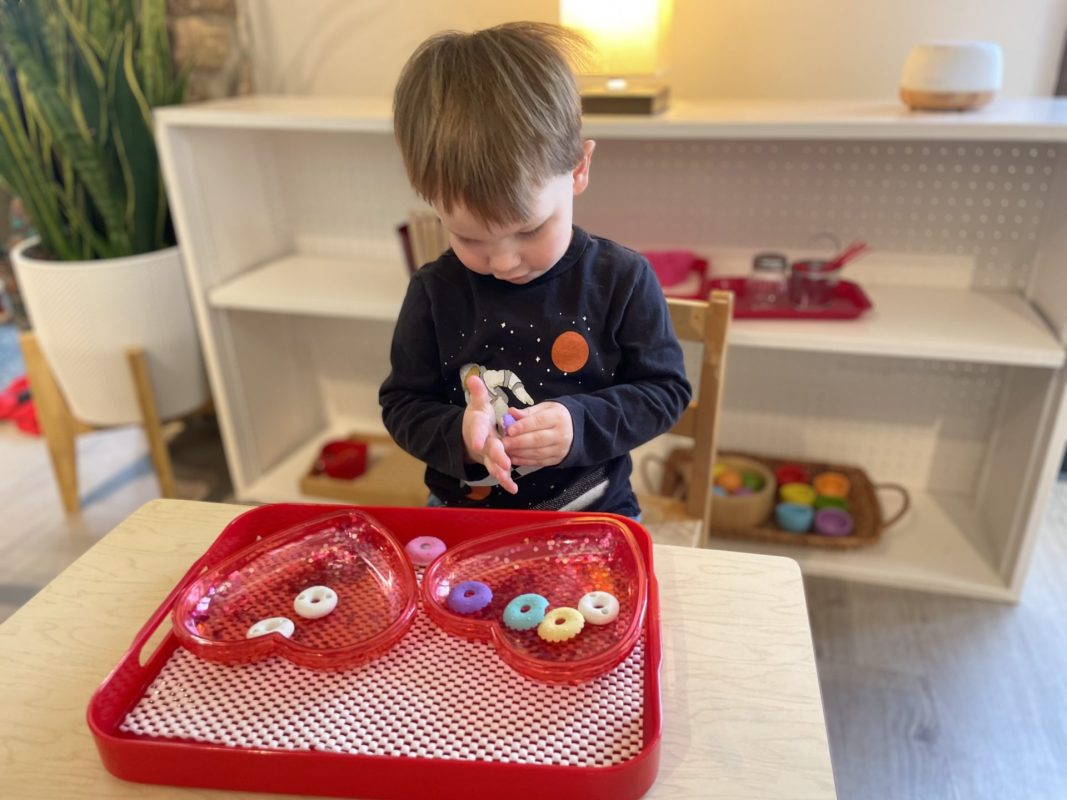
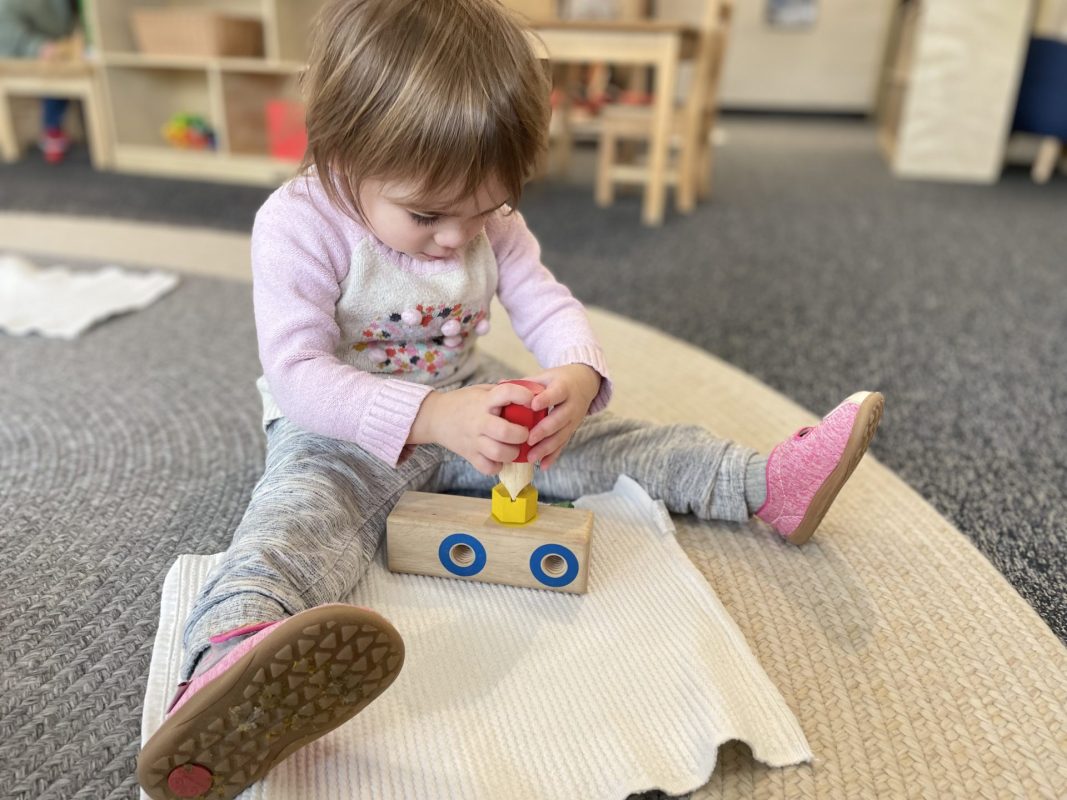
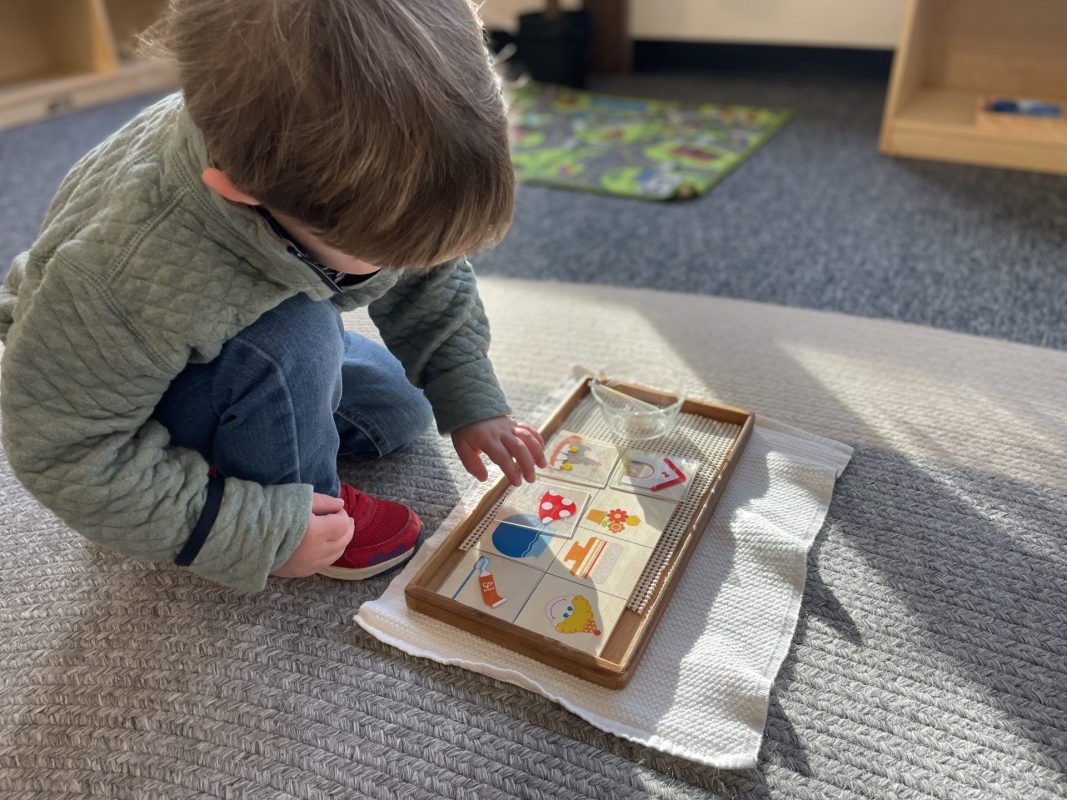
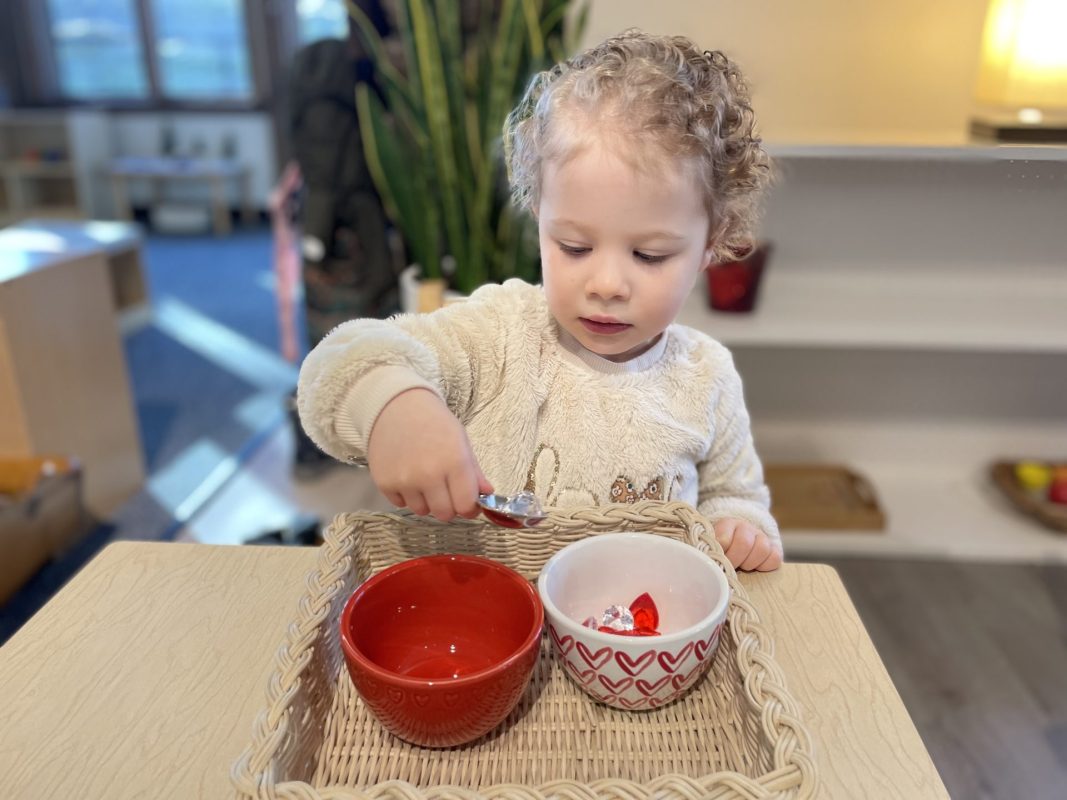
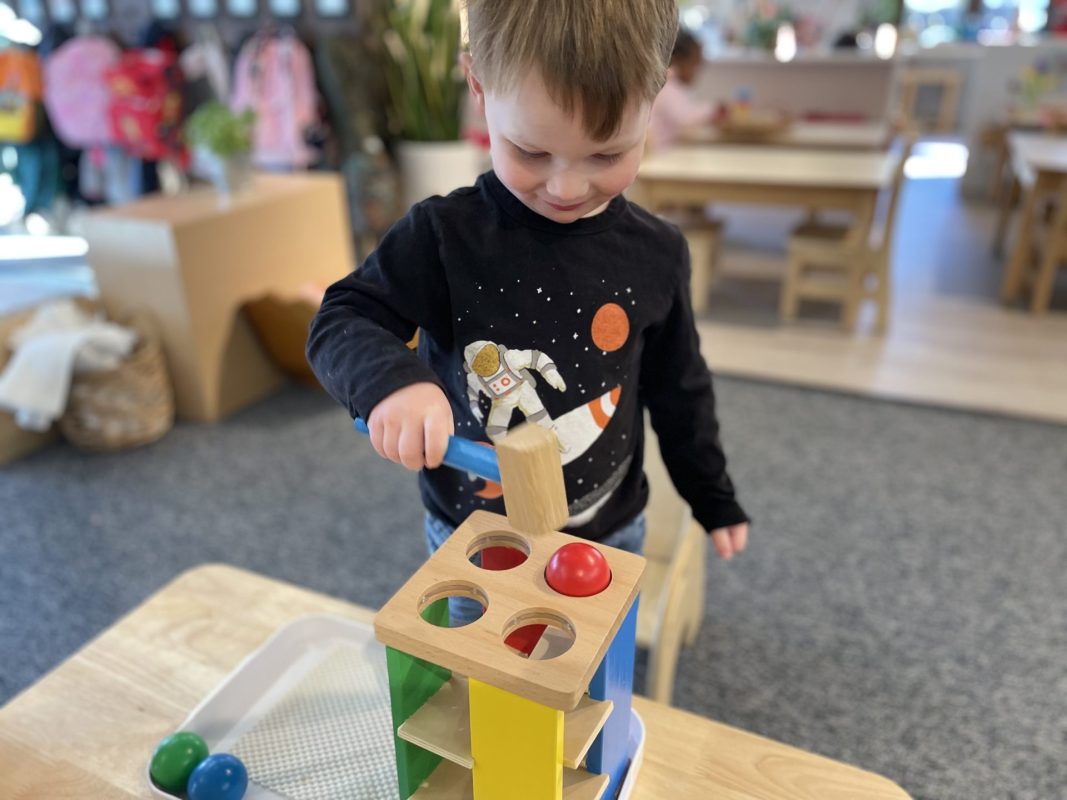
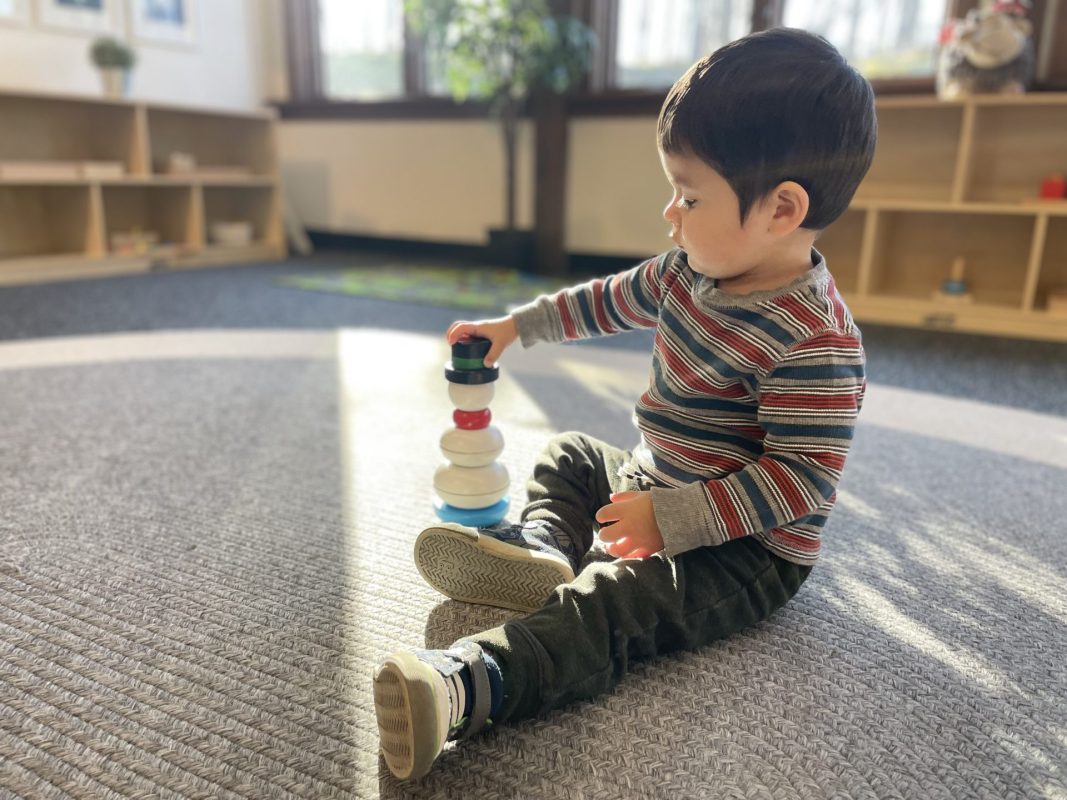
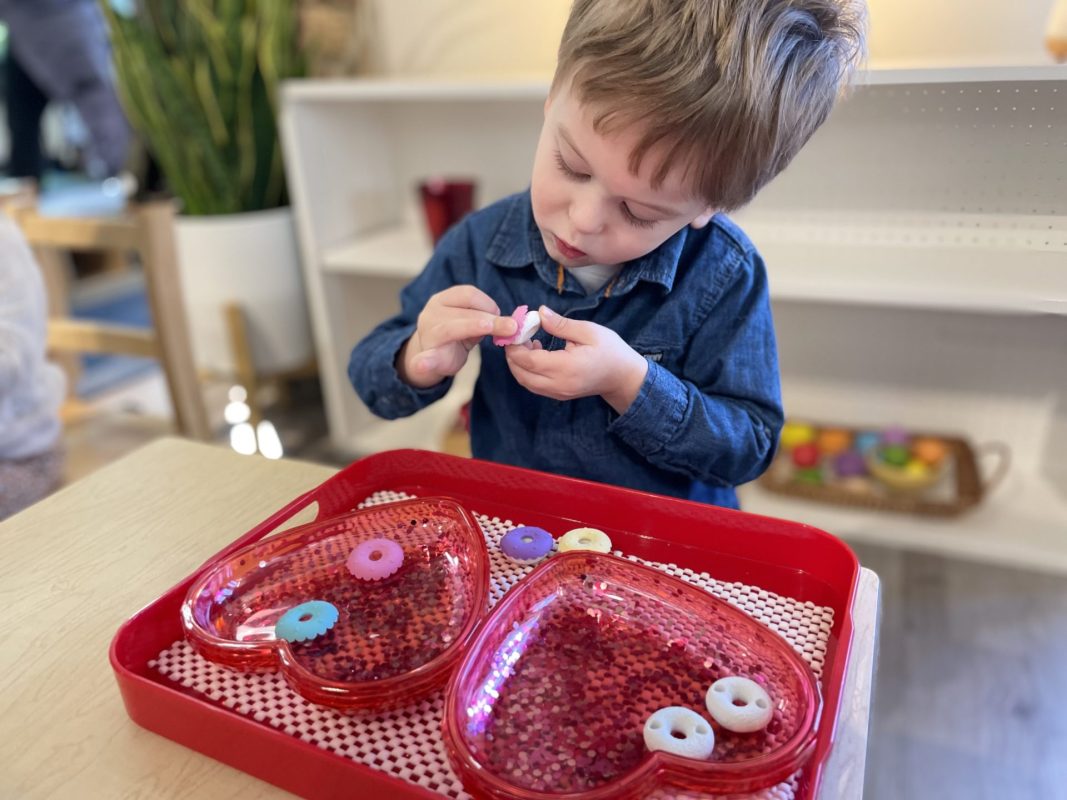
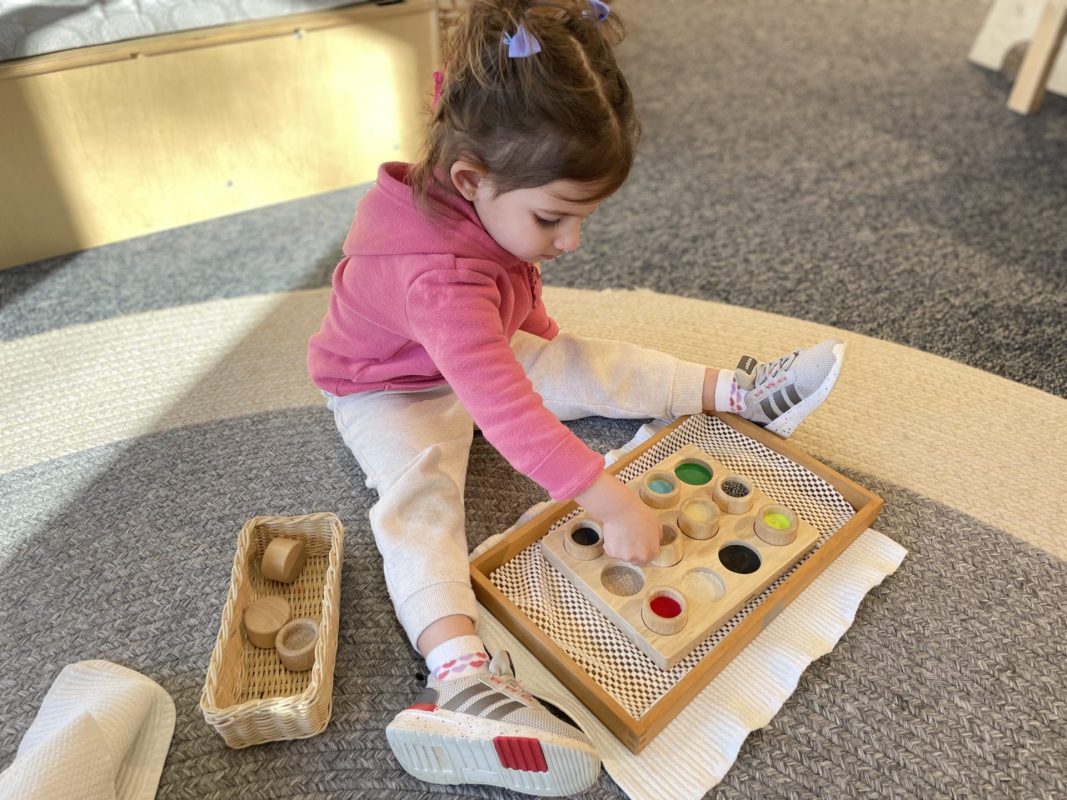
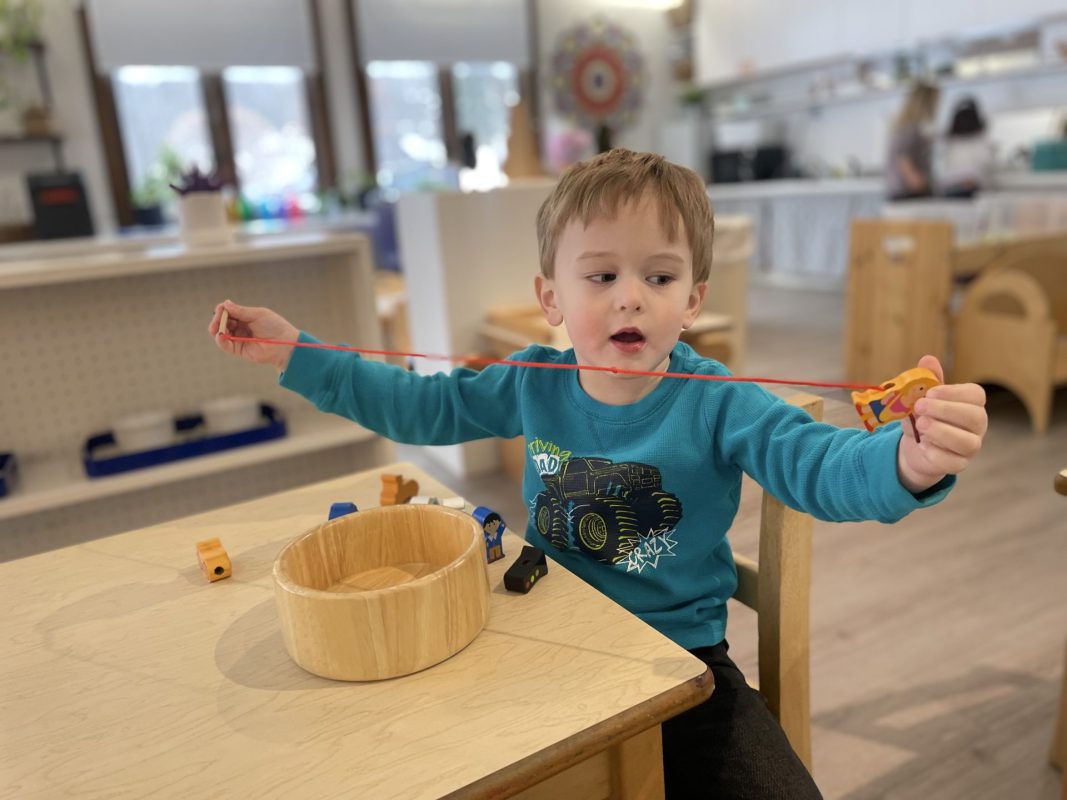
Based on our observations, this is just ONE of the many works your child seems VERY attracted to lately and enjoys repeating:

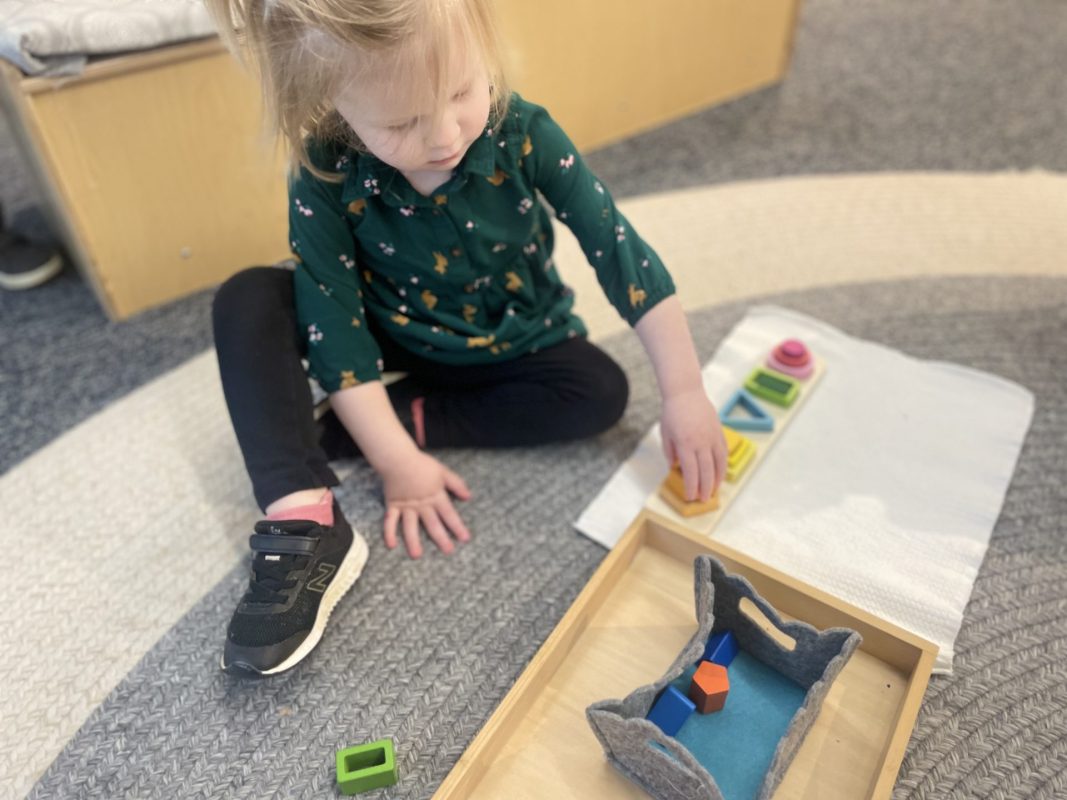
Amelia- Shapes board

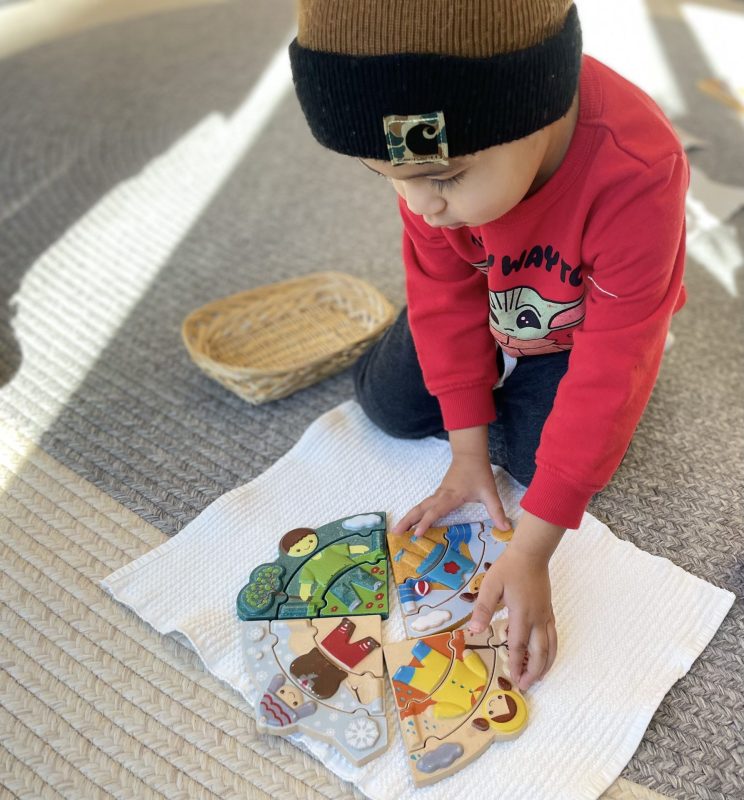
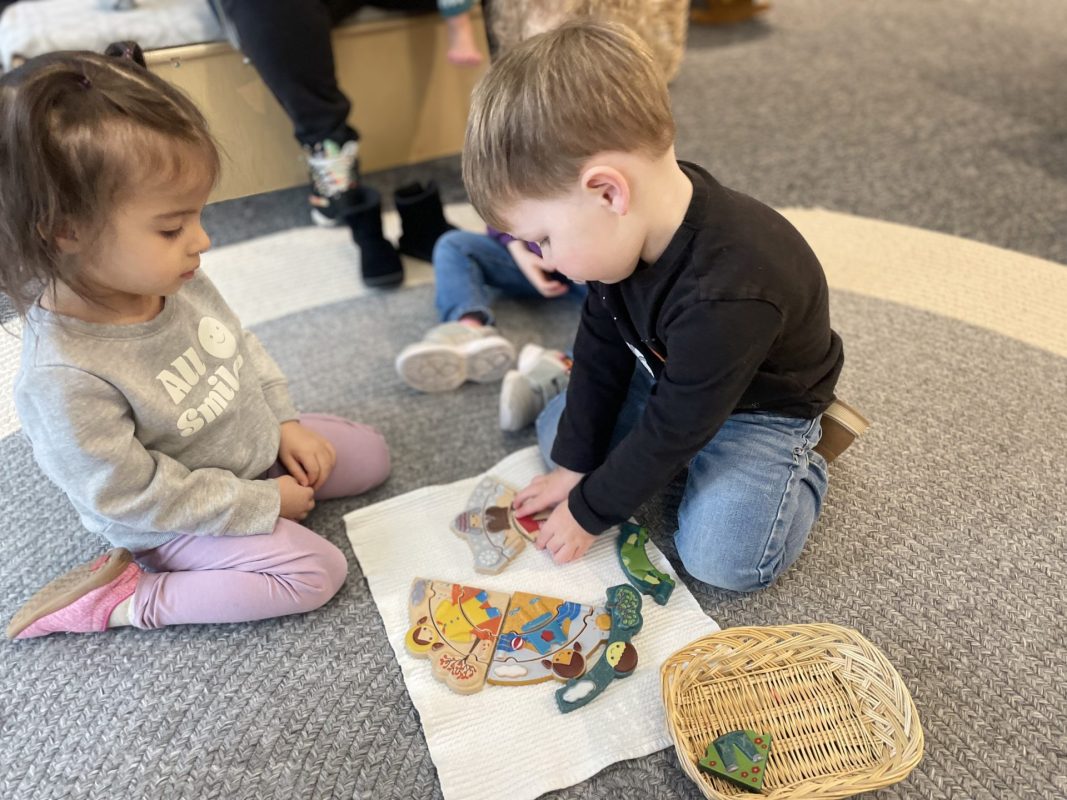
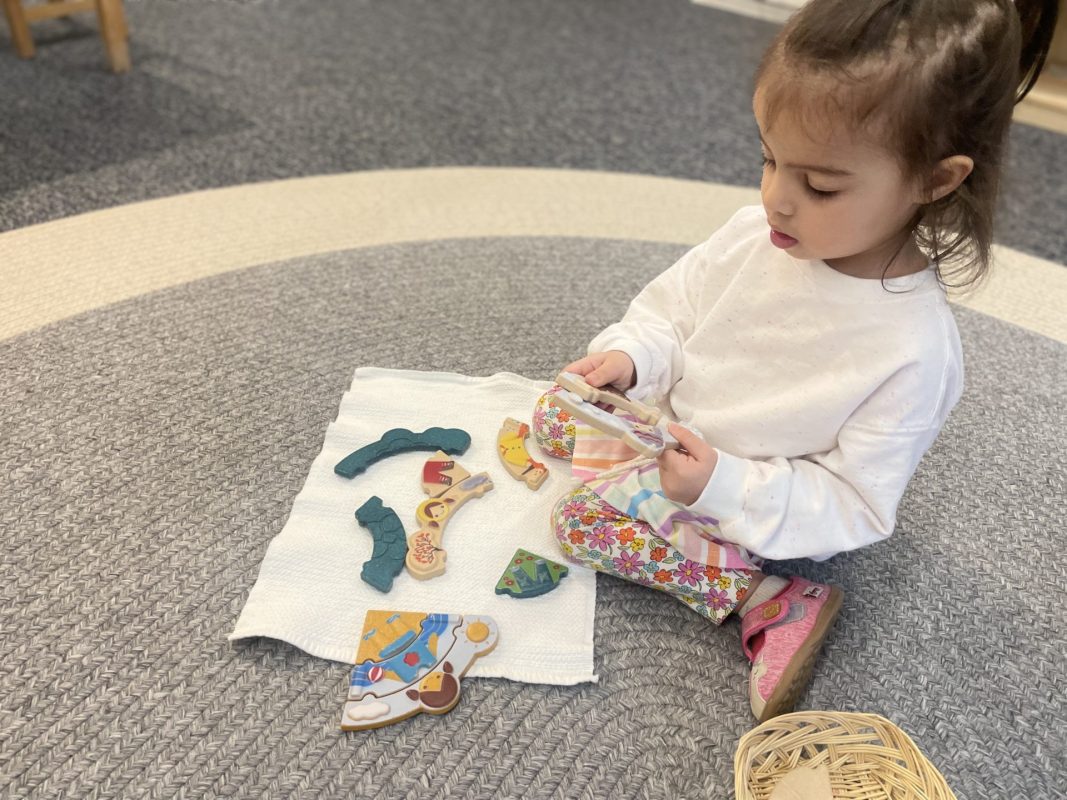
Anaya- The seasons puzzle

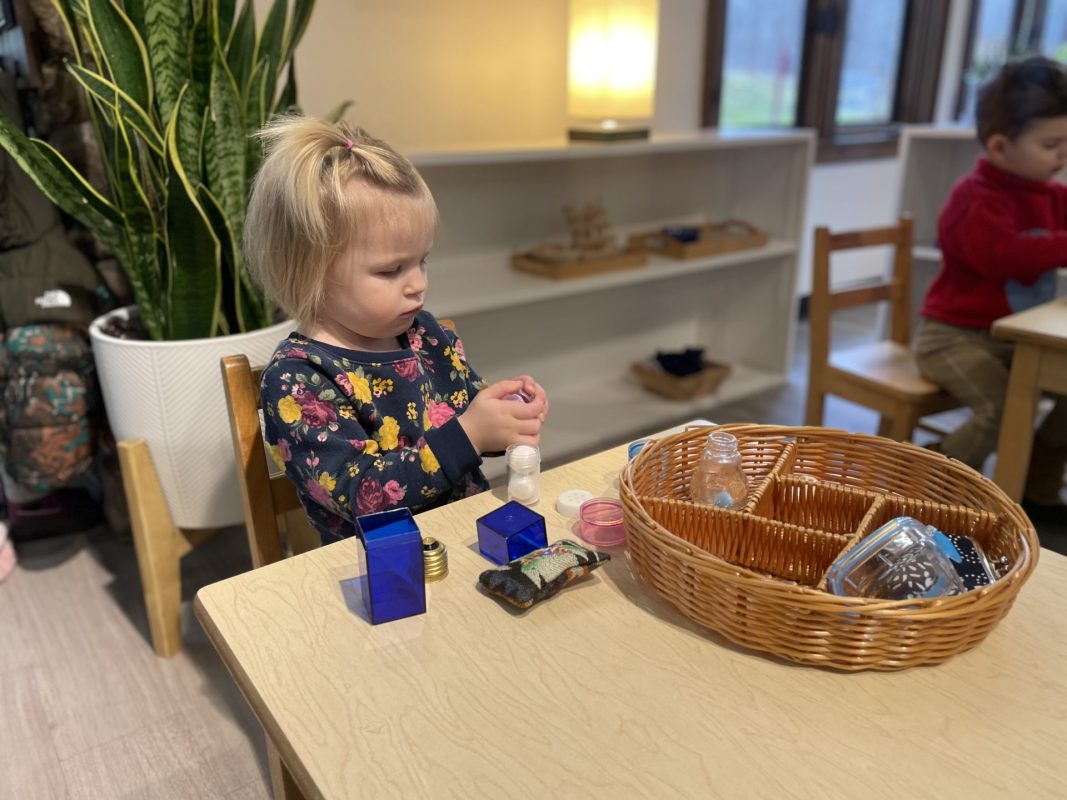
Avery- Opening and closing containers

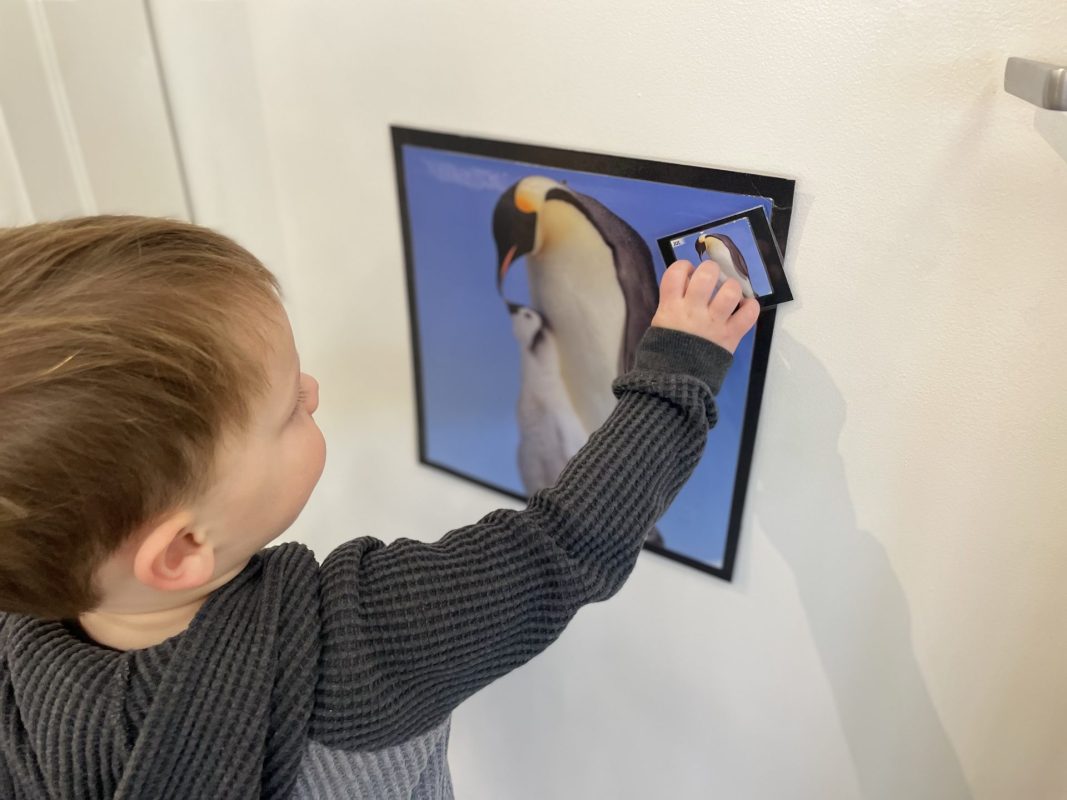
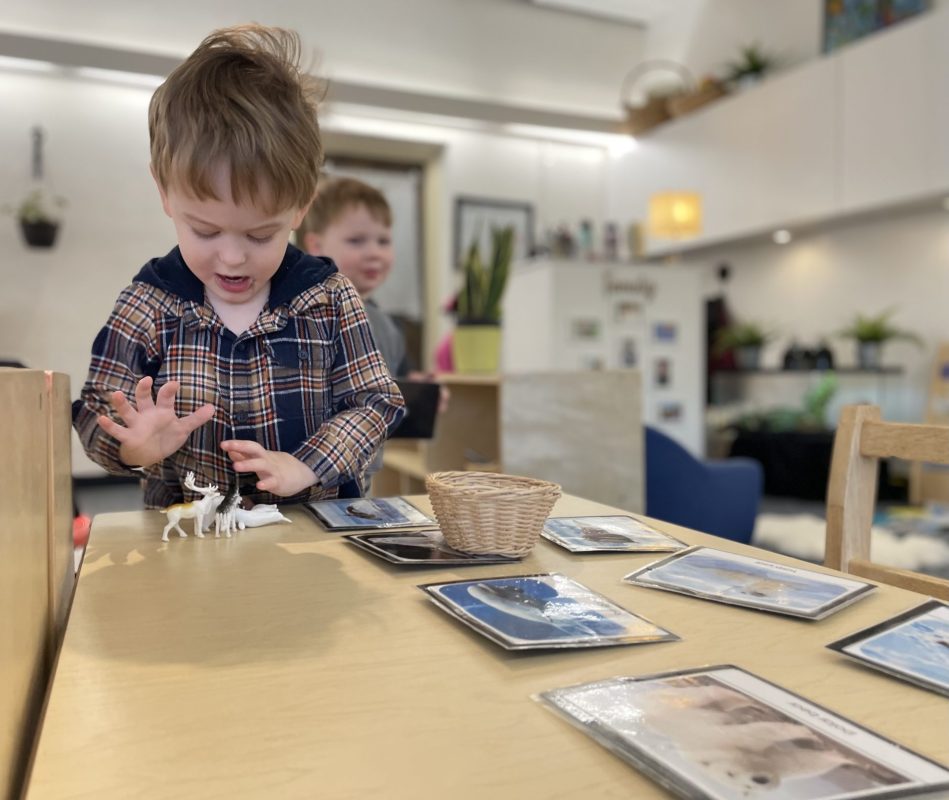
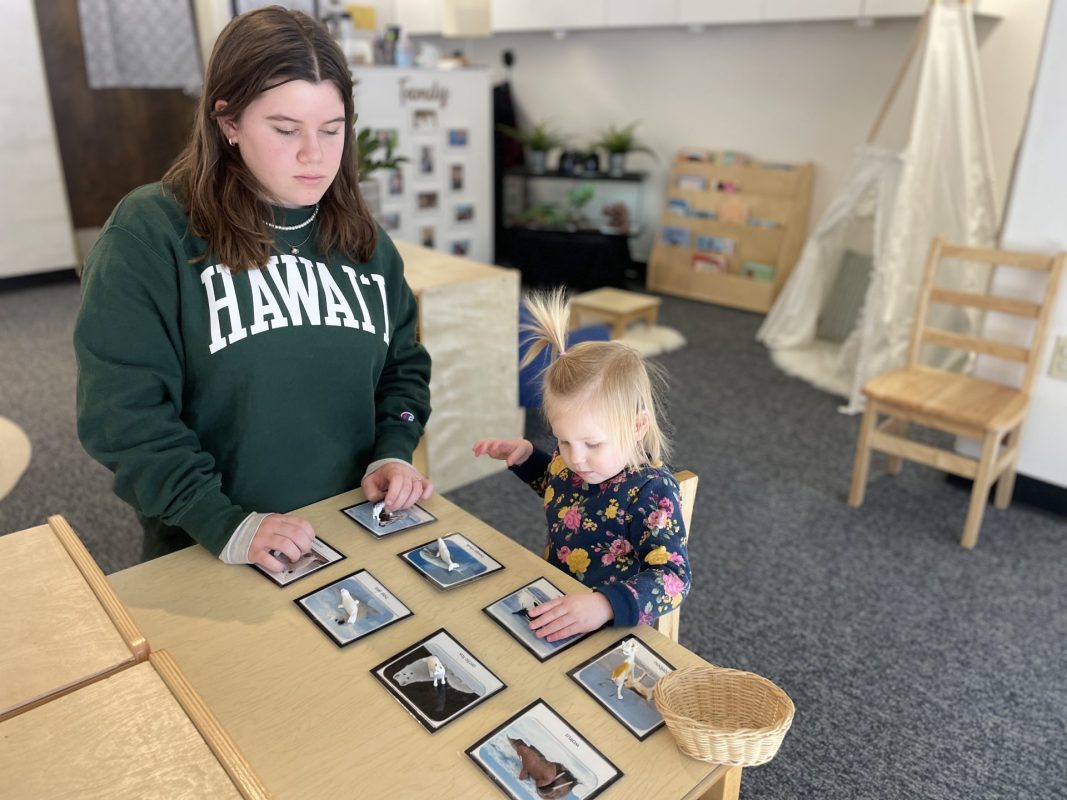
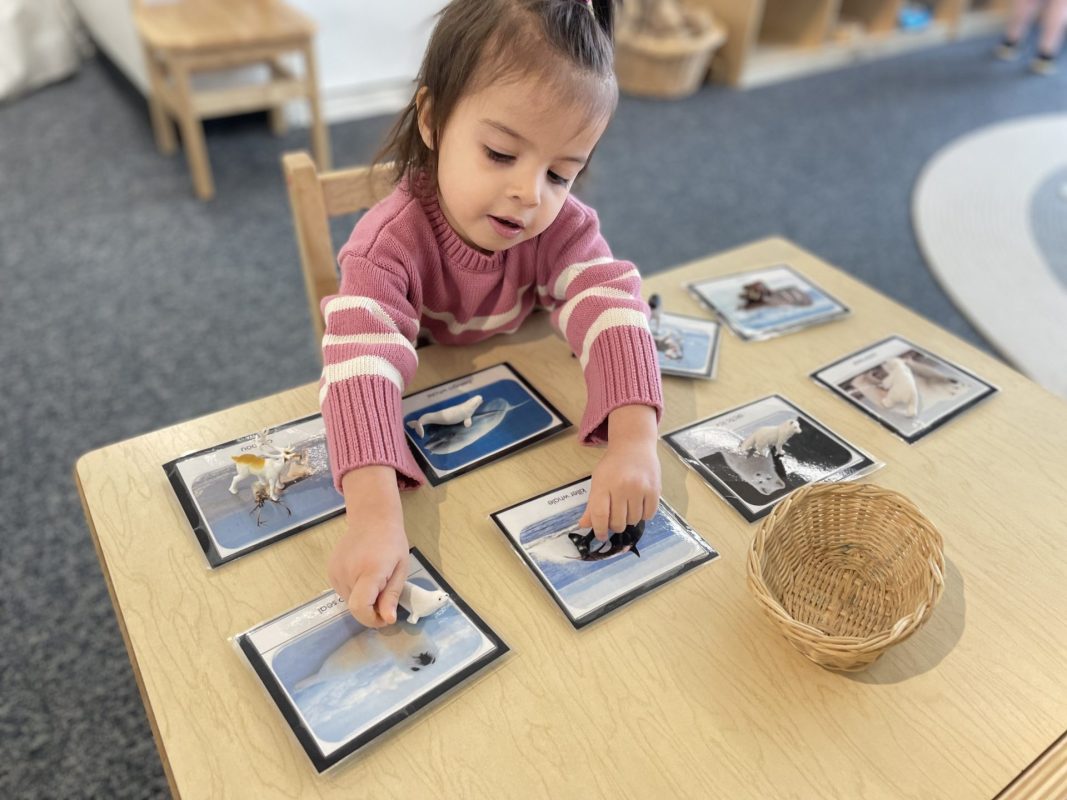
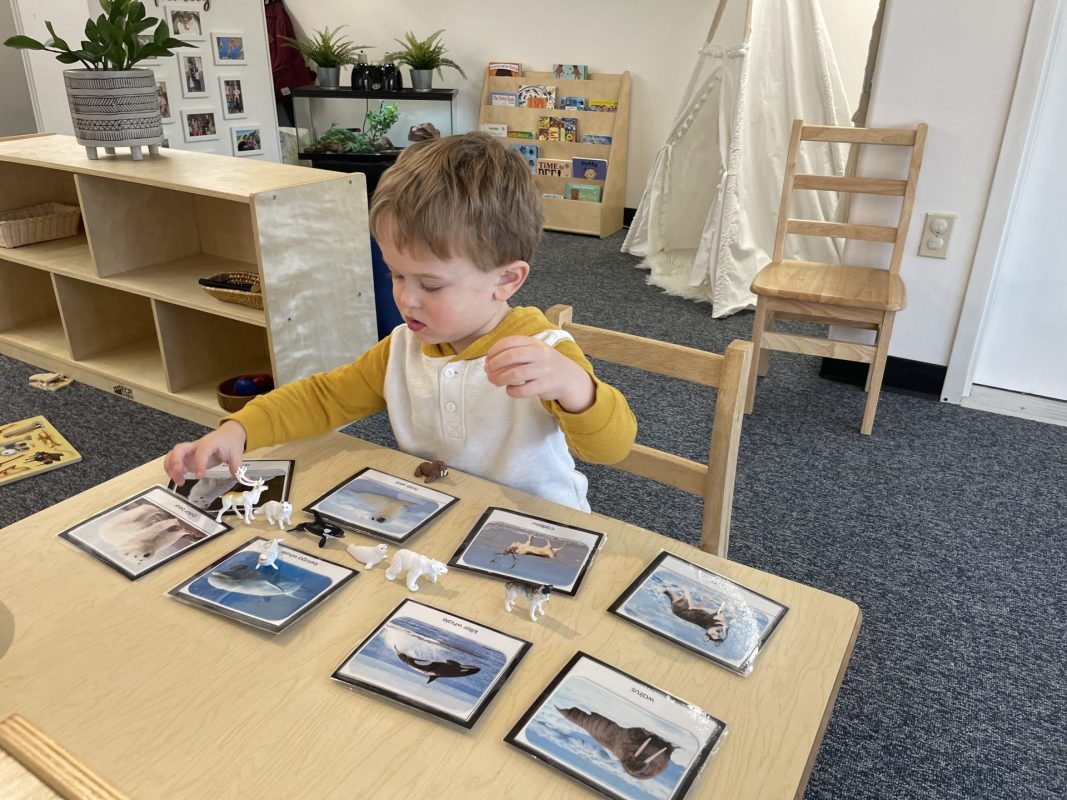
Alexander- Arctic animals matching

Connor- The seasons puzzle

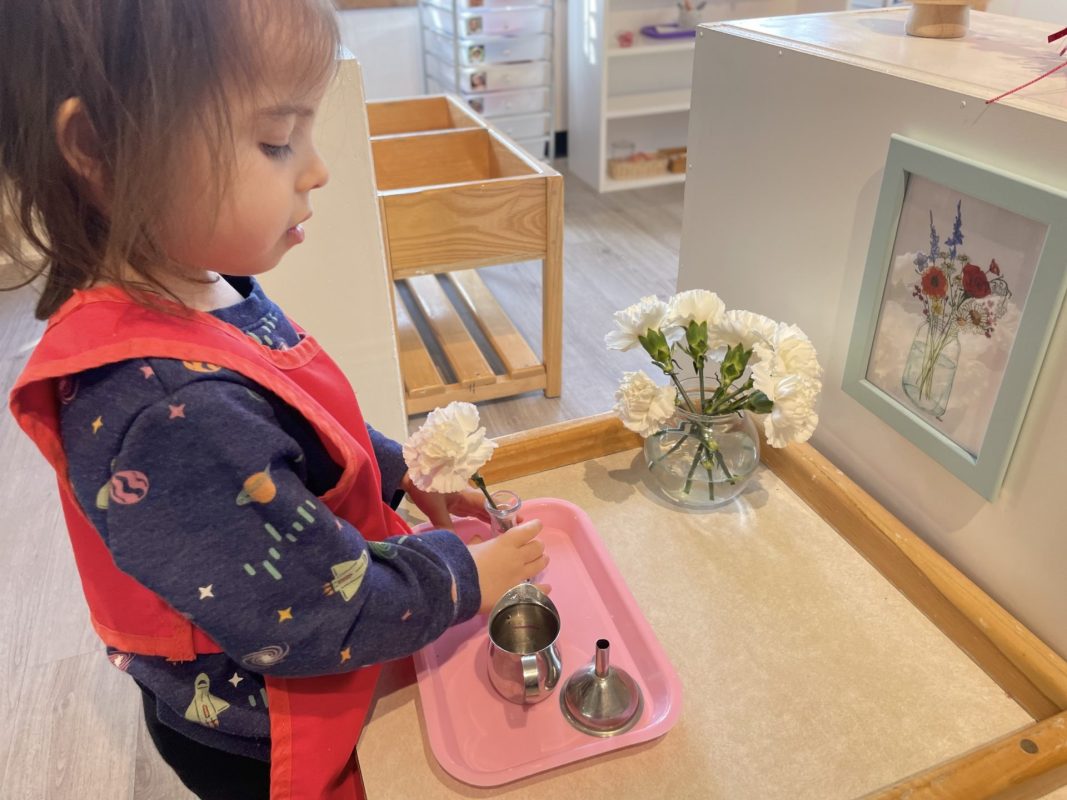
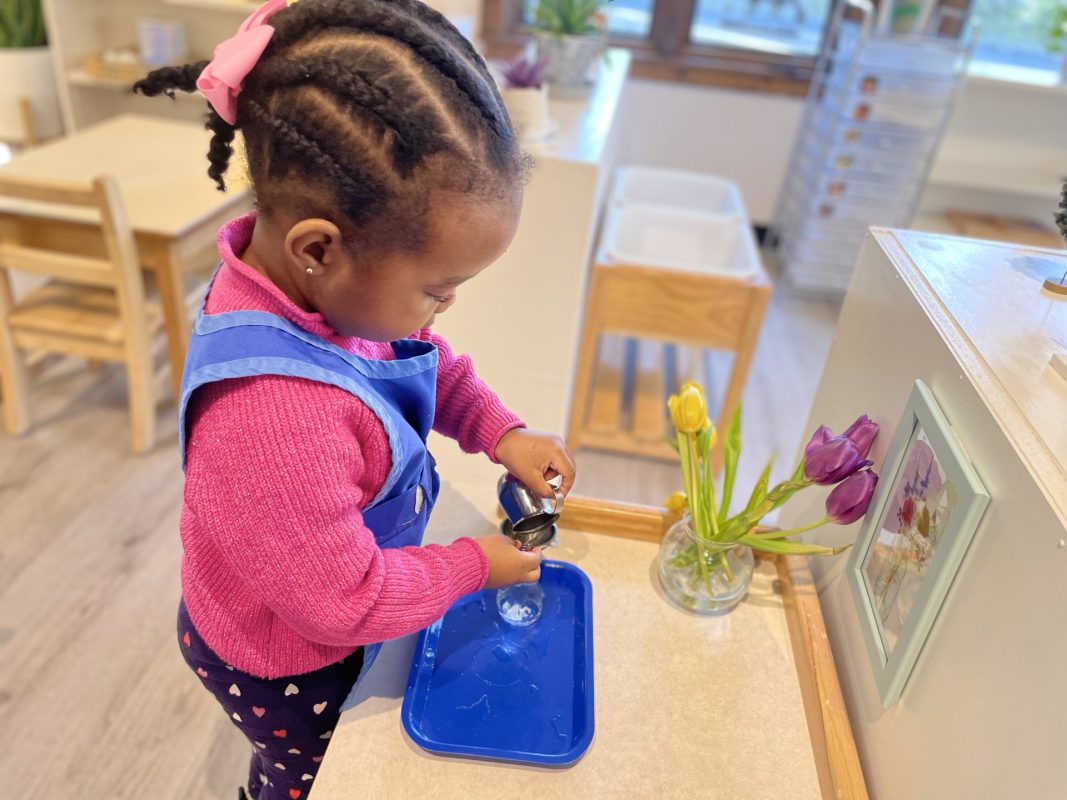
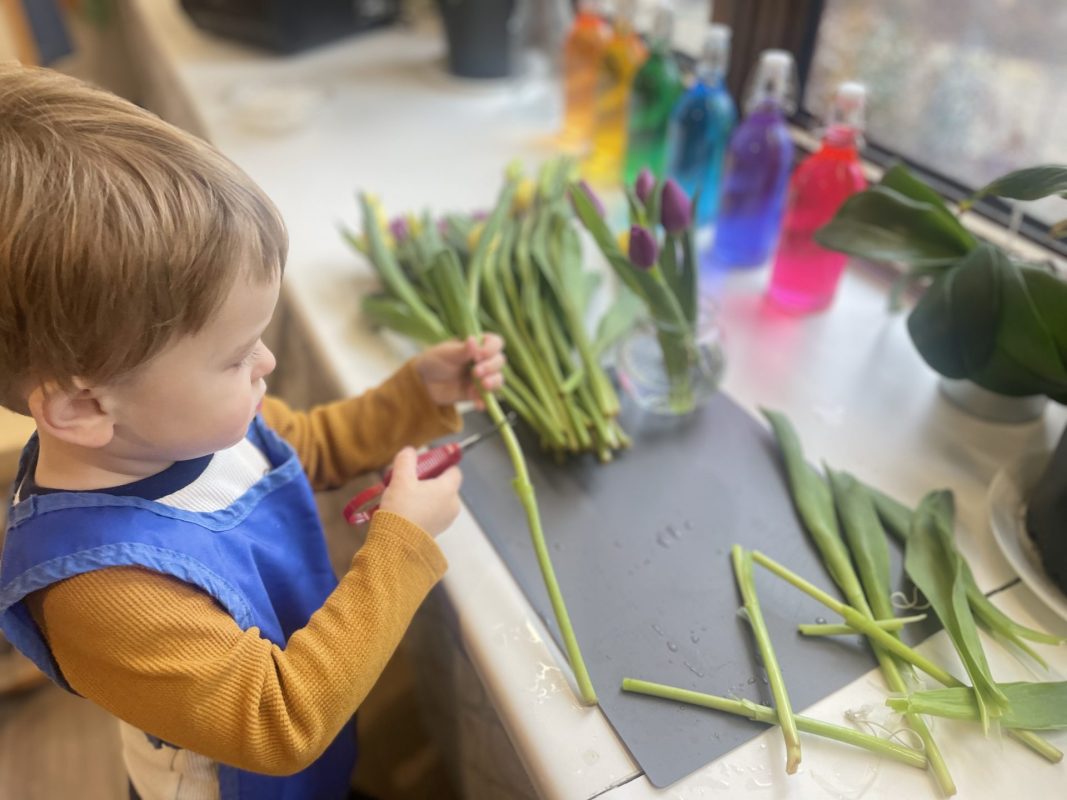
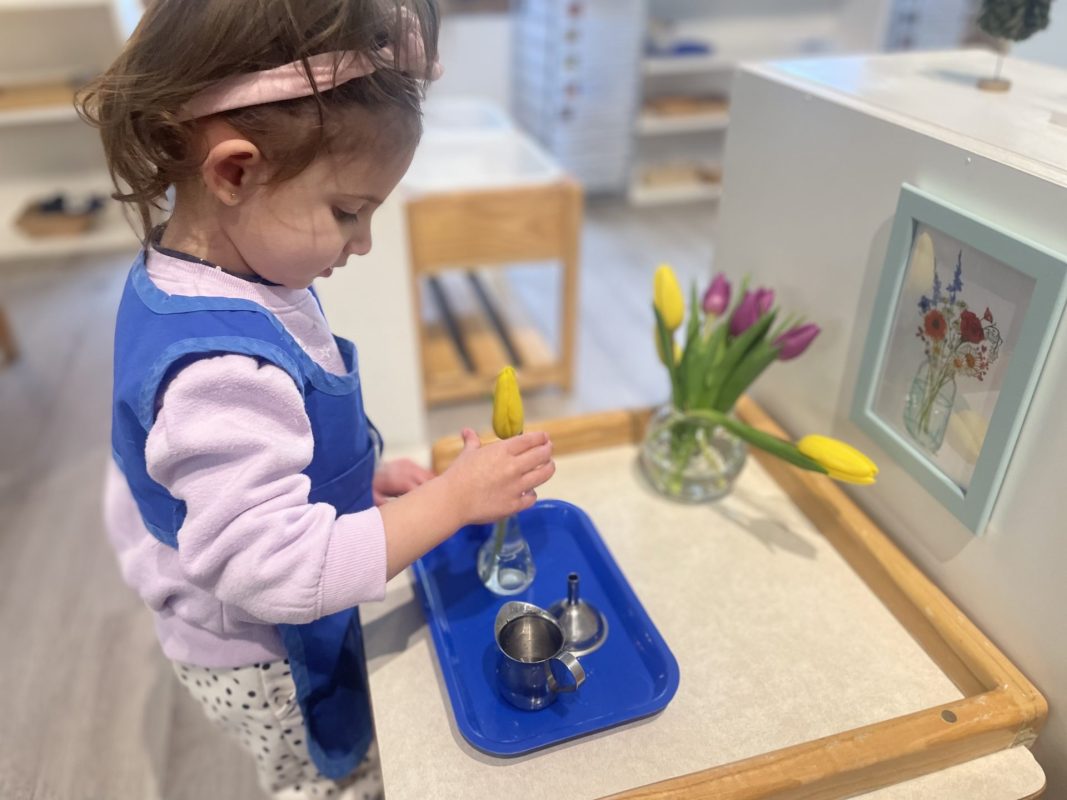
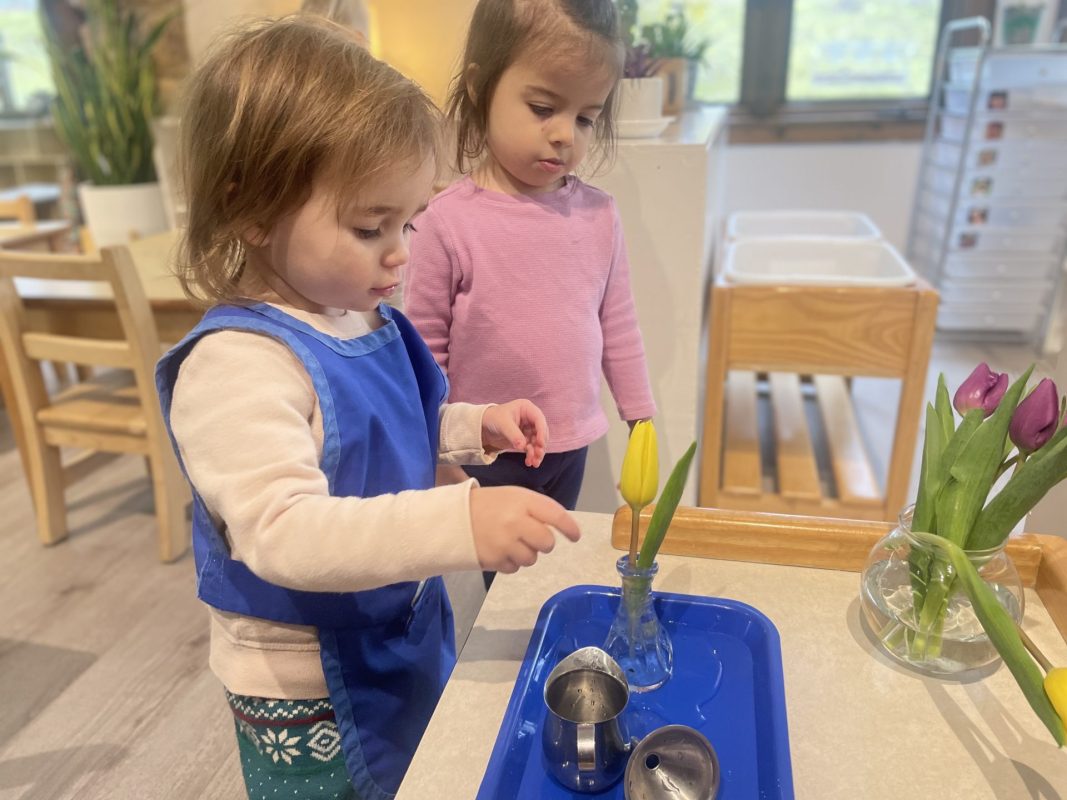
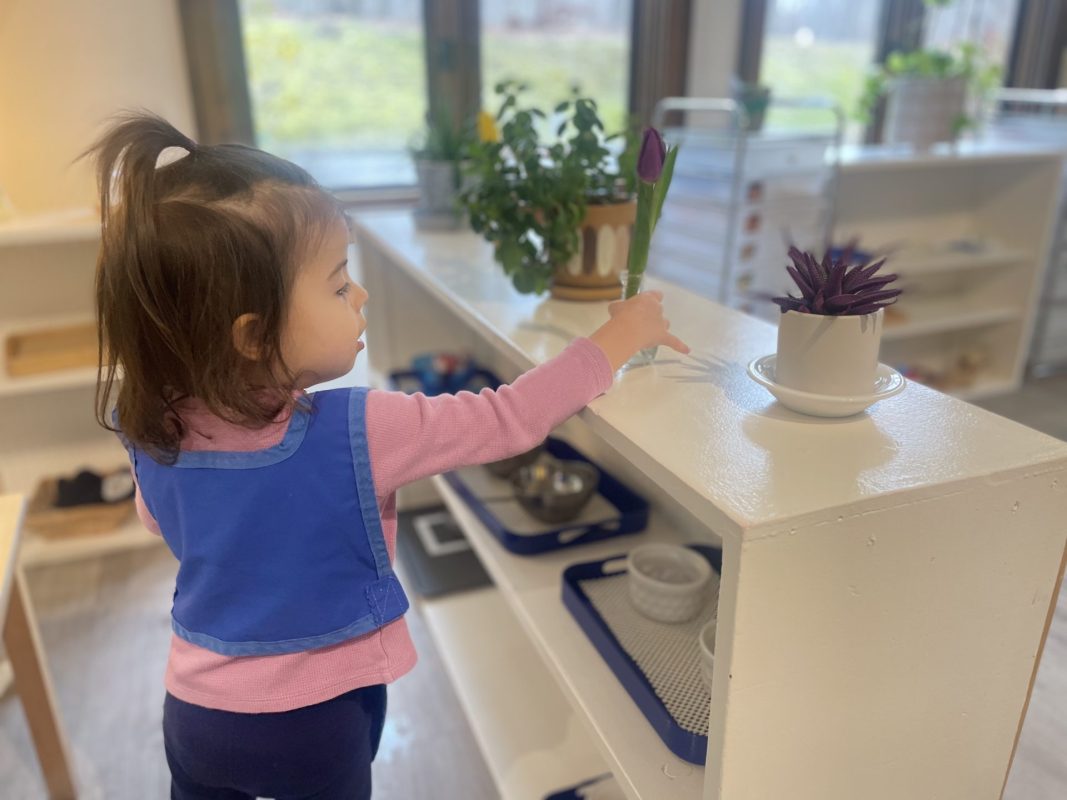
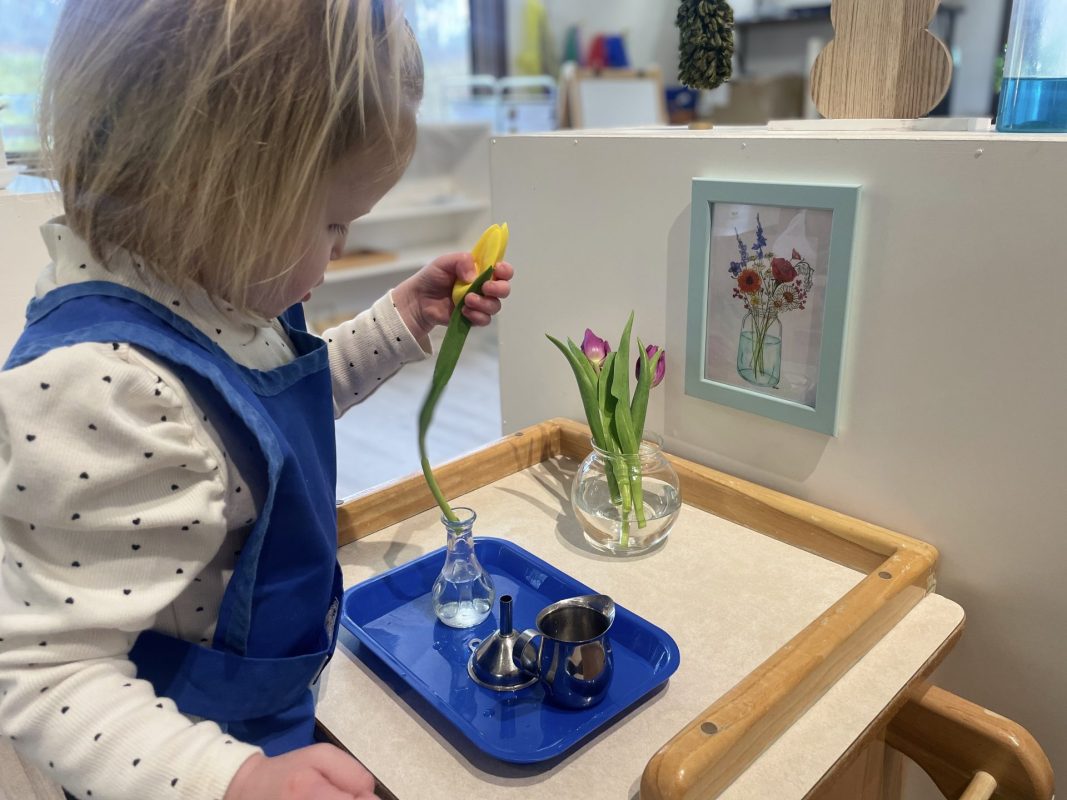
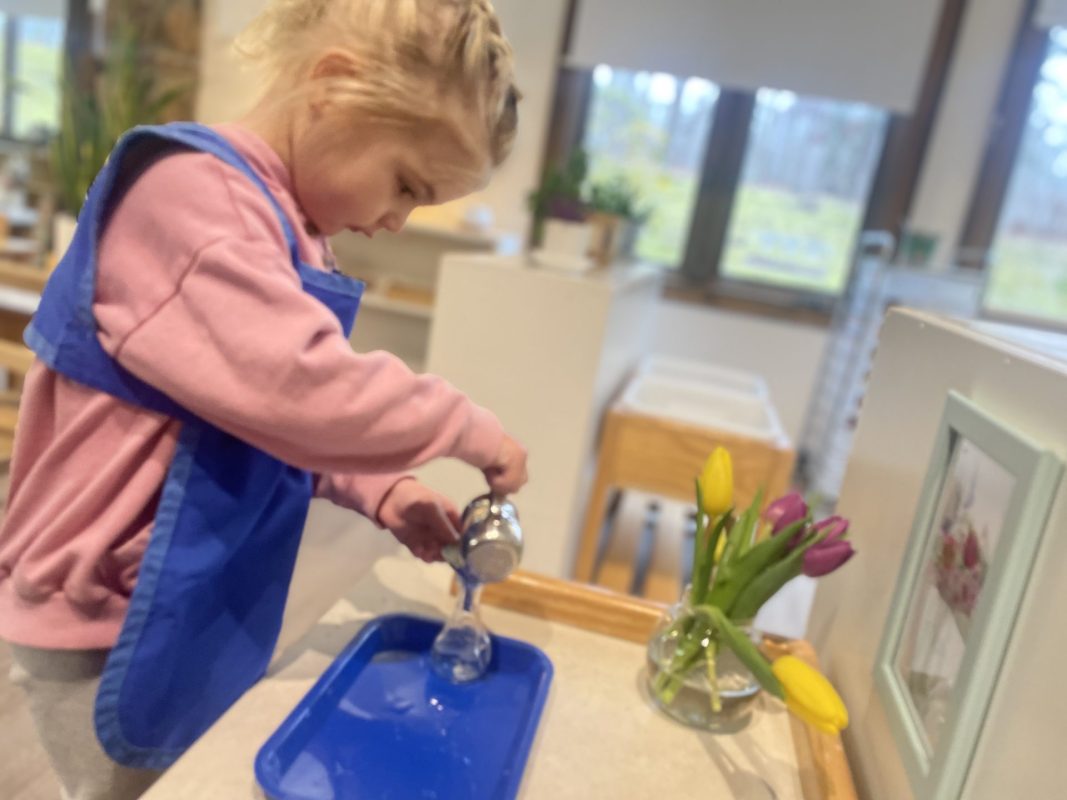
Divya- Flower arrangement

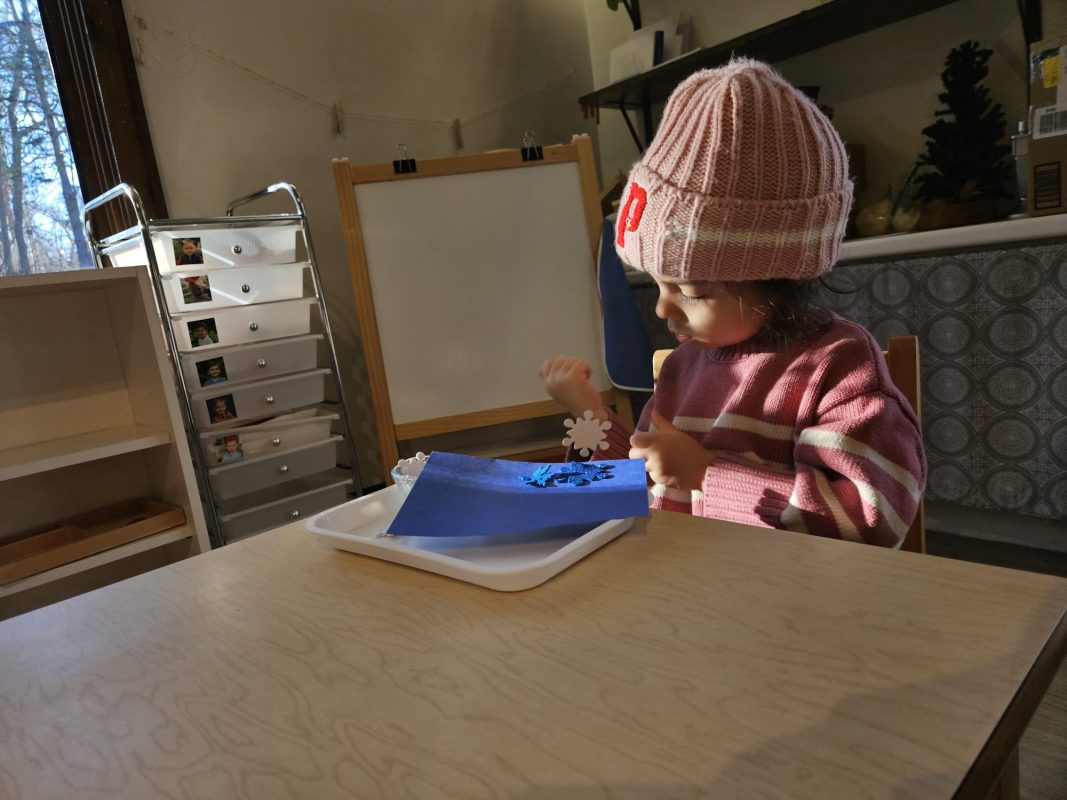
Emma- Snowflake stickers

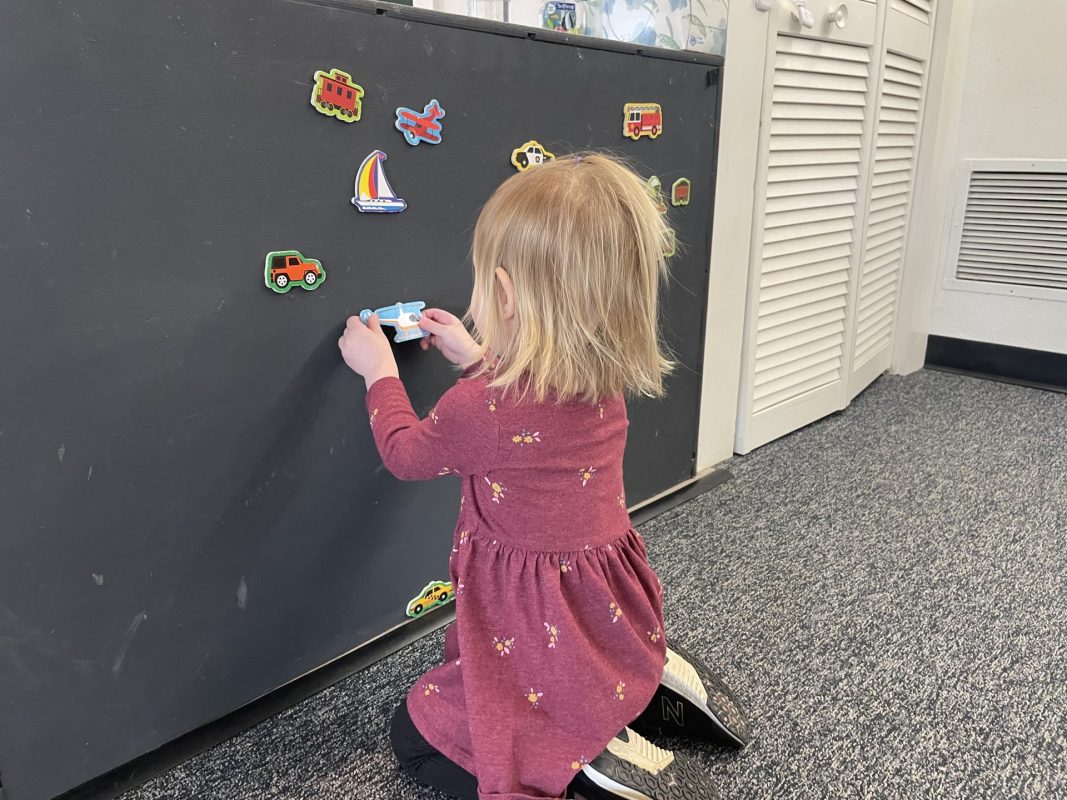
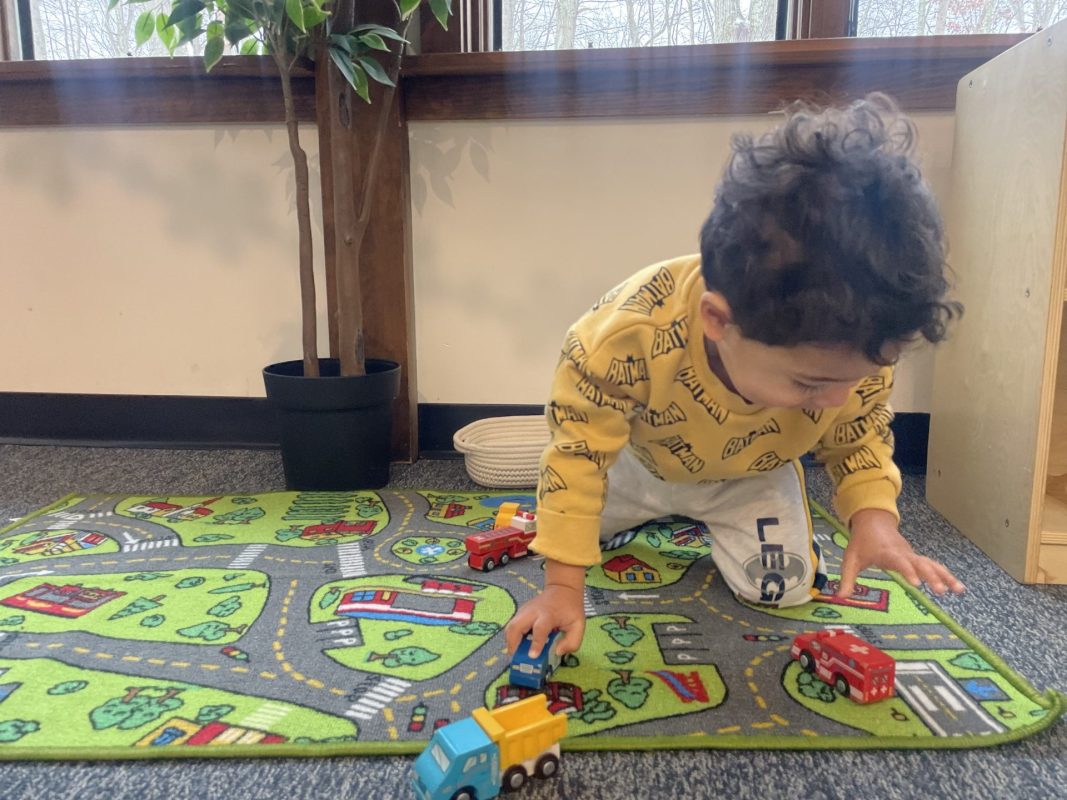
John- Naming and exploring vehicles

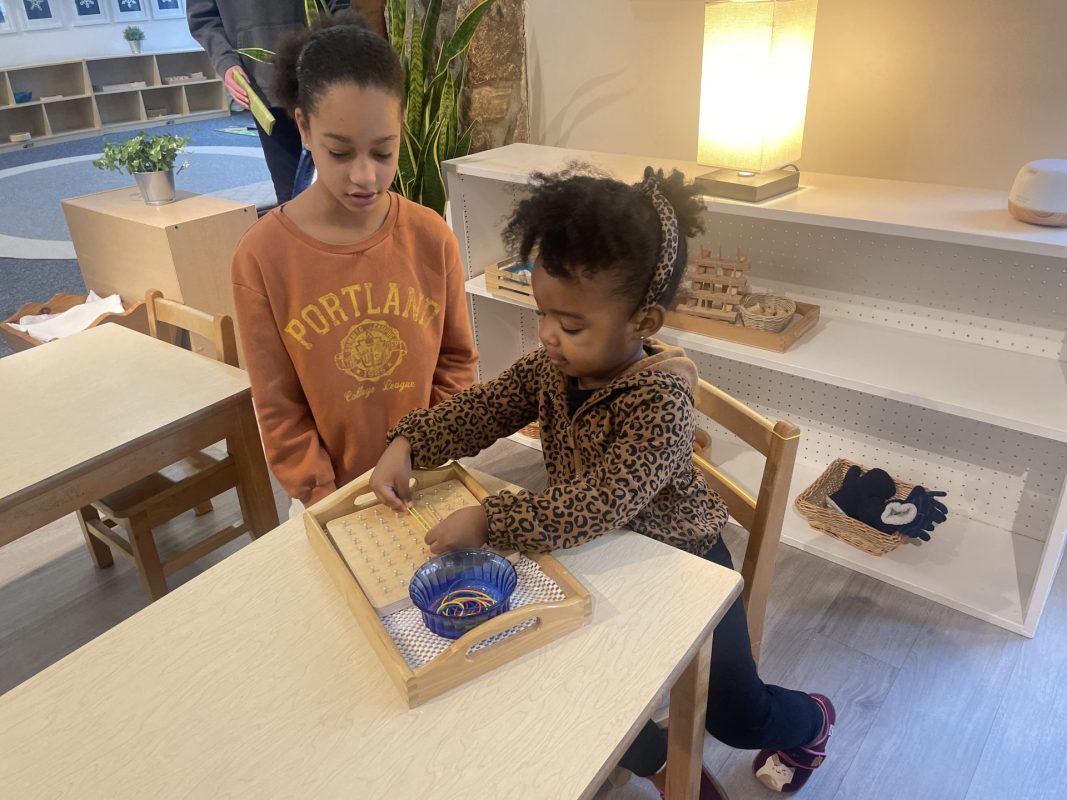
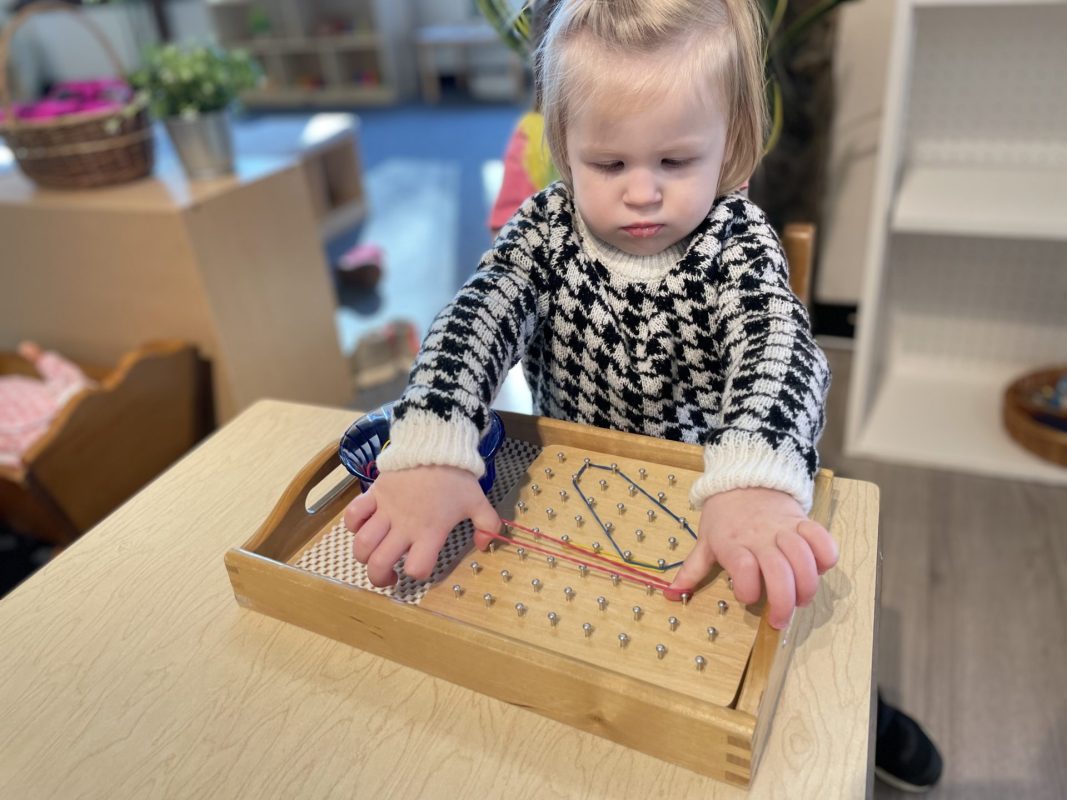
Love– Creating shapes with elastics in the Geoboard

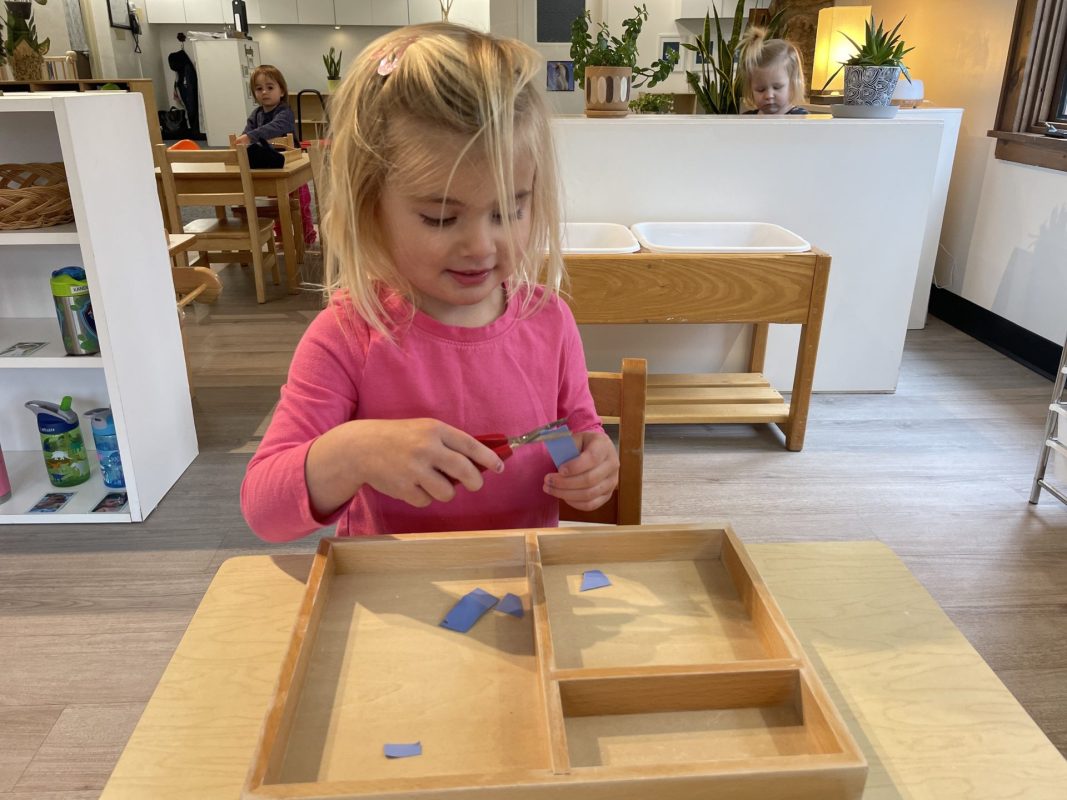
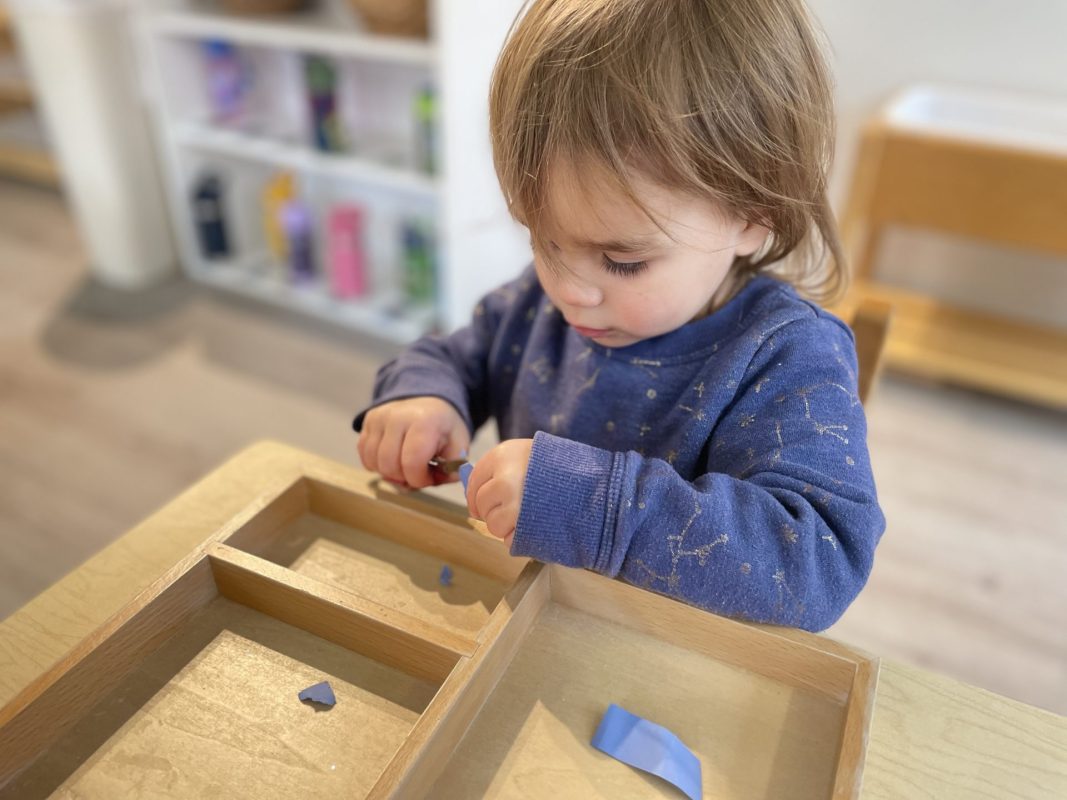
Reagan- Cutting

Zion- Exploring “I Spy” books

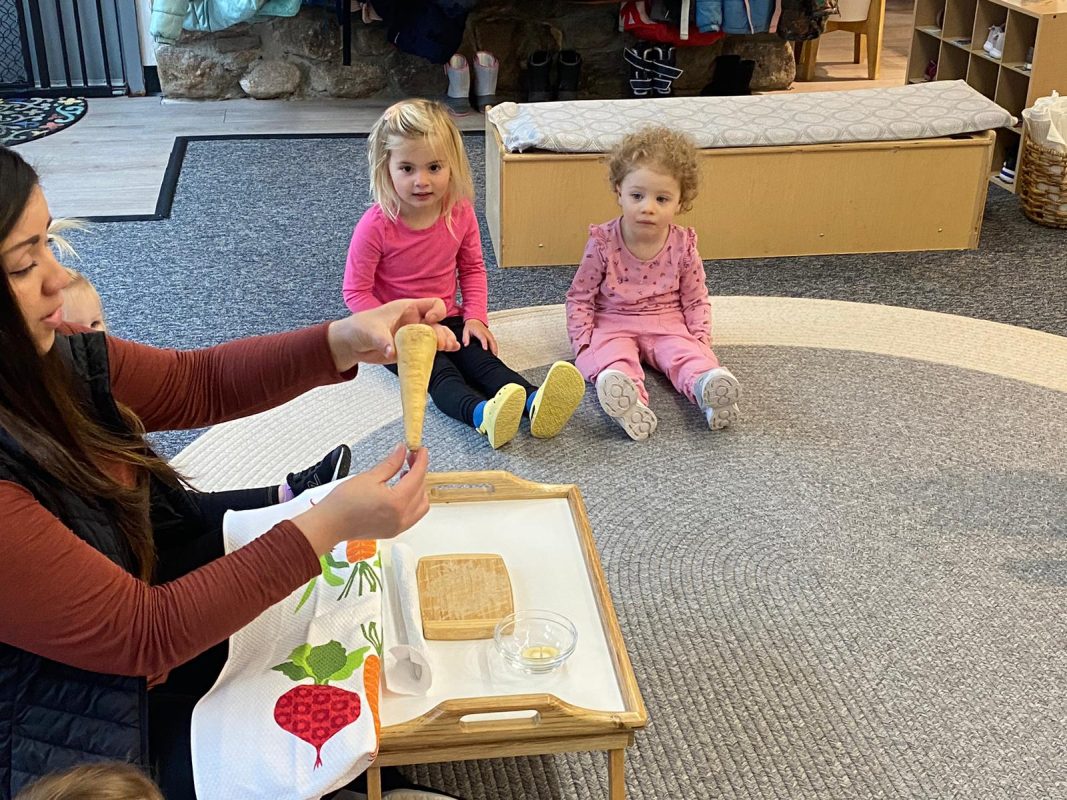
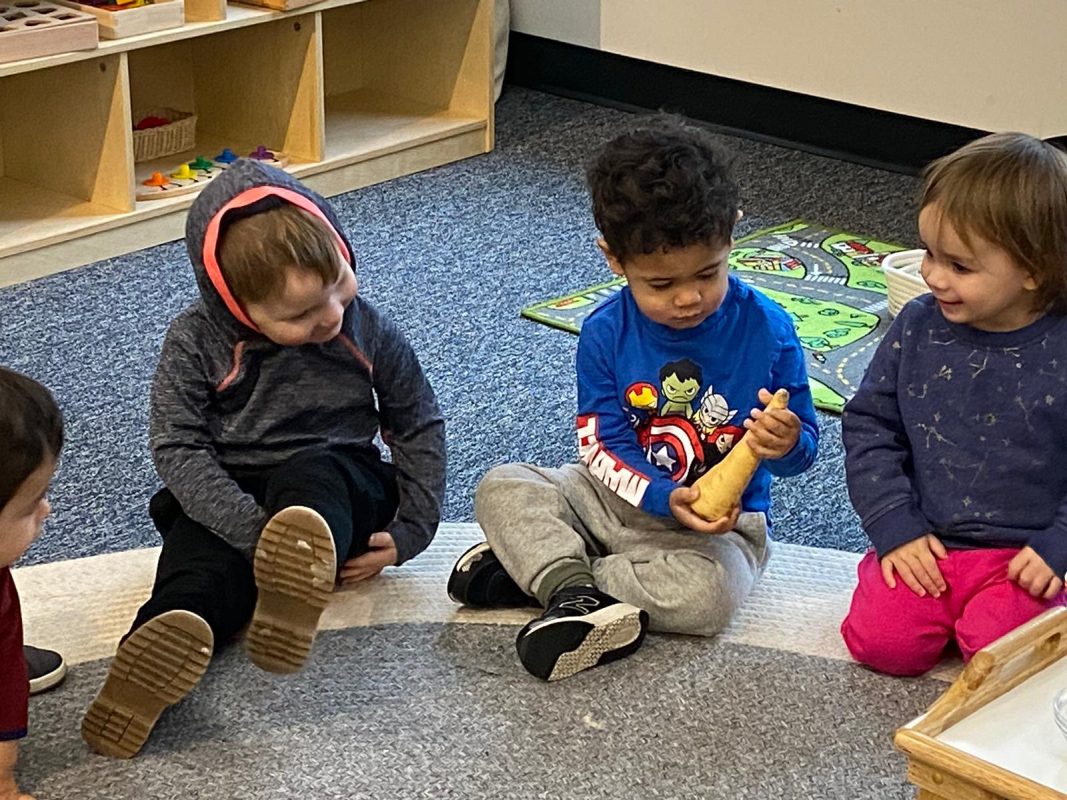
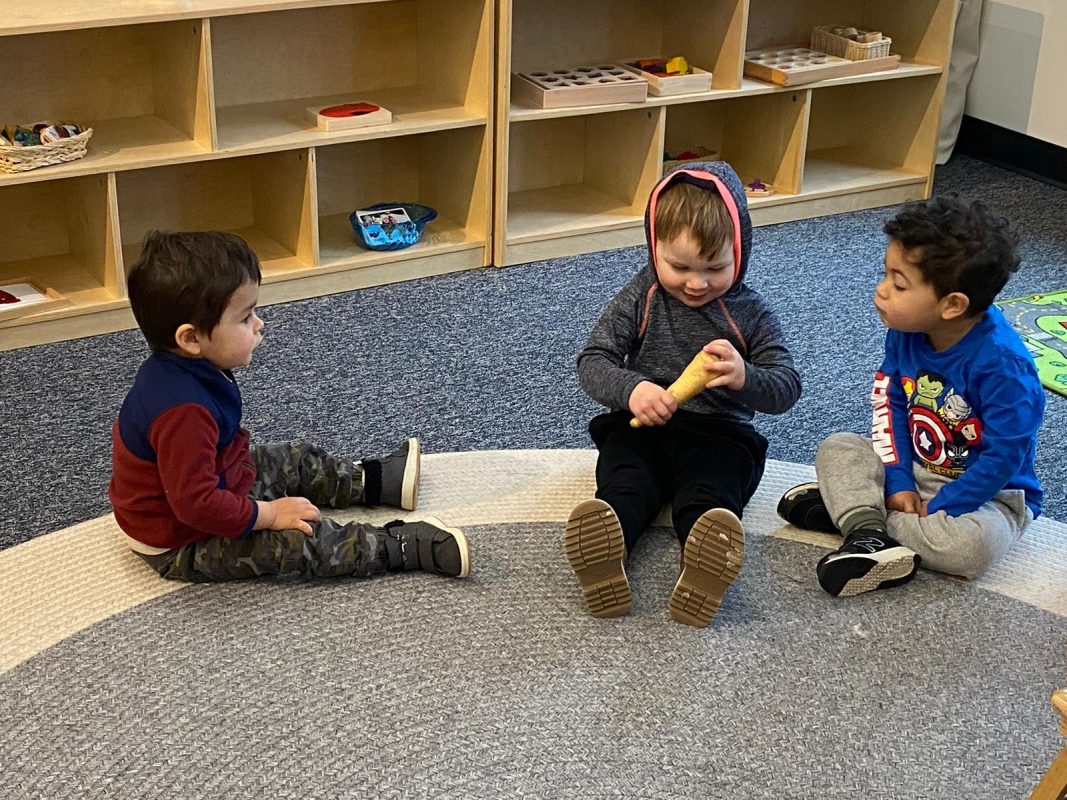
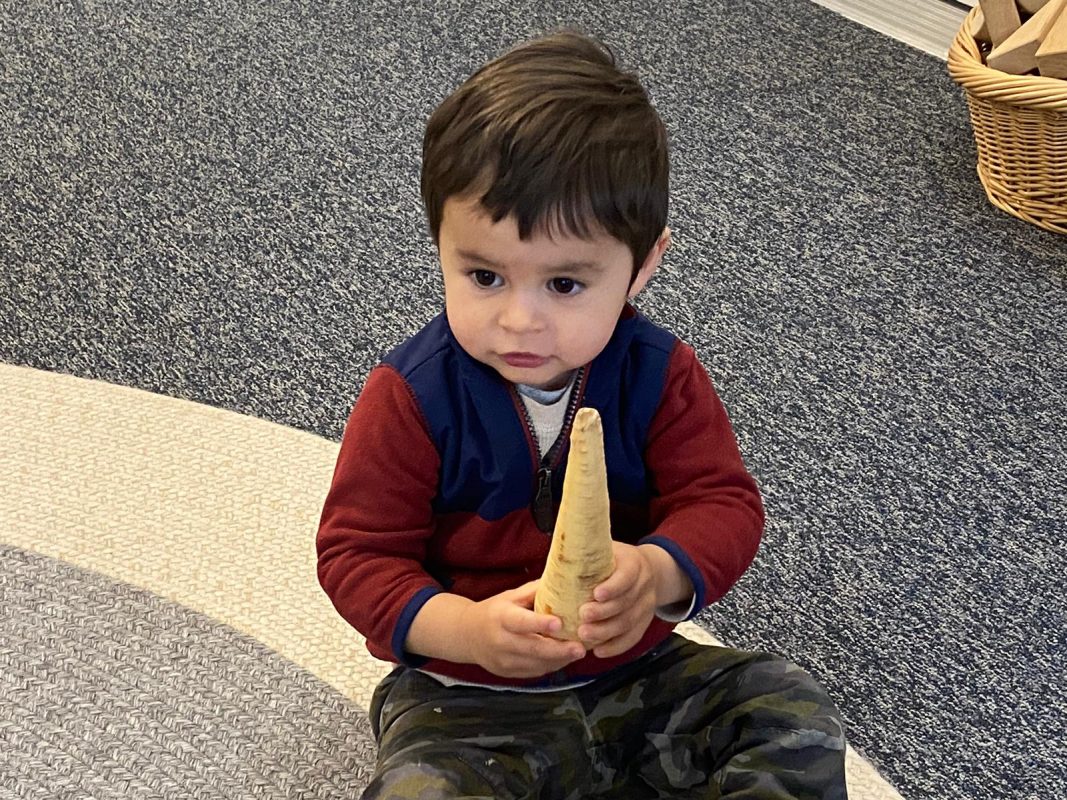
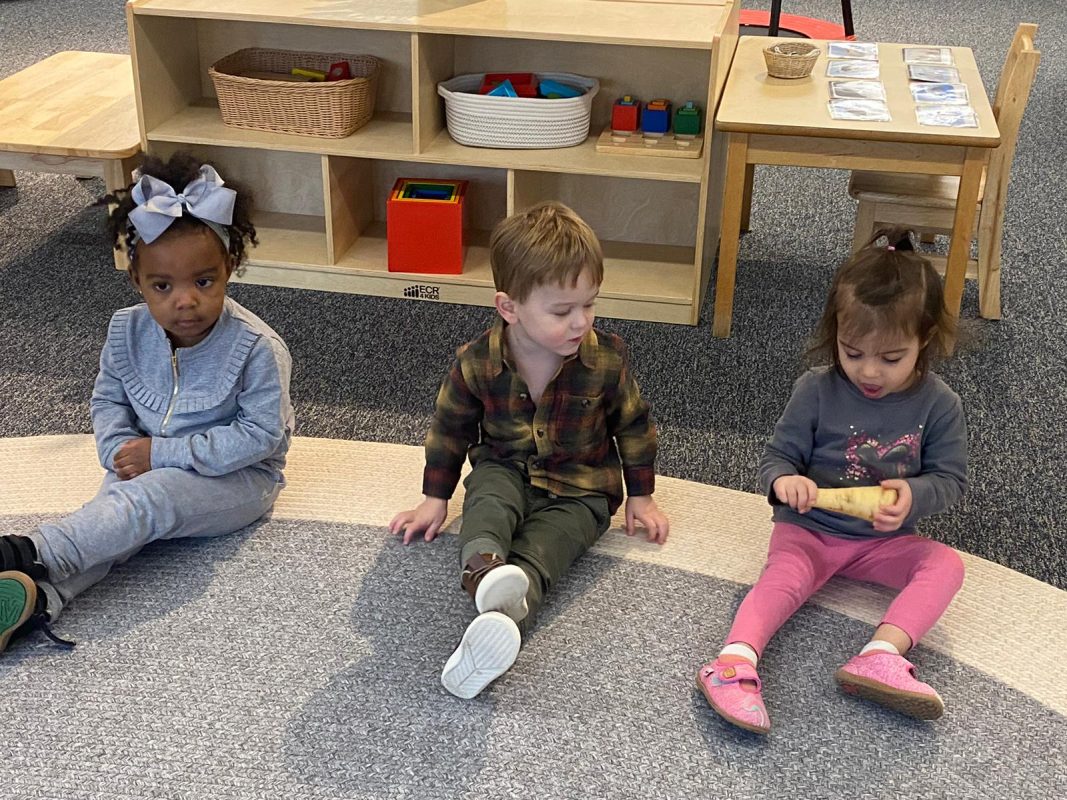
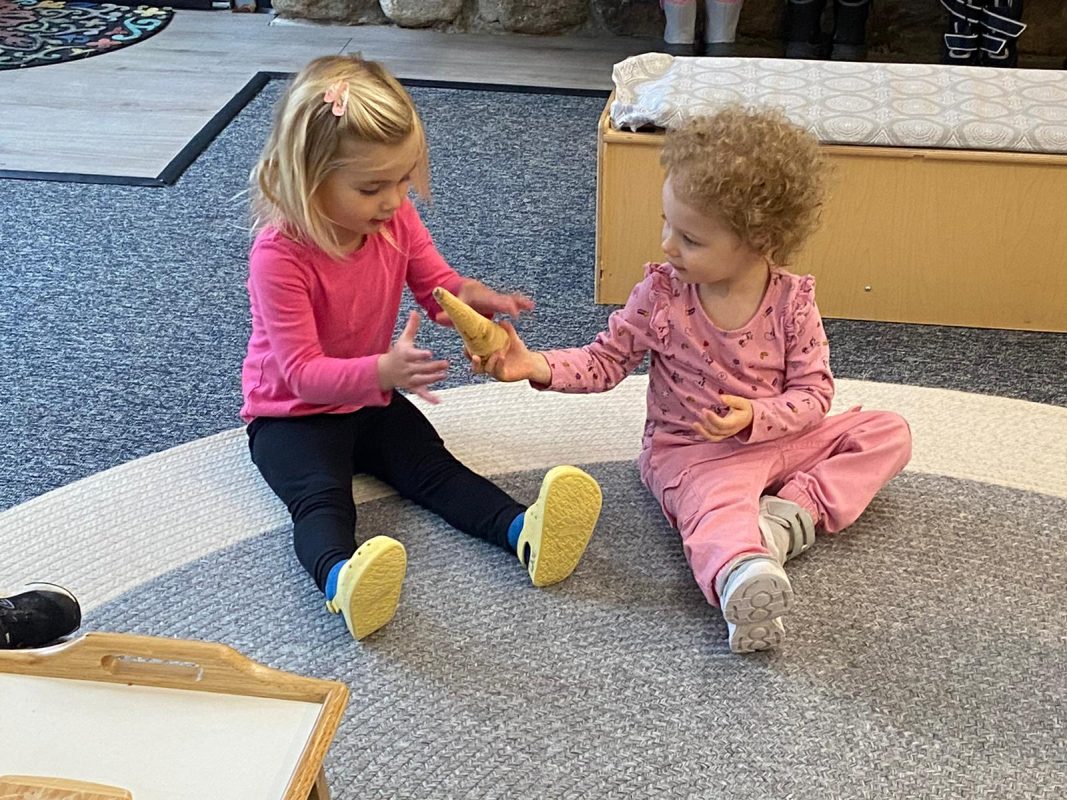
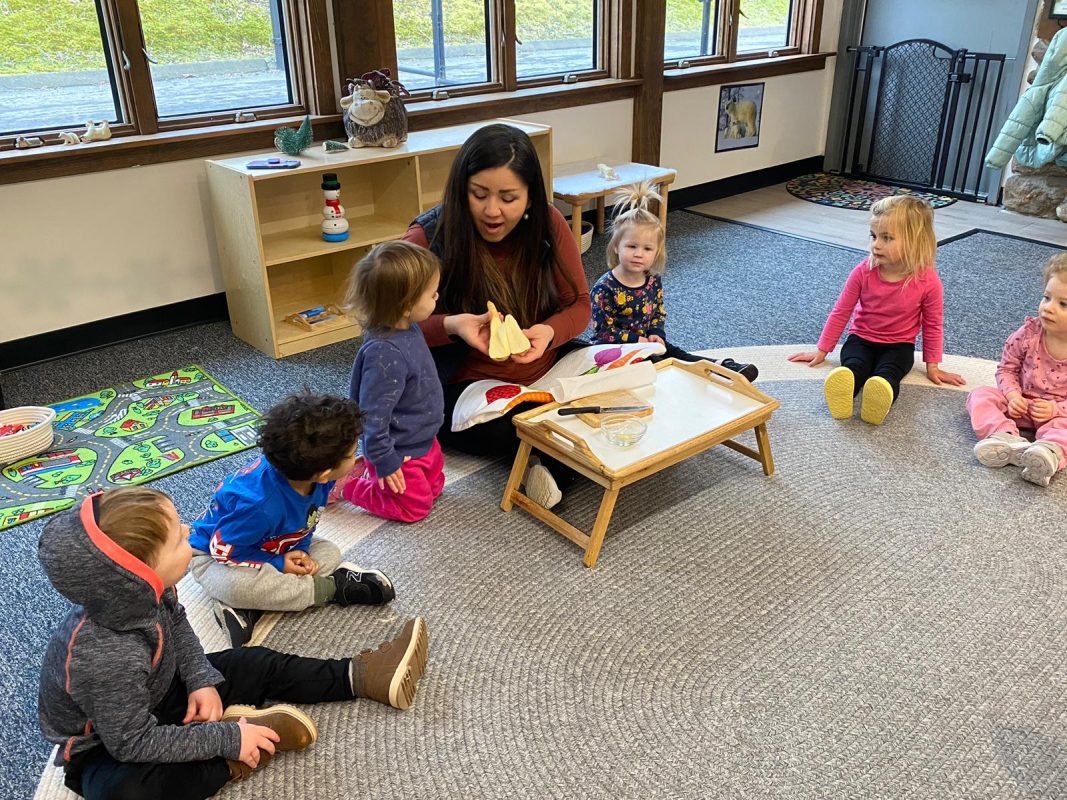
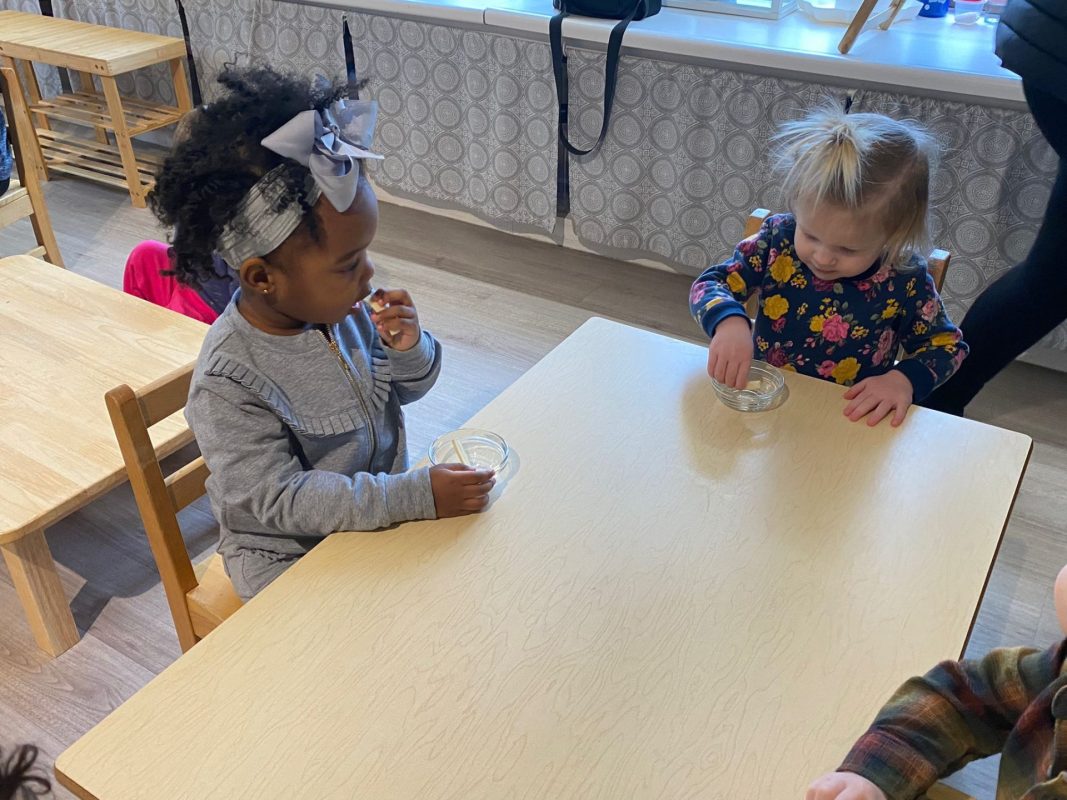
On another note, the children enjoyed exploring parsnips during our food-tasting lesson this week.

Enjoy your weekend,

Mrs. Hood and Ms. Mollie

Mrs. Hood: Copo de Nieve!

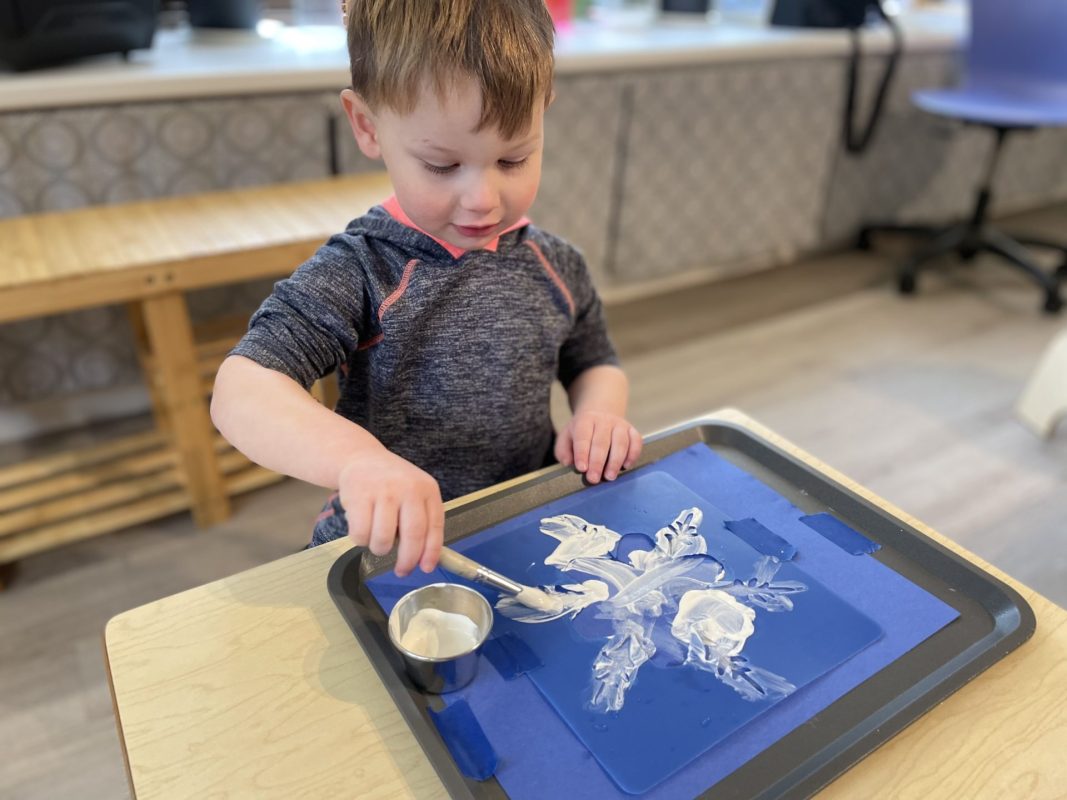
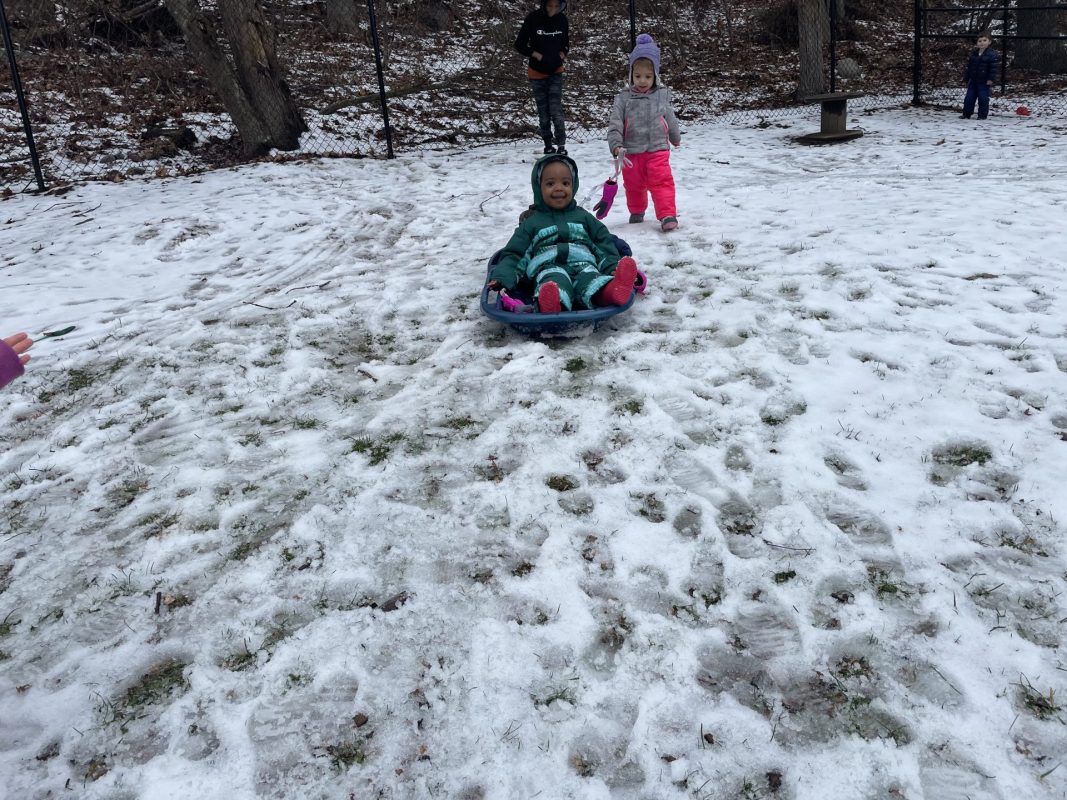
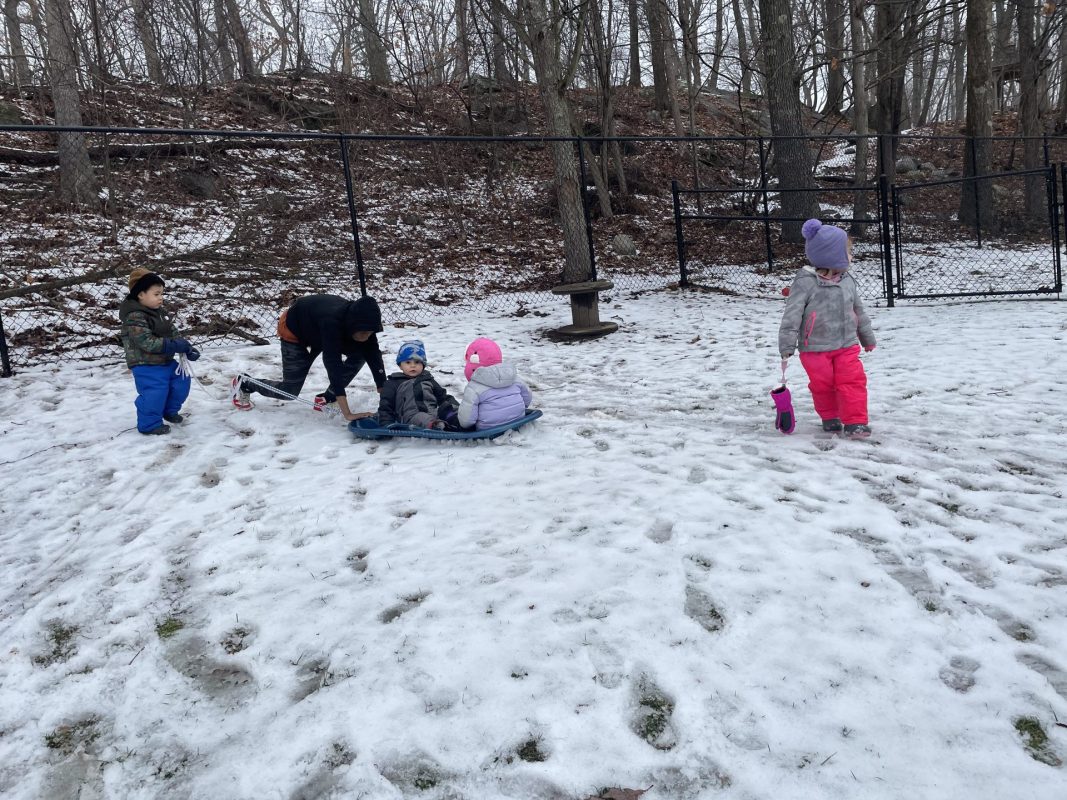
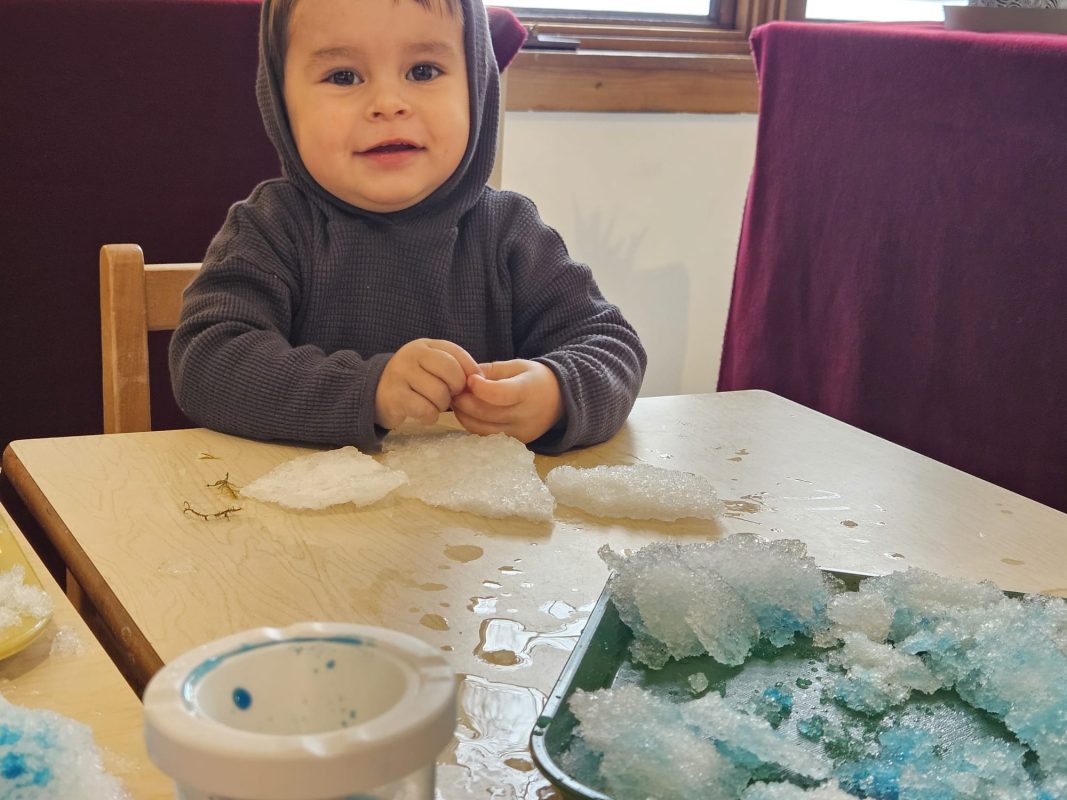
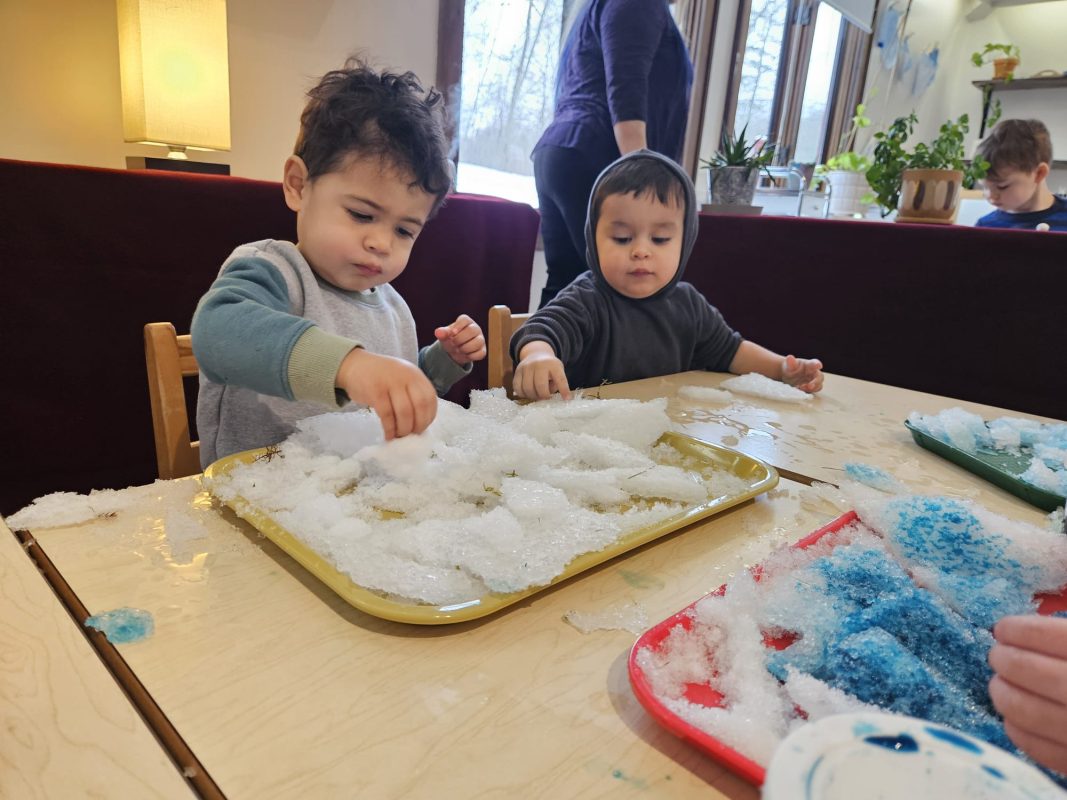
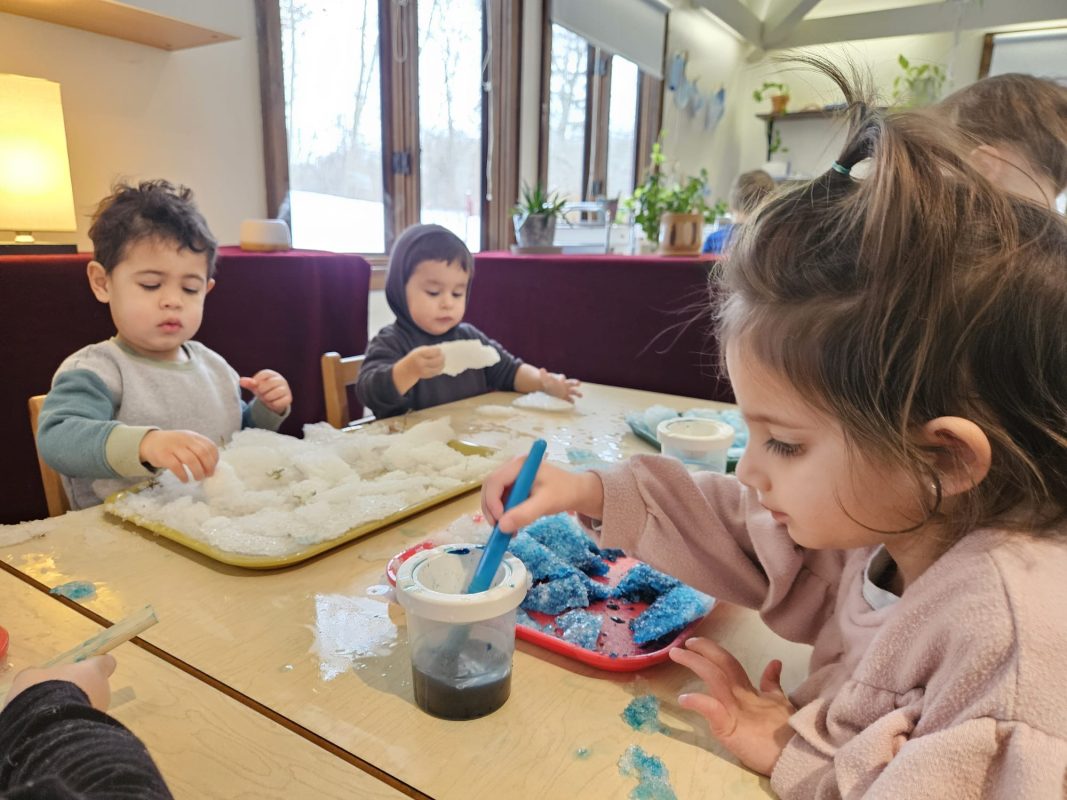
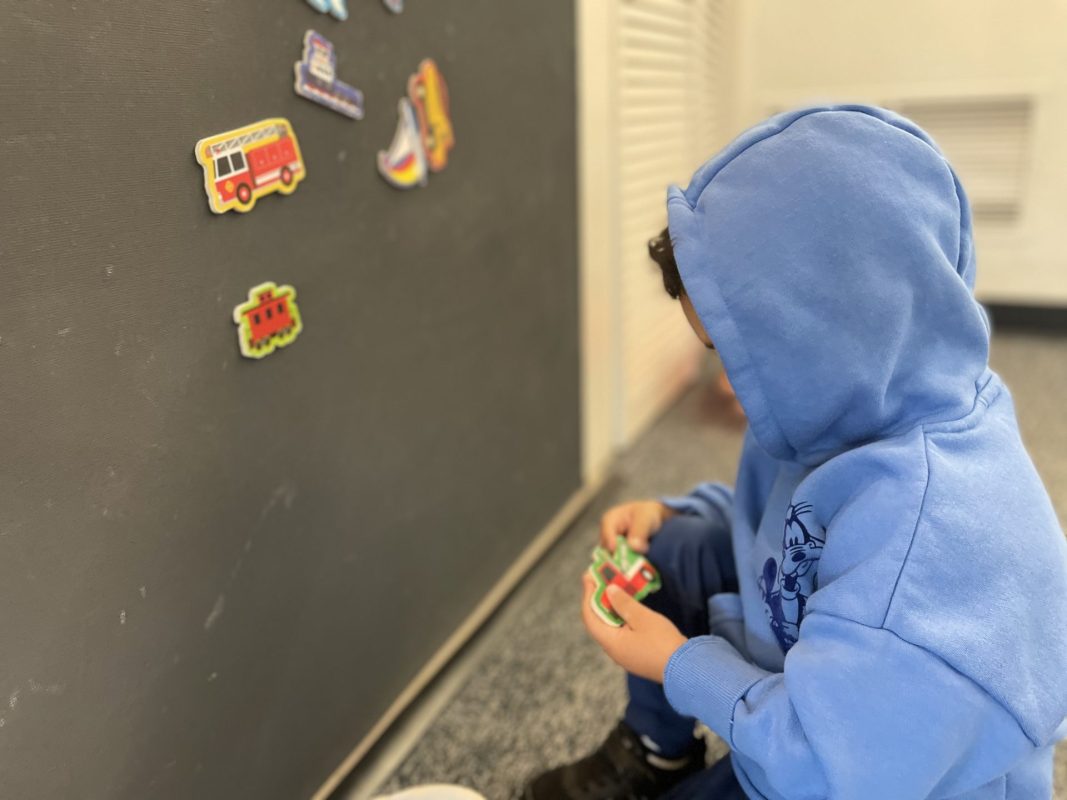
As we continue our winter studies this week, we delved into one of the most enchanting aspects of water: snowflakes. The timely weather has allowed us to reinforce this lesson as the children have had the opportunity to explore snow both indoors and outdoors. They’ve discovered that while snowflakes share a common symmetry and hexagonal structure, each one boasts a unique and intricate design—a concept we’ve presented, of course, in language tailored to their understanding.

I find it fascinating how the individuality of a snowflake mirrors that of each child. Just like snowflakes, every one of your children is unique and precious, and we are so grateful to witness their growth and share in their beauty.

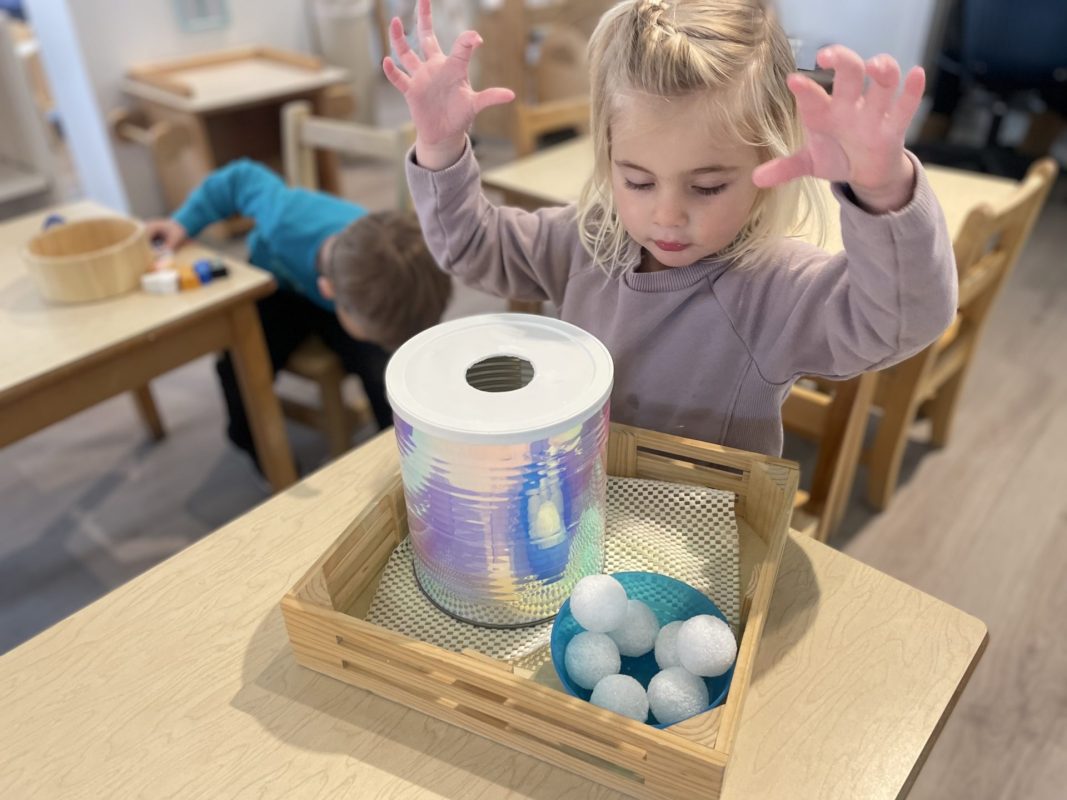
To tie this lesson into our Spanish studies, the children have been learning the song “Copo de Nieve” (Snowflake) by Super Simple Español. Using artificial snowflakes of varying sizes, they’ve acted out the song’s movements, learning Spanish words for body parts like cabeza (head), nariz (nose), and mano (hand). As we progress, we’ll continue to incorporate more Spanish vocabulary related to the body. Feel free to practice this song with your child. Find the link to the video at the end of this note.

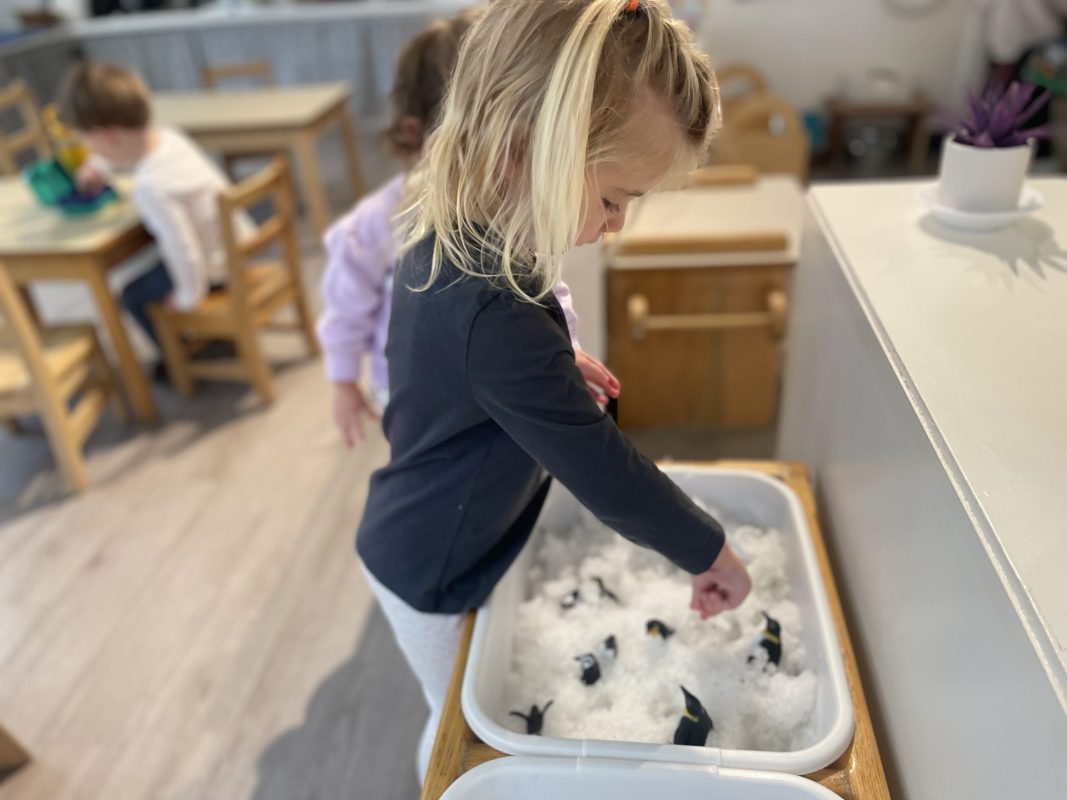
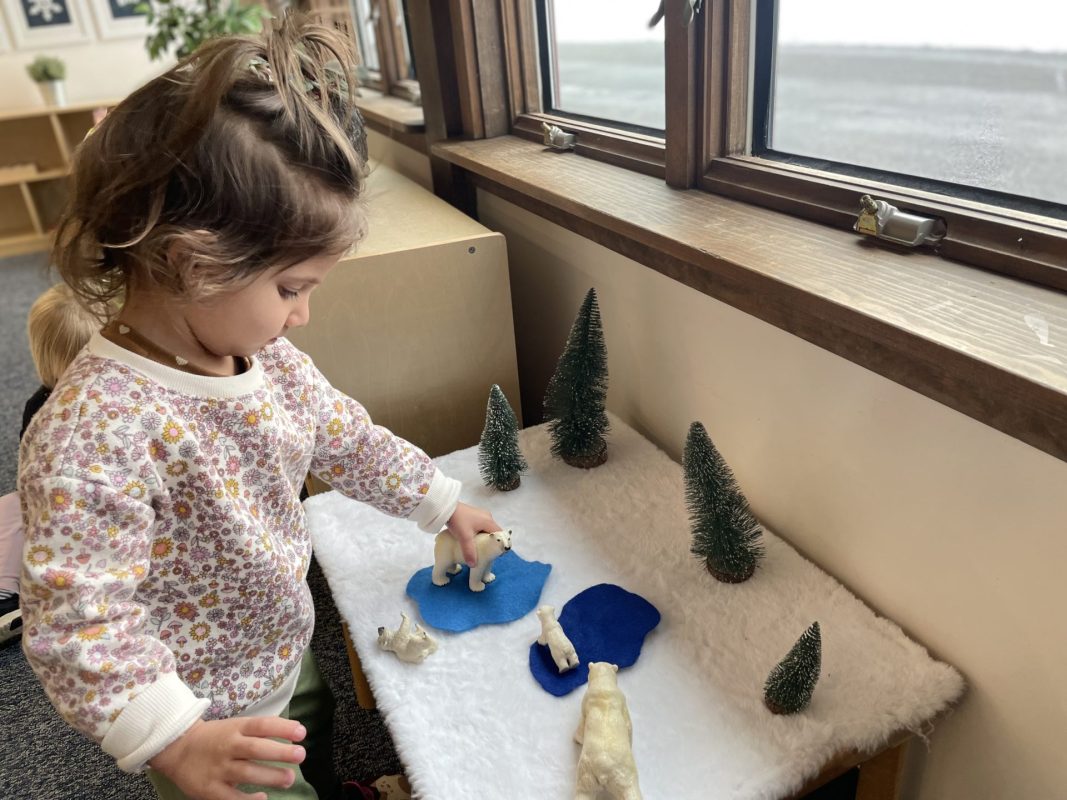
To further enrich our studies, we’ve used educational videos, books, songs, and animal models to embark on a journey to the Arctic and Antarctica. During these explorations, the children have learned fascinating facts about polar bears and penguins, including their physical characteristics and habitats. For example:

Polar Bears

  • Are warm-blooded
  • Have thick fur
  • Have big paws
  • Live in the Arctic
  • Baby bears are called cubs

Penguins

  • Are birds
  • Are expert divers and fast swimmers
  • Don’t have wings, but flippers
  • There are different types of penguins
  • Live in Antarctica

This week, we also celebrated two very special birthdays—those of our FIRST students who turned three years old during this school year! Woo hoo!

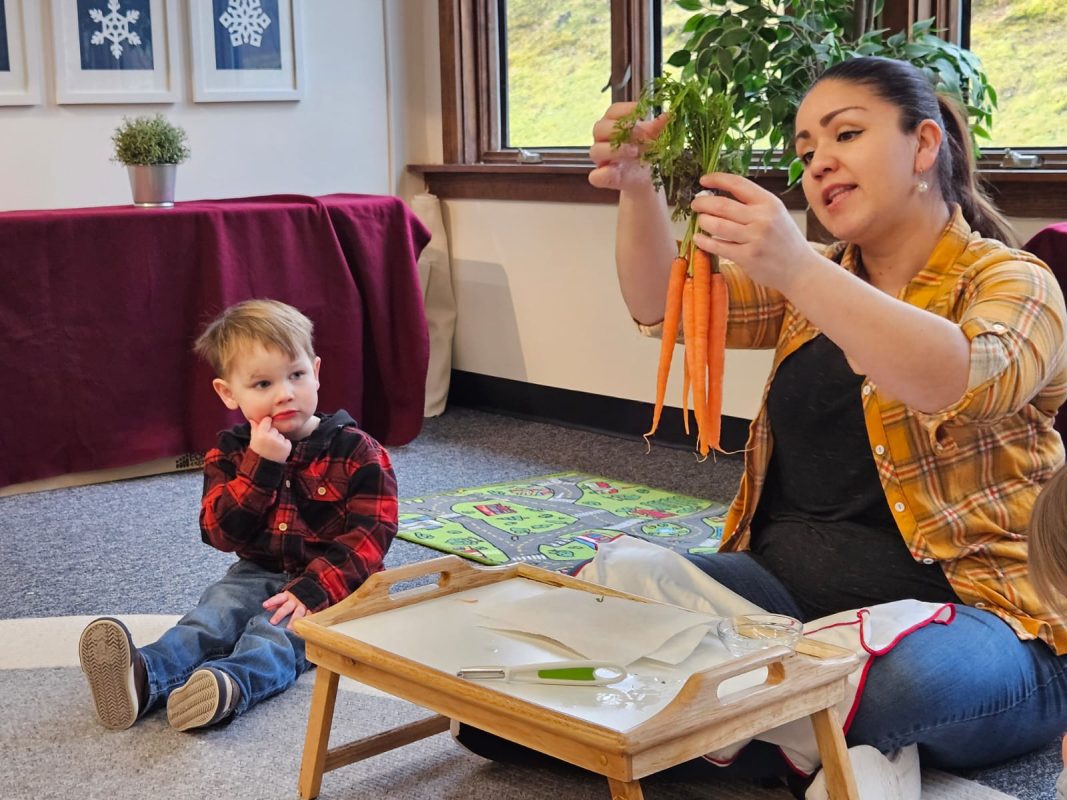
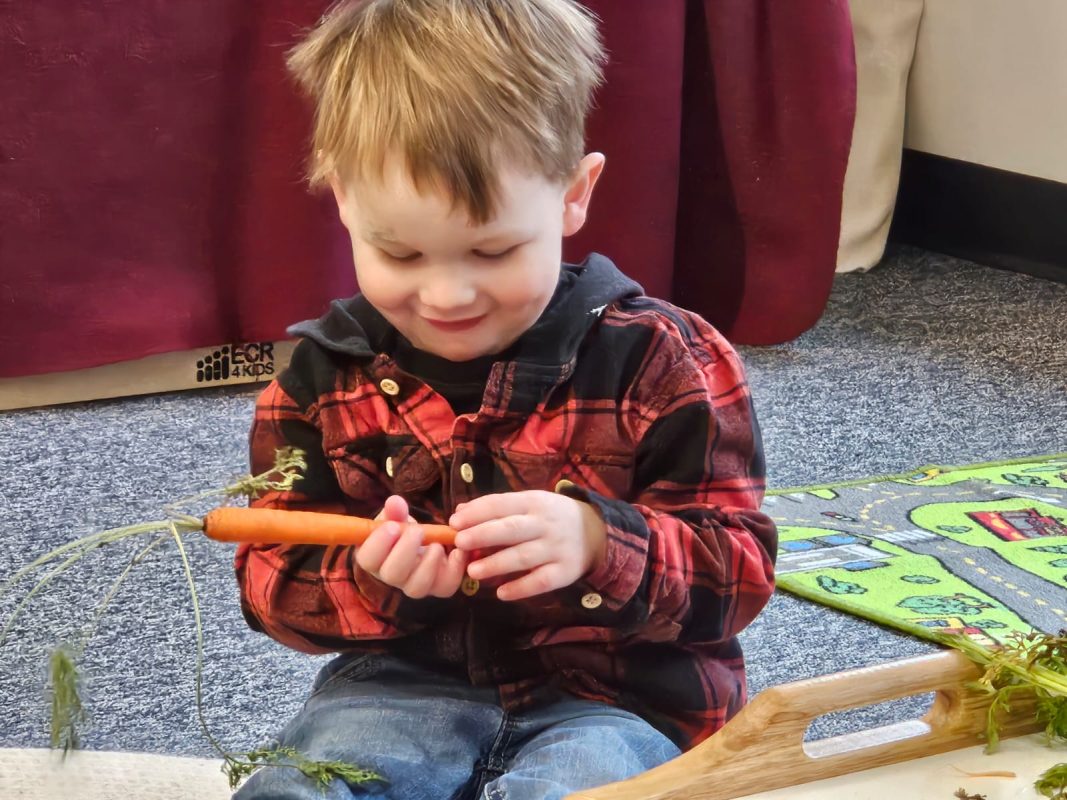
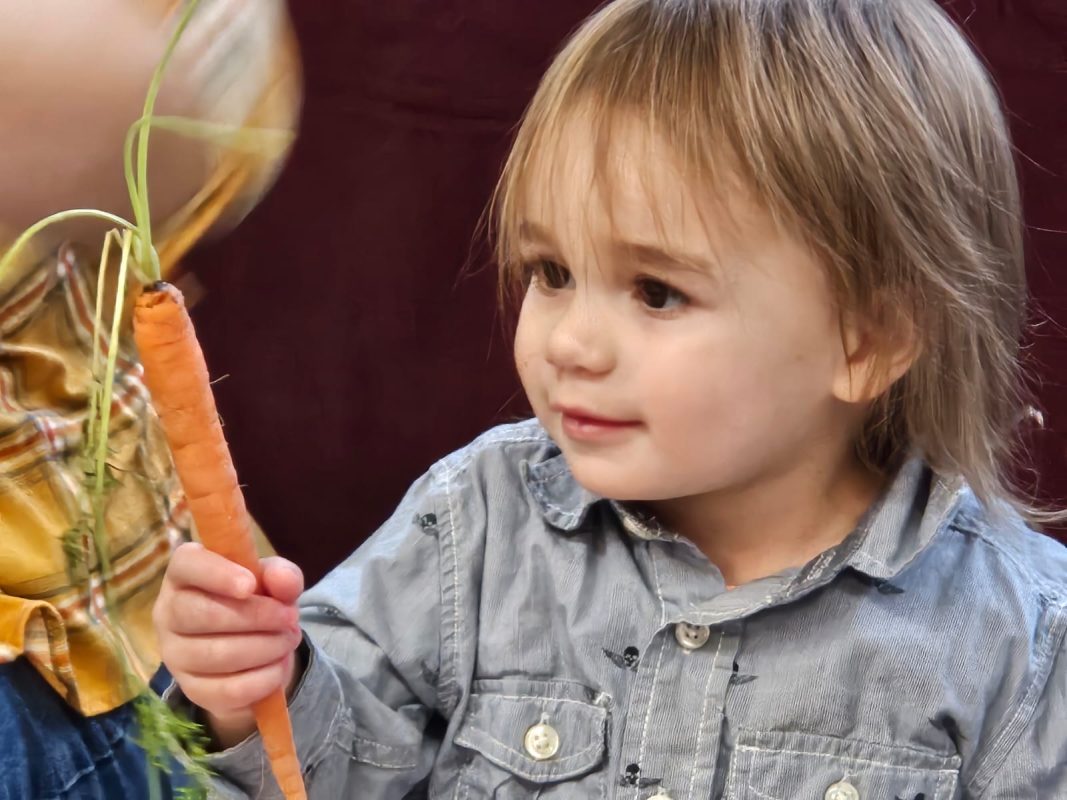
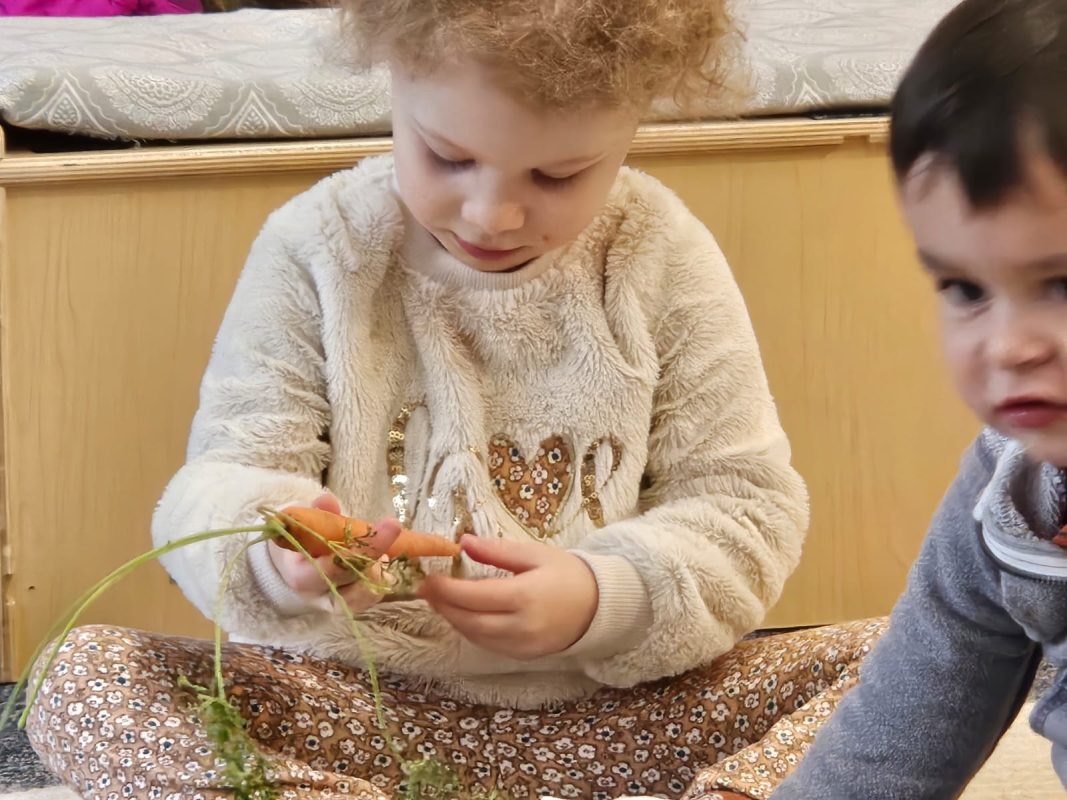
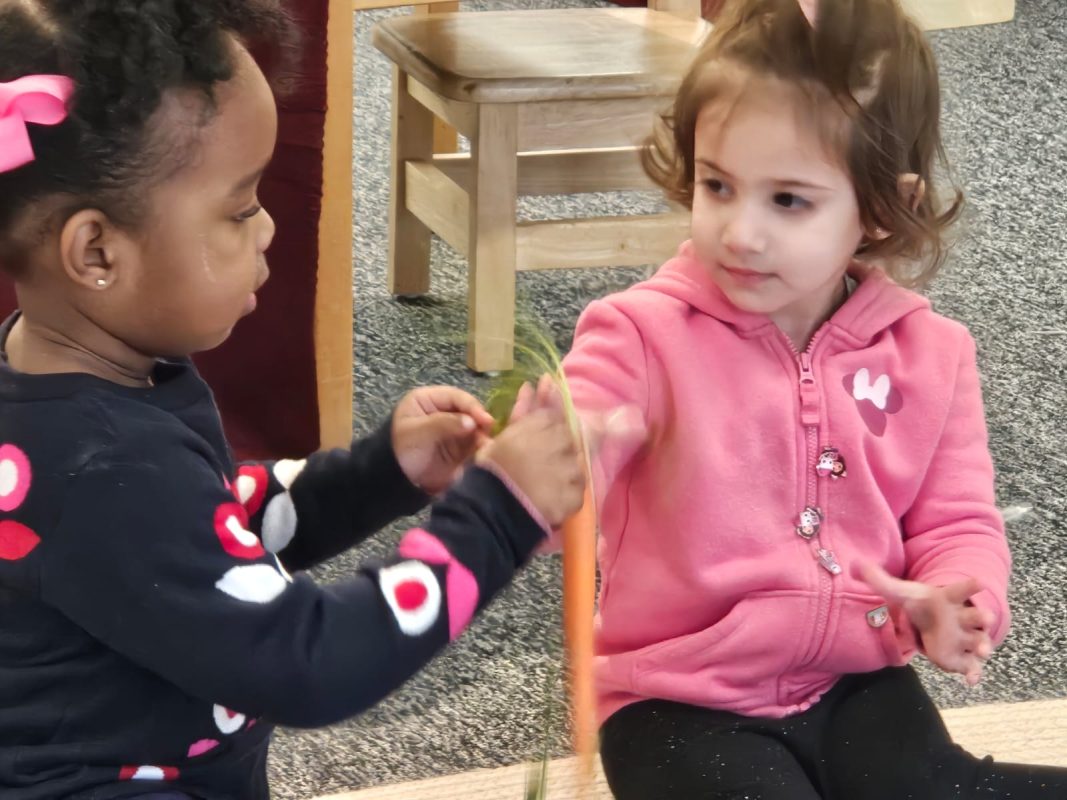
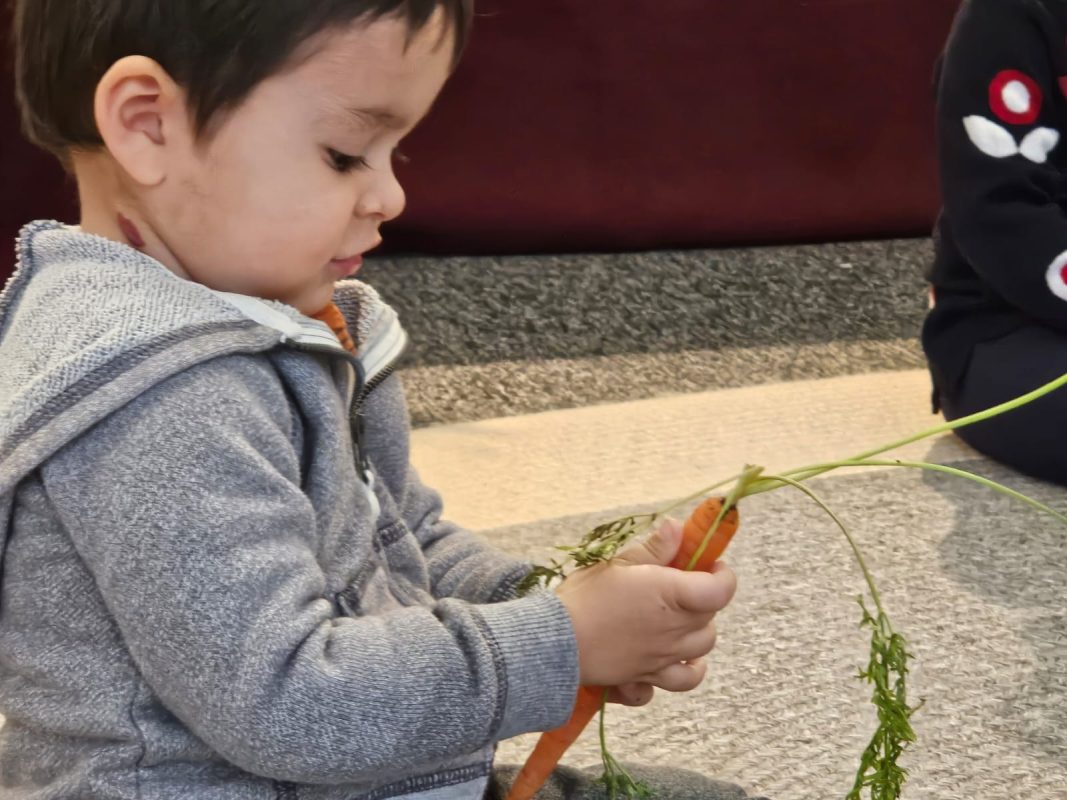
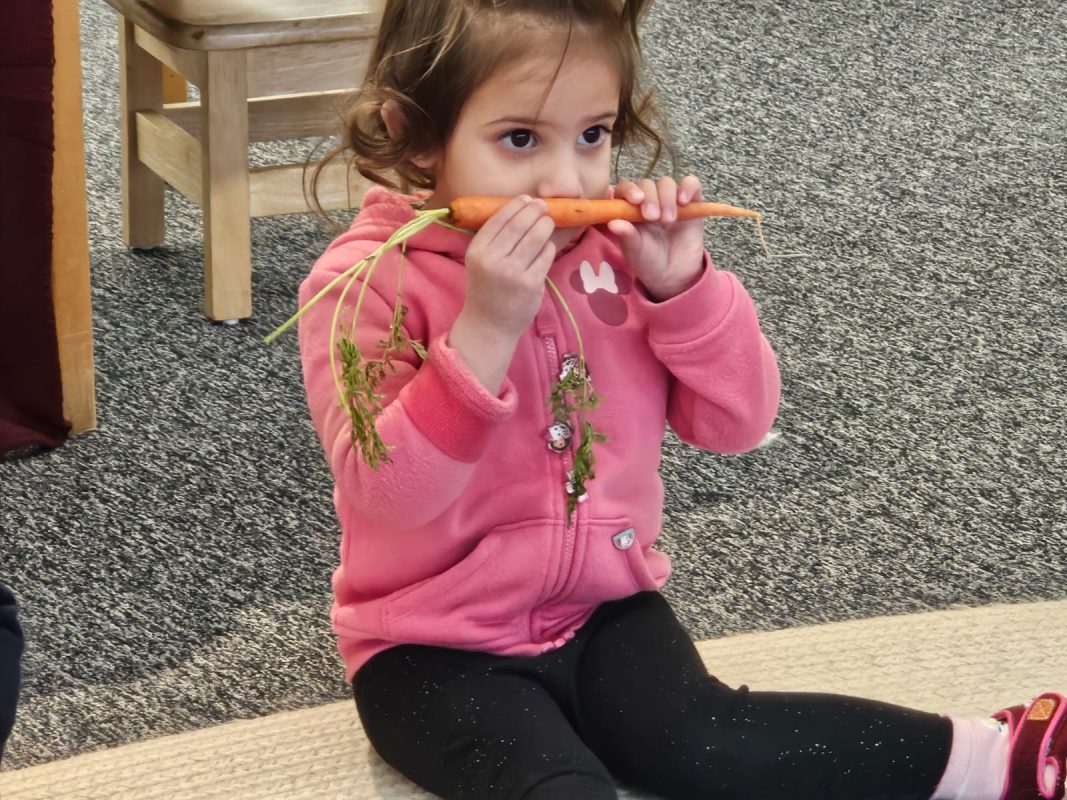
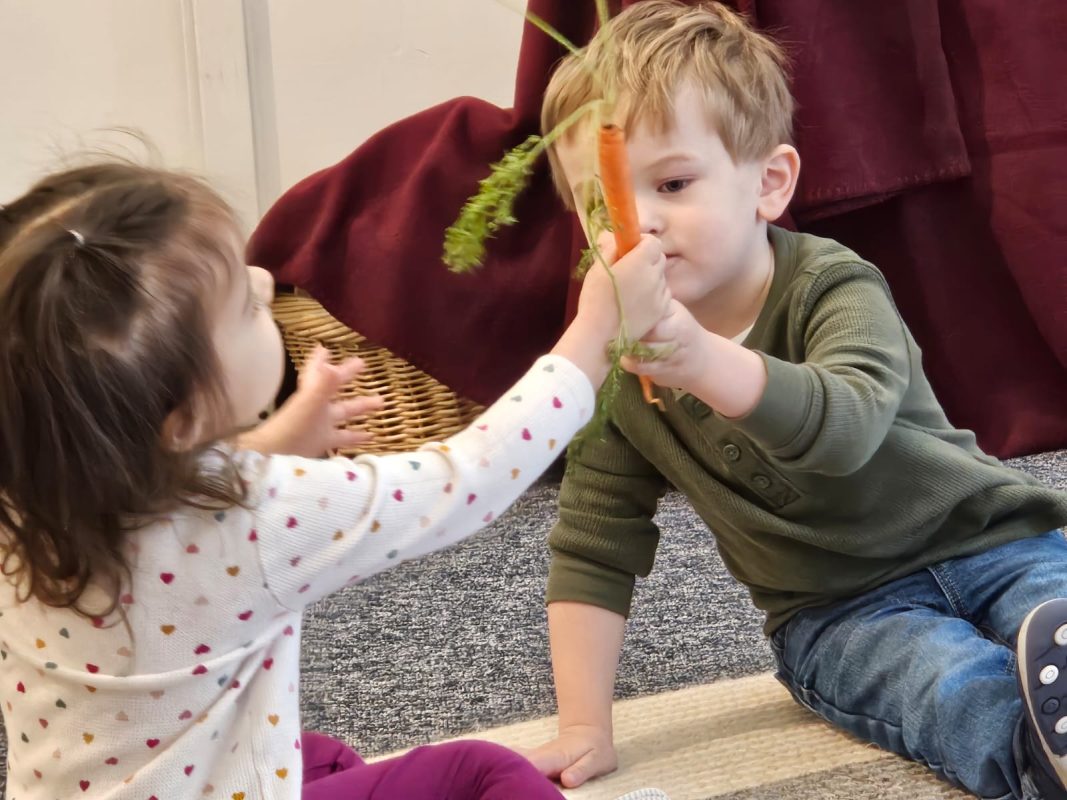
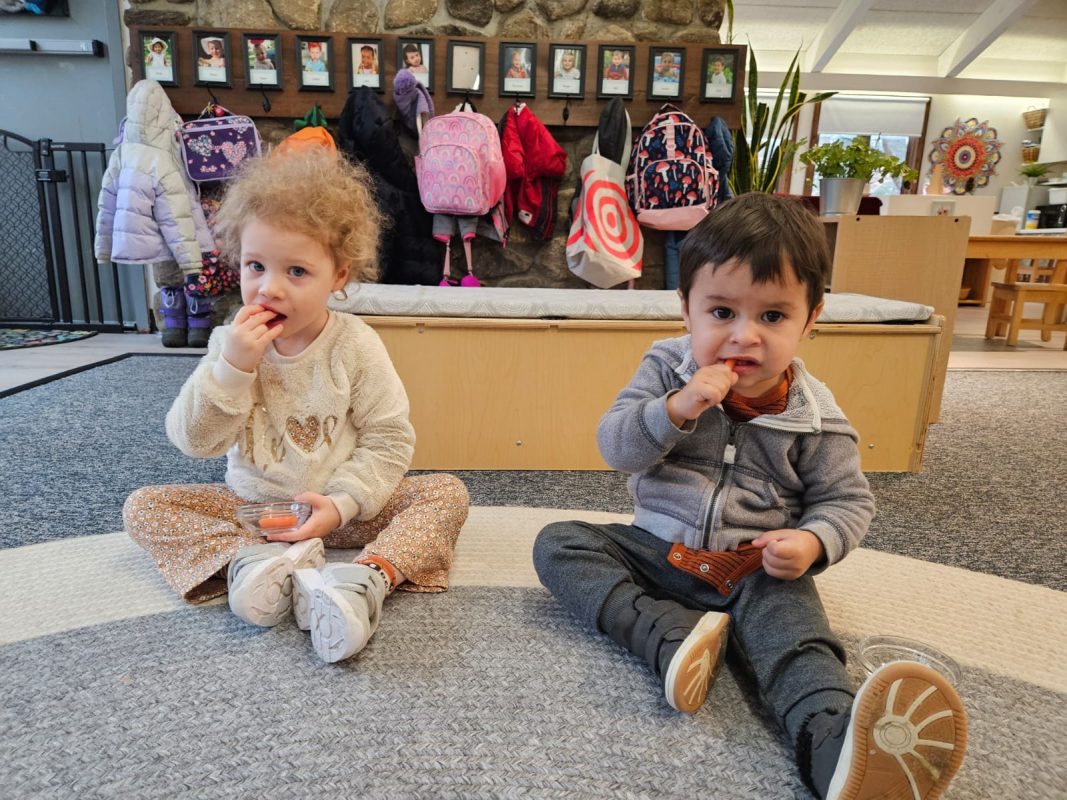
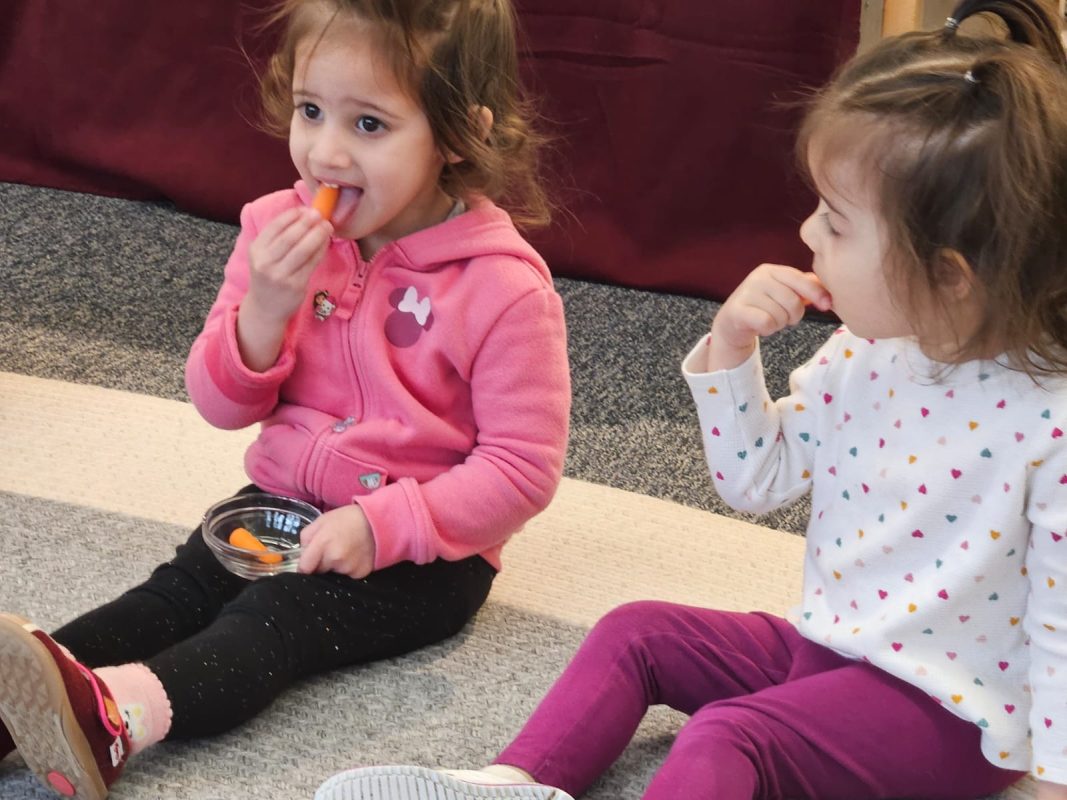
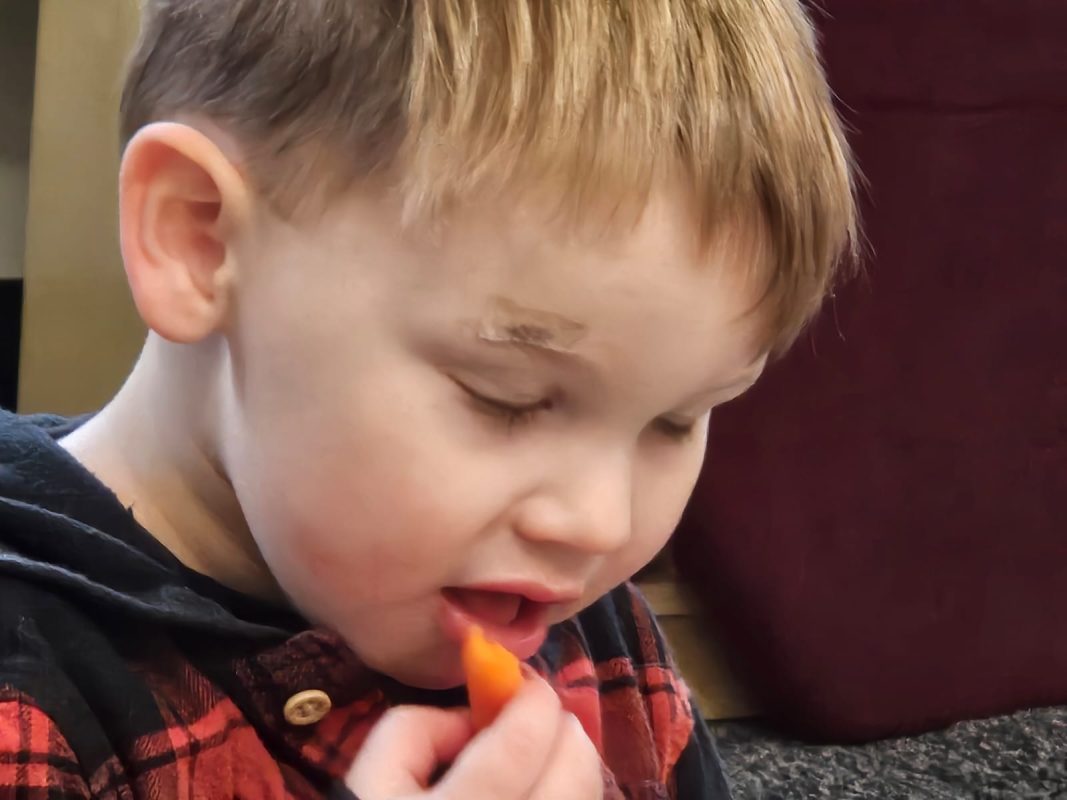
Lastly, we explored carrots as part of our weekly food-tasting lesson. Yummy!

Wishing you a wonderful weekend,

Mrs. Hood and Ms. Mollie

Mrs. Hood: Winter adventures!

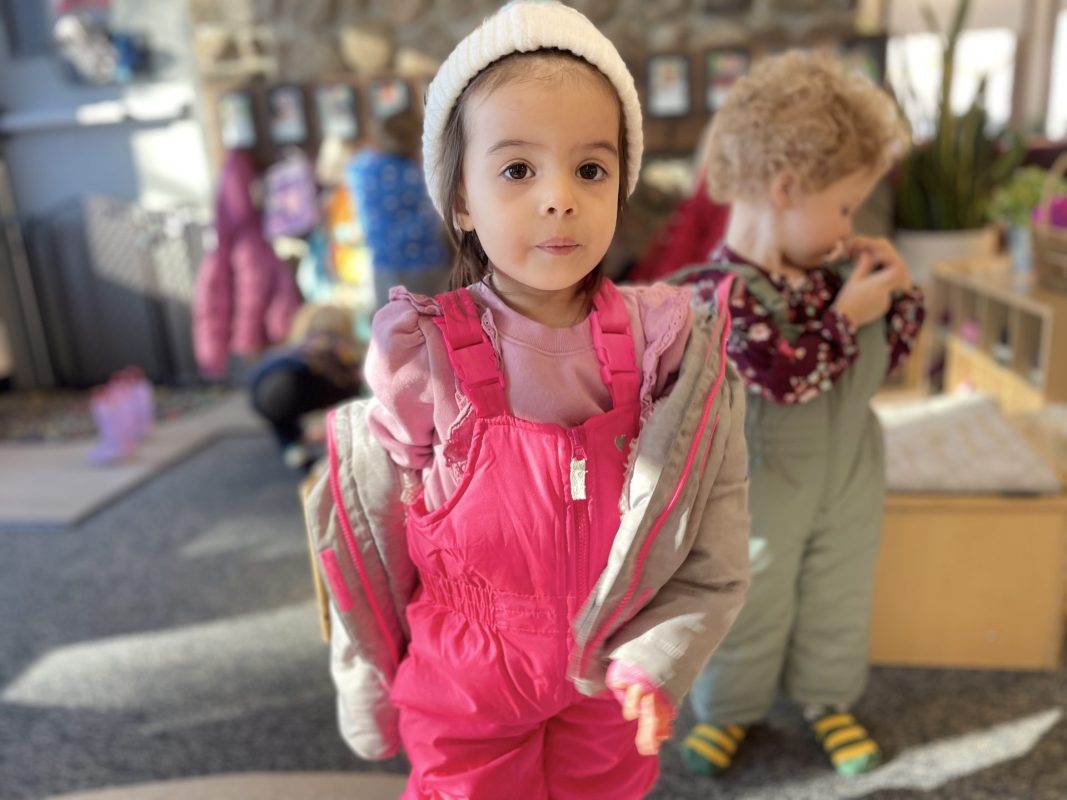
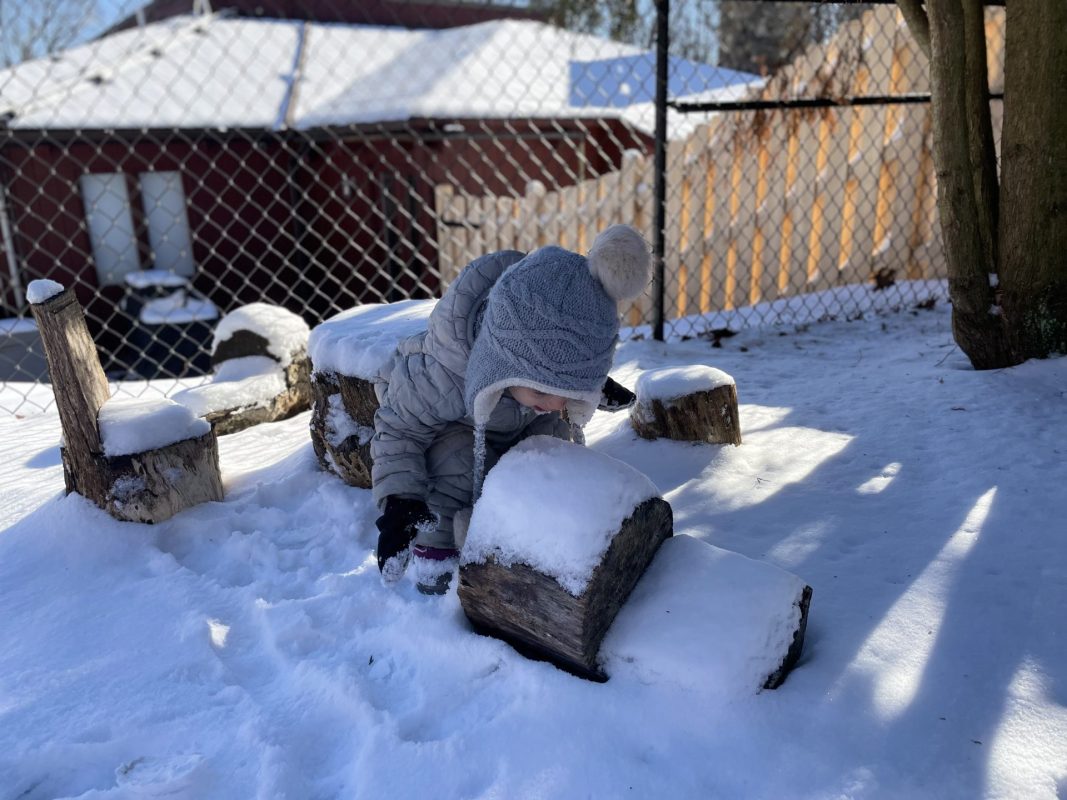
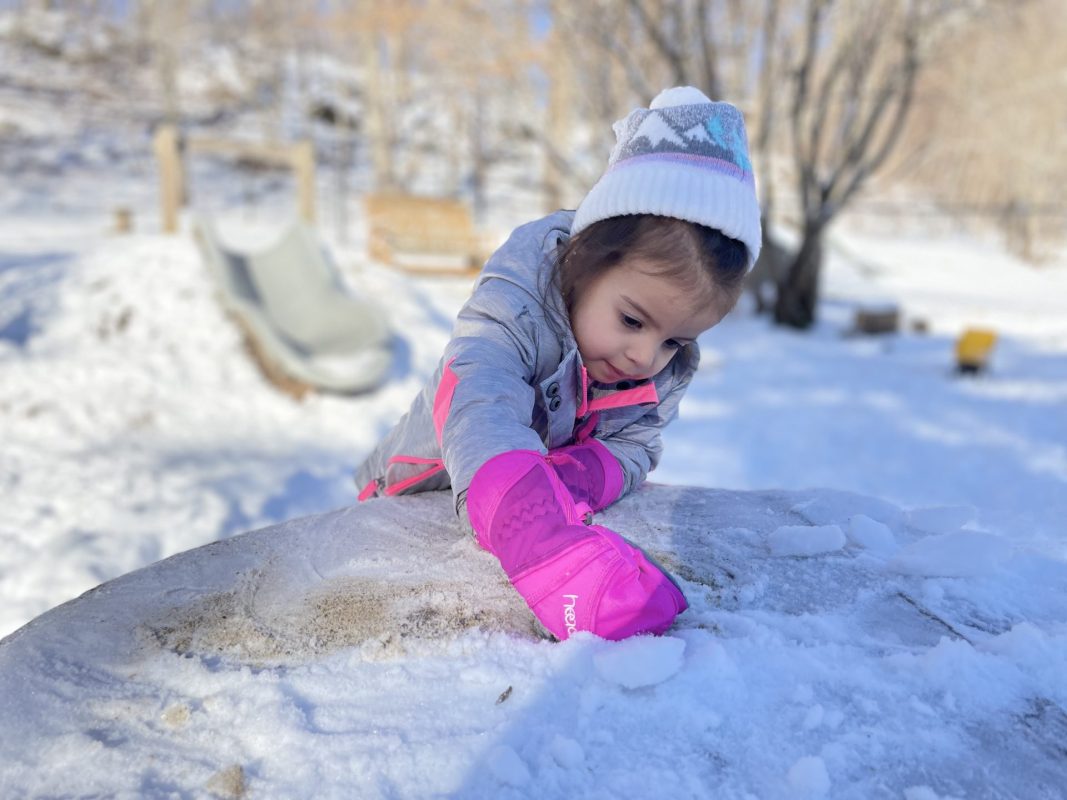
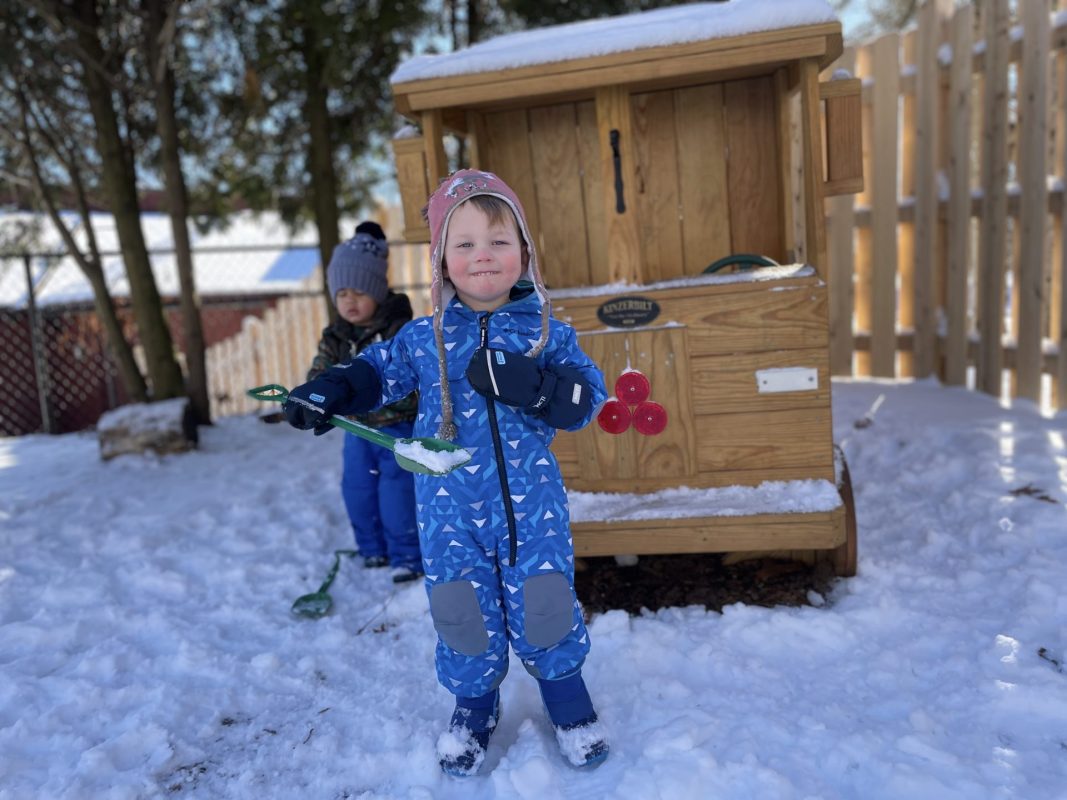
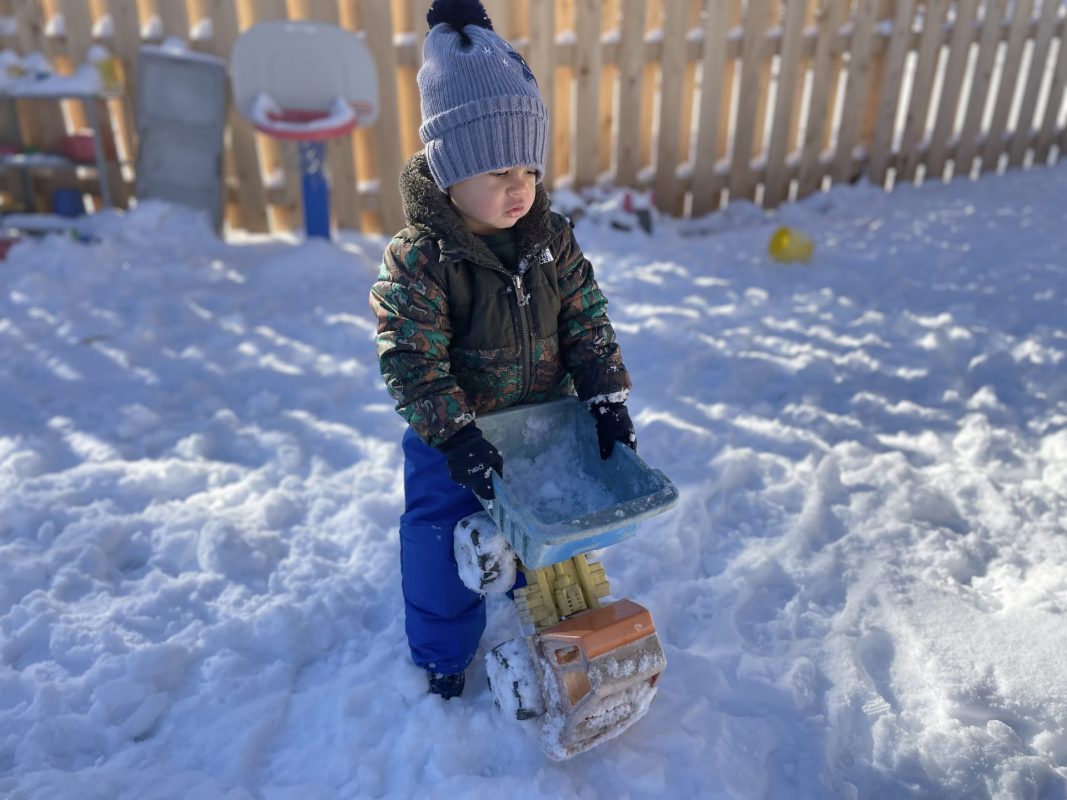
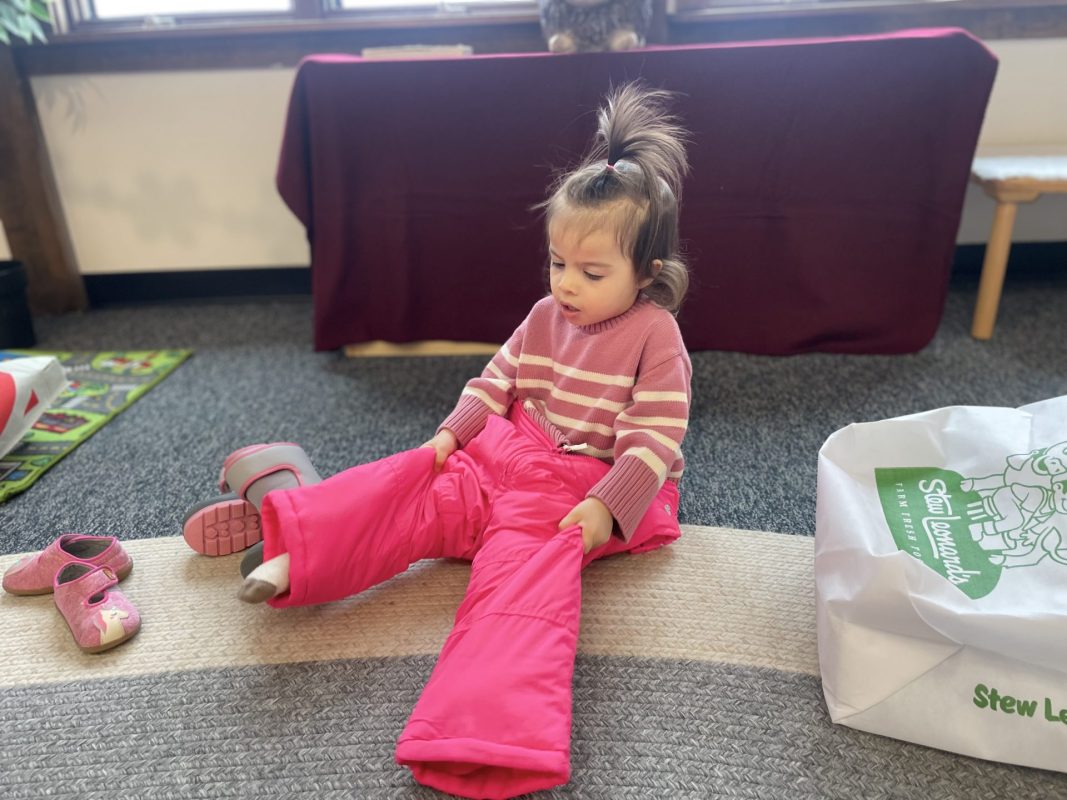
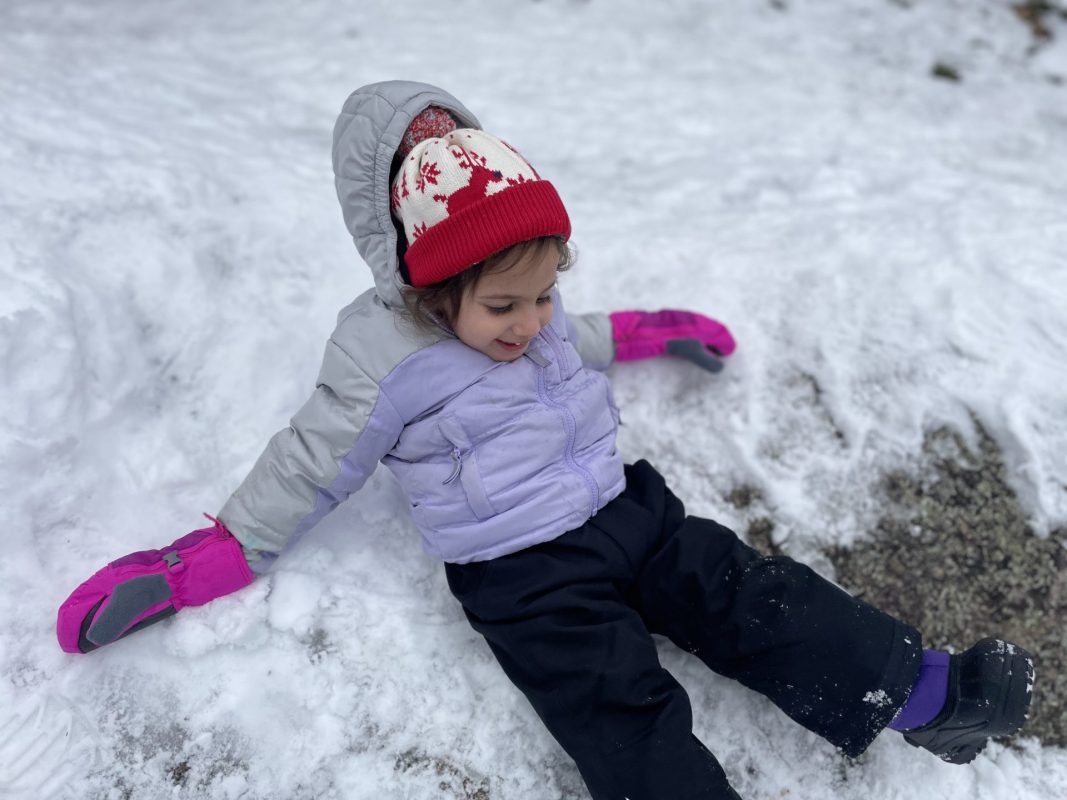
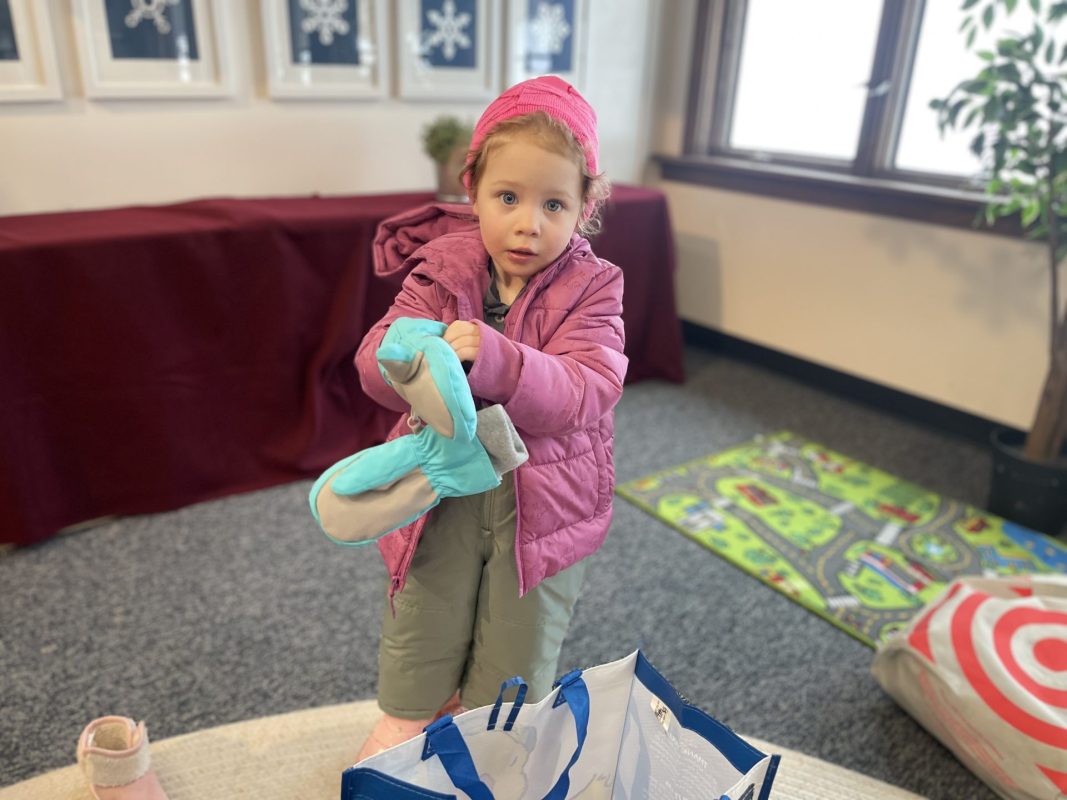
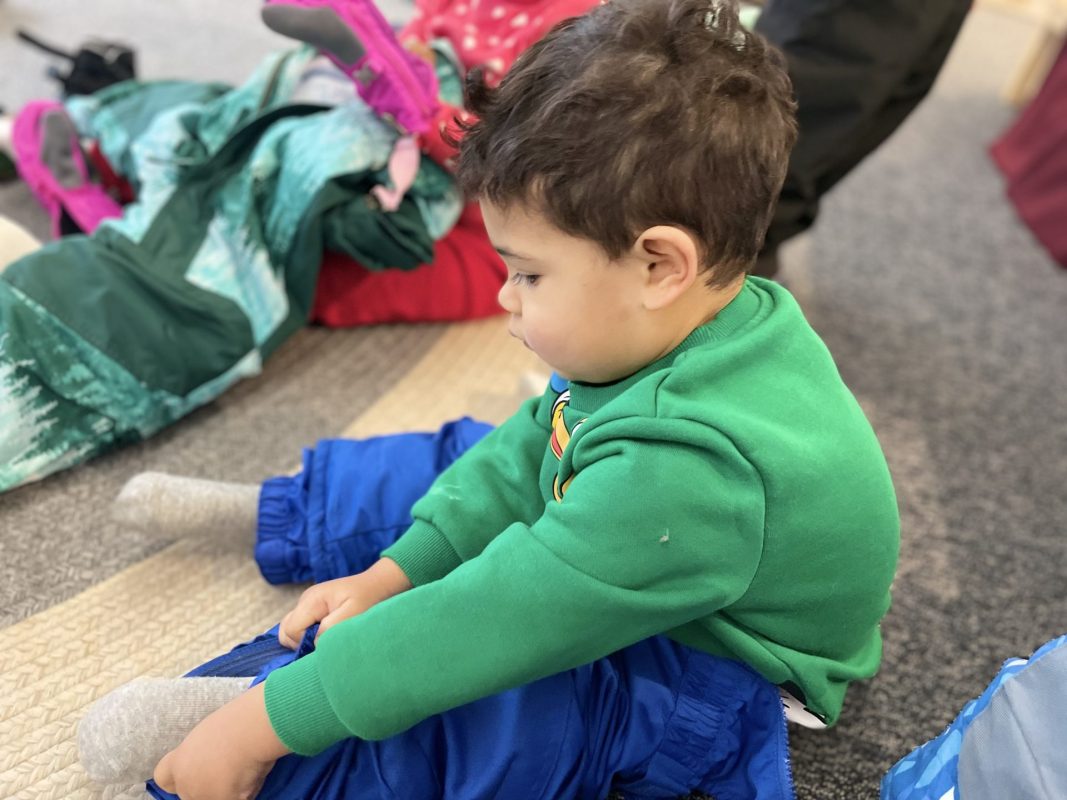
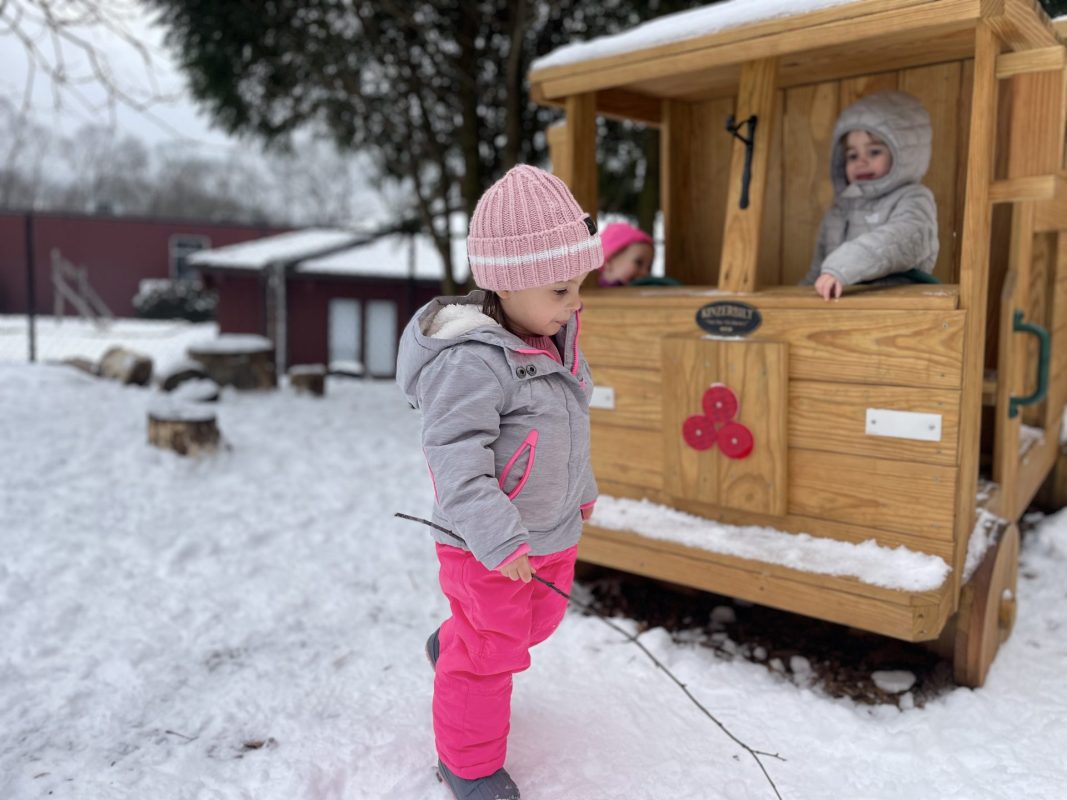
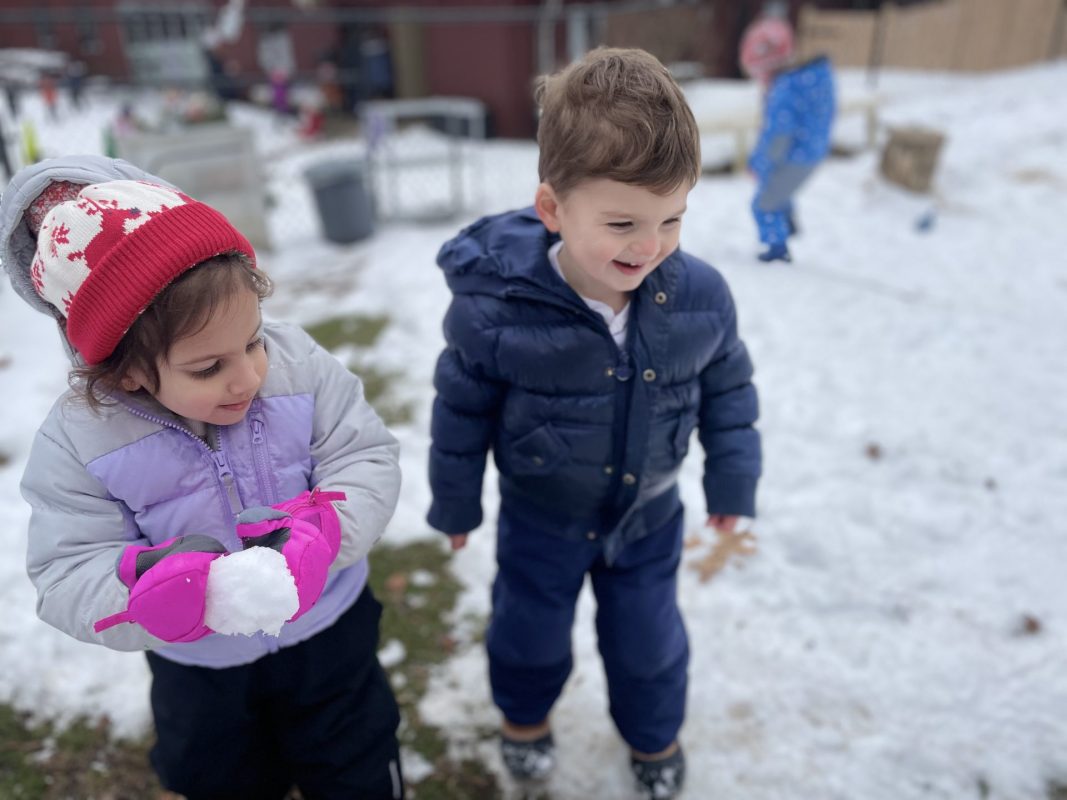
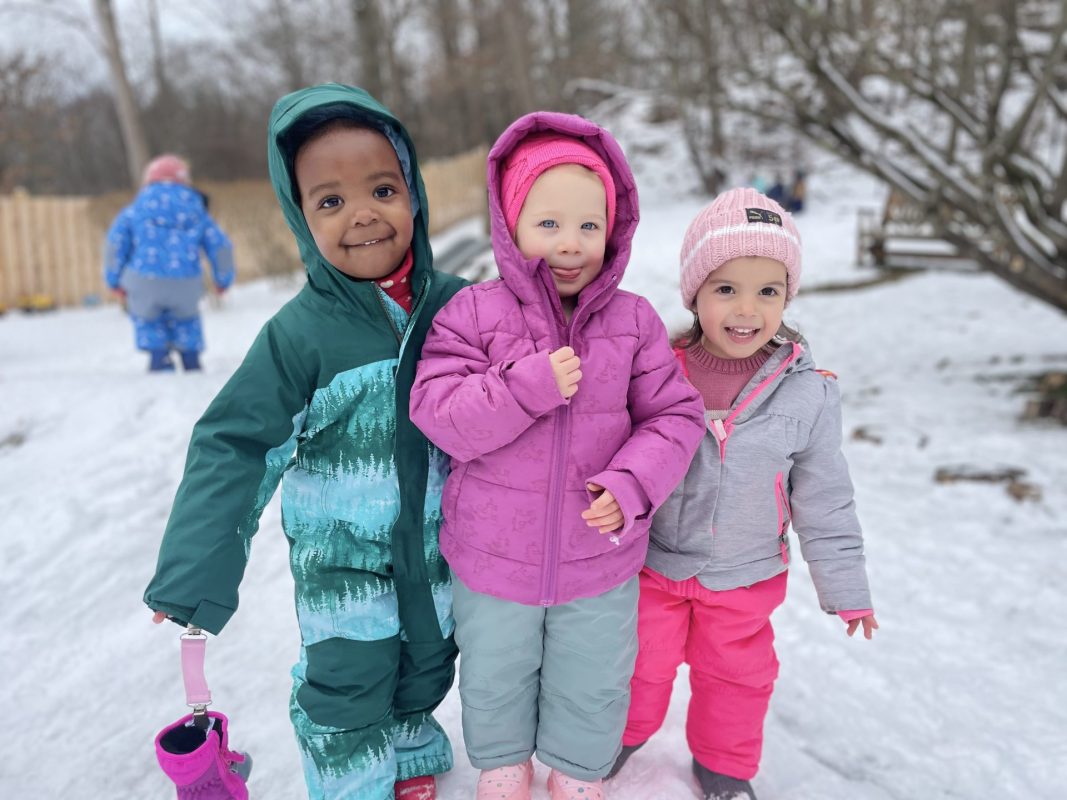
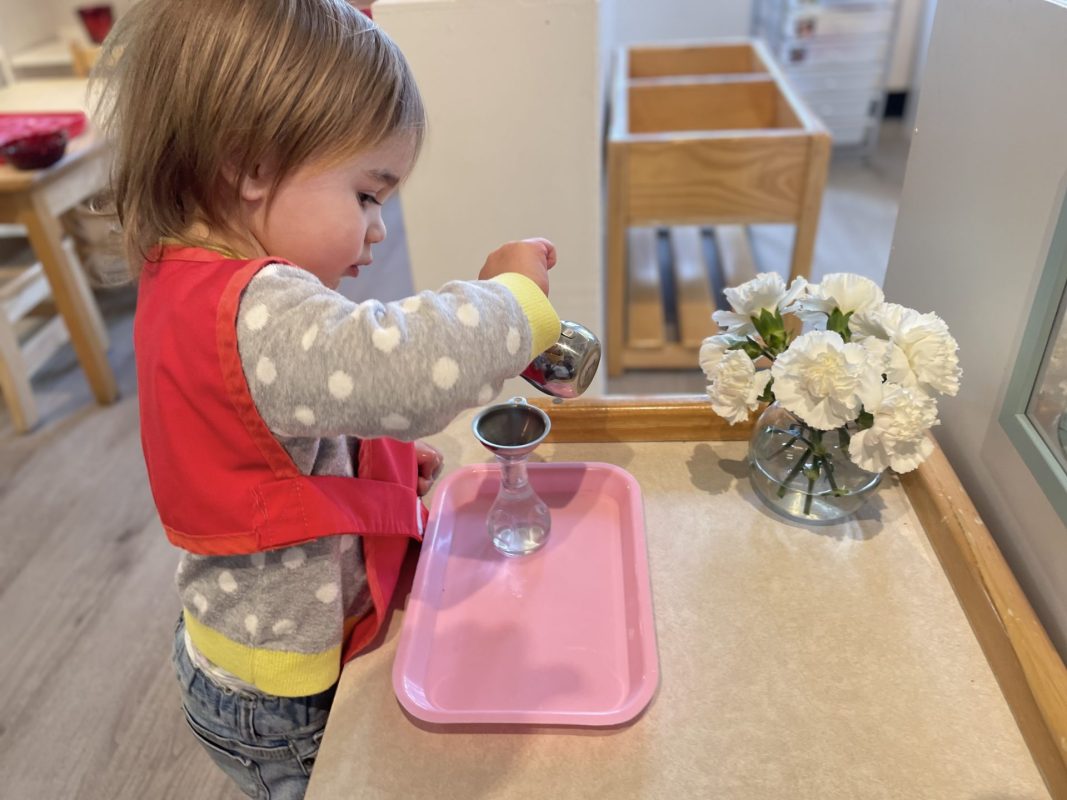
Winter has arrived, bringing with it a flurry of new experiences for our little ones. Last weekend’s snowstorm set the stage for an exciting week of learning as the toddlers were introduced to dressing themselves for outdoor play in the snow. This may seem like a simple task, but for them, this process is not only a practical life skill but also a significant milestone in their journey toward independence and self-confidence.

In our Montessori environment, we embrace the philosophy of nurturing children’s natural inclination for independence by providing them with age-appropriate responsibilities. Dressing for winter play is a perfect example of this, empowering our toddlers to take care of themselves and prepare for the adventures that await them outdoors.

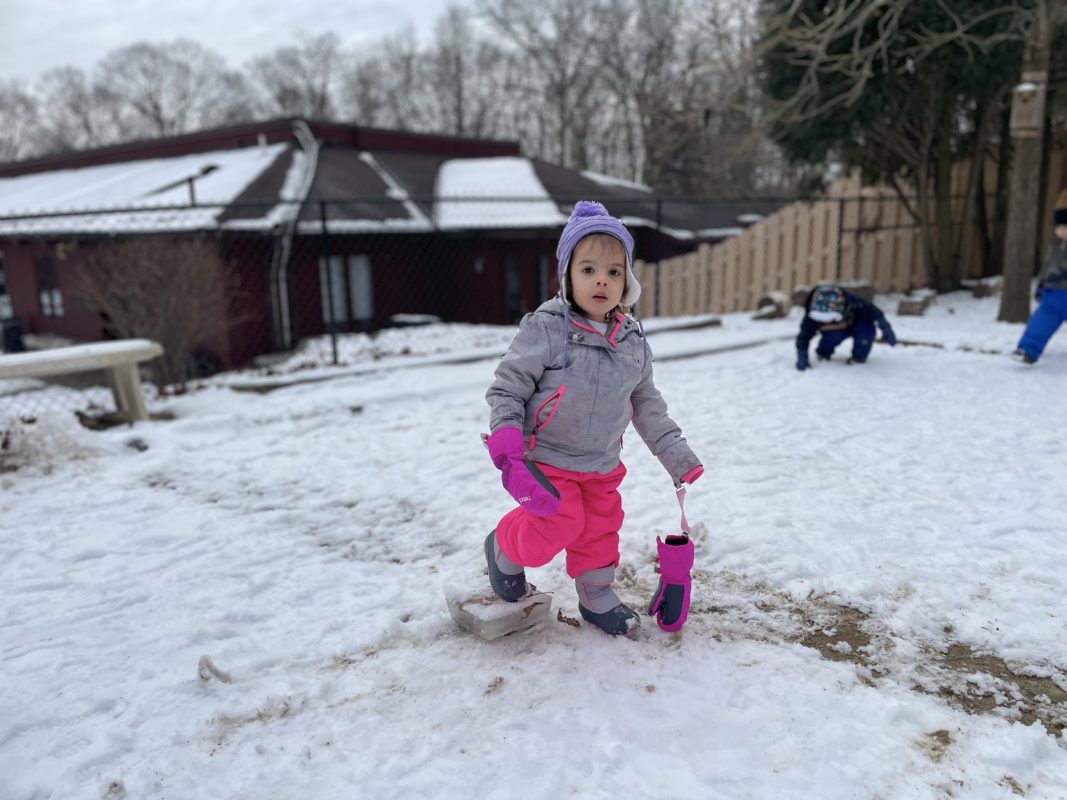
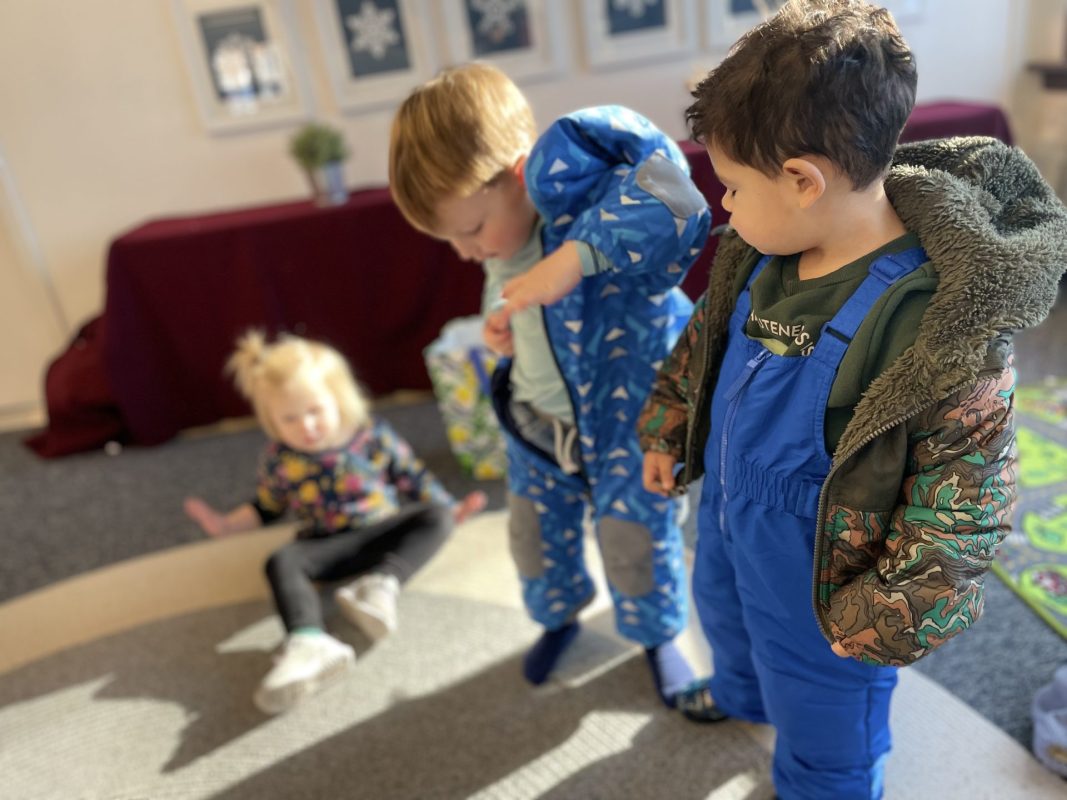
Throughout the week, the children learned to identify their individual winter bags and retrieve them from the designated area in the classroom. They then settled on the classroom rug, where they began the process of getting ready. First, they removed their indoor shoes, followed by retrieving their winter pants from their bags and laying them out on the ground. With guidance, they learned to pull up their pants while sitting down until they could see their toes, then stand up and finish putting on and zipping their snowsuit. They practiced putting on their snow boots, coats, hats, and mittens. It’s a process that requires practice, but with each opportunity, they are mastering this essential skill. The sense of joy when they realize they are capable of accomplishing this is just so great to witness.

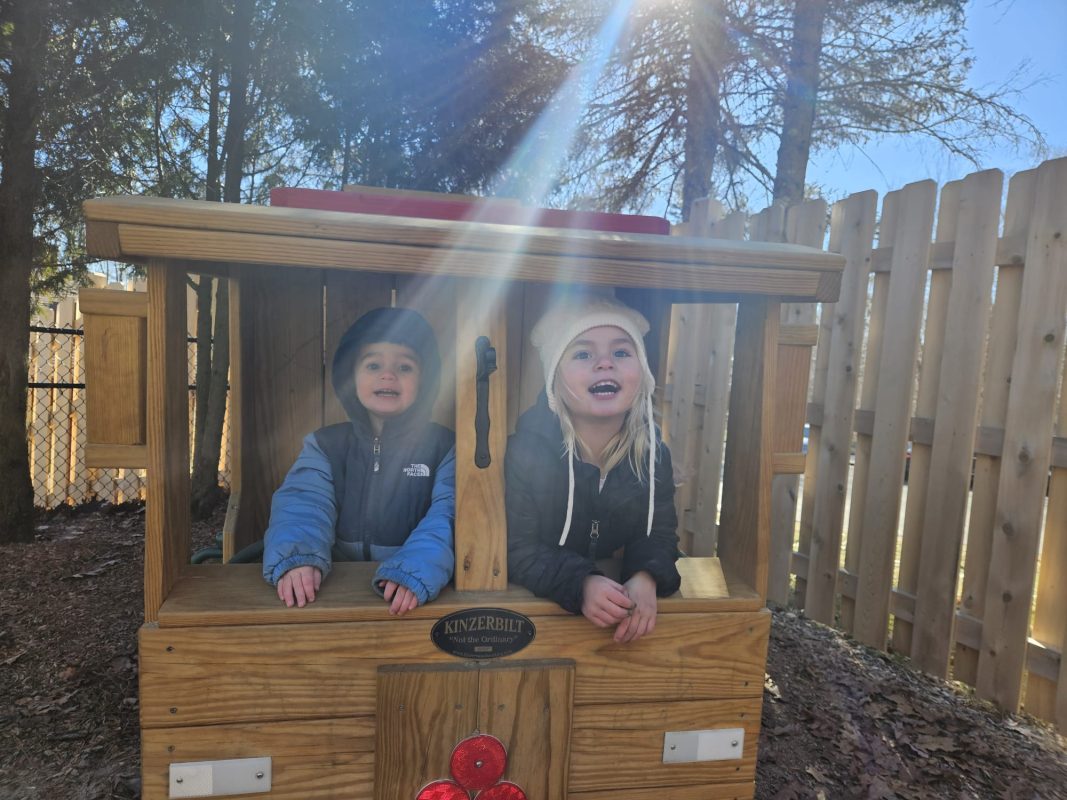
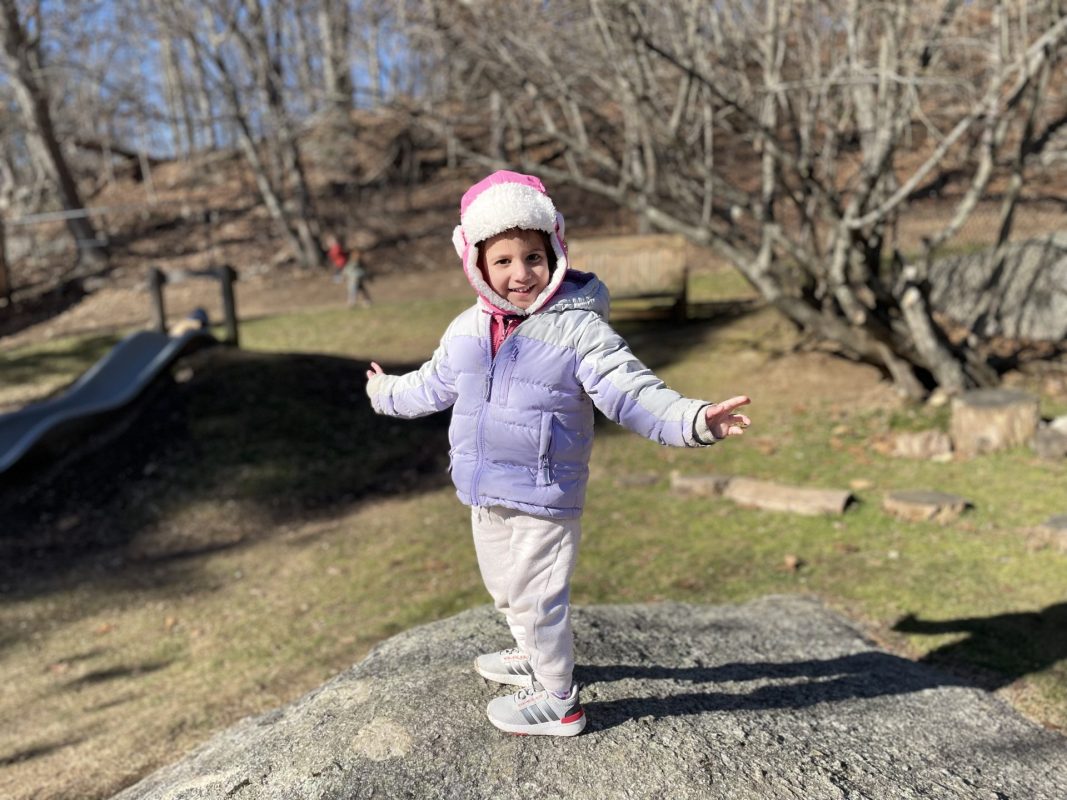
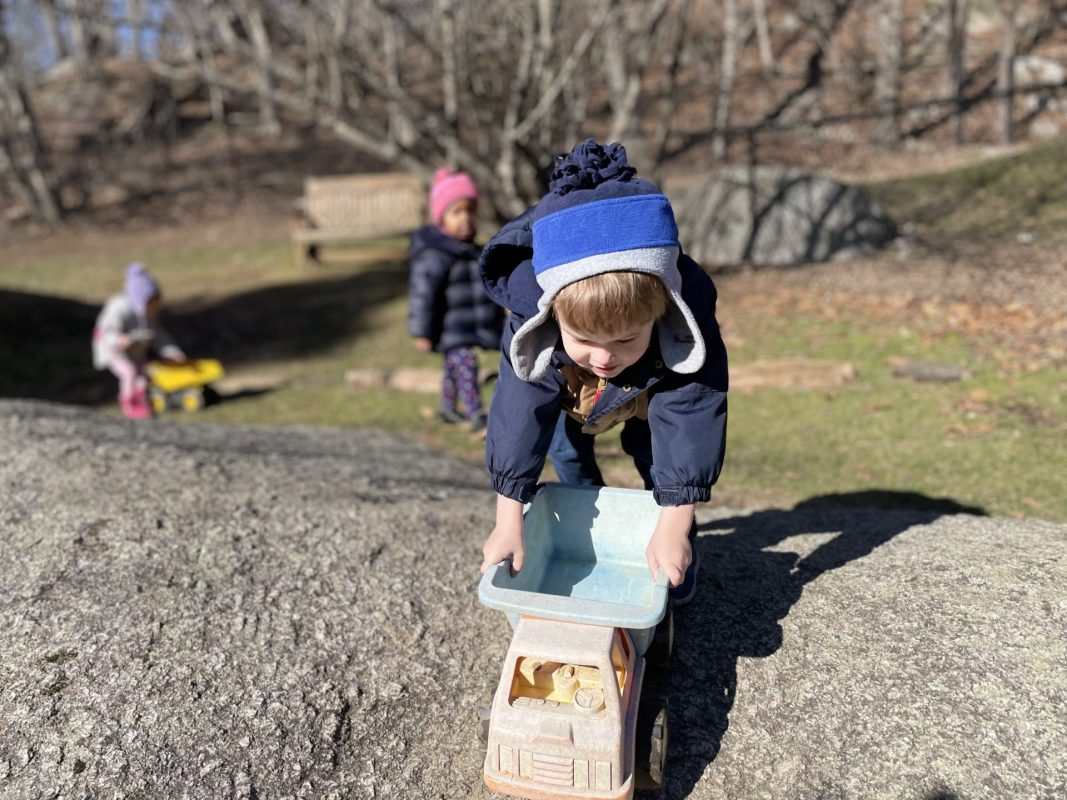
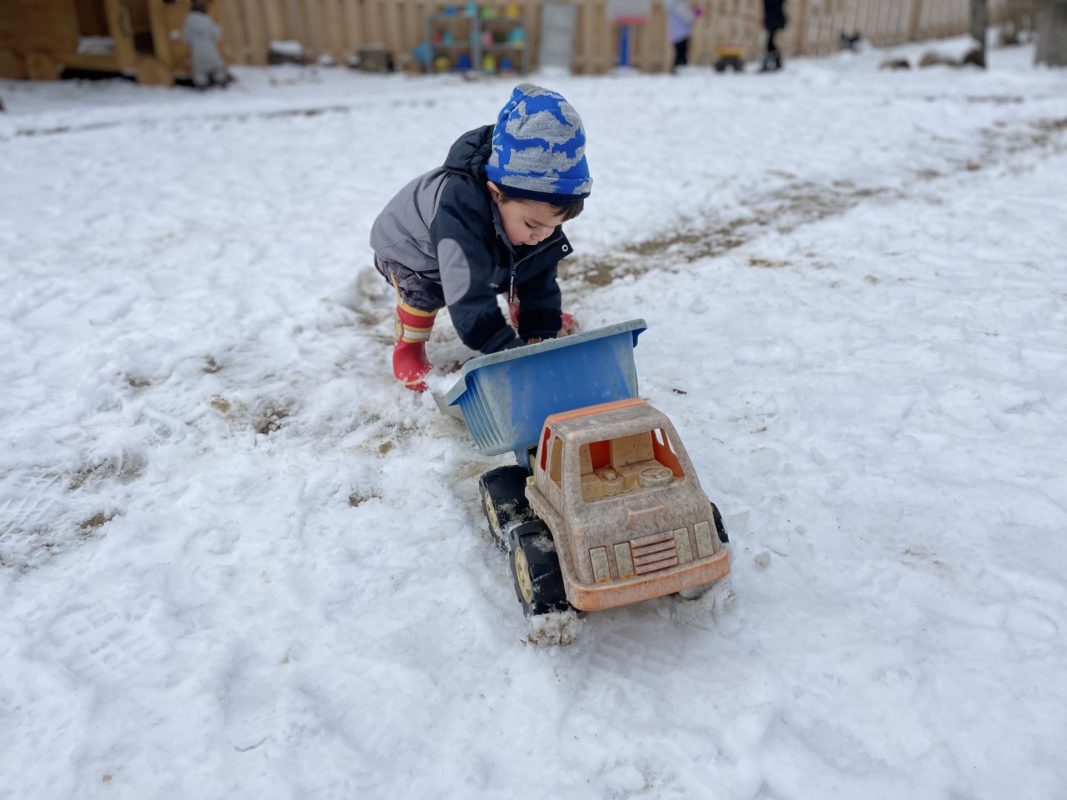
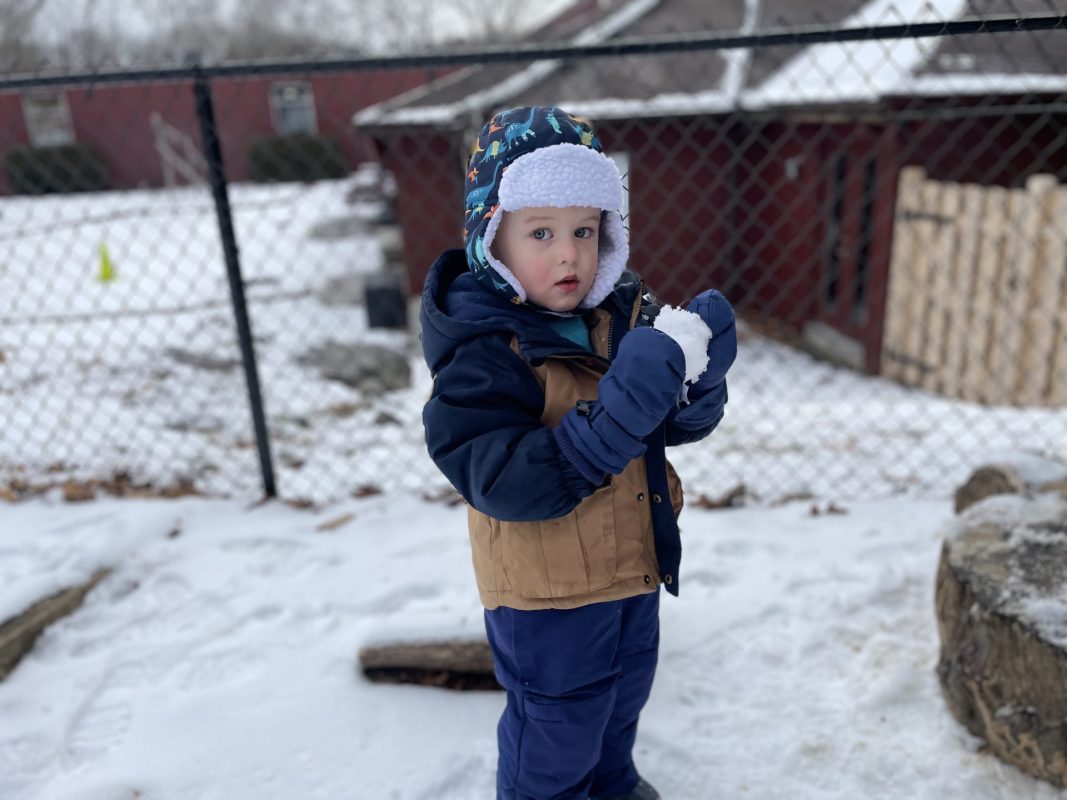
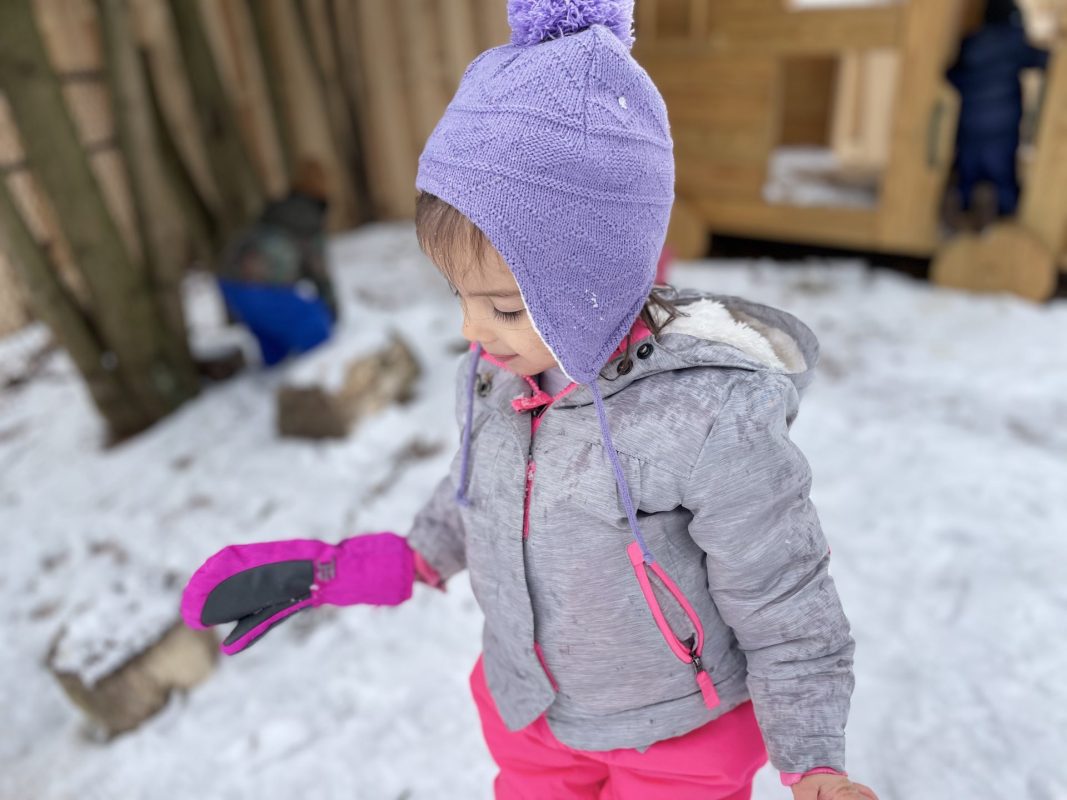
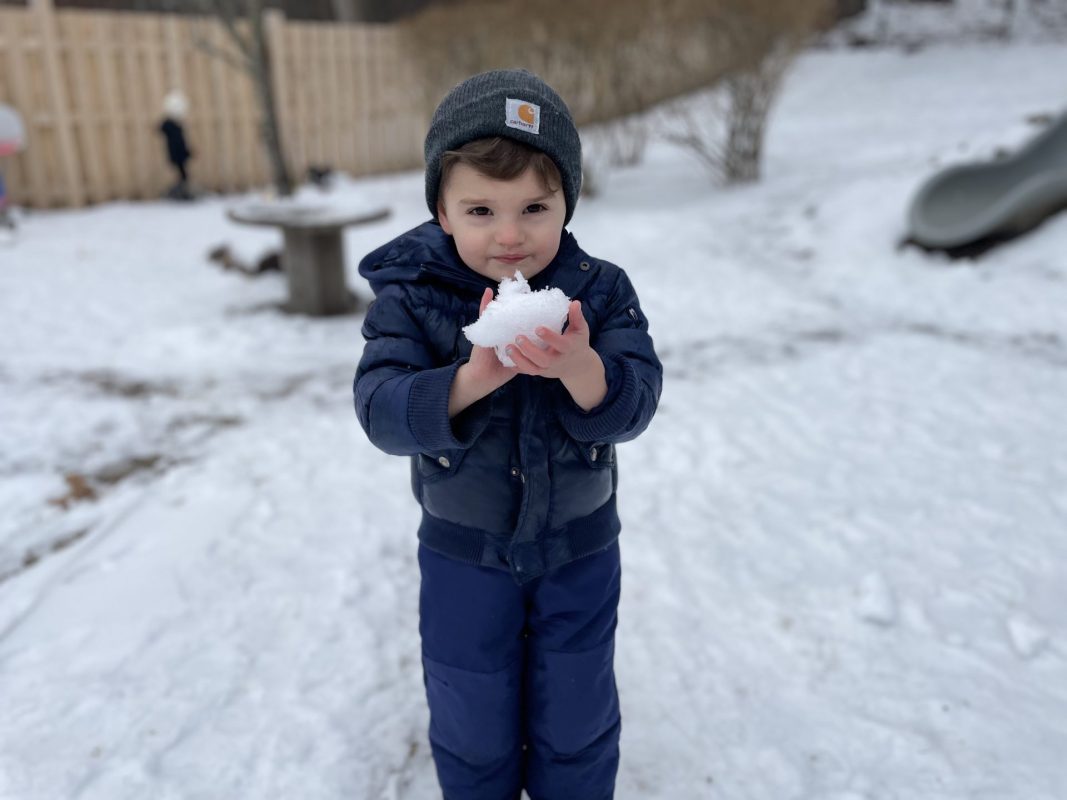
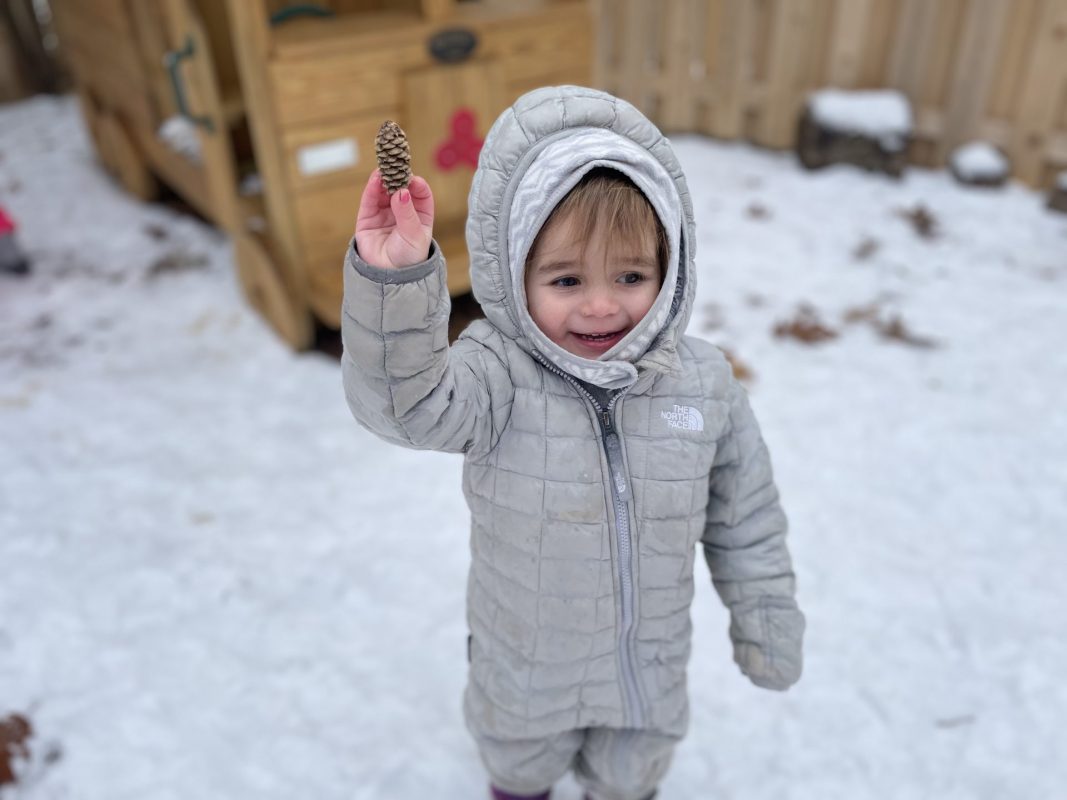
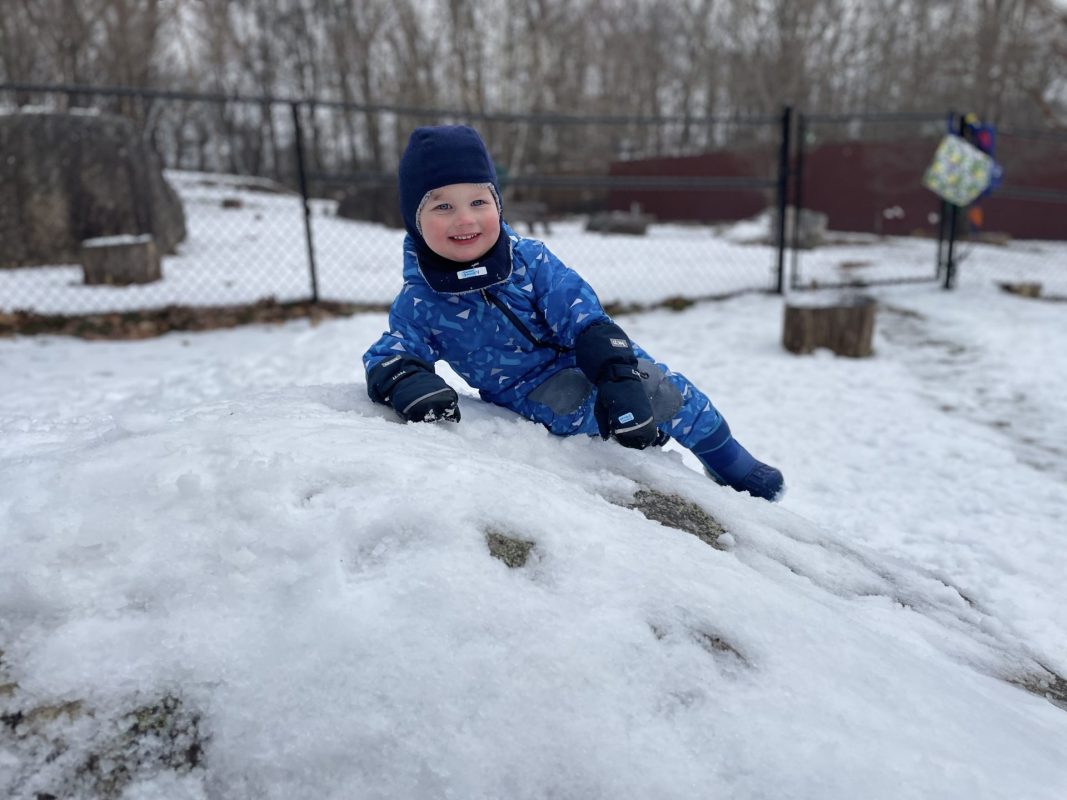
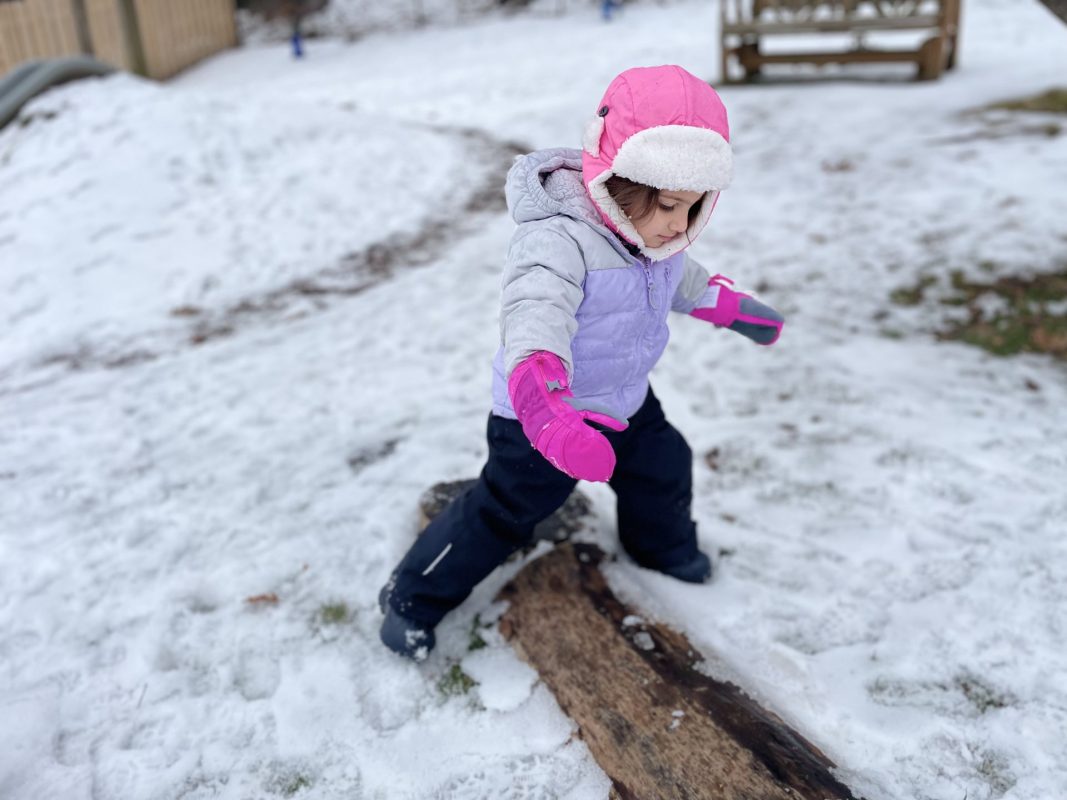
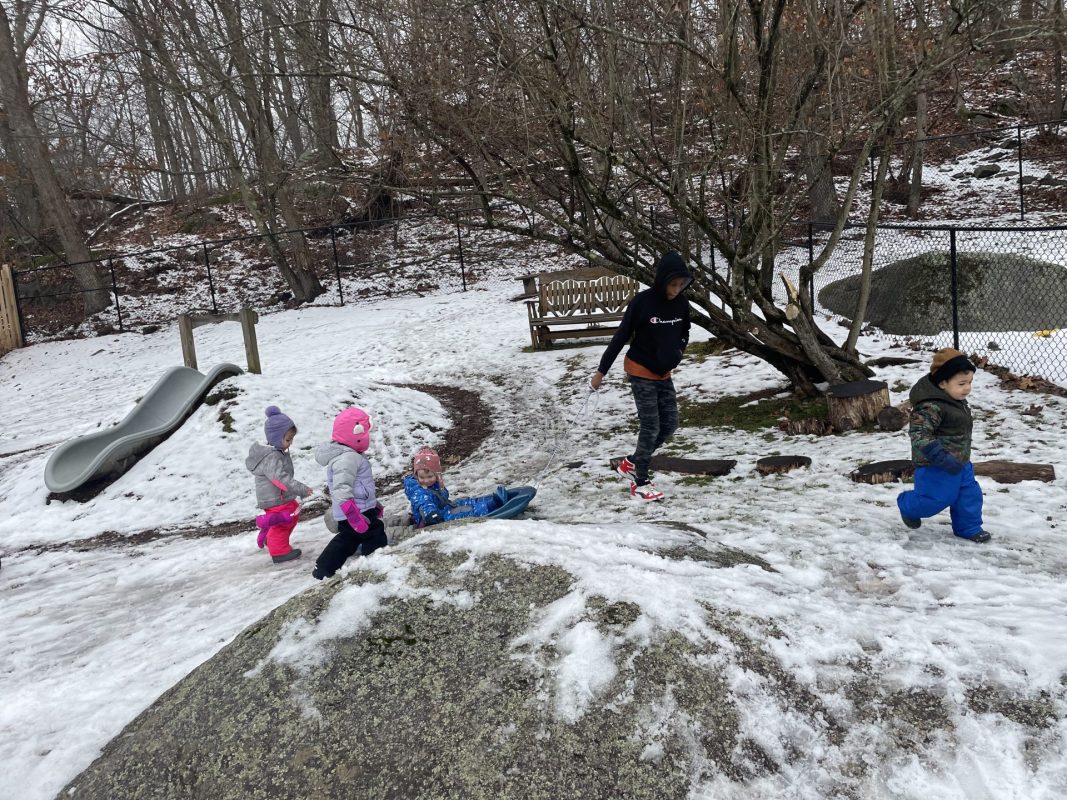
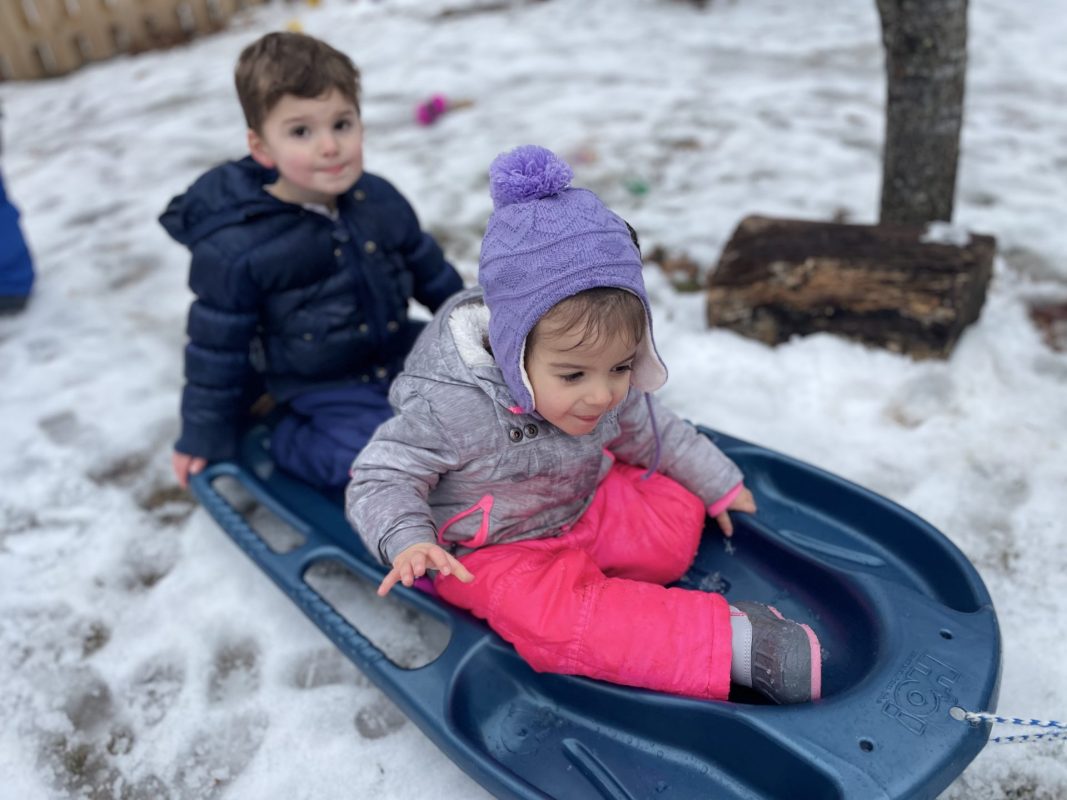
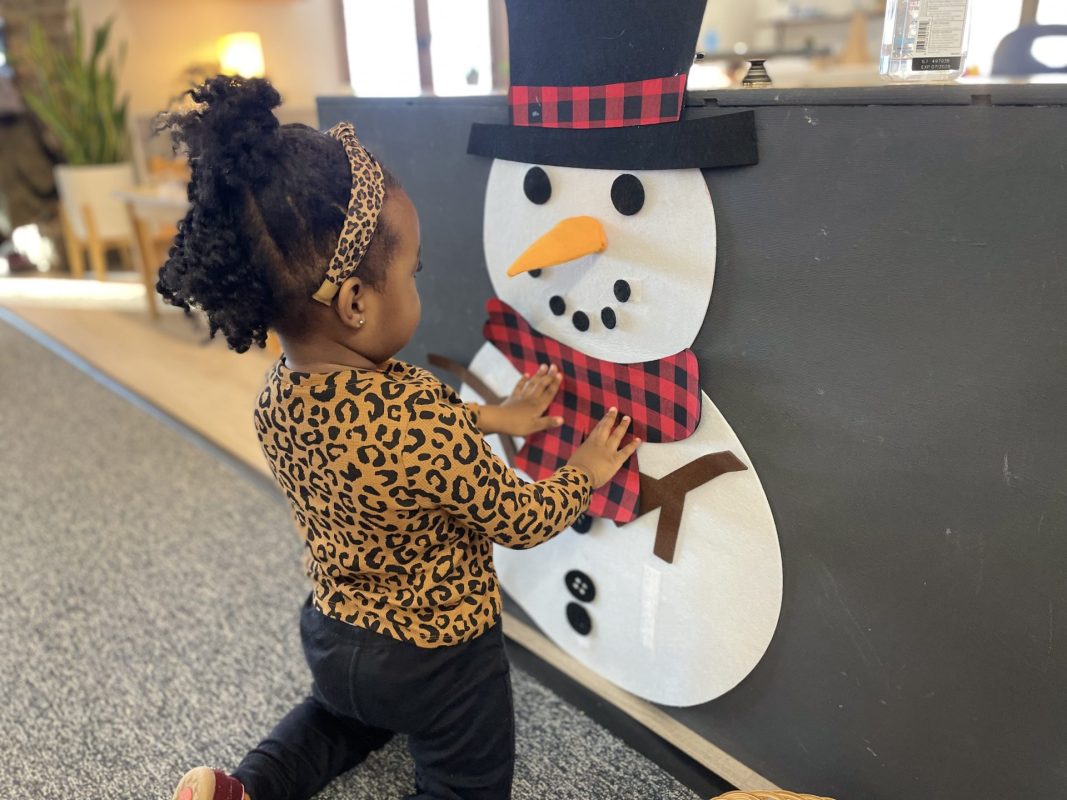
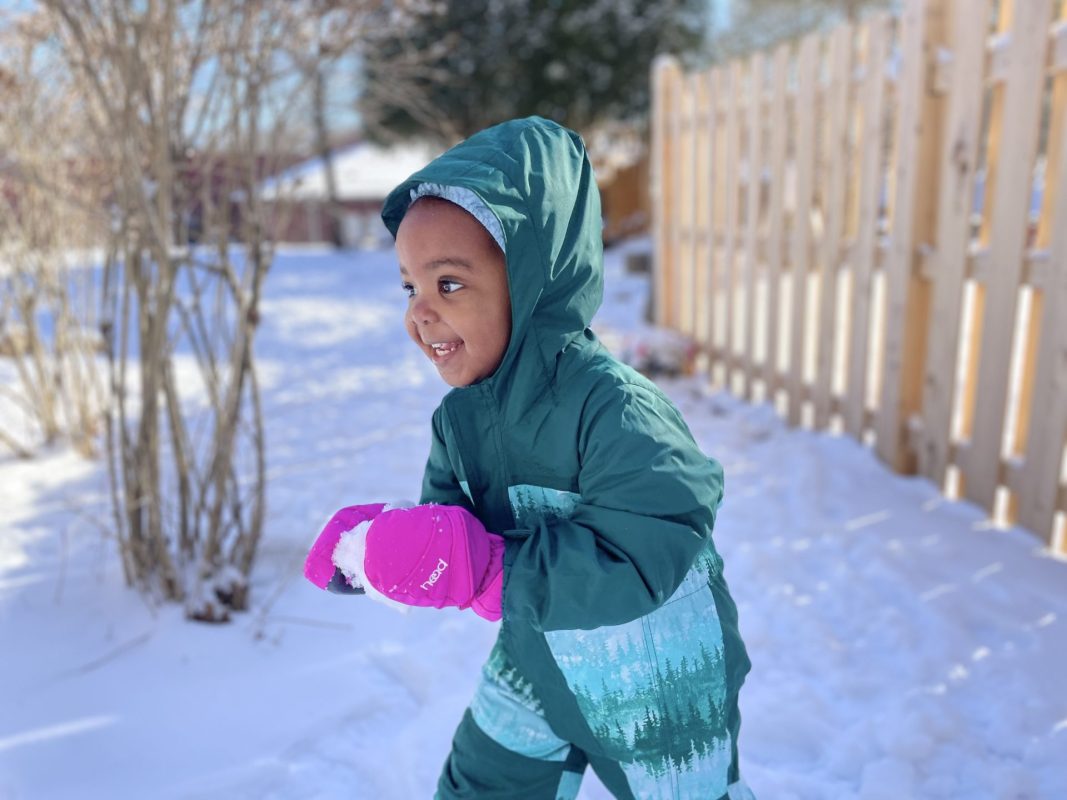
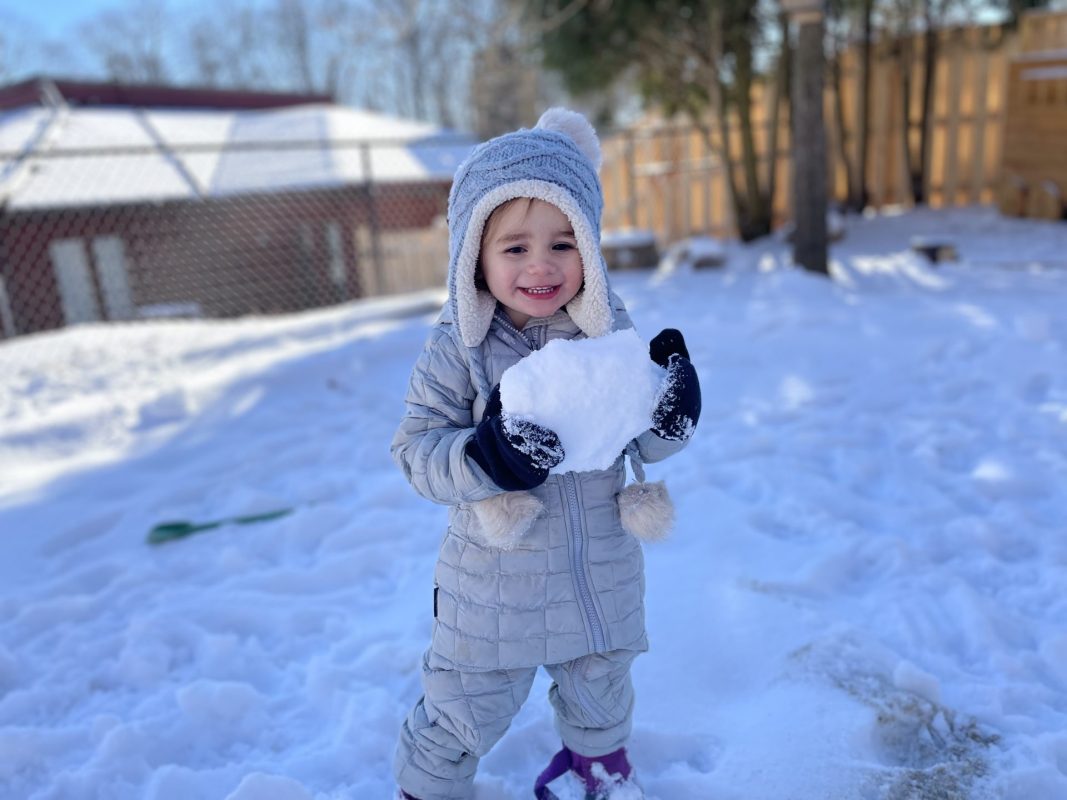
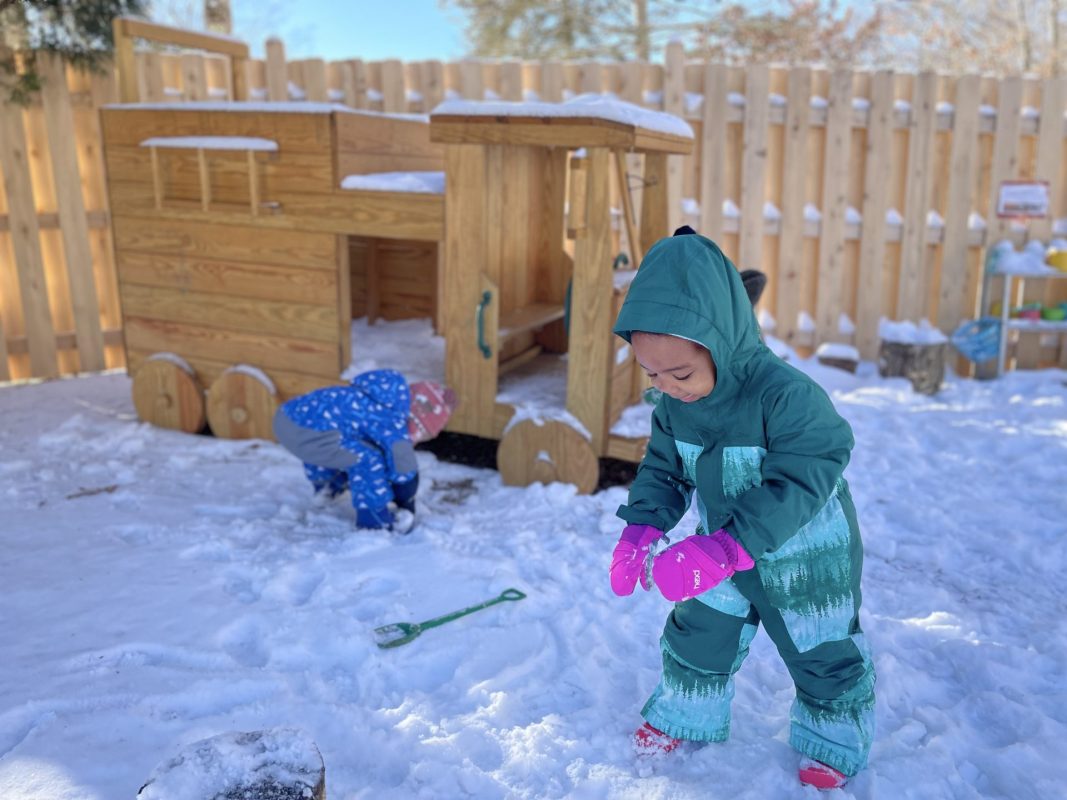
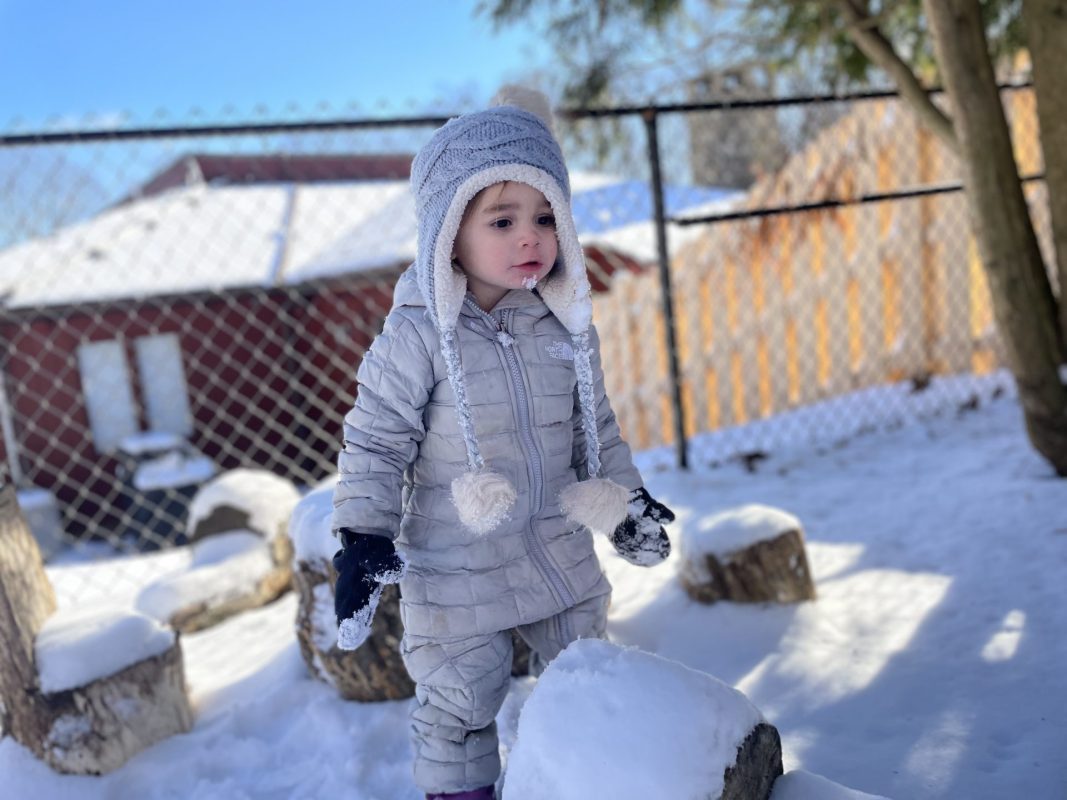
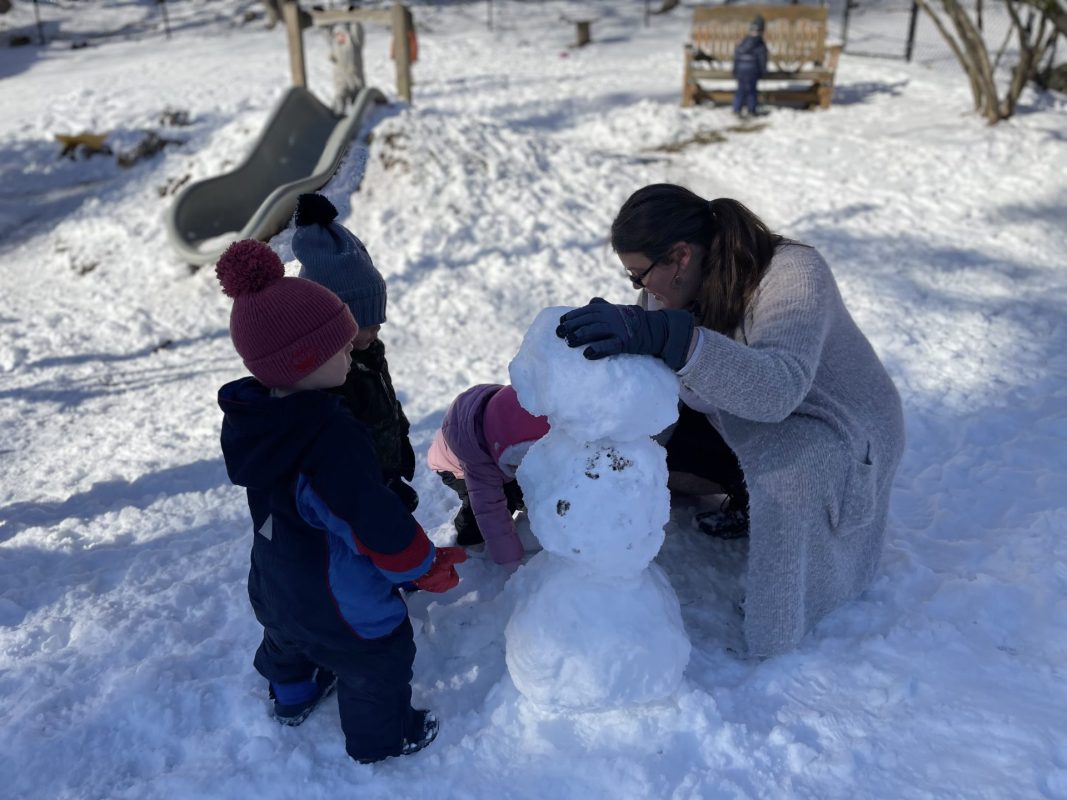
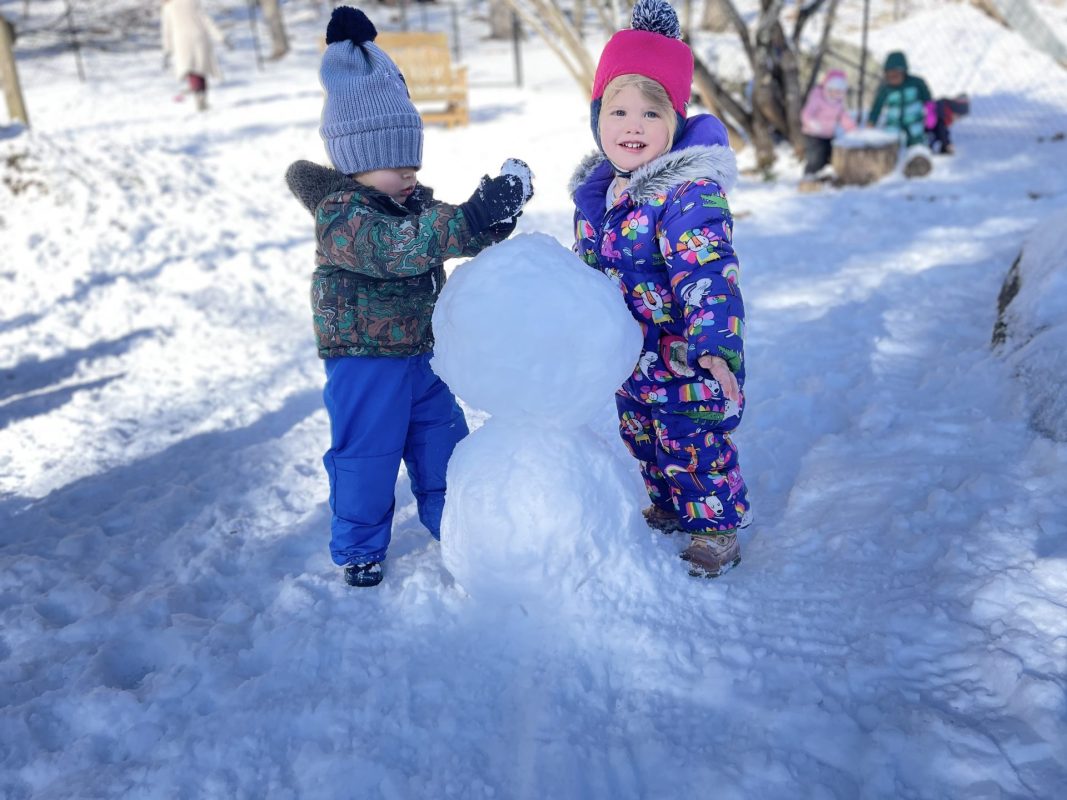
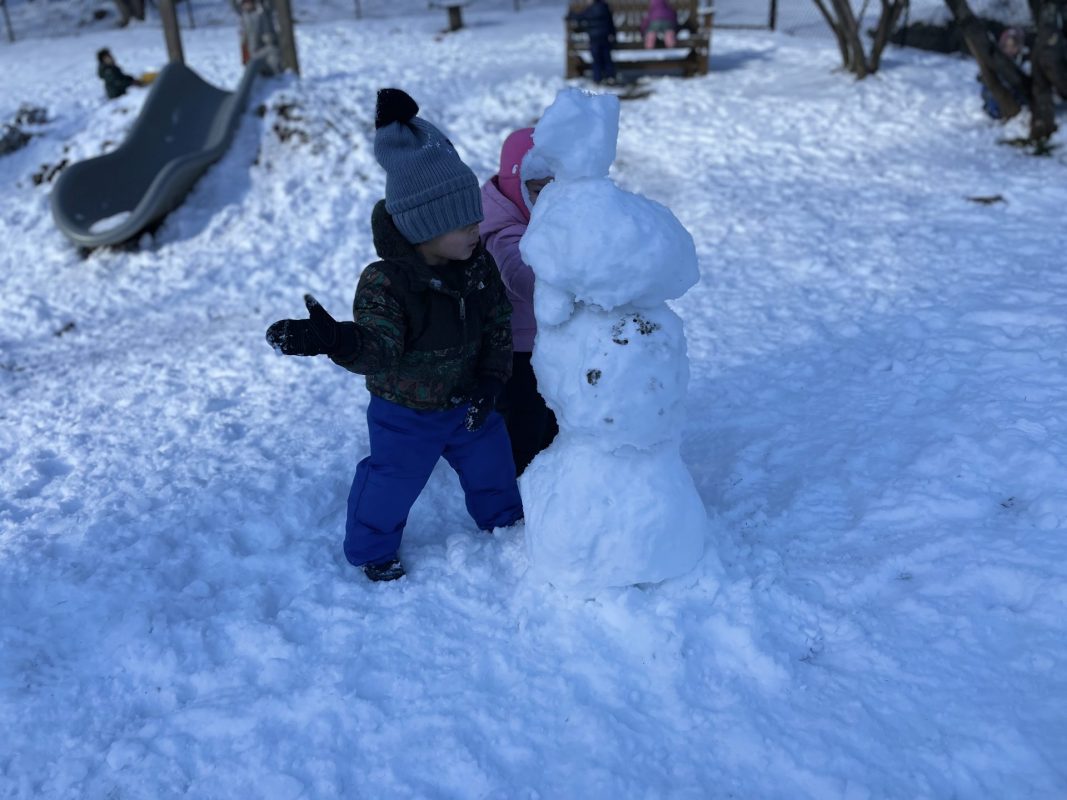
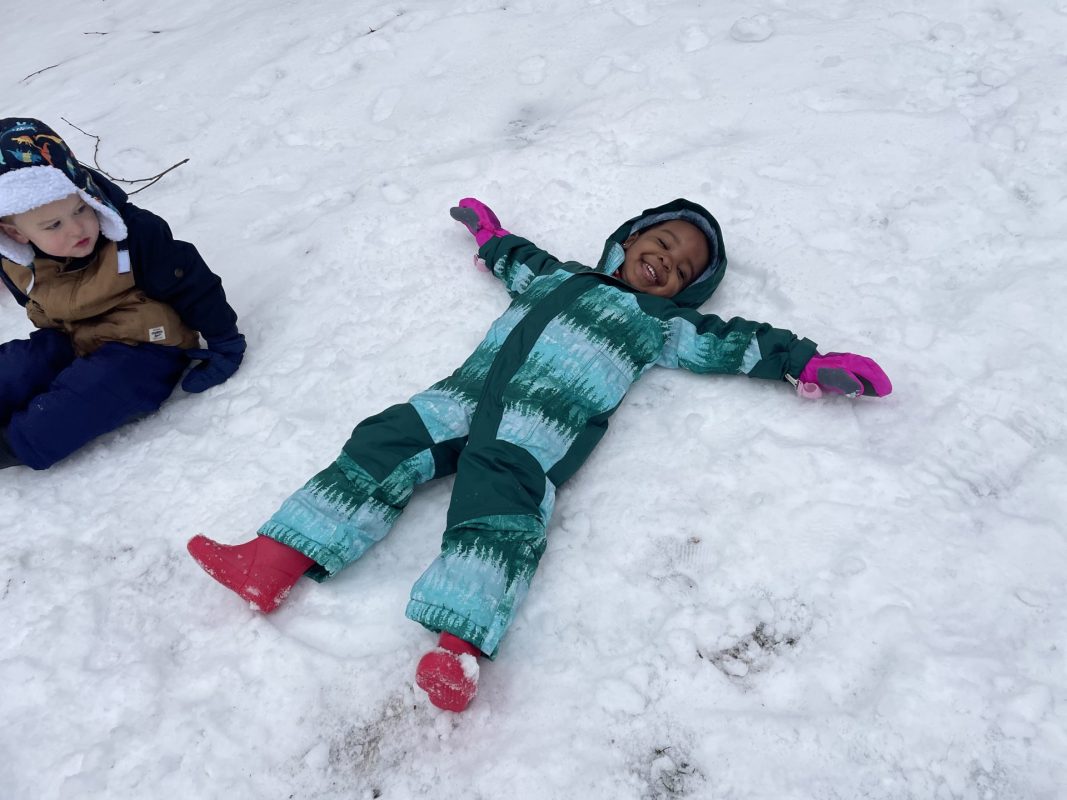
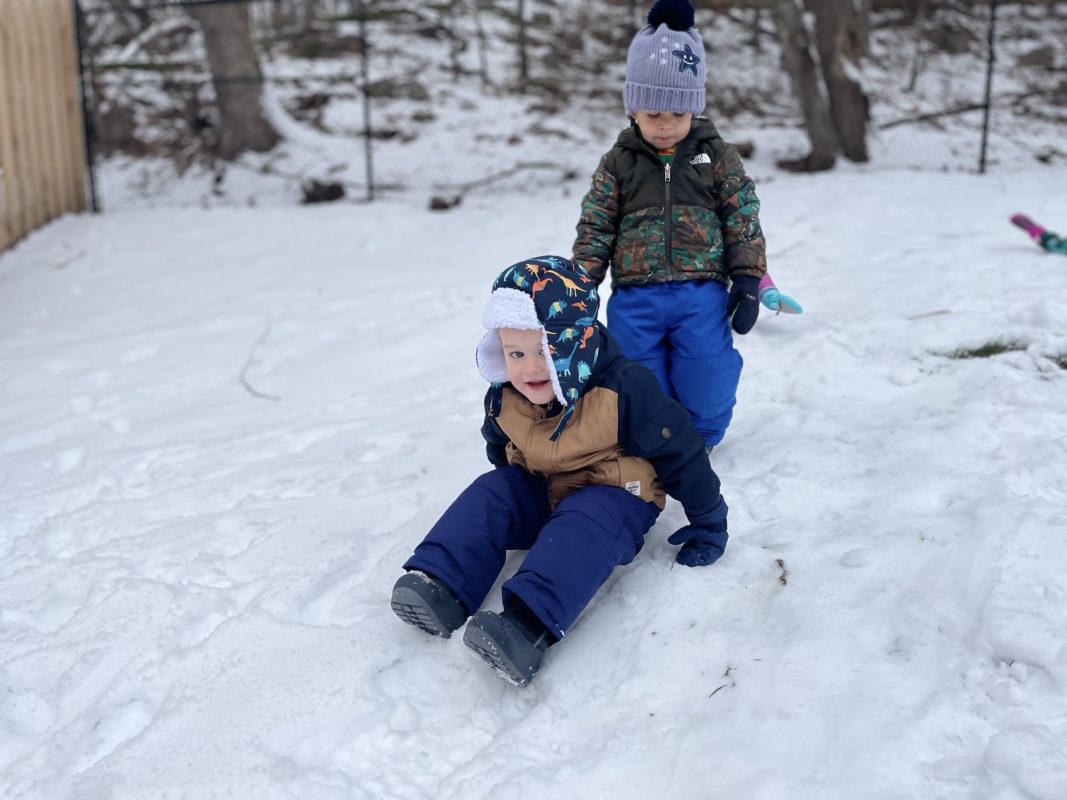
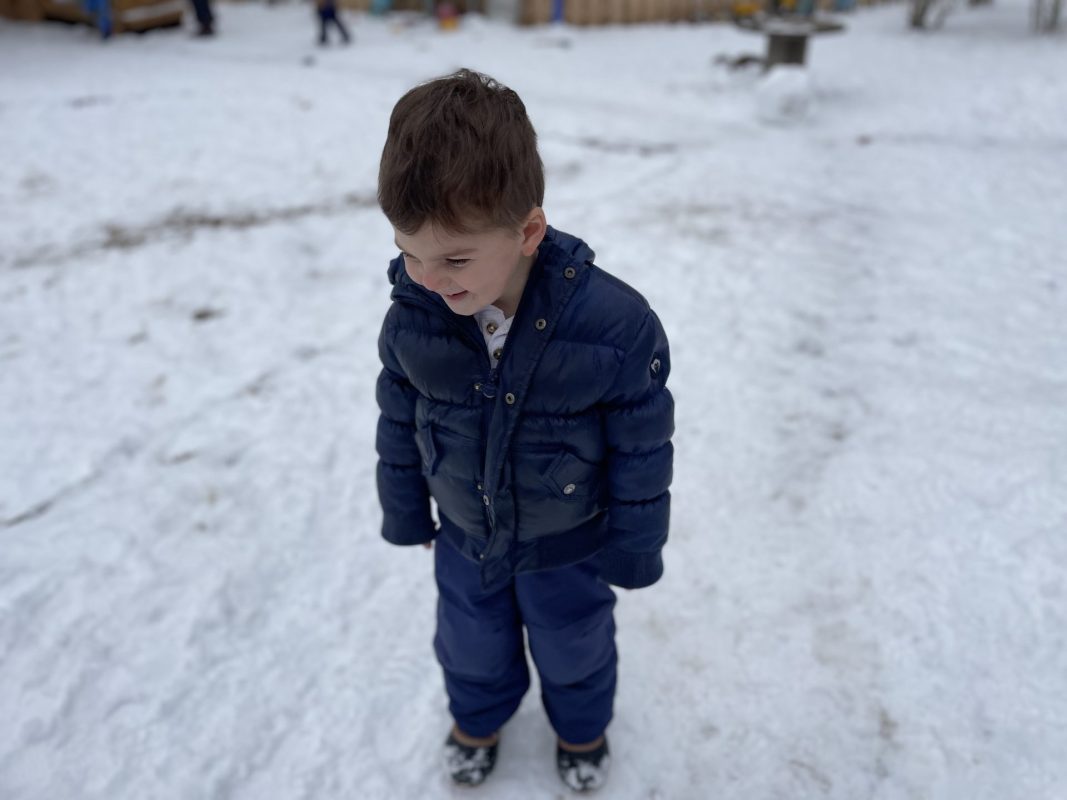
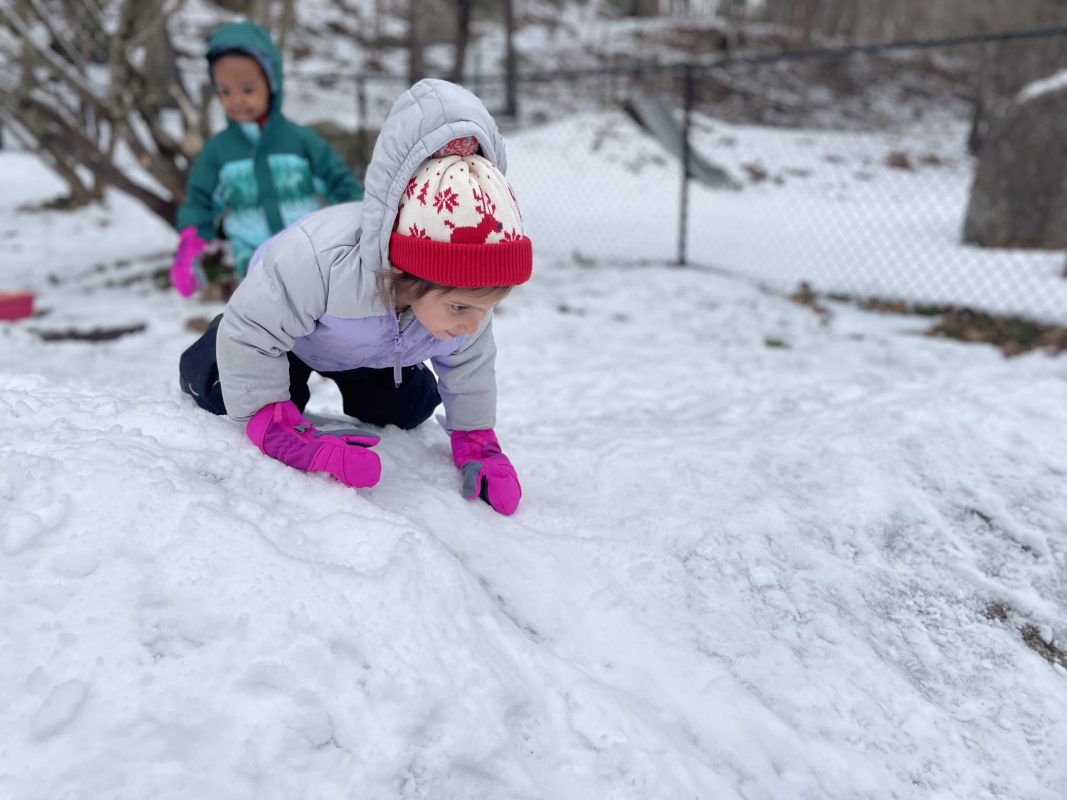
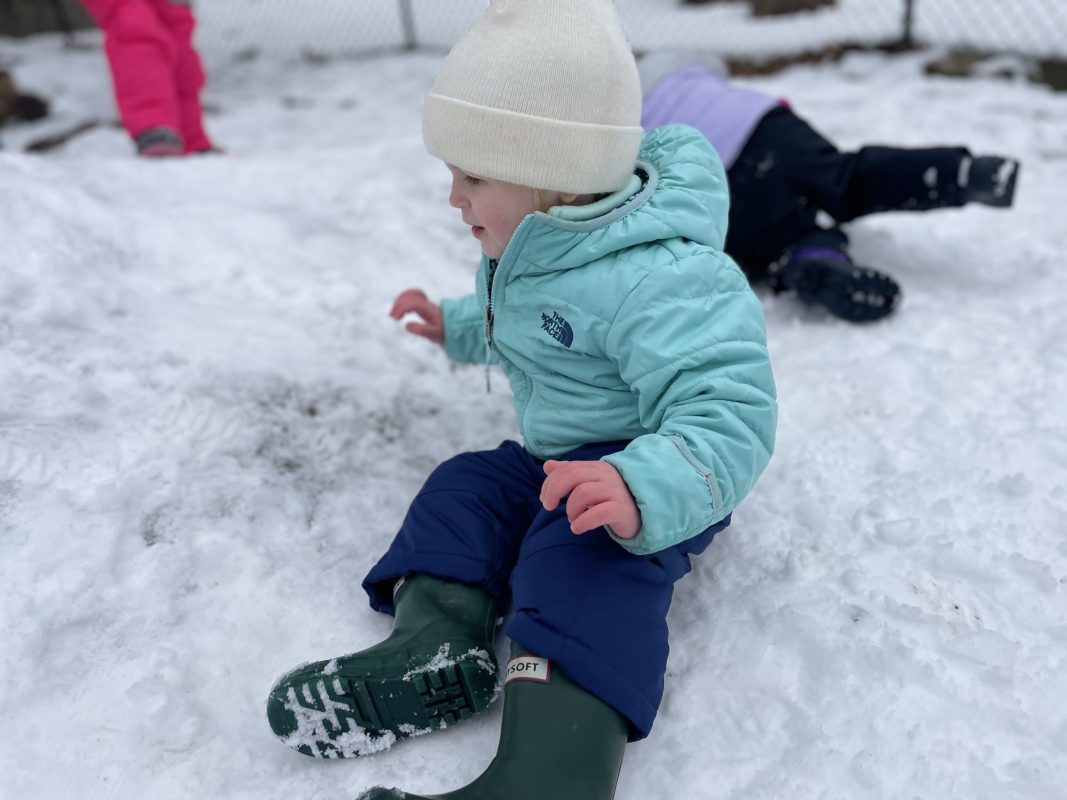
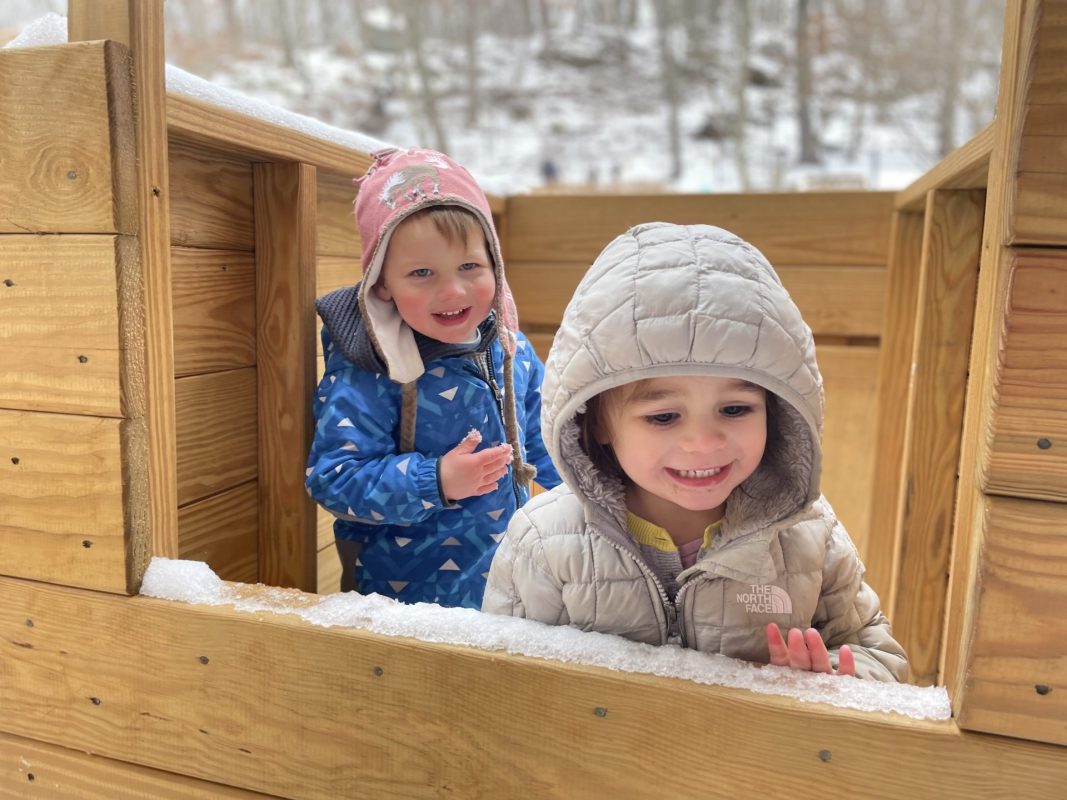
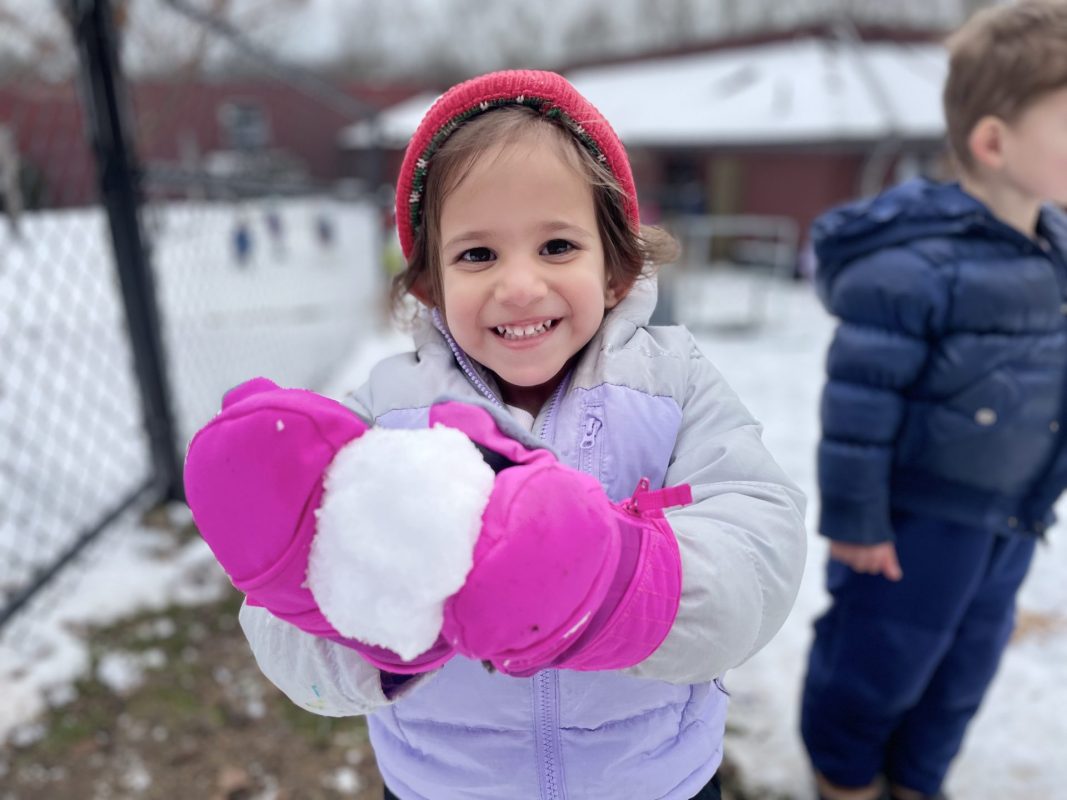
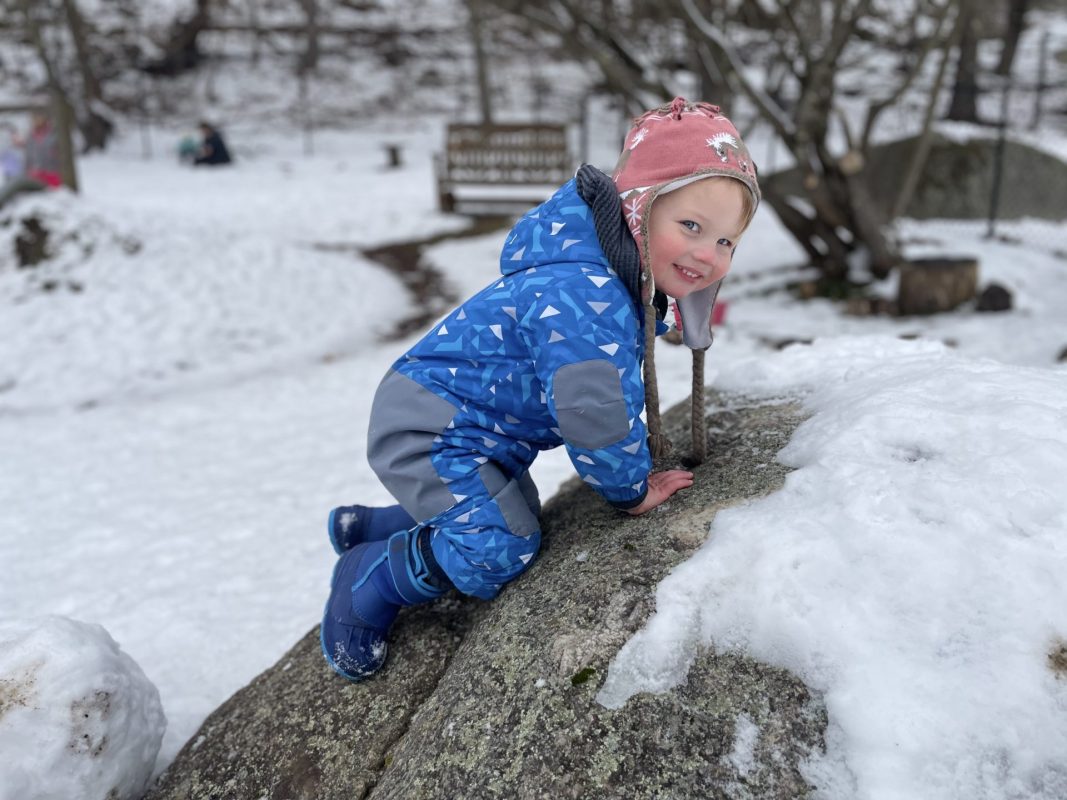
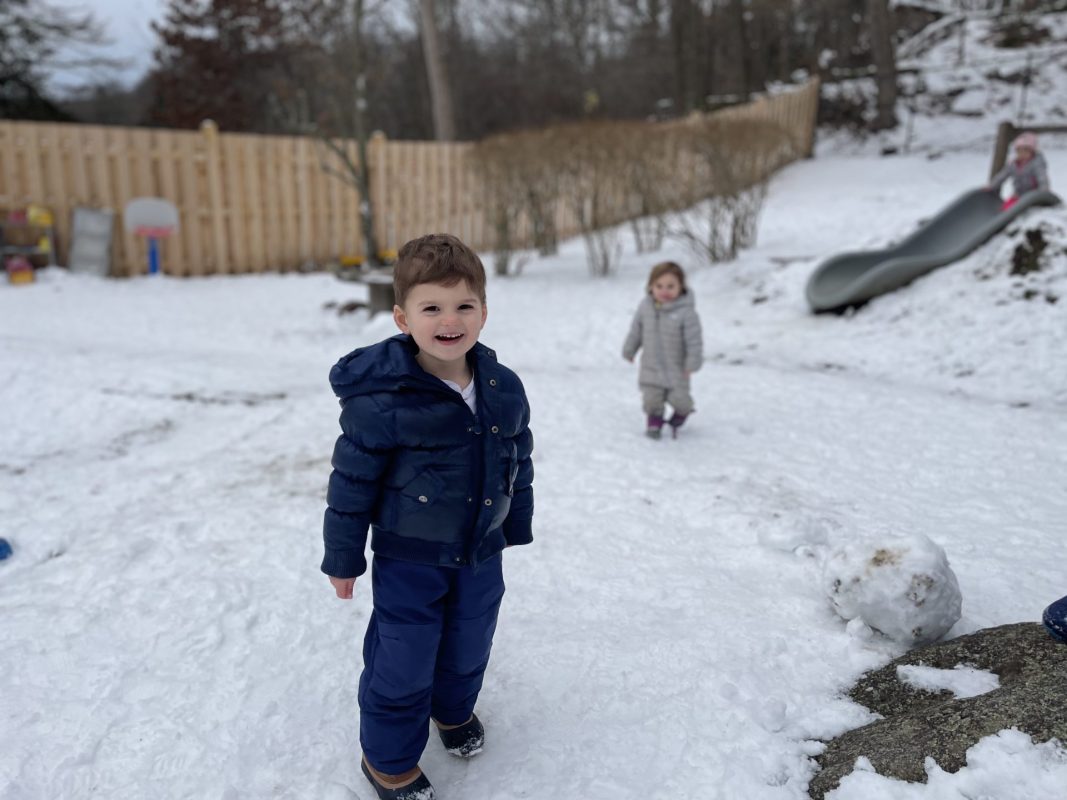
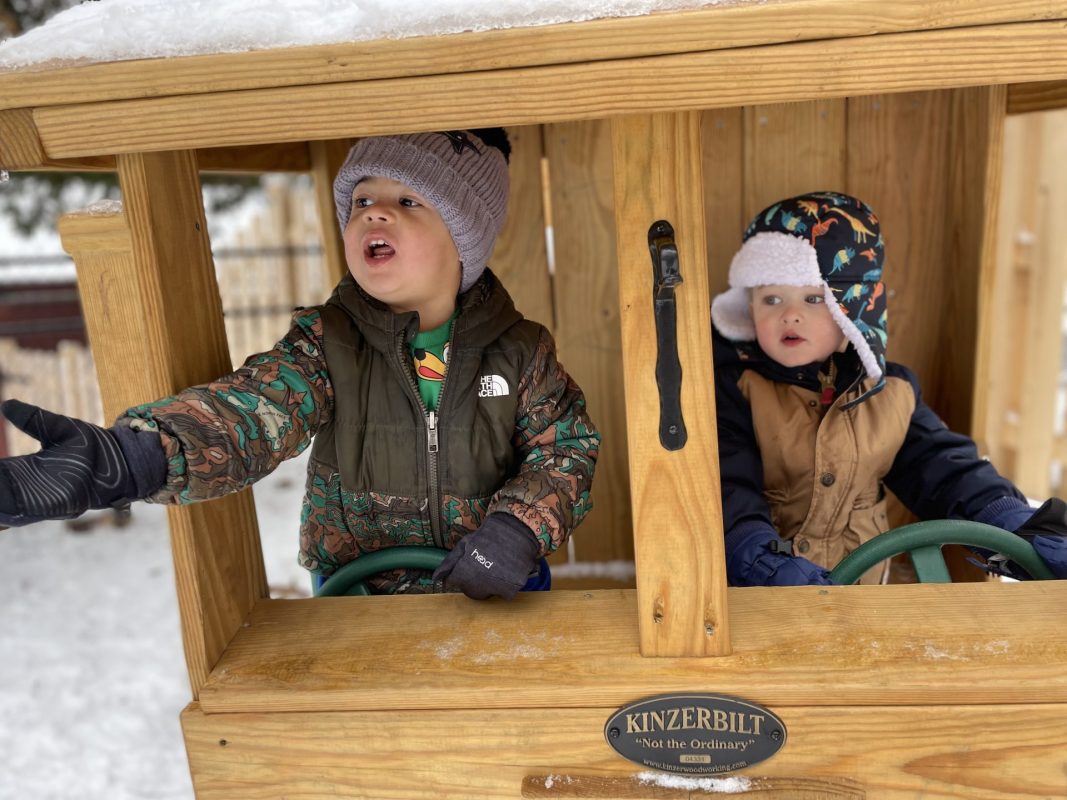
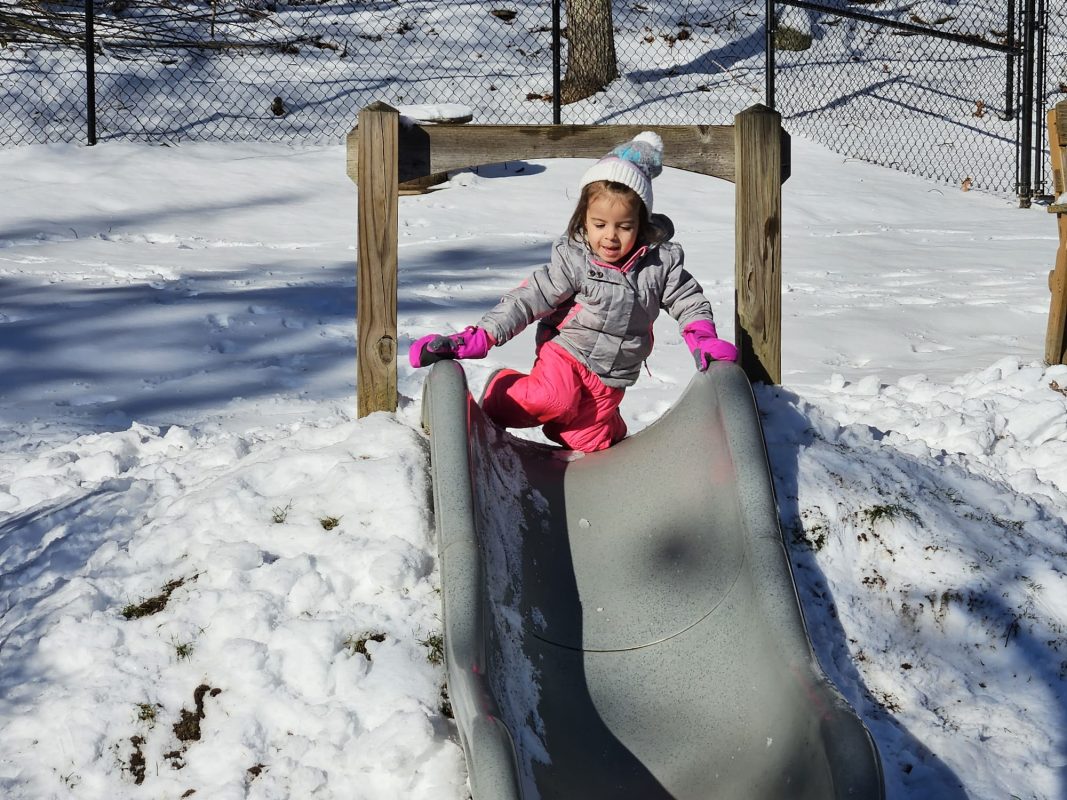
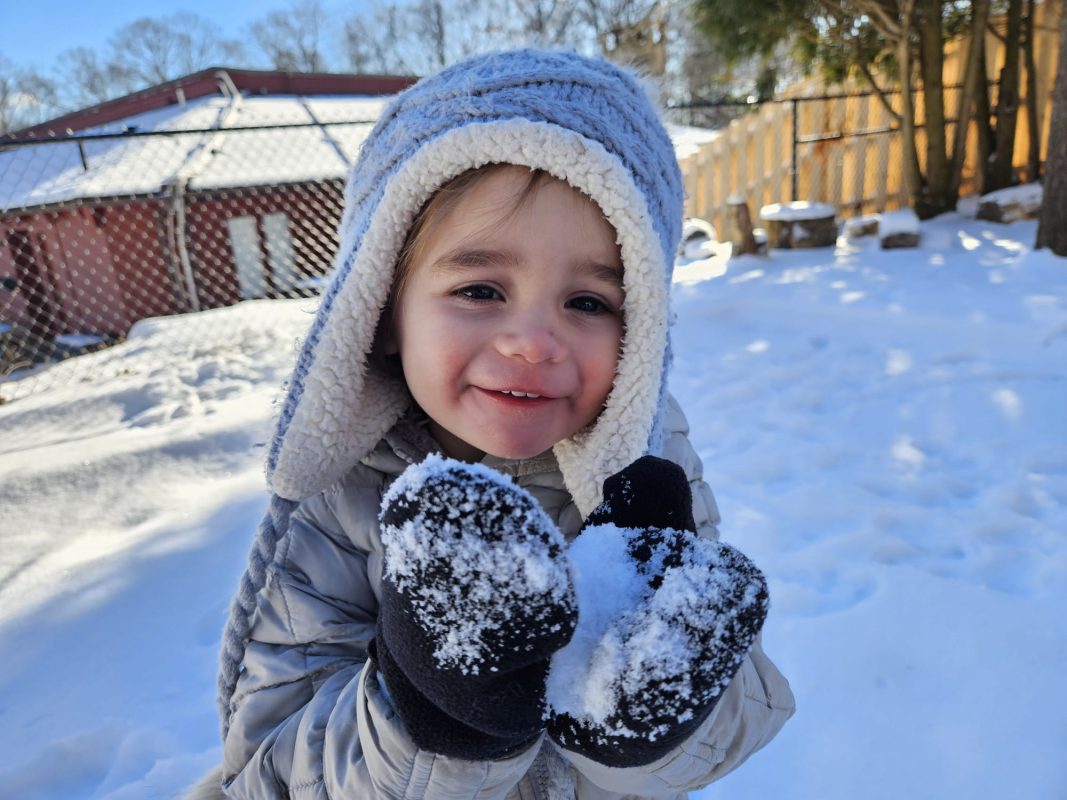
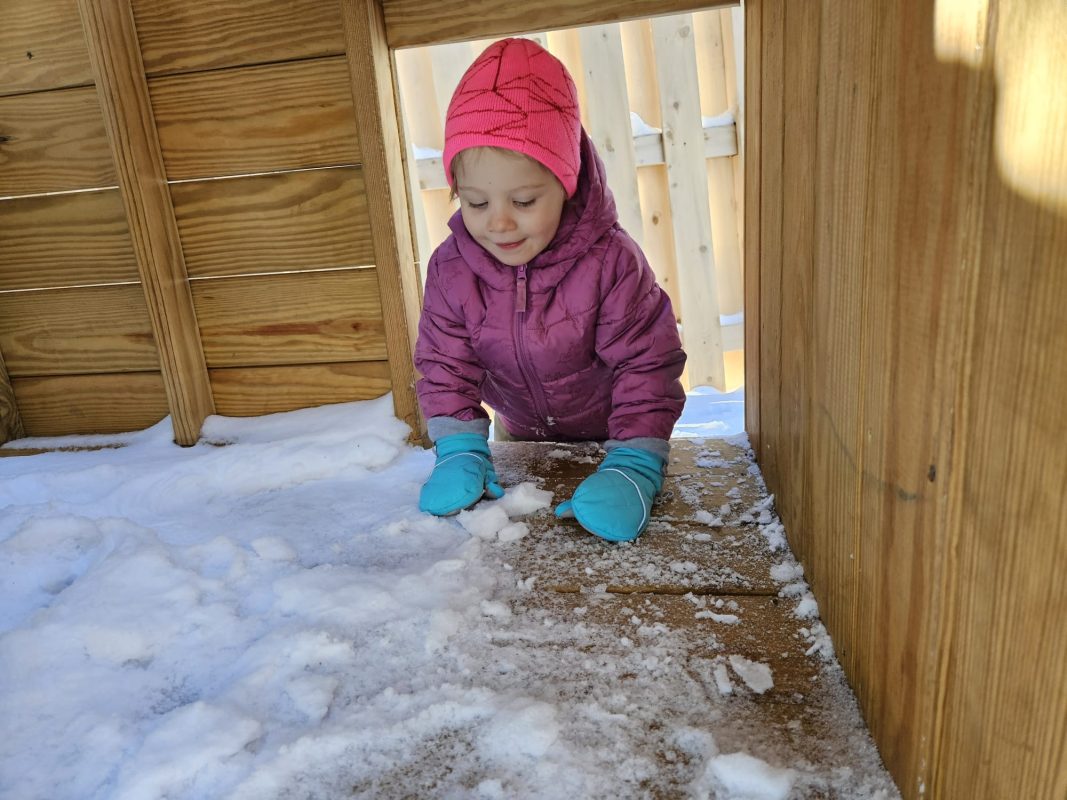
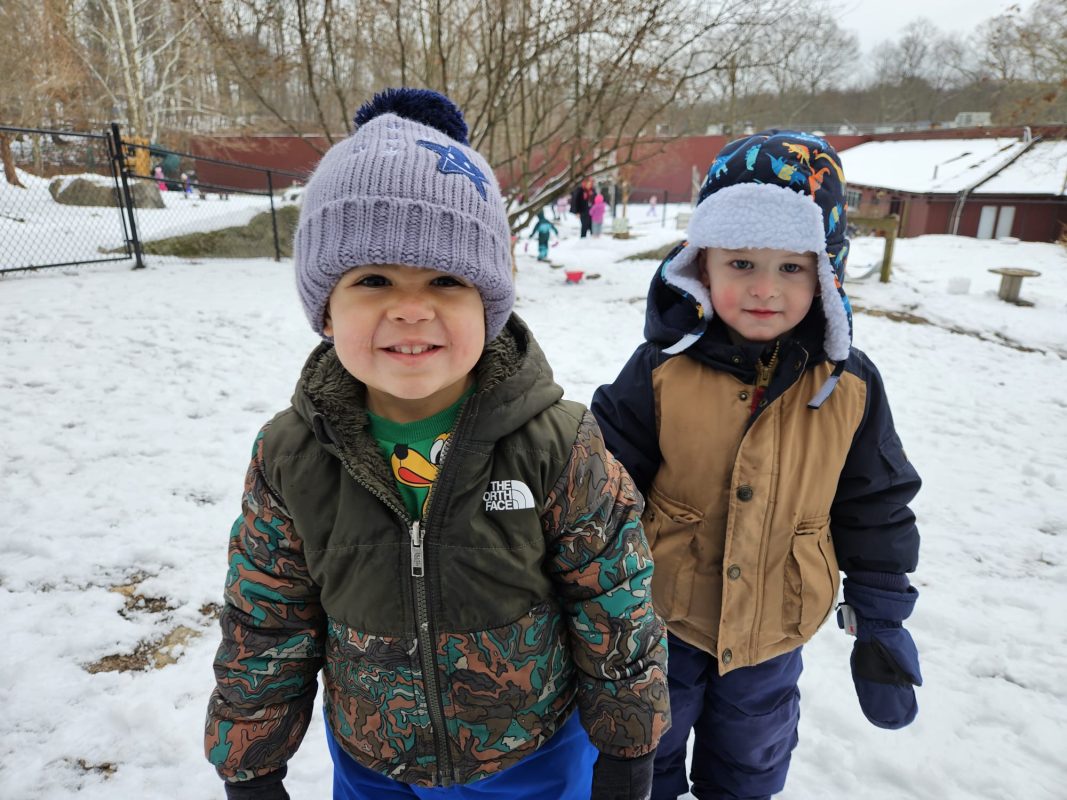
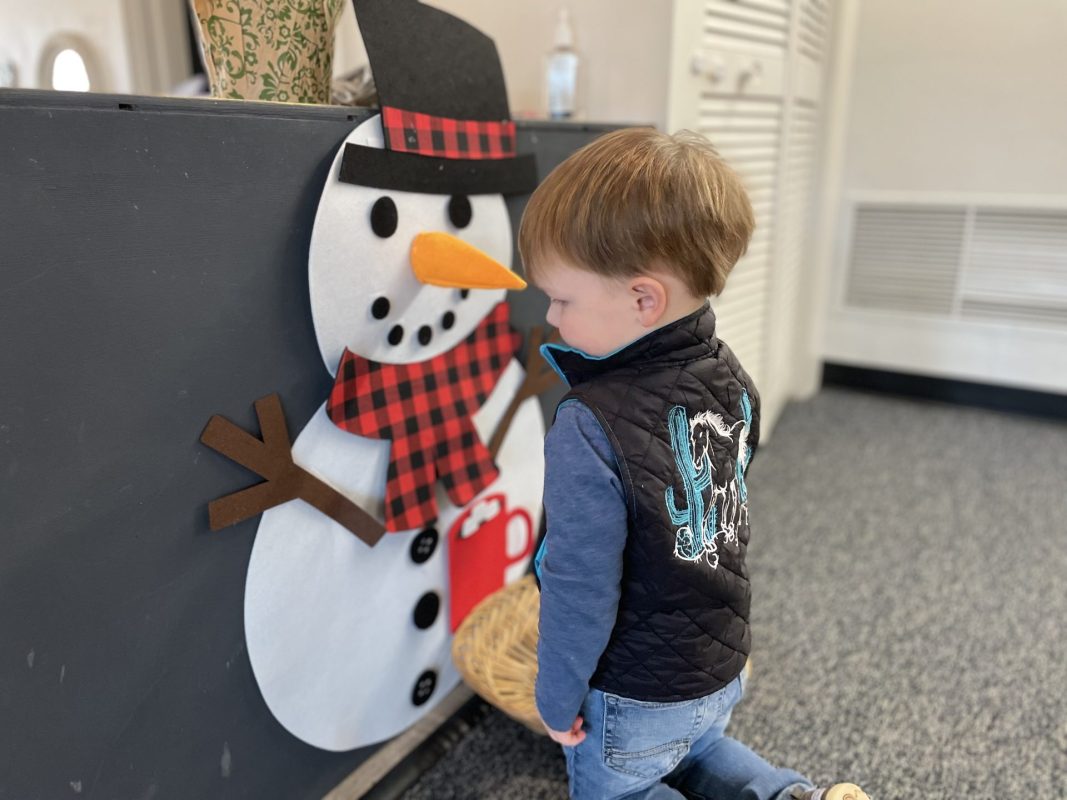
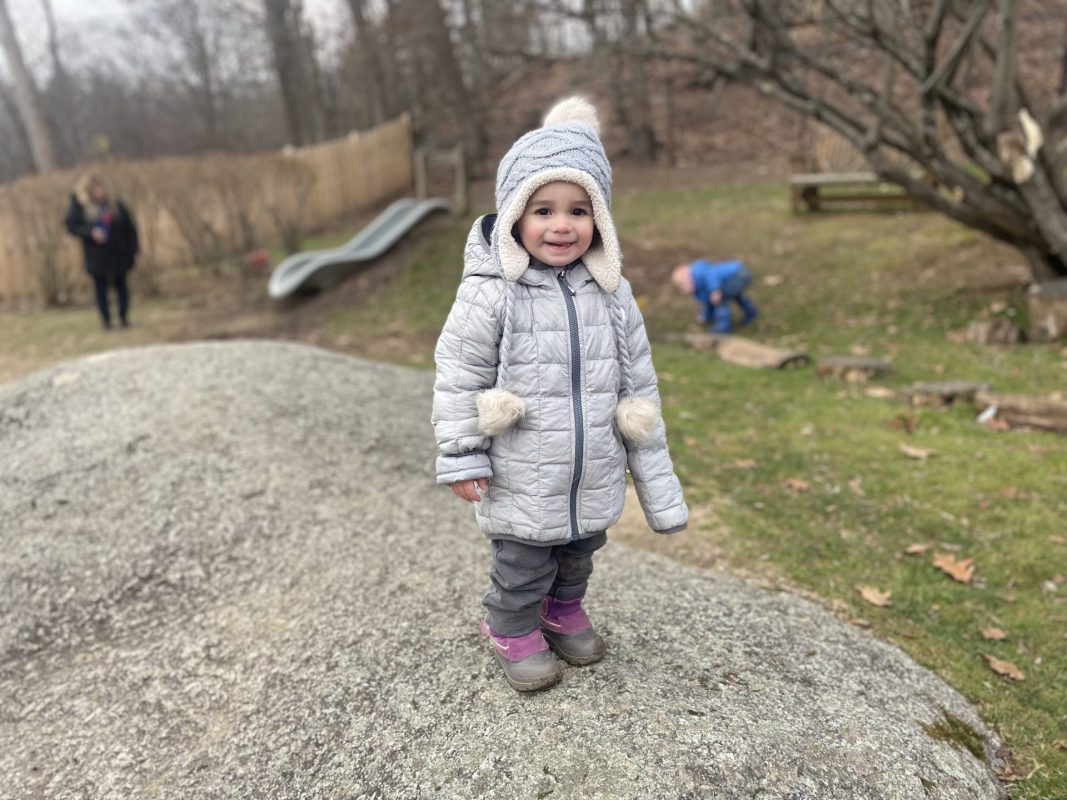
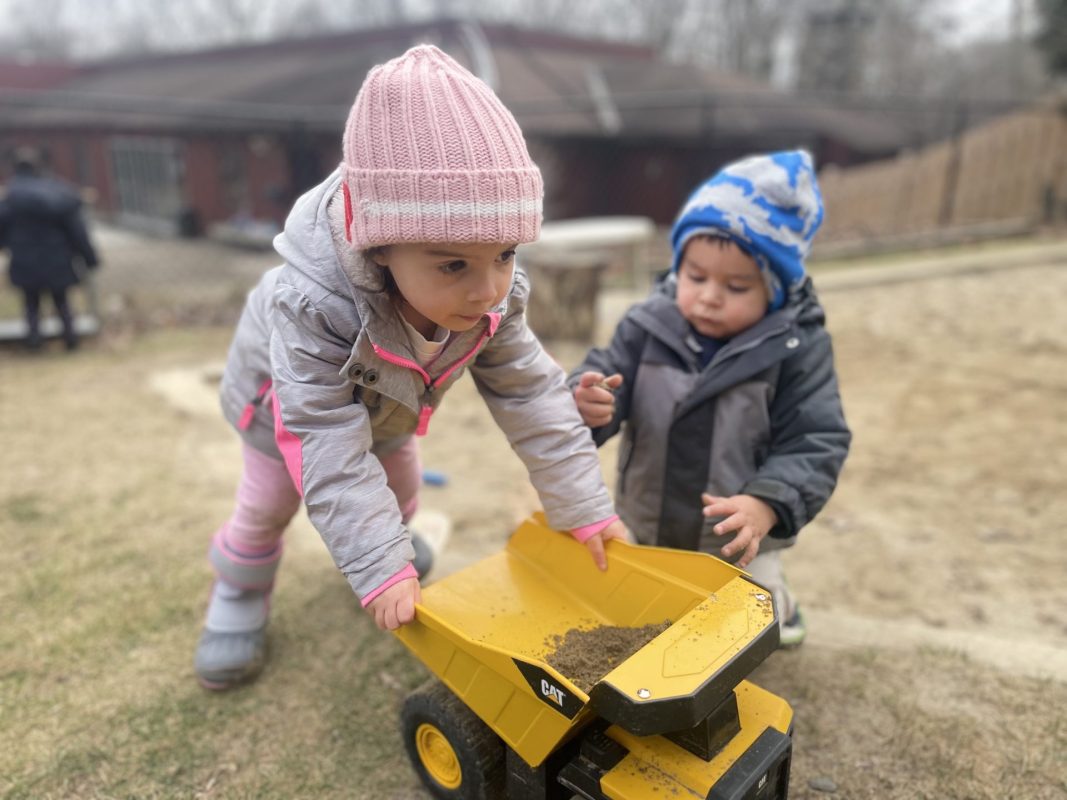
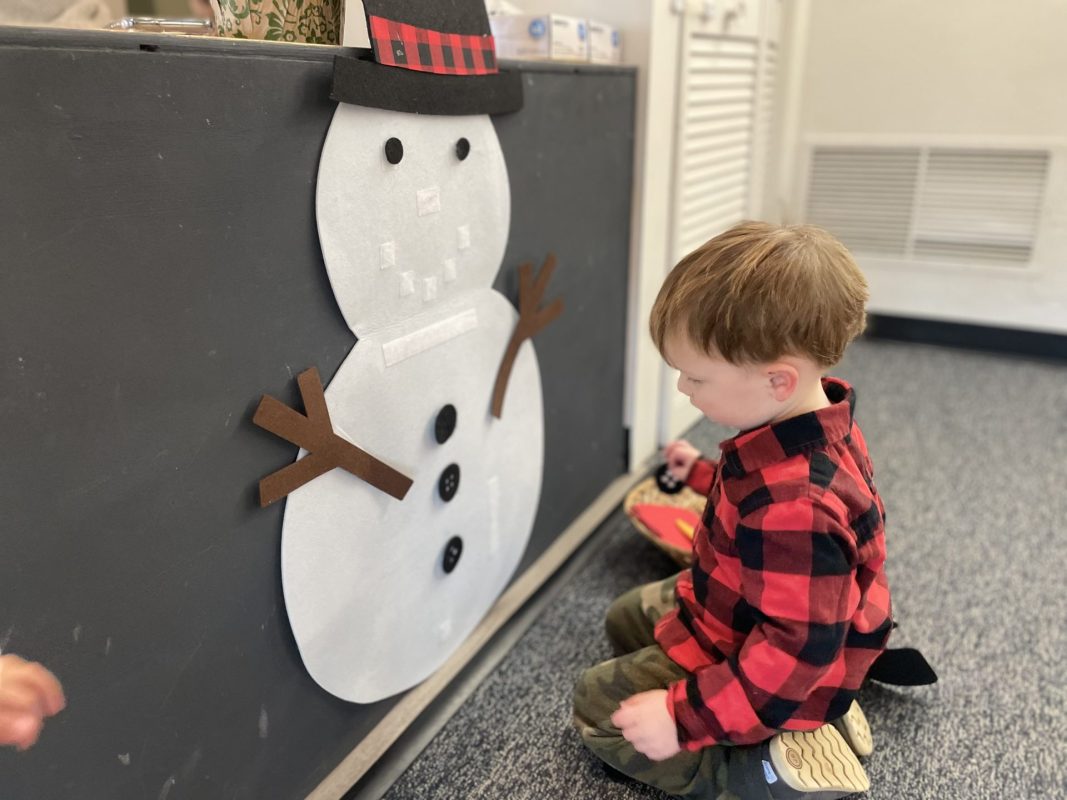
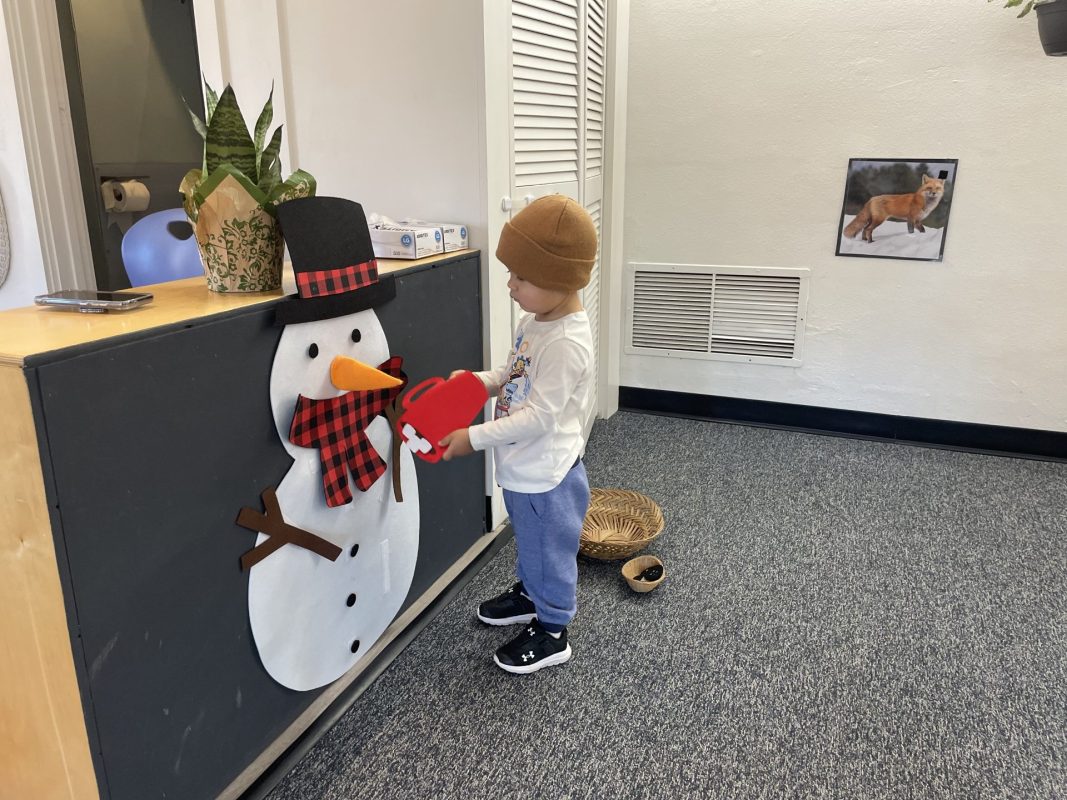
Stepping outside, the children were greeted by a multitude of sensory experiences. The sight of snowflakes drifting from the sky, the sound of their footsteps crunching on the snow, the feel of the cold air on their cheeks, and the taste of fallen snow were sensations that contributed to a rich and meaningful learning experience. As they played and explored, they not only had fun learning to make snow angels and rolling snowballs to create a snowman with Mrs. Mollie but also developed their gross motor skills, balance, and coordination while navigating the playground.
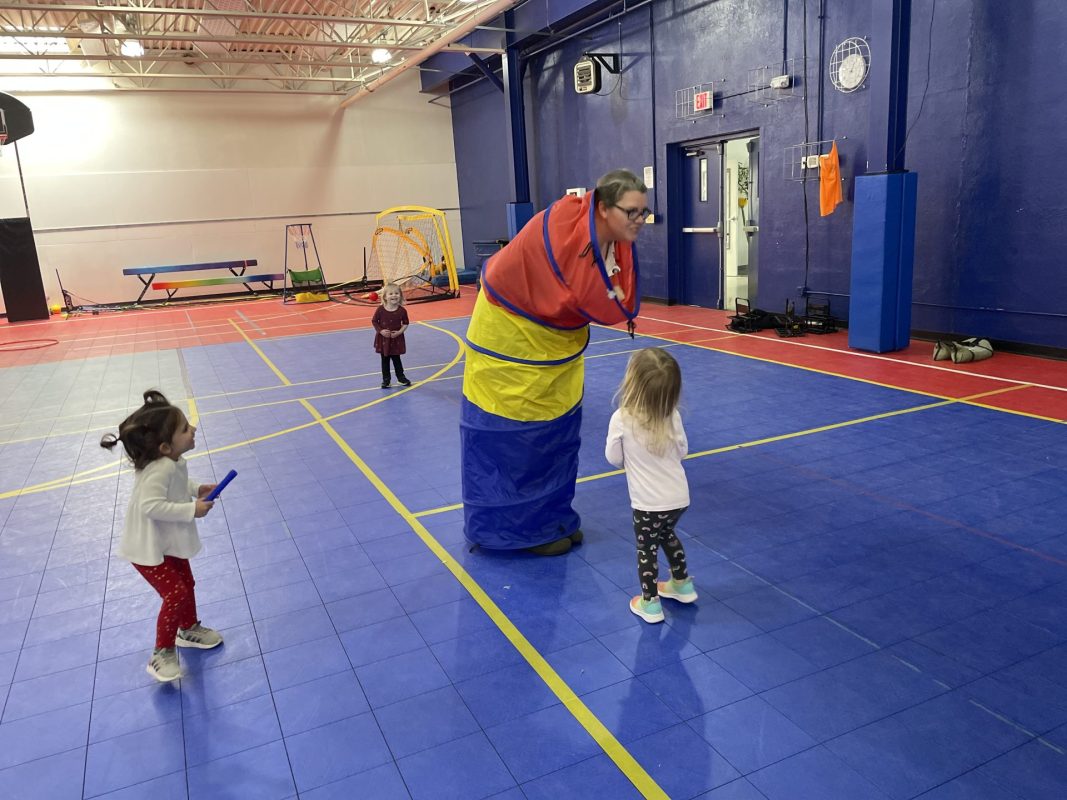
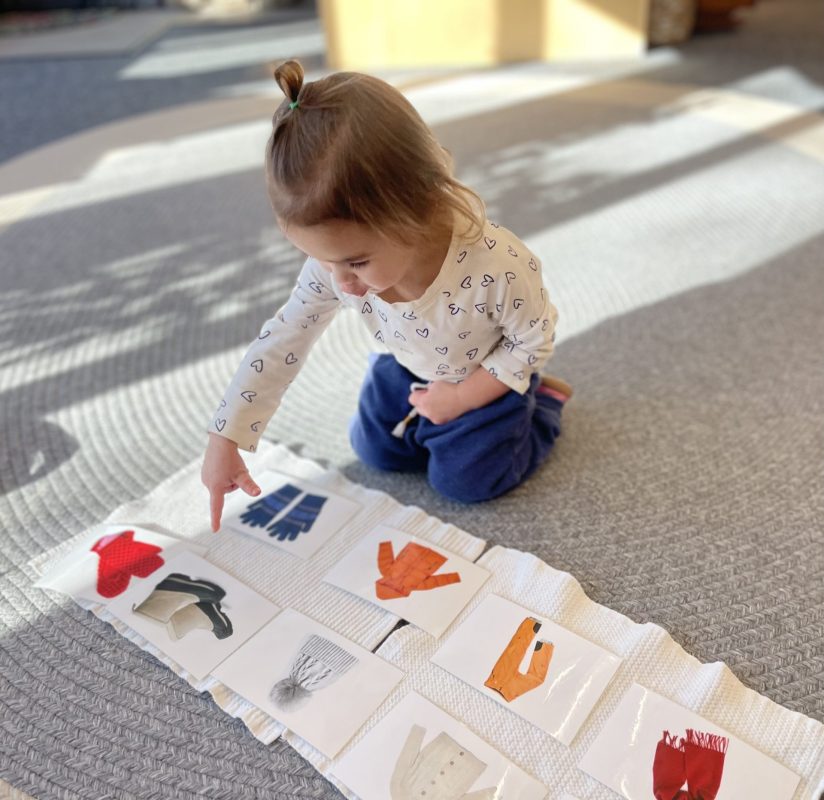
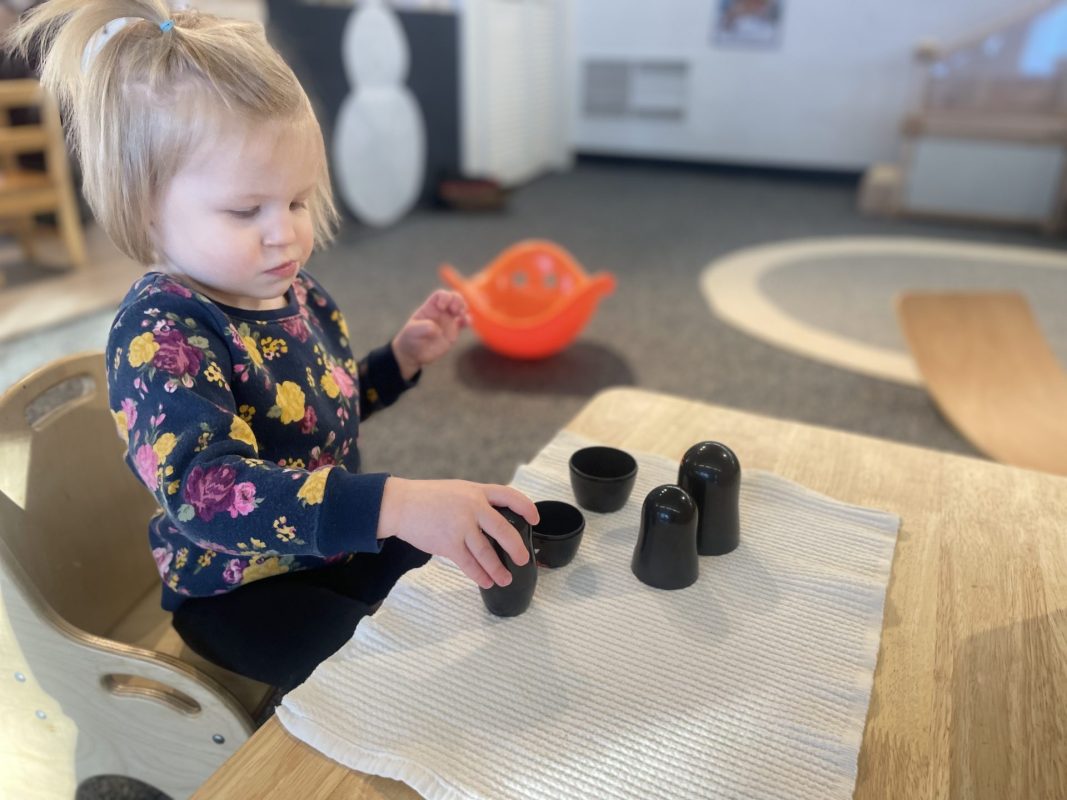
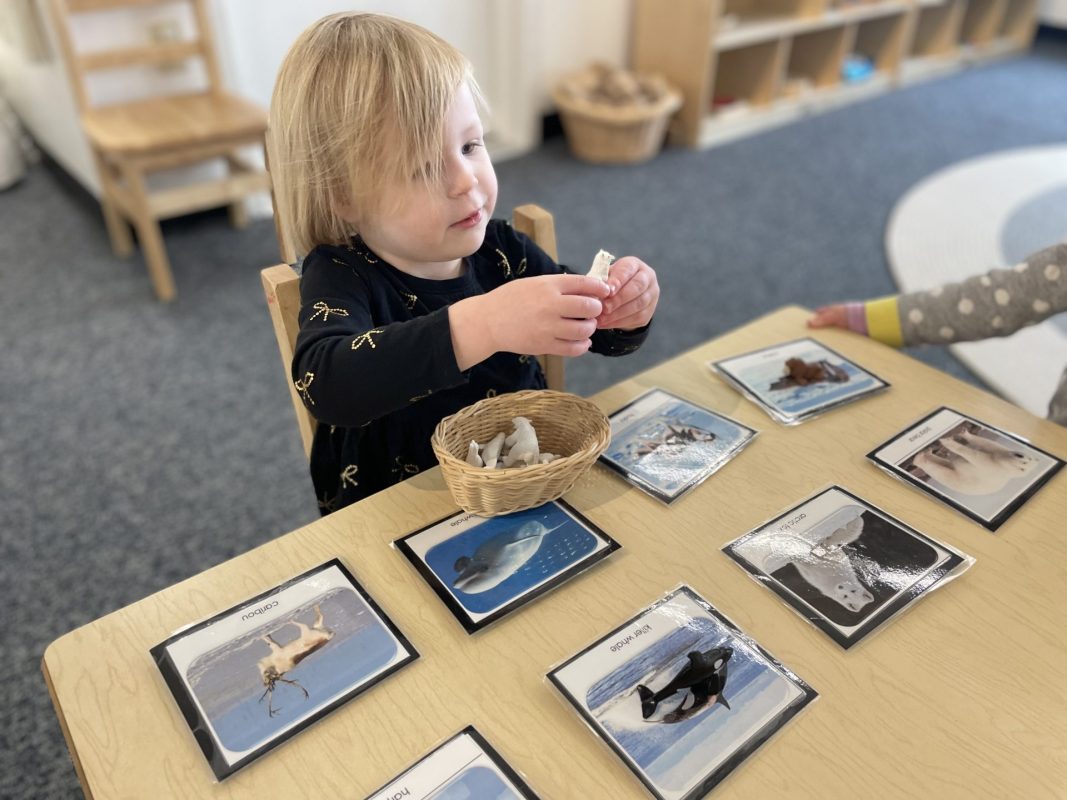
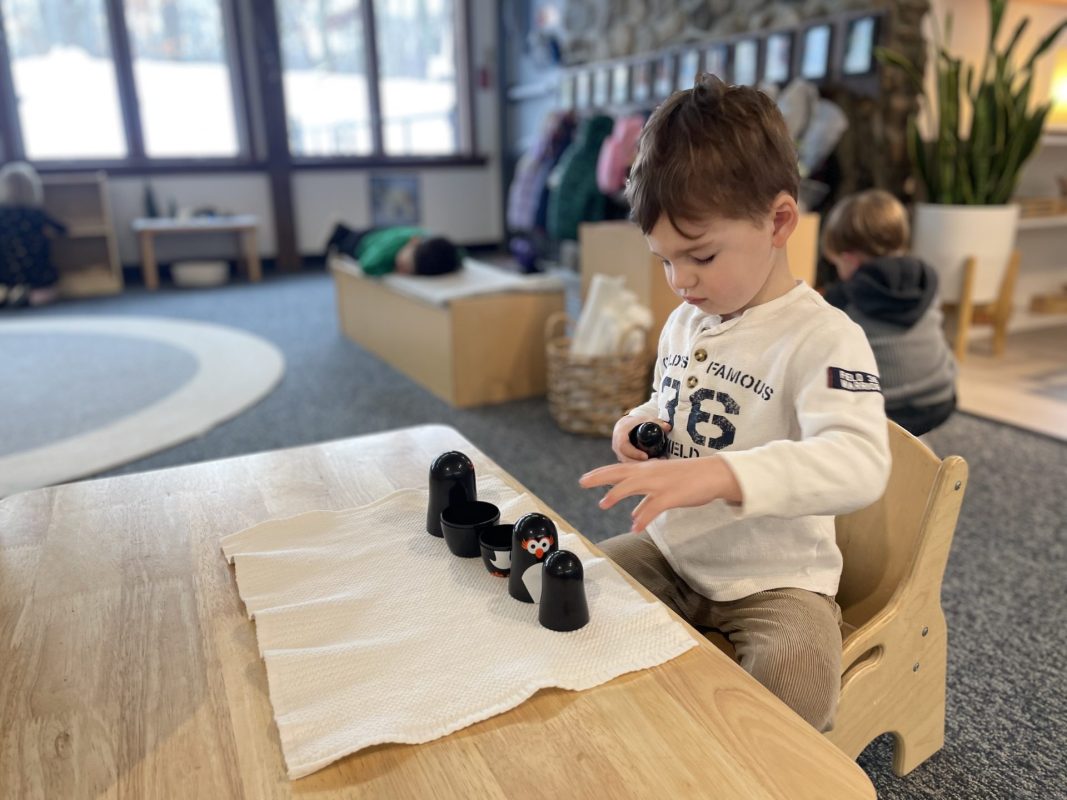
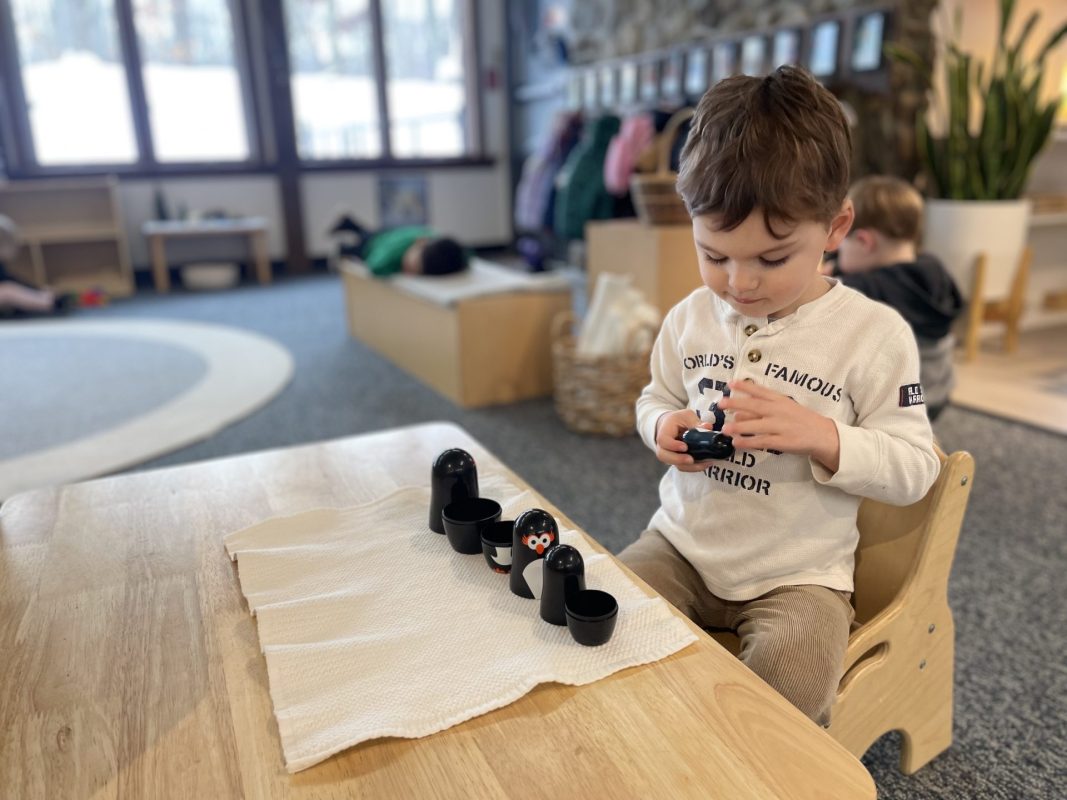
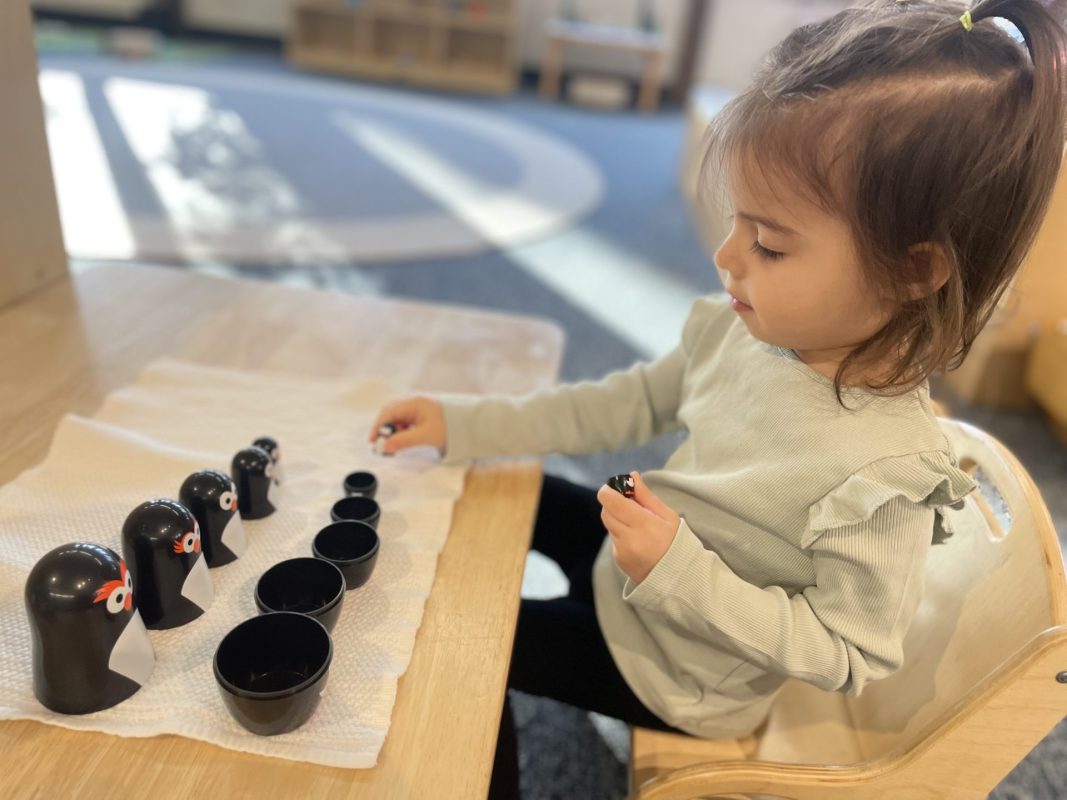
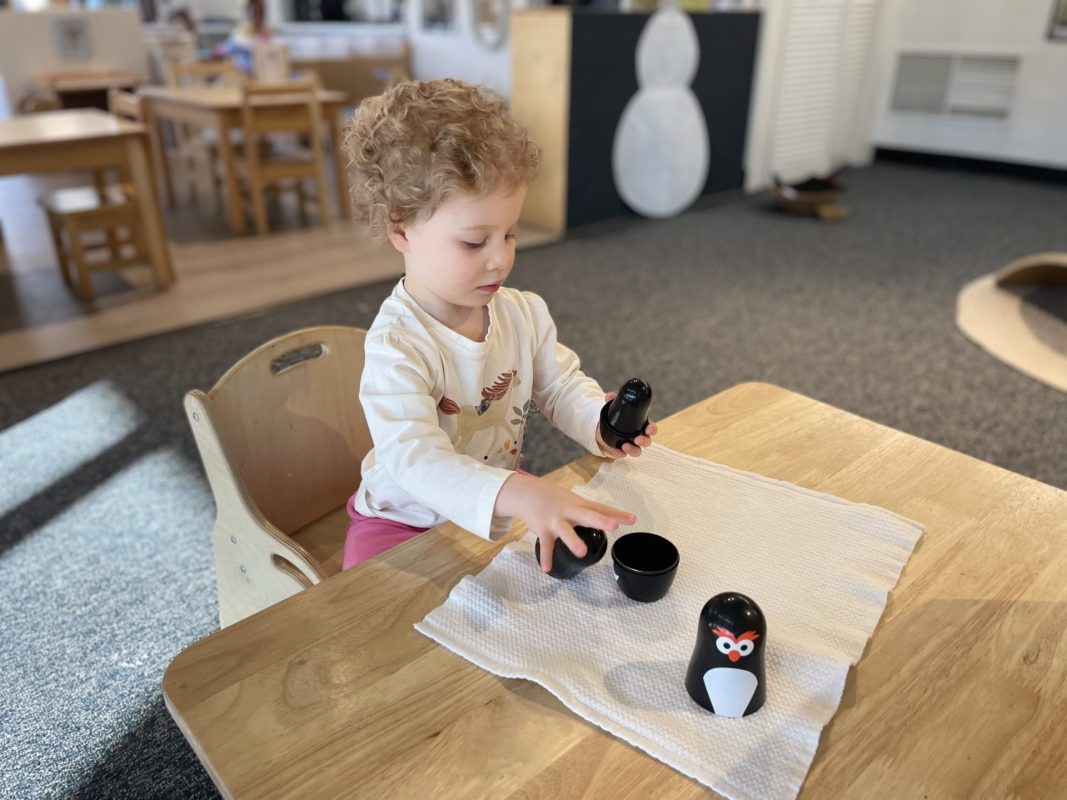
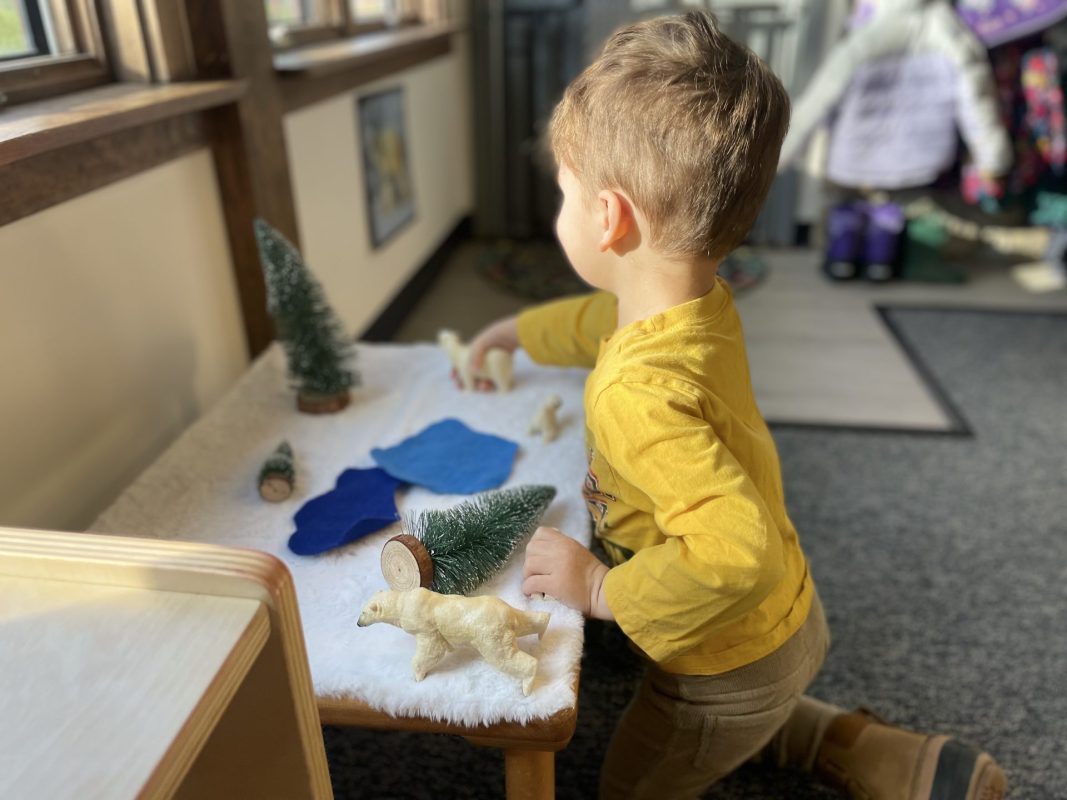
Back inside, the children seemed to enjoy working with the nesting penguins, the winter clothes vocabulary cards. They also engaged in an object-to-picture matching activity focused on Arctic animals. They learned to recognize and observe animals like the harp seal, arctic fox, killer whale, walrus, husky, caribou, beluga whale, and polar bear and learned some fun facts about them through short educational videos, sparking their curiosity about the natural world. This was definitely one of the most popular works this week.

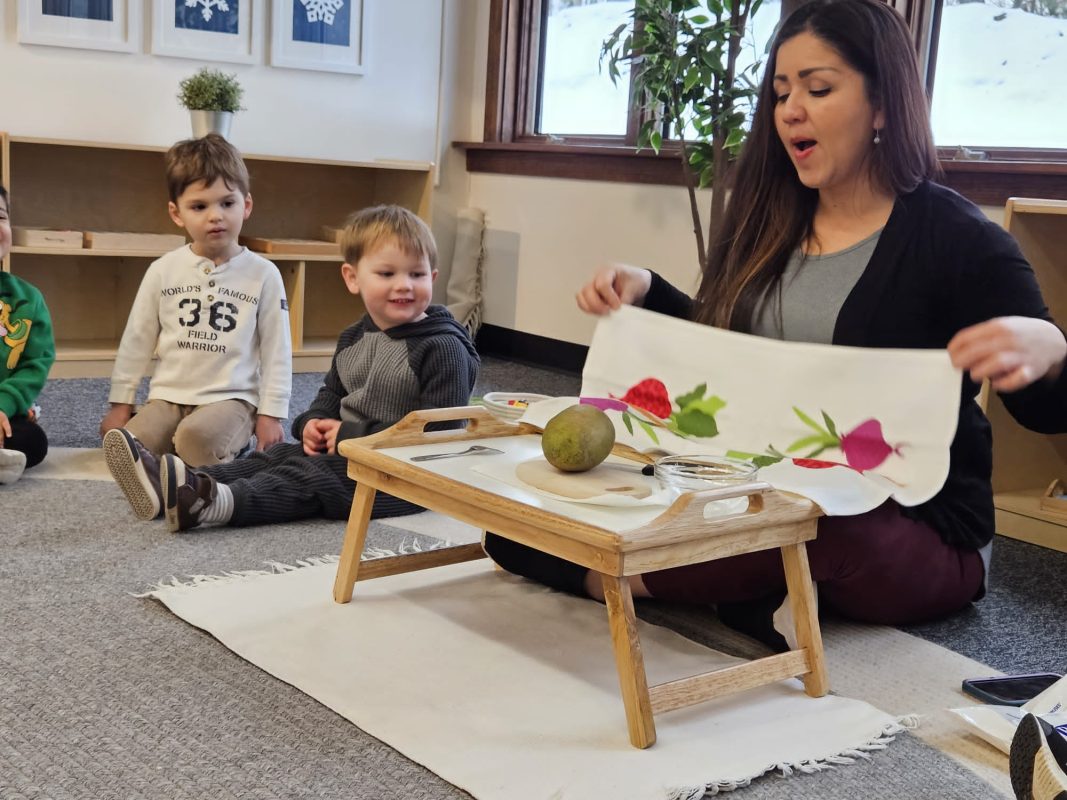
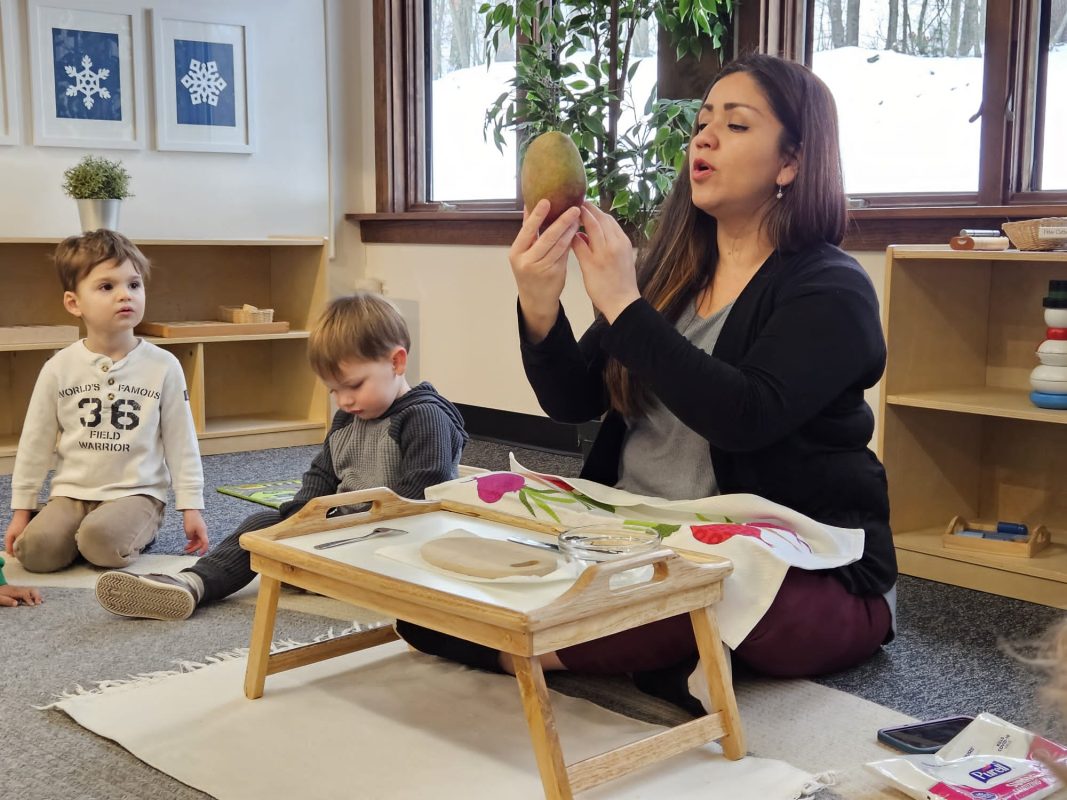
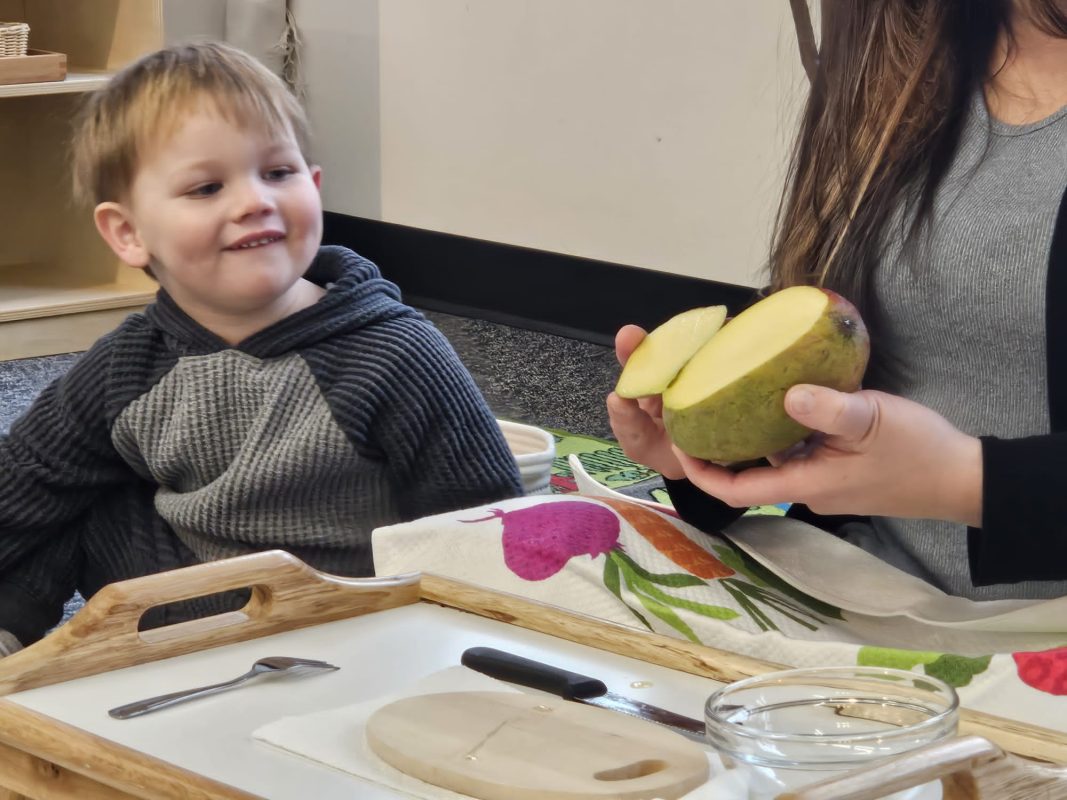
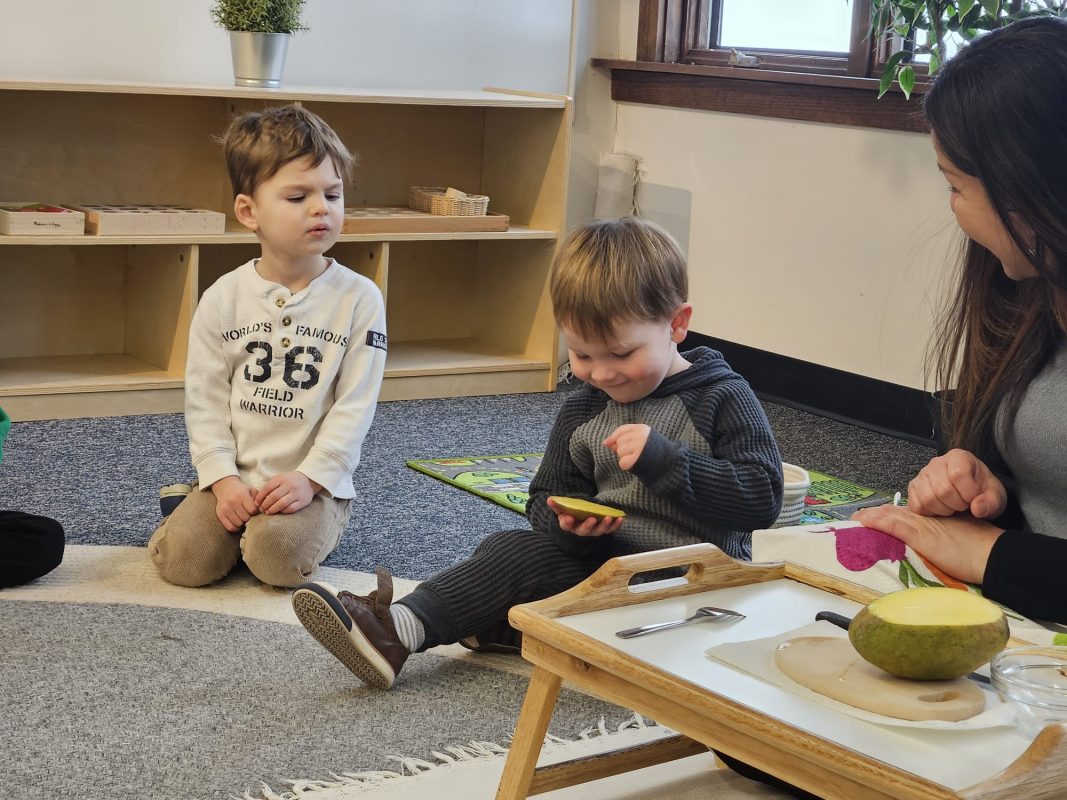
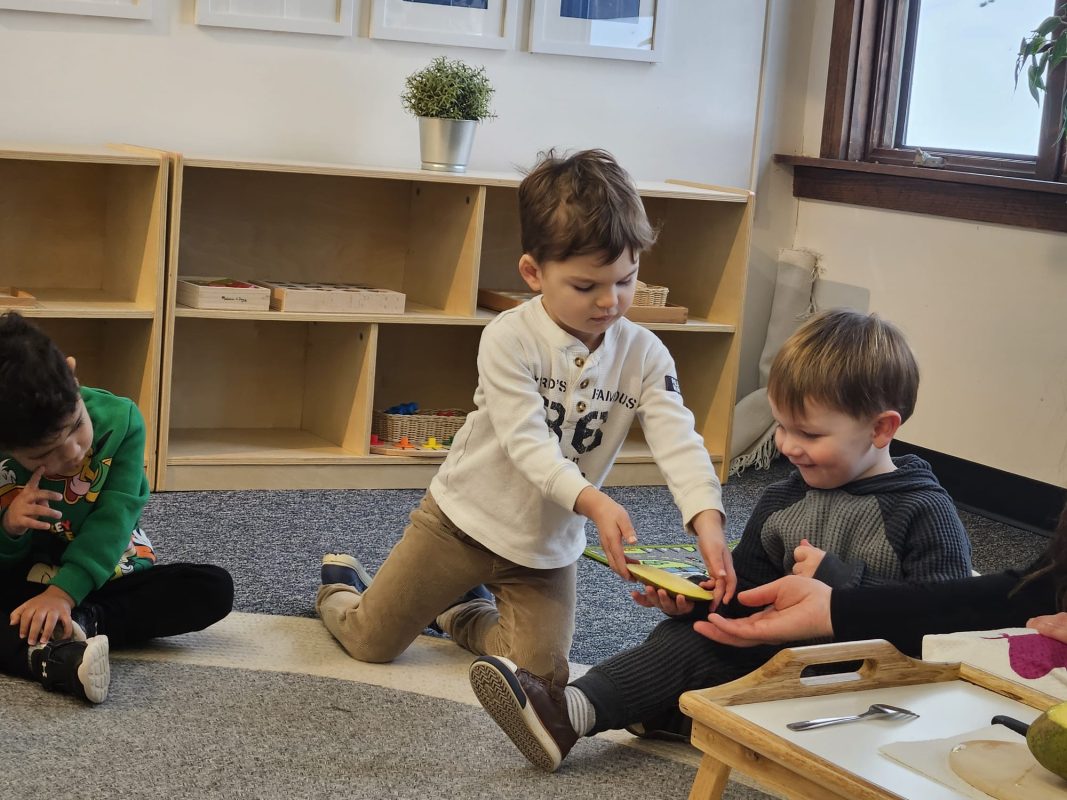
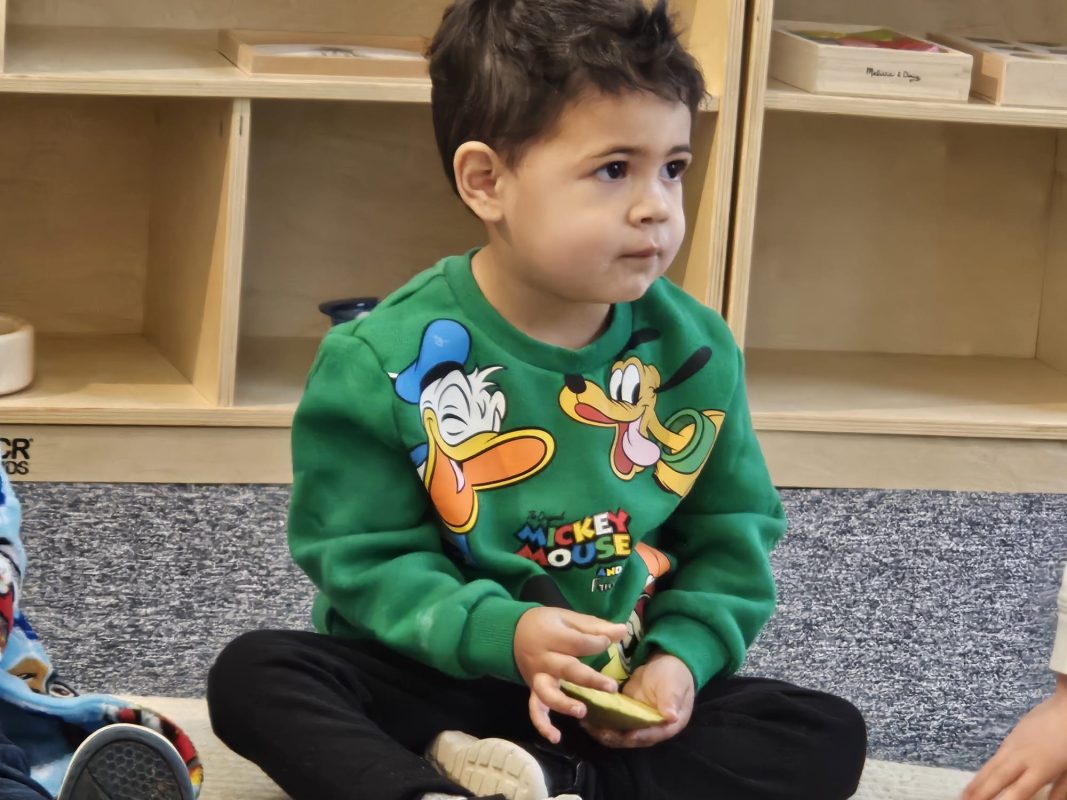
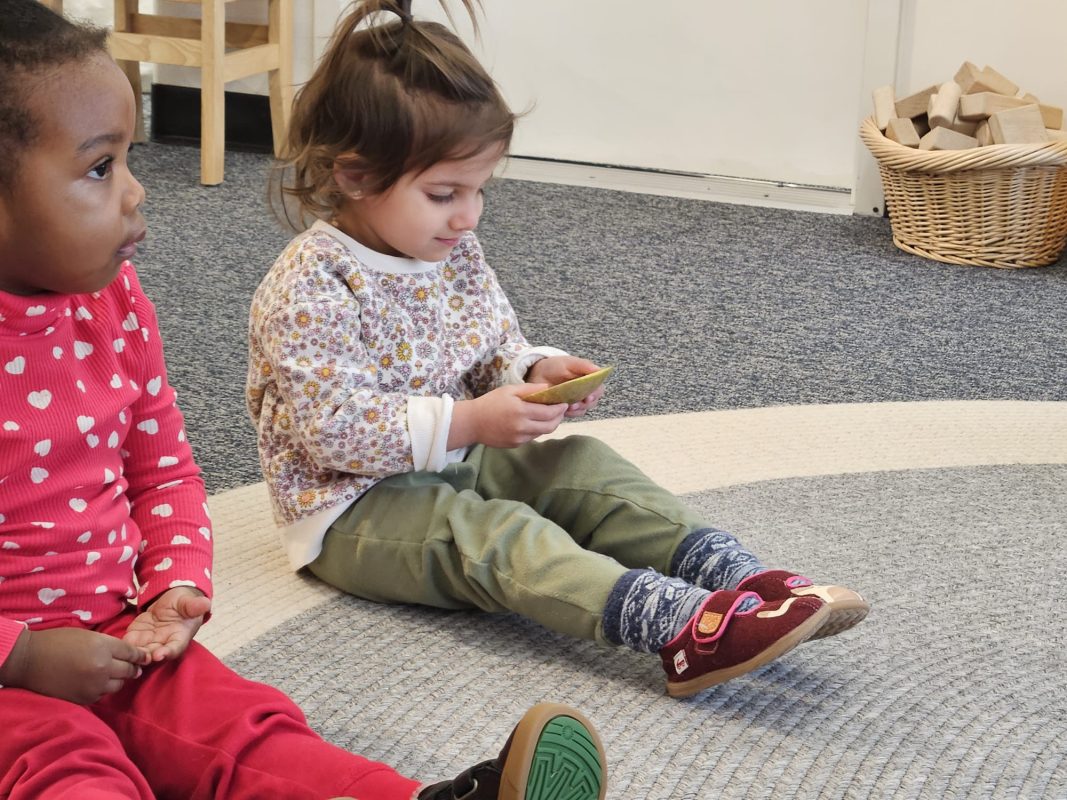
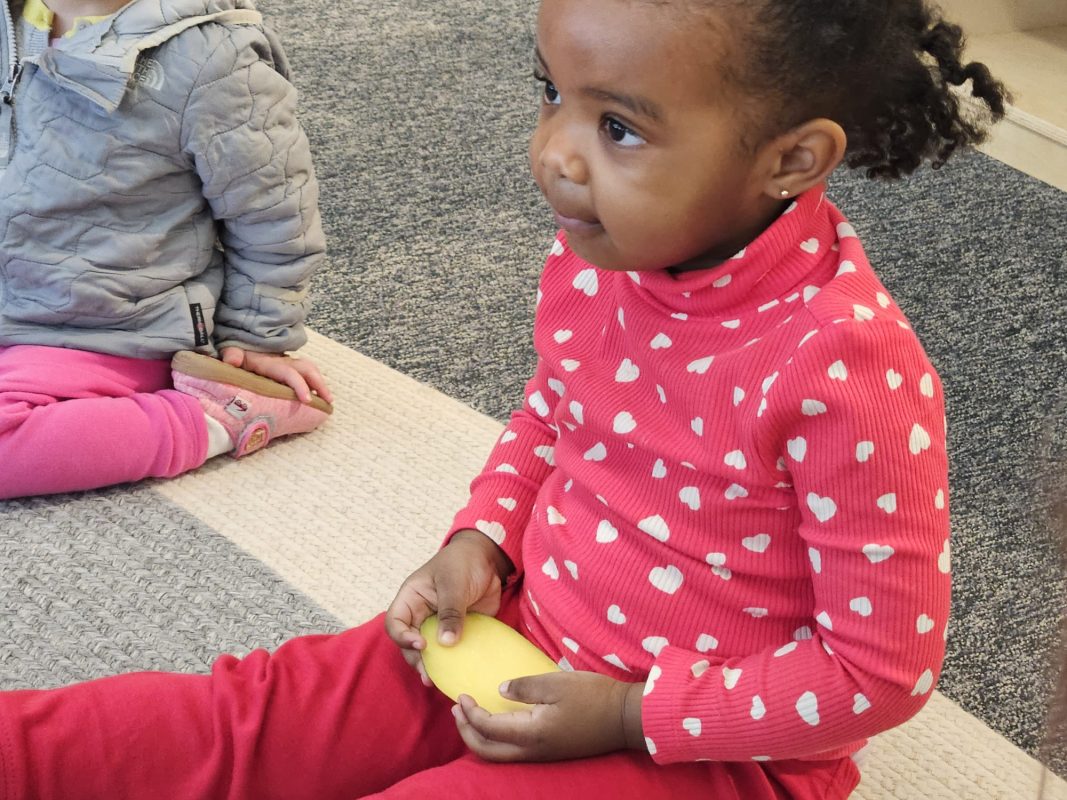
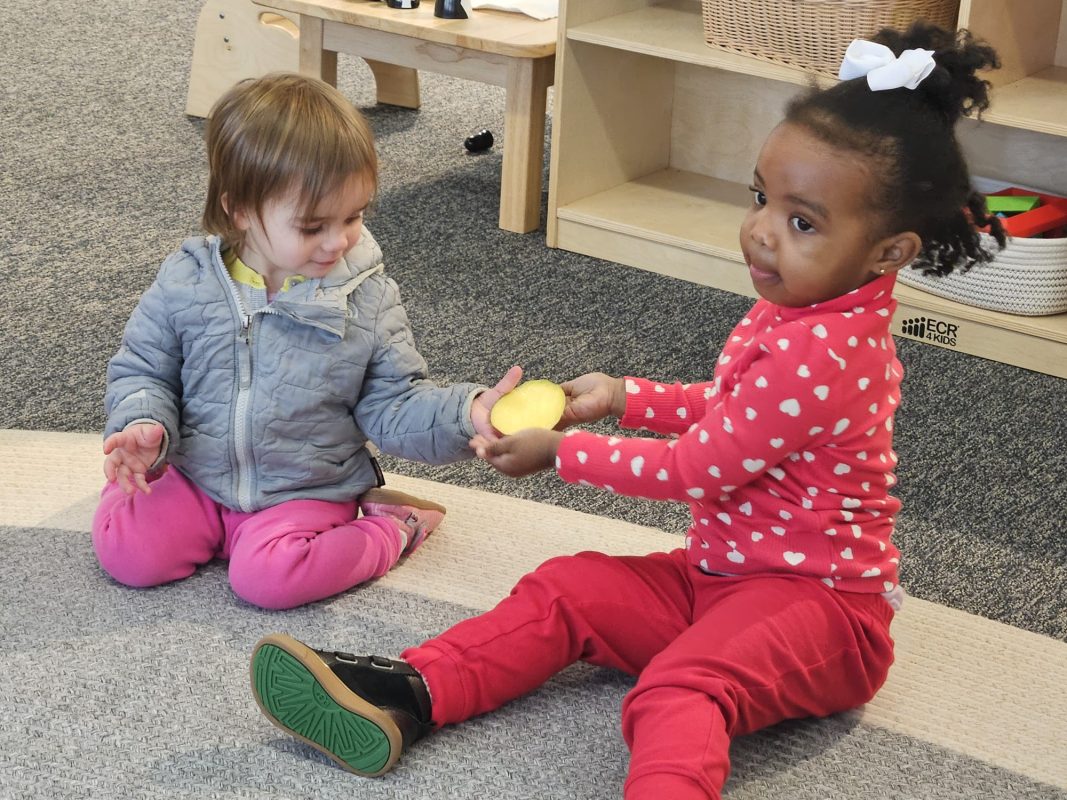
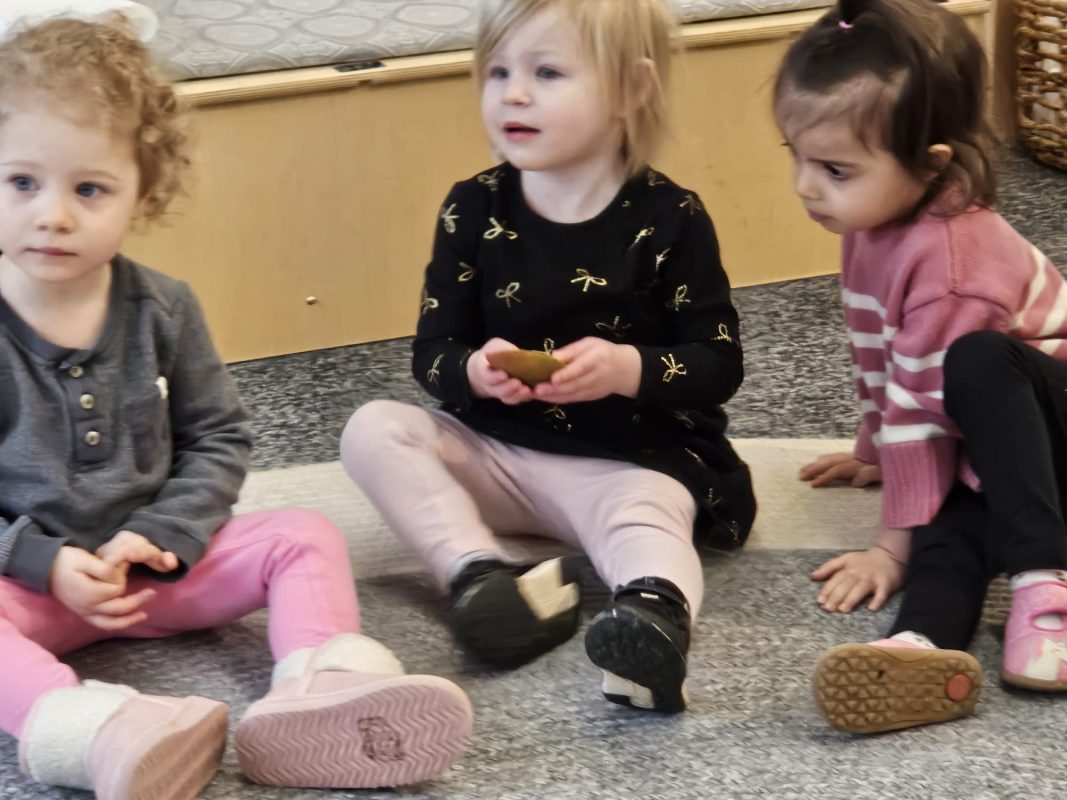
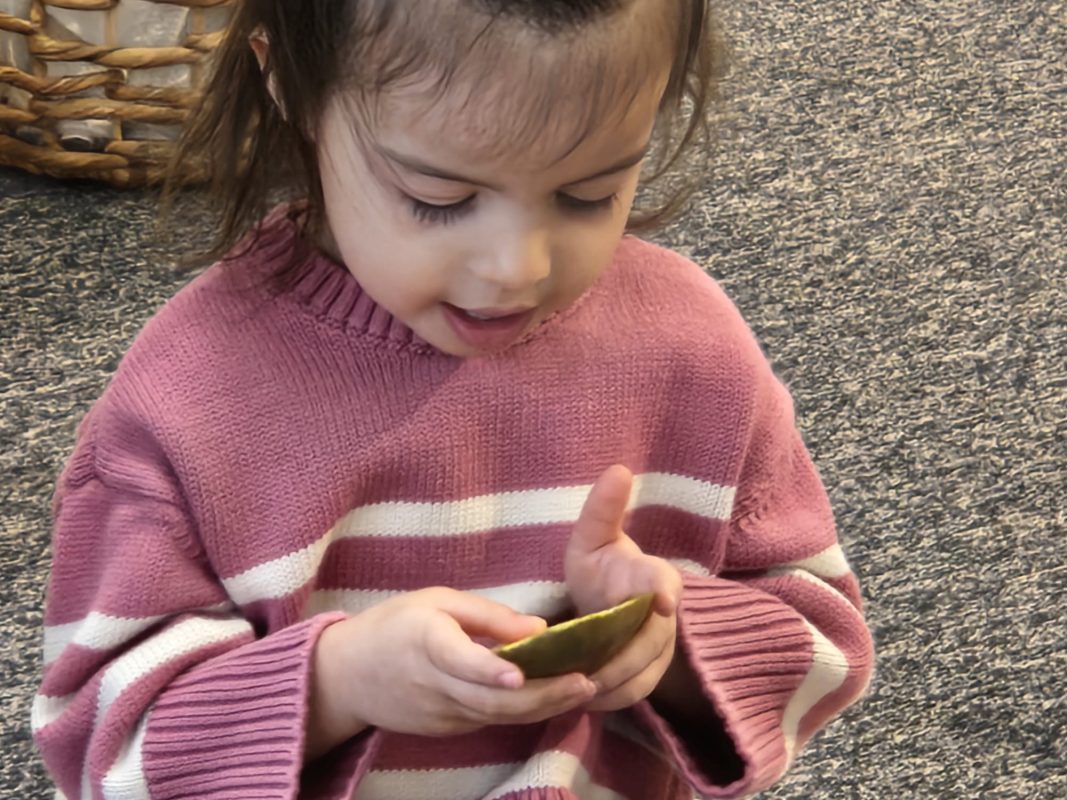
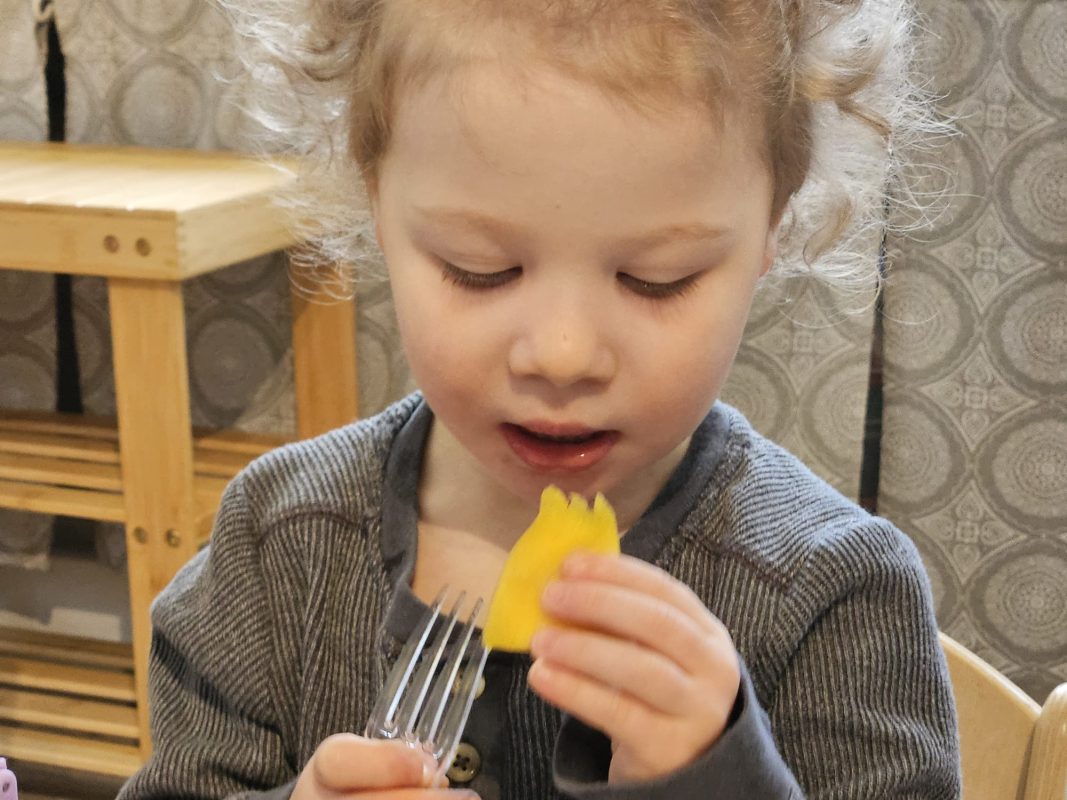
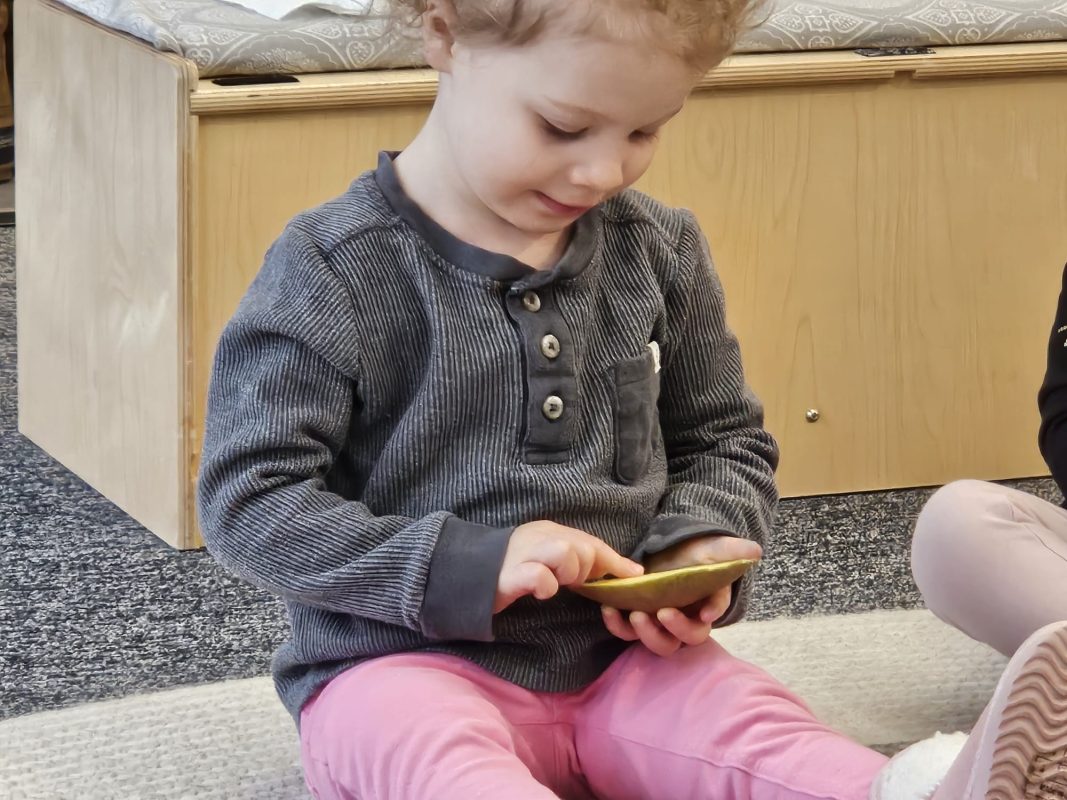
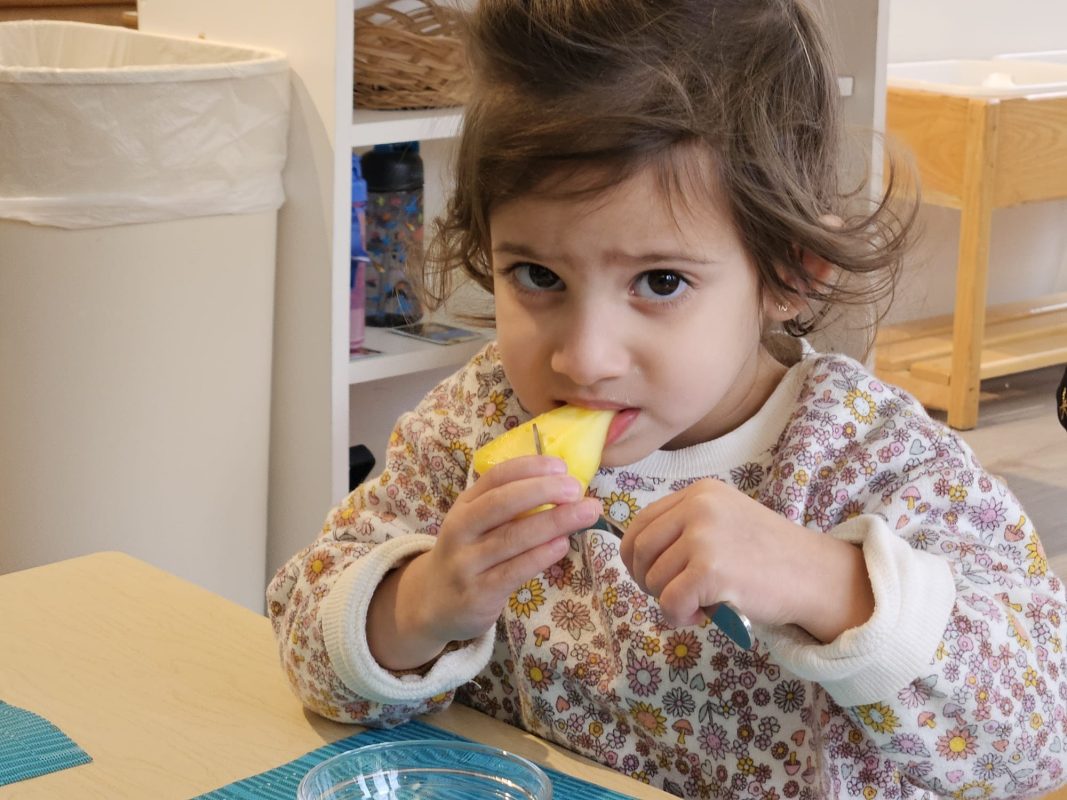
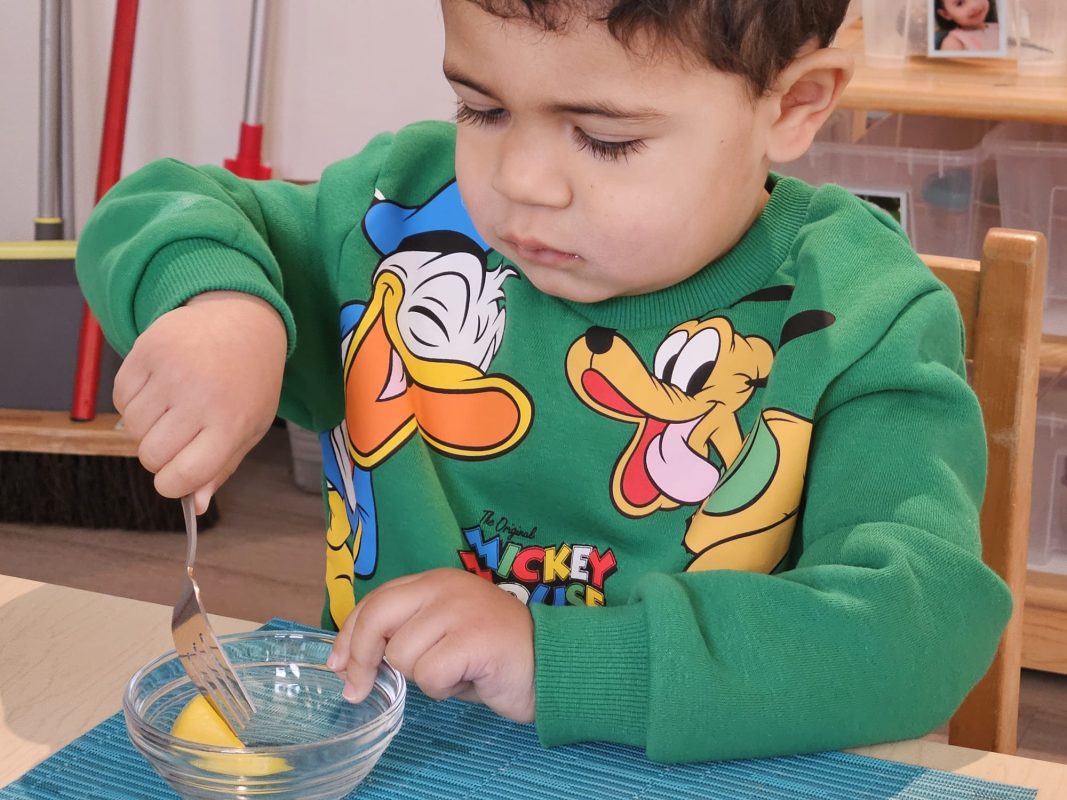
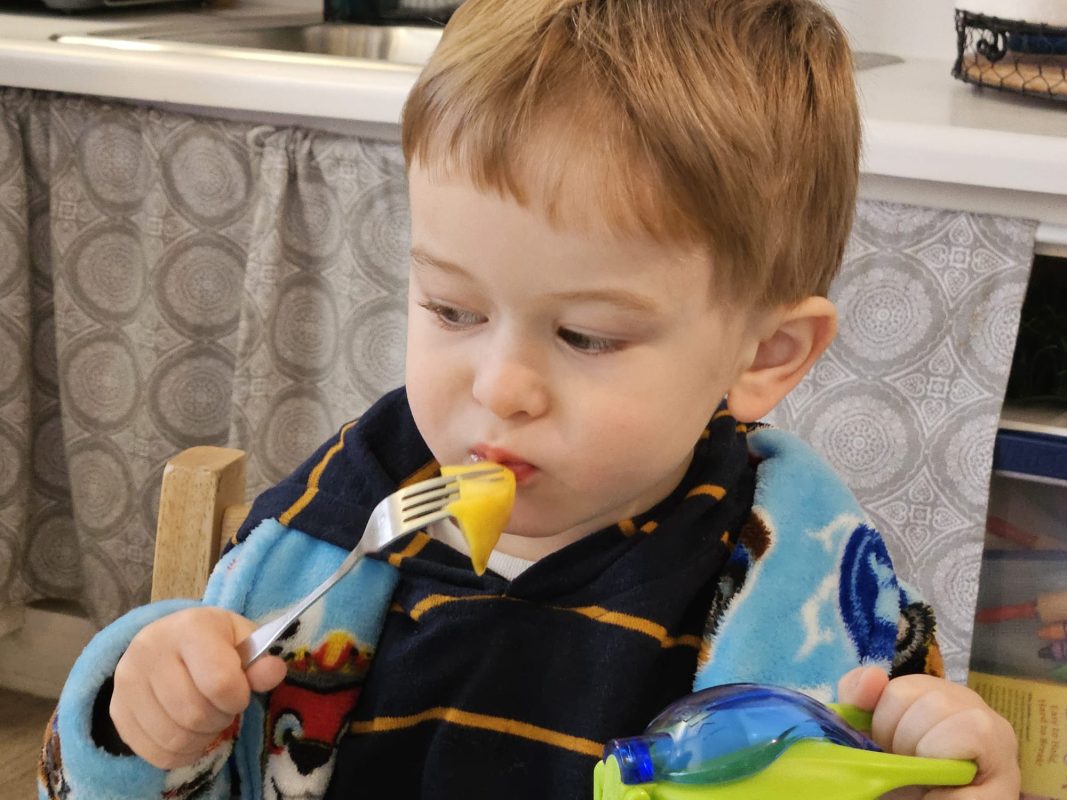
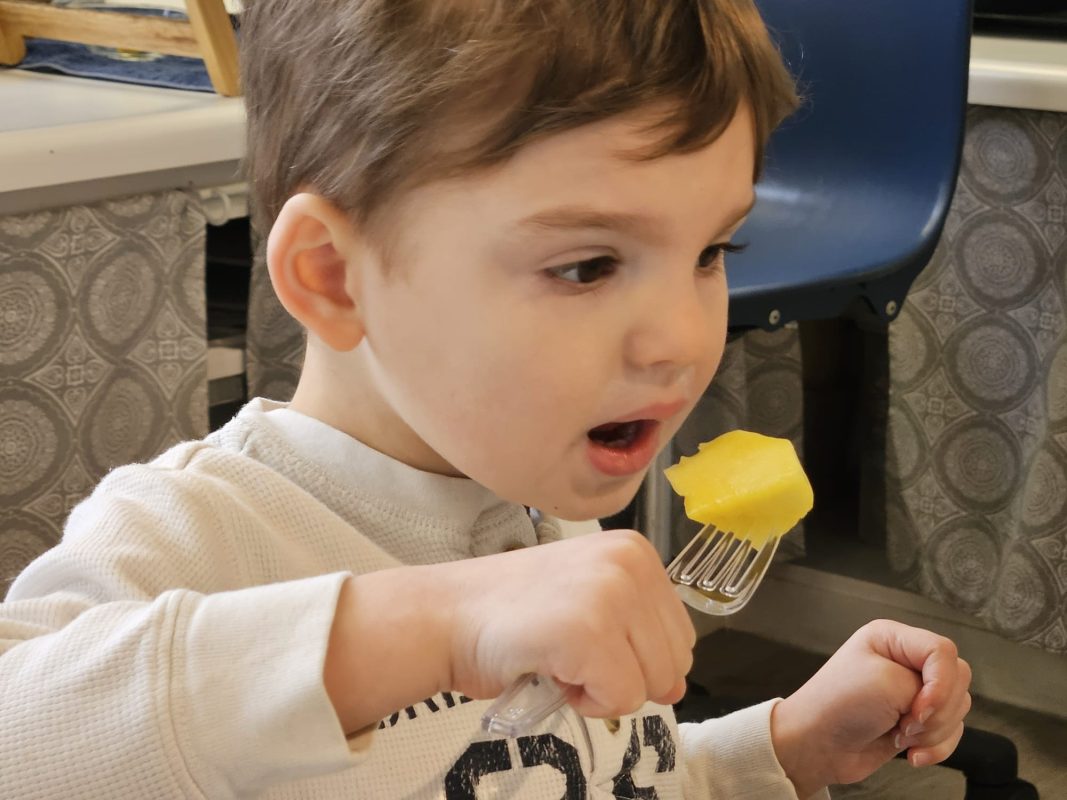
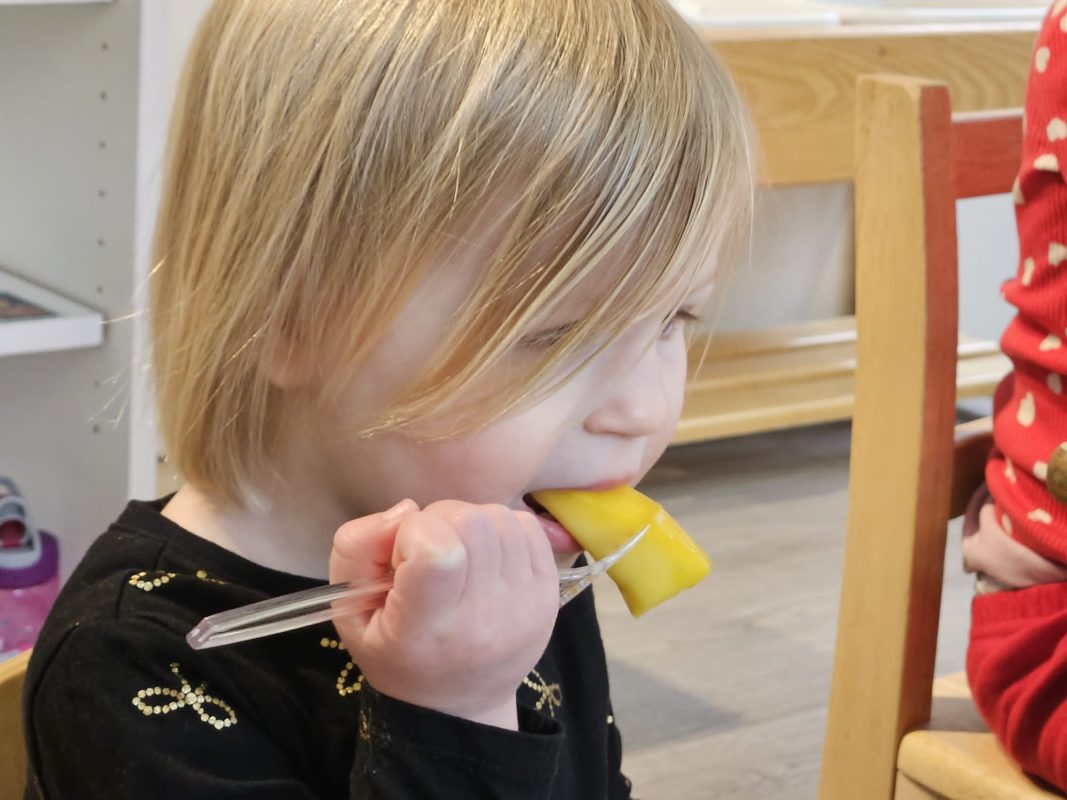
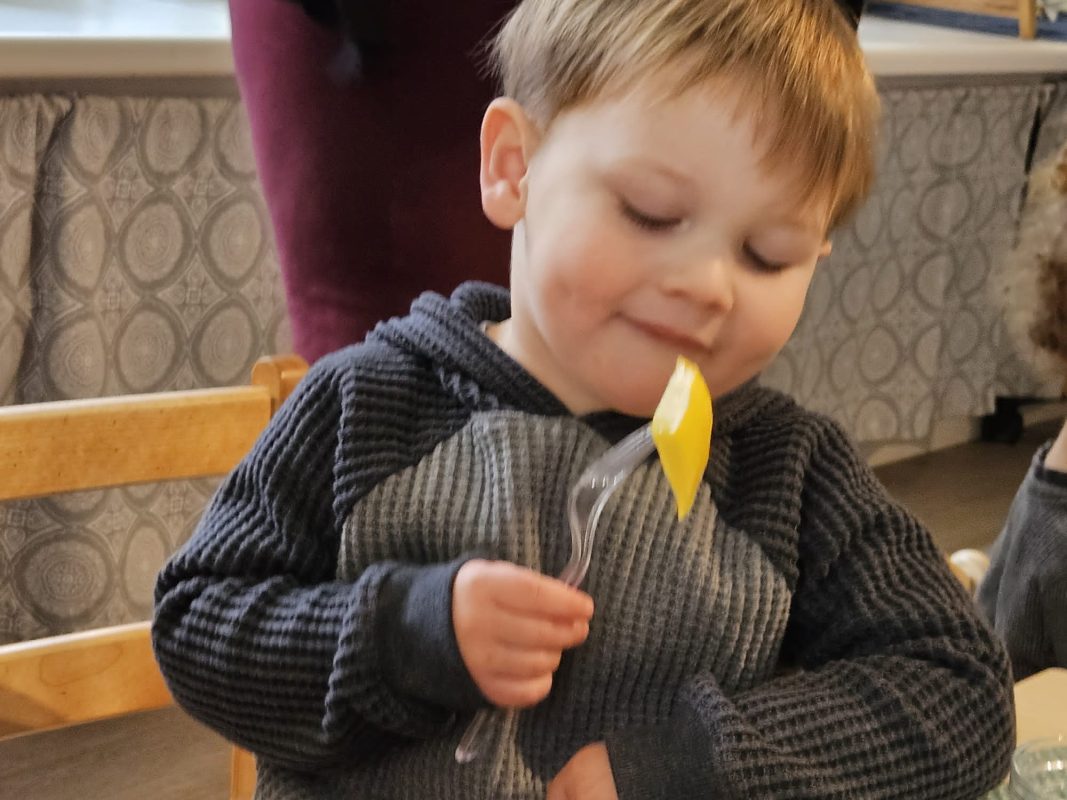
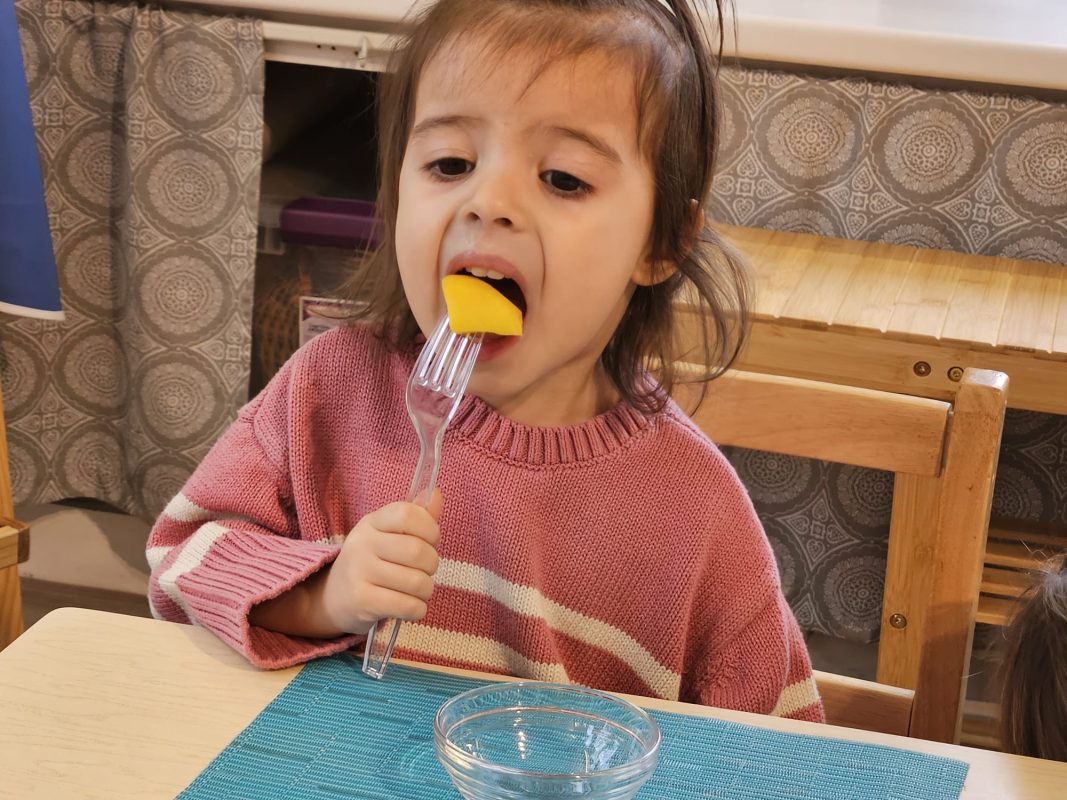
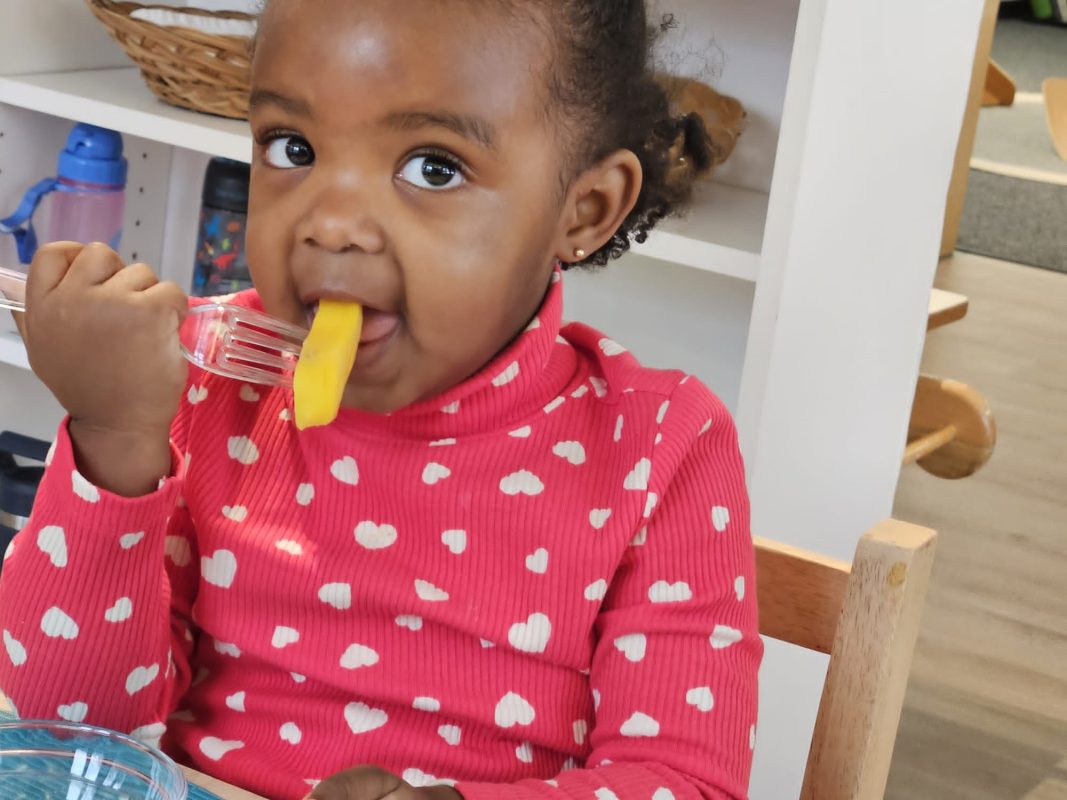
Our food-tasting lesson introduced the children to the vibrant flavor of mango, a surprising favorite among them. They were fascinated to discover that despite its green and red skin, the mango’s pulp is a sunny yellow.

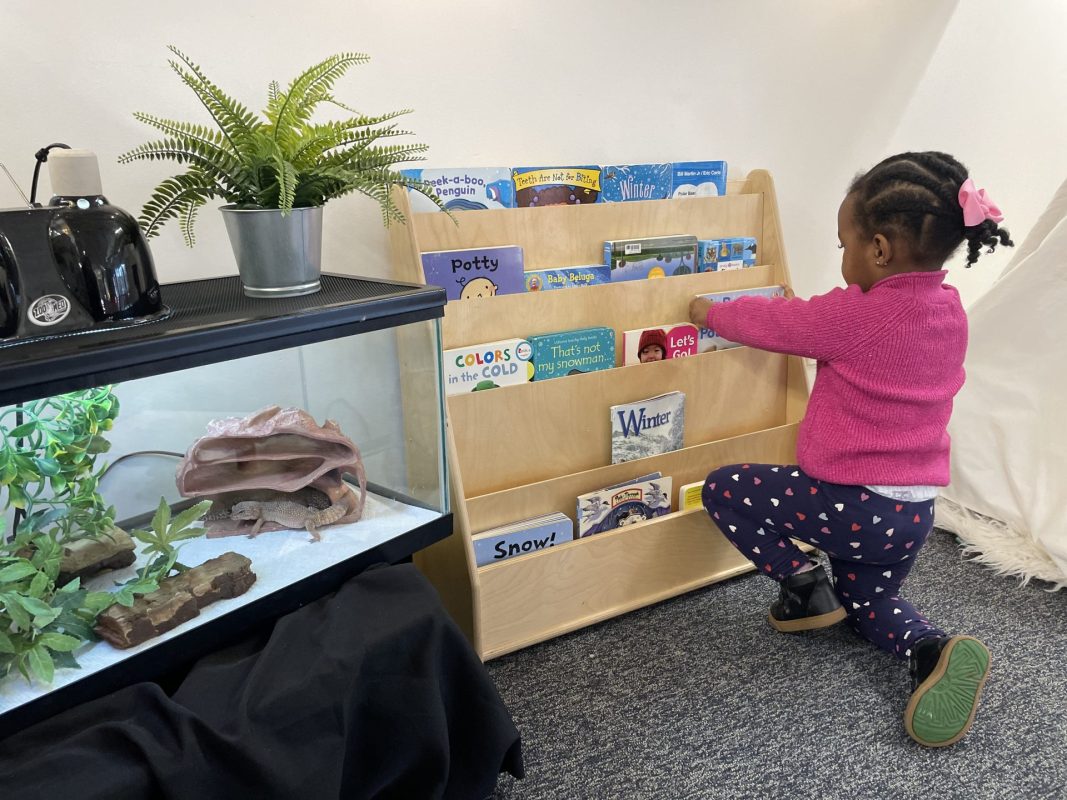
In the world of books, Polar Bear, Polar Bear, What Do You Hear? by Bill Martin Jr. and Eric Carle, Baby Beluga by Raffi, and Potty by Leslie Patricelli captured the children’s imaginations and sparked lively discussions.

It’s been an eventful and enriching week, filled with new experiences and discoveries. We look forward to continuing this journey of learning and growth with your children.

Enjoy the long weekend,

Mrs. Hood and Mrs. Mollie

Mrs. Hood: Welcome Back and Welcome Winter!

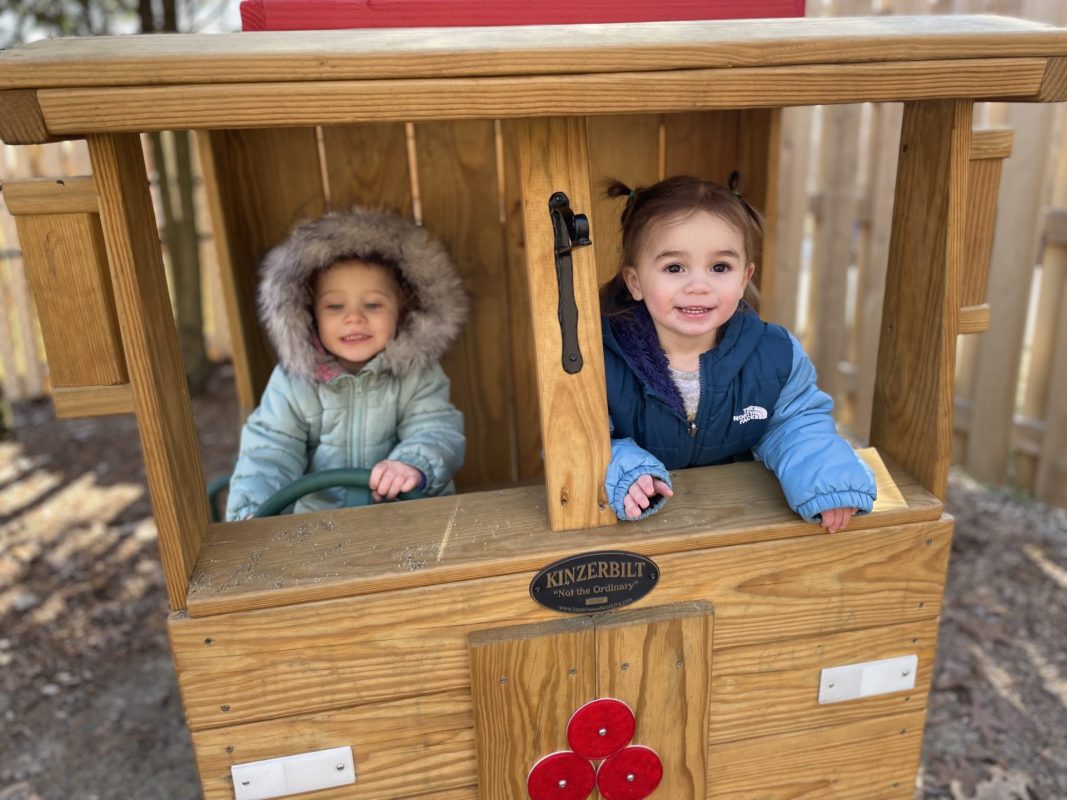
Happy New Year, families! We trust you had a fantastic holiday break filled with relaxation and cherished moments with your loved ones. It’s been a joy to welcome your children back after the break. They’ve transitioned seamlessly and arrived full of enthusiasm, ready to explore the environment and the new activities awaiting them on our shelves.

With the arrival of winter, our focus is turning to the great outdoors. We’re excited to immerse ourselves in the unique experiences this season offers. The crisp winter air has started to transform our surroundings into a wonderland, and we’re eager to embrace it fully as the snow arrives! This month, we’ll be delving into the fascinating topic of water and its various forms, offering plenty of opportunities for hands-on learning and sensory exploration.

This week, we’ve been busy learning about the signs of winter and expanding our vocabulary with engaging materials and books. It’s been wonderful to see how the children have embraced these new concepts with such enthusiasm.

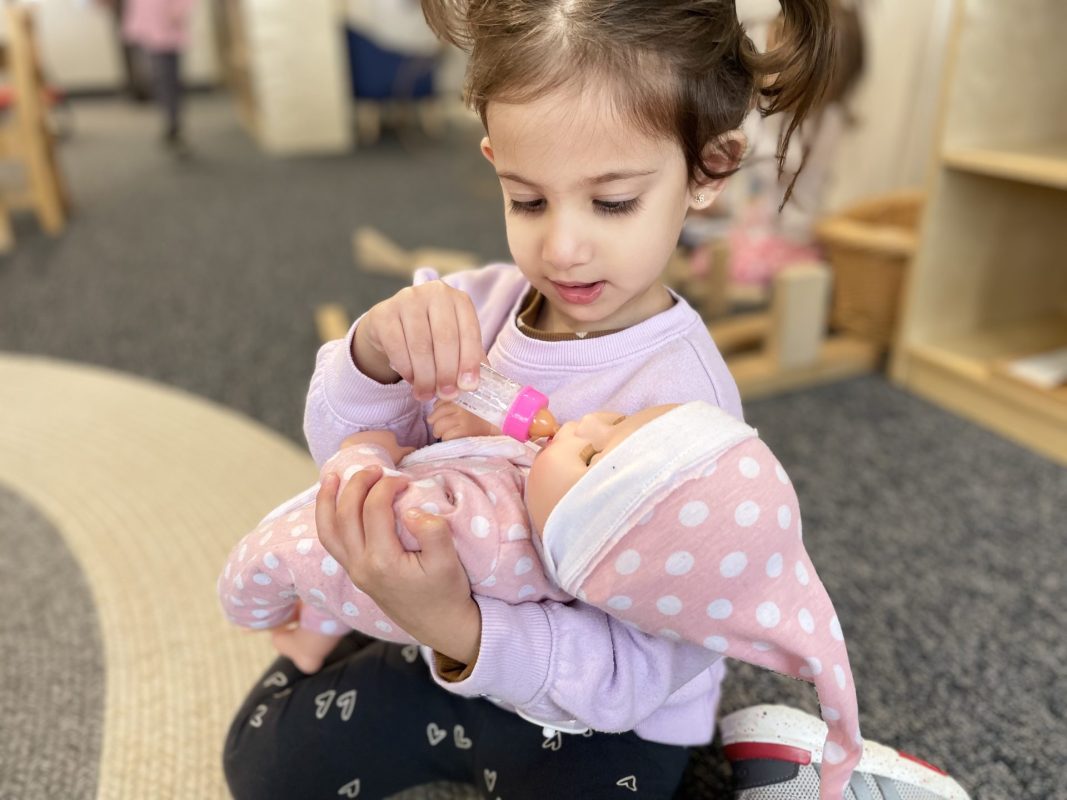
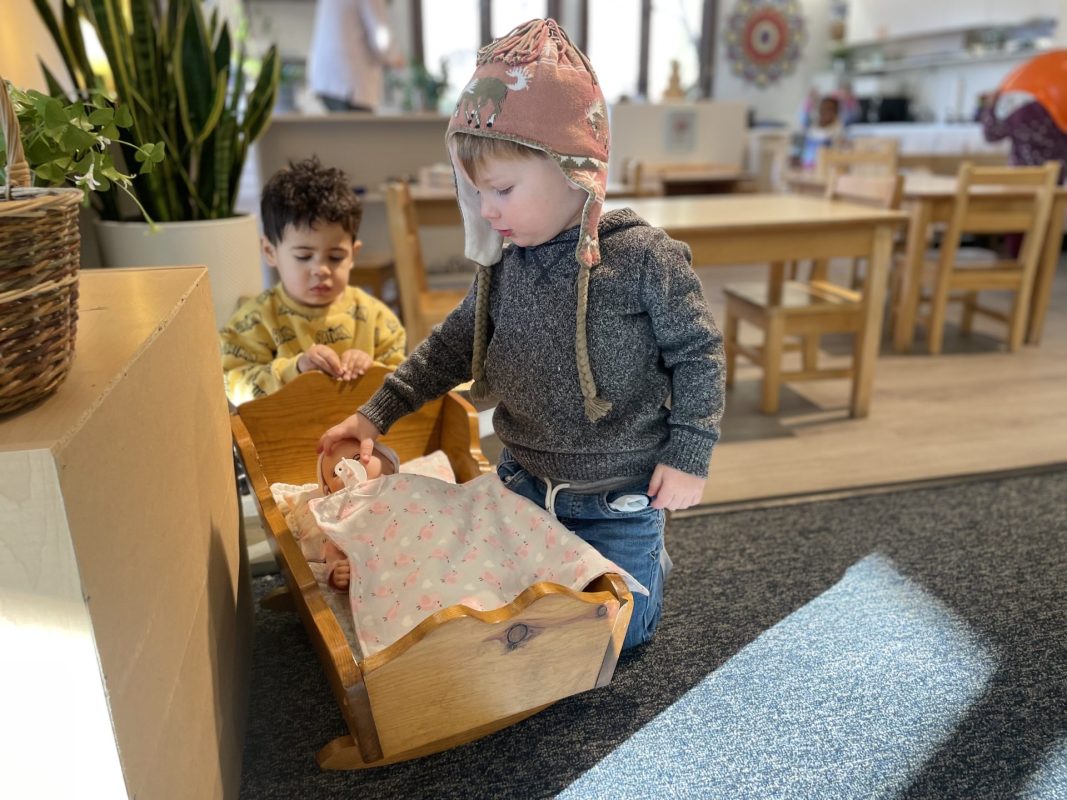
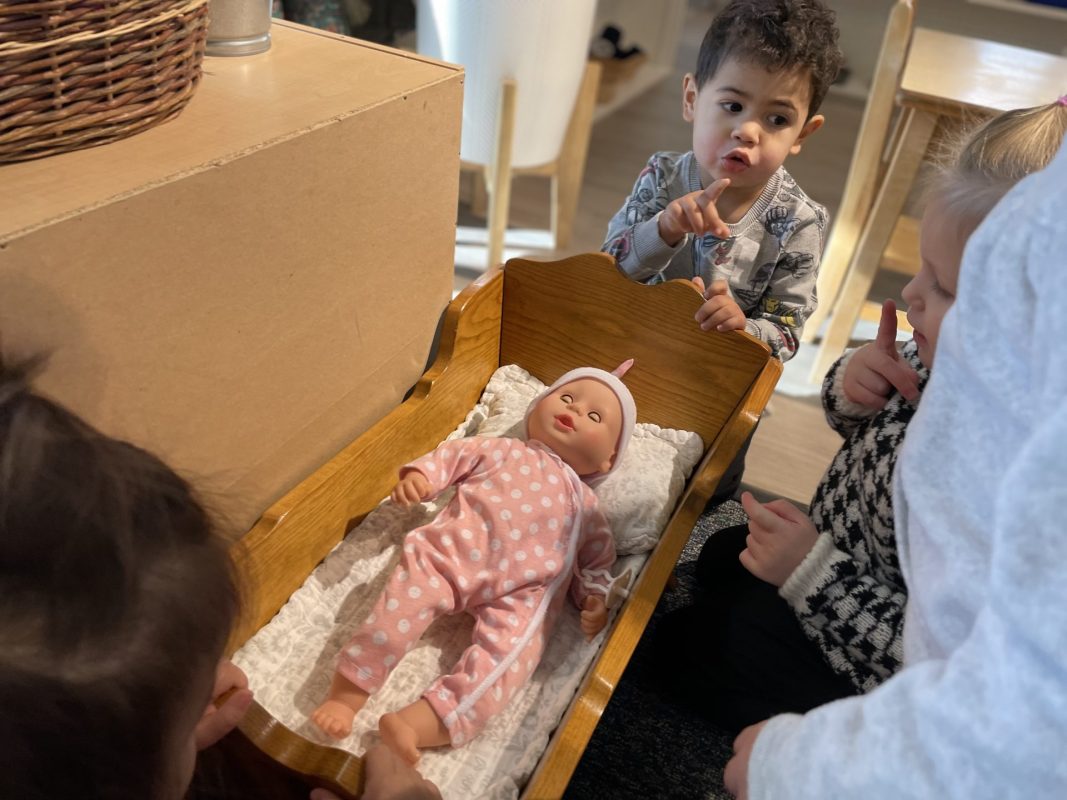
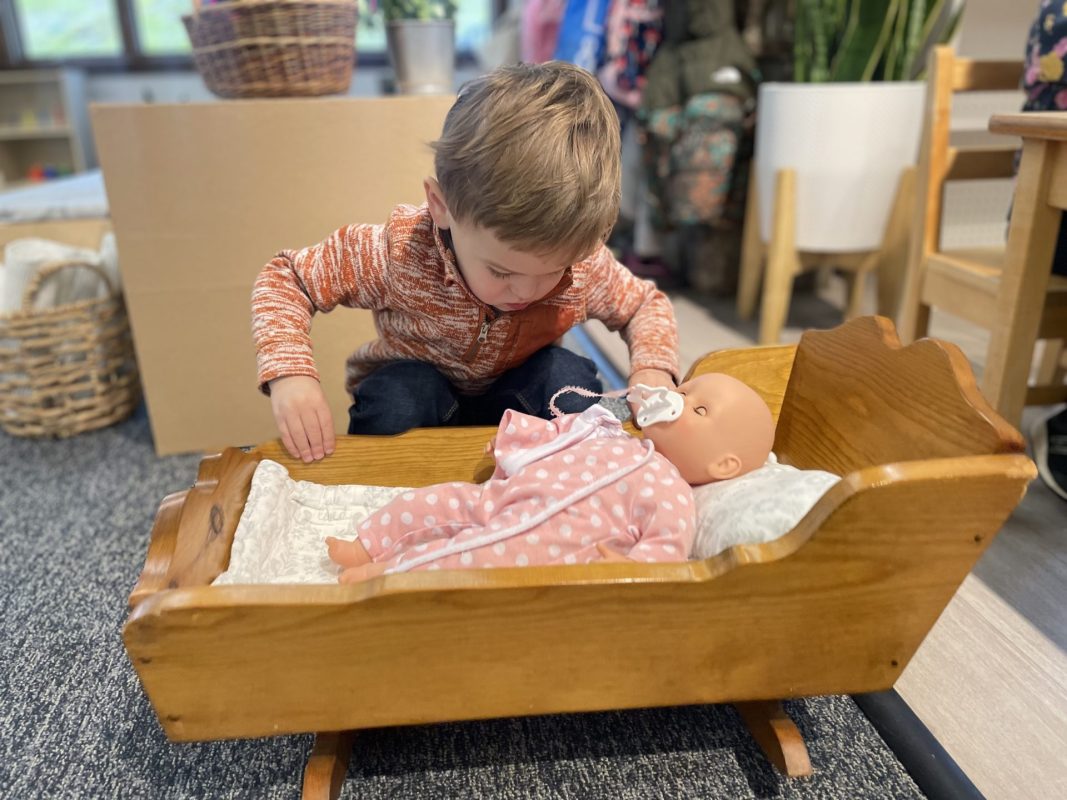
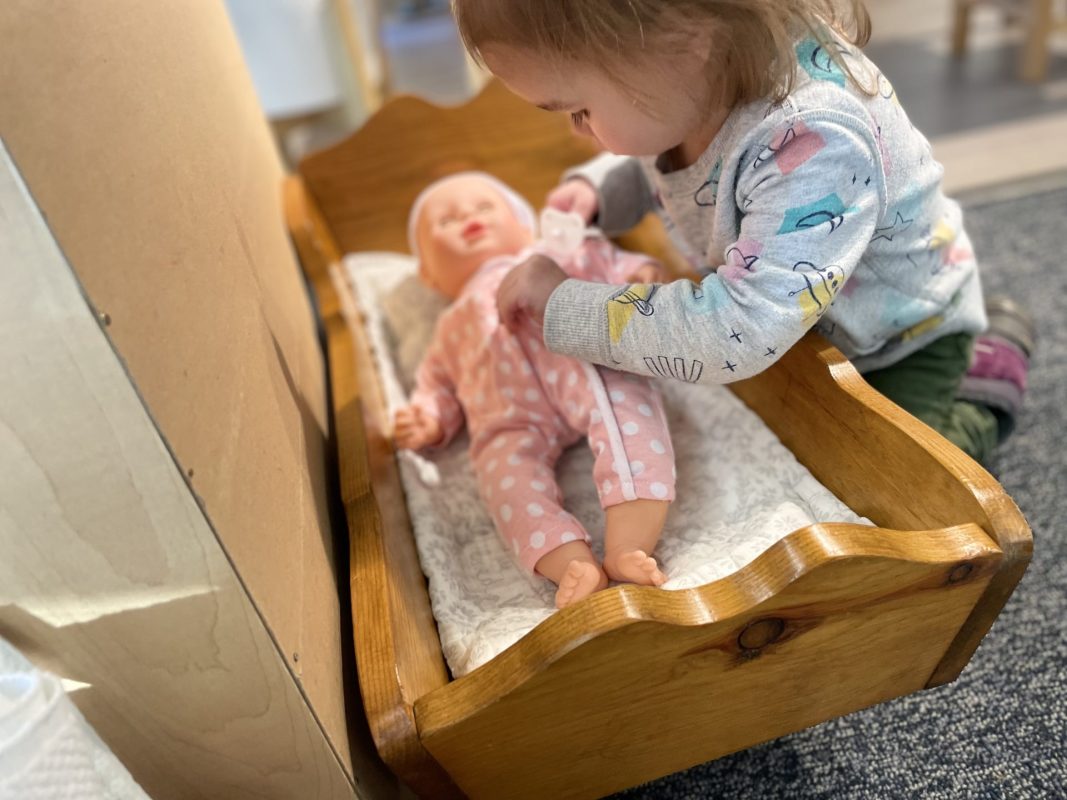
In other exciting news, we’ve introduced a beloved new addition to our classroom: a baby doll named Rosie. This has been a popular activity, allowing the children to practice grace, courtesy, and patience as they care for their new friend. It’s heartwarming to witness their tender interactions with Rosie as they read, sing, and cuddle her. Their nurturing instincts have truly shone through, and they’ve worked together to ensure Rosie feels loved and cared for.
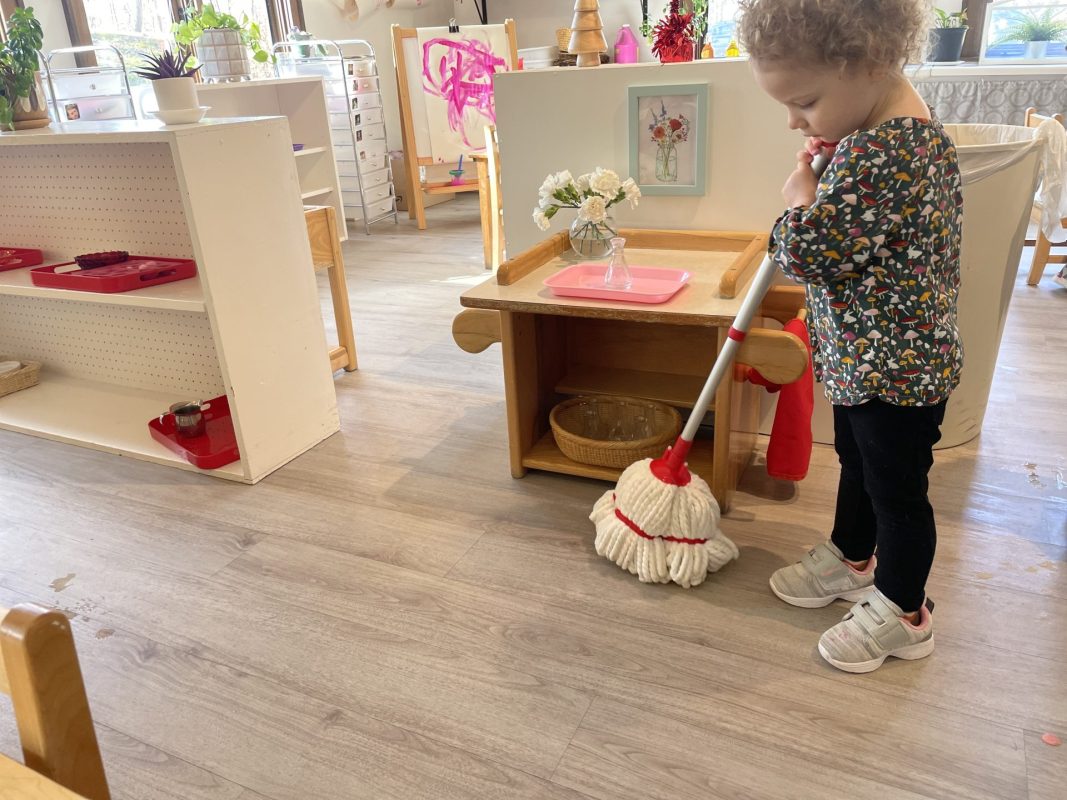
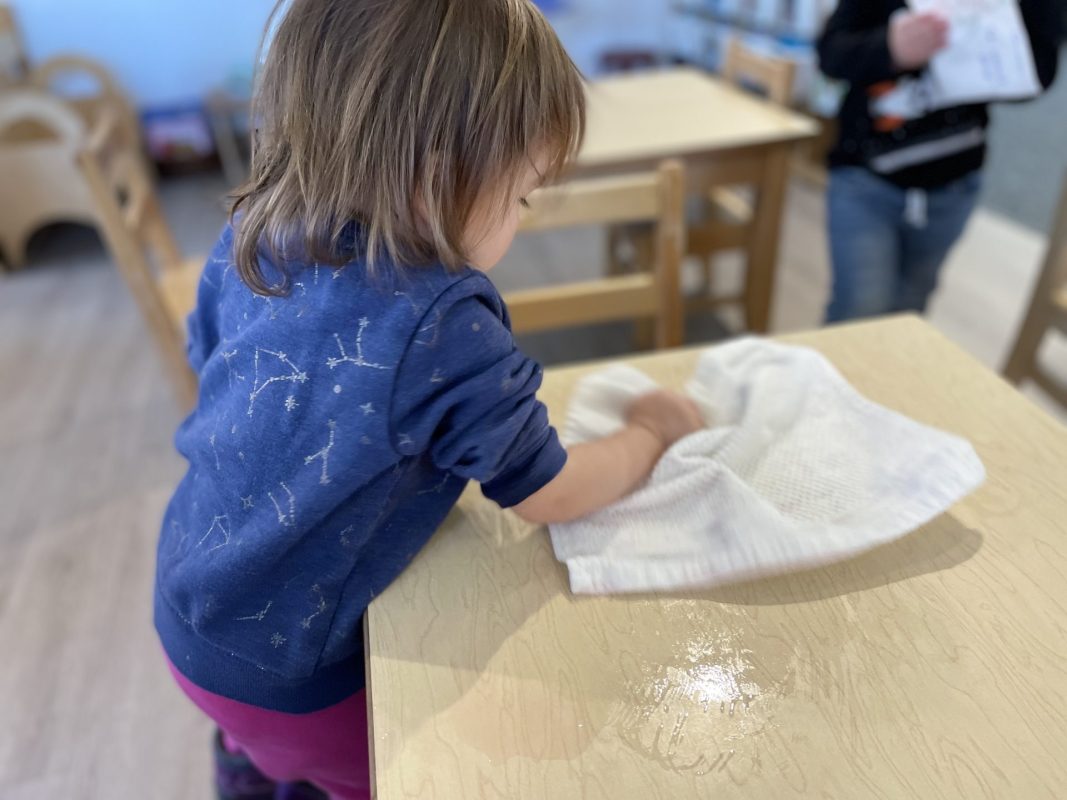
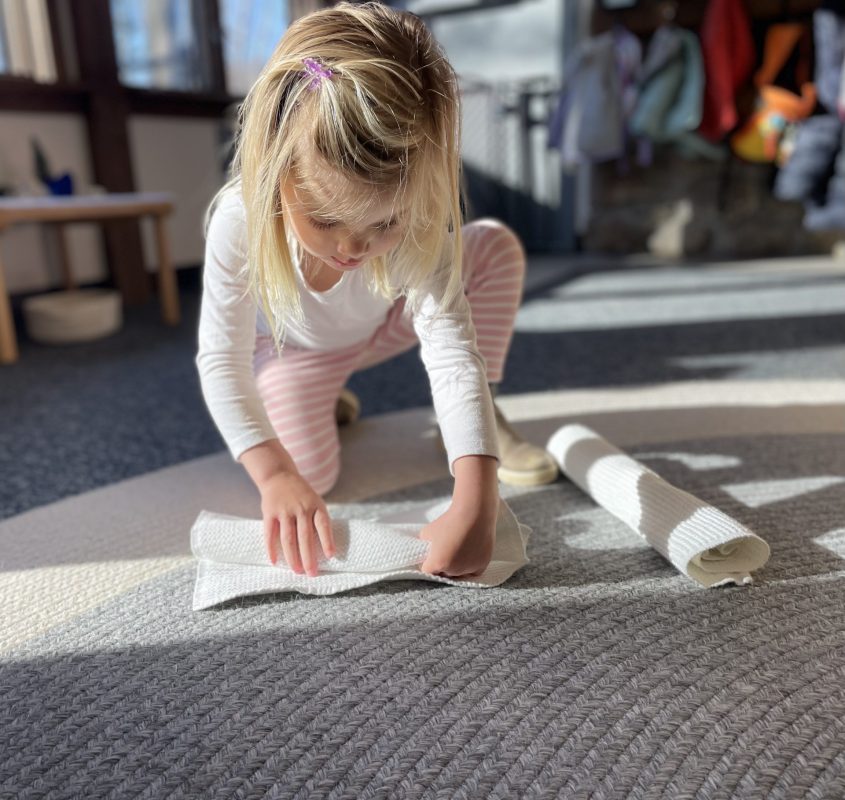
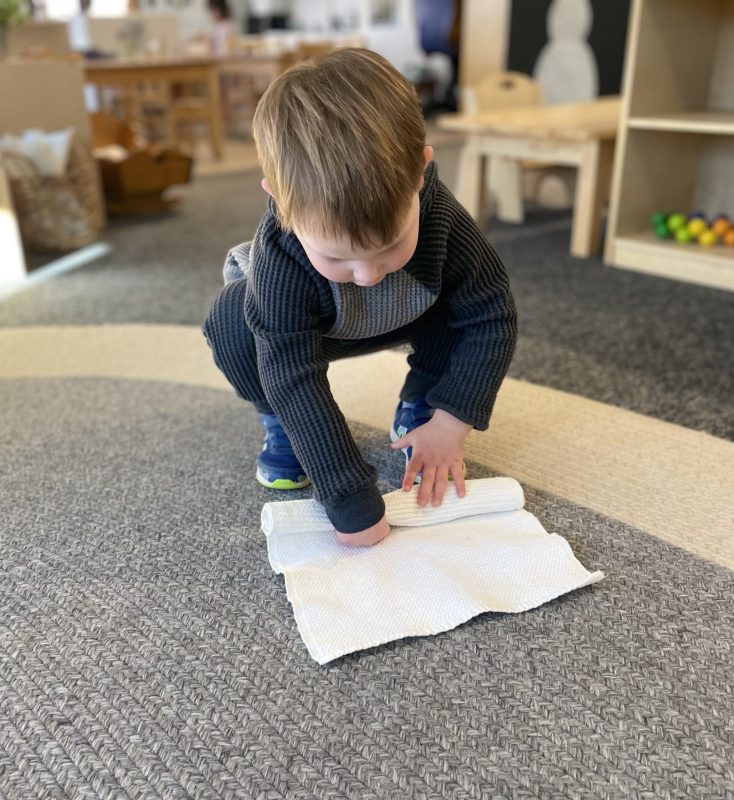
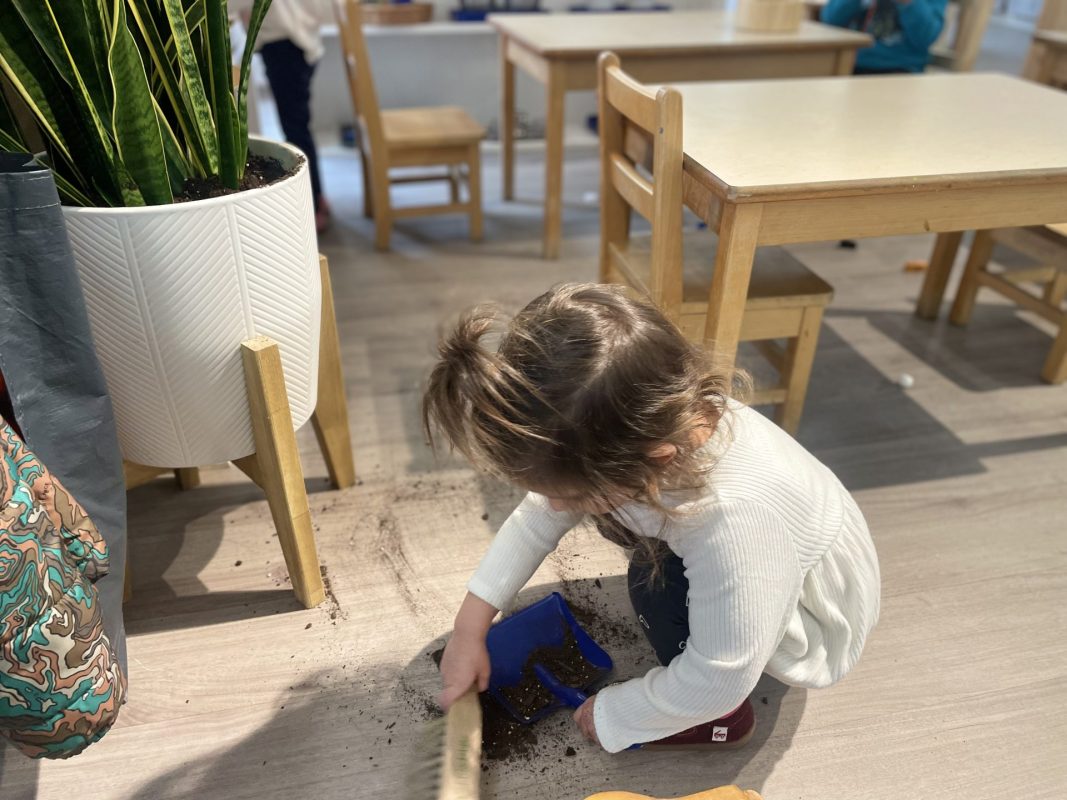
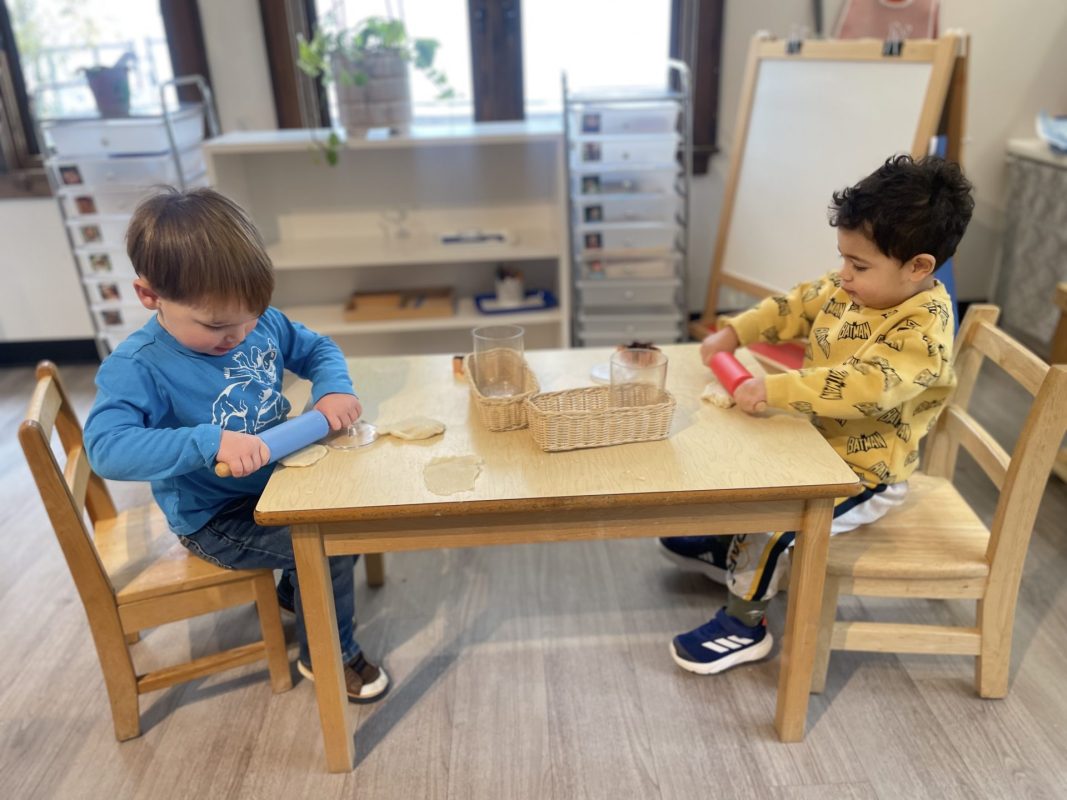
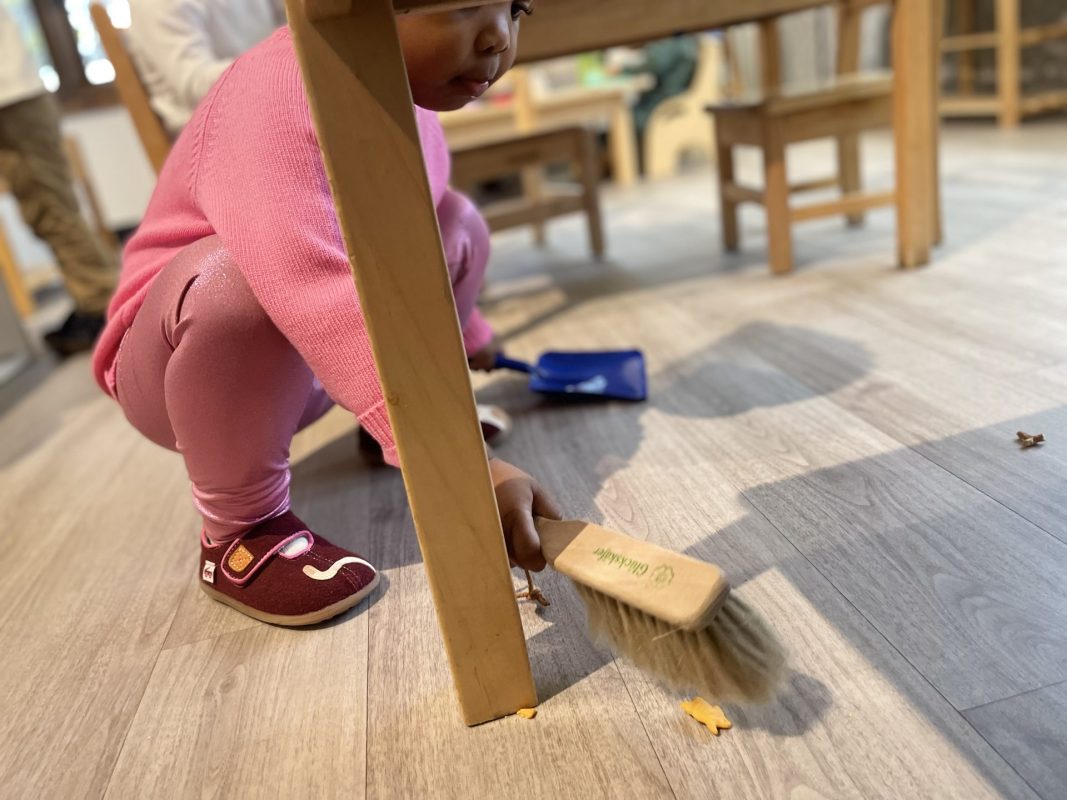
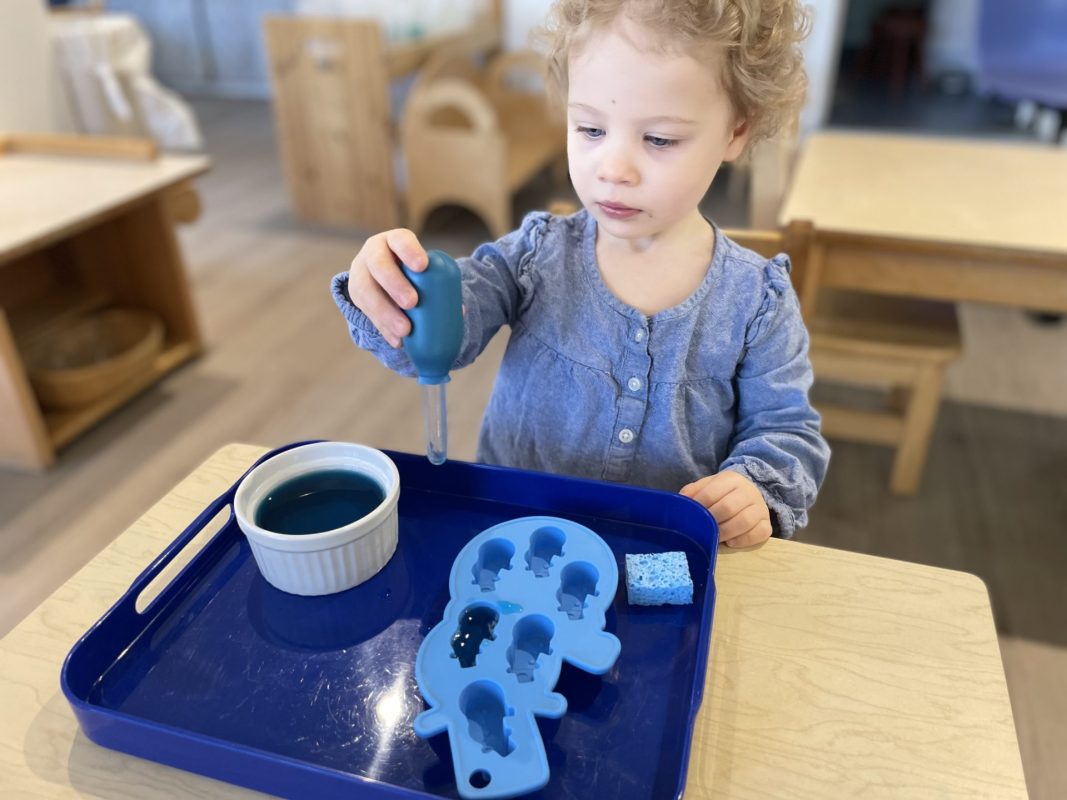
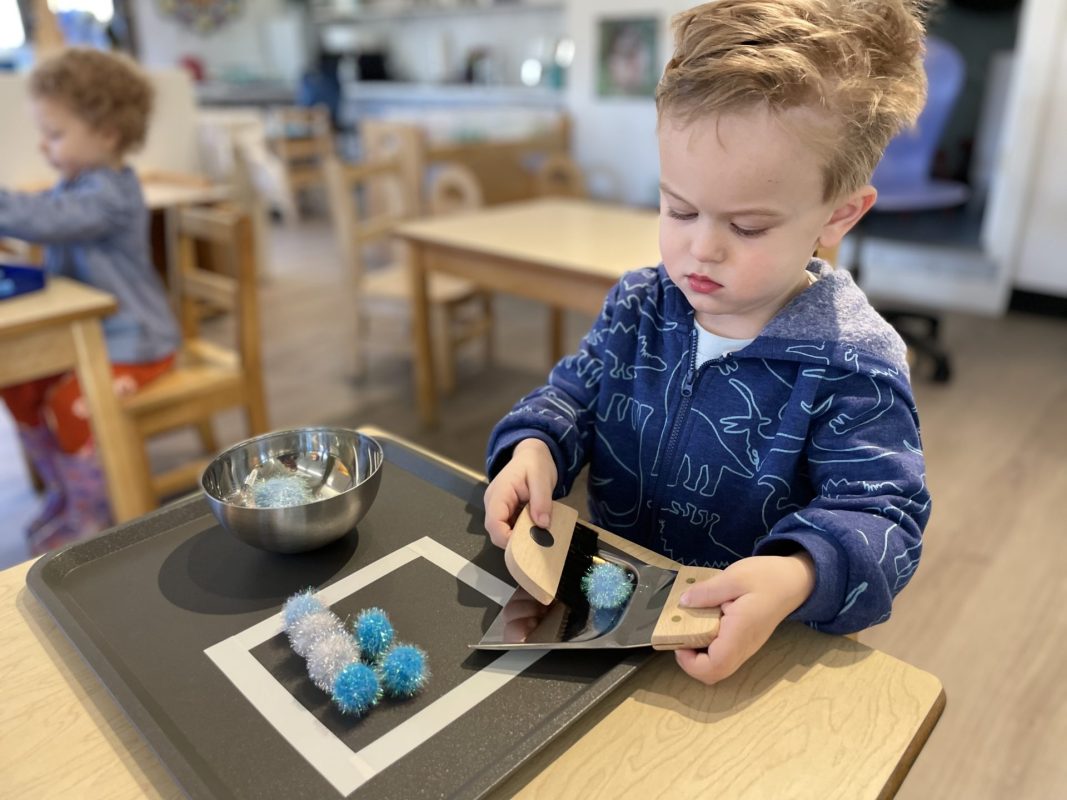
In Practical Life, we introduced a lesson on how to clean a dry spill on a tabletop. As the children get more practice with this work, the crumber will be added as a tool for our snack and lunch procedures.
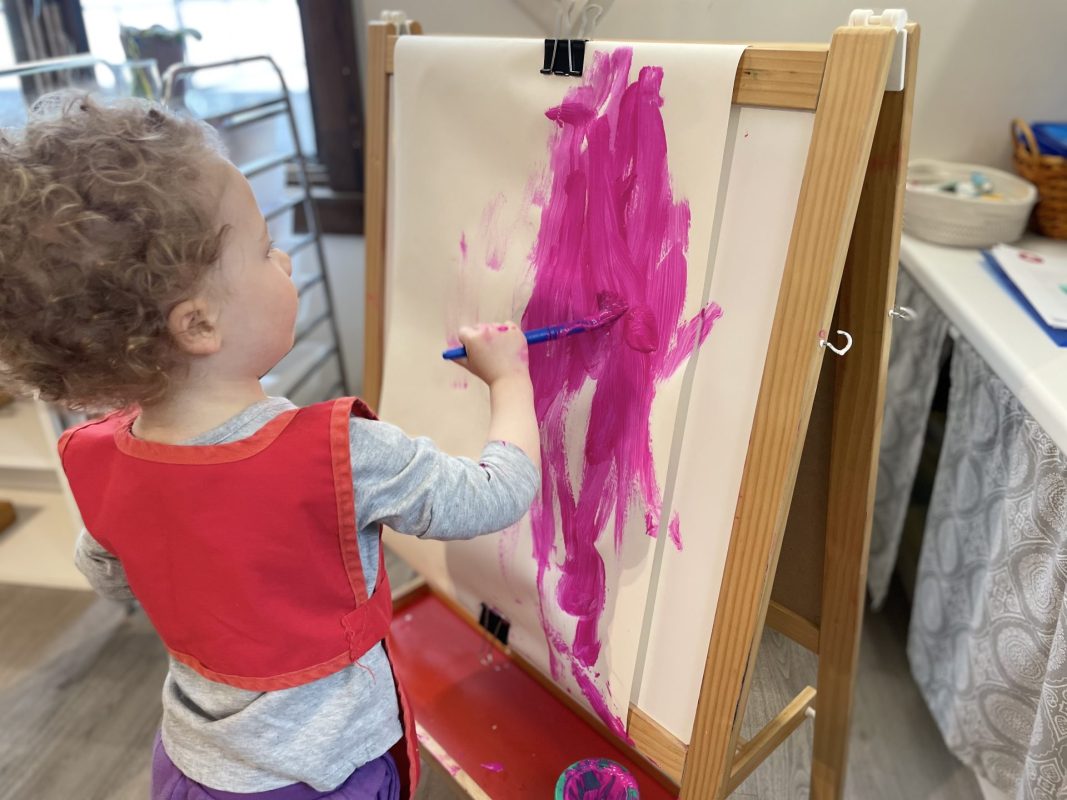
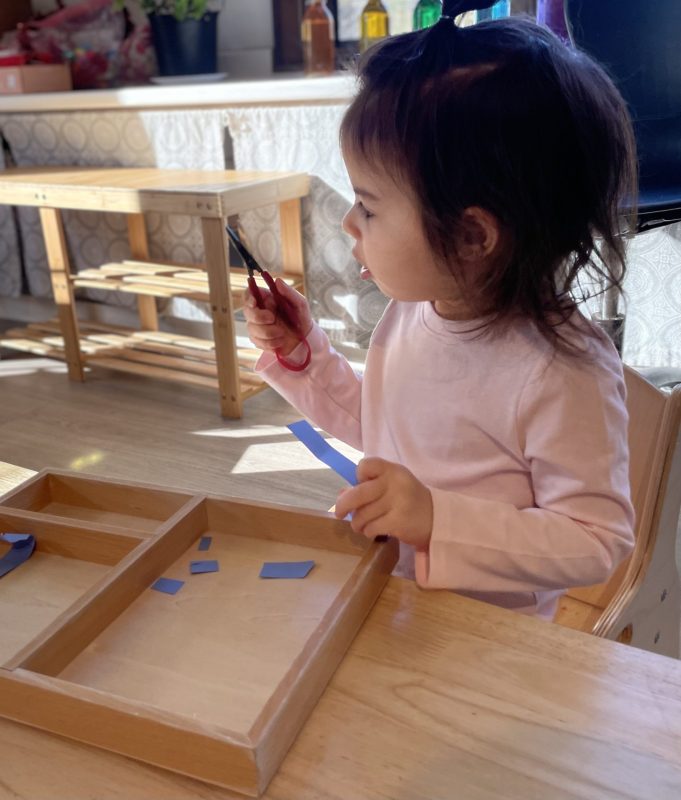
In the art area, the children were introduced to a new skill: using scissors. This activity requires a lot of concentration and dexterity, but your children seem to enjoy challenging themselves, and the pride they feel when they are successful and able to cut the card stock strips is obvious.

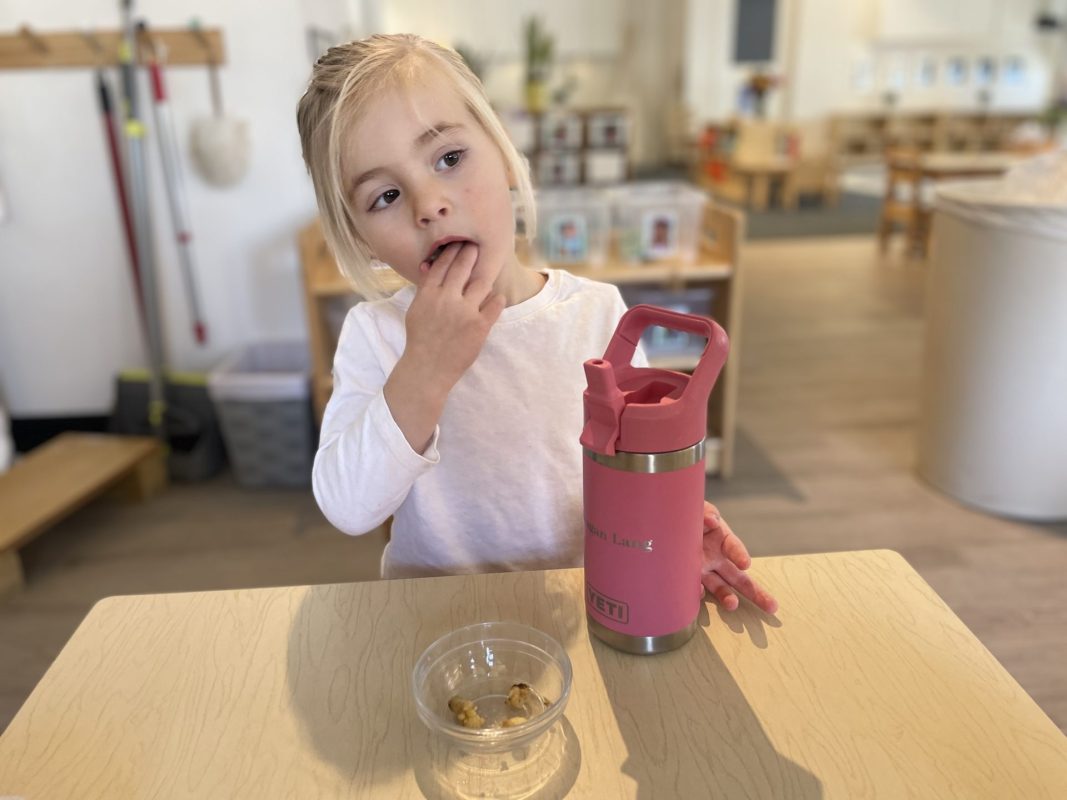
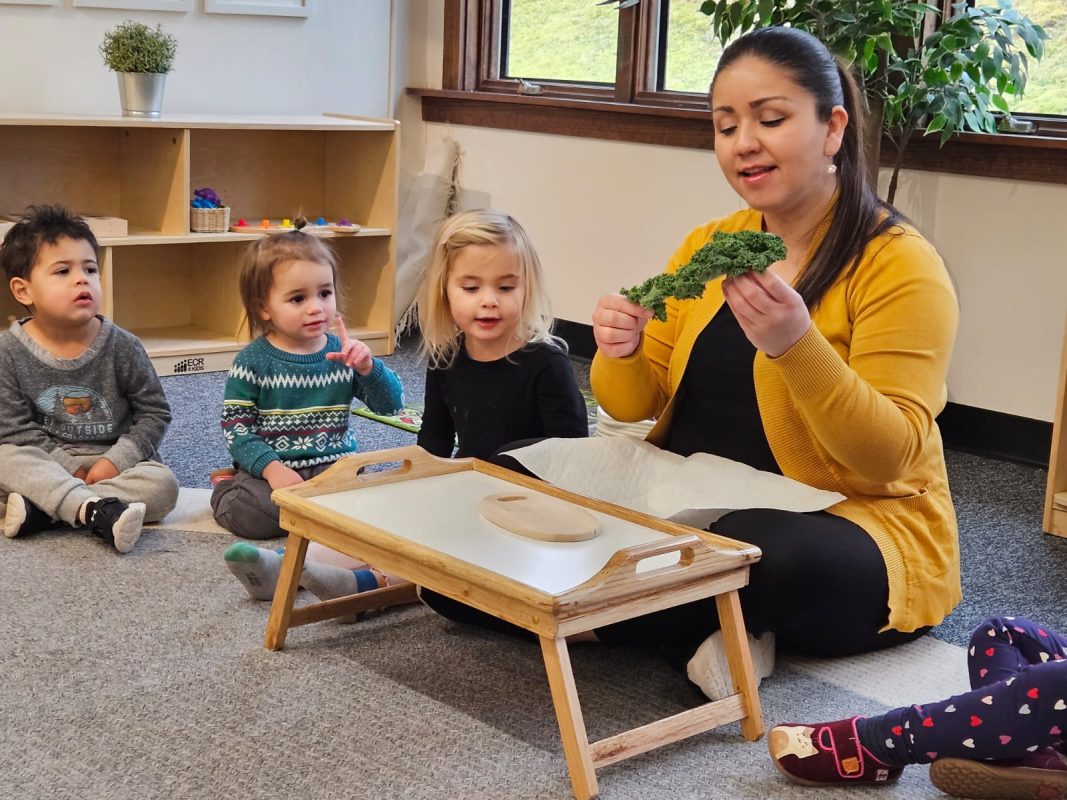
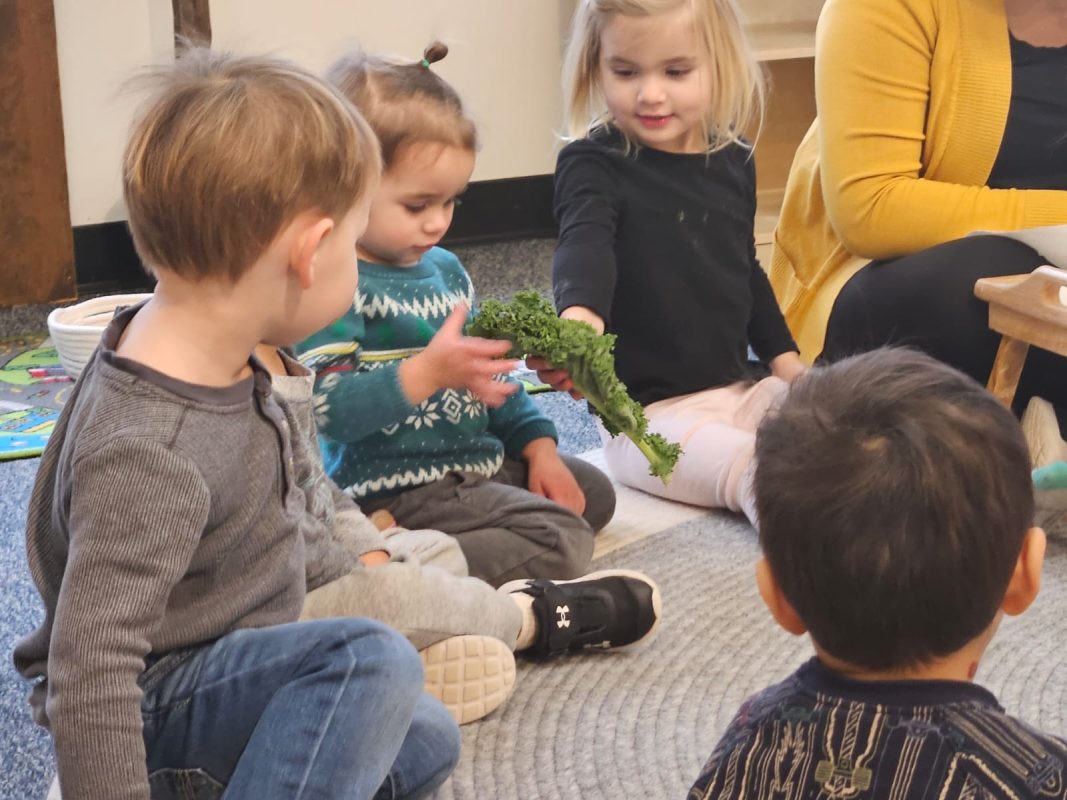
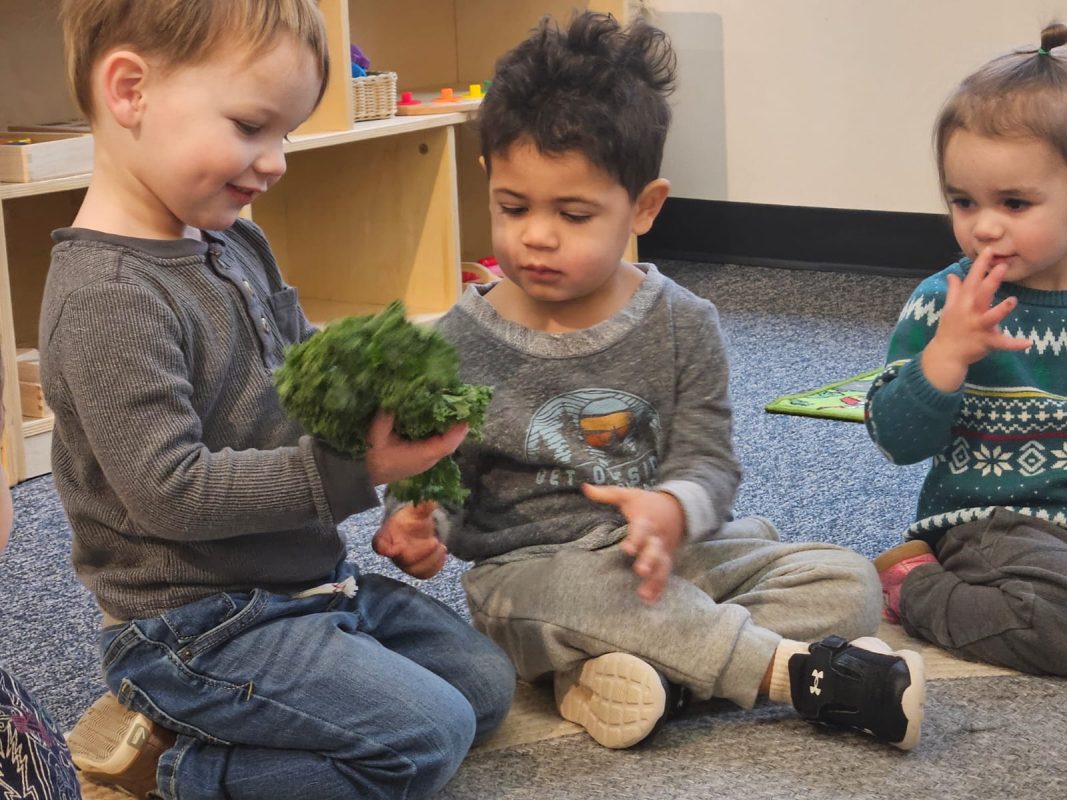
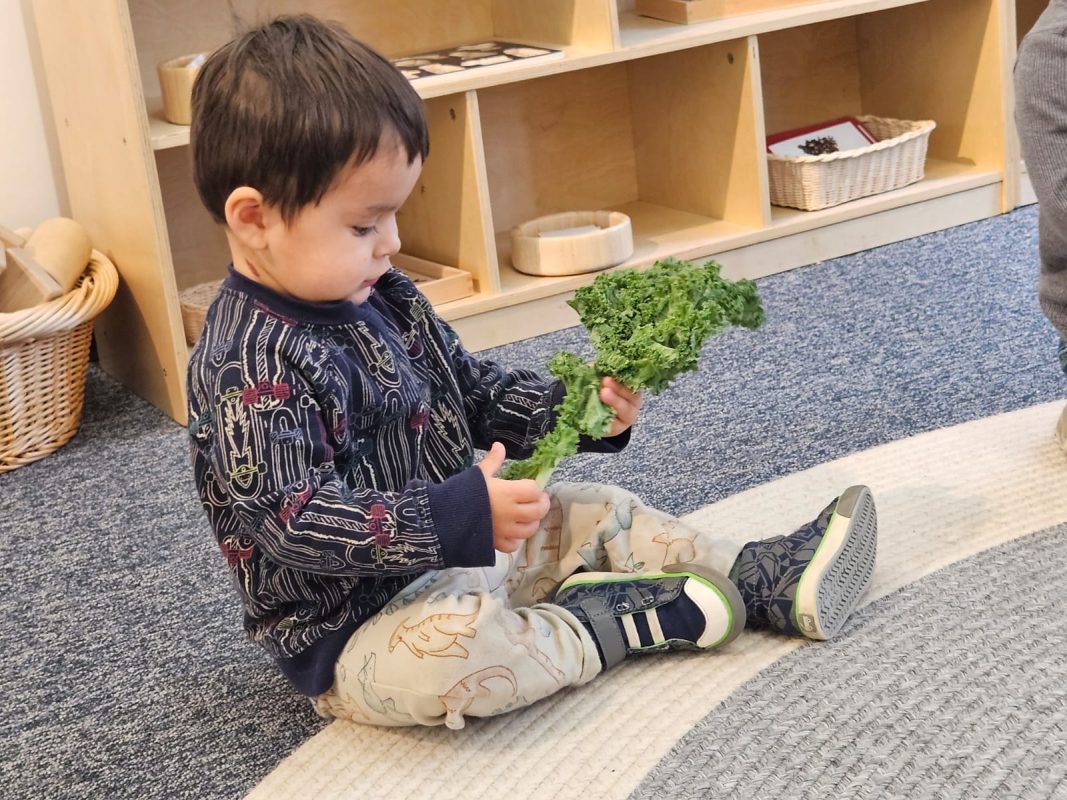
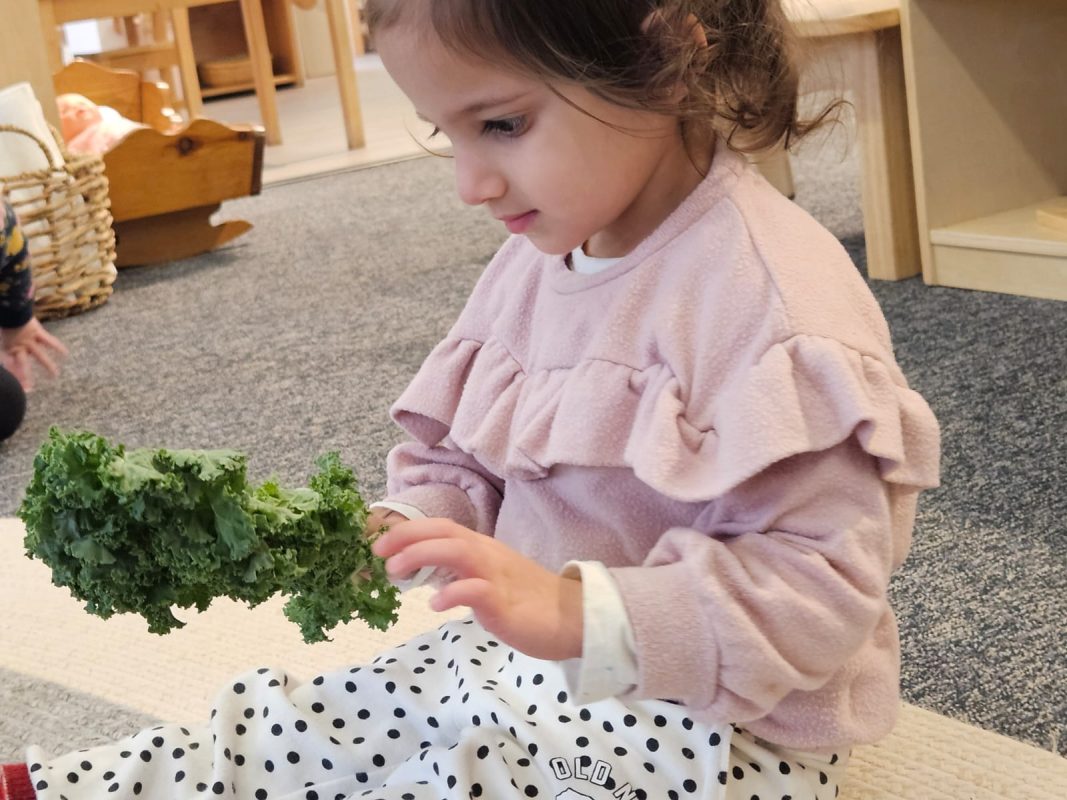
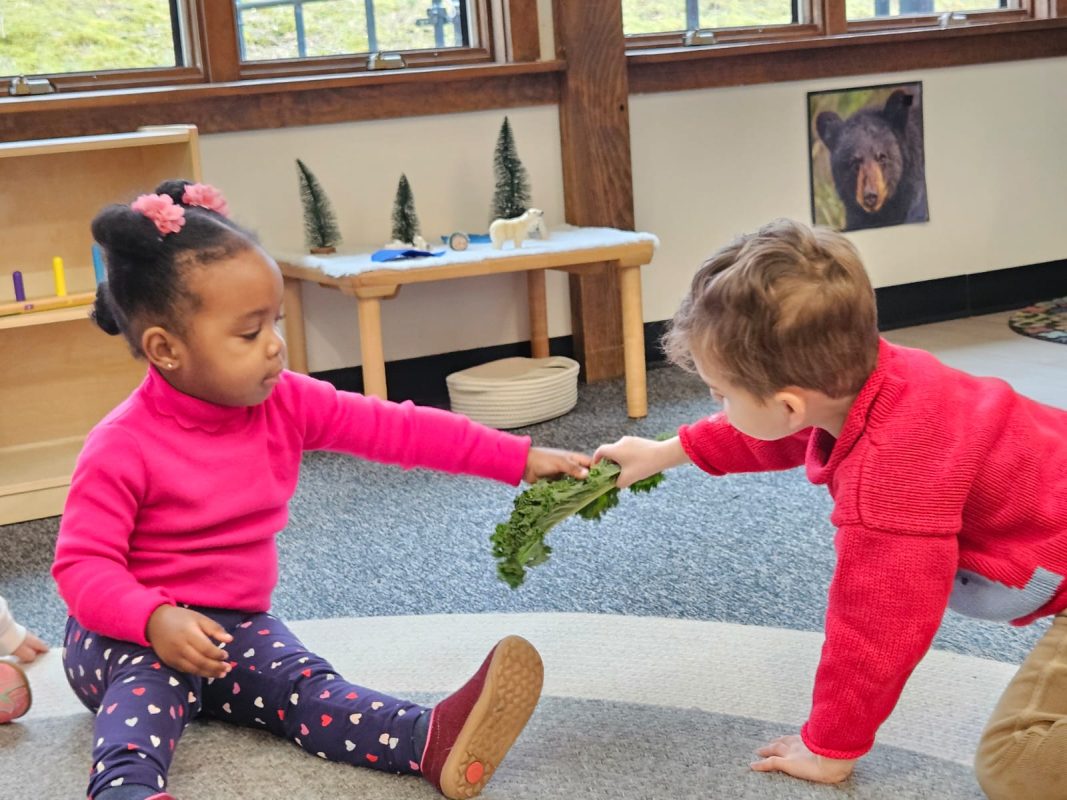
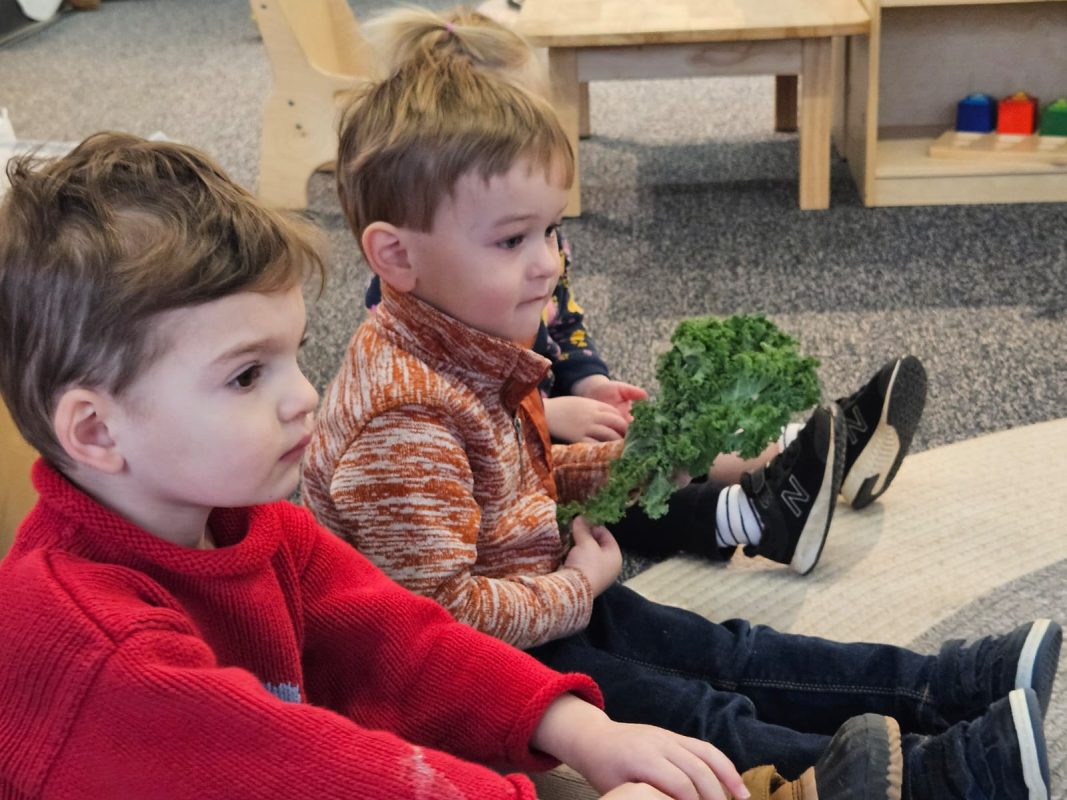
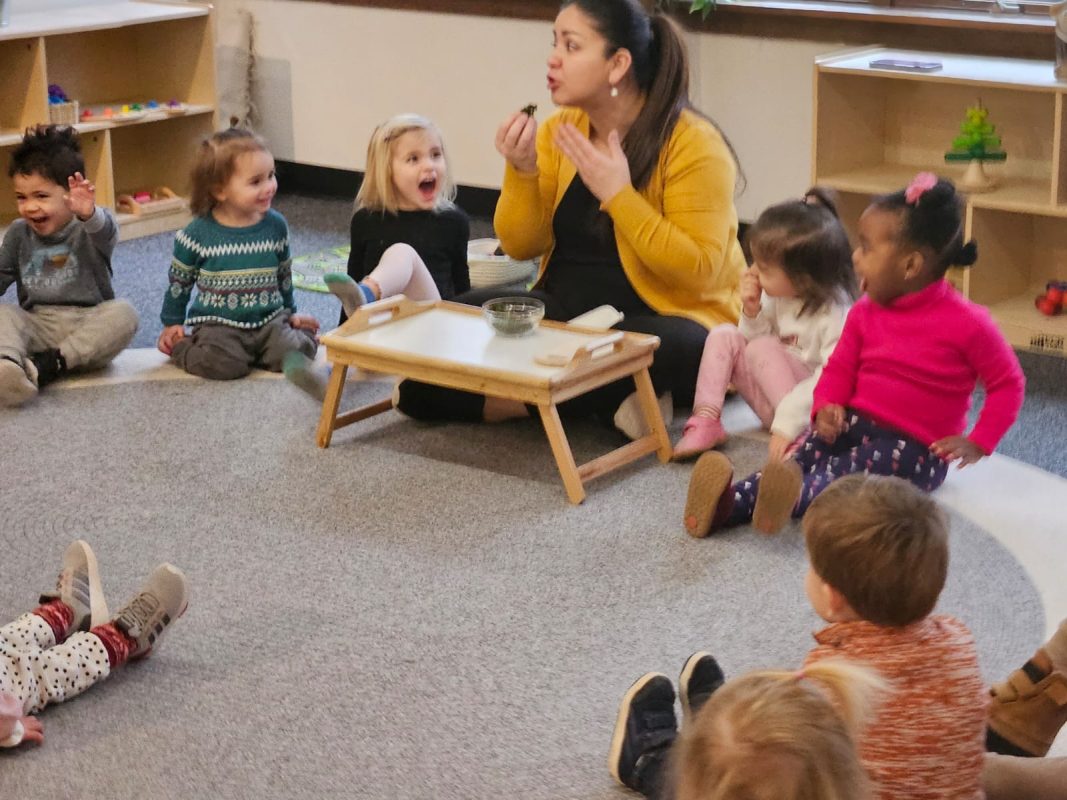
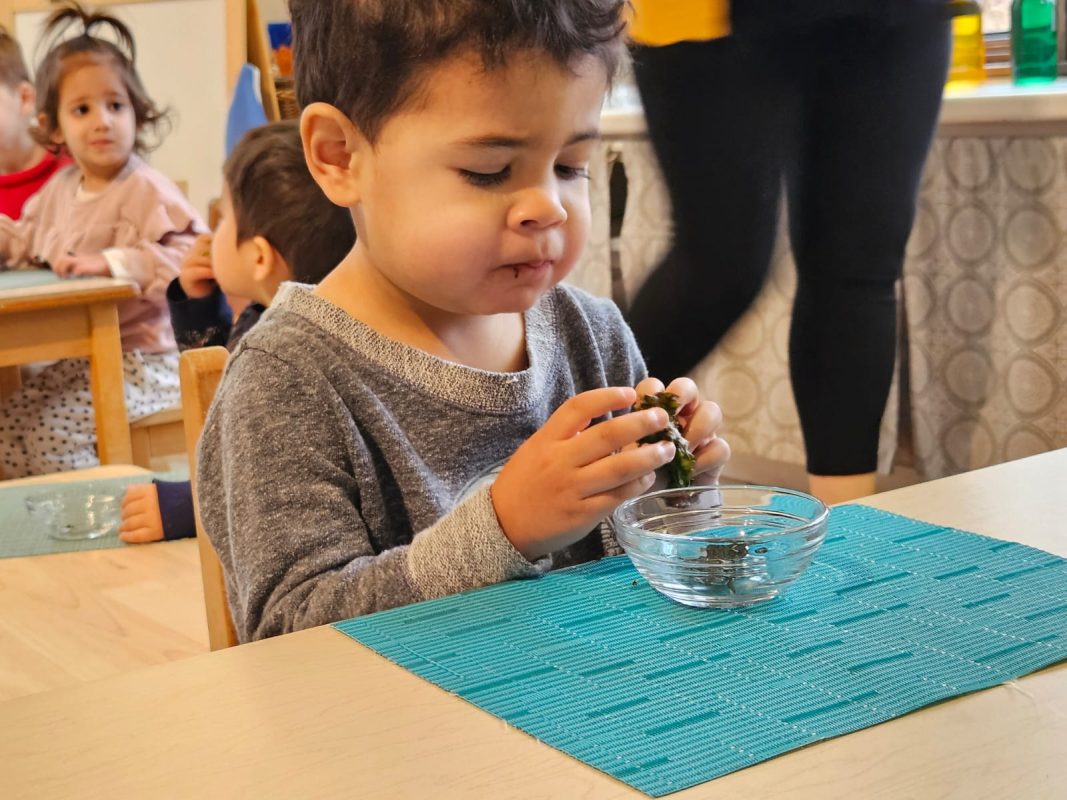
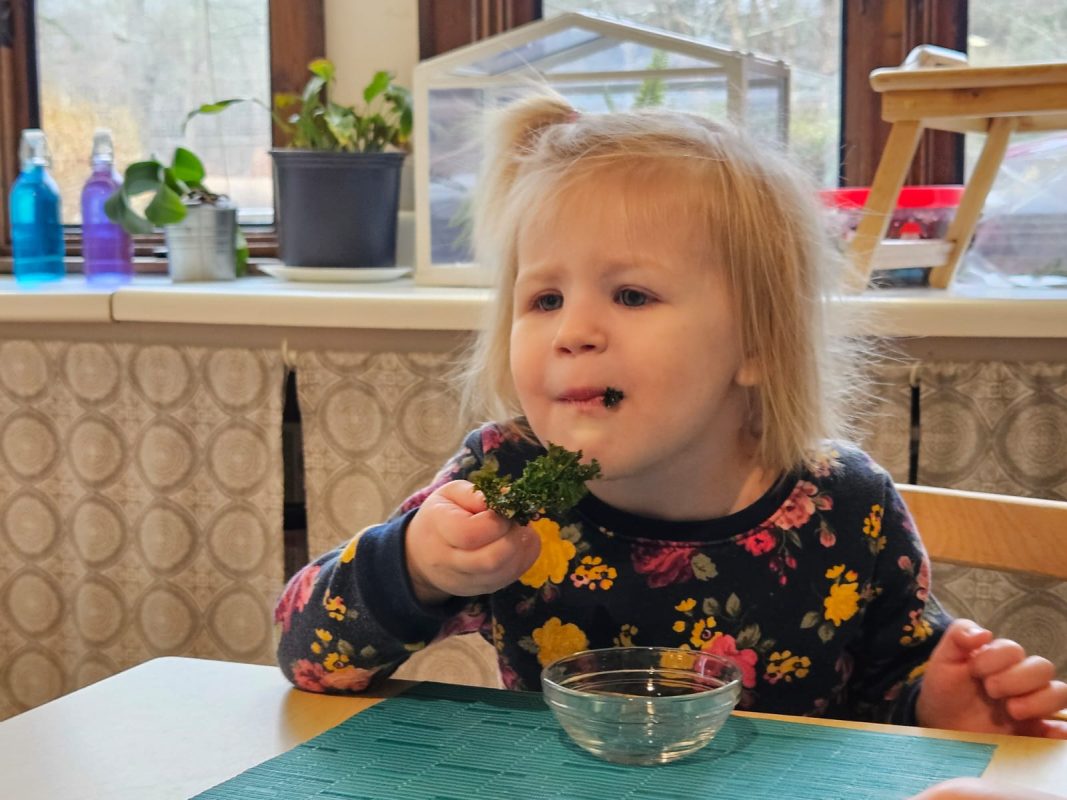
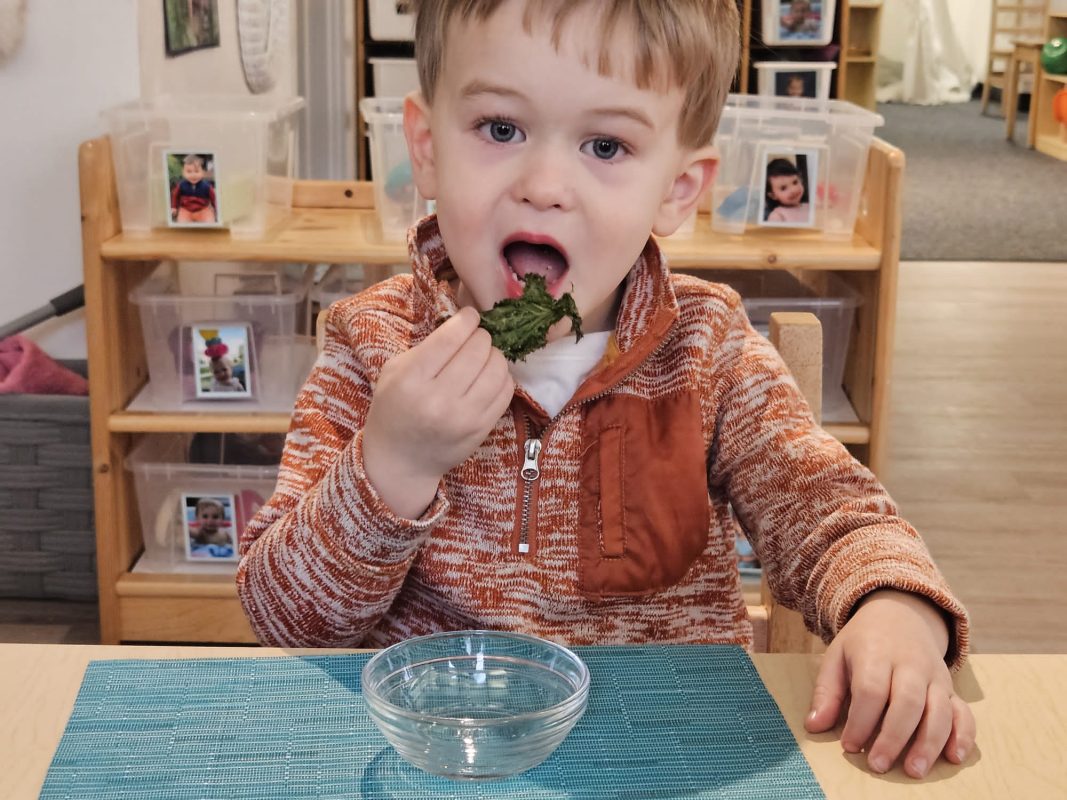
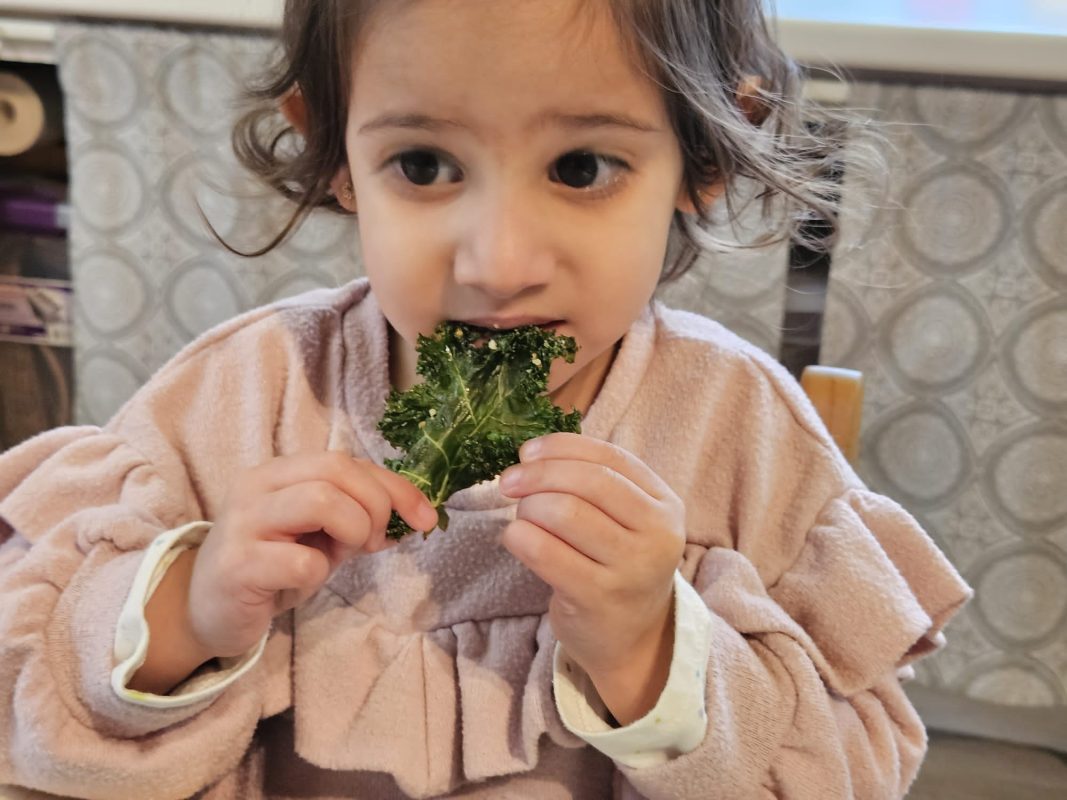
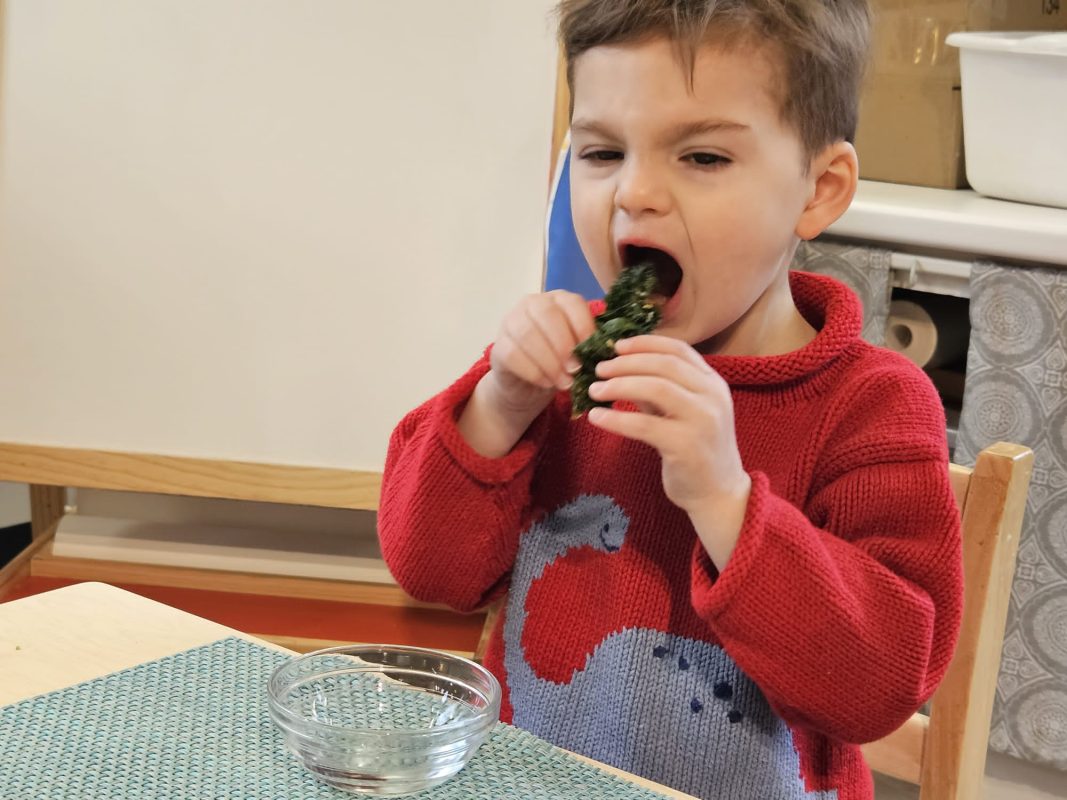
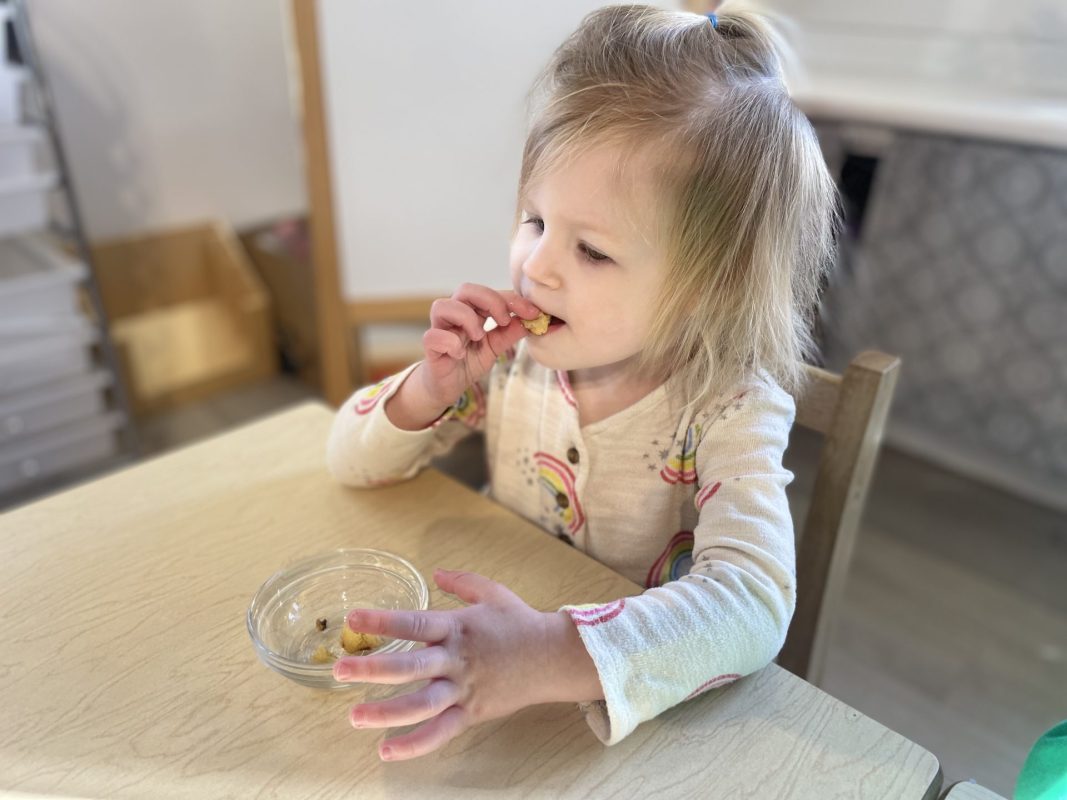
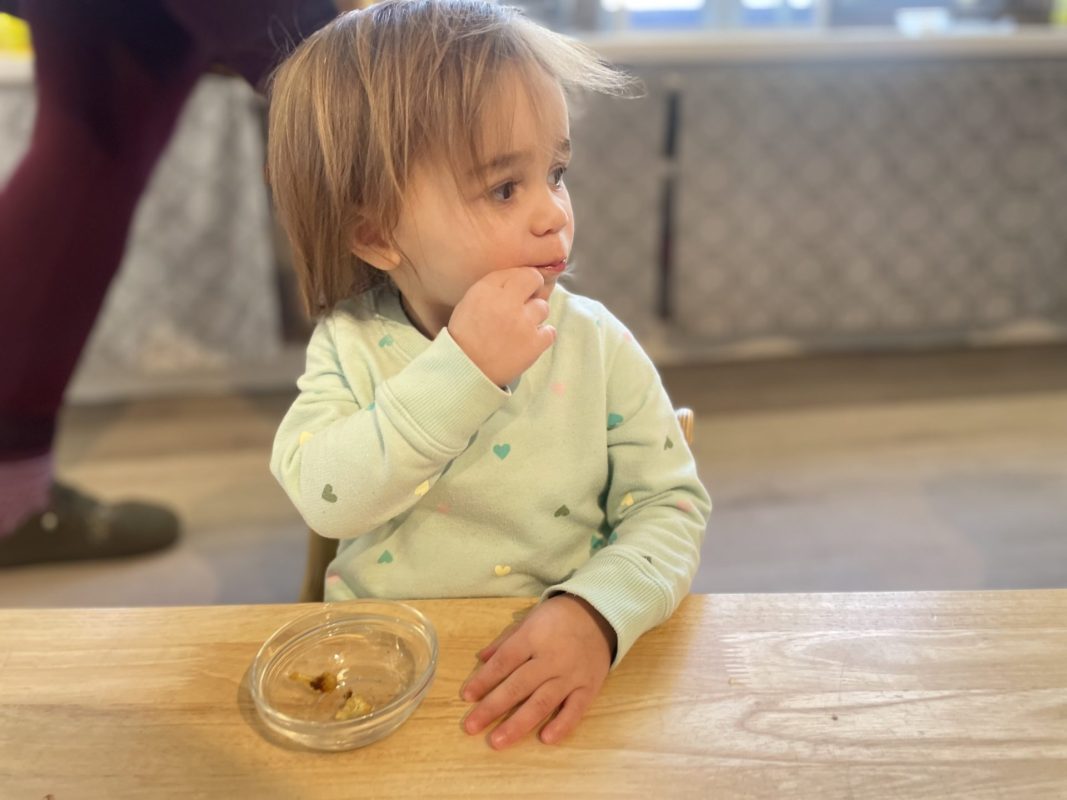
As a food-tasting lesson, we explored kale this week. Despite initial reservations, the children were pleasantly surprised to discover how much they enjoyed kale chips! If you’re interested in trying this at home, please feel free to reach out for the recipe.

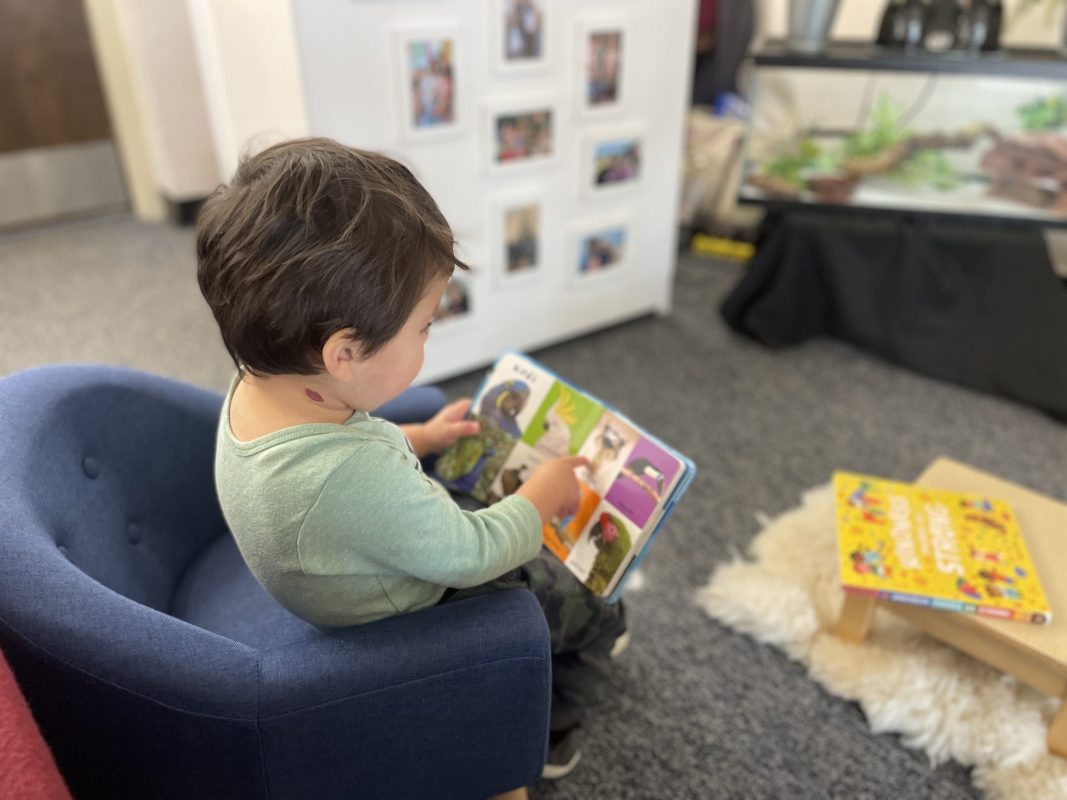
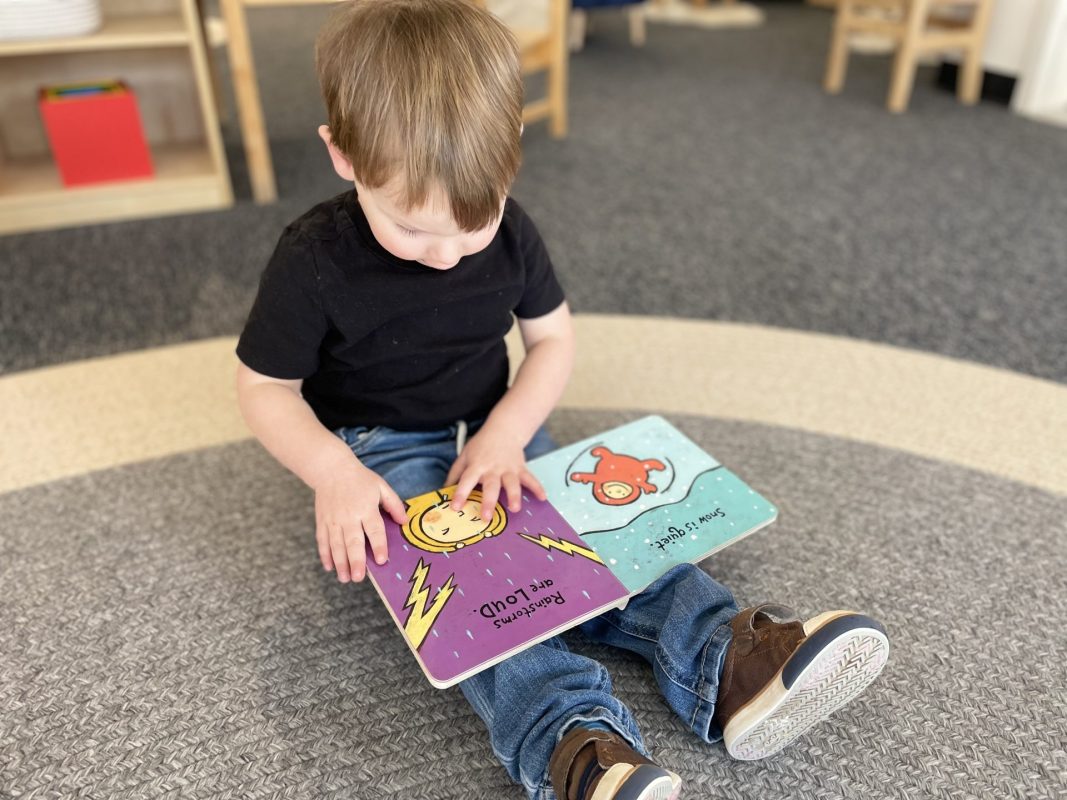
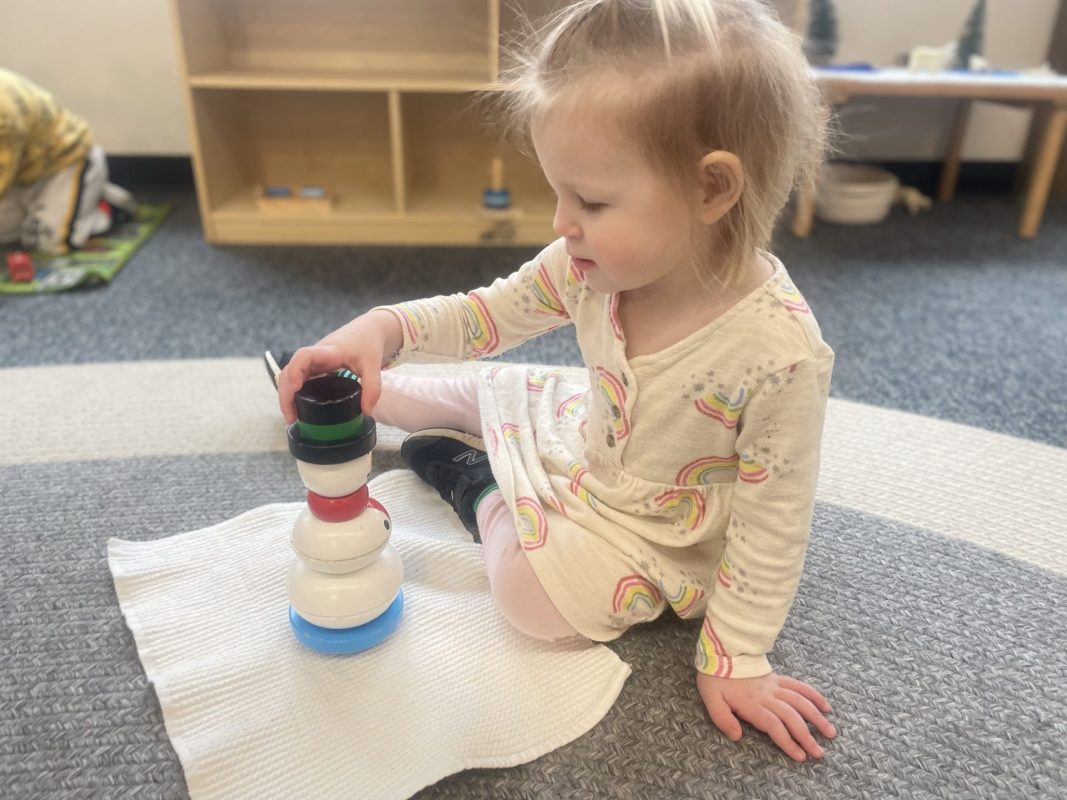
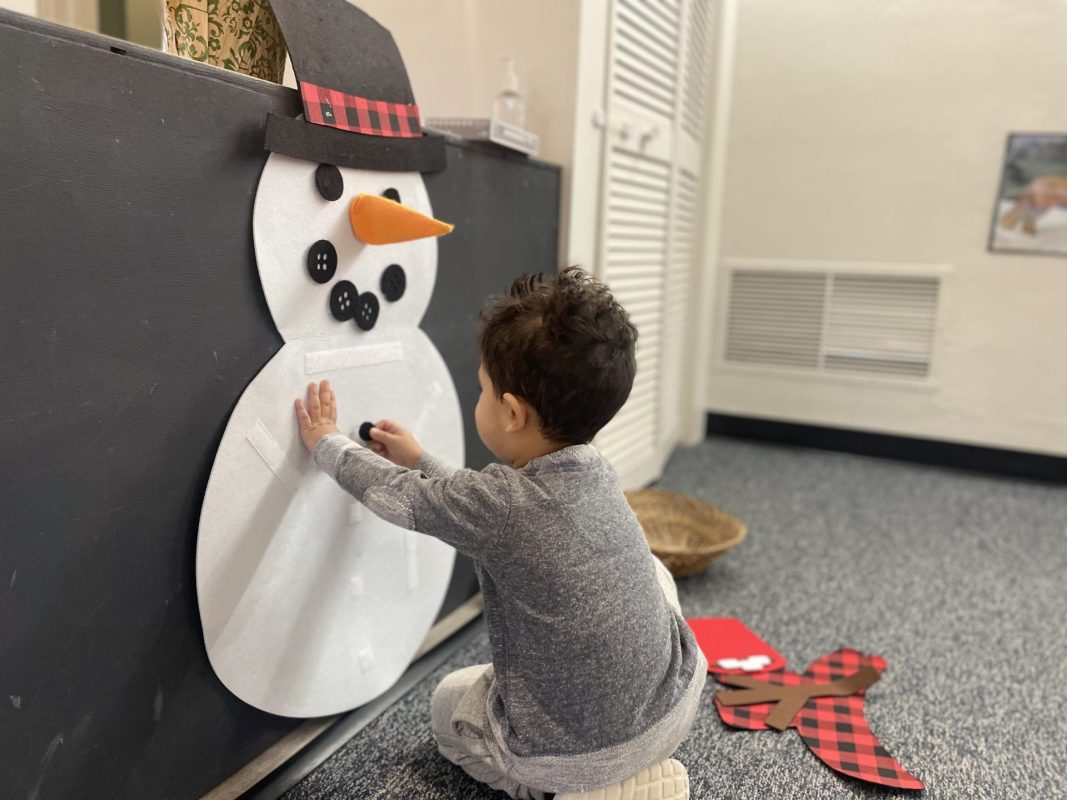
Our favorite books this week have included The Itsy Bitsy Snowman by Jeffrey Burton, Winter is Here by Kevin Henkes, and What Can You See in Winter by Sian Smith.

Reminder:  Please provide a labeled tote bag with your child’s name and ensure that all winter gear, including snow pants, a winter jacket, snow mittens with clips, and a hat, are labeled and placed inside the bag.

We hope you stay safe and enjoy the first snowstorm of the season!

Warm regards,

Mrs. Hood and Ms. Mollie