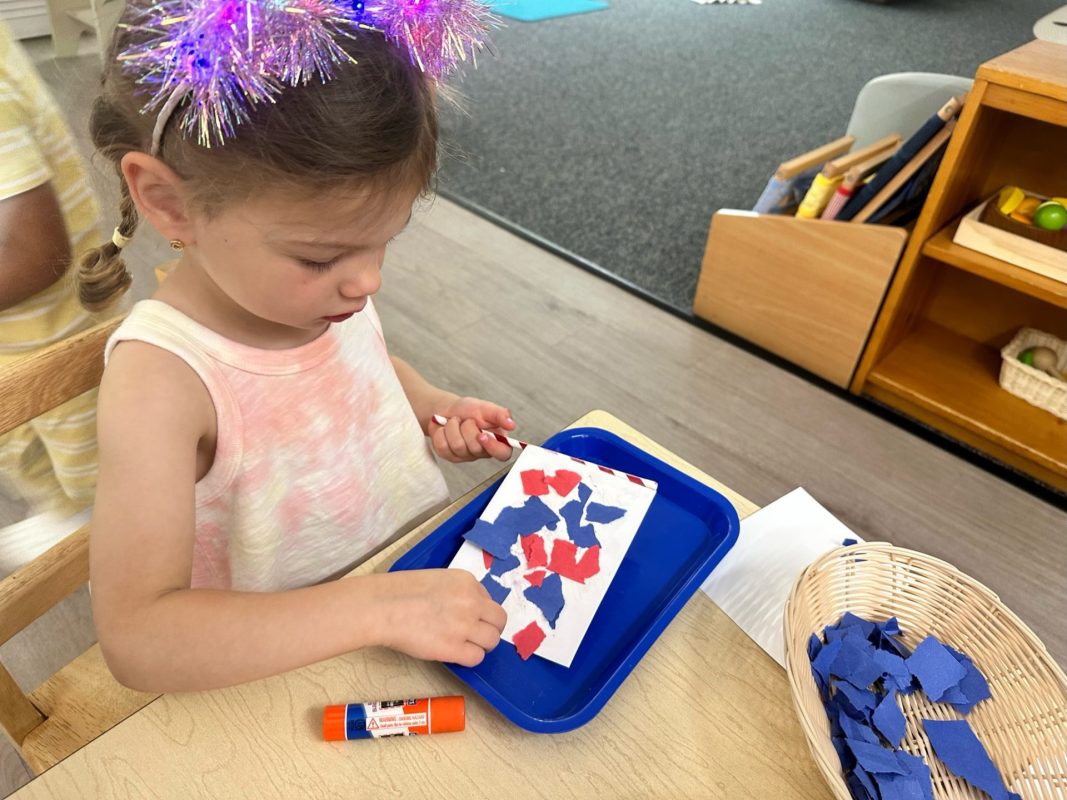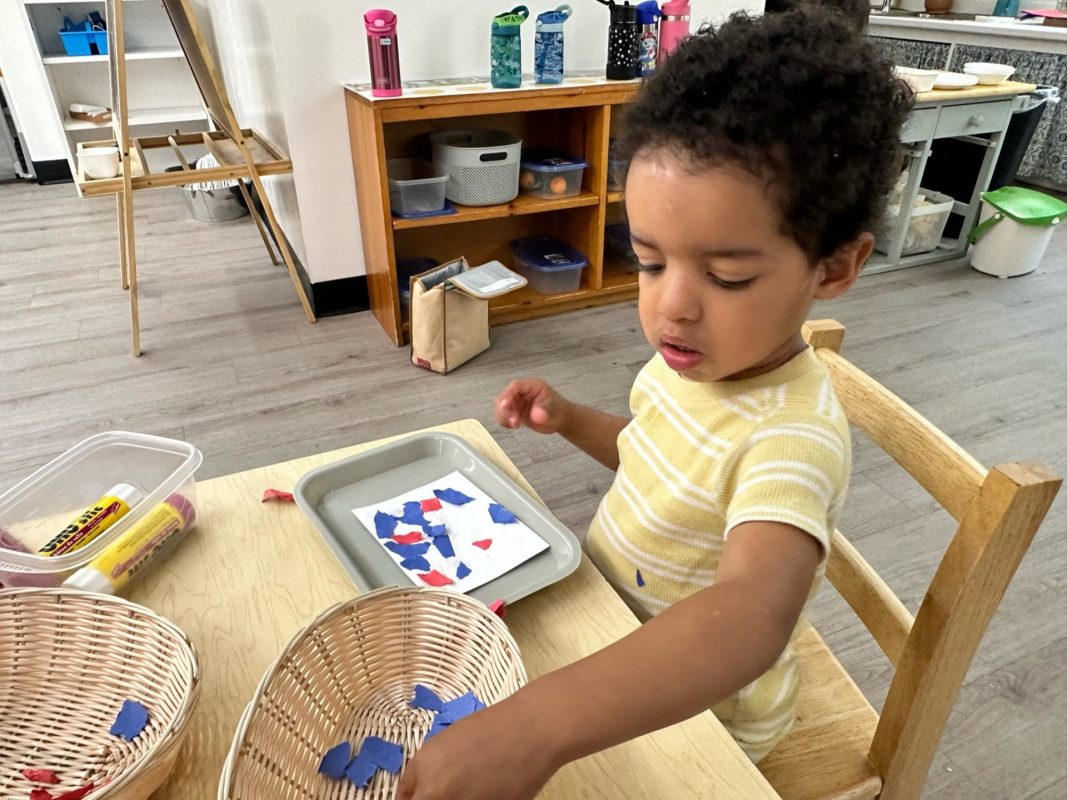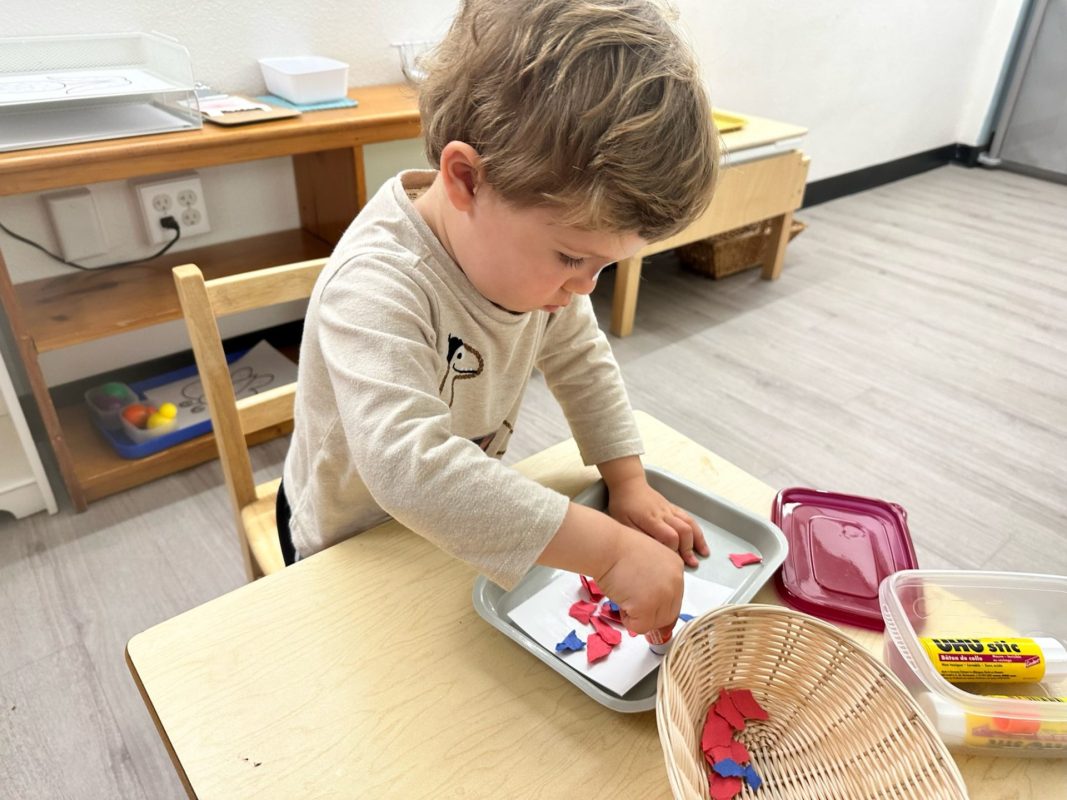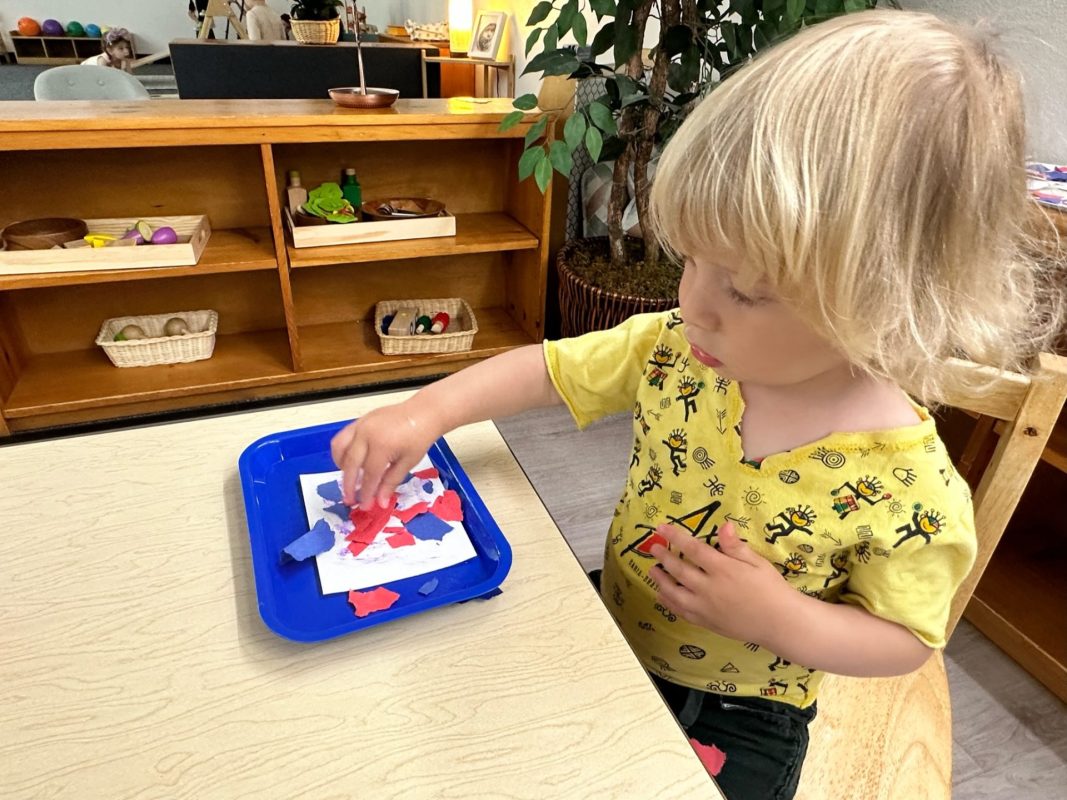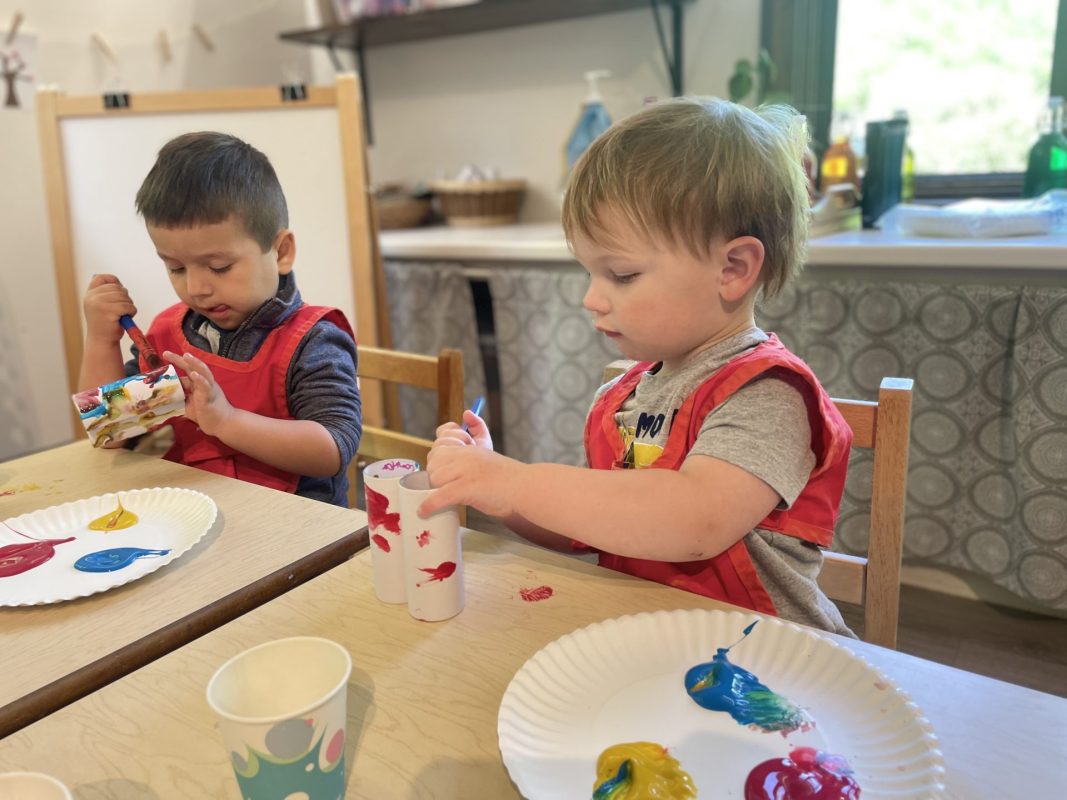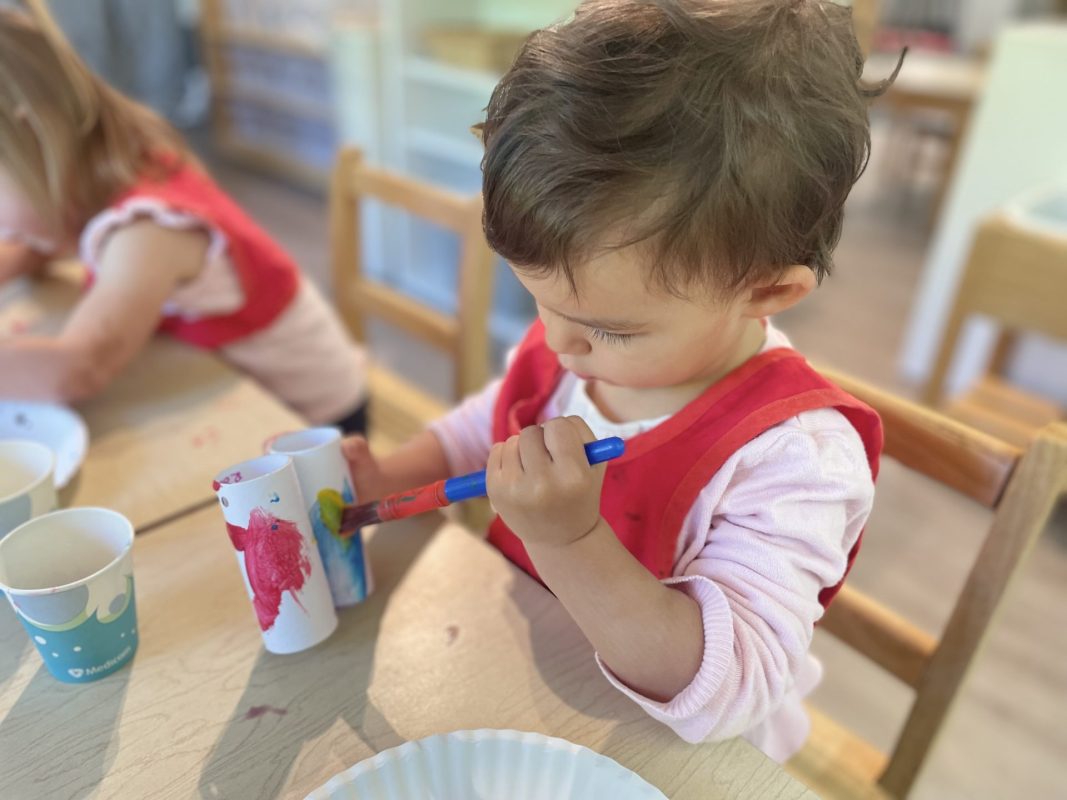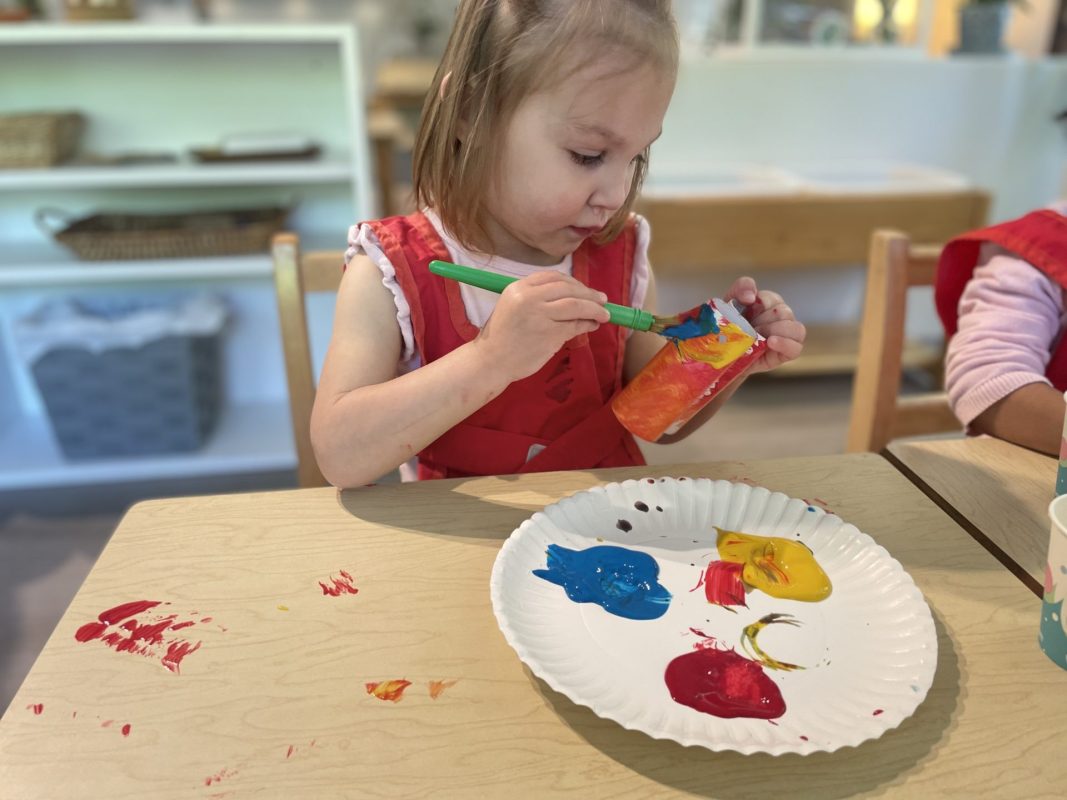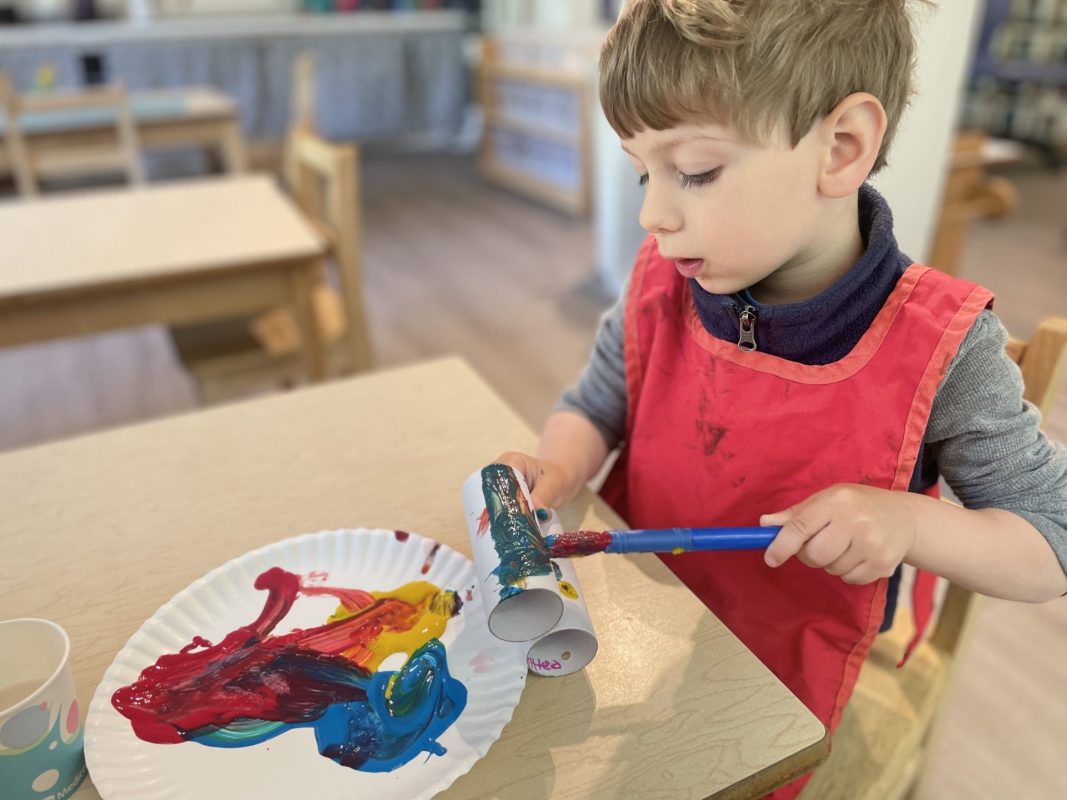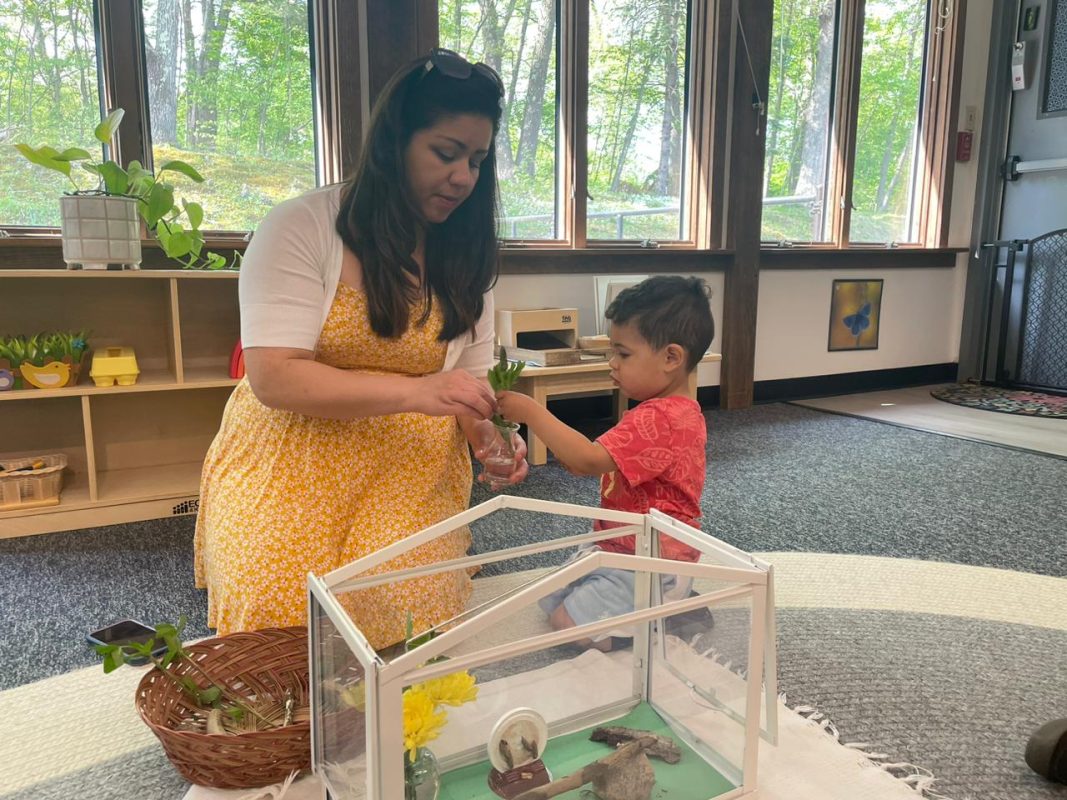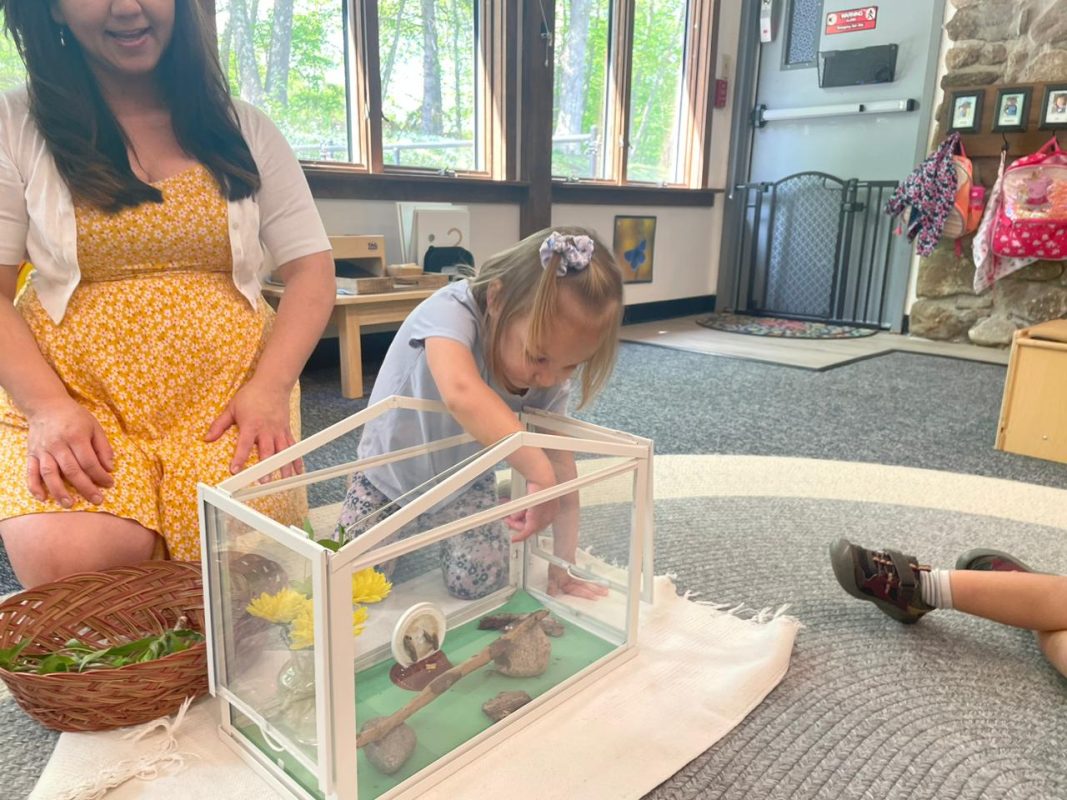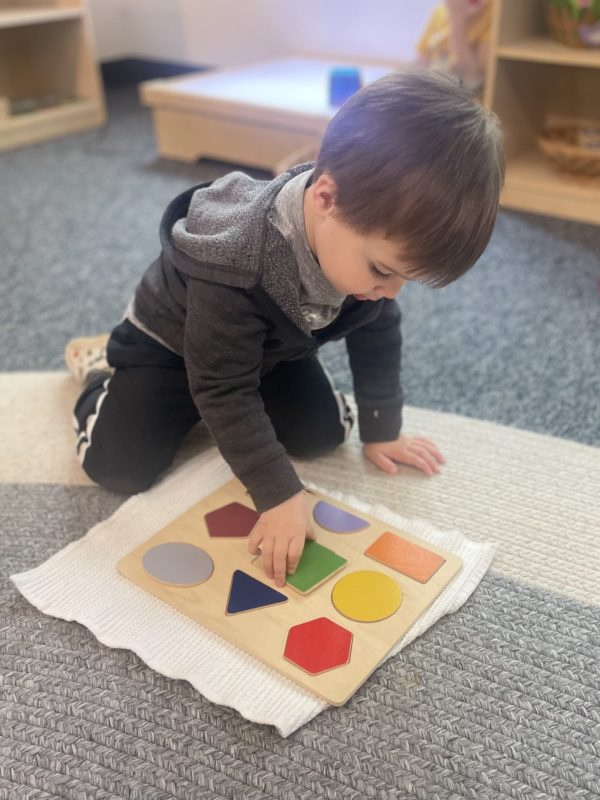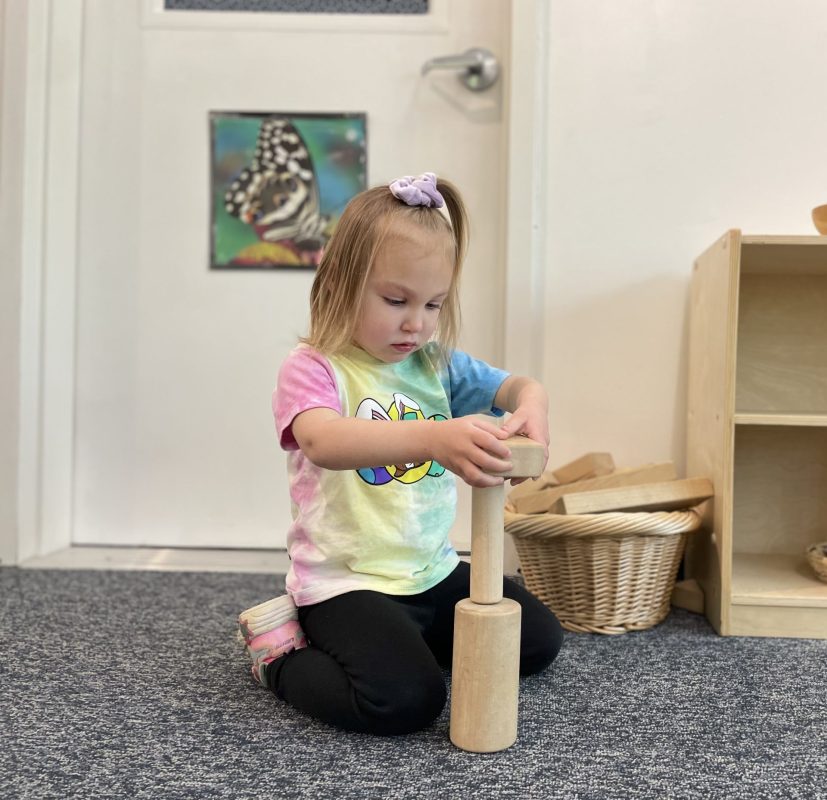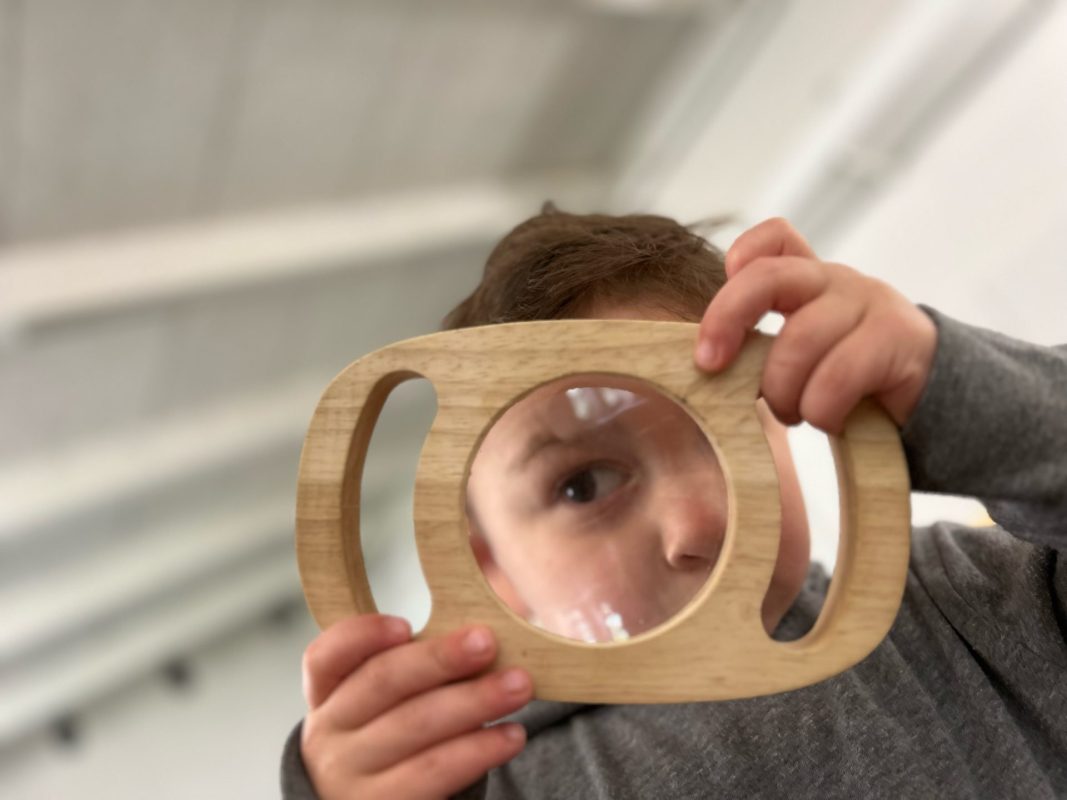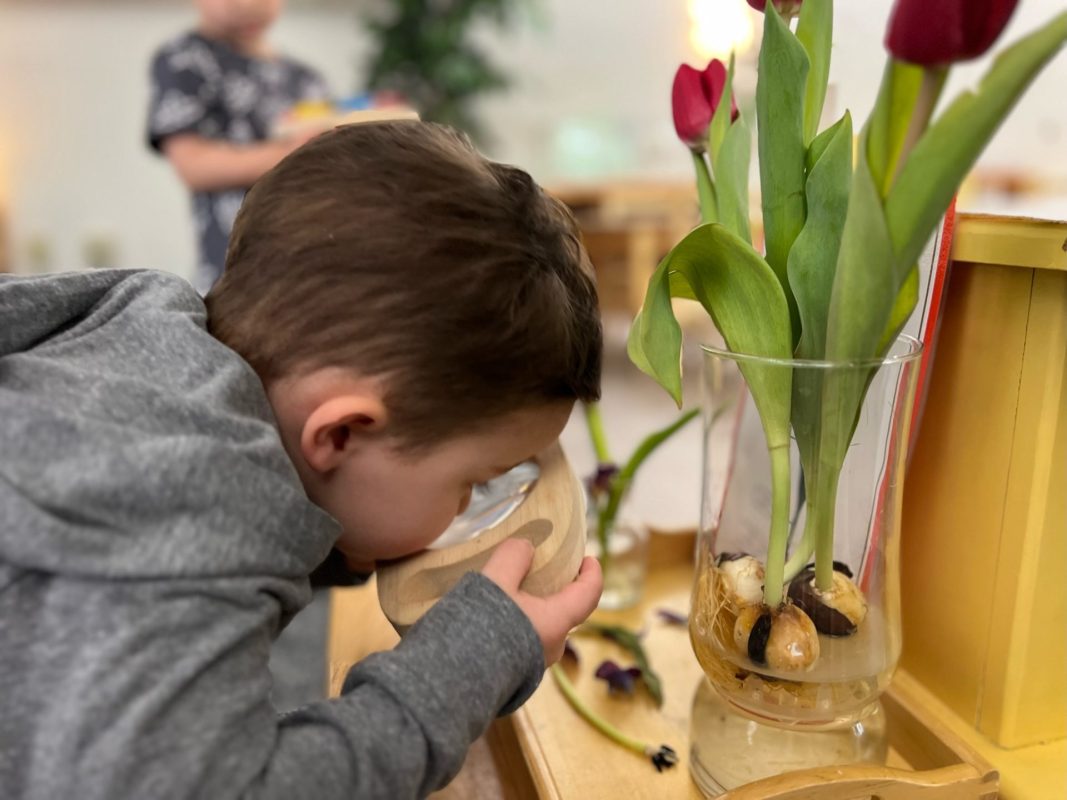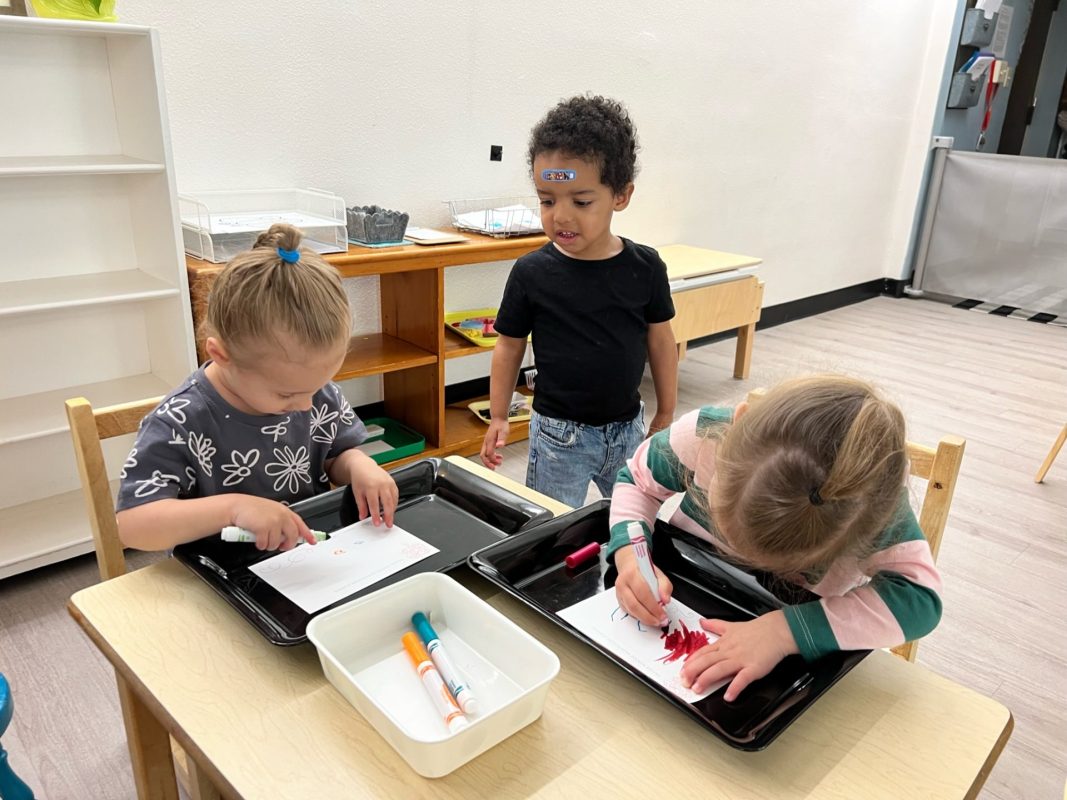
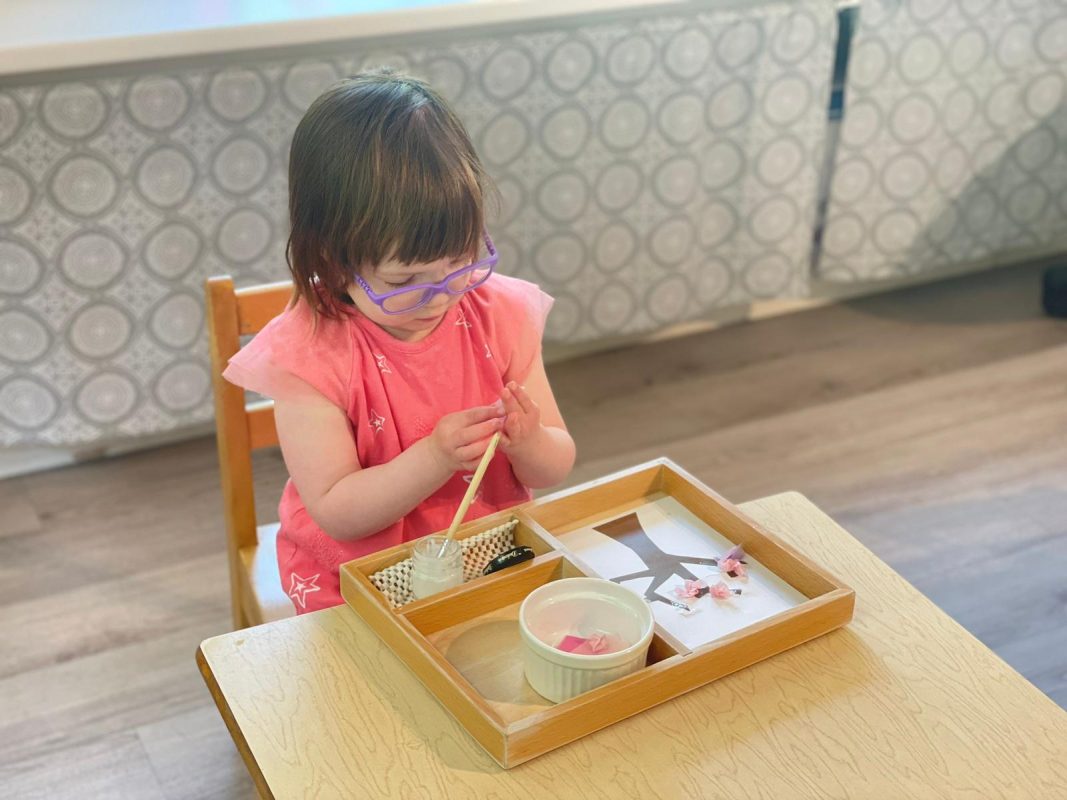
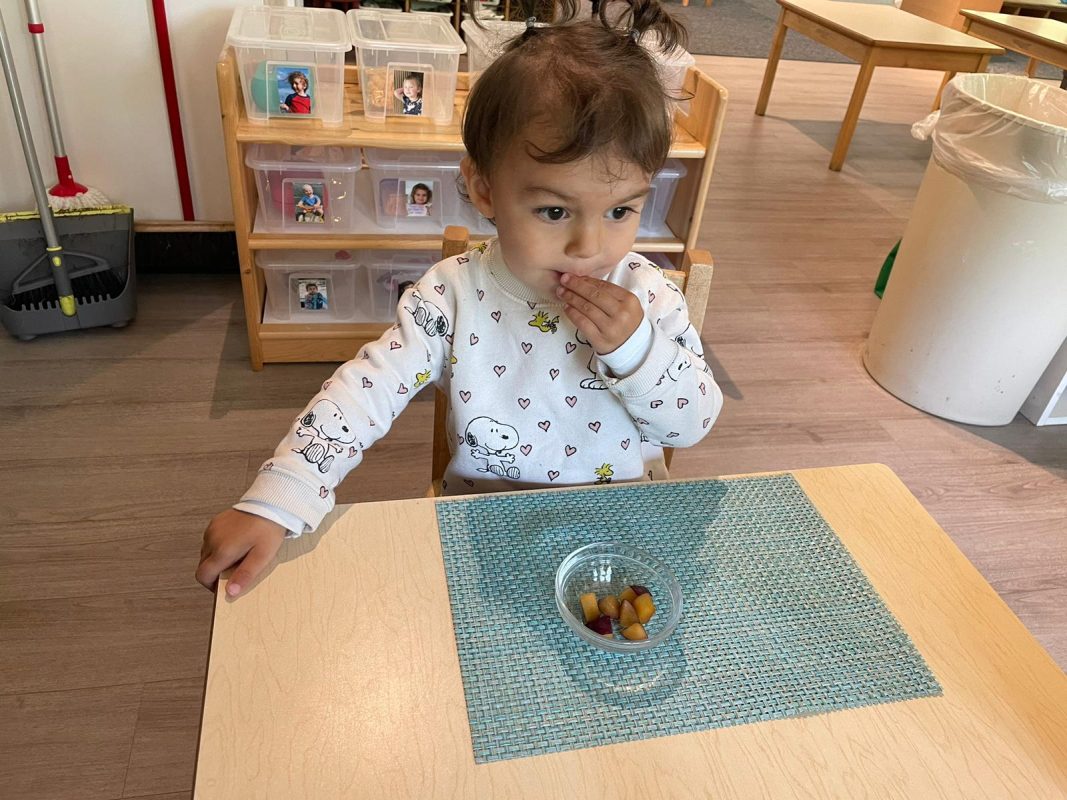
Mrs. Hood’s: Exploring the Rainbow!

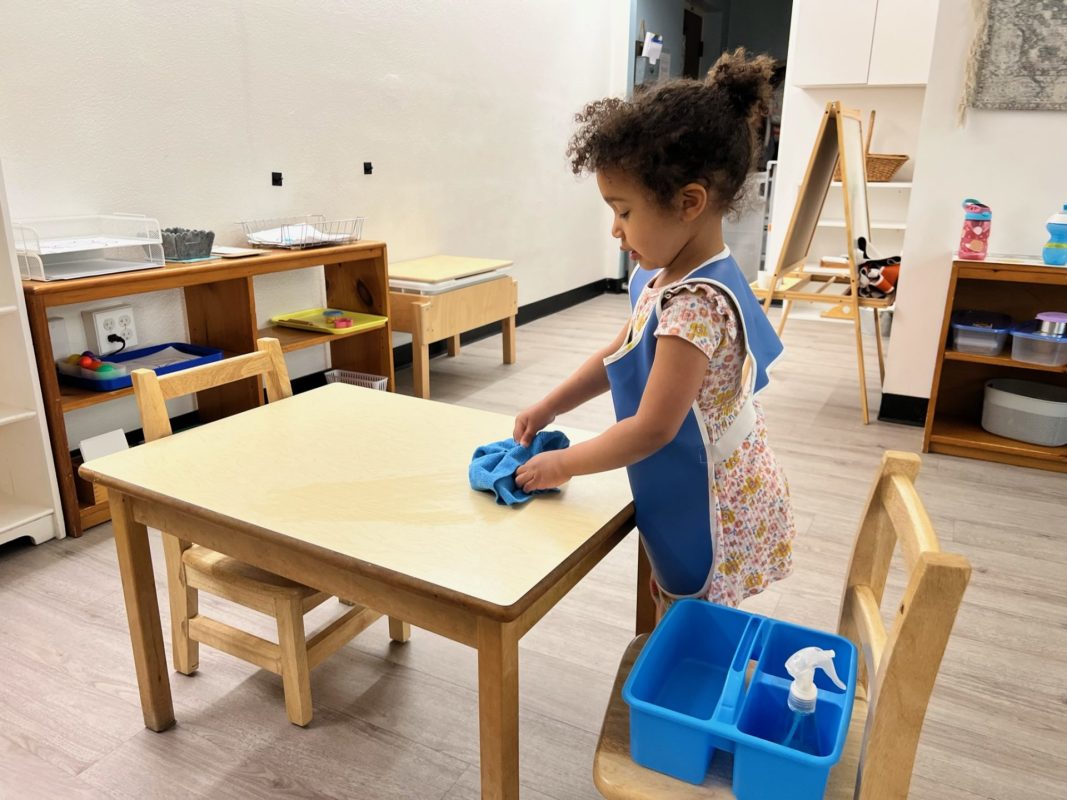
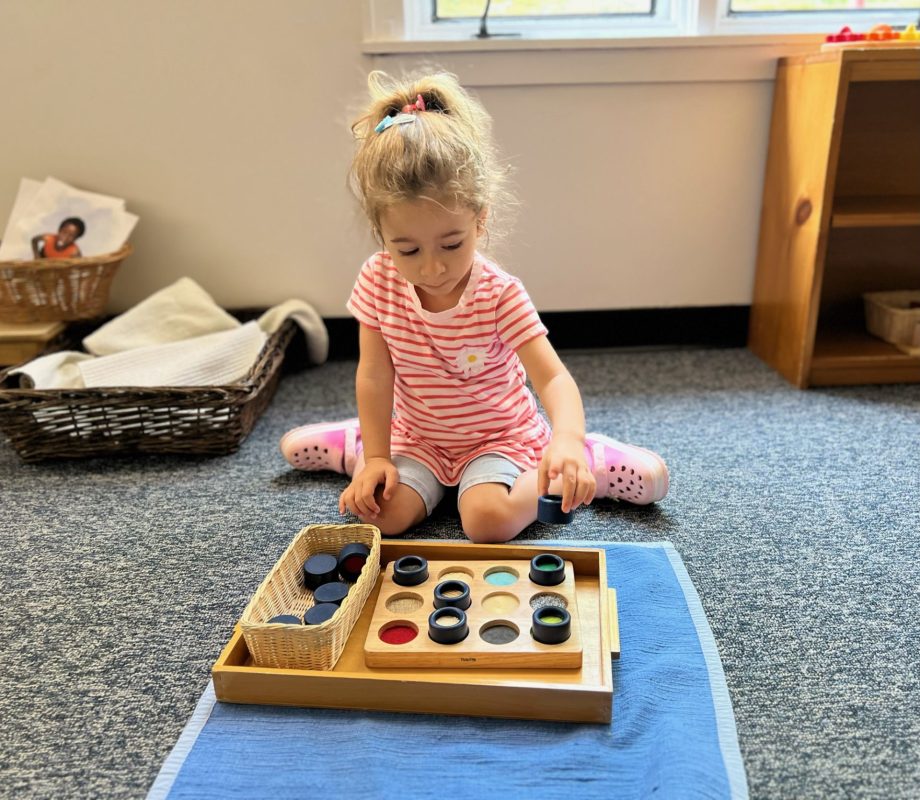
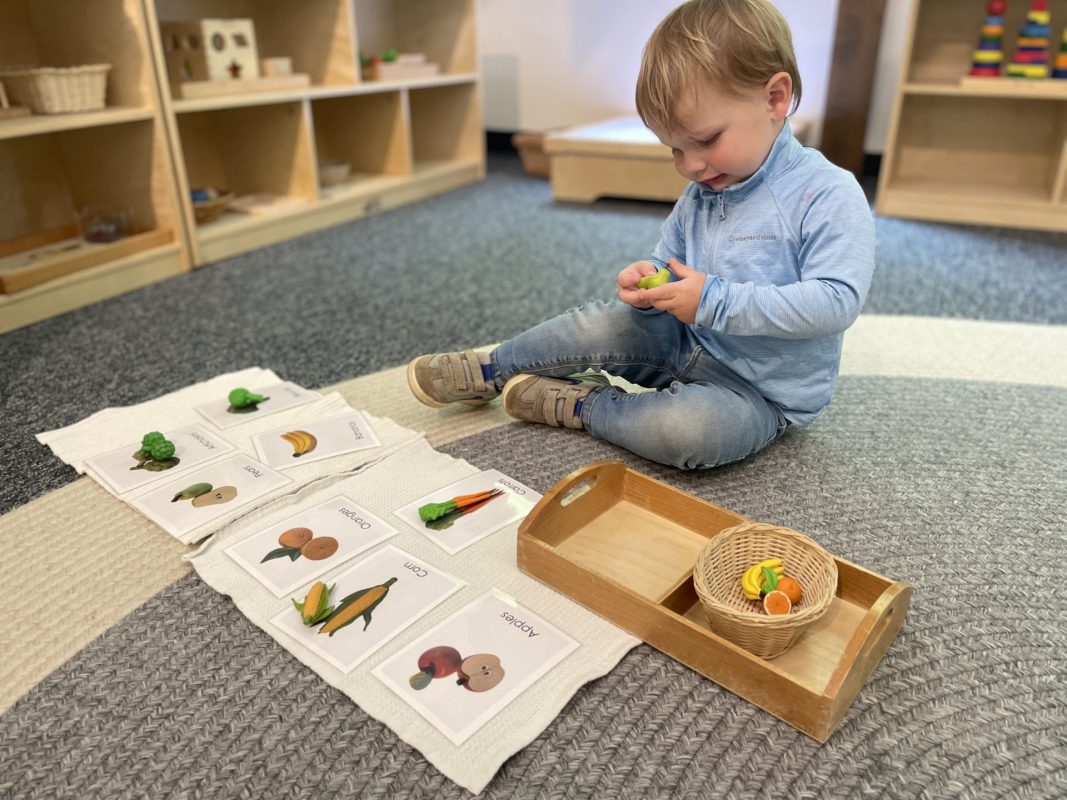
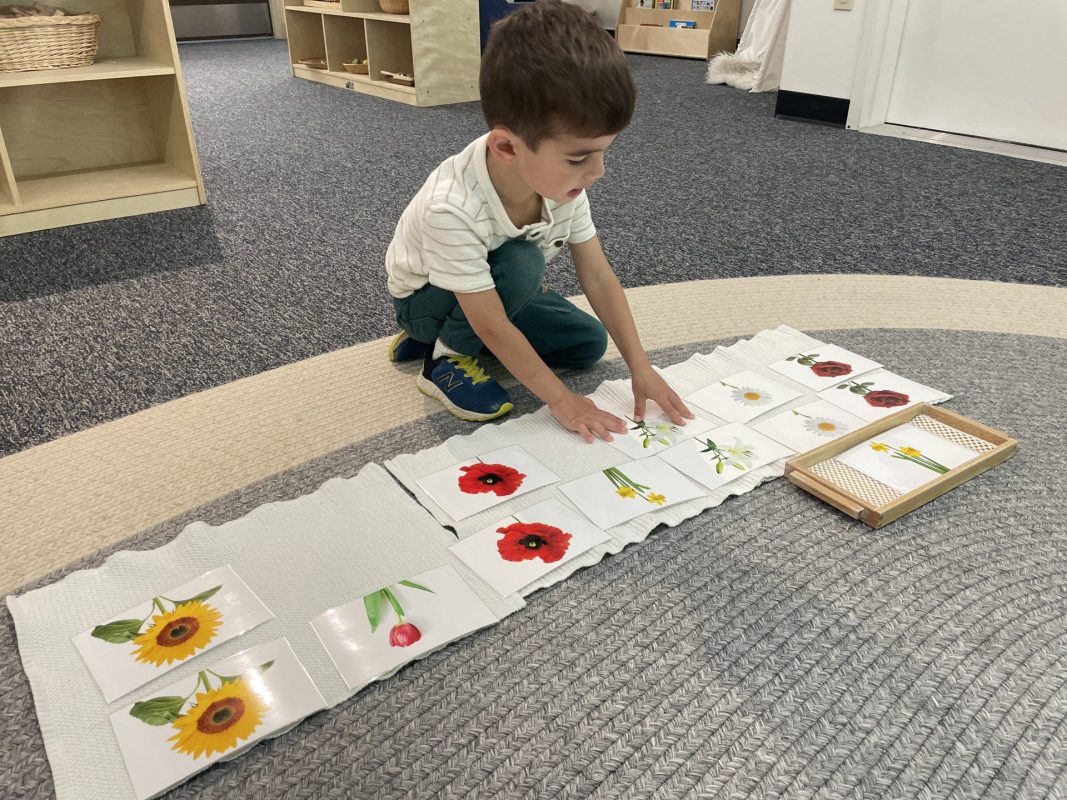
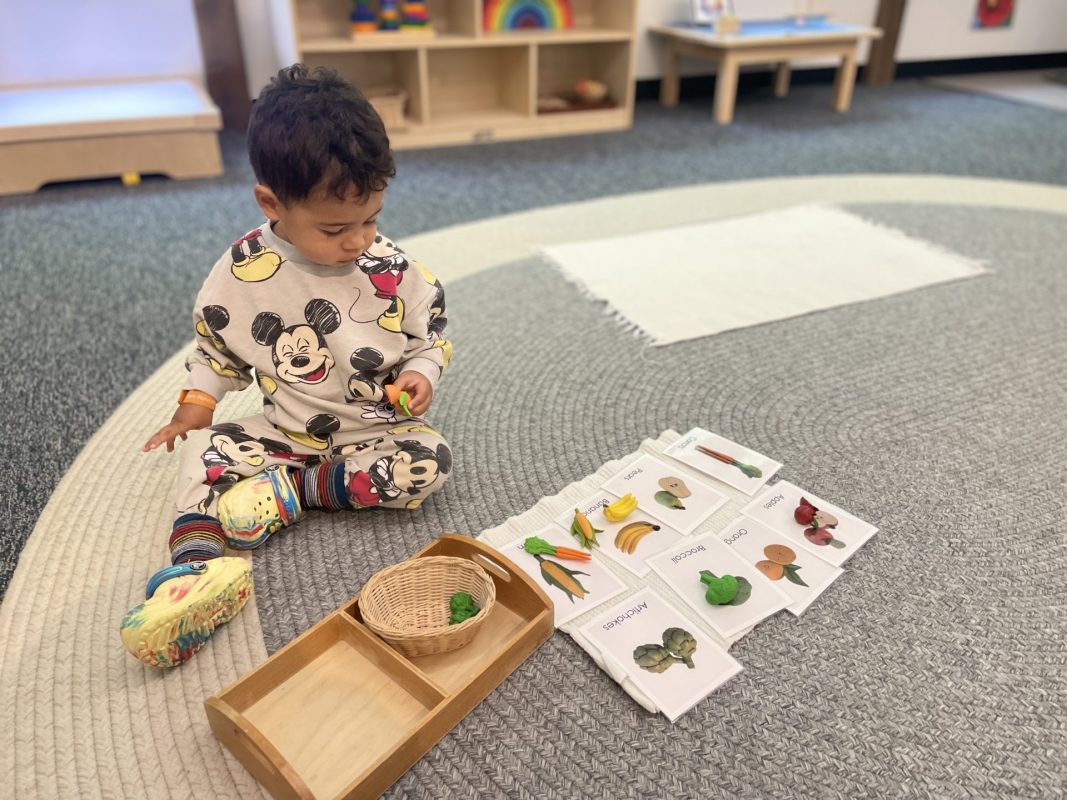
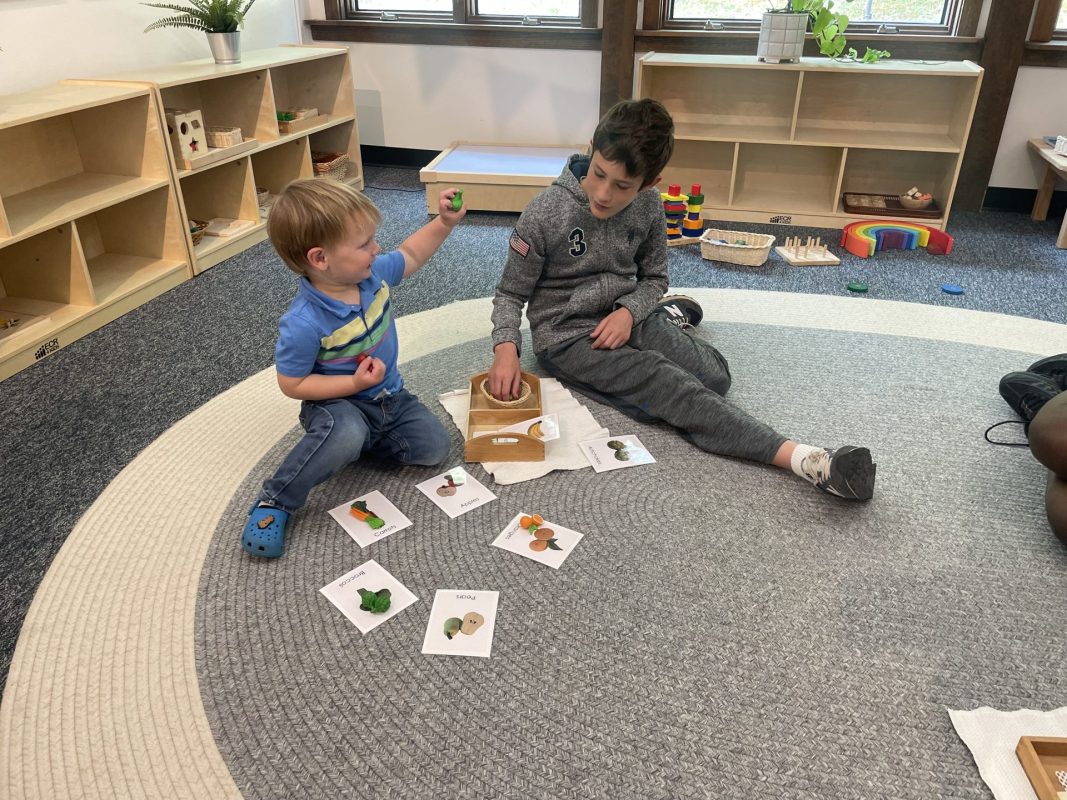
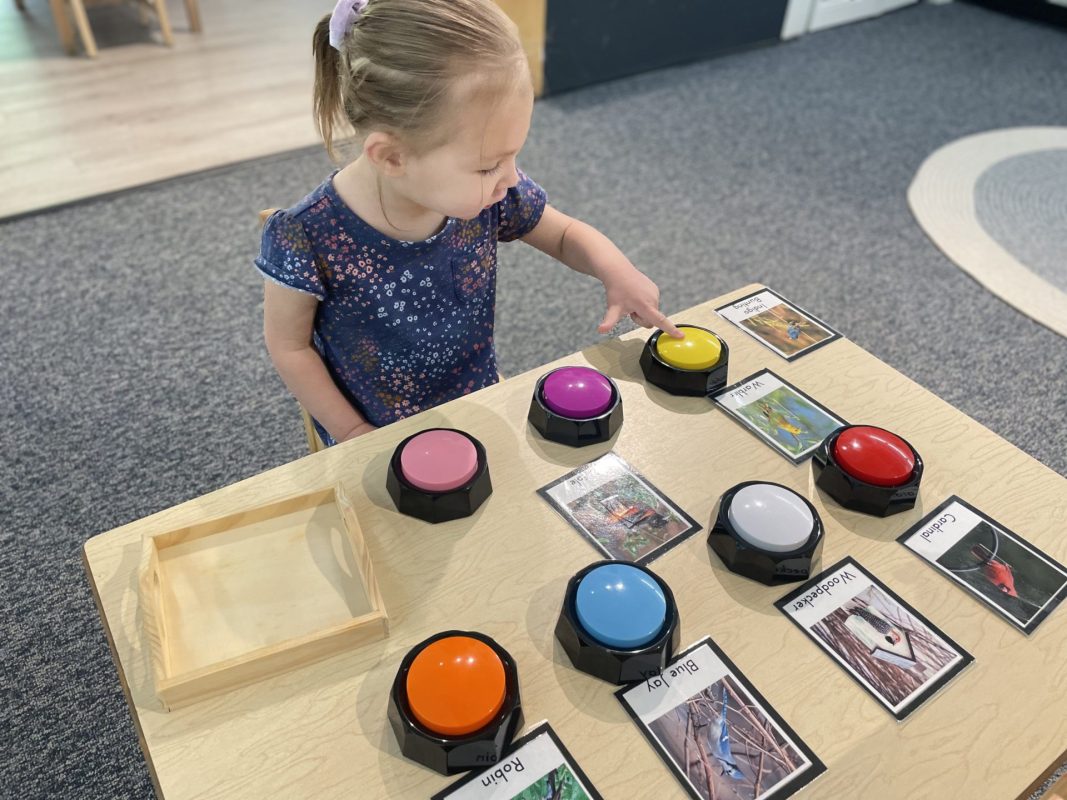
Color recognition can provide children with essential learning tools in life. For example, color recognition is used in mathematics to categorize, sort, compare, and organize. Additionally, as children learn to identify colors and use color as a language tool to describe things, it develops and strengthens their ability to communicate effectively. Recognizing and identifying the color names is important to a child’s development. It is considered a marker and milestone in a child’s cognitive process.

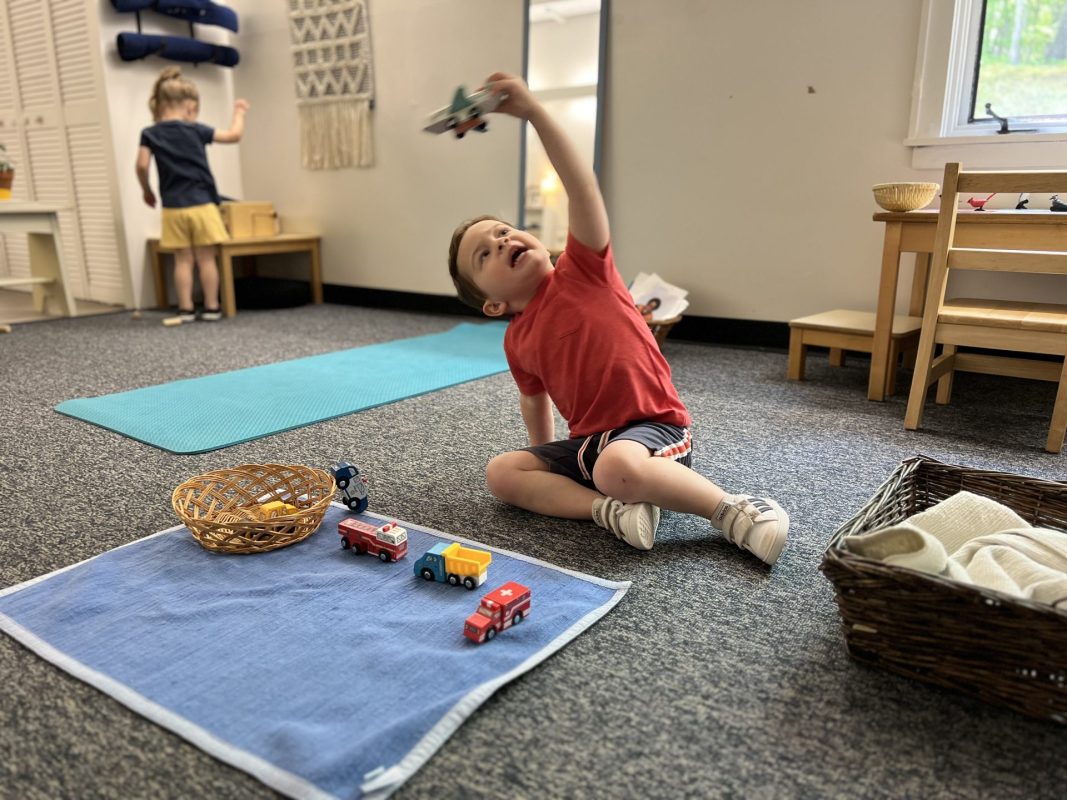
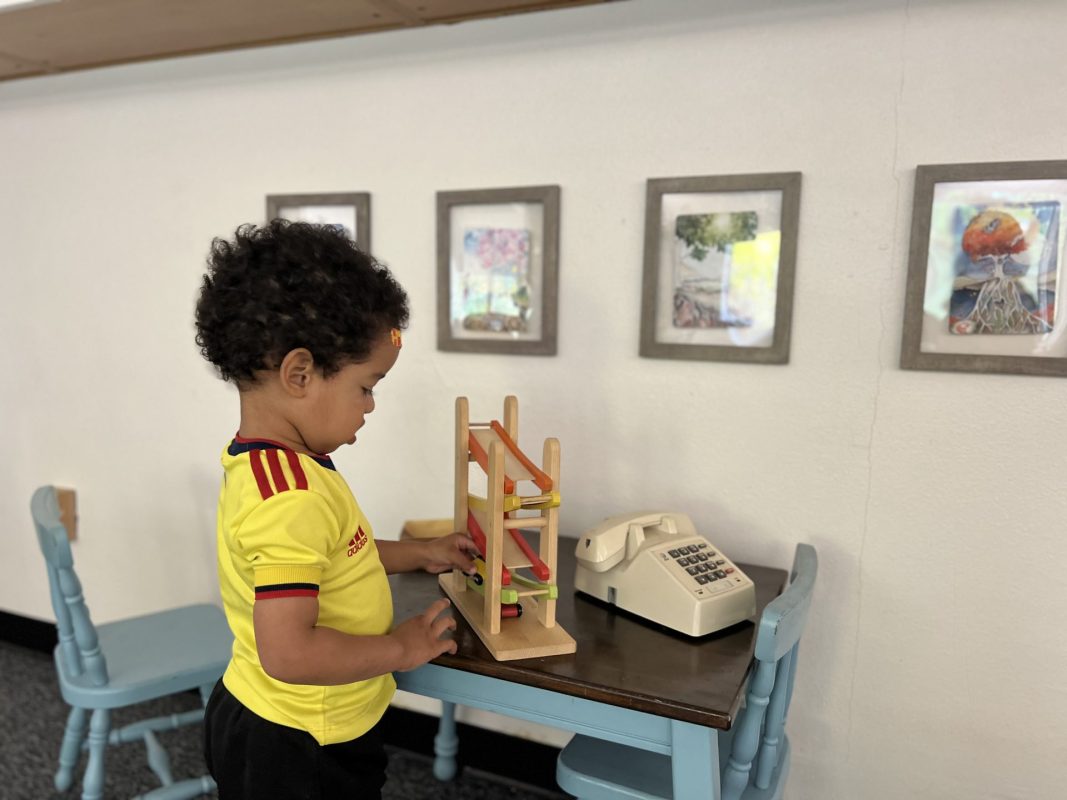
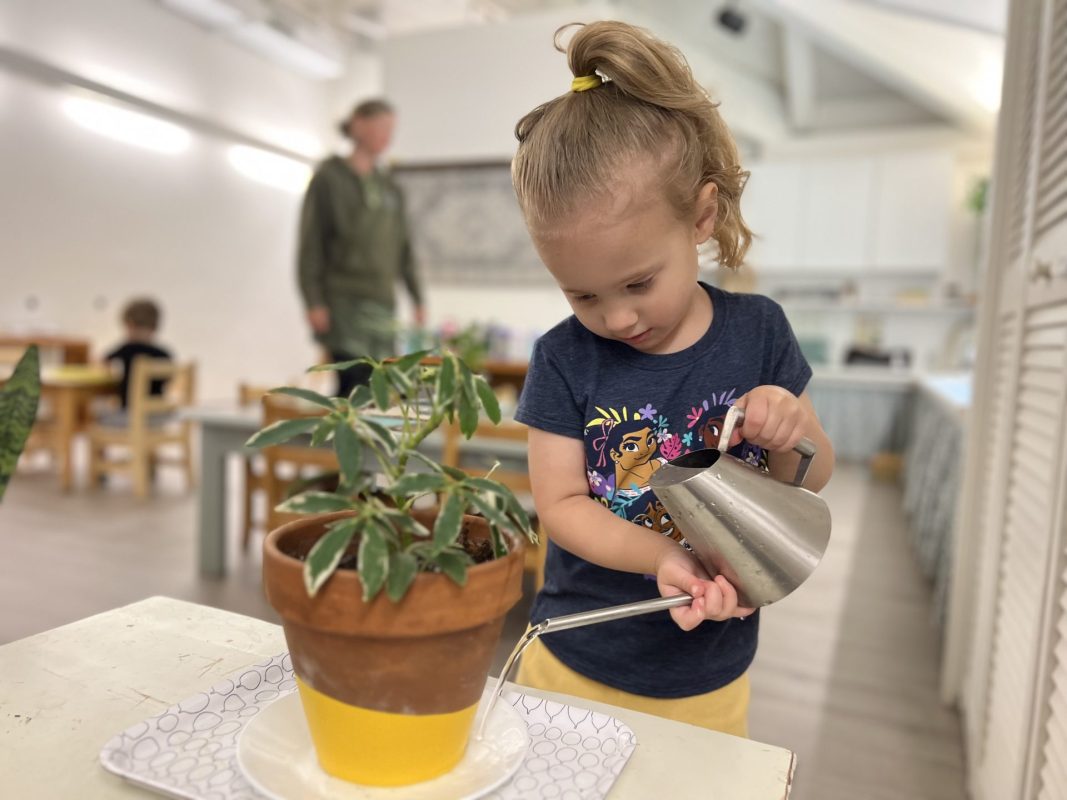
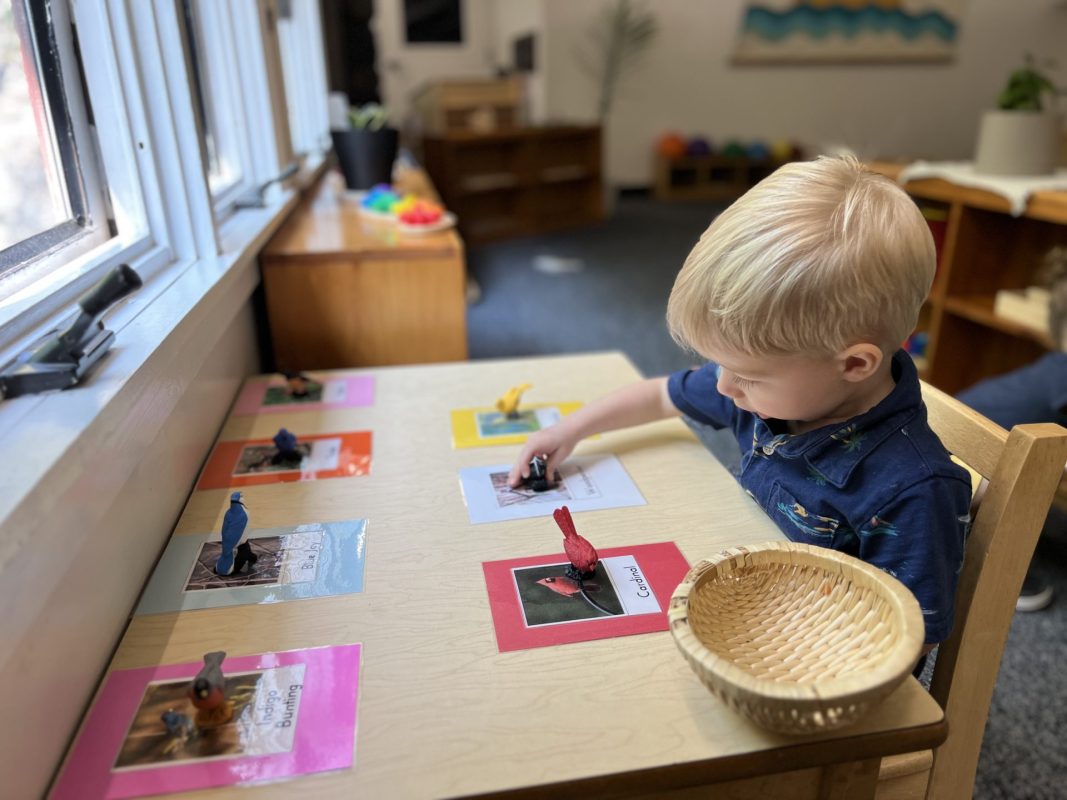
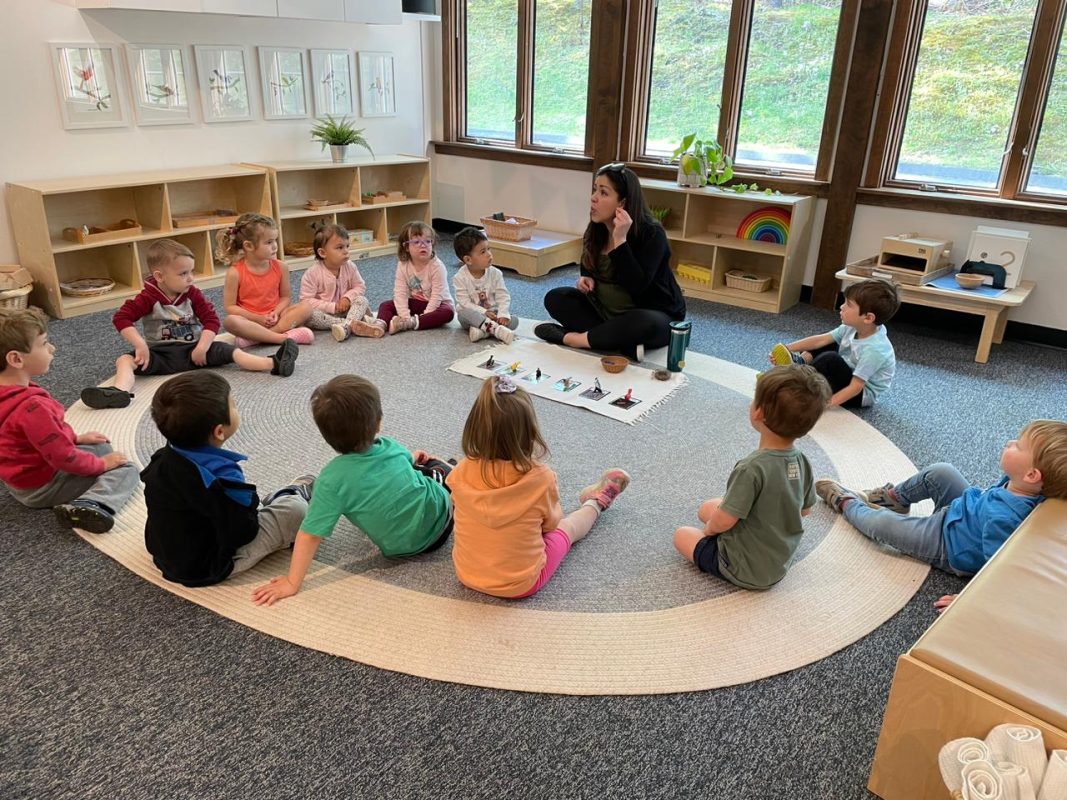
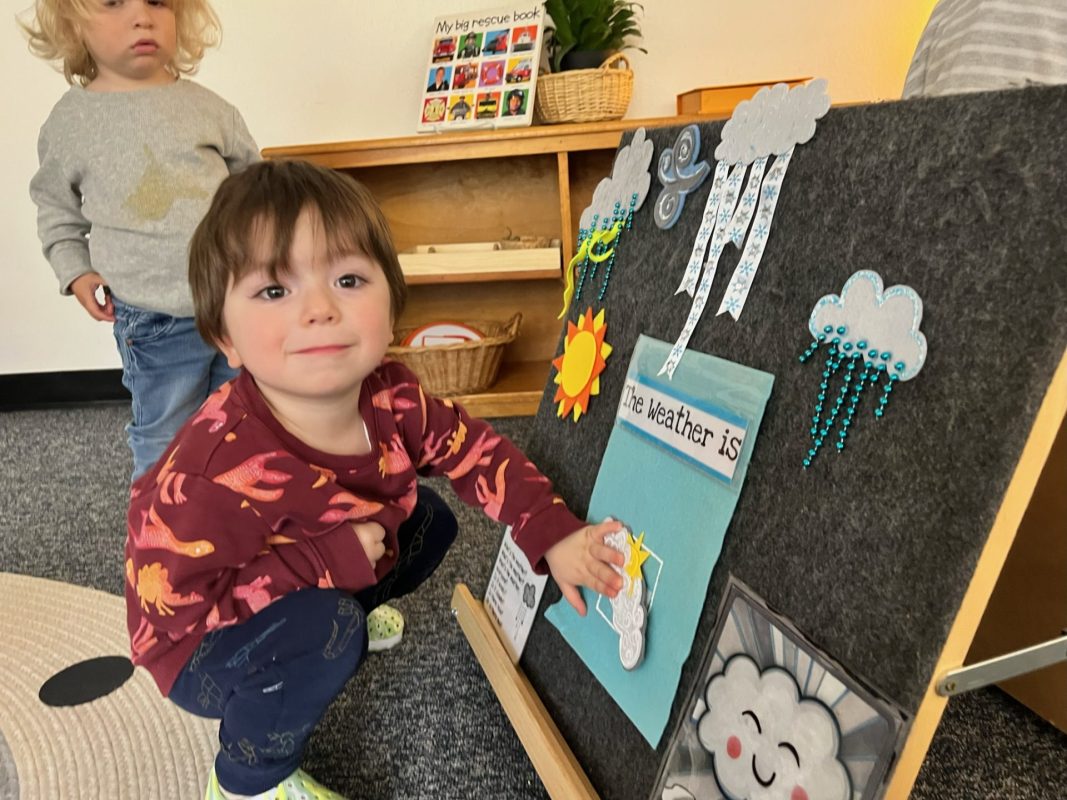
Colors are part of our daily lessons throughout the school year when using the different materials, games, books, songs, and activities in our environment. However, during the next weeks, we will purposely focus on studying the colors of the rainbow.

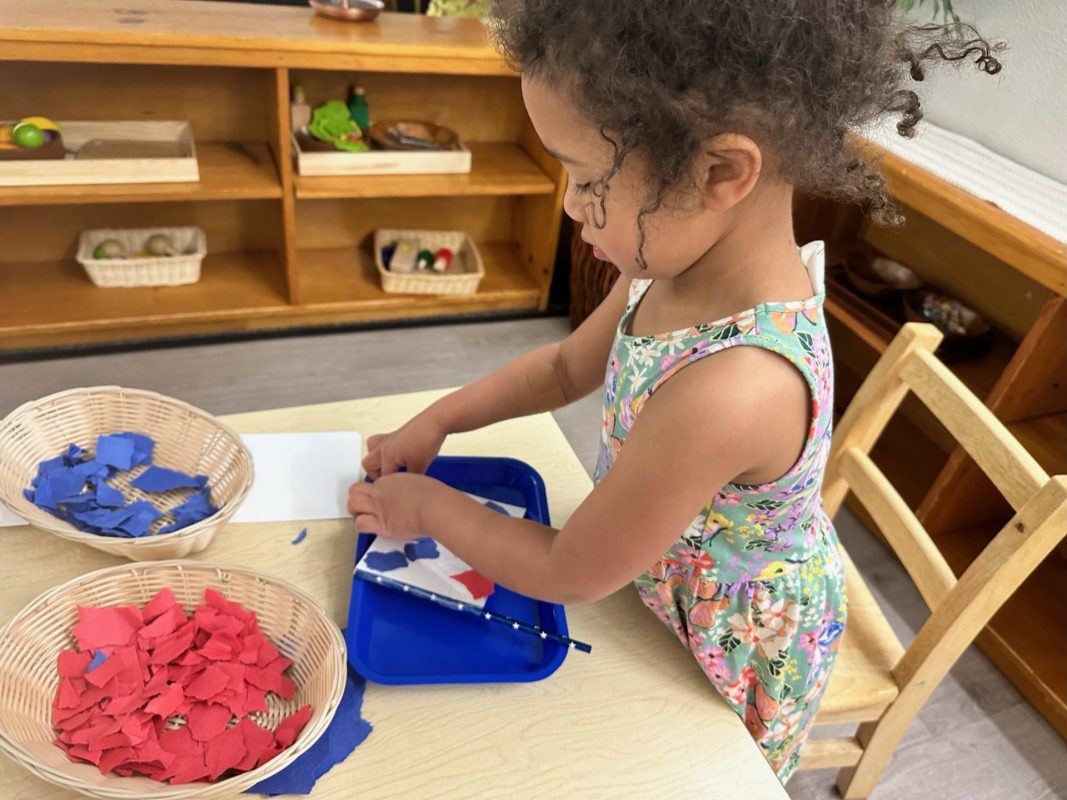
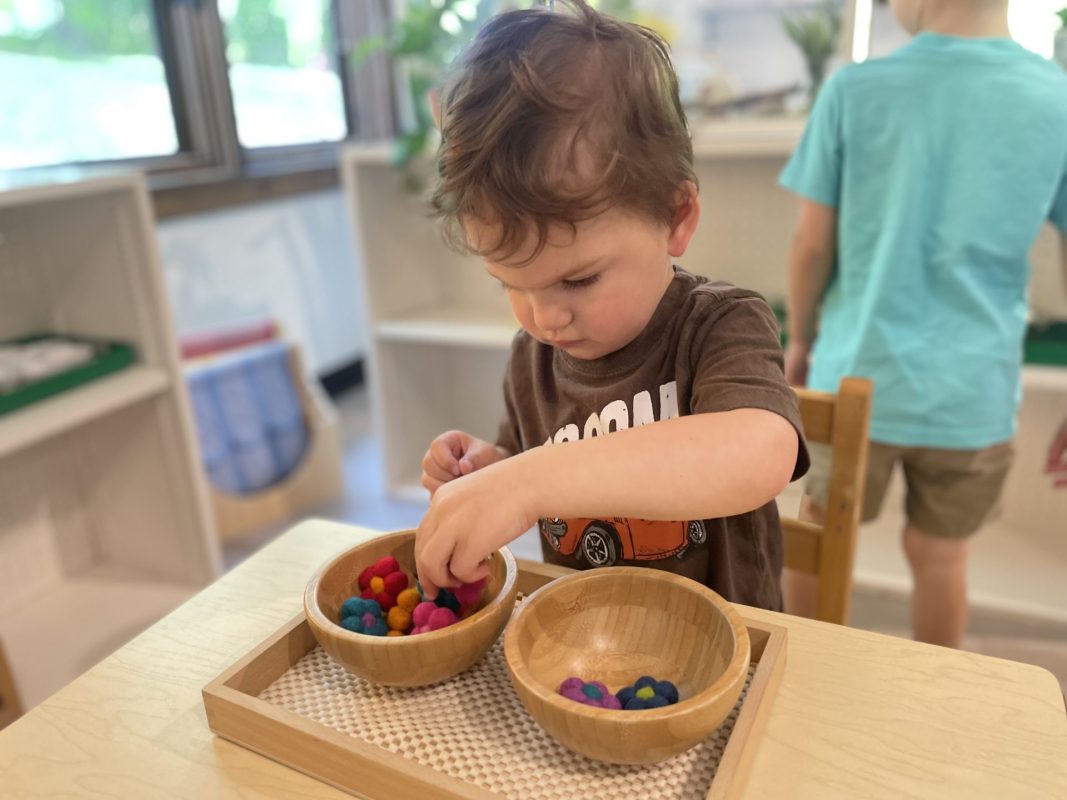
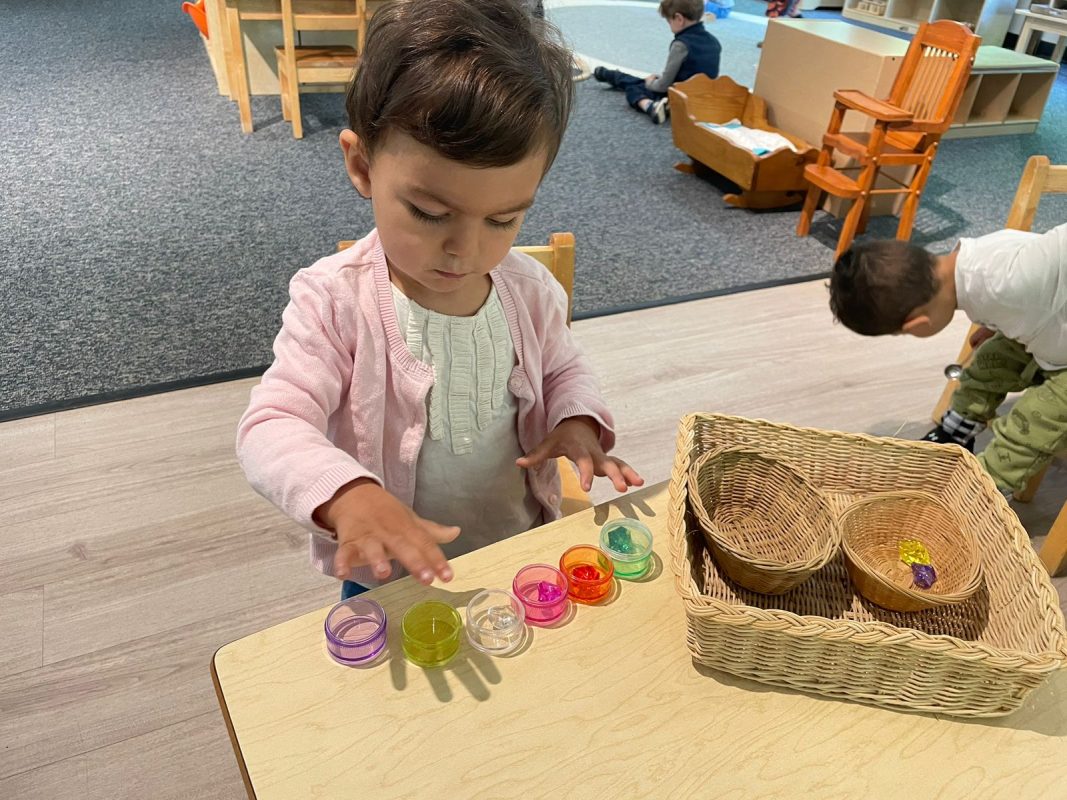
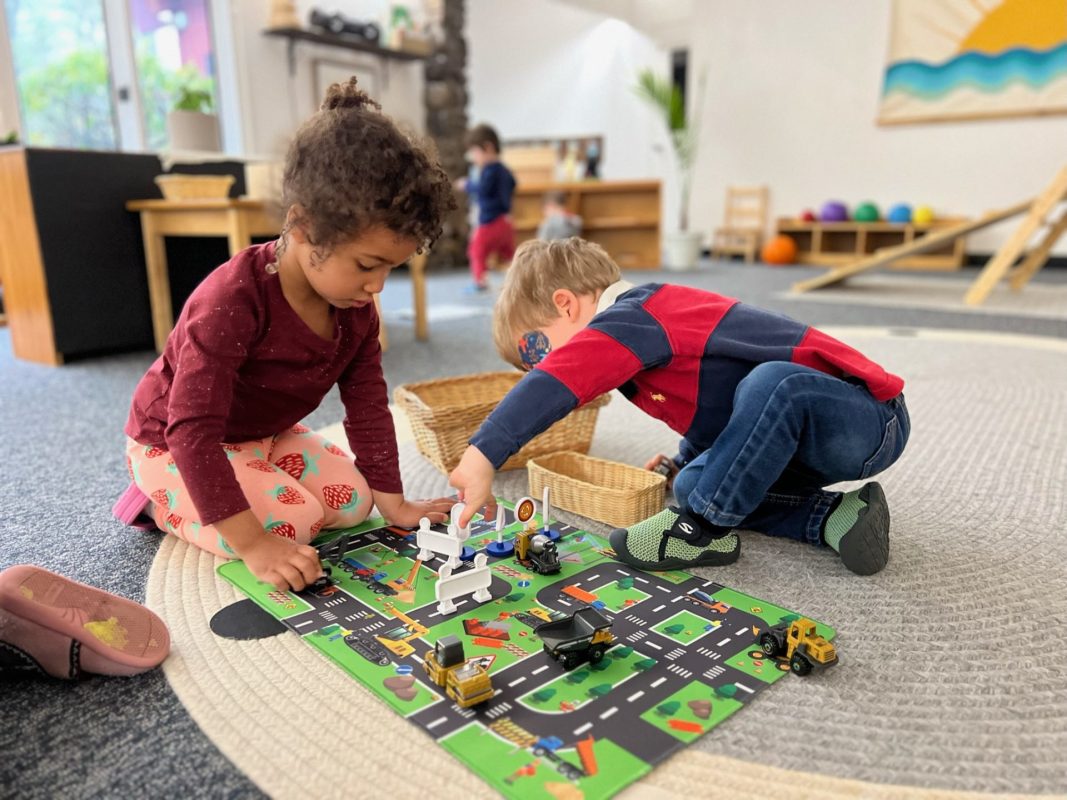
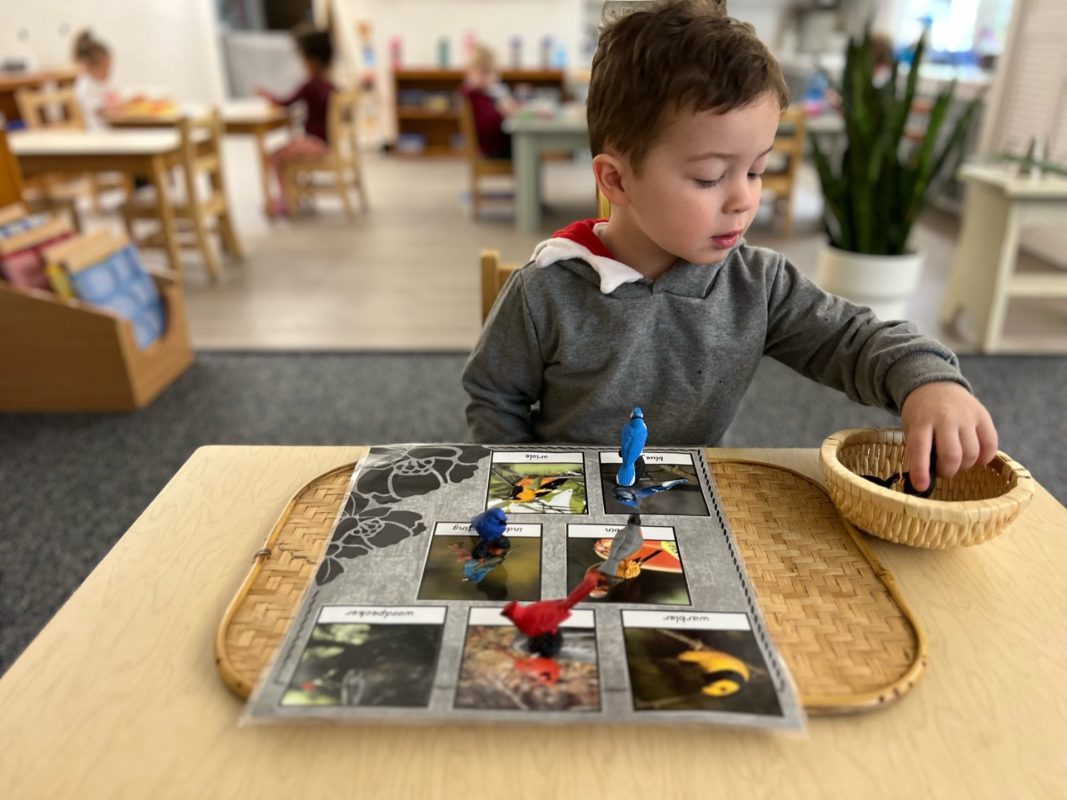
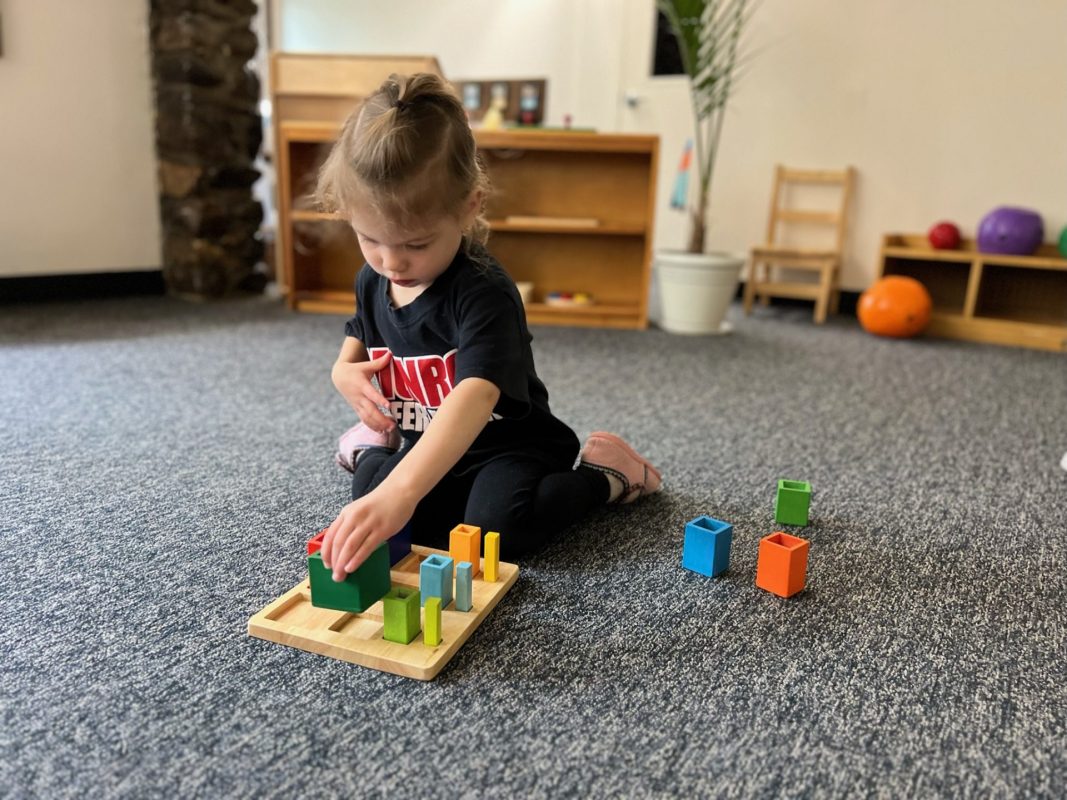
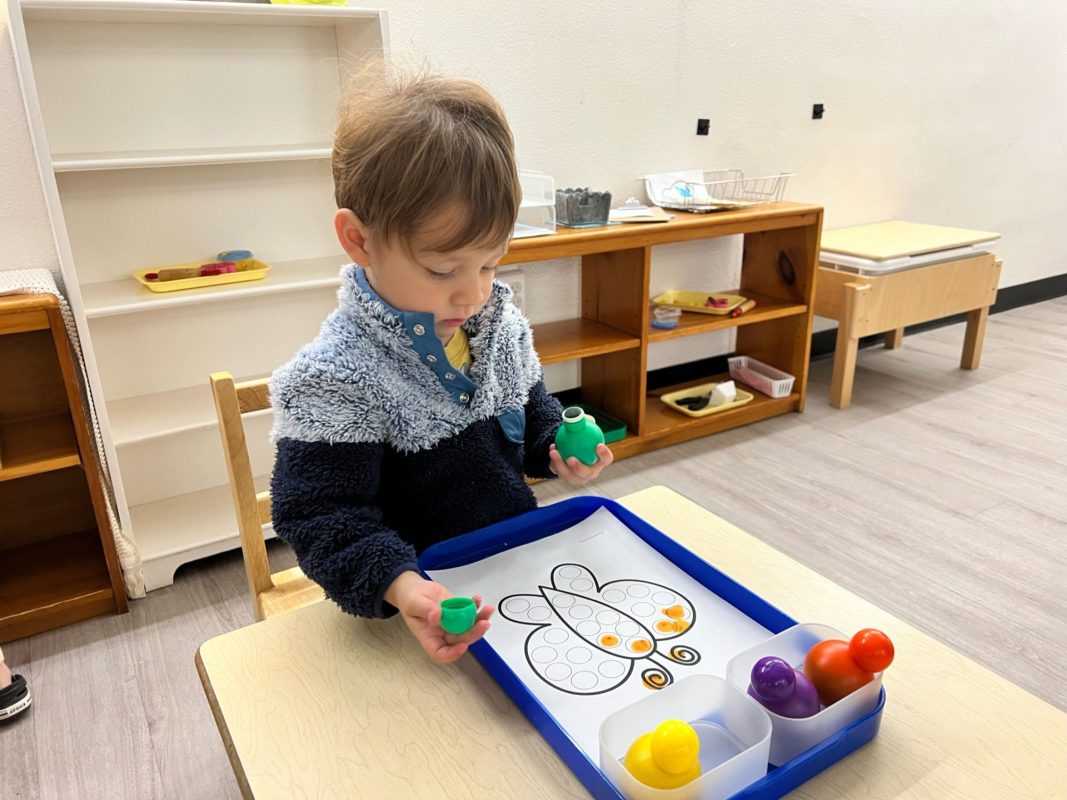
As introductory activities this week, we used a lot of verbal communication, sorting, and small group games. Verbal communication is a great way to teach the children about colors as we give them some vocabulary for starting to describe the world around them. With our youngest, we focused on the primary colors, and with our oldest, we worked on recognizing and identifying secondary colors and their light and dark shades.

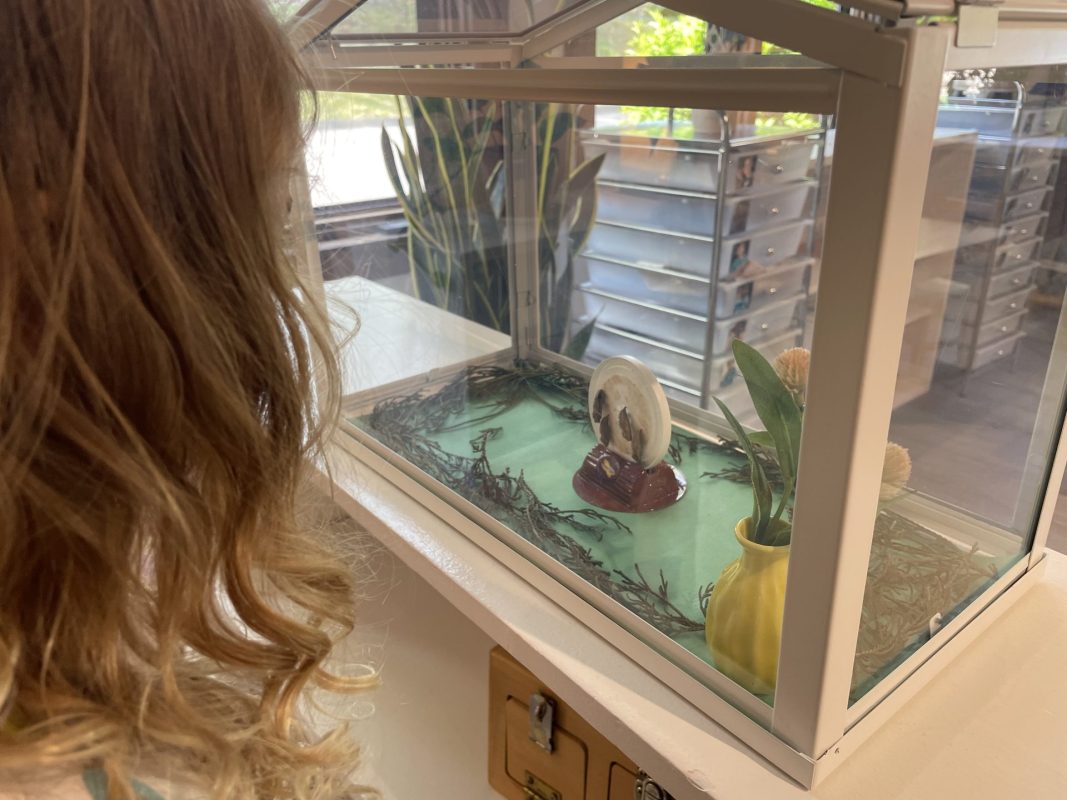
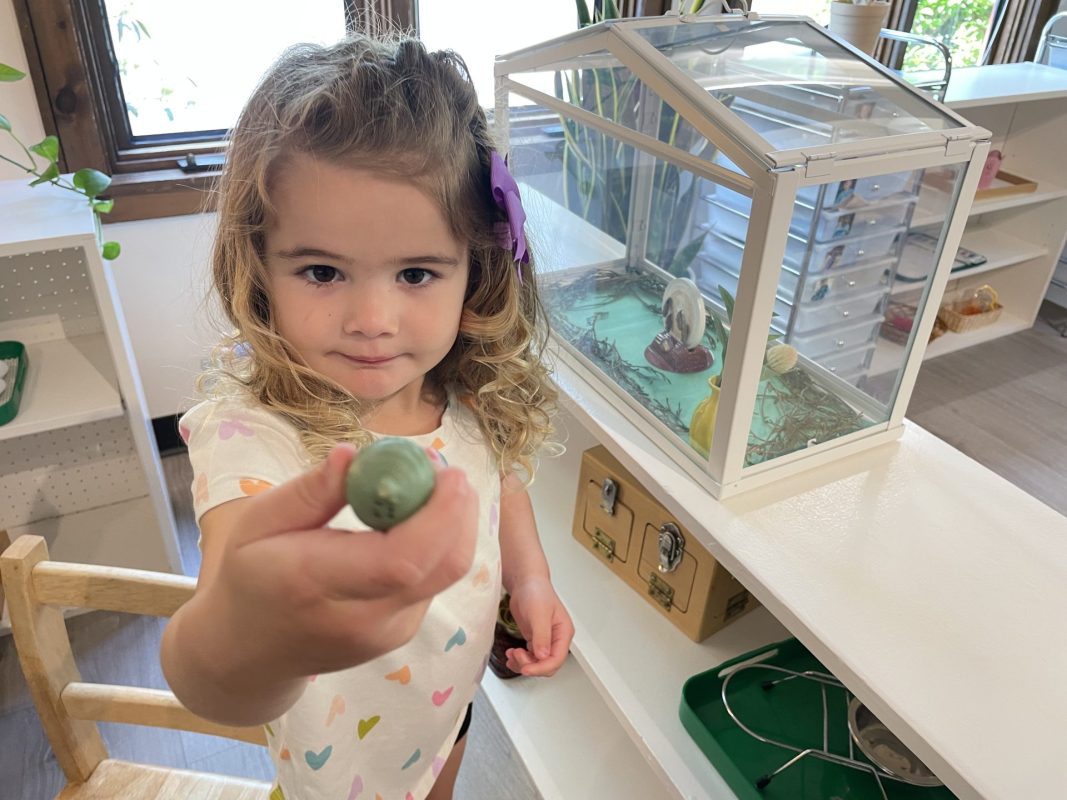
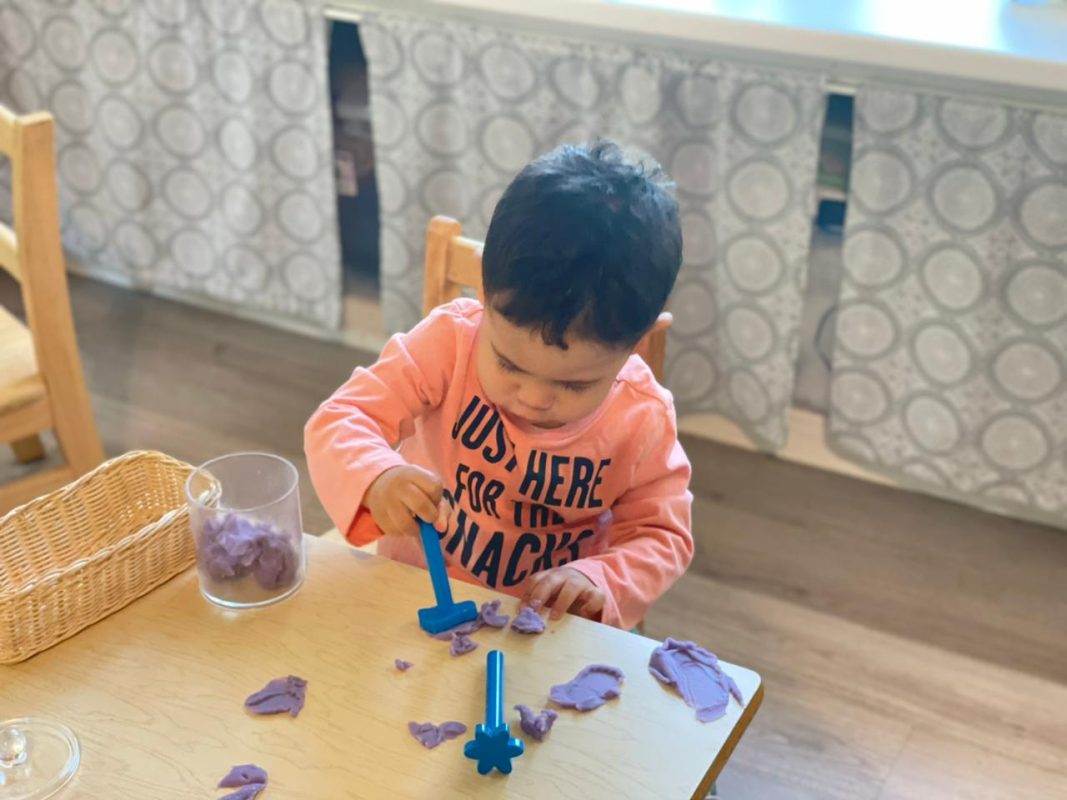
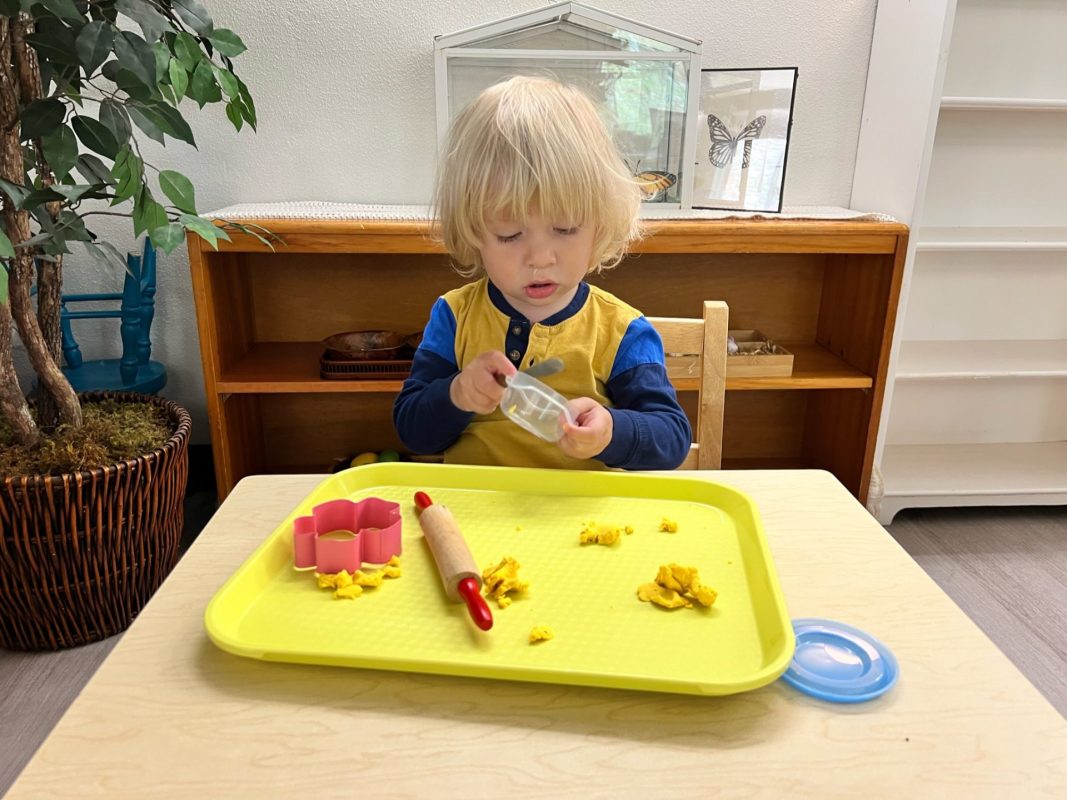
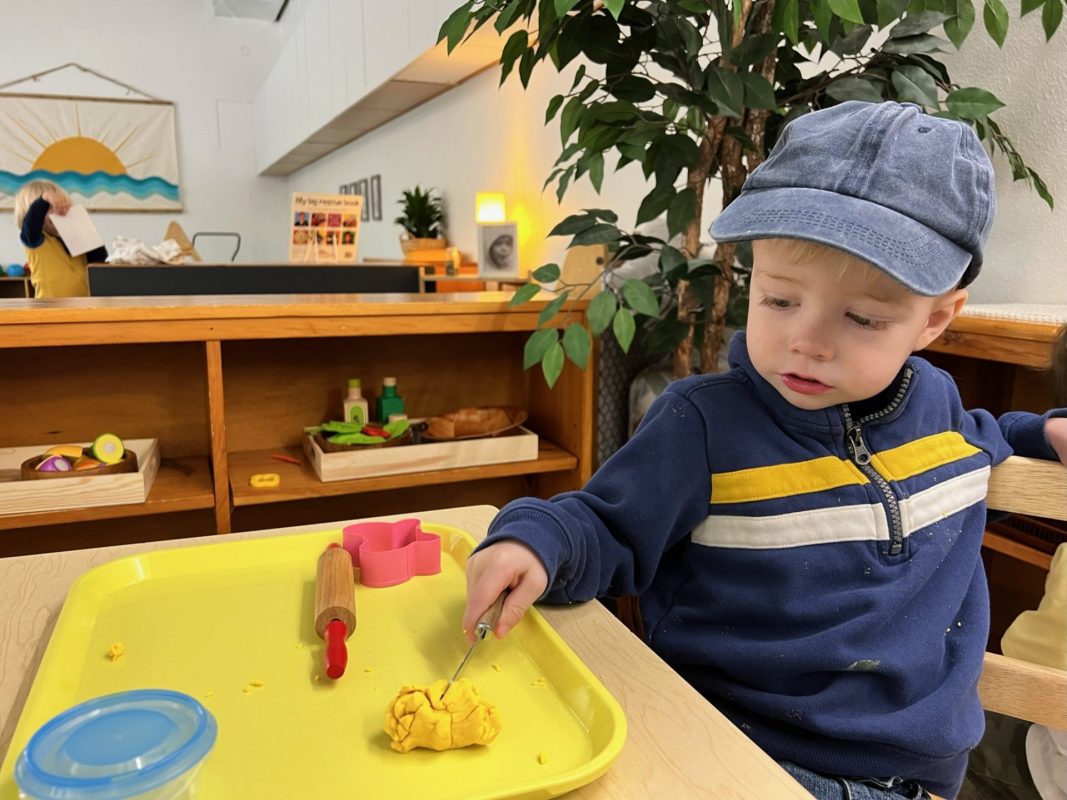
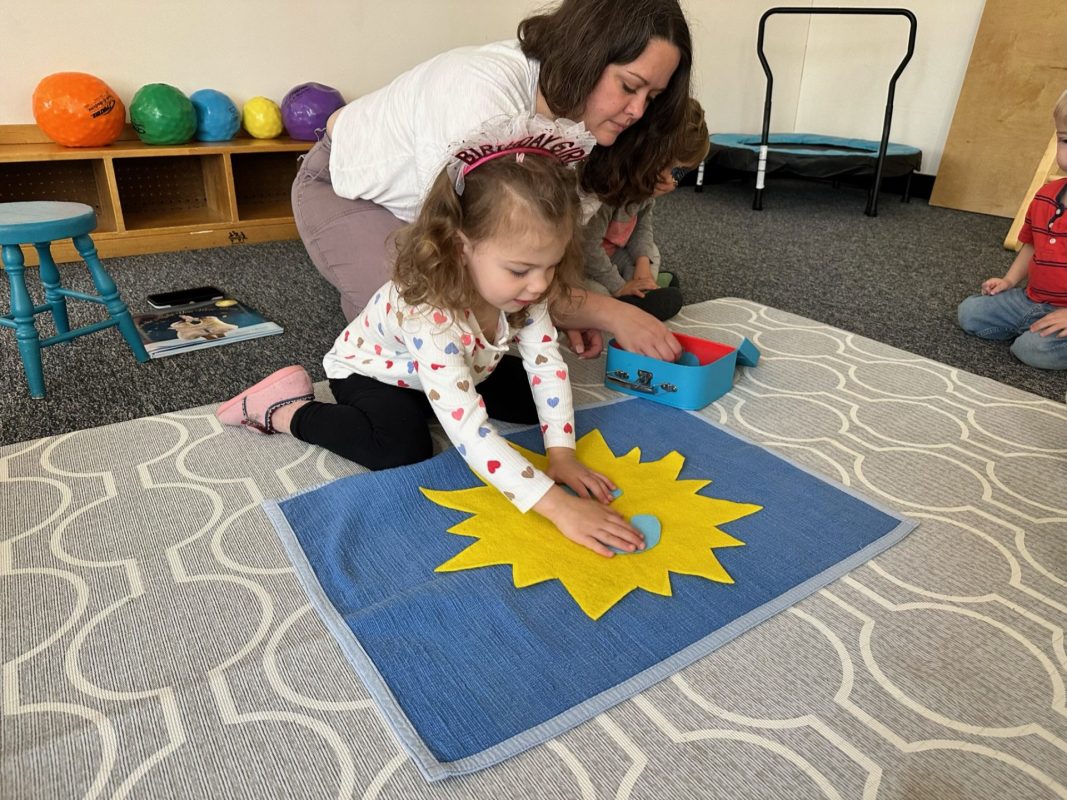
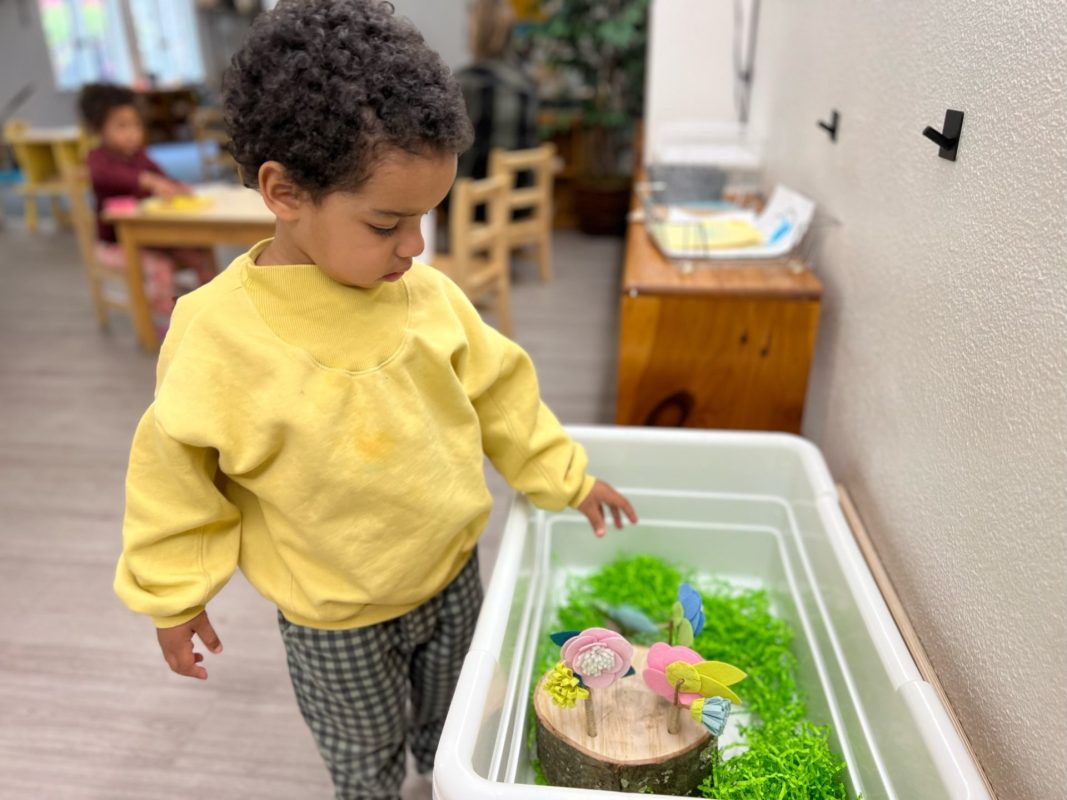
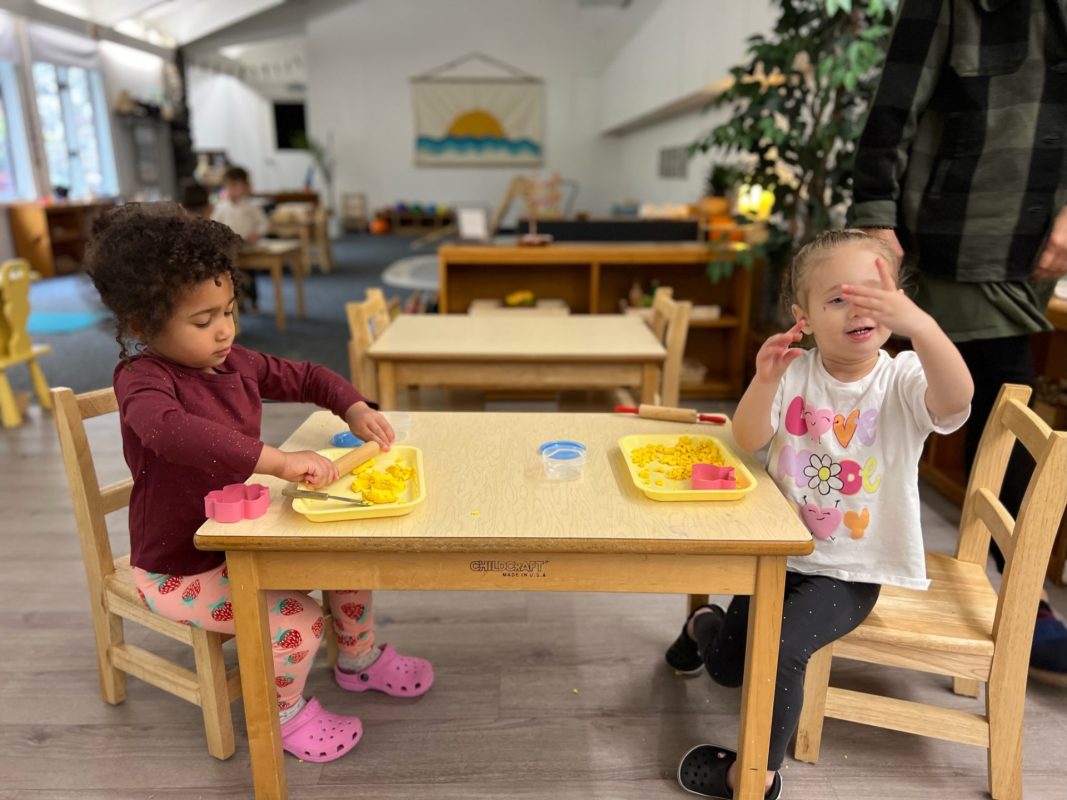
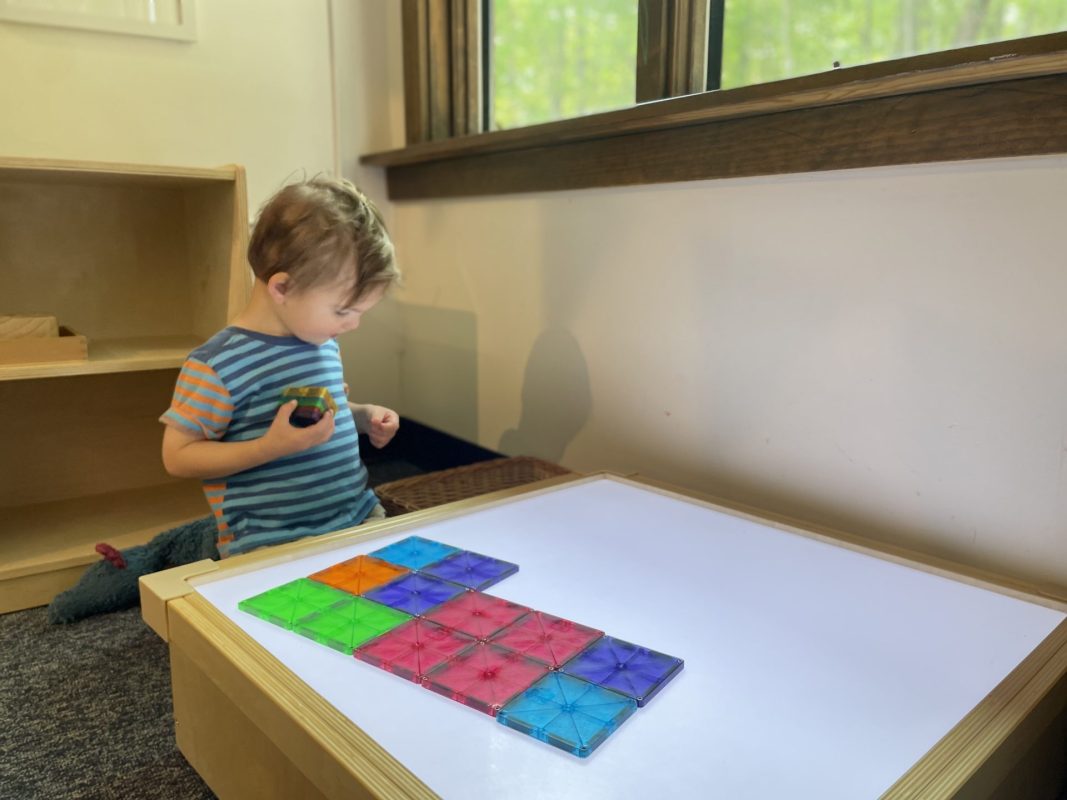
As a Sensorial experience, we decided to explore together the color green a little bit more since many of the materials and decorations in our environment have this color right now due to San Patrick’s day coming up. Children were encouraged to create green by mixing yellow and blue playdough! And oh boy! They seemed to enjoy that!

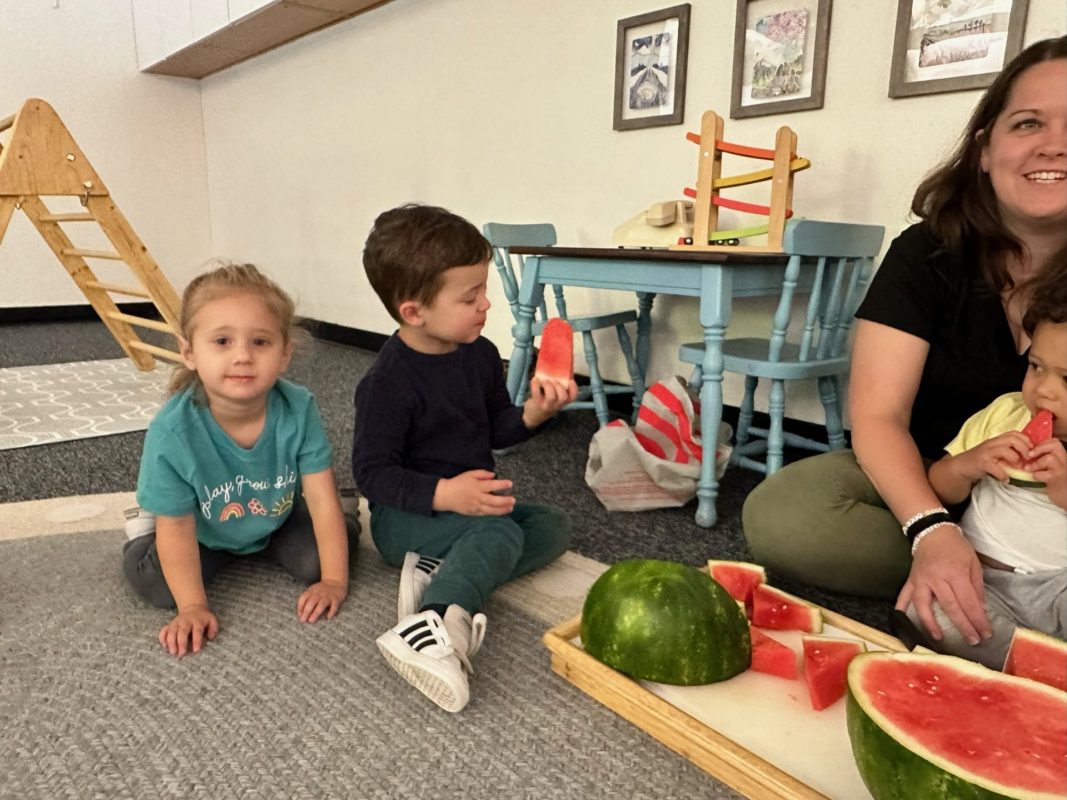
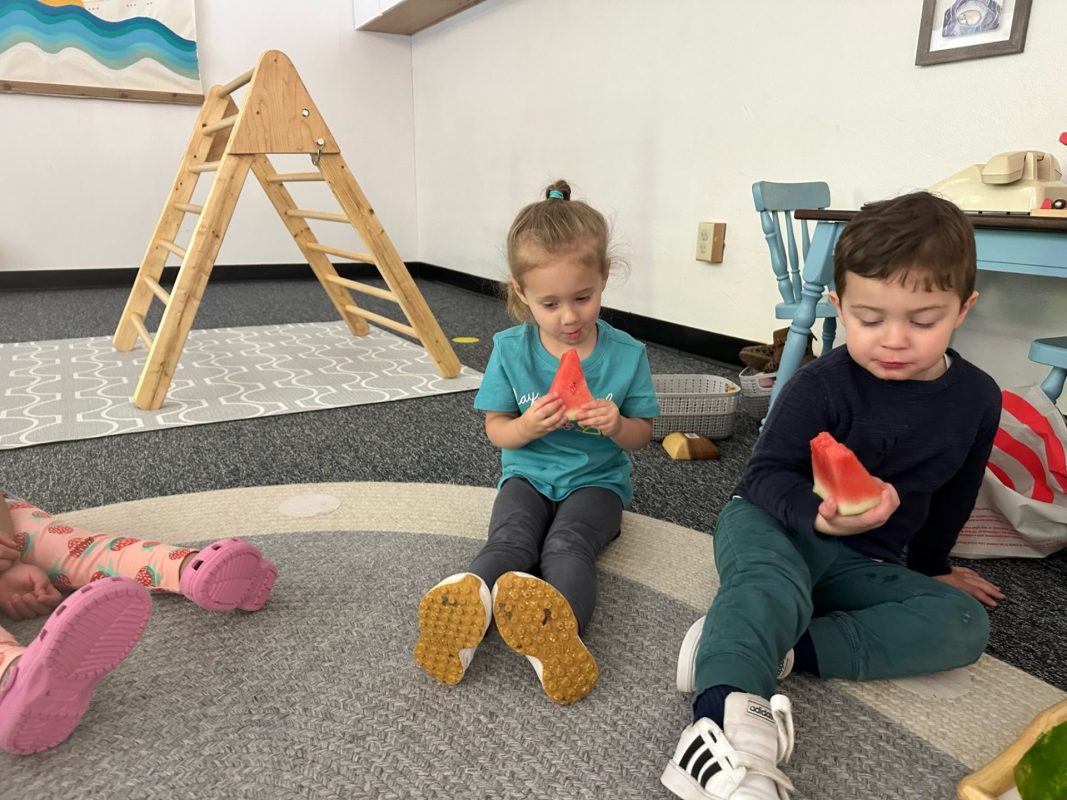
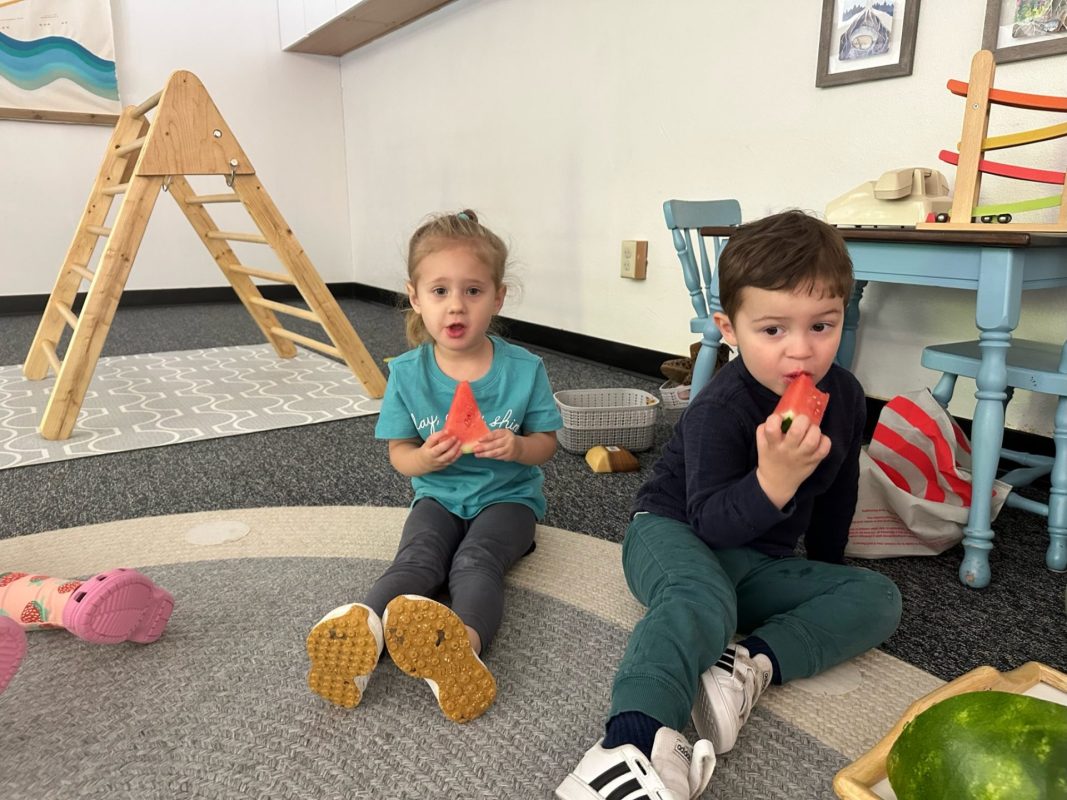
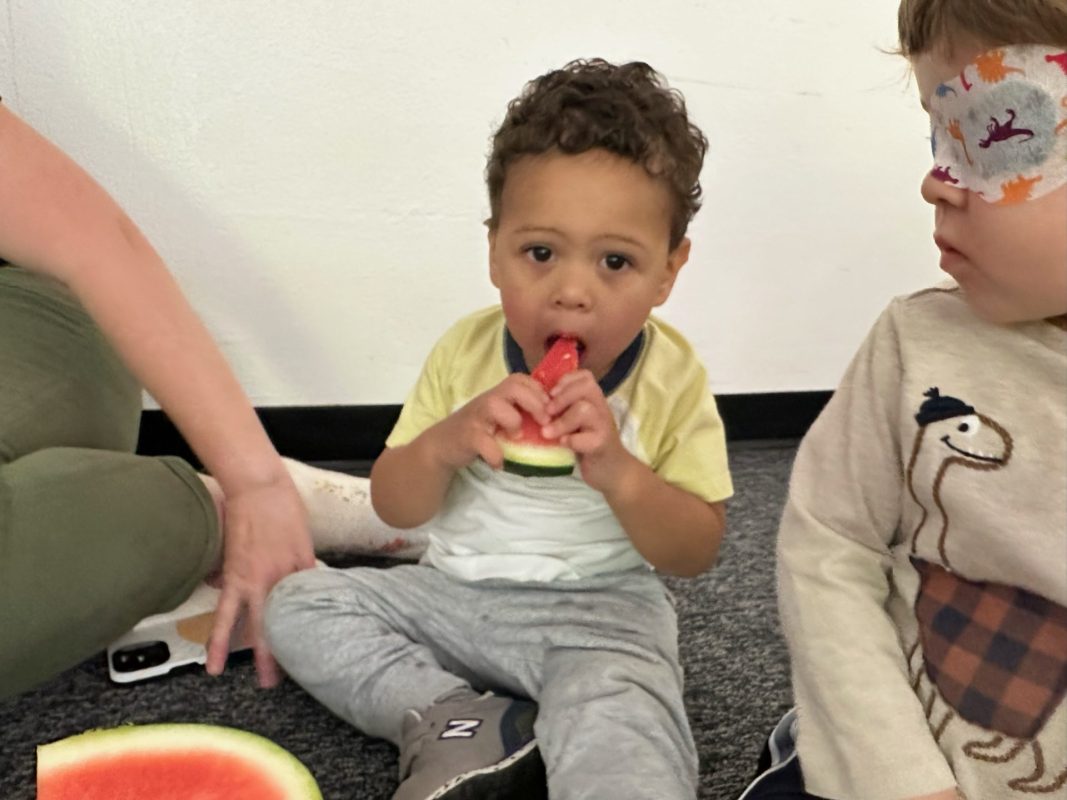
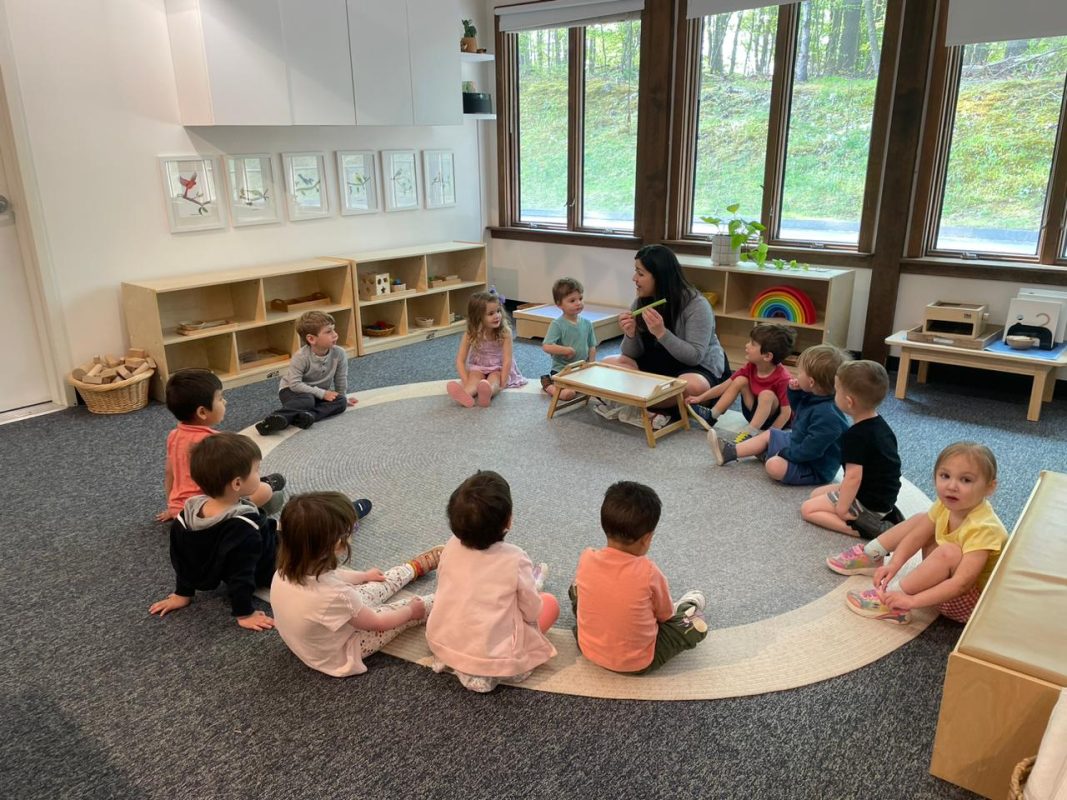
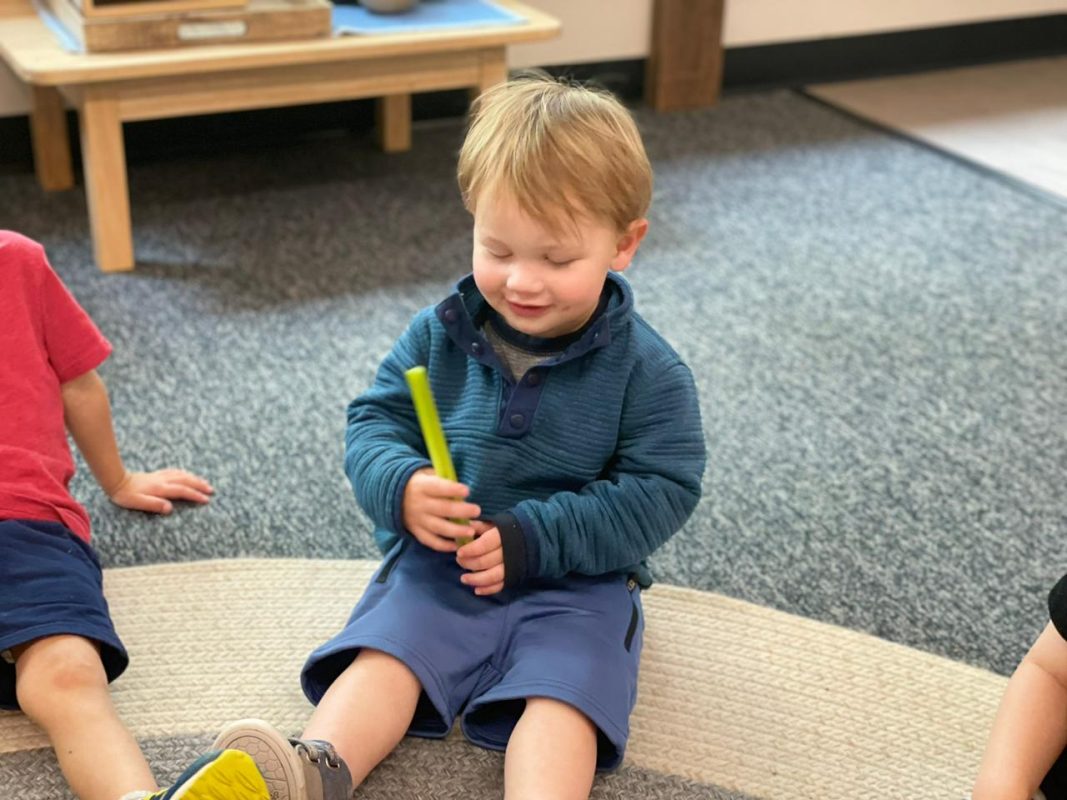
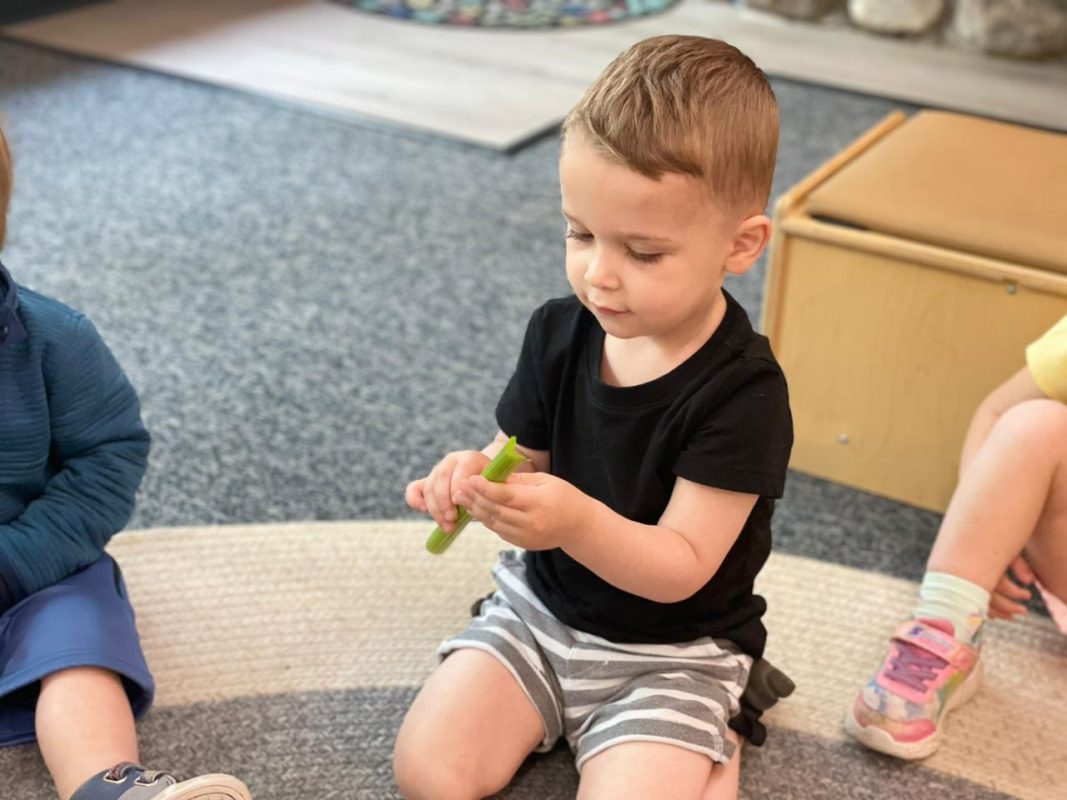
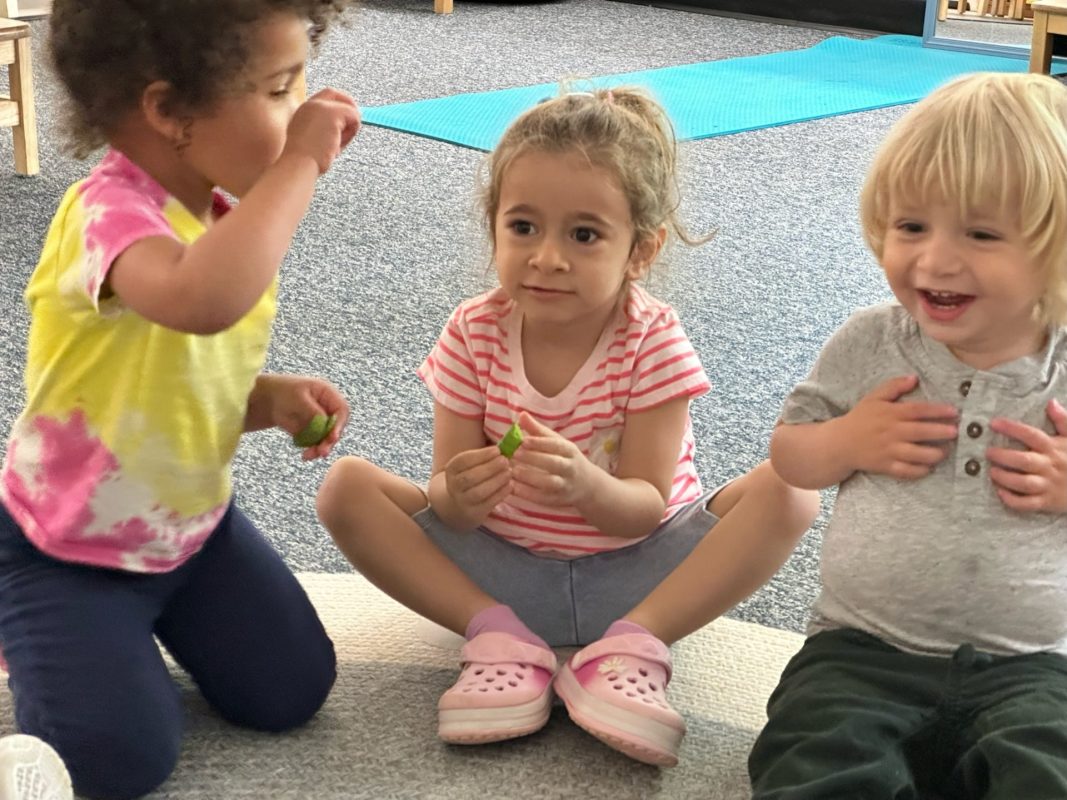
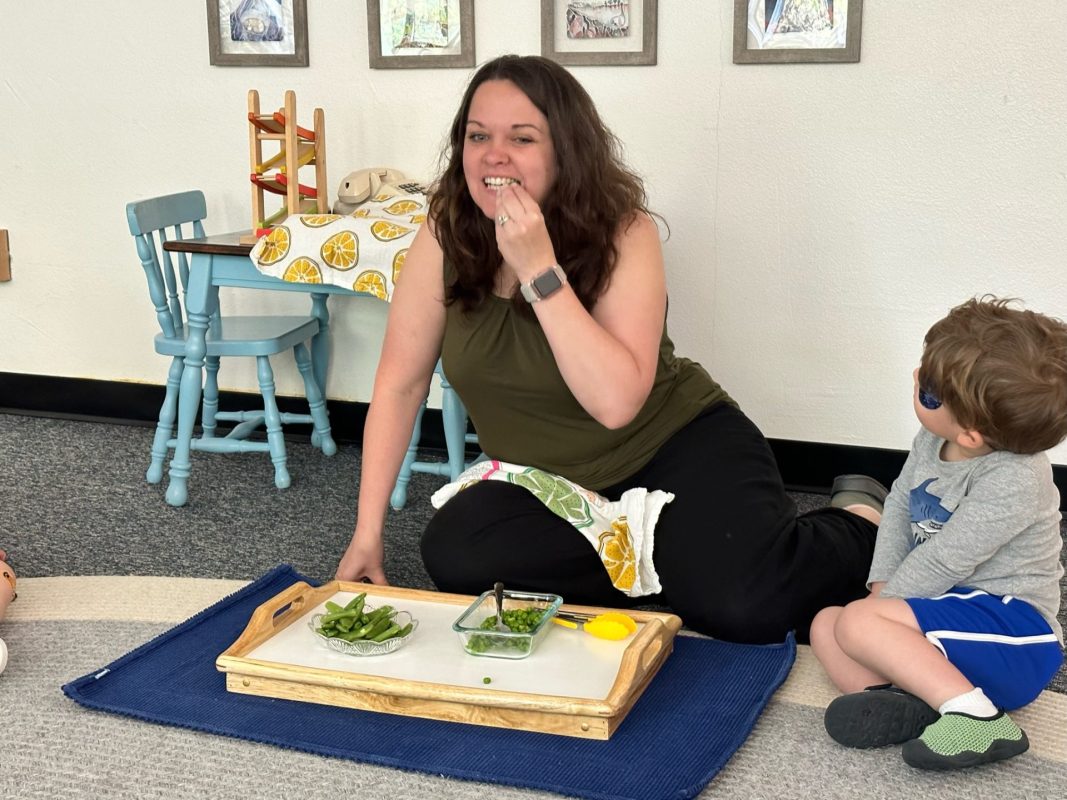
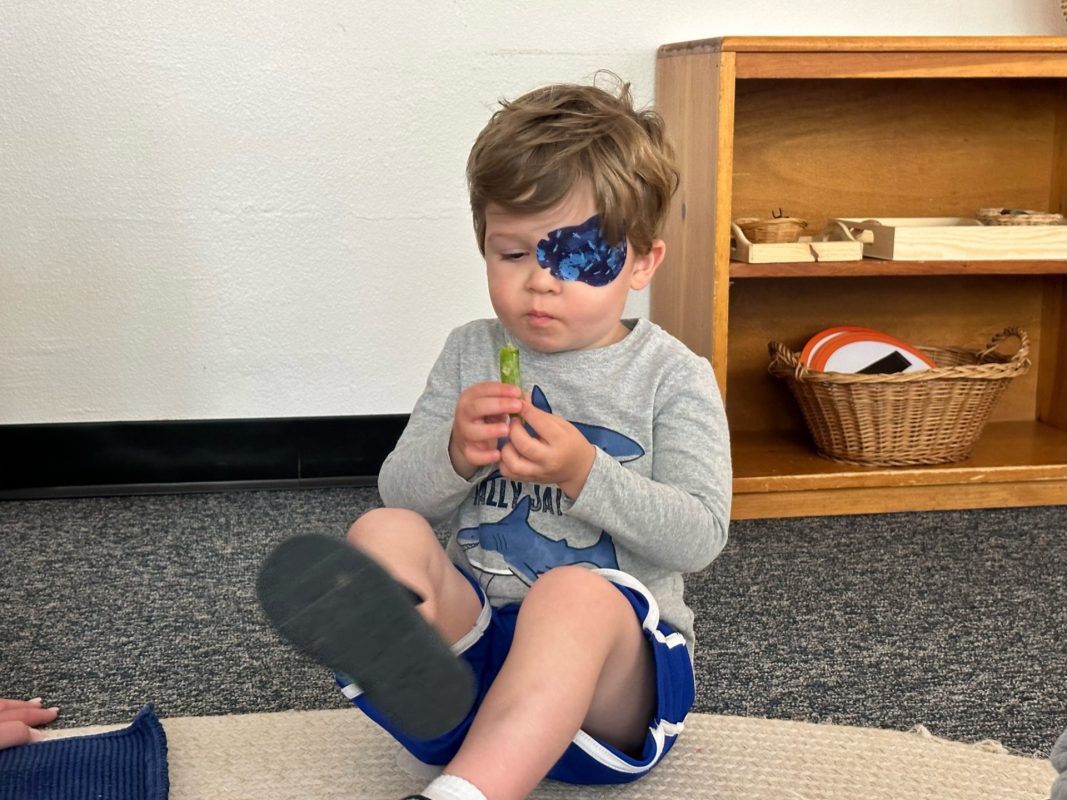
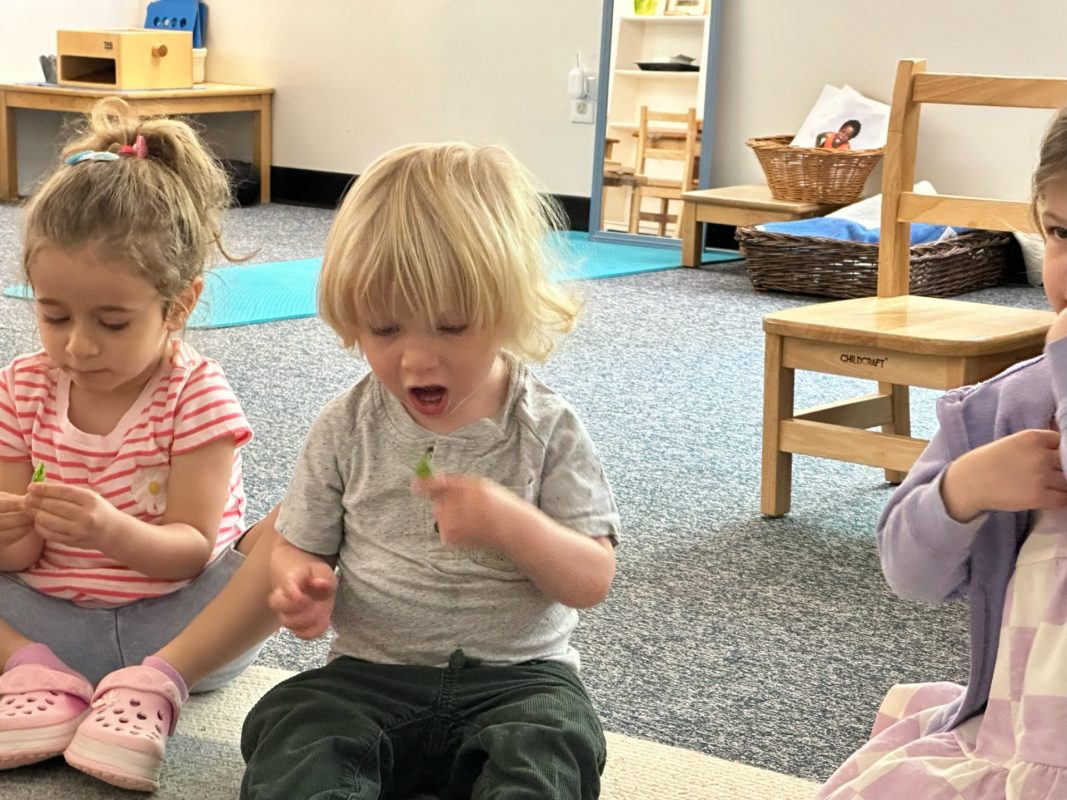
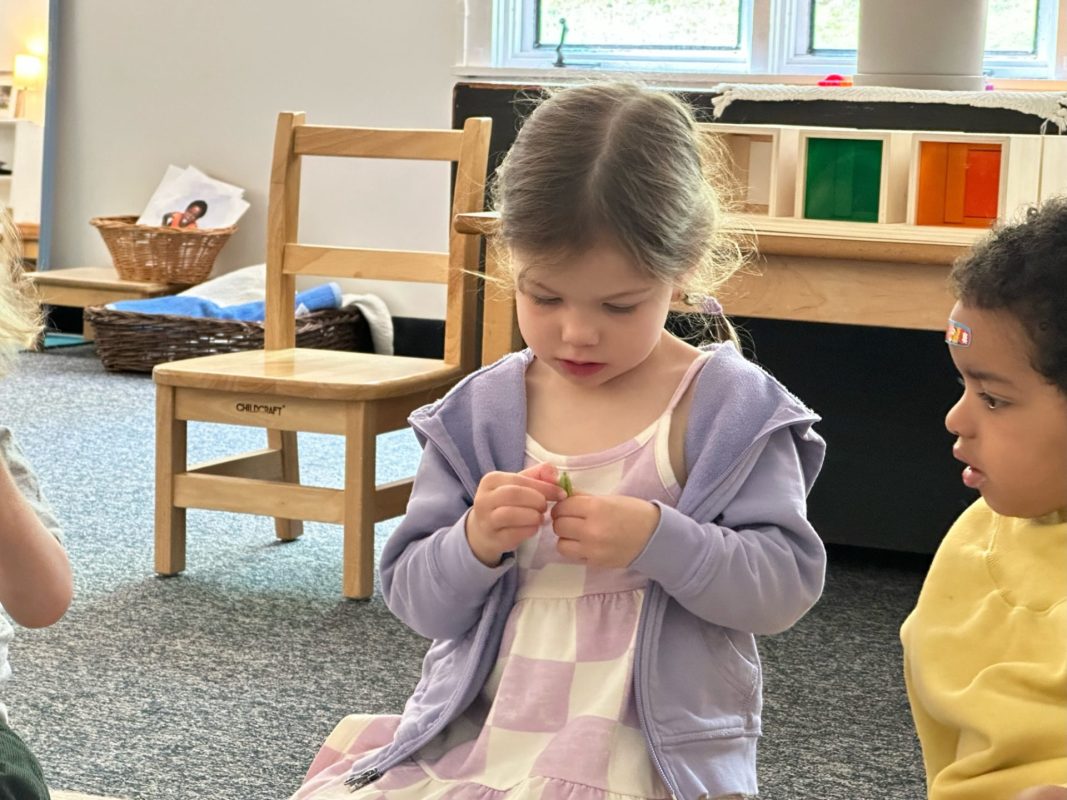
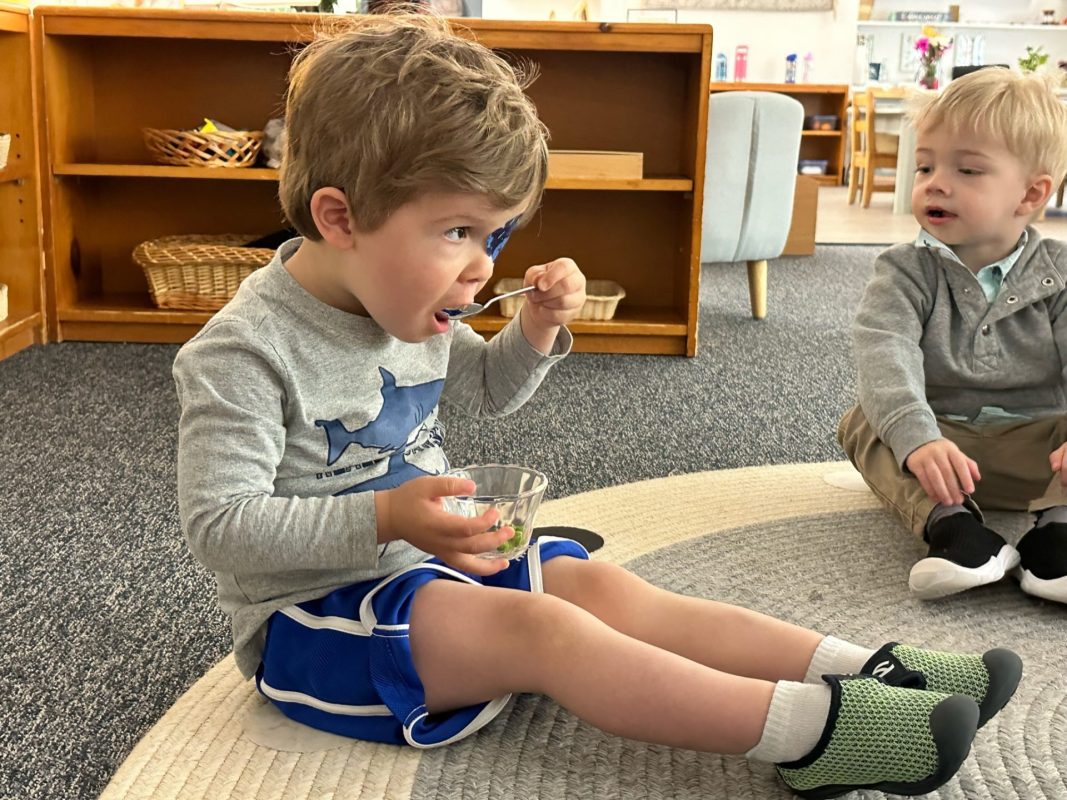
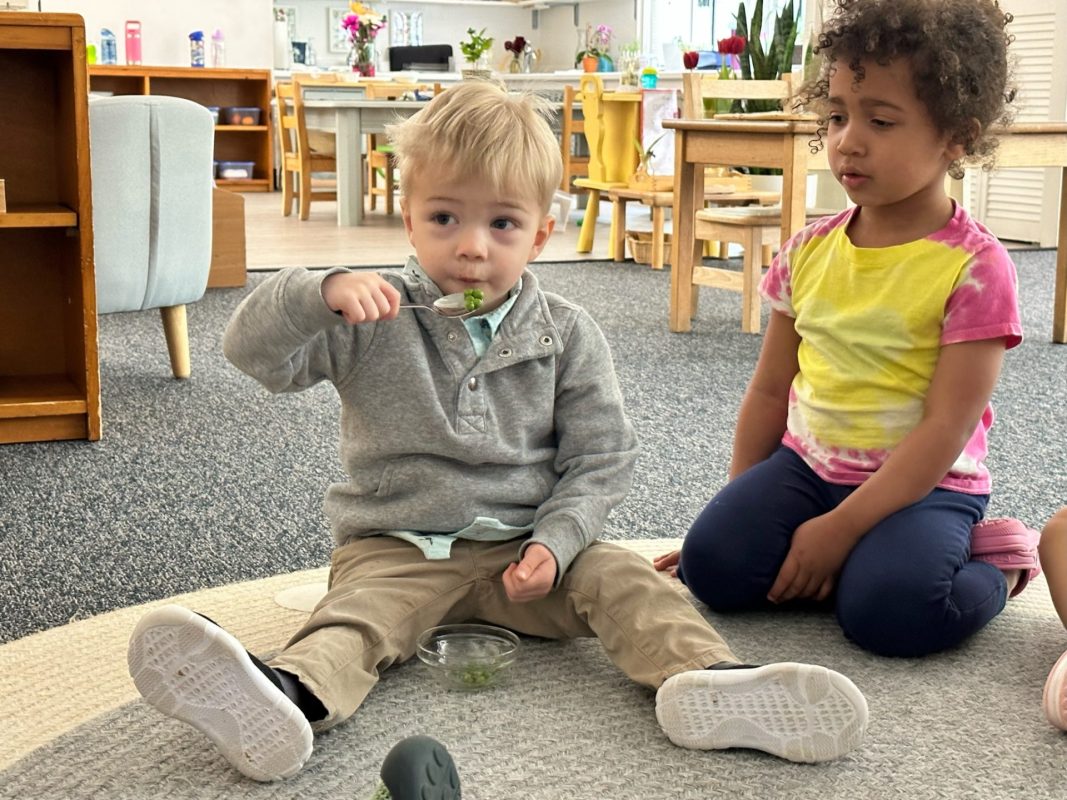
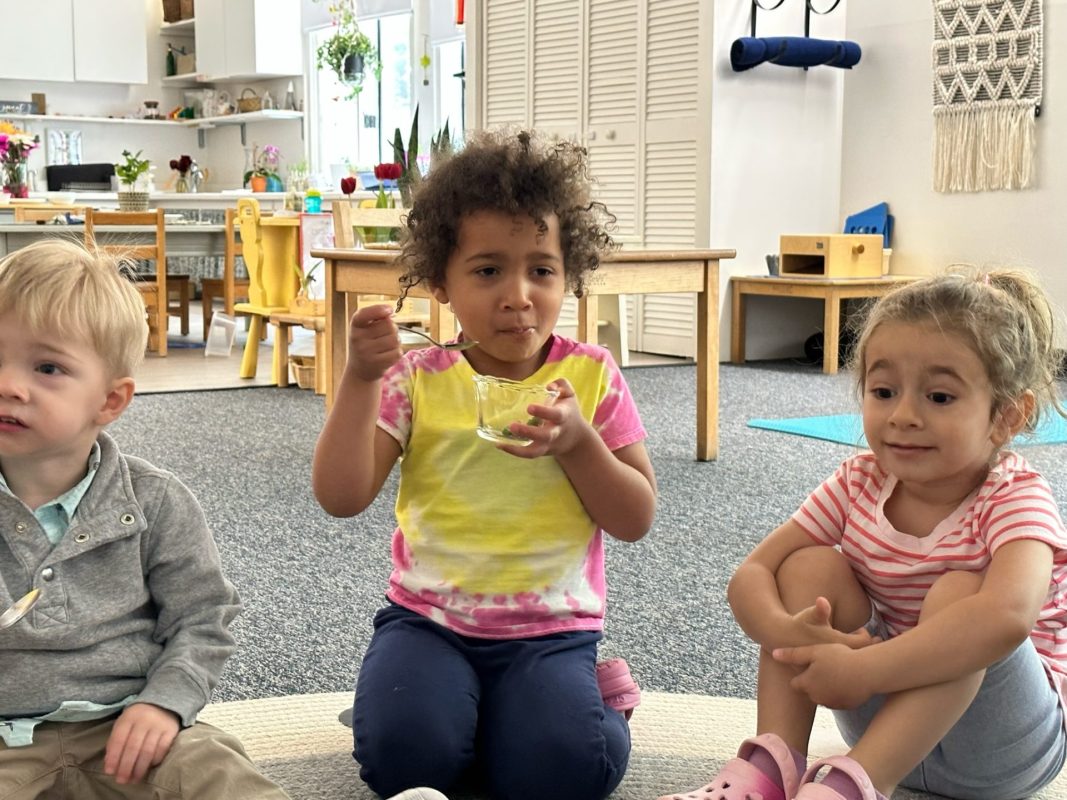
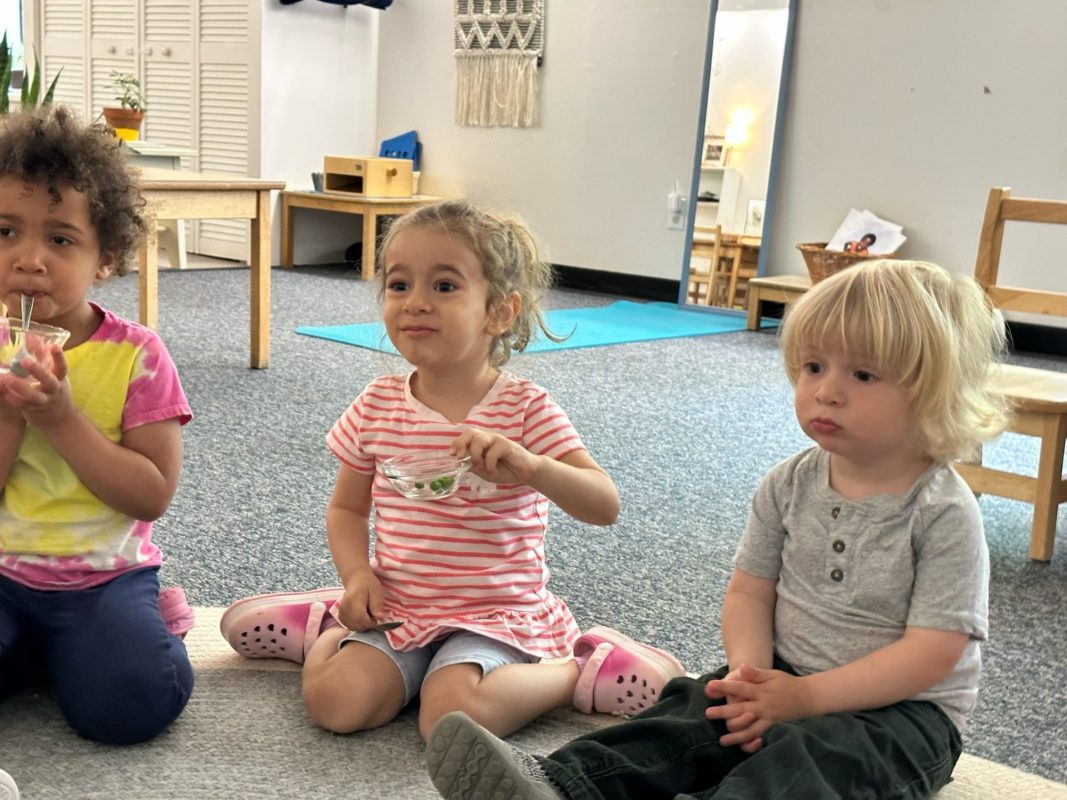
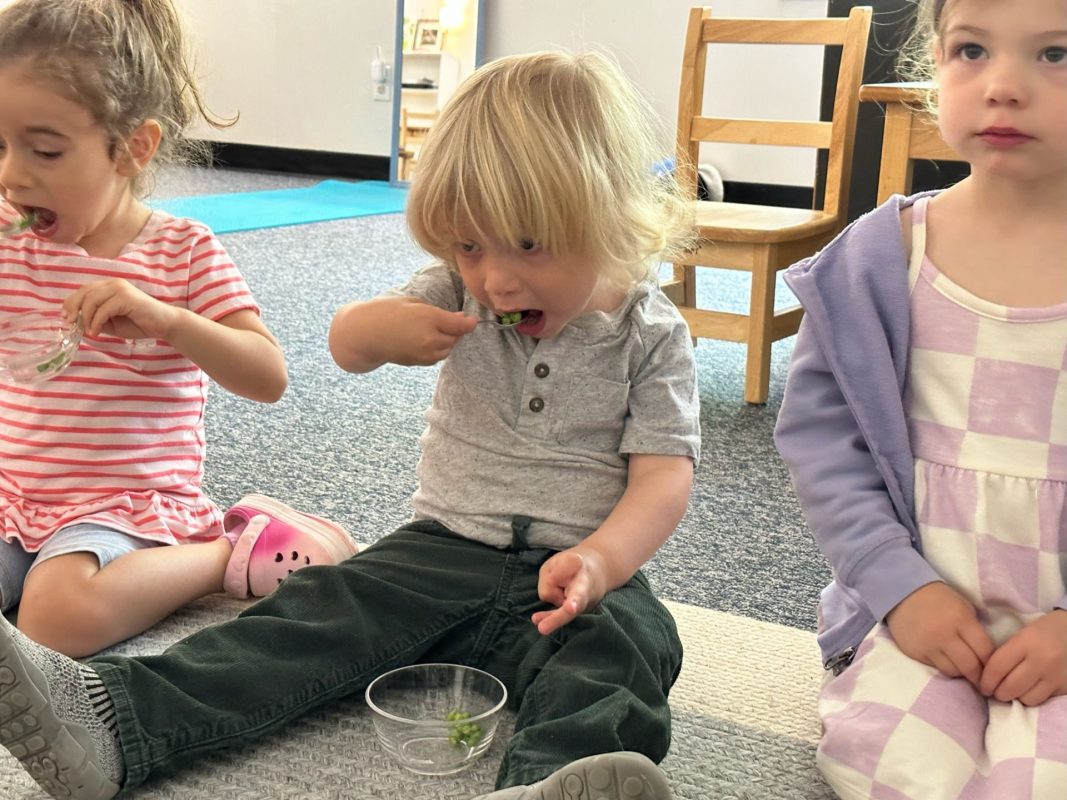
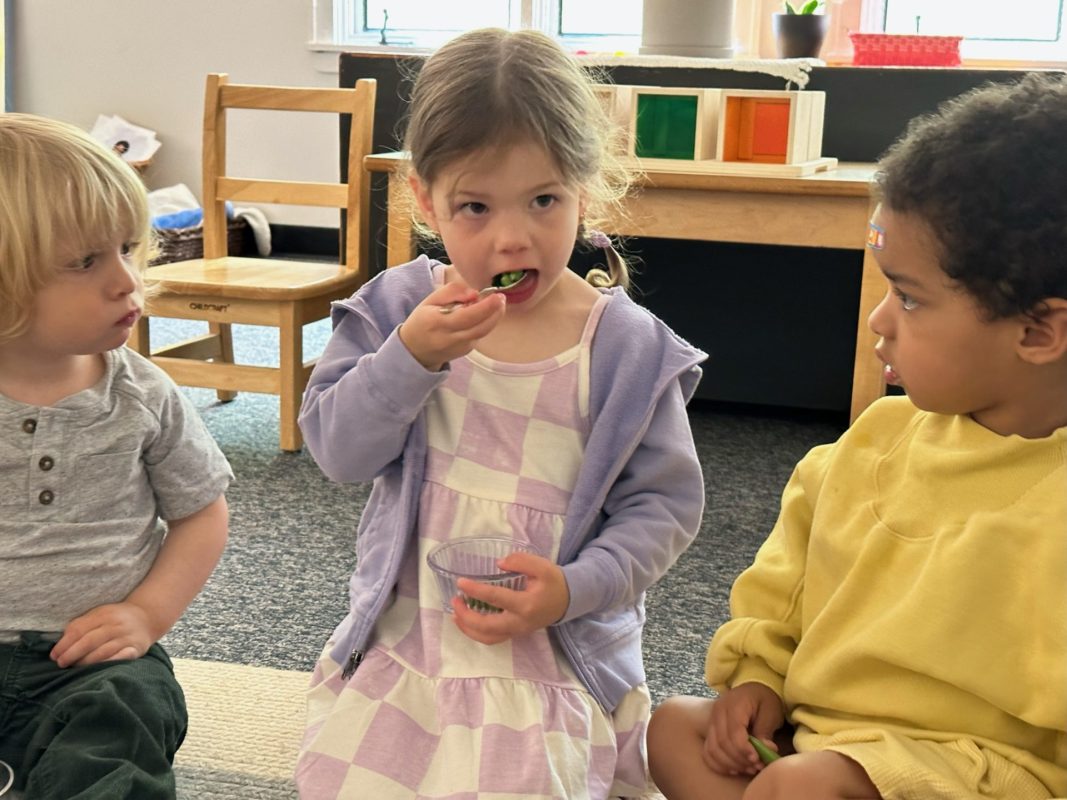
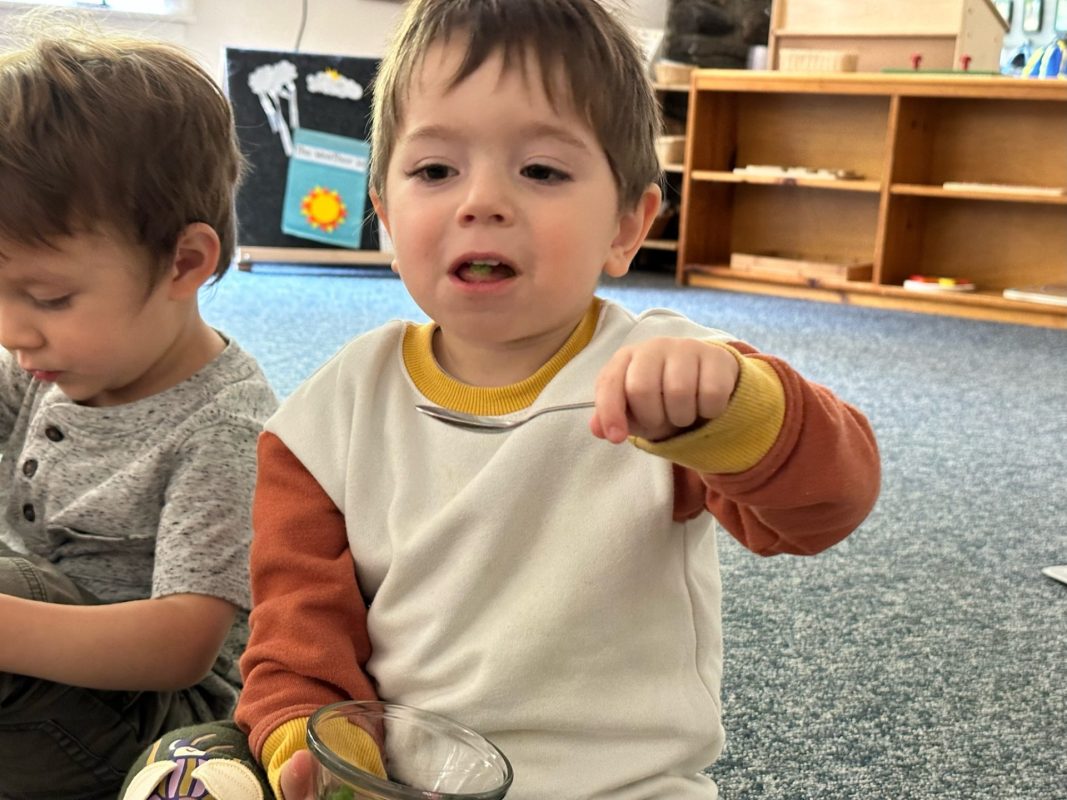
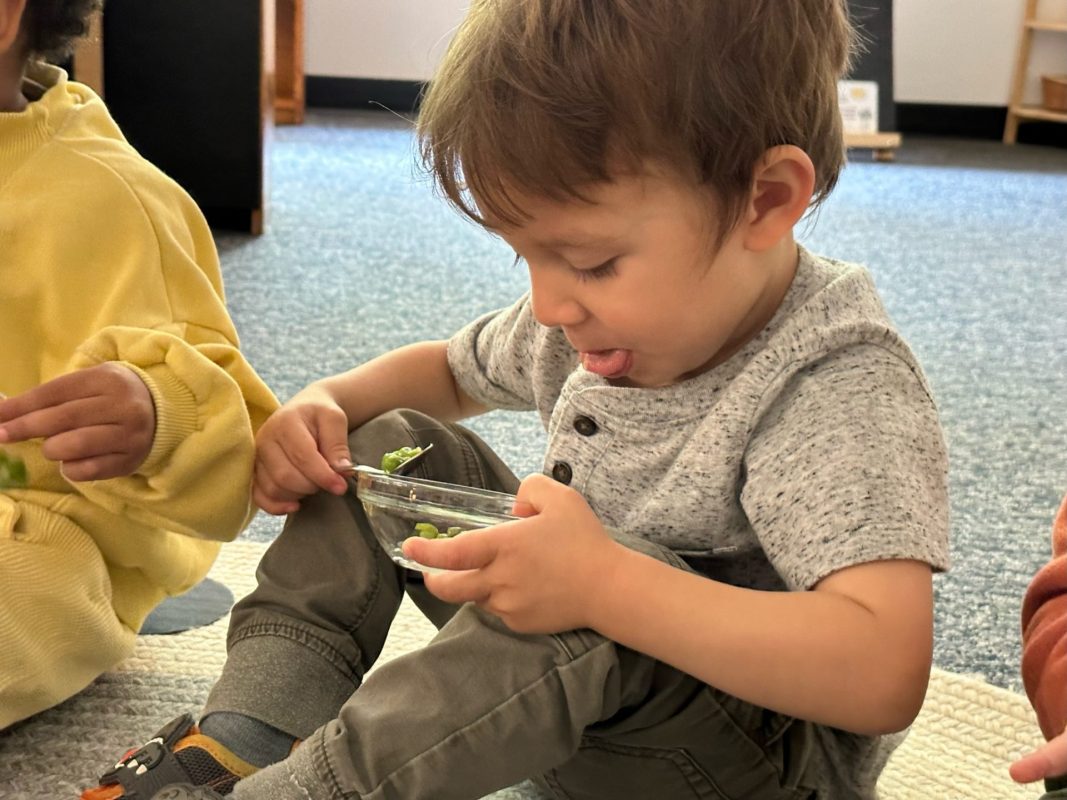
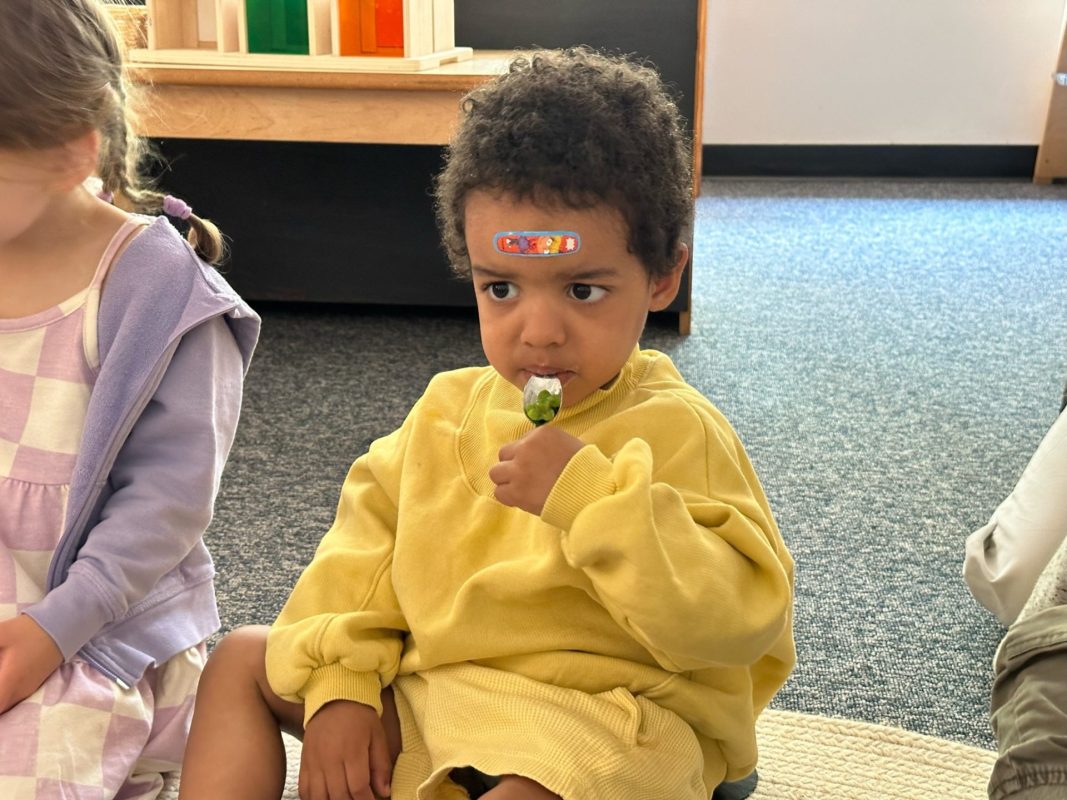
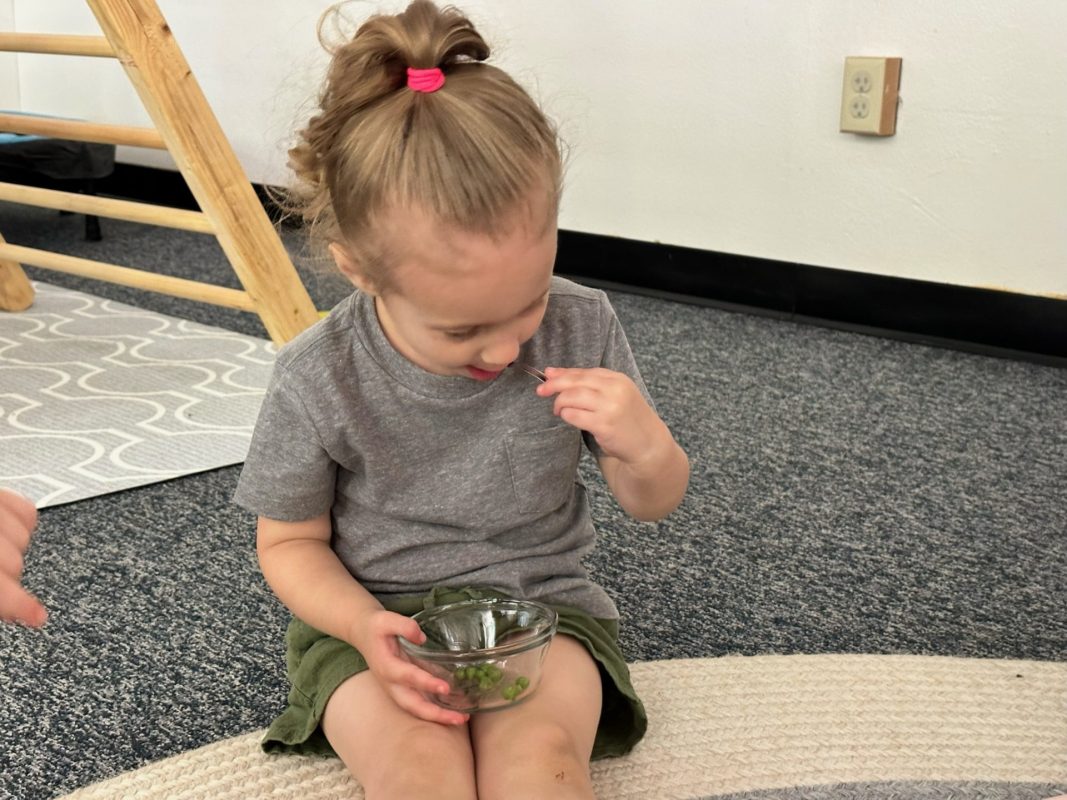
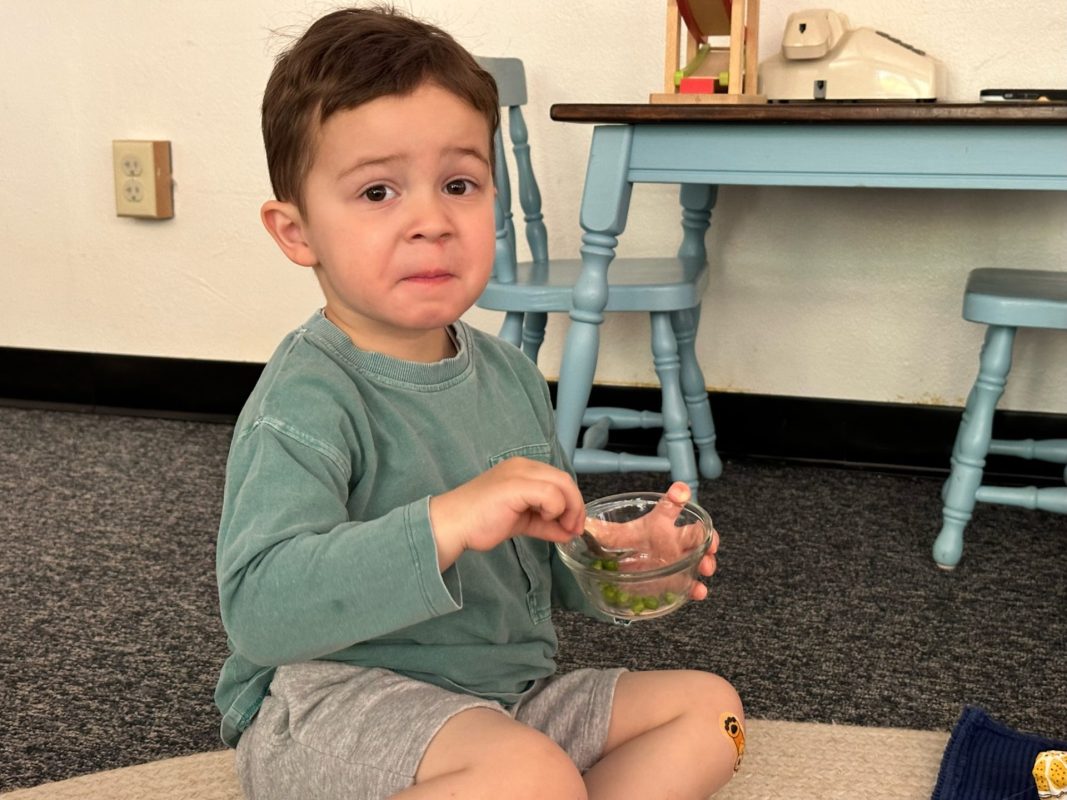
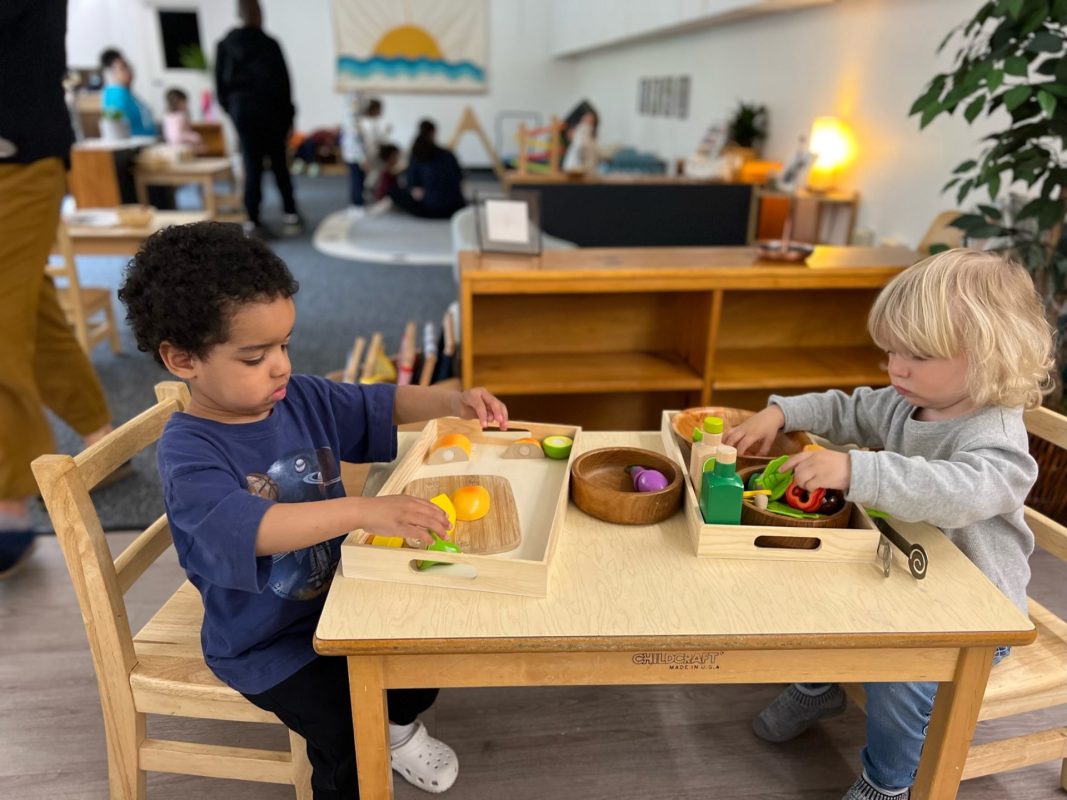
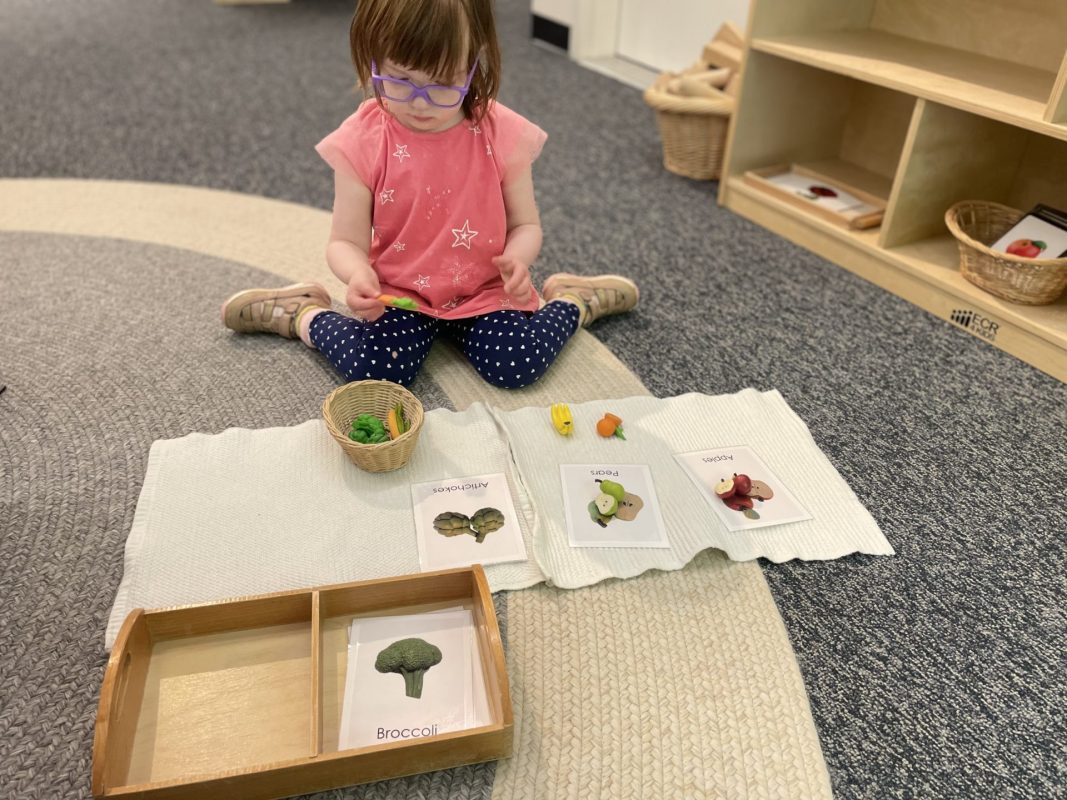
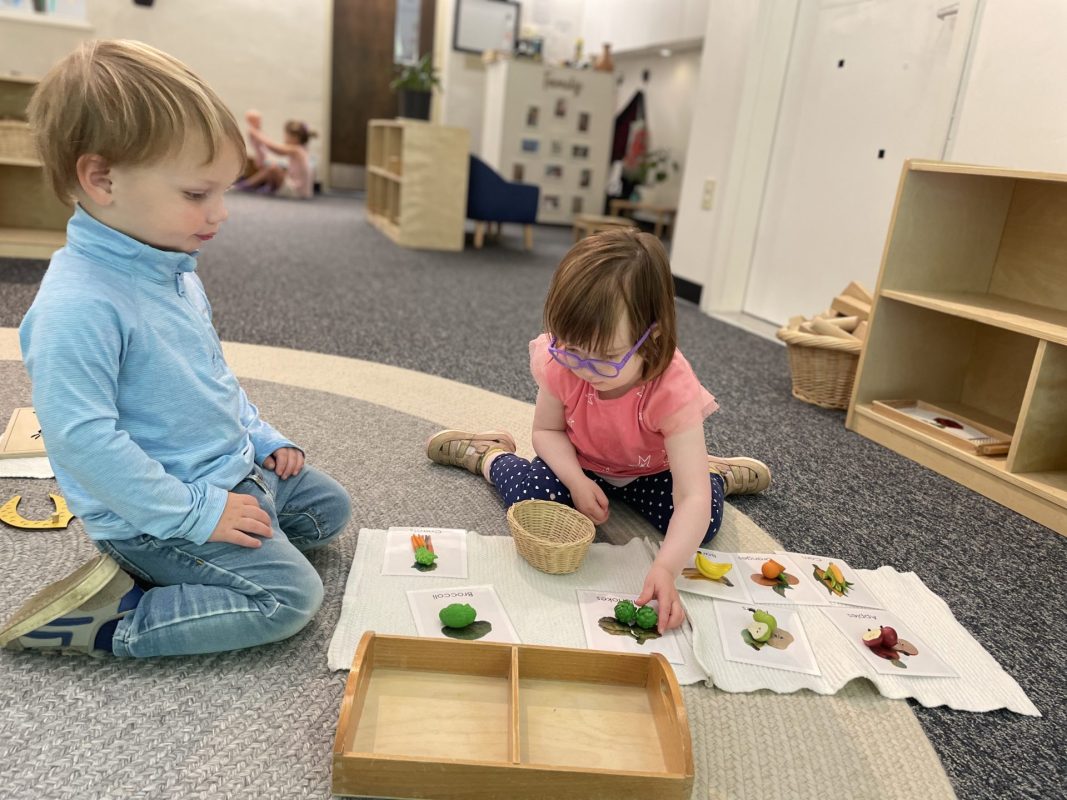
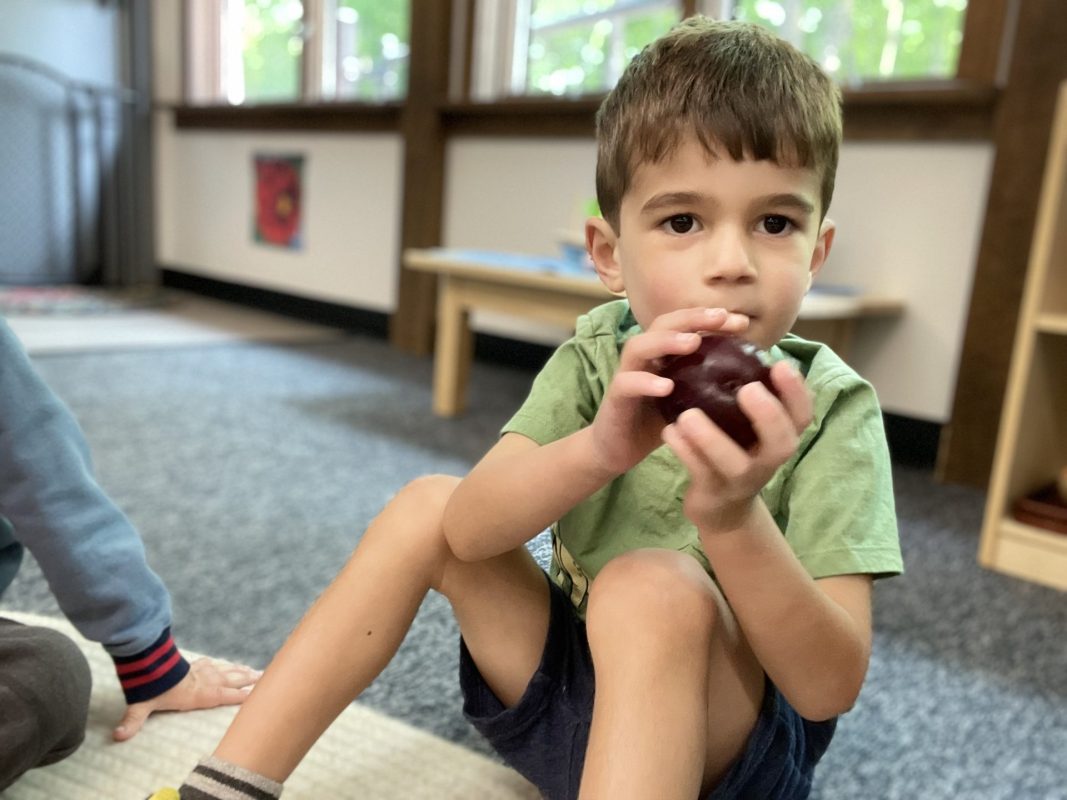
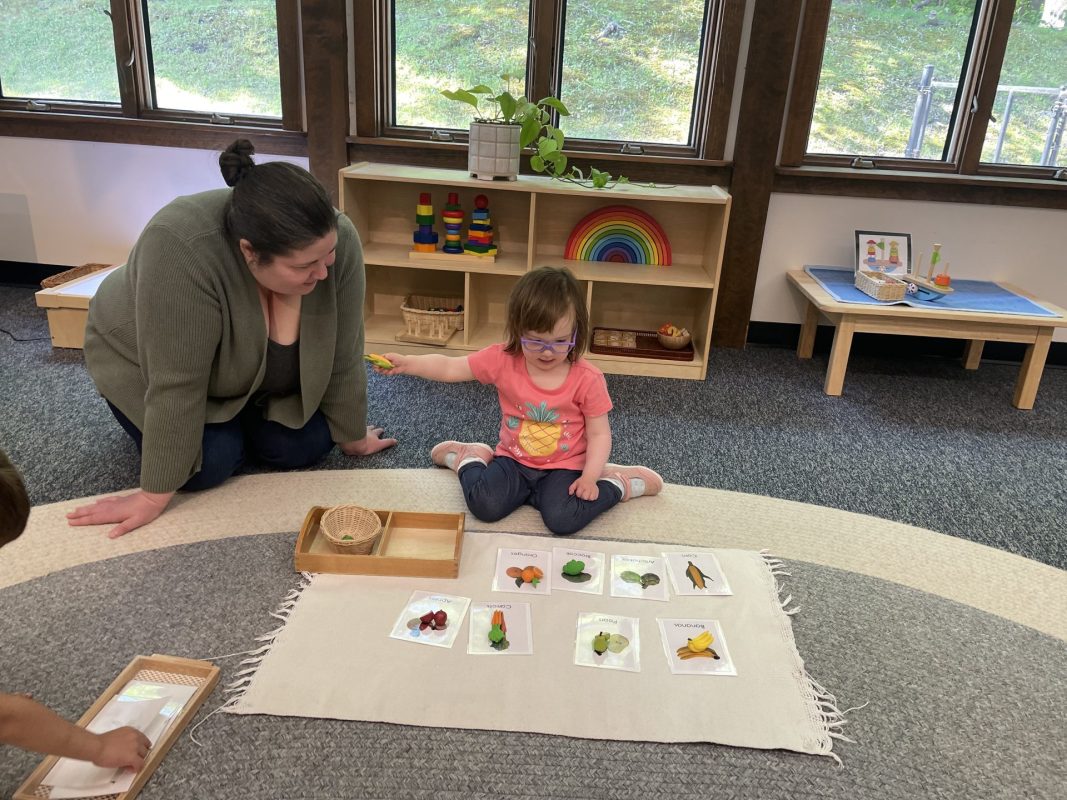
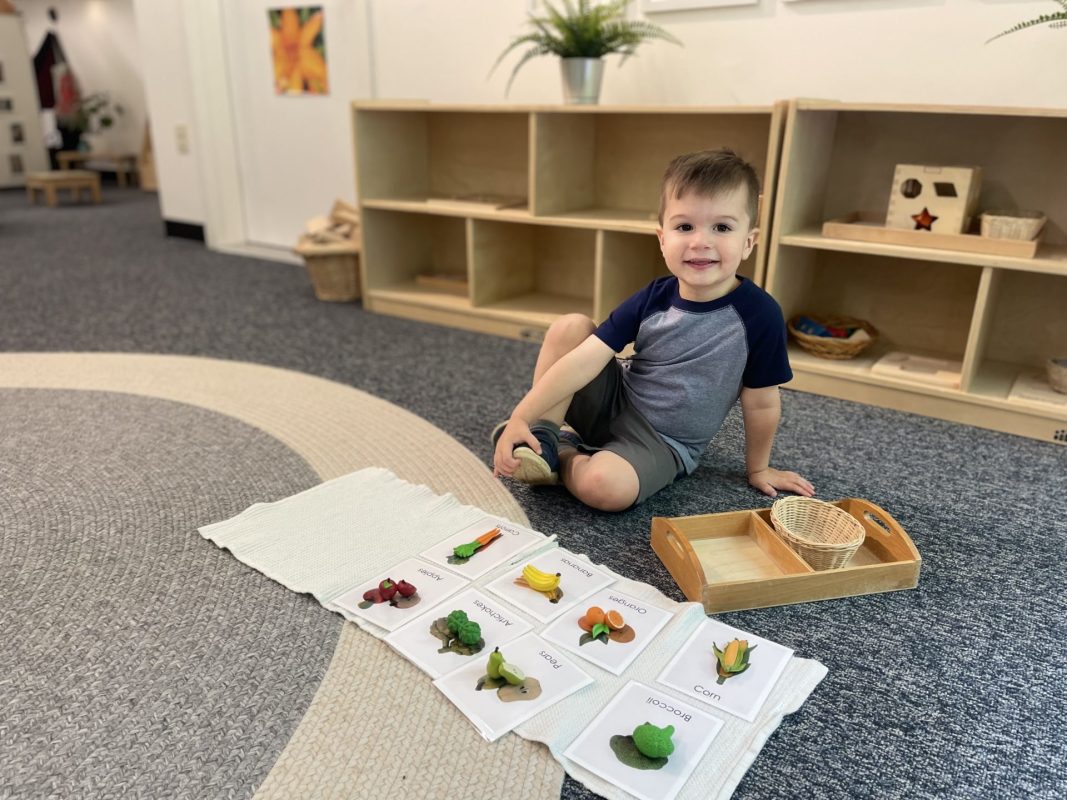
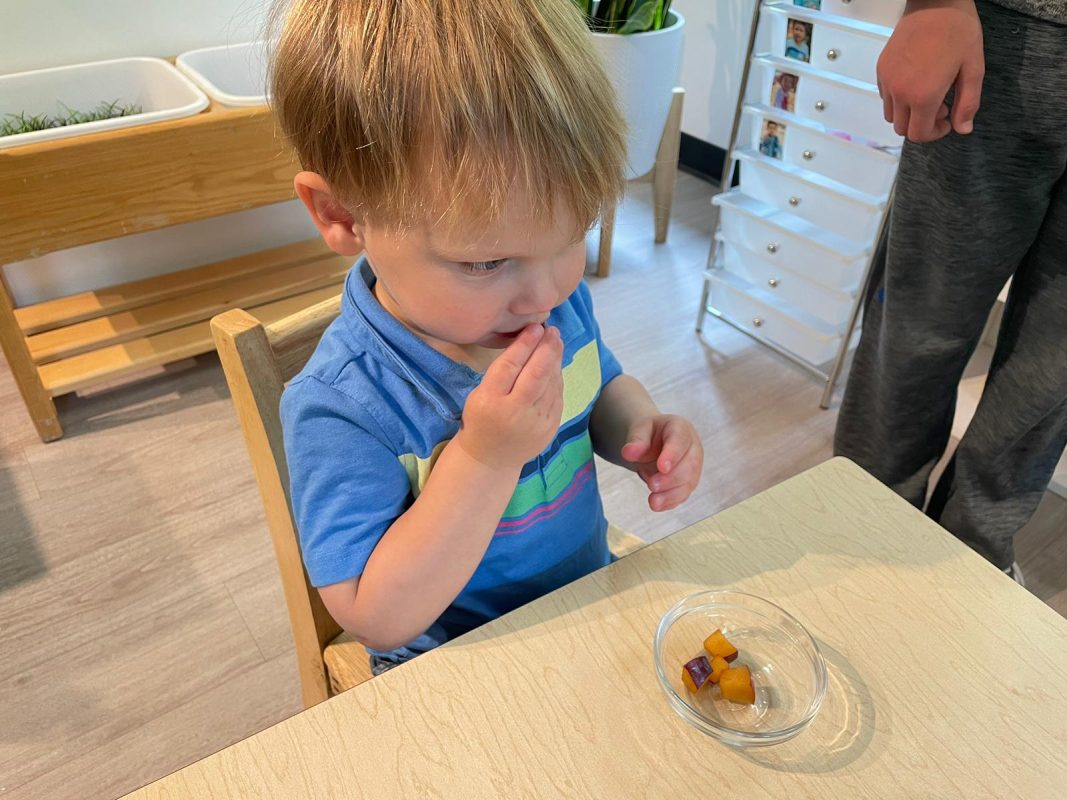
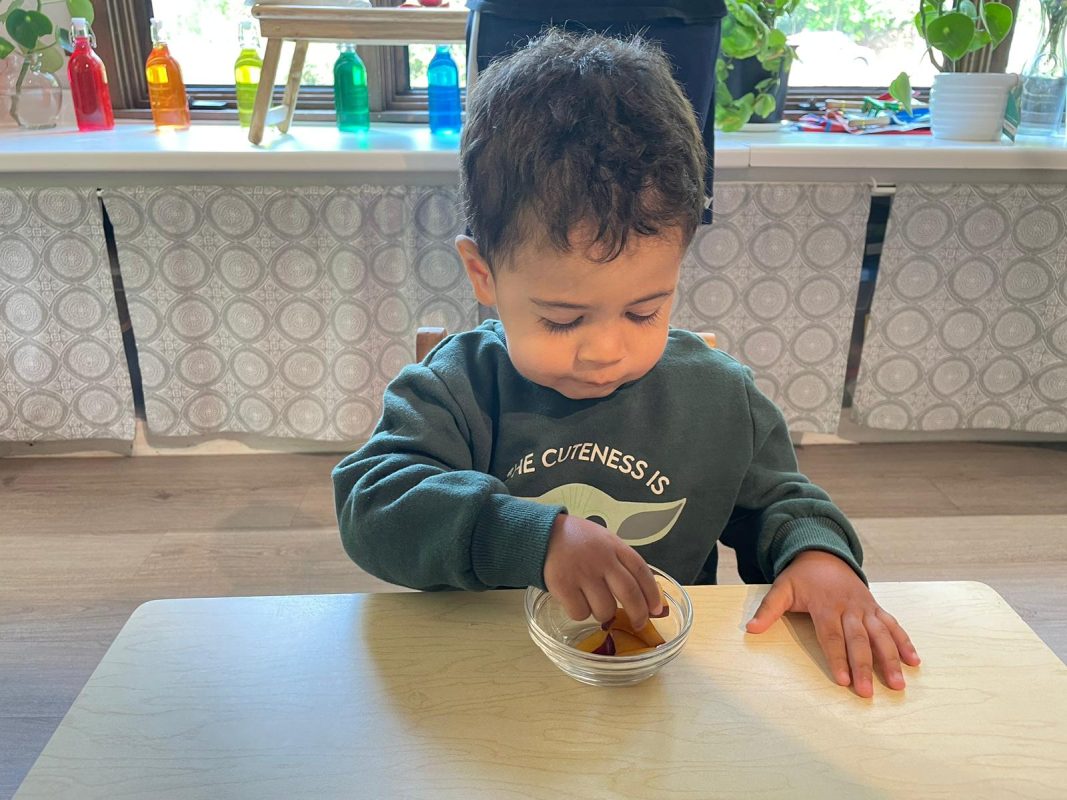
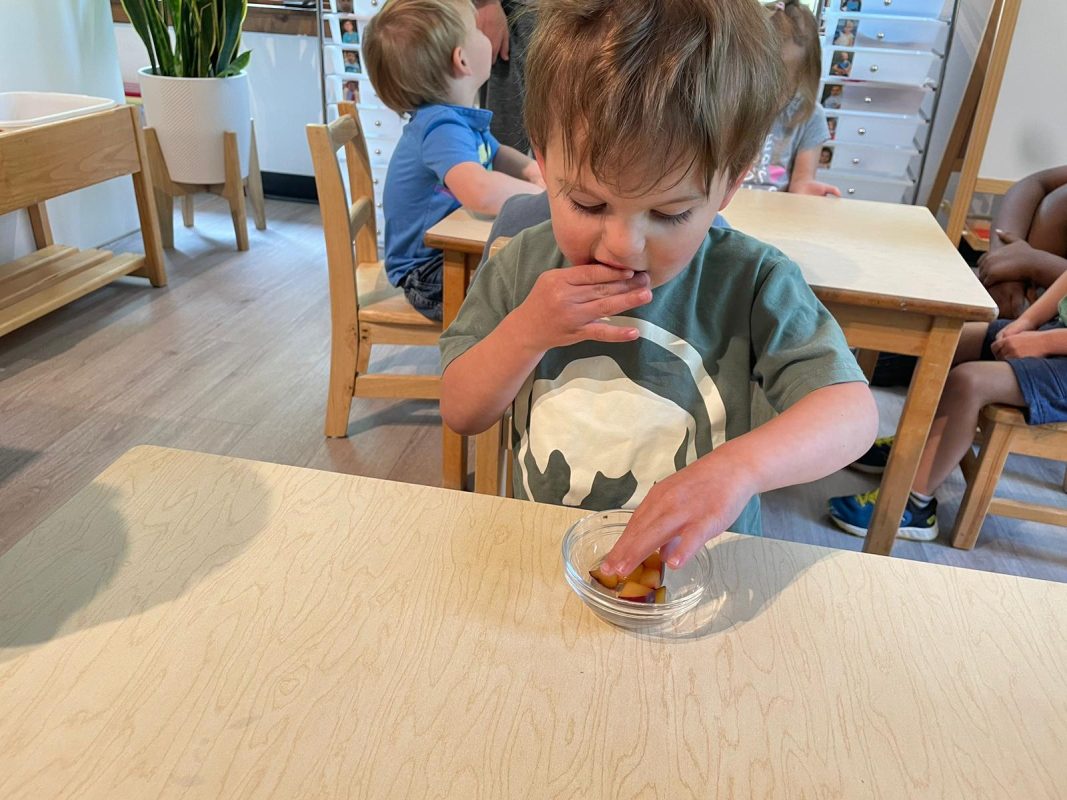
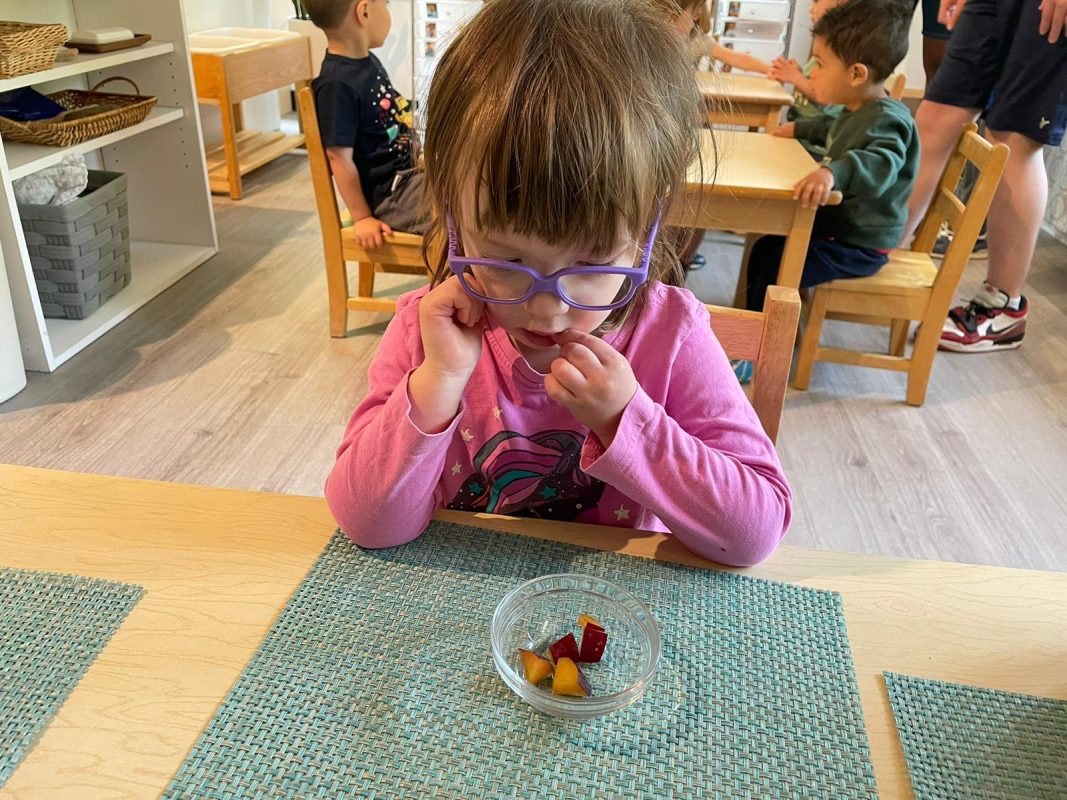
Exploring food color is one fun way to connect children with their surroundings. Who knew that colors also serve a nutritional purpose? 🙂 Children learned that it’s important to “eat a rainbow,” meaning eating fruits and vegetables from each color to keep our bodies strong and healthy. During snack and lunch, children started to share and discuss the colors they saw on their plates. We encourage you to do this at home as well.

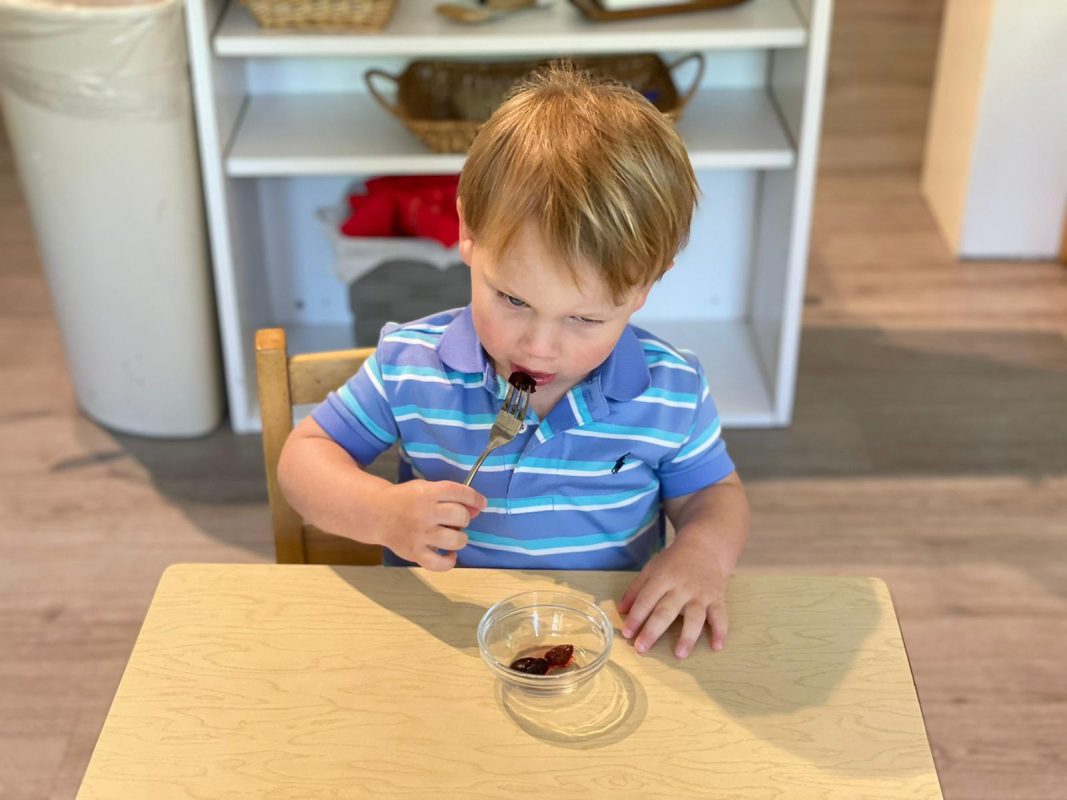
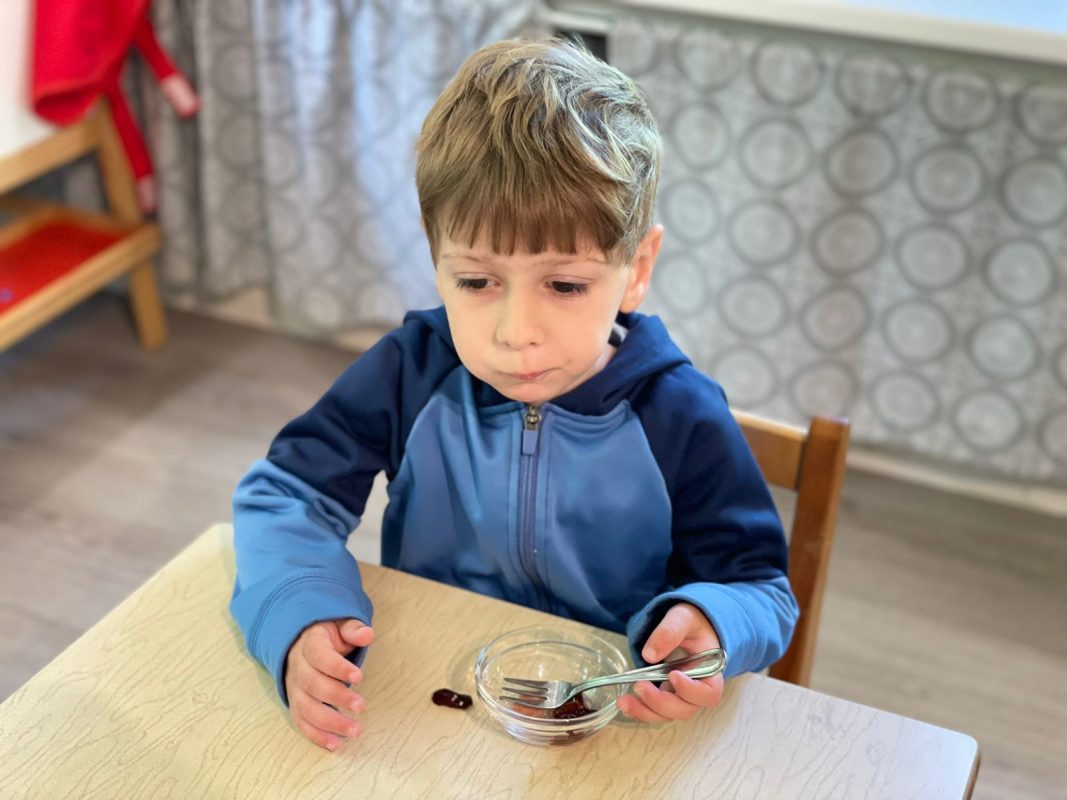
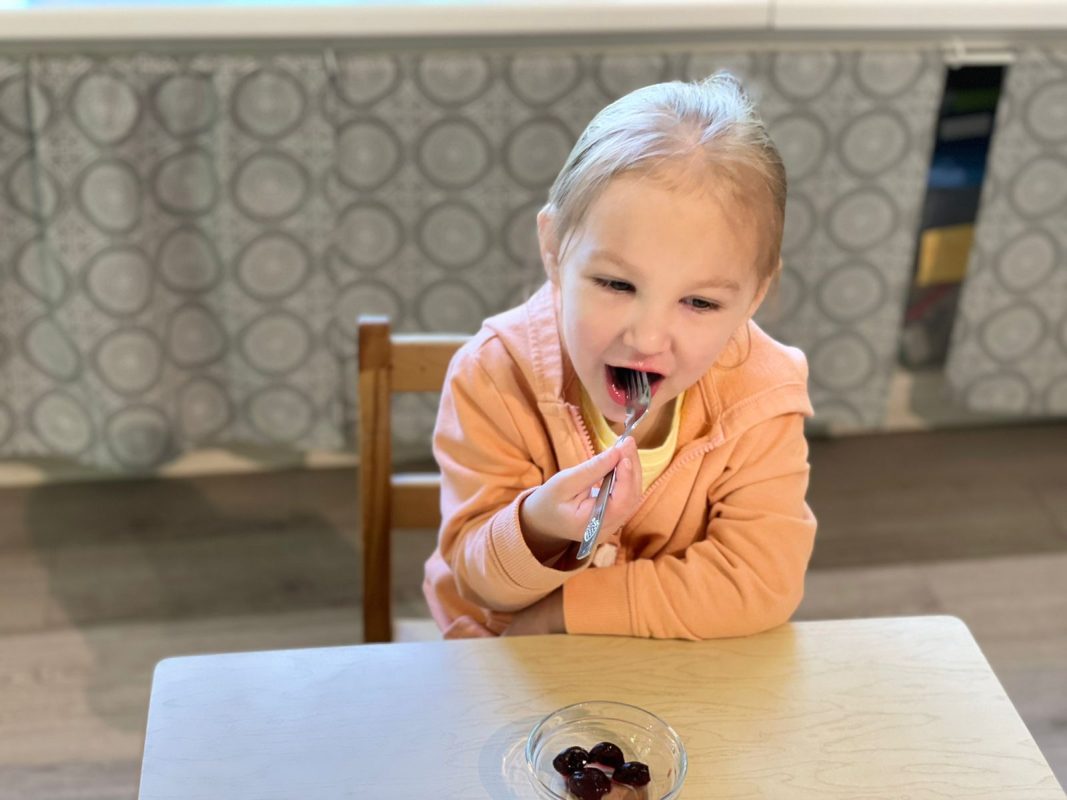
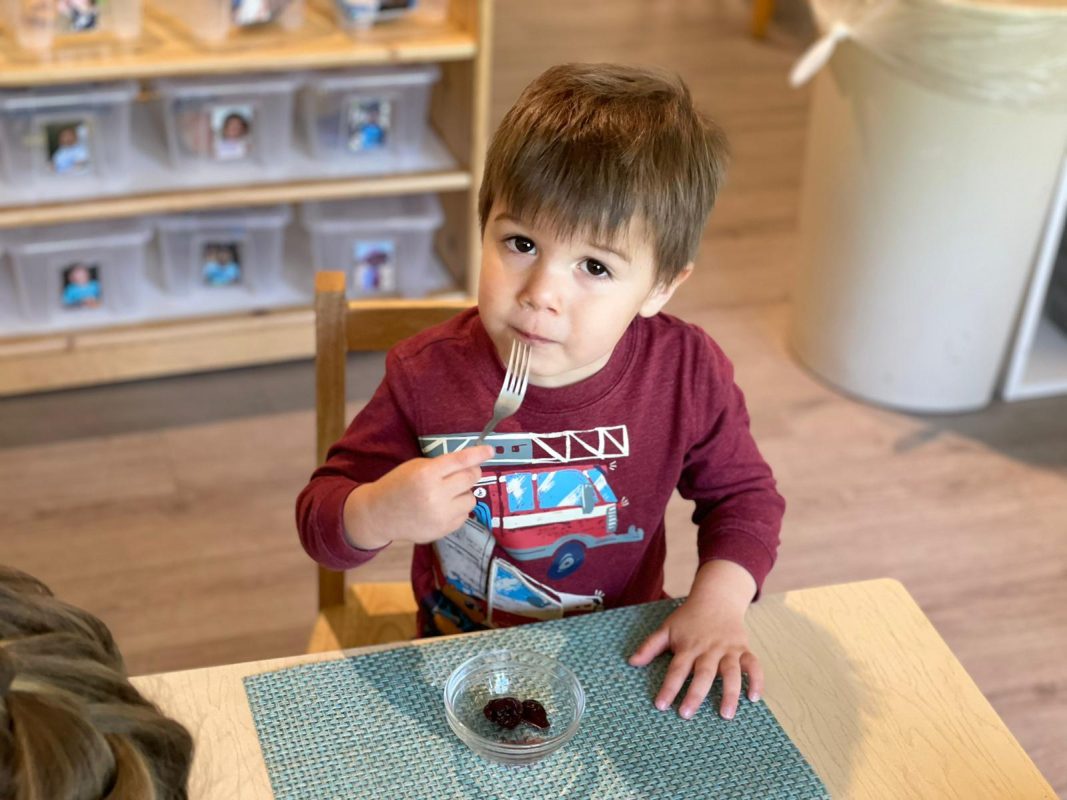
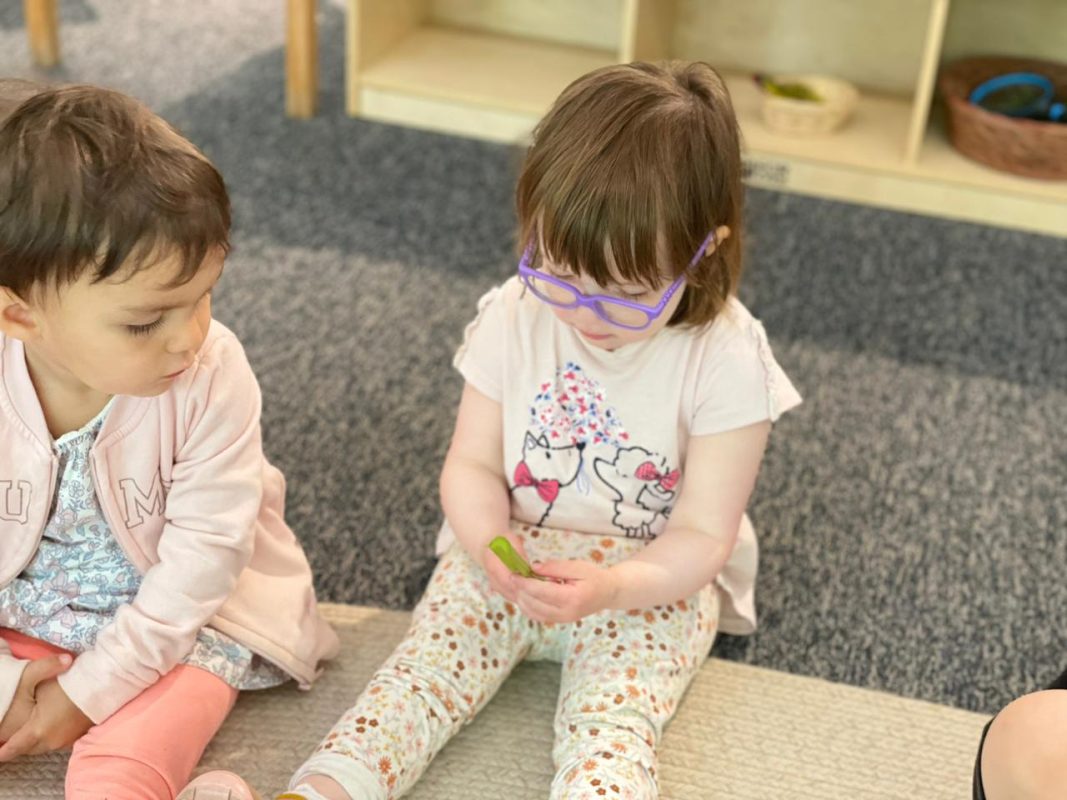
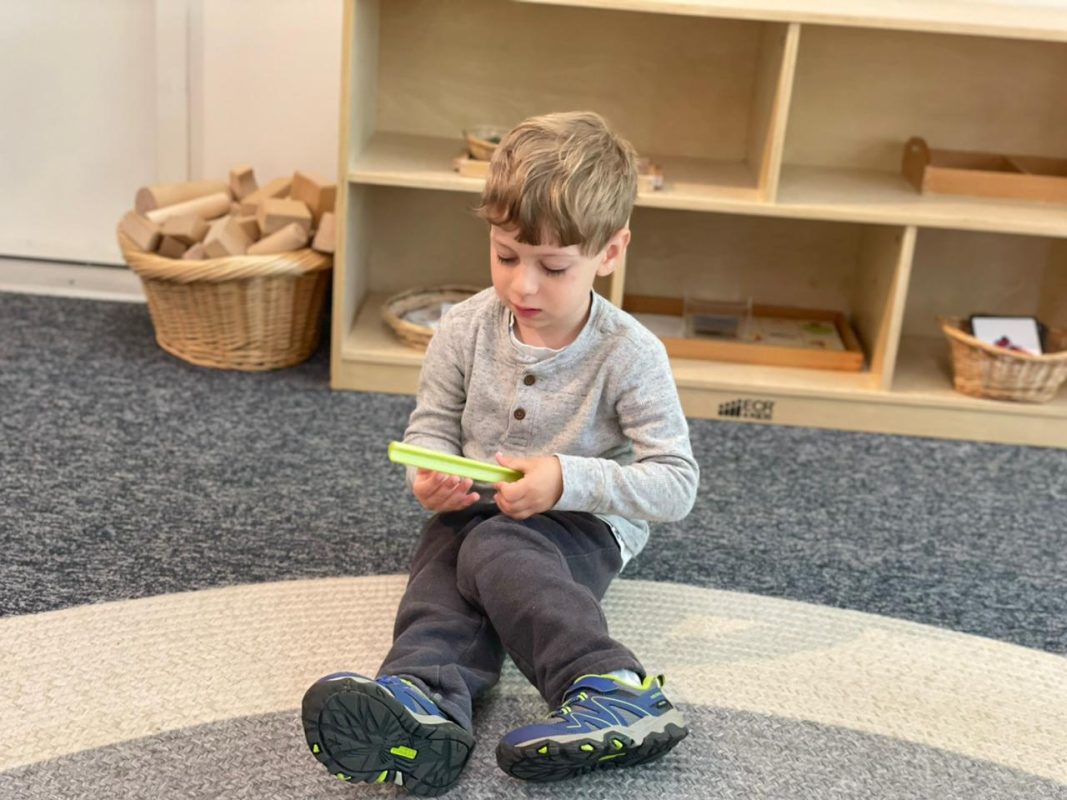
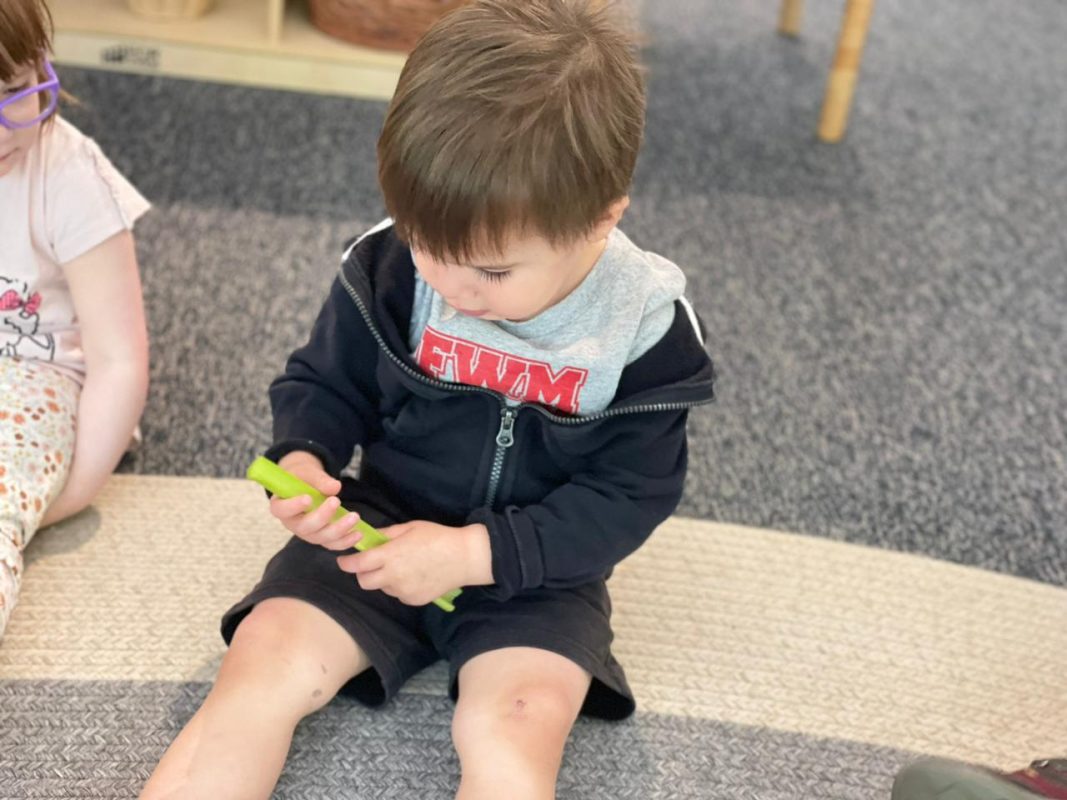
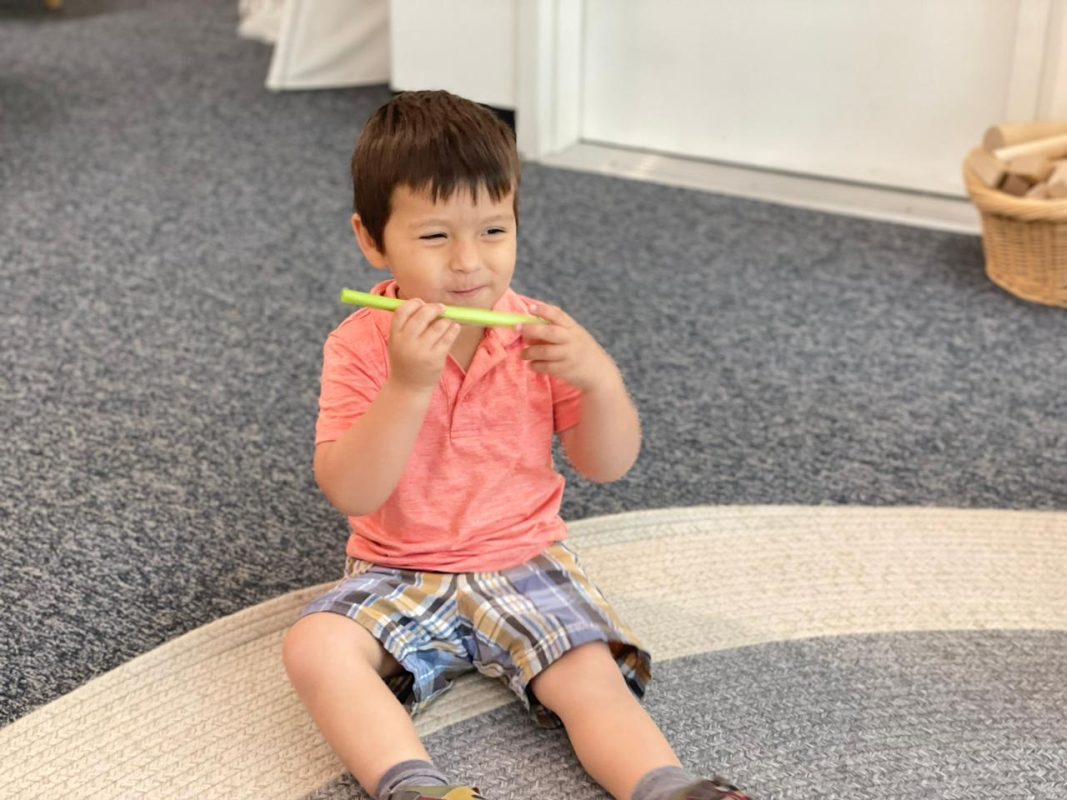
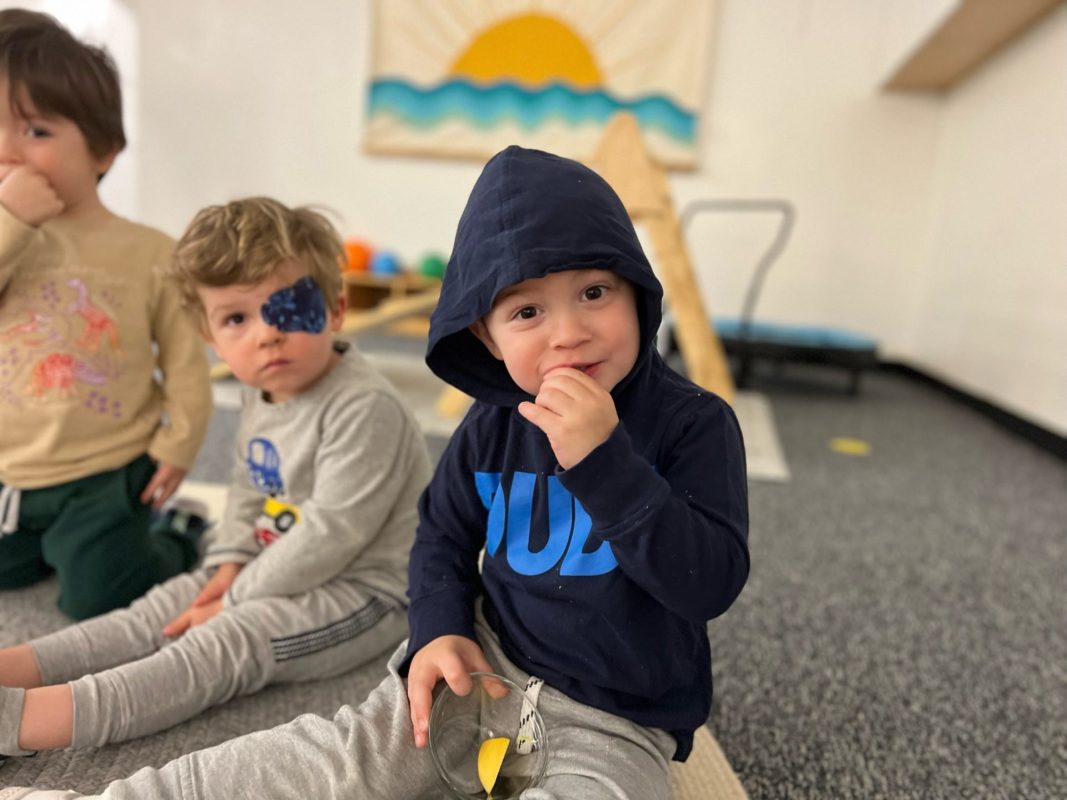
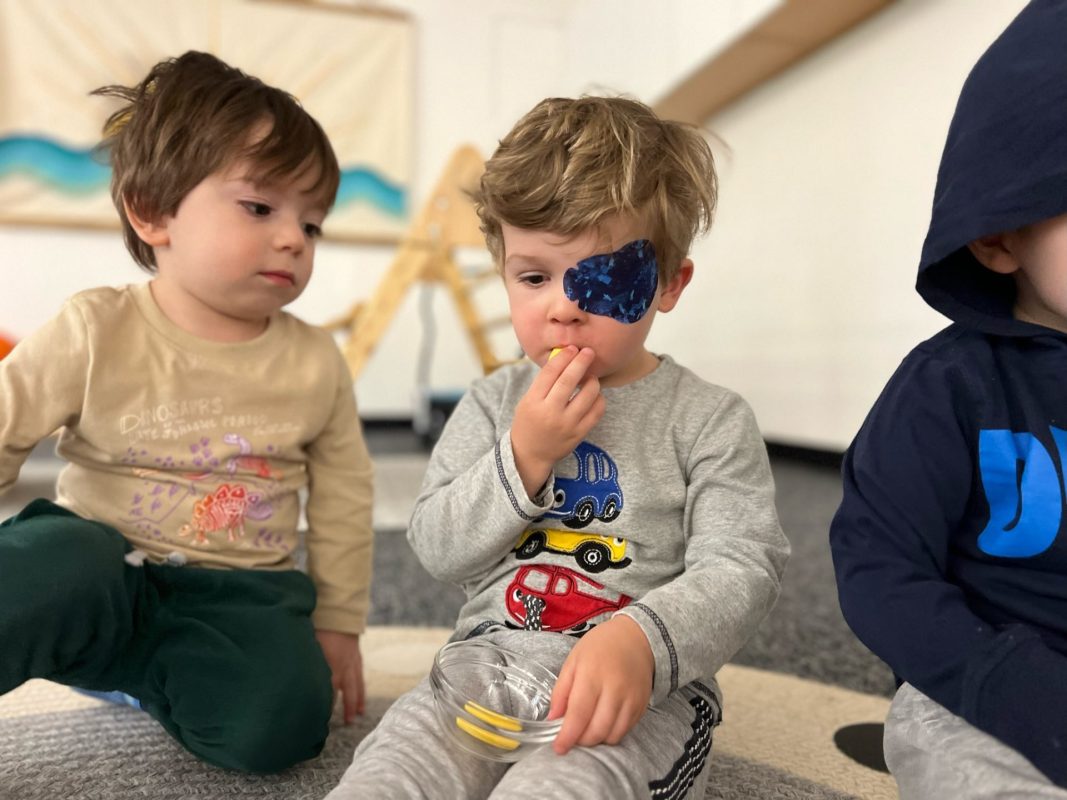
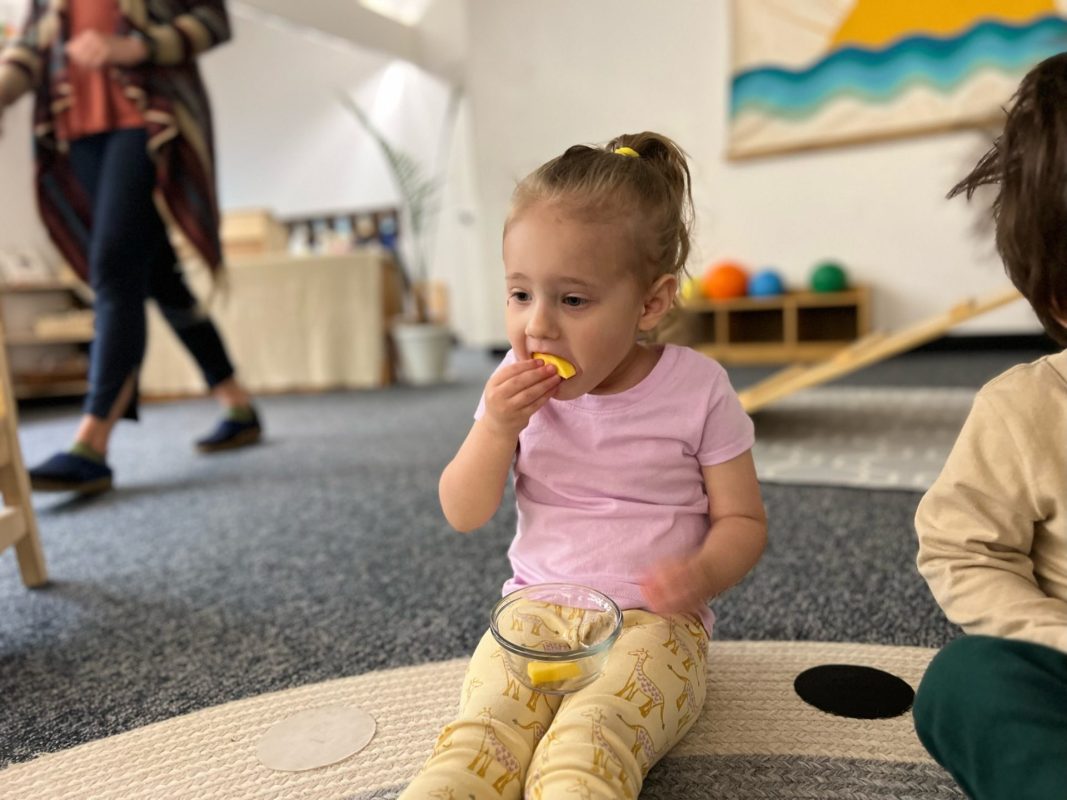
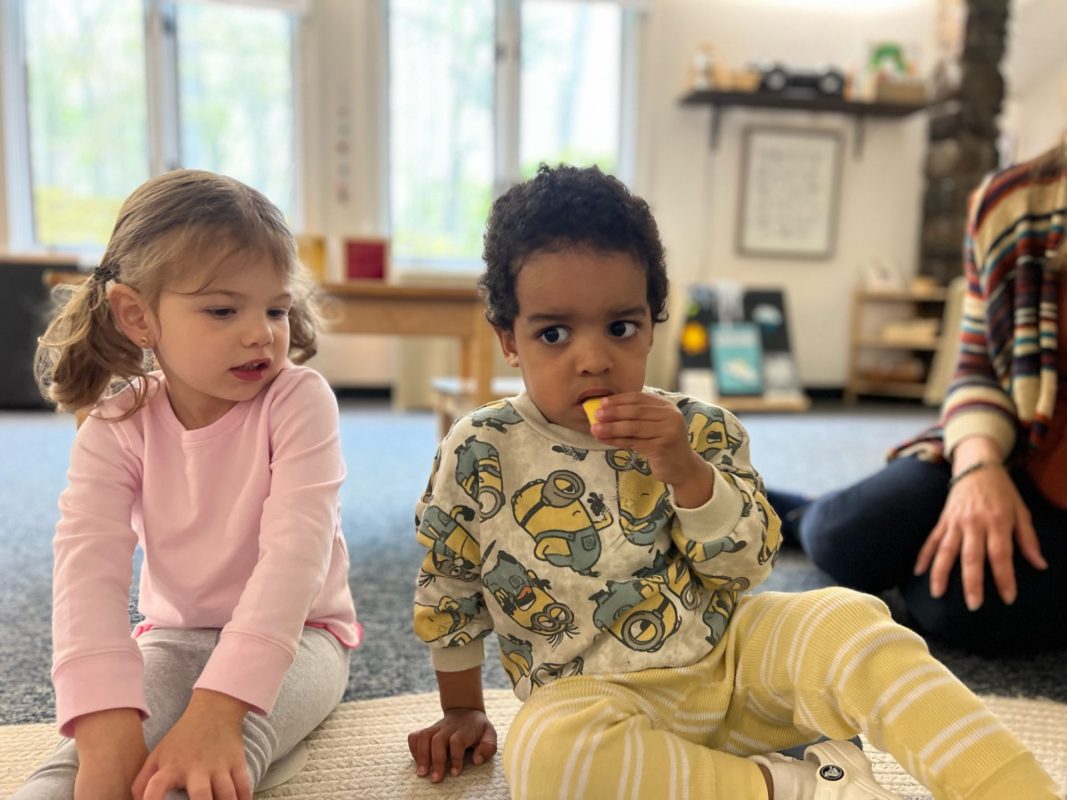
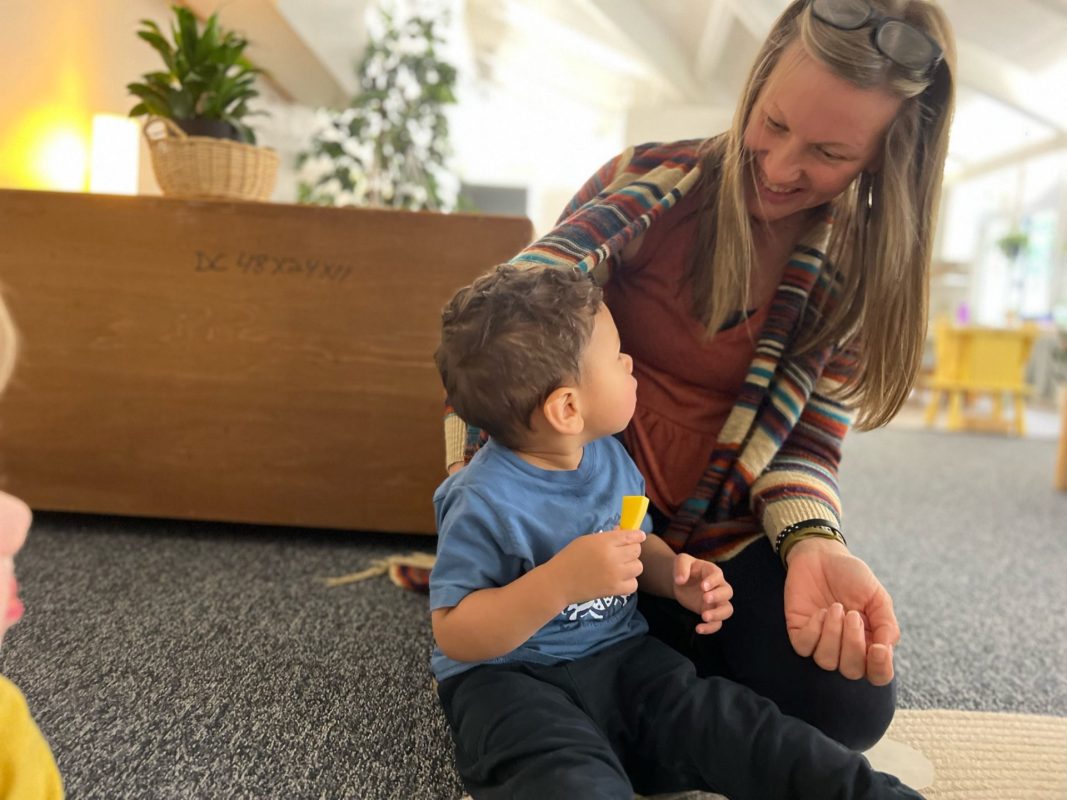
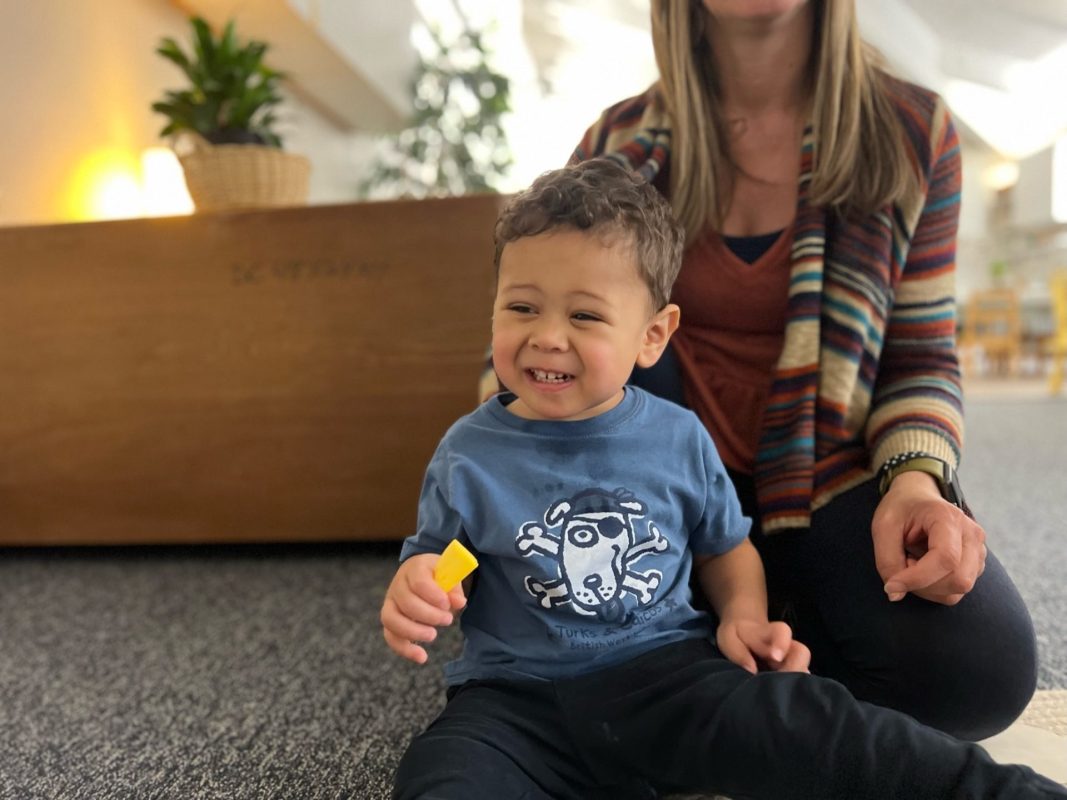
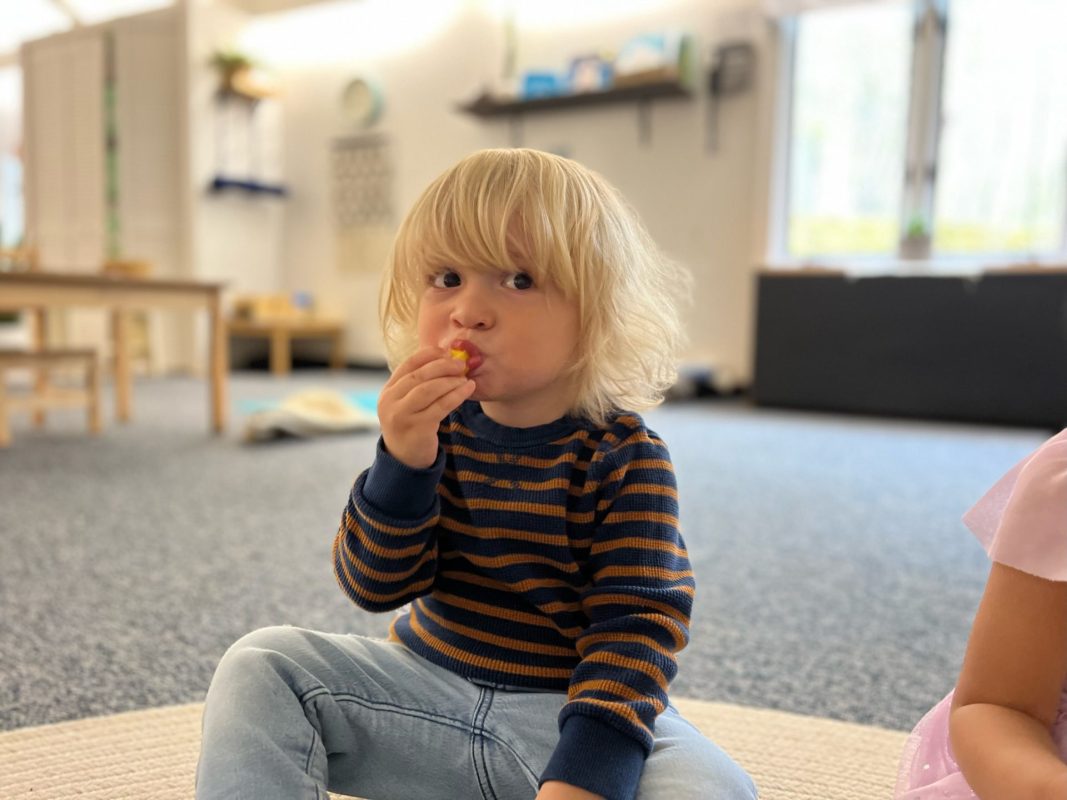
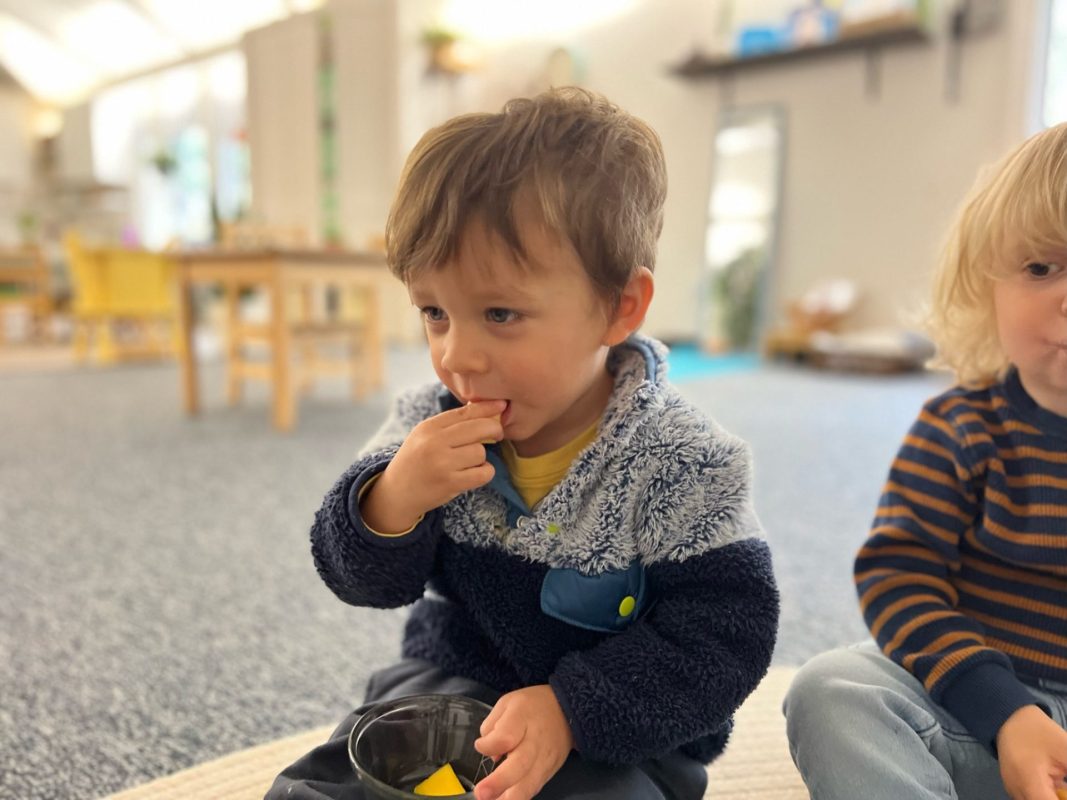
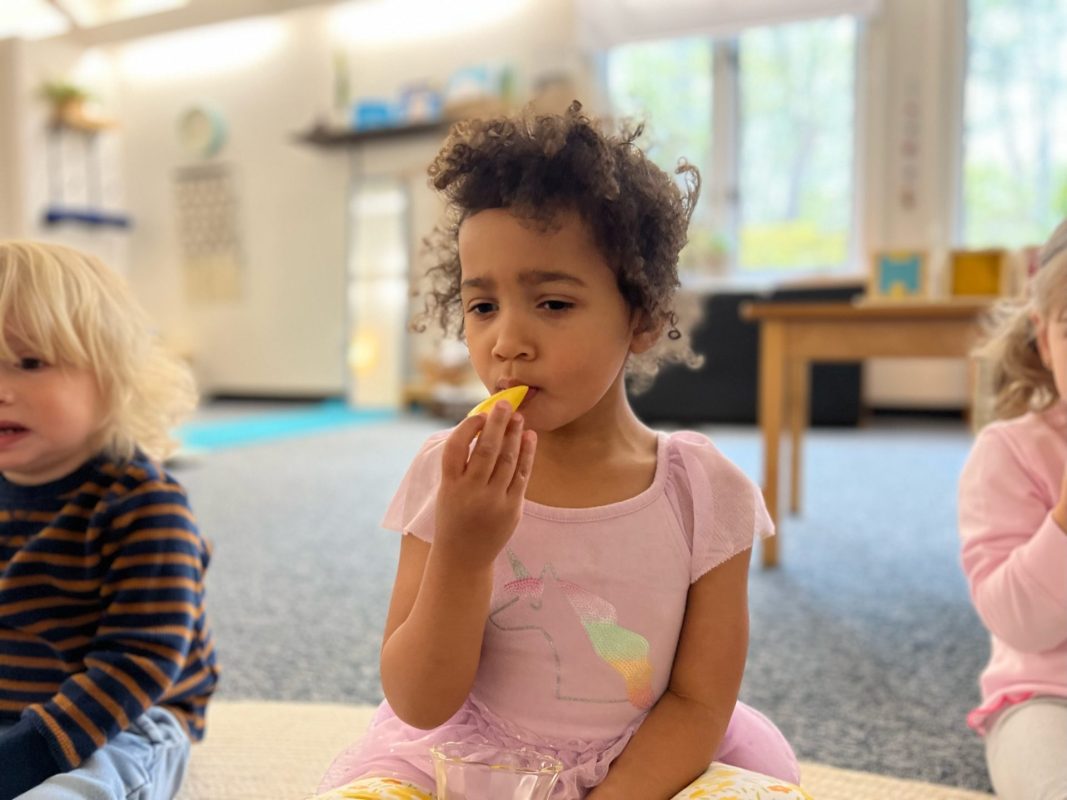
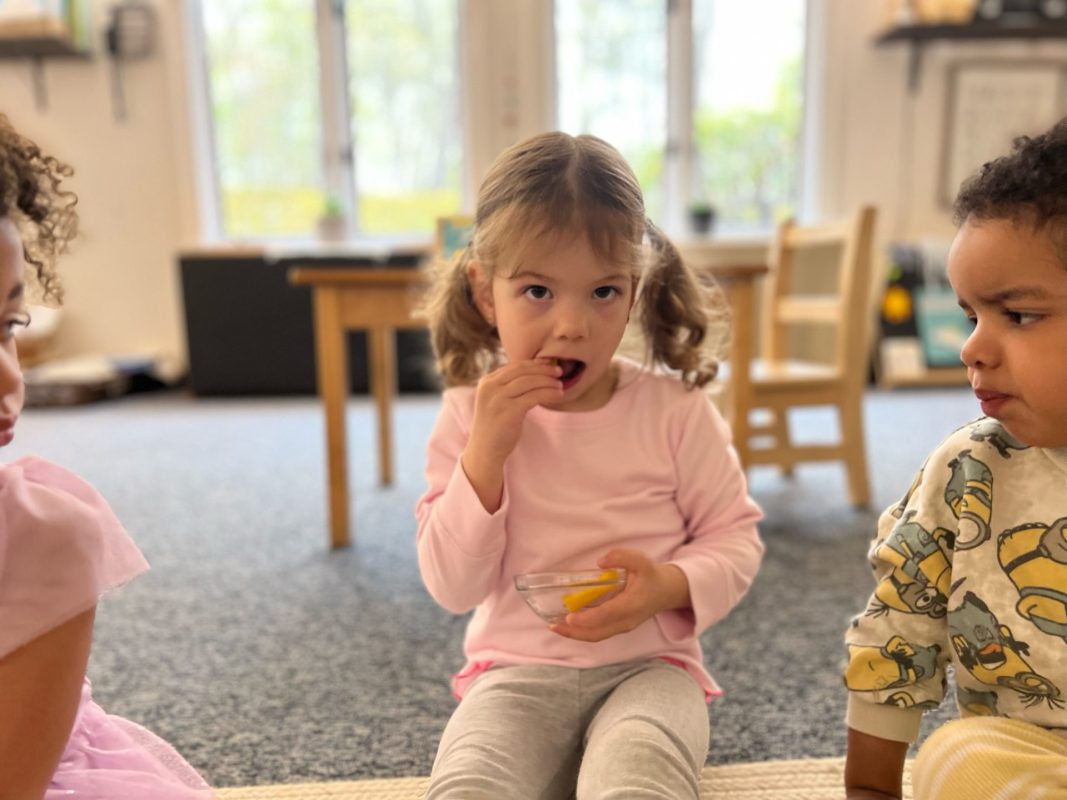
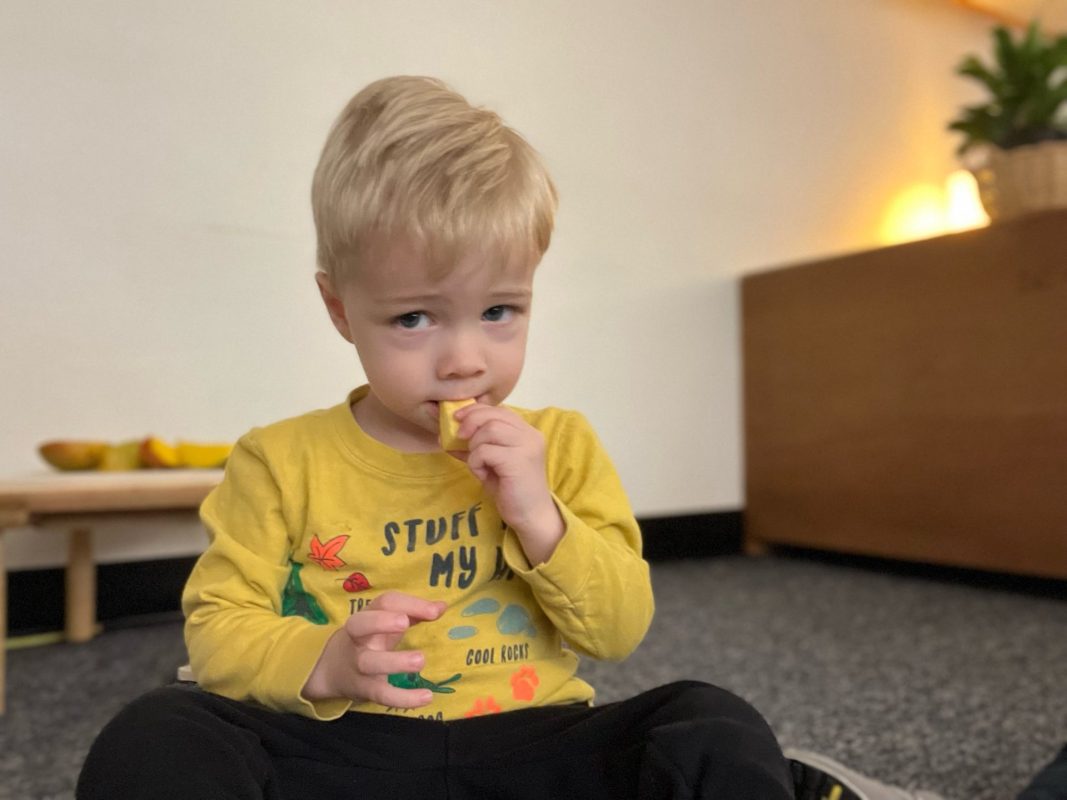
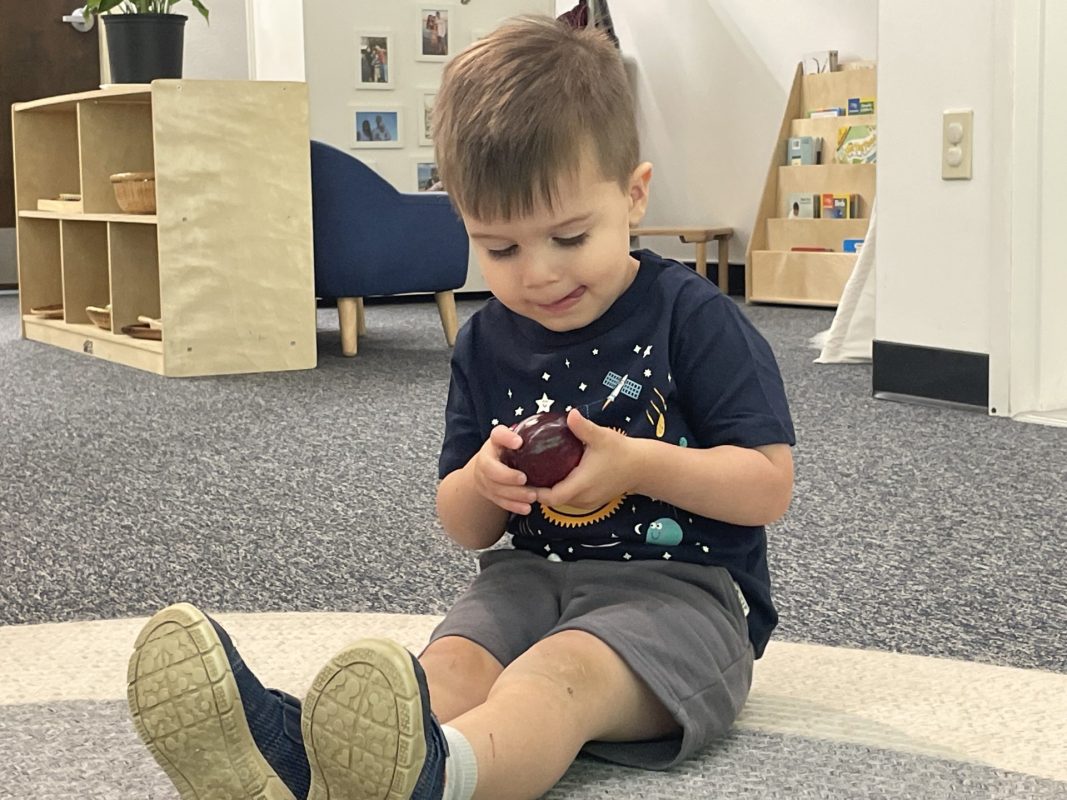
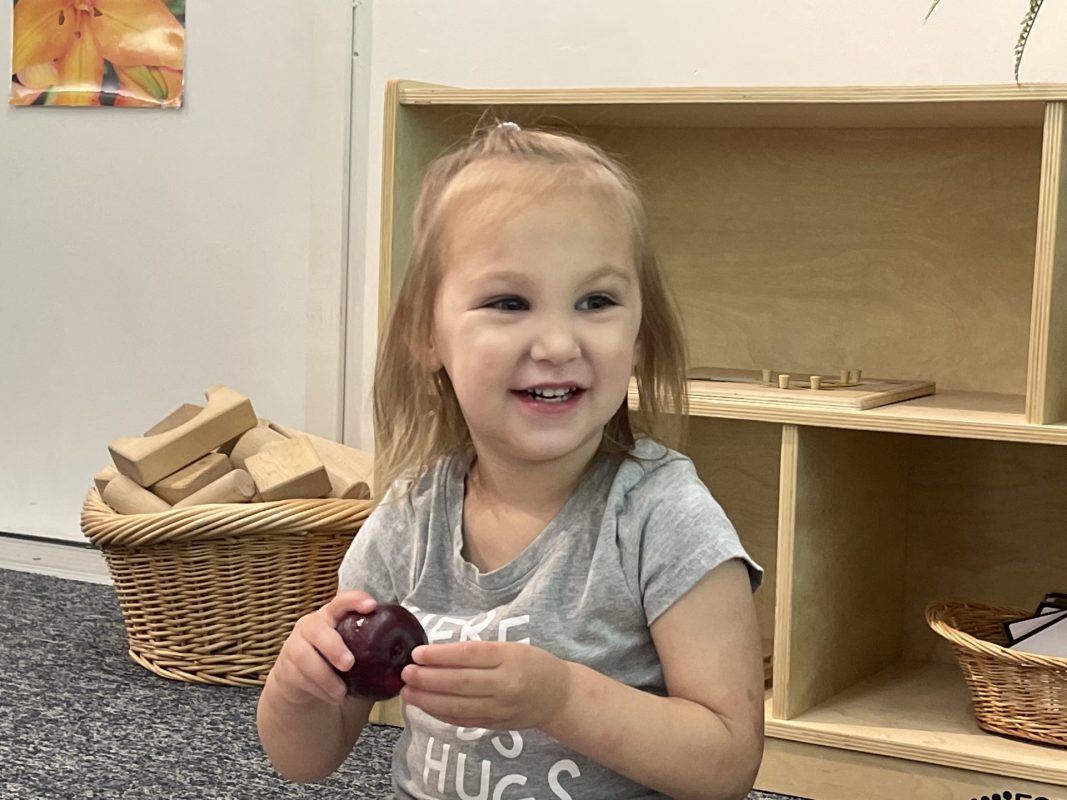
On another note, the children were very curious about what food we would taste this week, as they recognized this activity as a part of our weekly routine. So, the children explored and tasted lemons, which was very well received by most of the children, and we enjoyed the pucker little faces. Sour and juicy were the words to describe this fruit.

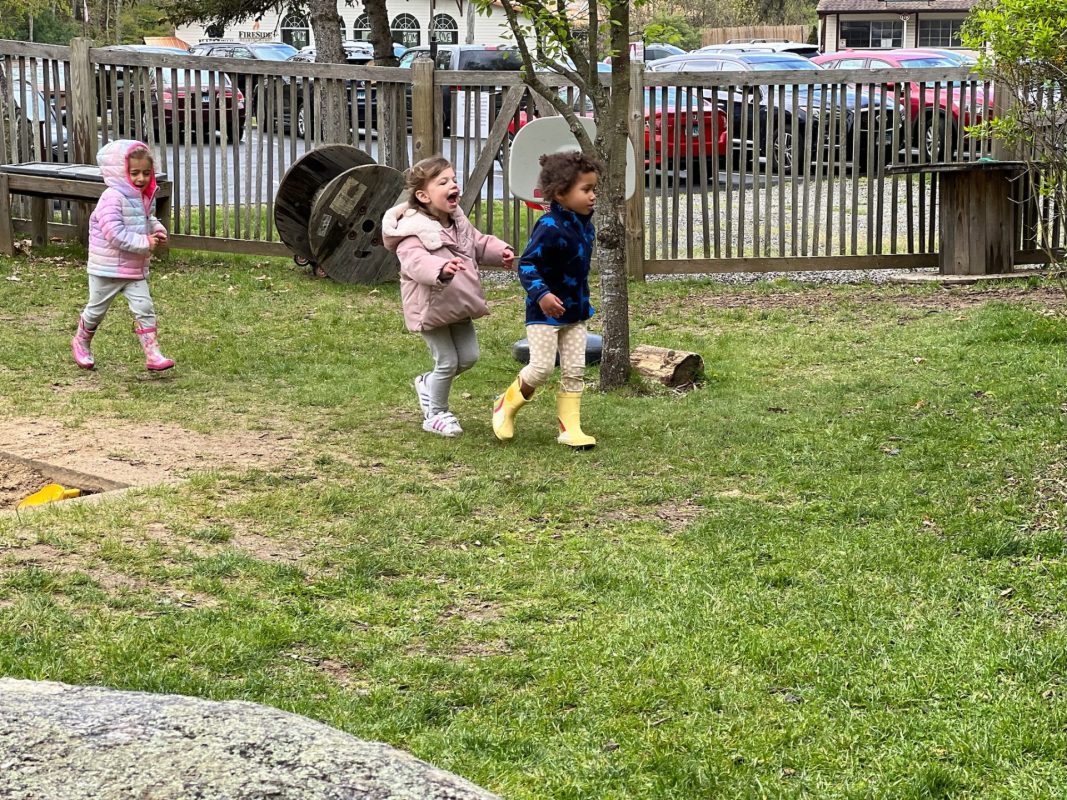
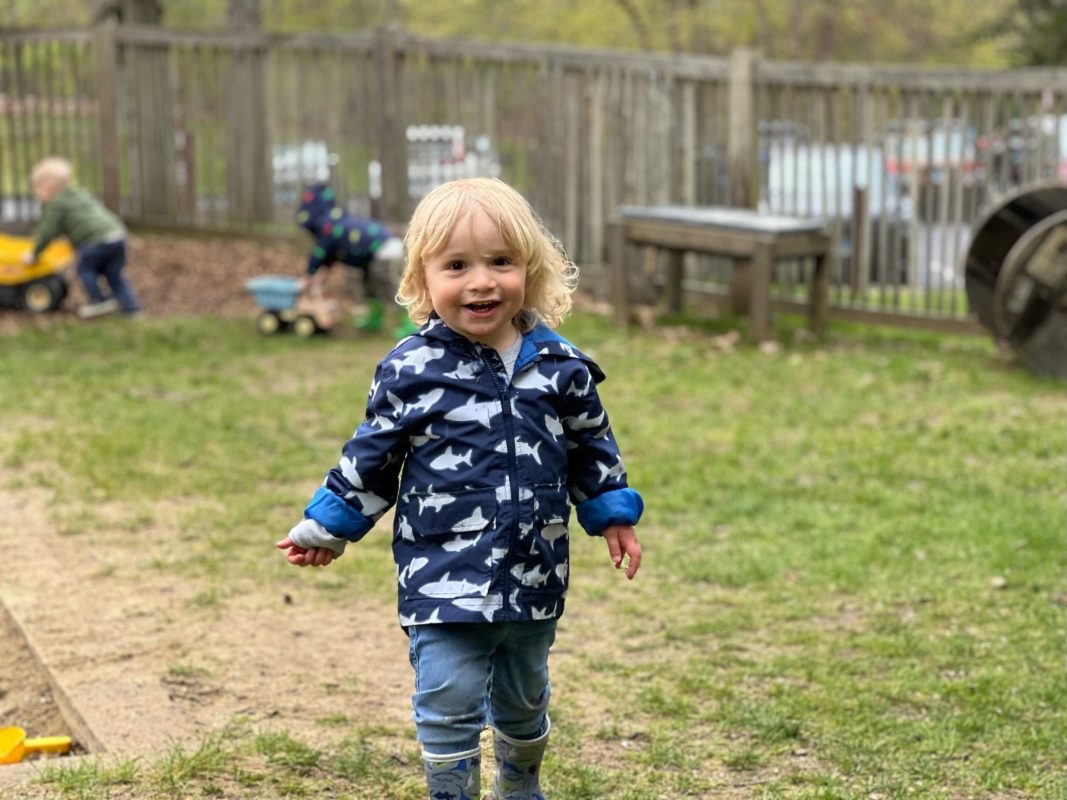
Reminder: Please make sure your child has proper snow gear at school. This includes snow pants and boots, a winter coat, a hat, and waterproof mittens with their clips. We want your child to be comfortable and safe while exploring outdoors. Thanks!

See you next week,

Mrs. Hood and Ms. Marissa


Mrs. Wilson: Snow Fun!

“Snow is a beautiful reminder of life and all its quirks. It makes me pause. Think. Stay still. Even my mind takes the hint. It makes me feel giddy. Like a kid.” – R.B. O’ Brien

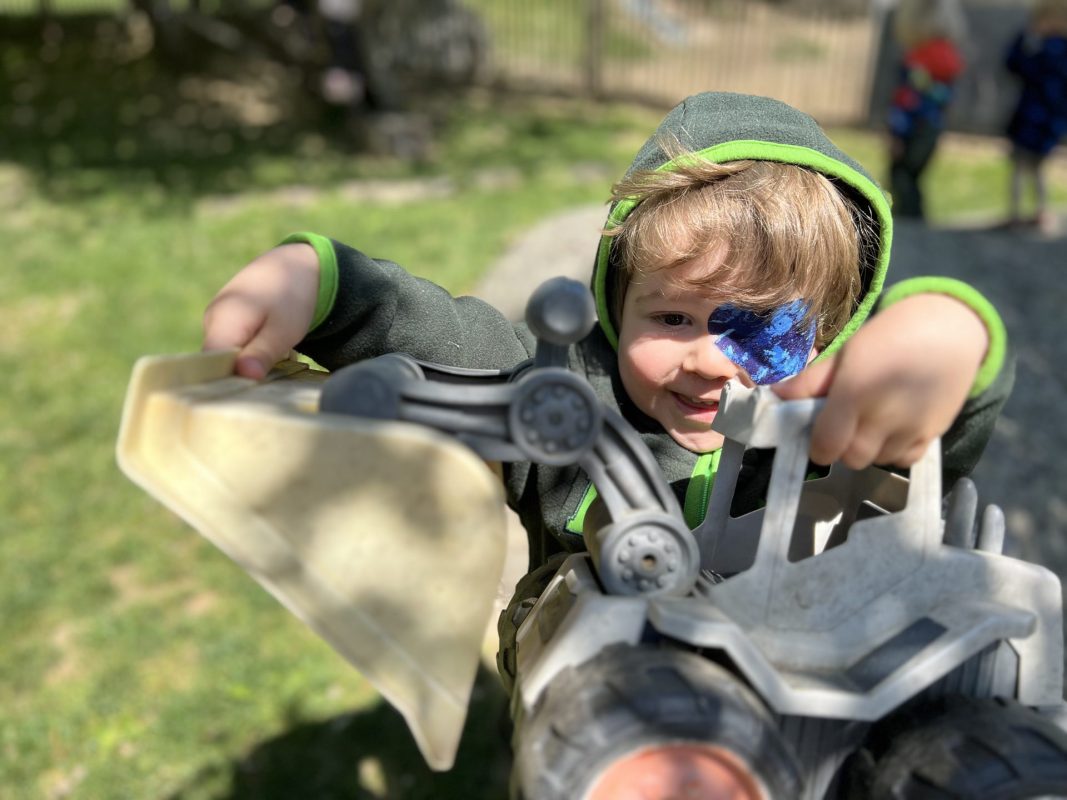
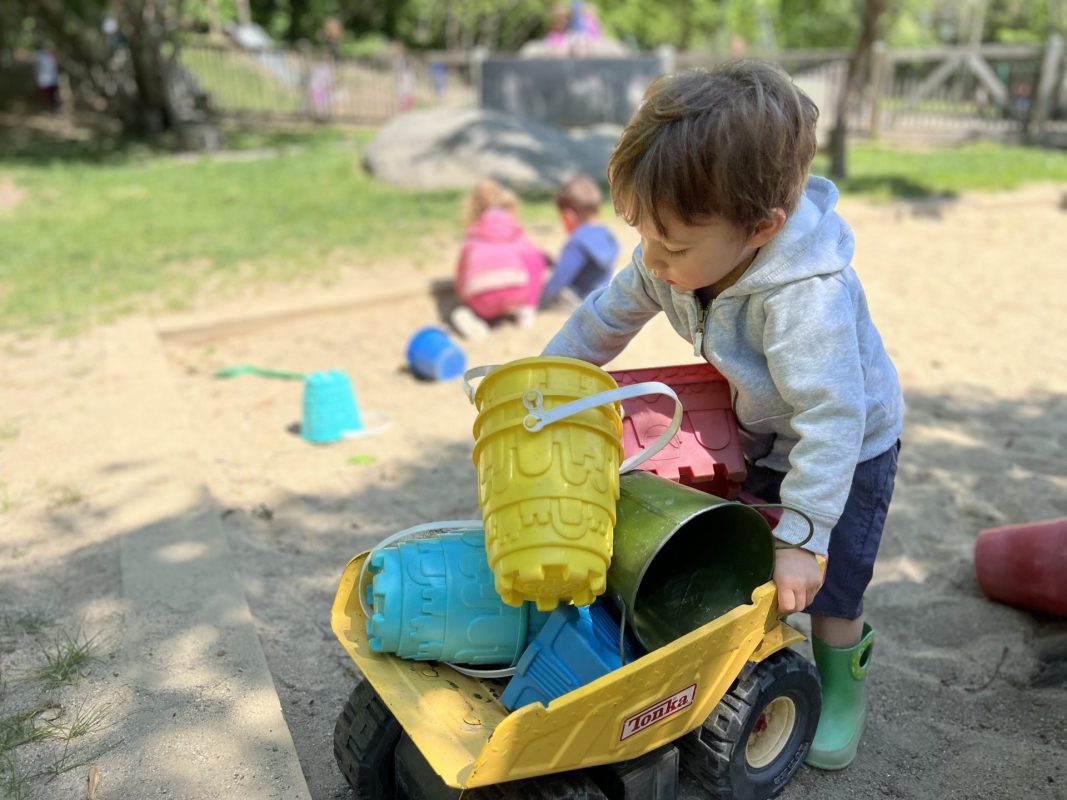
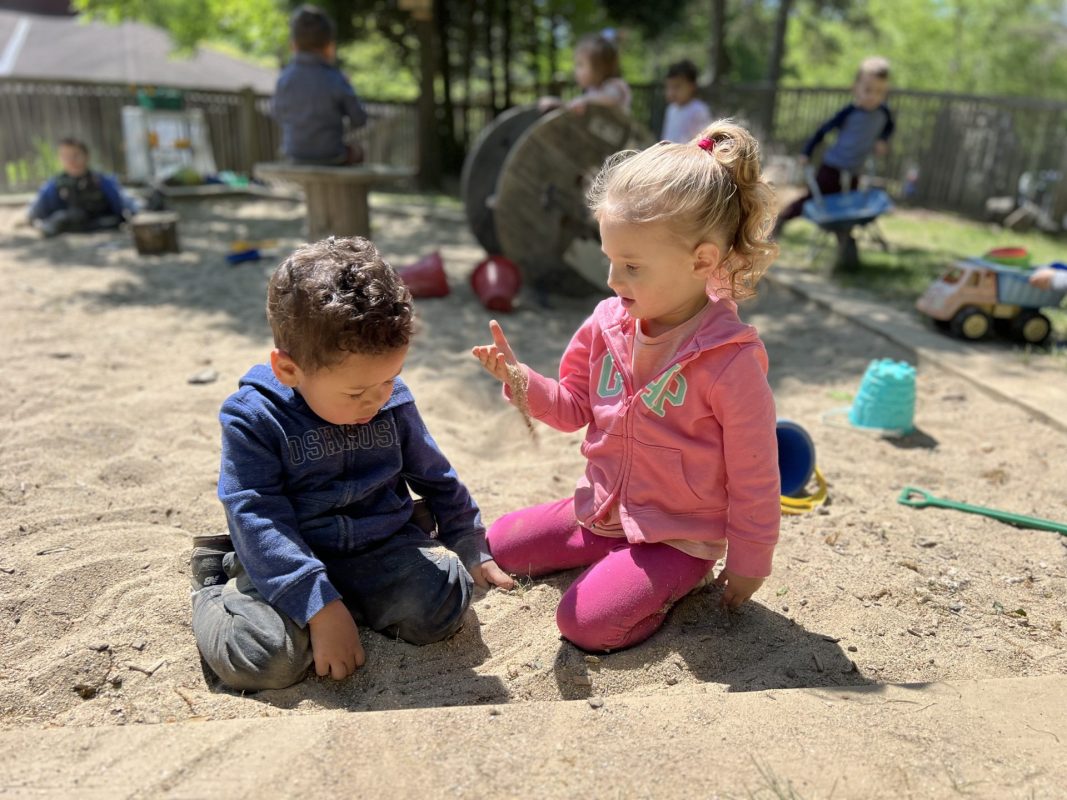
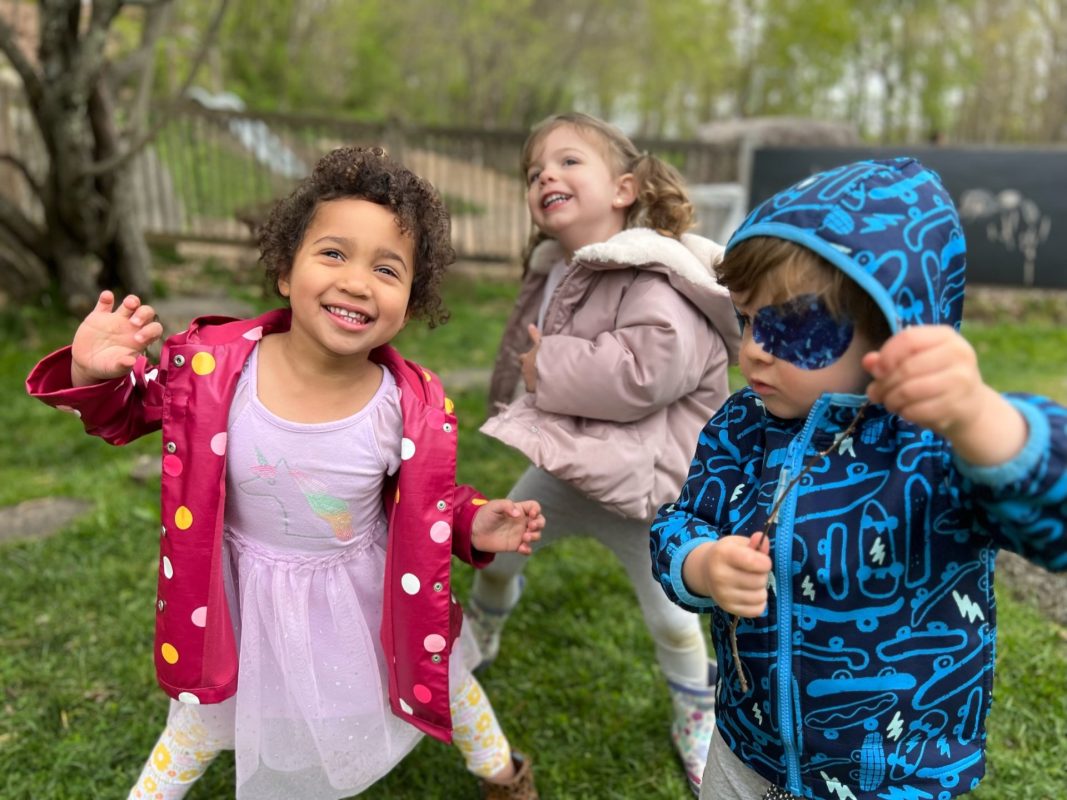
Snow days are a gift. I hope you enjoyed yours with your family on Tuesday. On Wednesday, the temperature was warm enough for us to spend significant time enjoying the snow. The children found their own ways to play in the snow. Some rolled down the hill, while others threw small snowballs at each other. Some used trucks, buckets, and snow shovels. Then we did some old-school sledding using lunch trays as a sled. They were the perfect size for our toddler friends. There was so much joy and laughter!

This month the children will focus on colors and St. Patrick’s day. The children helped pack our February materials and replace the lessons with rainbow, green, and shamrock items.

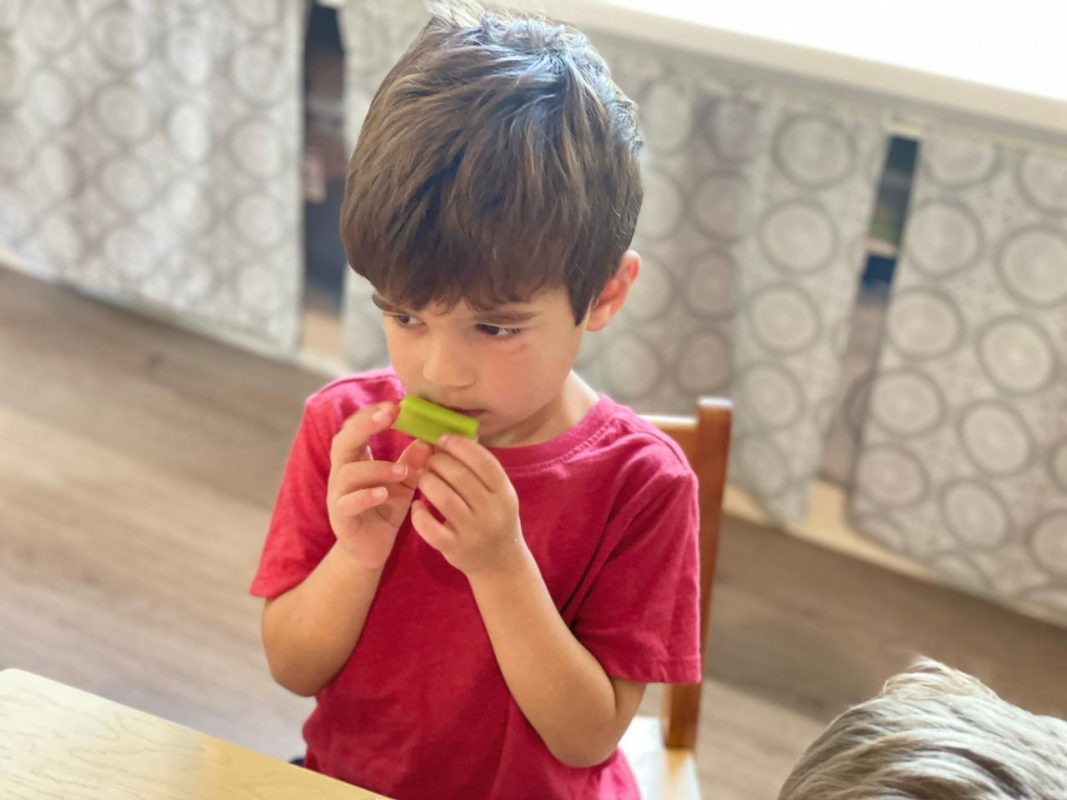
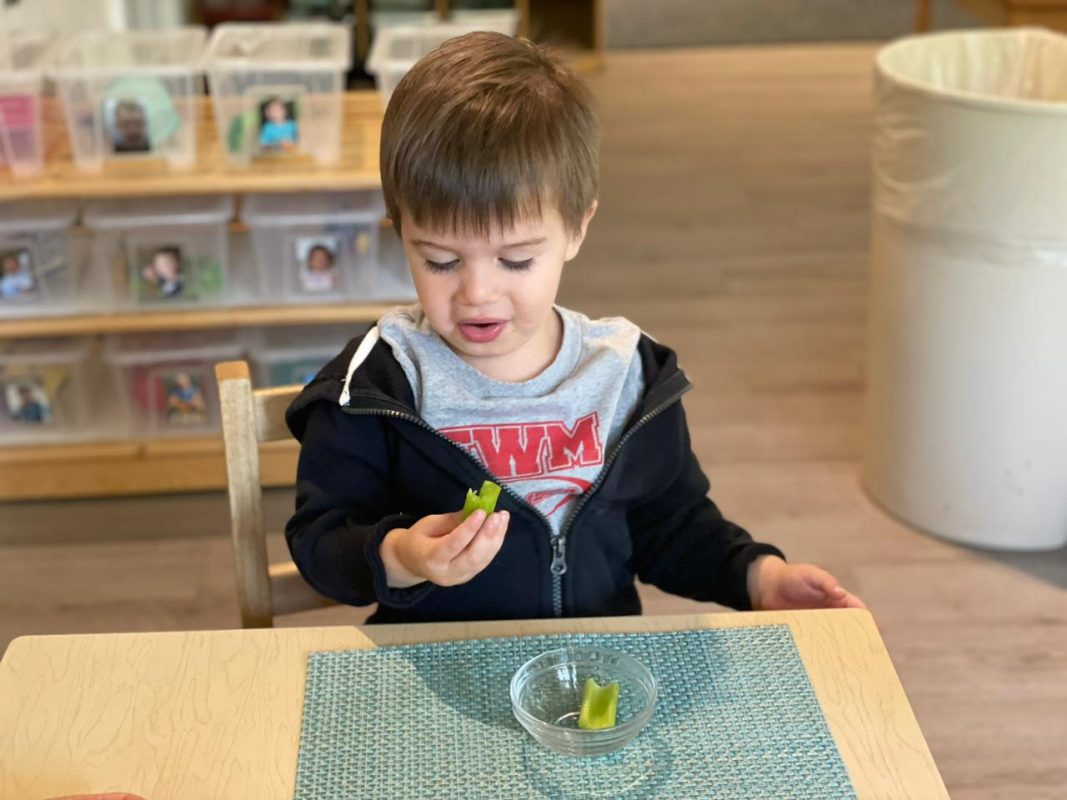
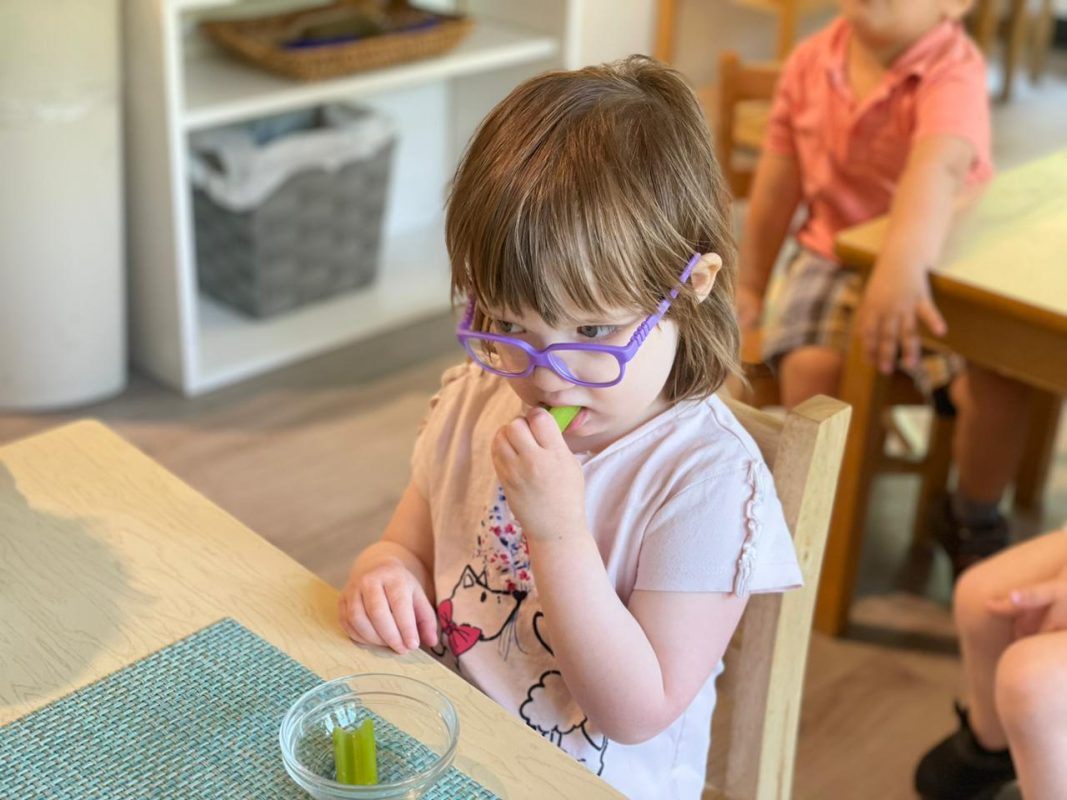
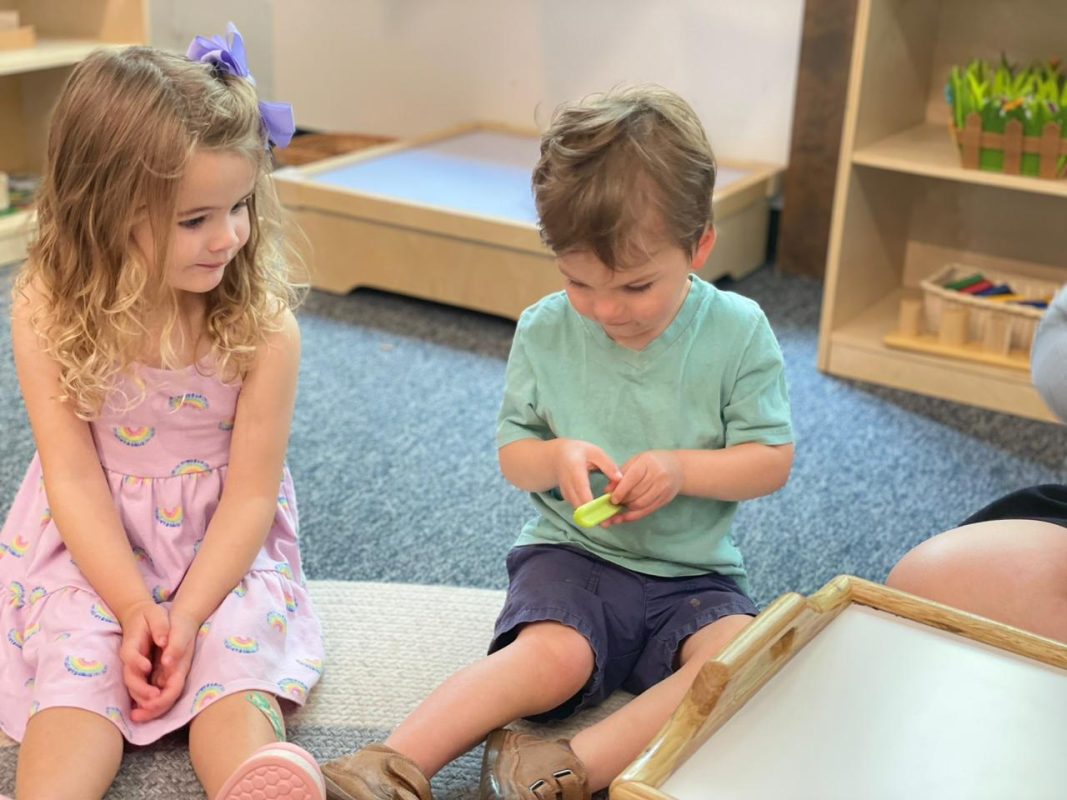
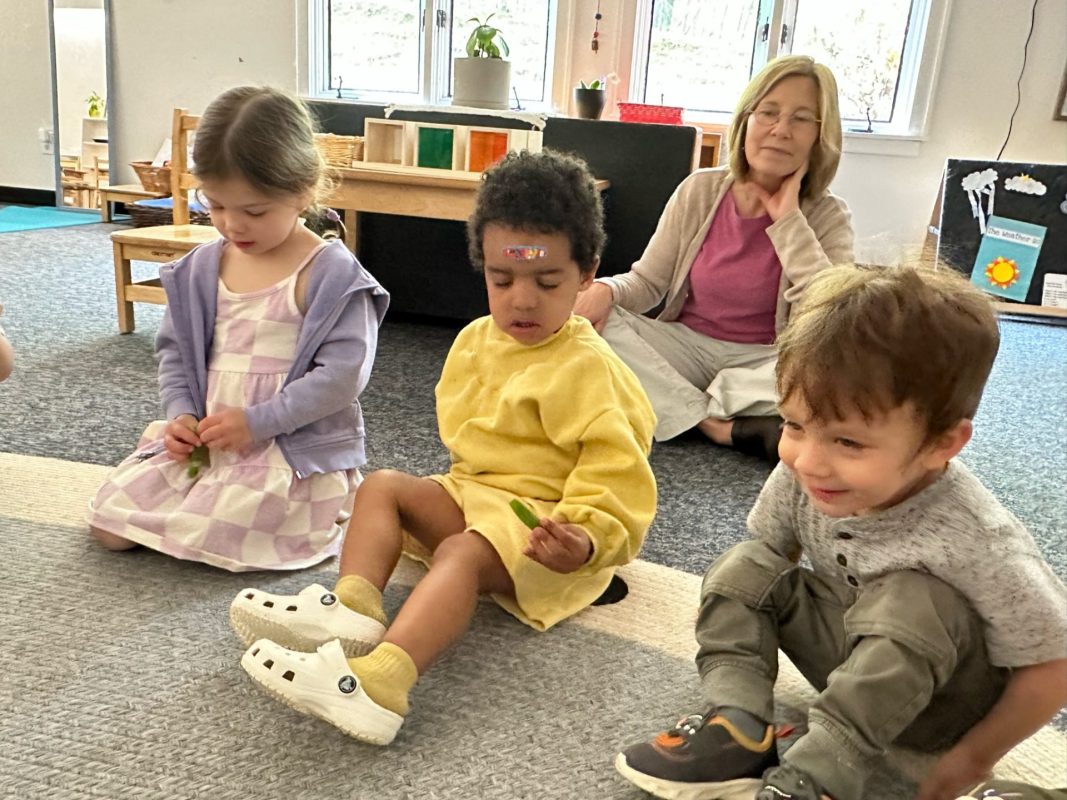
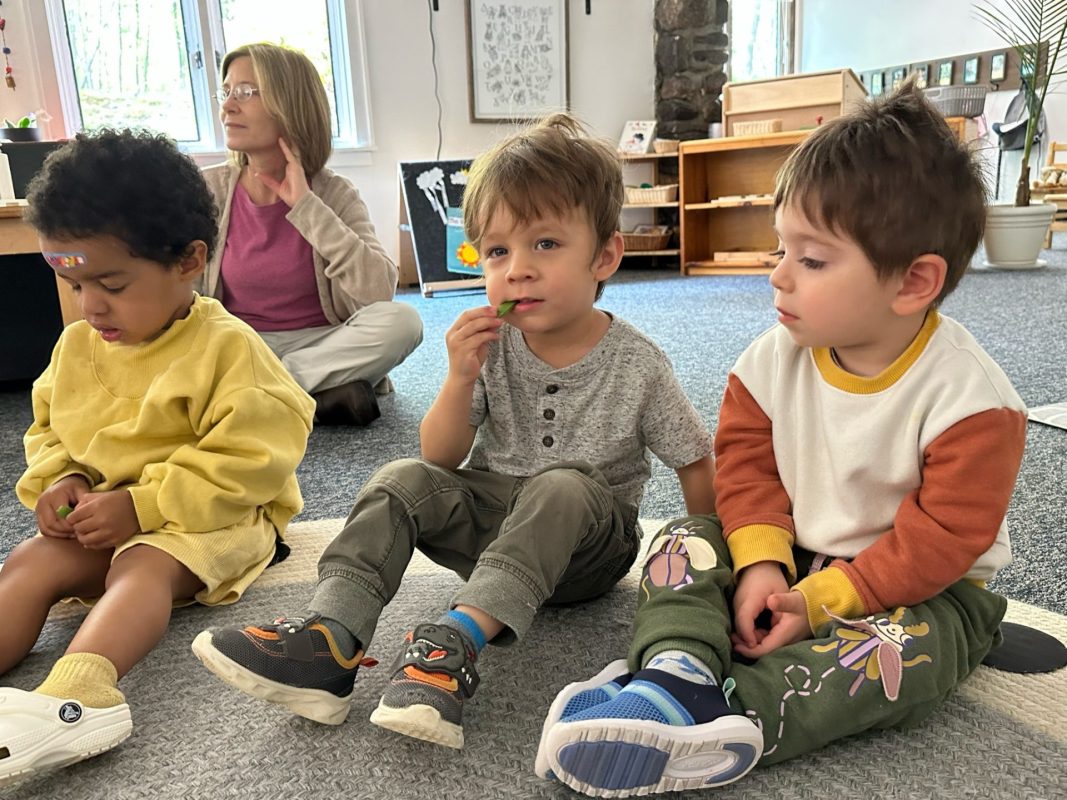
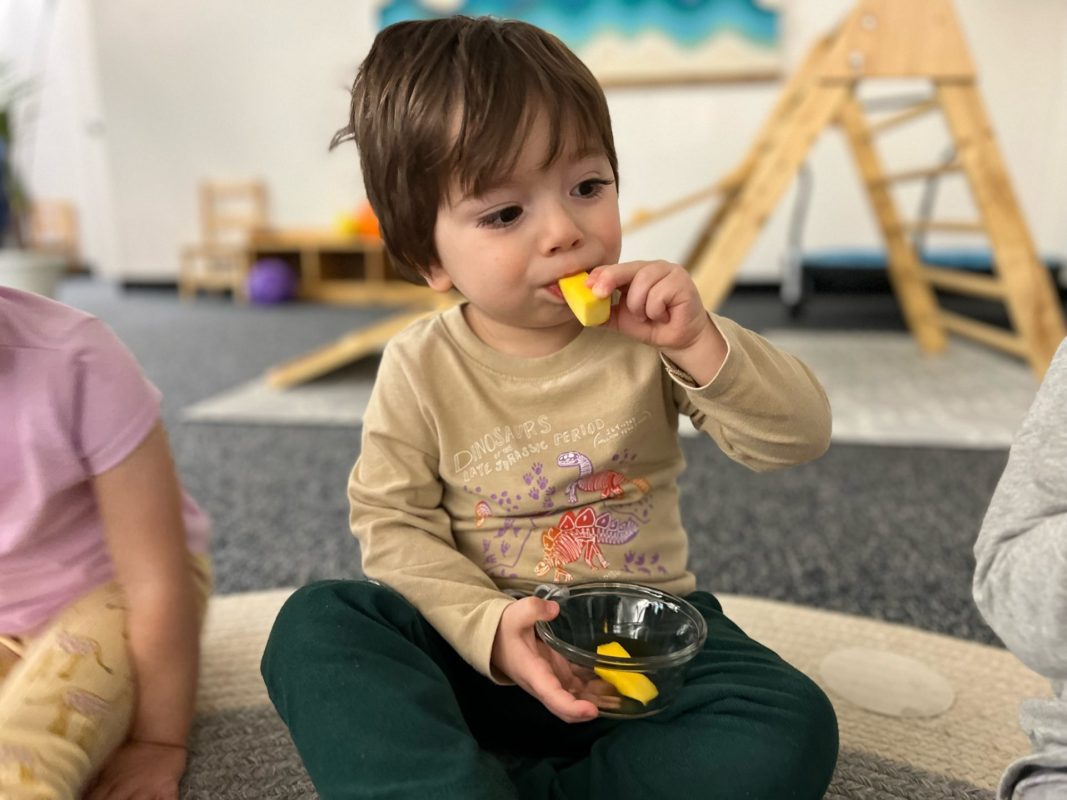
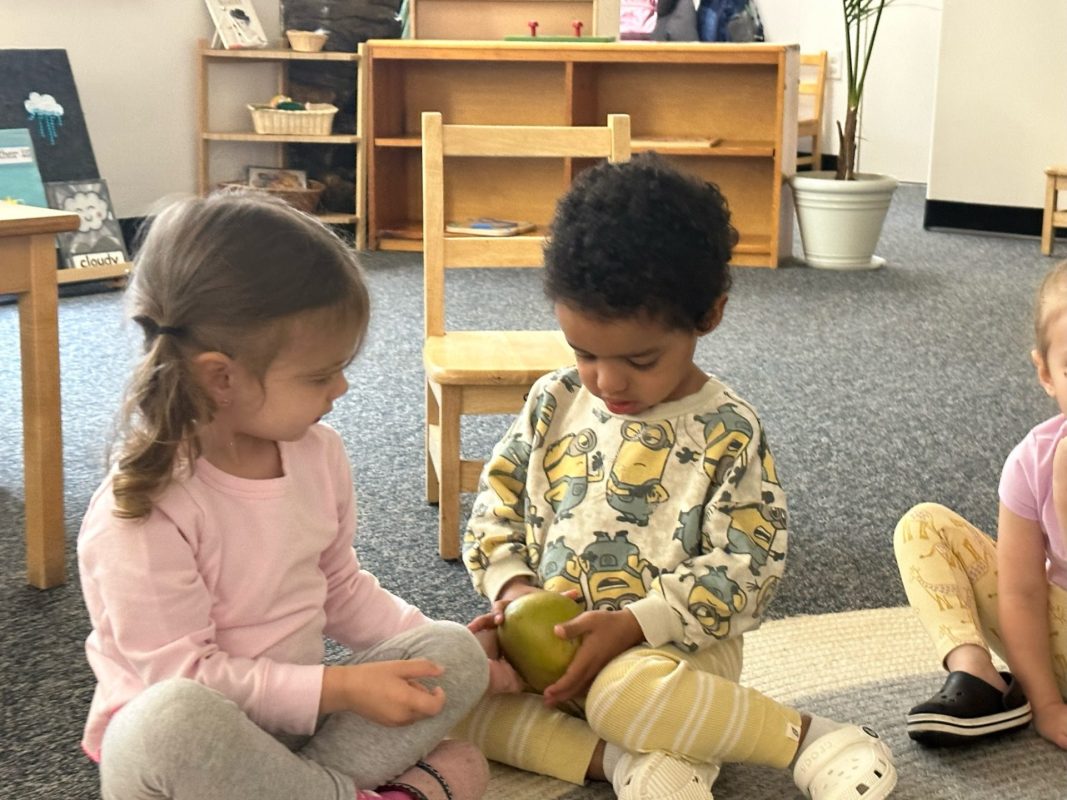
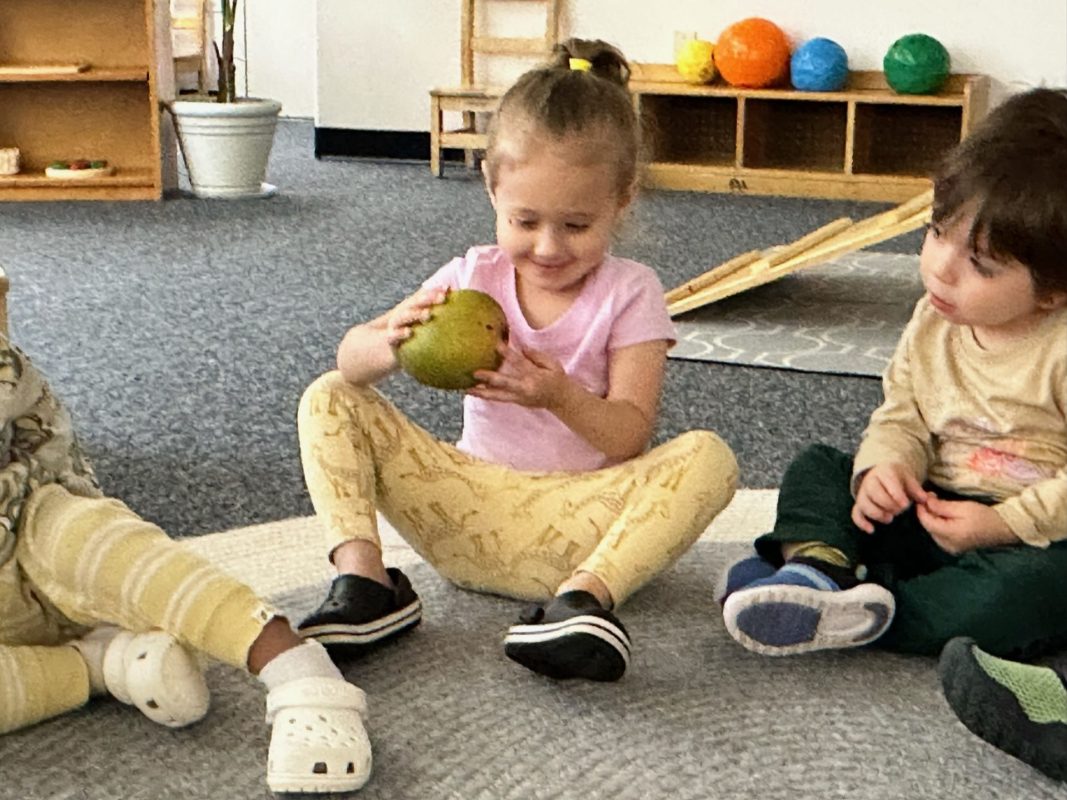
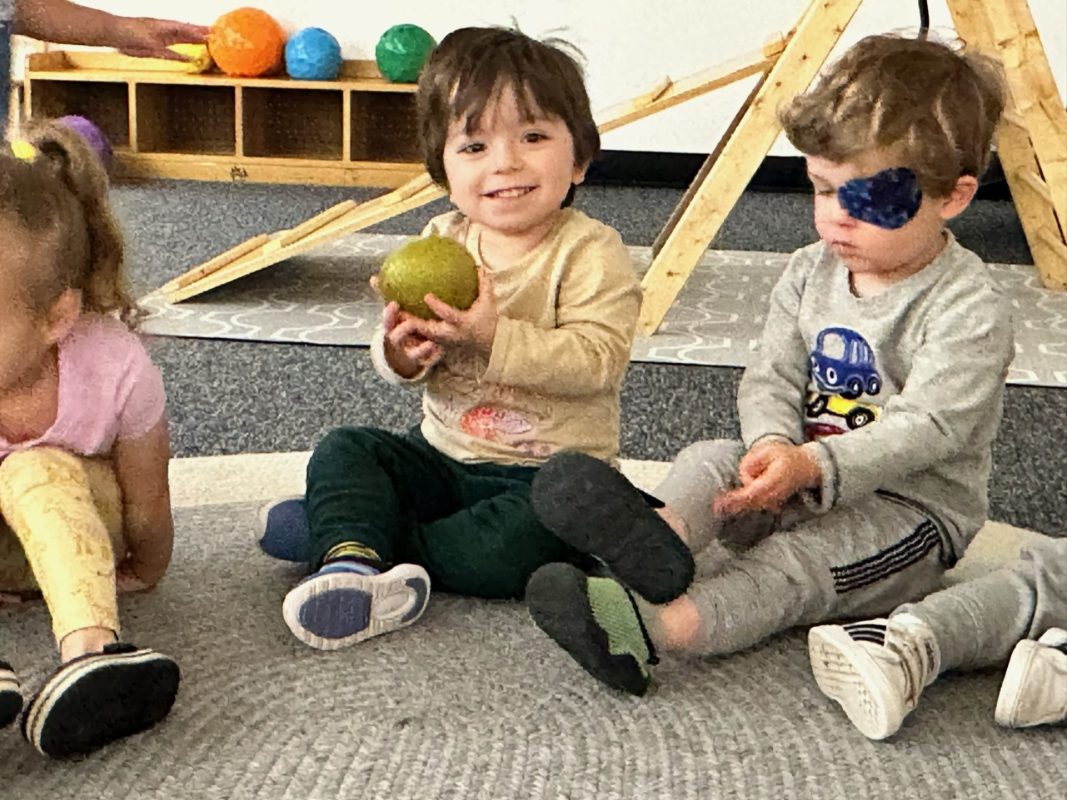
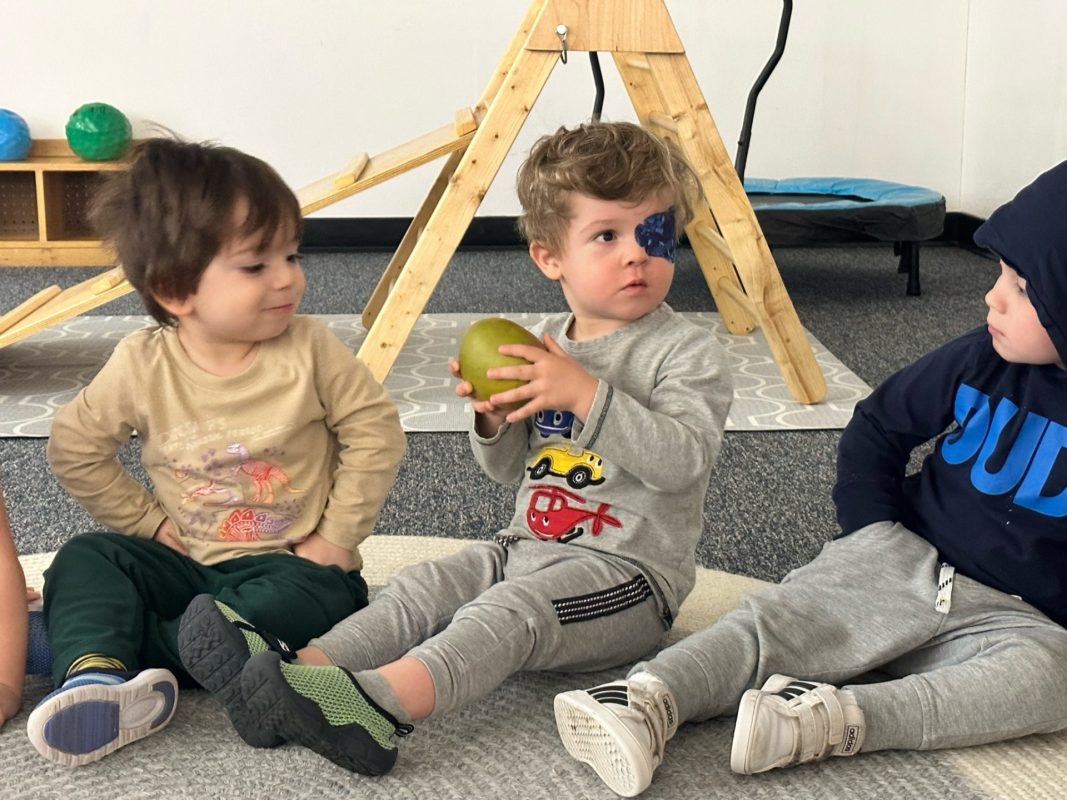
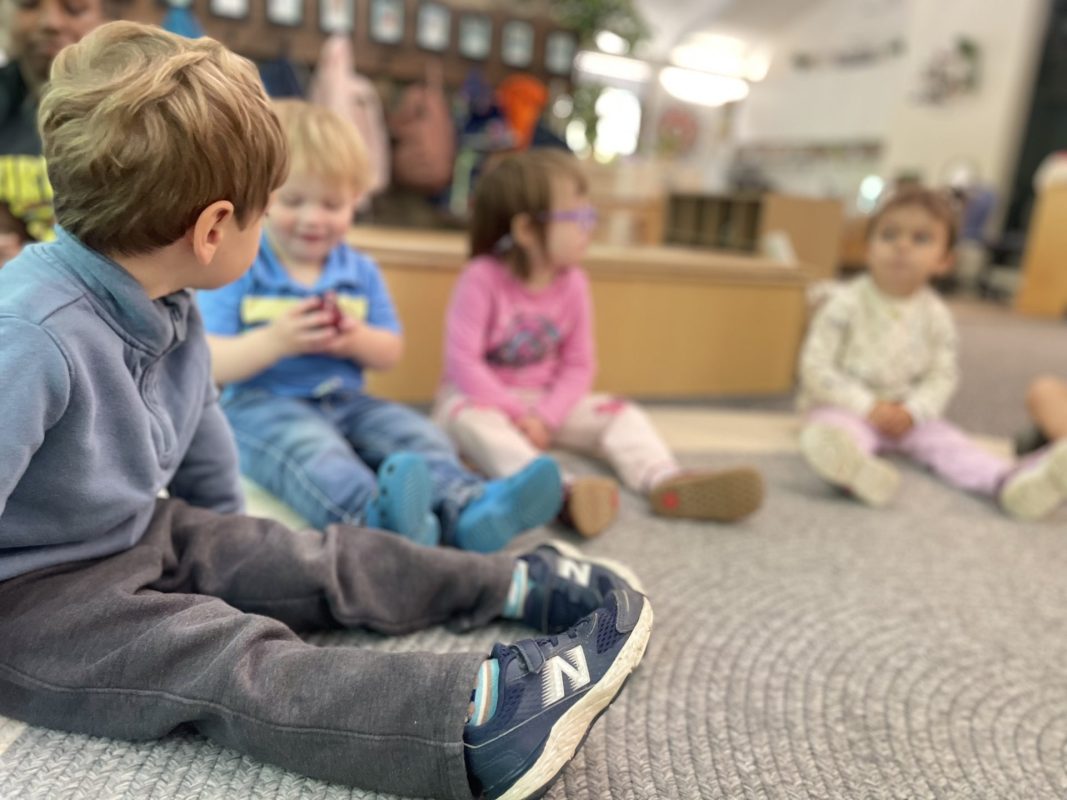
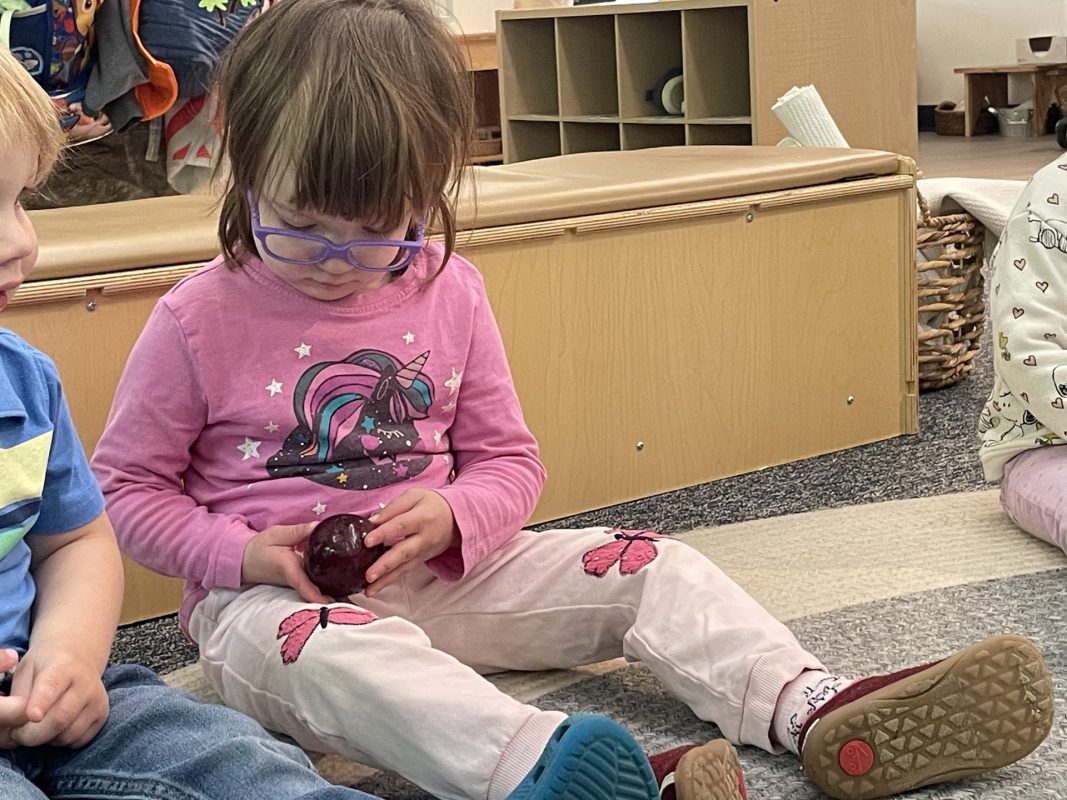
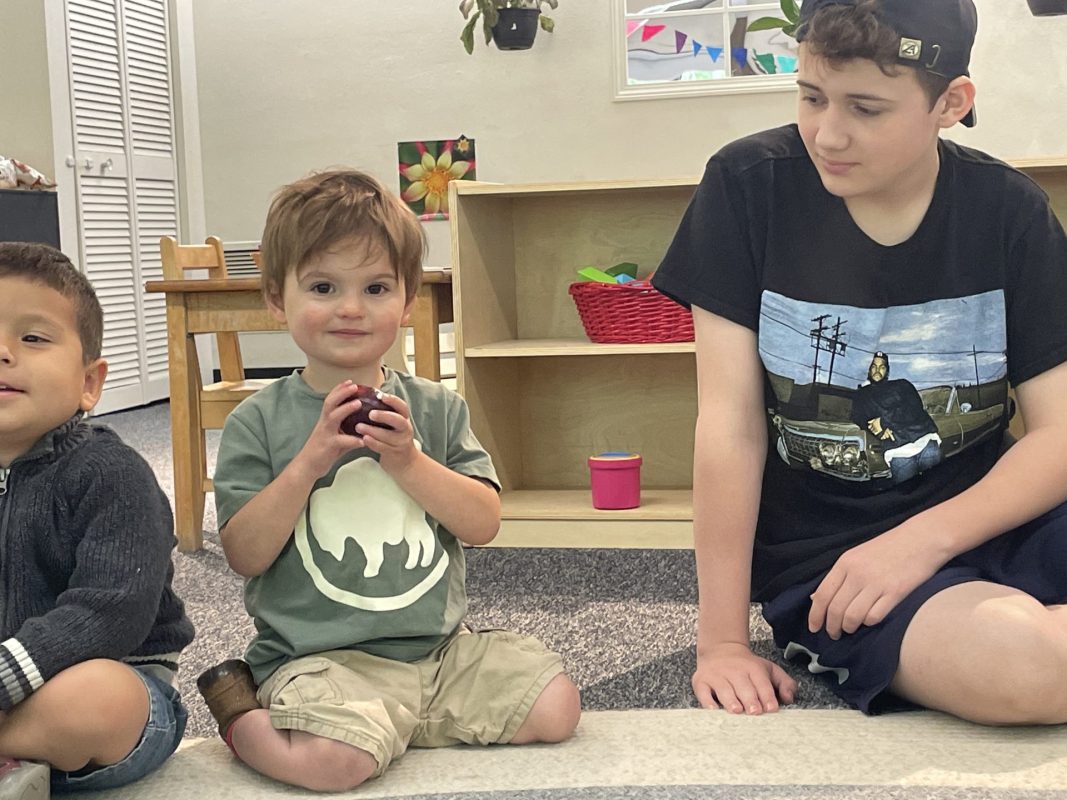
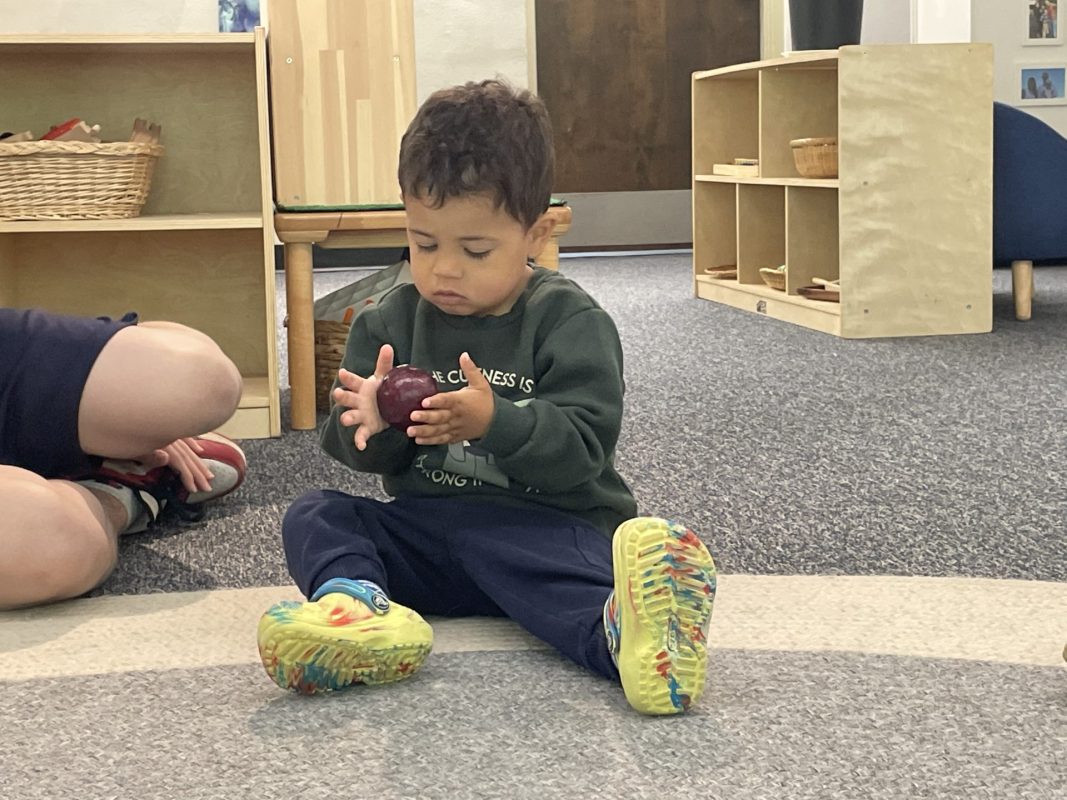
Food Tasting this week was a rutabaga. This was my first time tasting rutabaga, and it was delicious. We passed the rutabaga around to feel how heavy it was. They all seem to enjoy the roasted rutabaga.


Mrs. Wilson: Celebrating Each Other

Last week we celebrated our friendship and love for one another on Valentine’s Day. The children seemed to have fun making their own apple donuts with Kiana and Lisa. Then they passed out valentines cards to each of their friends. The children received a shiny red heart balloon from Ms. Sara and me, and we danced with them.

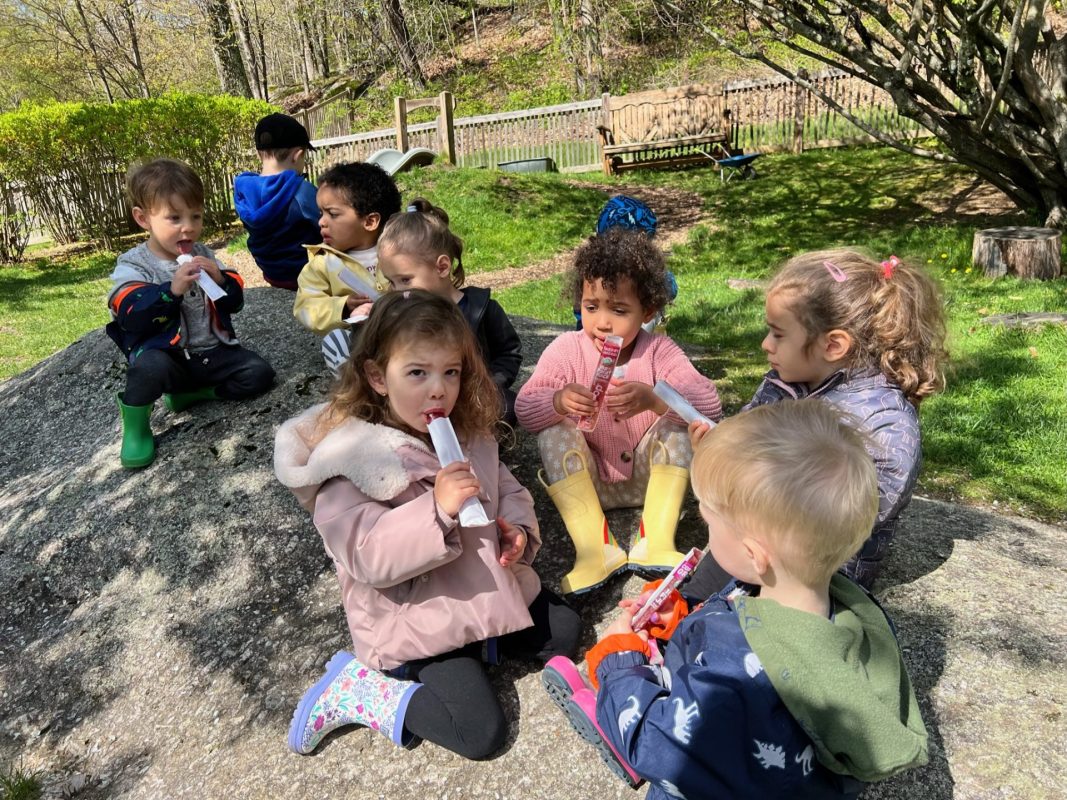
As some might know, I love learning about culture and the different ways we all celebrate. Cultural awareness helps children develop a sense of identity and cultural appreciation. This week the children participated in activities that symbolize Brazil’s biggest celebration Carnival. The children glued colorful pompoms and feathers onto an animal mask of their choice. They enjoyed a special treat of homemade ice cream using banana and strawberries on top with a tiny bit of sprinkles. Then we ended our celebration as we normally do with a fun dance party! They danced with colorful scarves to children’s Brazilian carnival music. Thank you to Vanessa and Erica for a fun experience!


Mrs. Hood: Emotional Intelligence

Human emotion. We are so very lucky to each experience such a wide-ranging set of feelings, but that experience can be quite the roller coaster, especially if you are a toddler.

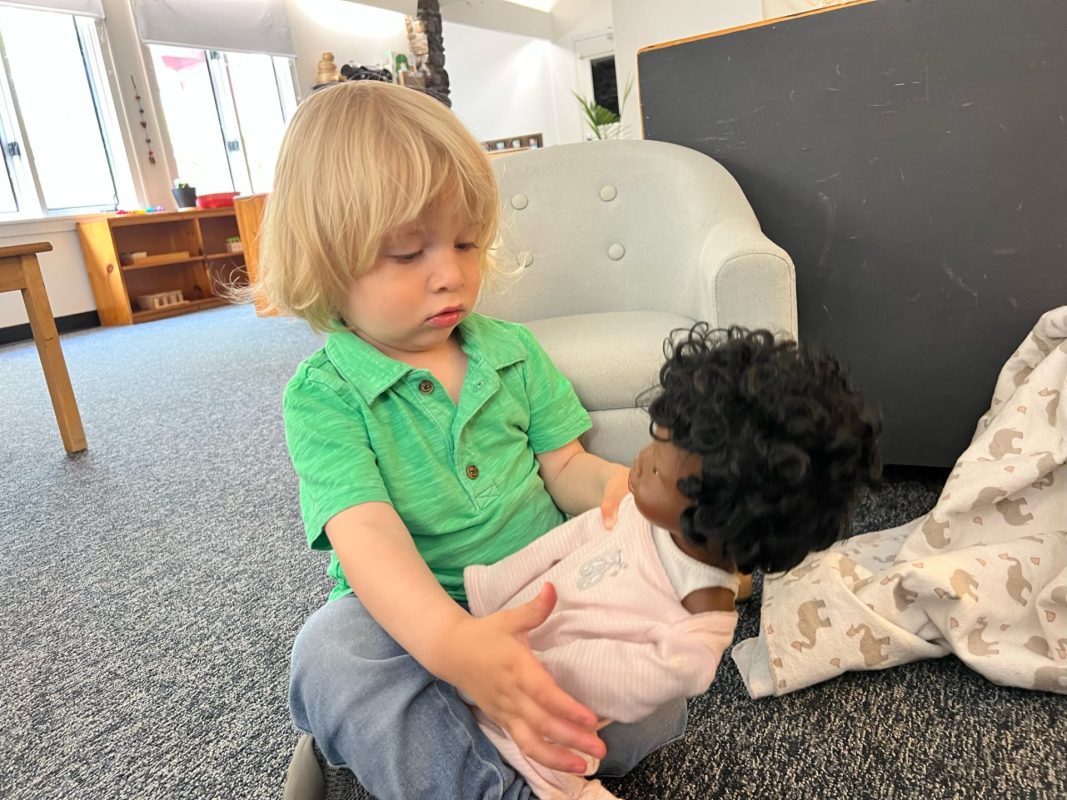
Supporting and teaching emotional intelligence to our students is one of our main goals in our toddler class. First, we do so by teaching the toddlers to identify and name emotions, their own emotions, and the emotions they see in others. It’s very important to teach children that there is a range of emotions and that ALL emotions are OK. Once children can name their emotions, they can better express themselves and feel heard and understood. We can then help the child develop techniques to manage emotion.

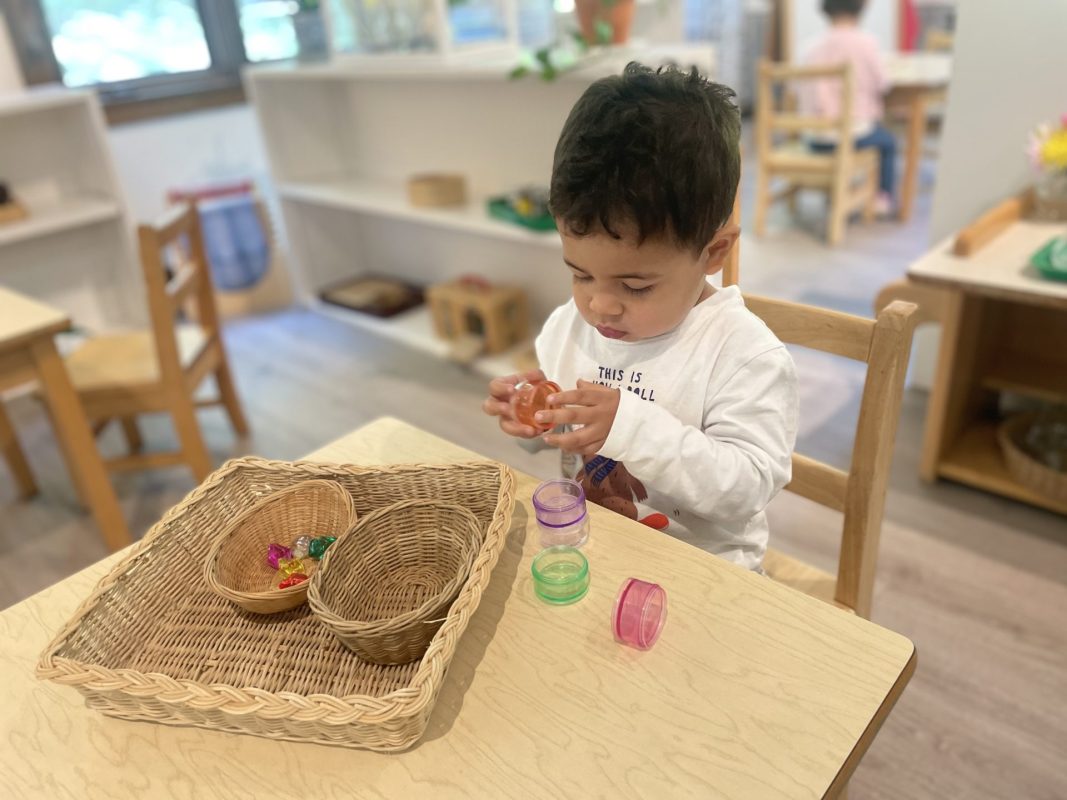
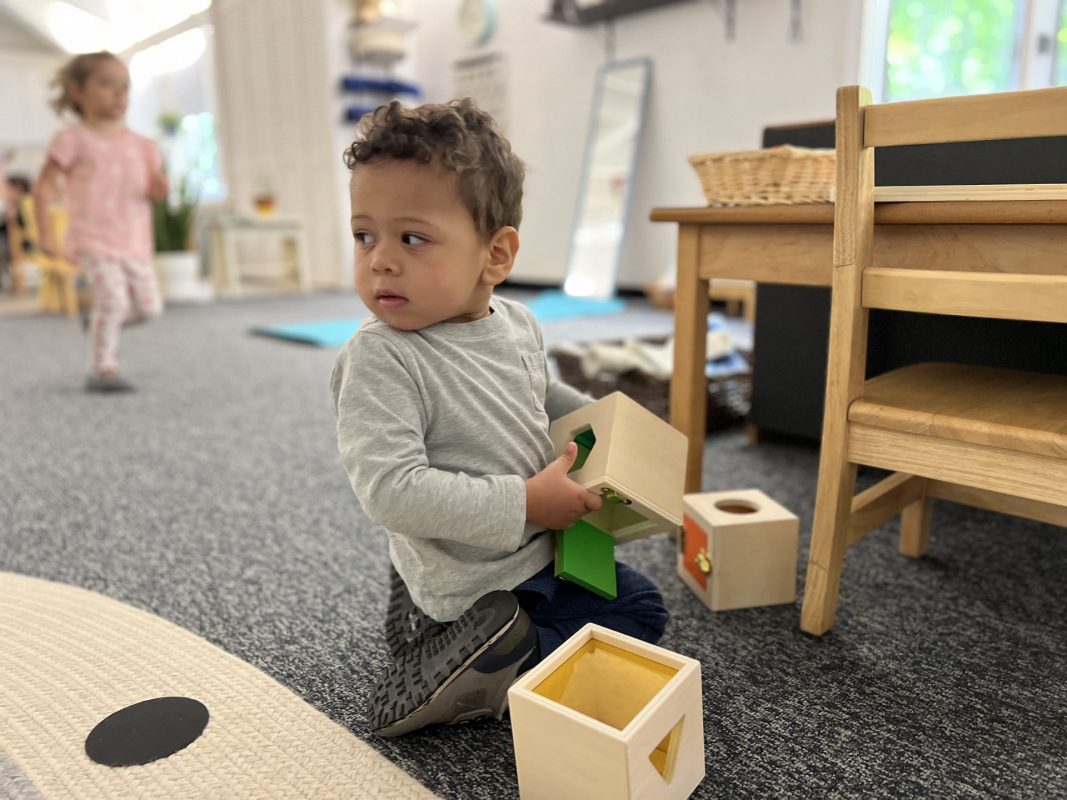
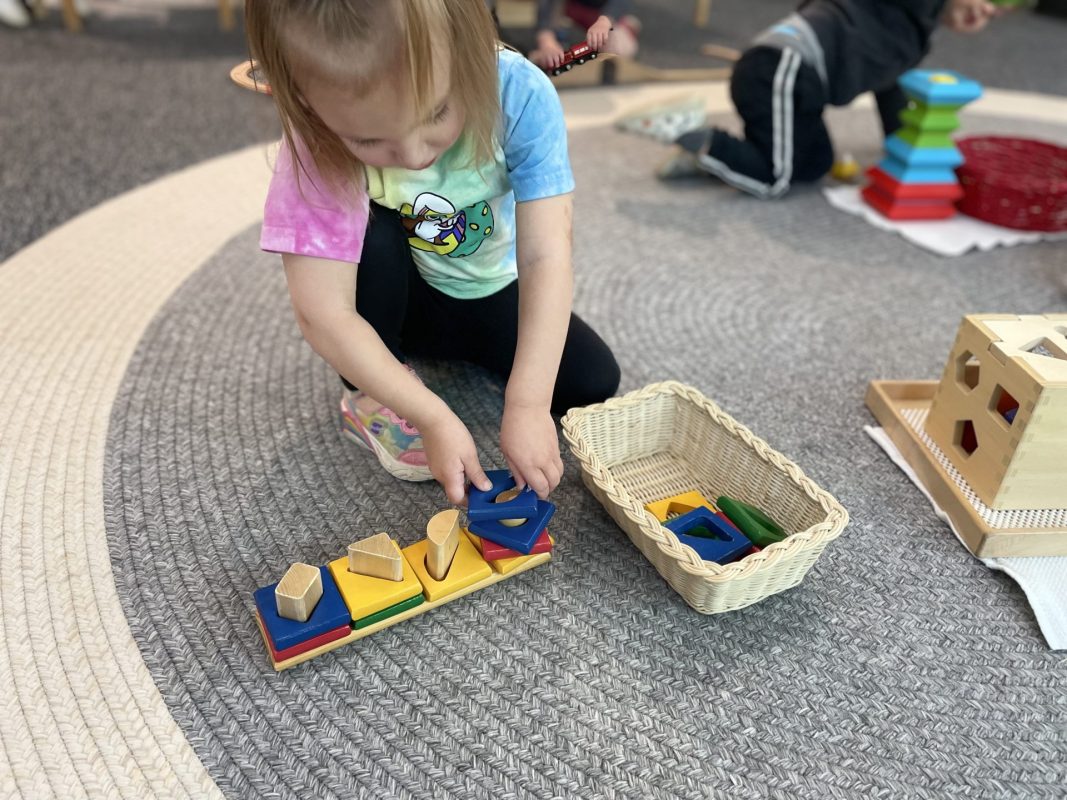
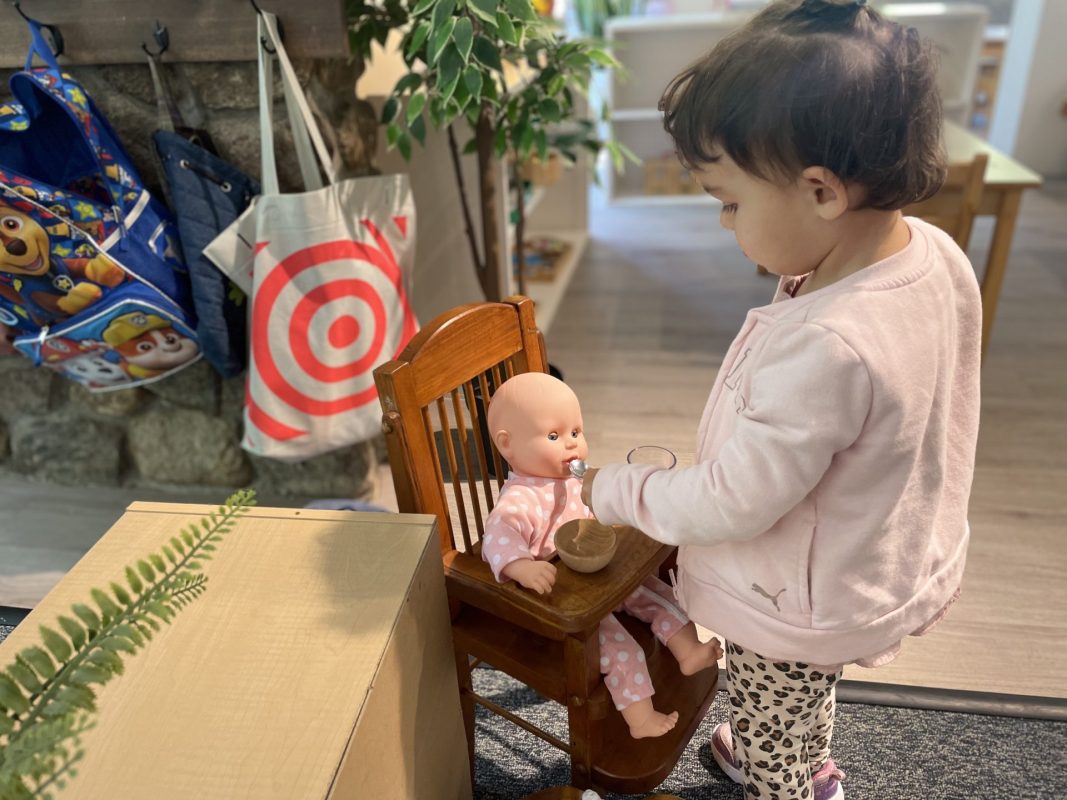
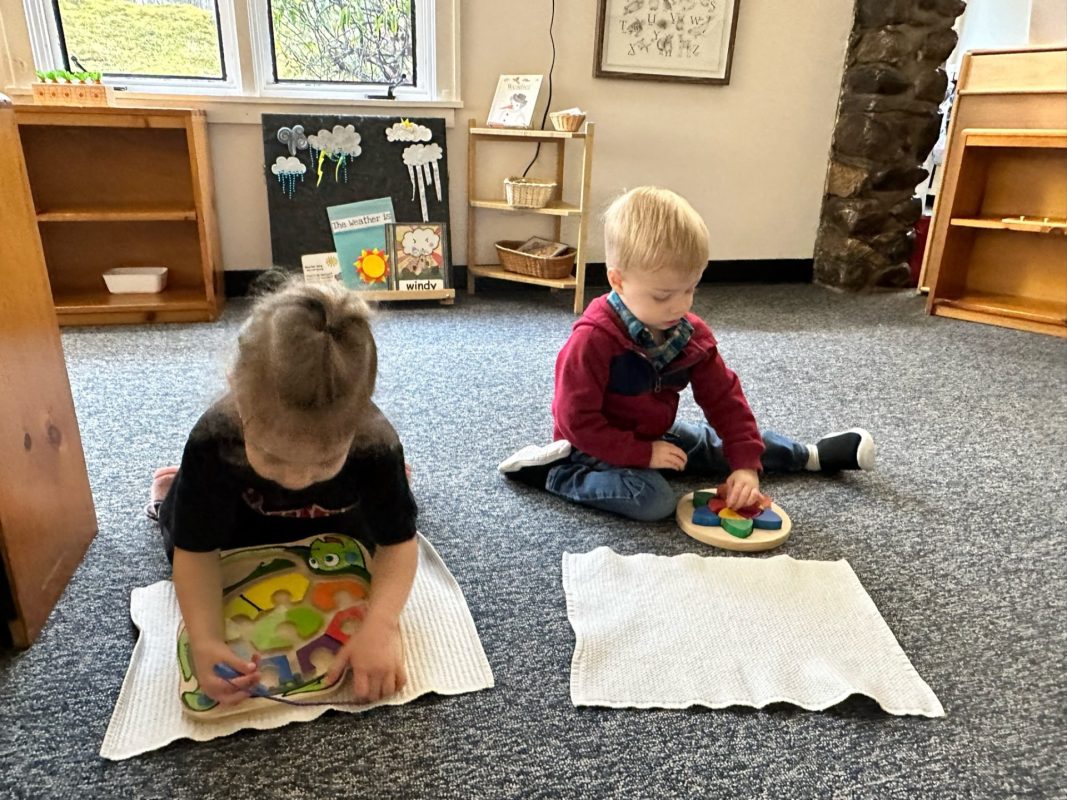
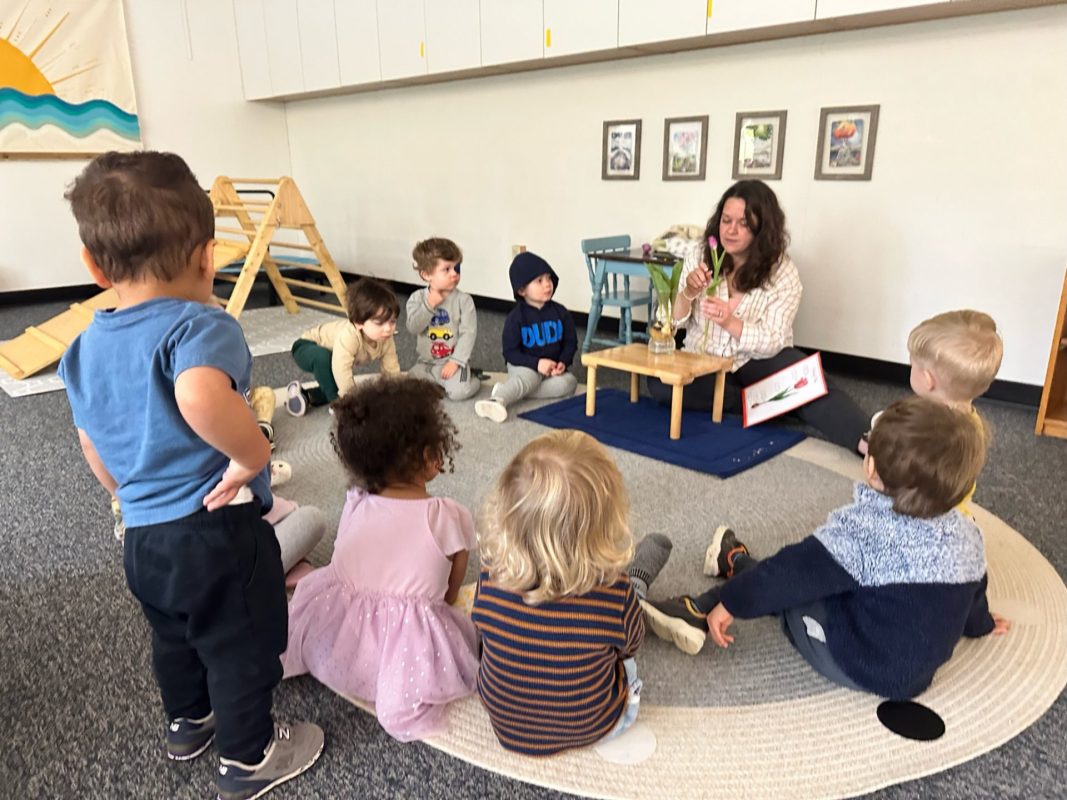
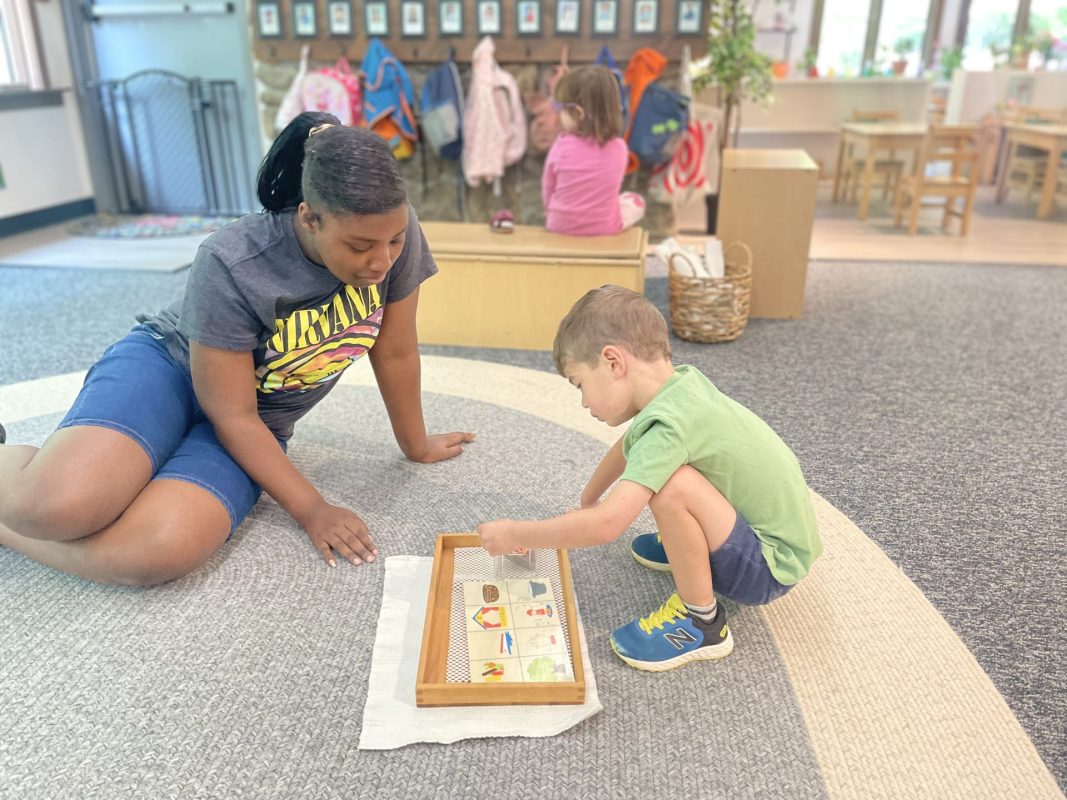
During the last two weeks, we have focused on talking about this in our environment. We use songs, group games, emotion cards, and beautiful books to practice the emotion names and what that emotion looks like. This week, children also had the opportunity to use the emotion cards as individual work using a table mirror. The children seem to love to observe the picture cards and copy the facial expressions in the mirror. With the older toddlers, we also use this work as an enrichment of vocabulary activity by establishing conversations with the child and wondering together what they think happened to the children in the picture. Why are they feeling that way? Oh! The stories they come up with are just so great!

Some of the emotions the children have been introduced to are: happy, sad, angry, silly, excited, scared, shy, and surprised. In the coming months, we will continue to add more to the list.

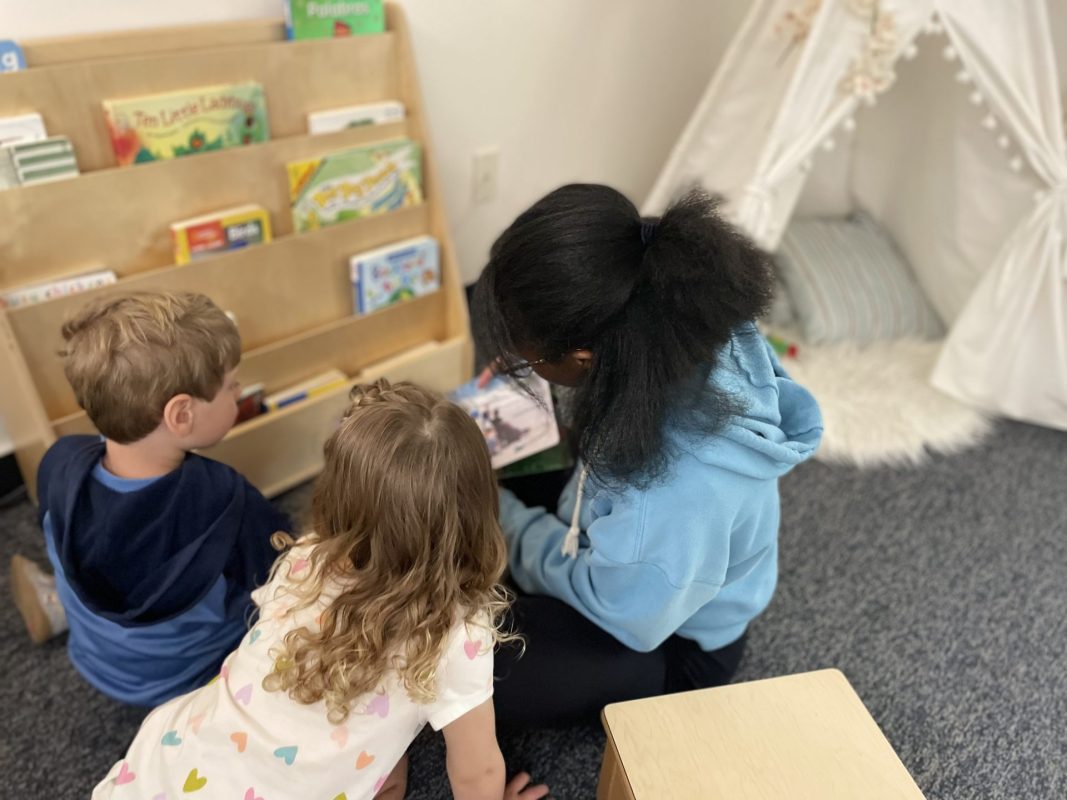
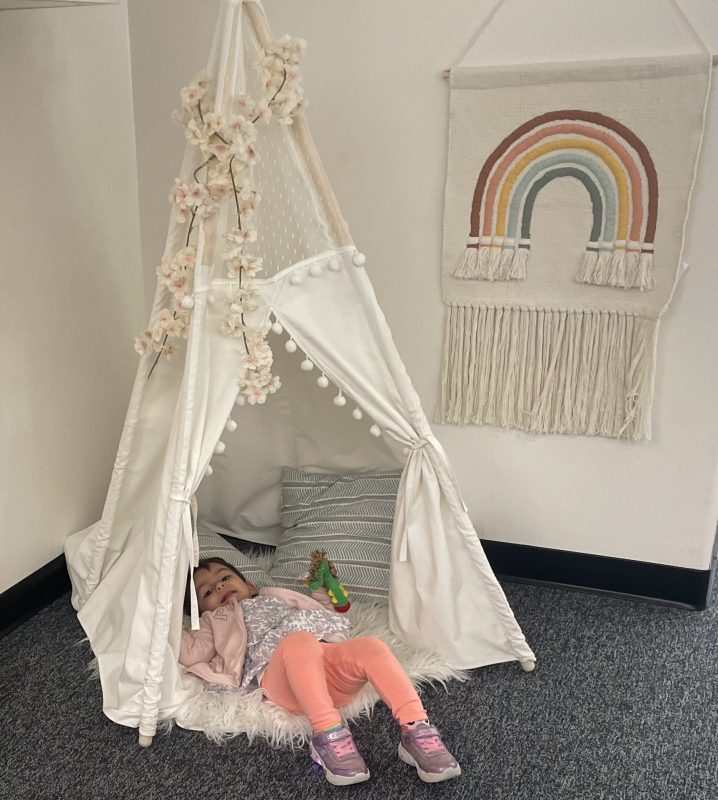
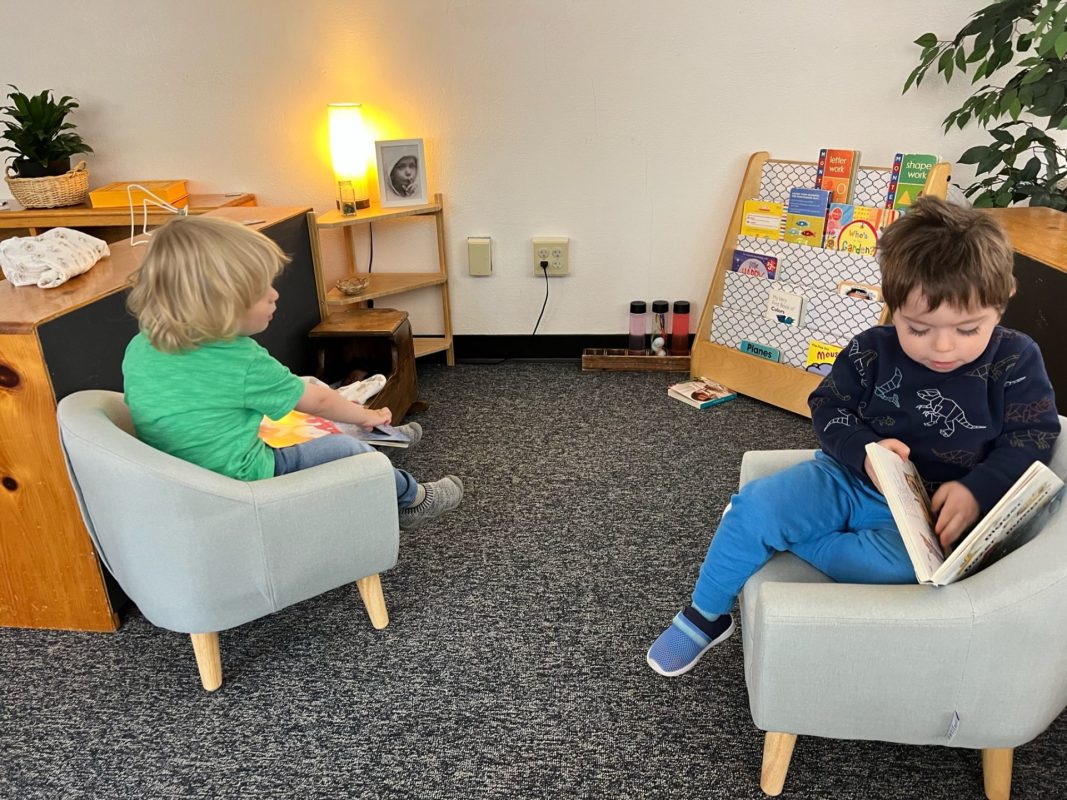
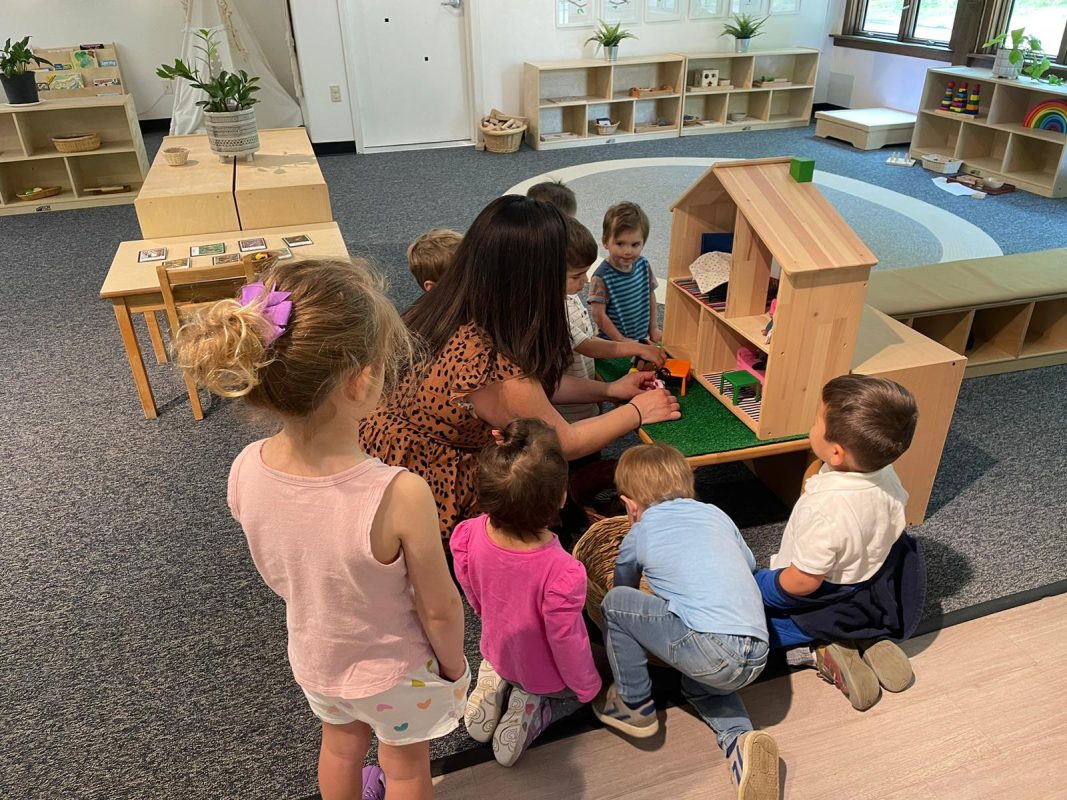
For some of you that are very interested in the books we read in the classroom, the favorite books this week have been: In My Heart by Jo Witek, The Feelings Book by Todd Parr, Feet Are Not For Kicking by Elizabeth Verdick, and especially another great book by this author called Calm Down Time. With the help of this book, children practiced the importance of breathing deeply when encountering difficult emotions. We practice by encouraging the toddlers to “Smell the flowers” (inhale) and “blow the bubbles” (exhale). We also encourage our students to use the teepee as our calm-down area to get some space and learn to regulate themselves. In this area children have a faux sheepskin rug, cushy pillows and often they will have a variety of calming items like sensory bottles or stretchy string fidgets to support this process.

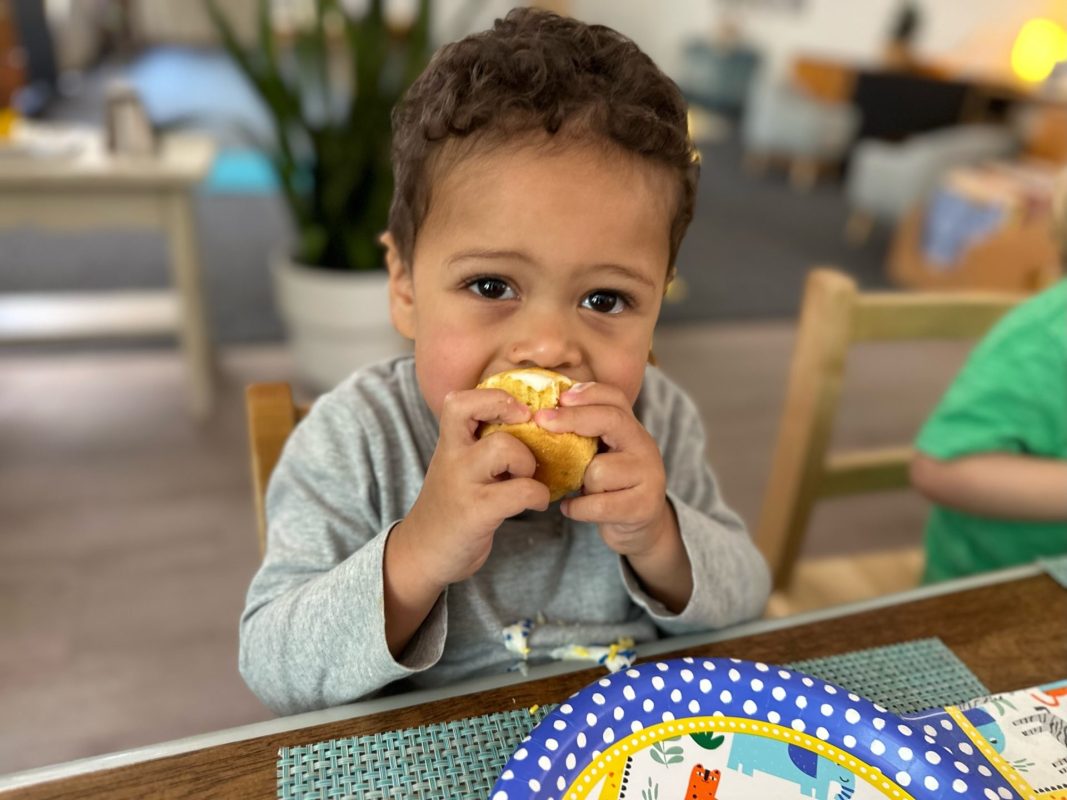
On another note, children had a blast celebrating friendship on Valentine’s day and they were so focused on perfecting their spreading skills while creating “donuts” using apple rings, sunflower butter, delicious sprinkles and chocolate chips! They also enjoyed sharing their valentine’s with their friends and having fun in an epic balloon dance party!

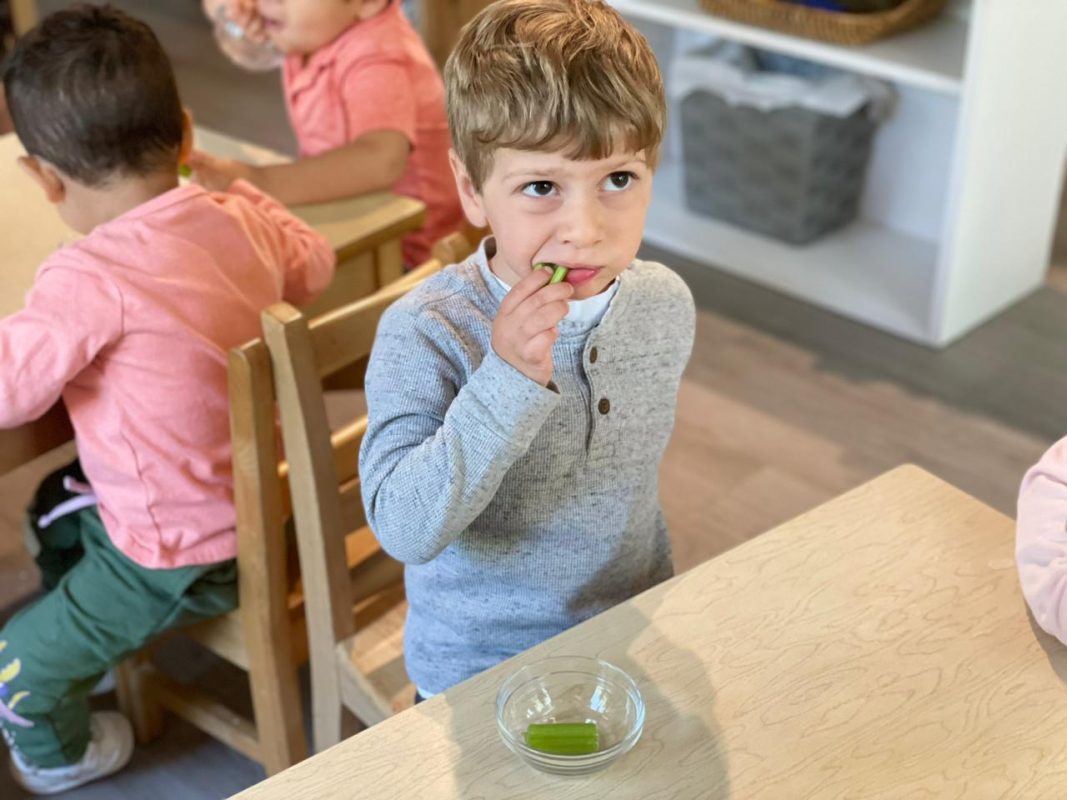
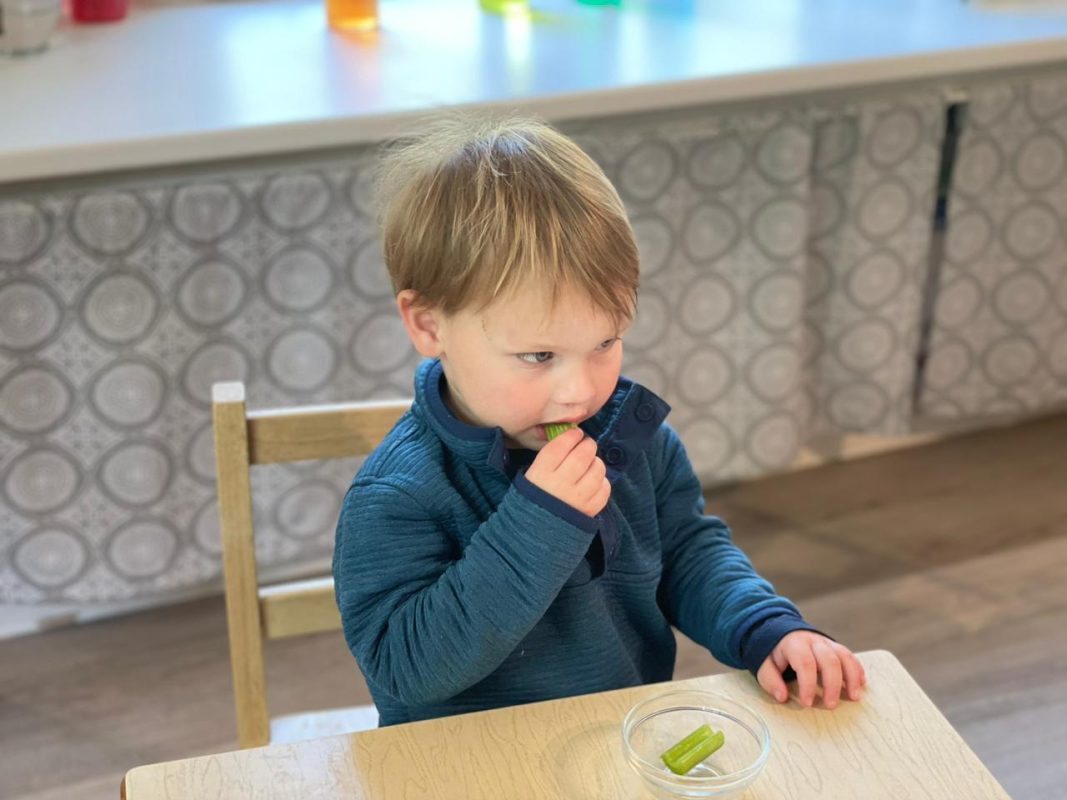
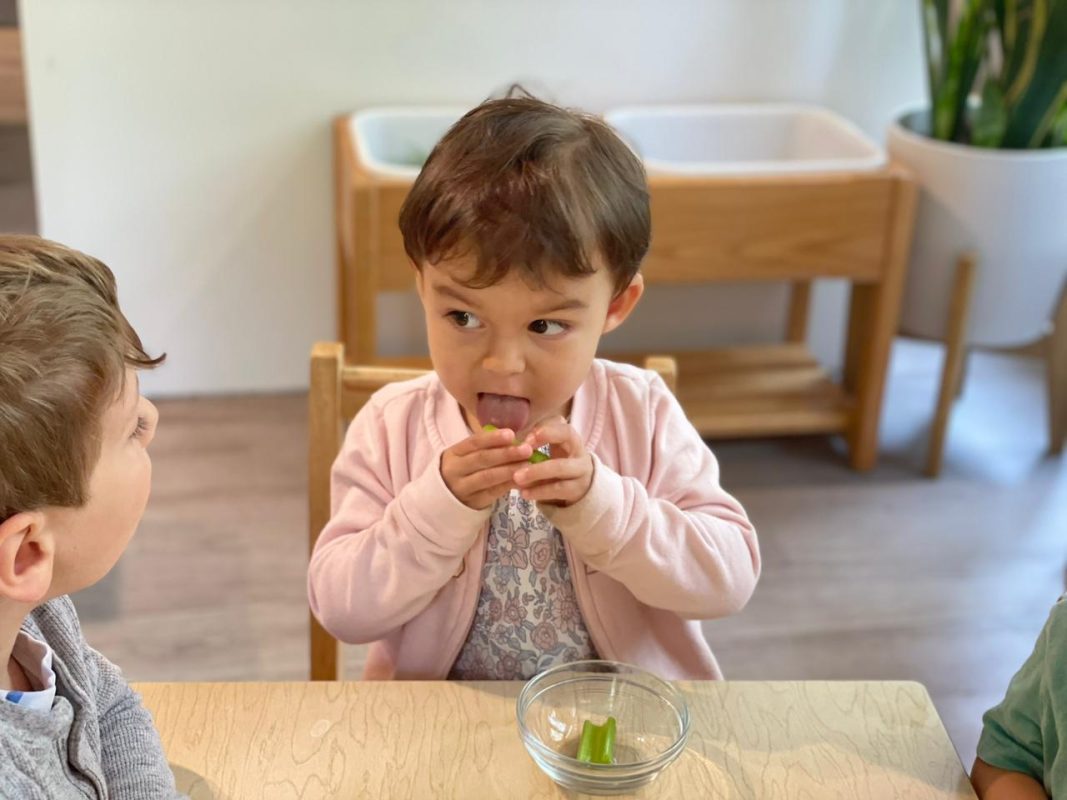
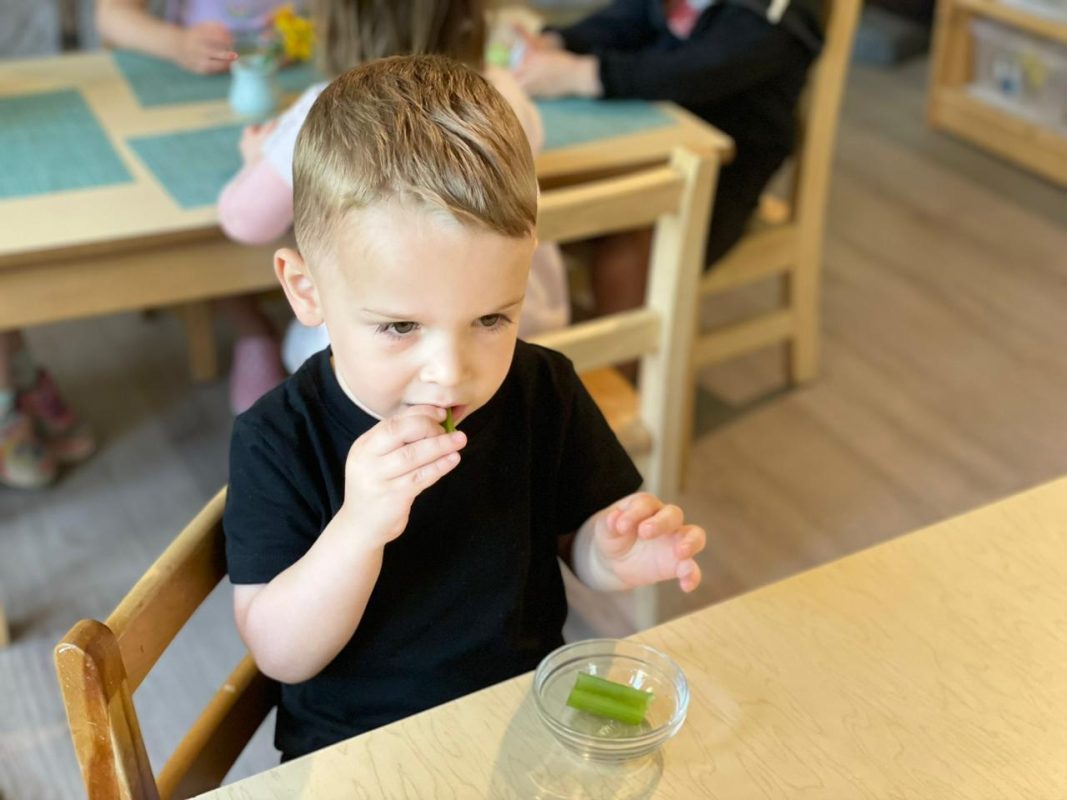
For food tasting we explored Cauliflower and it was a well received vegetable by most!

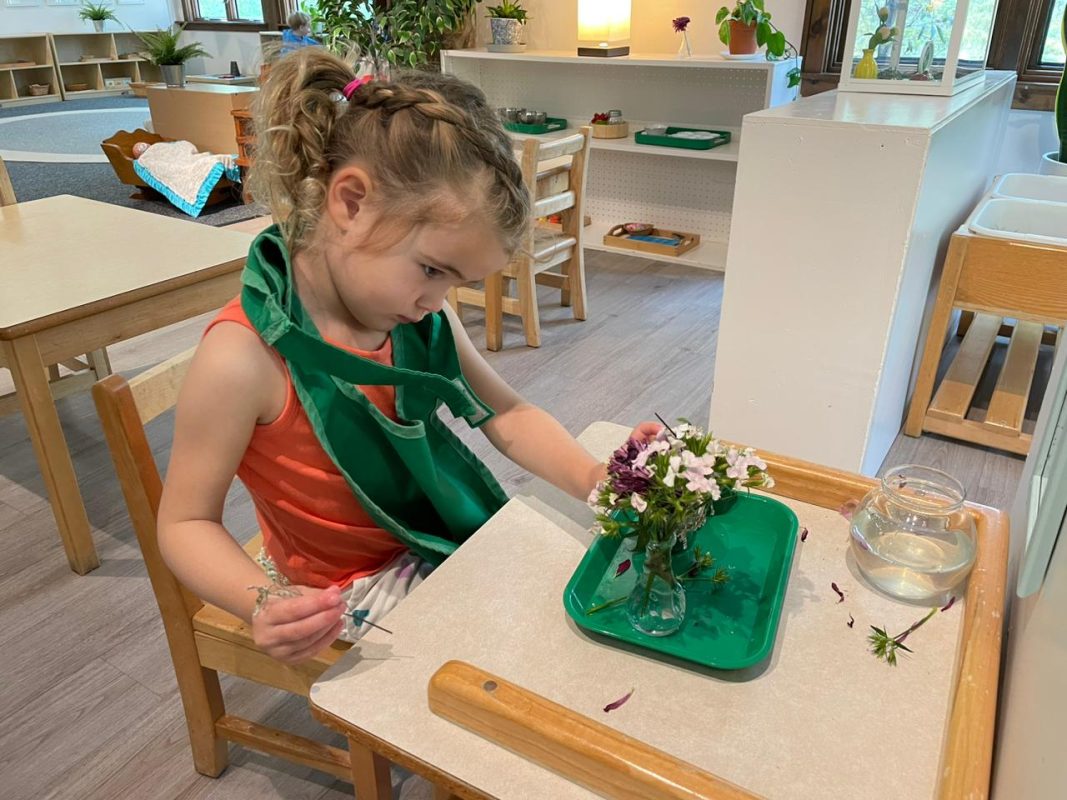
Enjoy the pics!

Mrs. Hood and Ms. Marissa


Mrs. Hood: Amigos!

“Of all things, love is the most potent.” – Maria Montessori

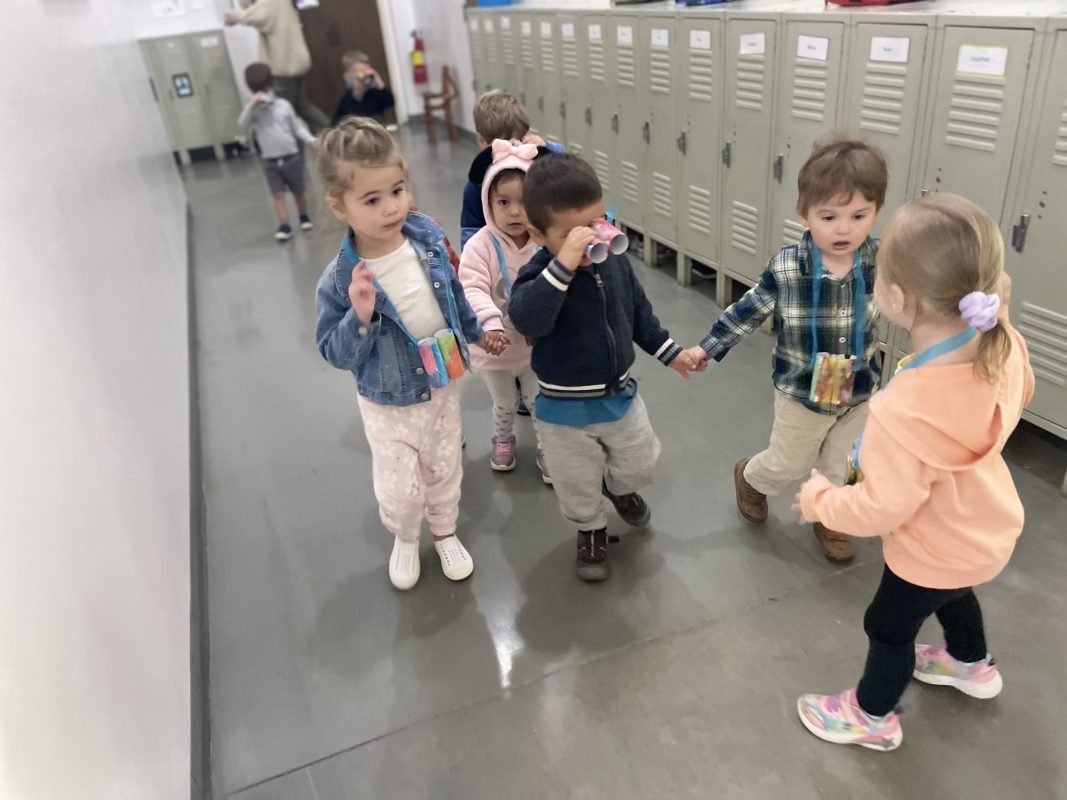
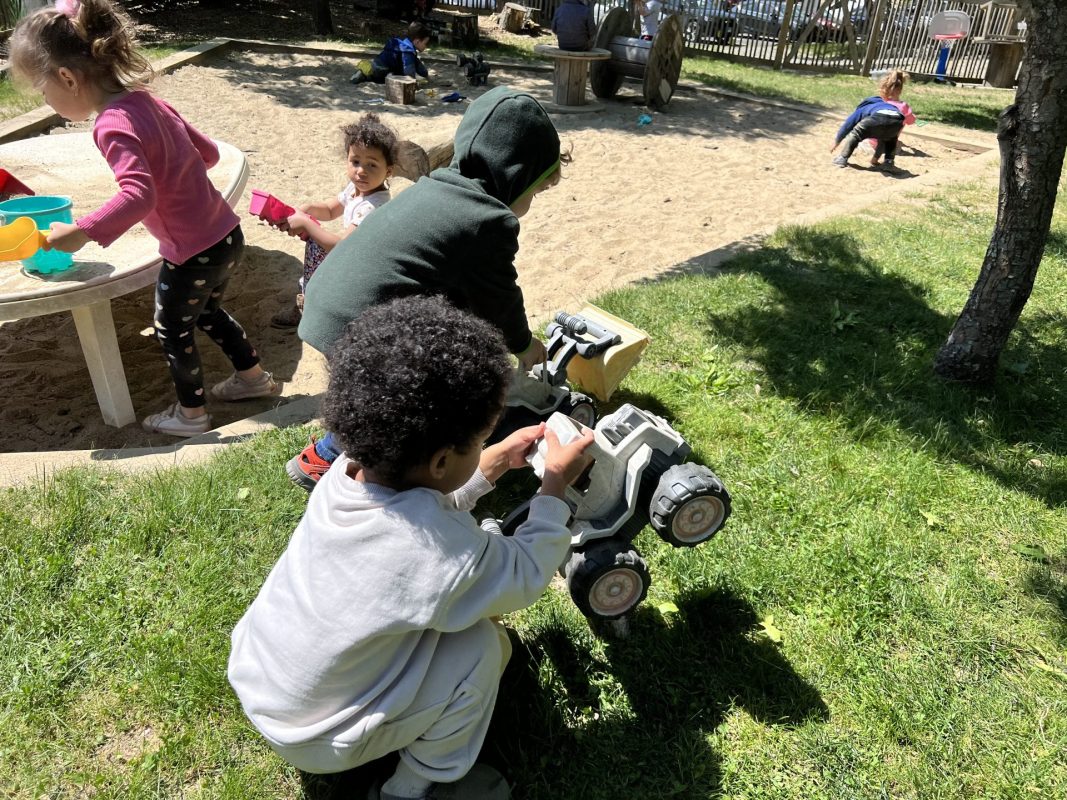
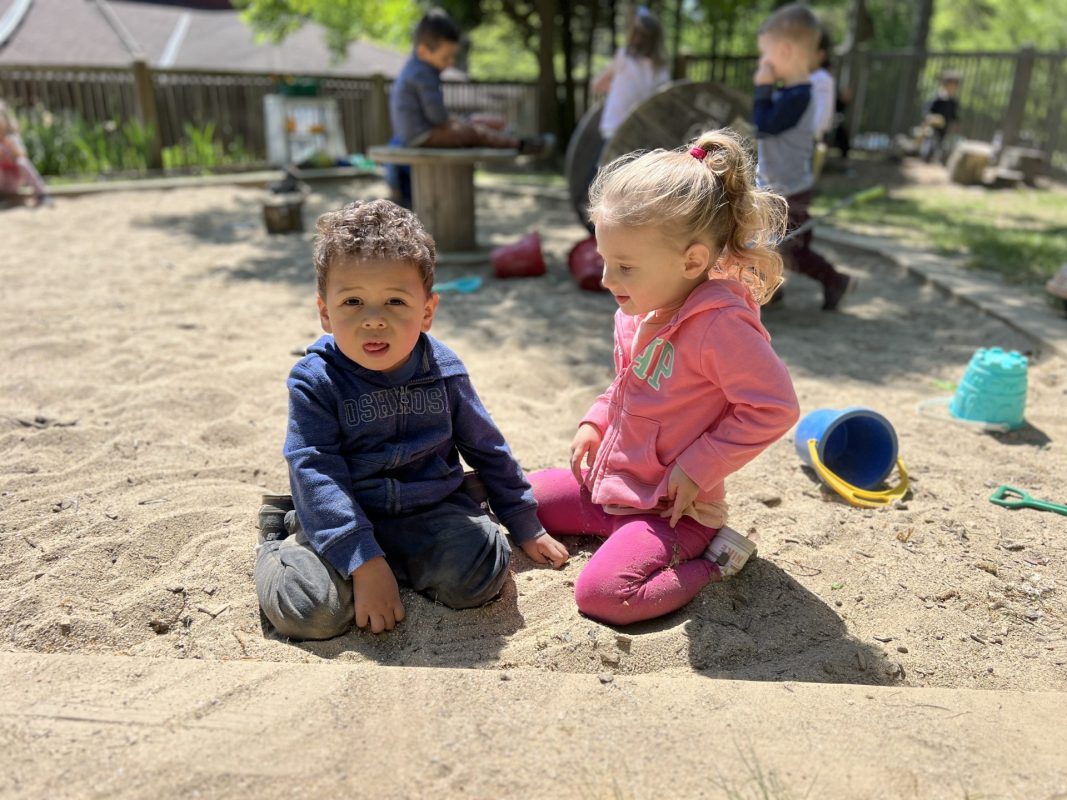
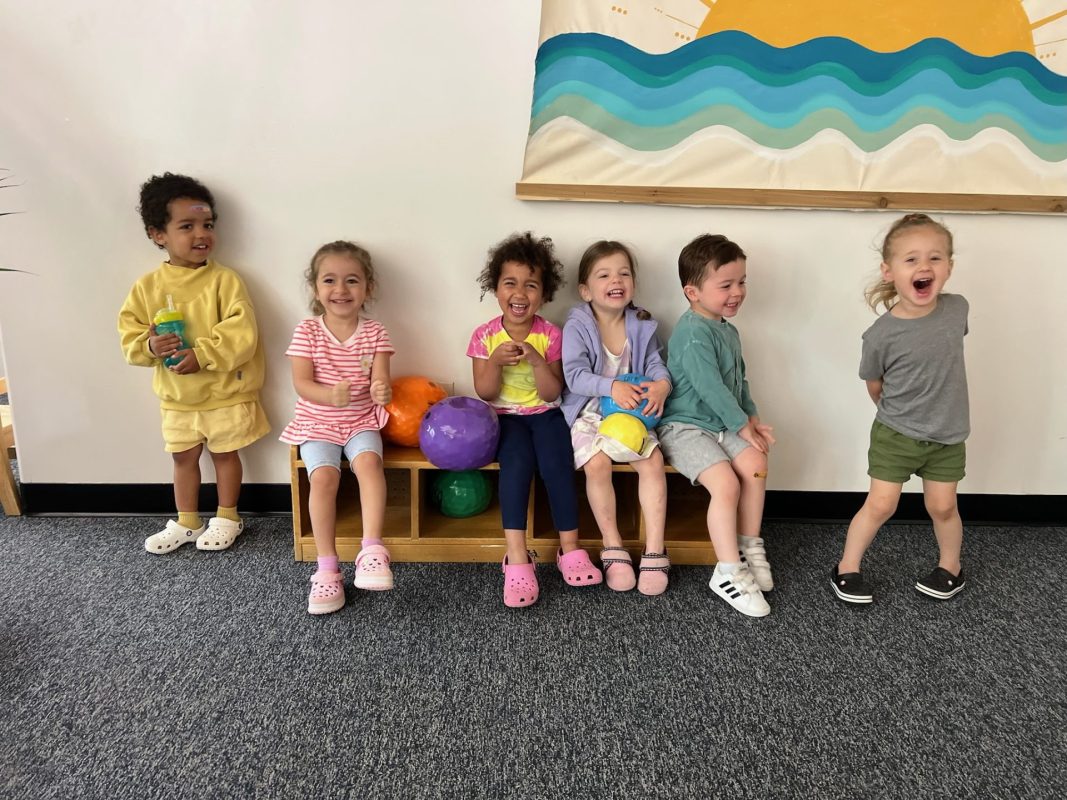
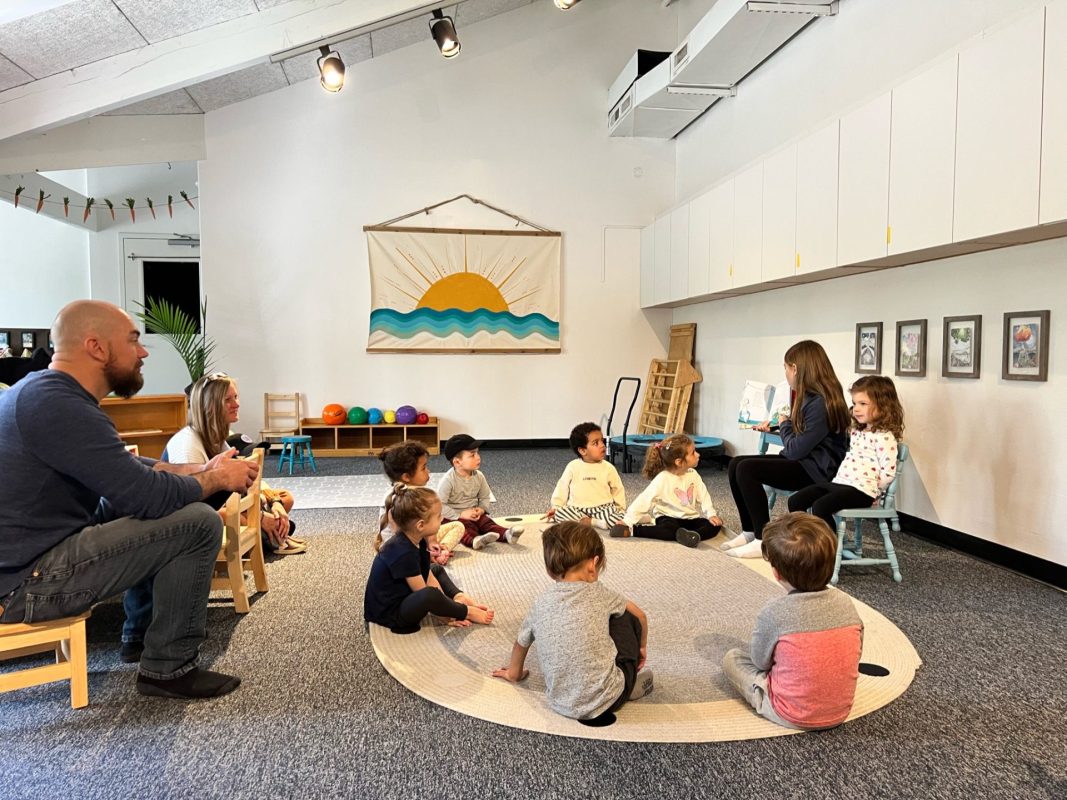
Humans have an innate desire to connect, to experience dynamic relationships with one another. At around 18 months, there are notable changes in cognitive skills that help real friendships blossom. The toddler becomes more consciously aware of themselves and others. Watching toddlers making friends for the first time is truly a delight! In our environment, children show excitement every morning when they see their amigos and love practicing their names. Younger toddlers, still working on their expressive language, like to point to their friends with big smiles and do a little dance of happiness. During circle time, children look to sit closer to their buddies. Daily, we count how many children are present in Spanish and always reflect on who is not in class. Children seem to enjoy eating snacks together, and they love walking while holding hands.

Grace and courtesy is one of the most critical areas in our Montessori curriculum. Grace is the outer expression of our inner selves as observed in body language and movements: facial expressions such as smiles, eye contact, tone of voice, inflection, body movements, and the actual words used to express ourselves. Courtesy is the manners given for human interaction. As we all know, neither grace nor courtesy are instinctive but acquired. This is why in our Toddler environment, we use constant, daily lessons in this area through intentional modeling rather than specific lessons presented, as children will encounter at our Primary levels. It’s truly amazing to observe how your children continue to grow in gentleness, respect for each other, care and expressions of kindness, etc.,  despite their young age. It’s SO wonderful!

On another note, based on the coming Valentine’s day, children have been exploring new works on the shelves and preparing for our Friendship Celebration! They worked this week on a little art project that will be added to their Valentine’s bags.

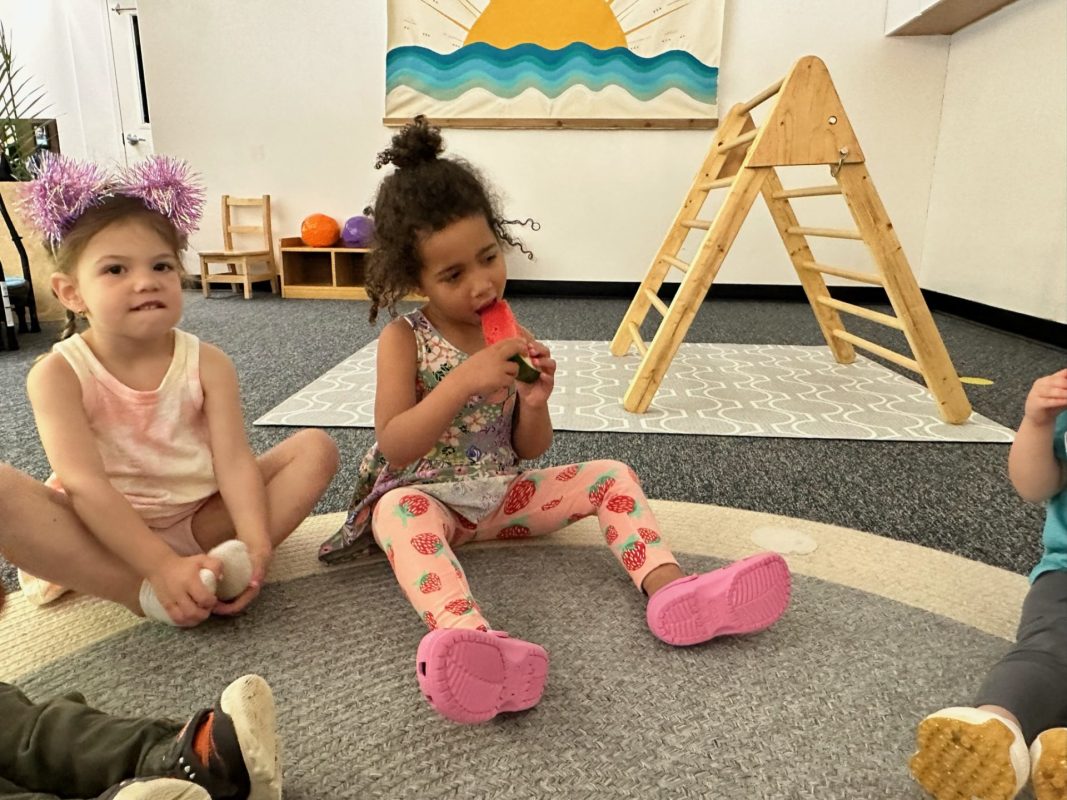
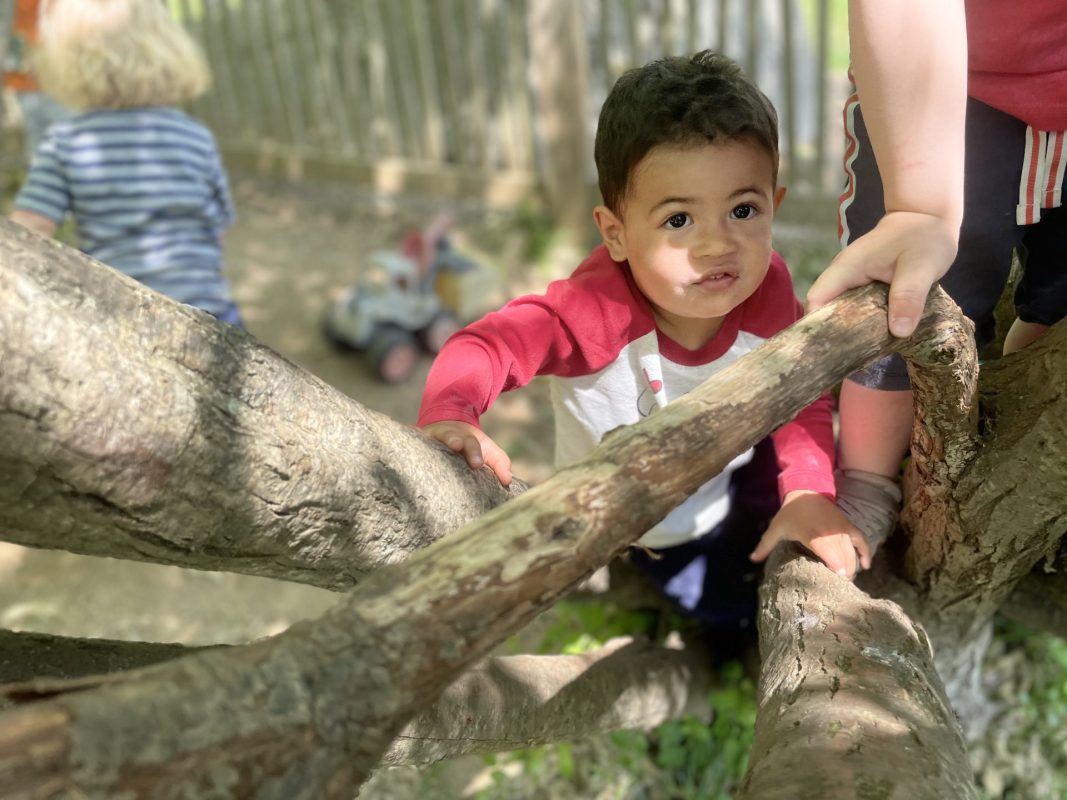
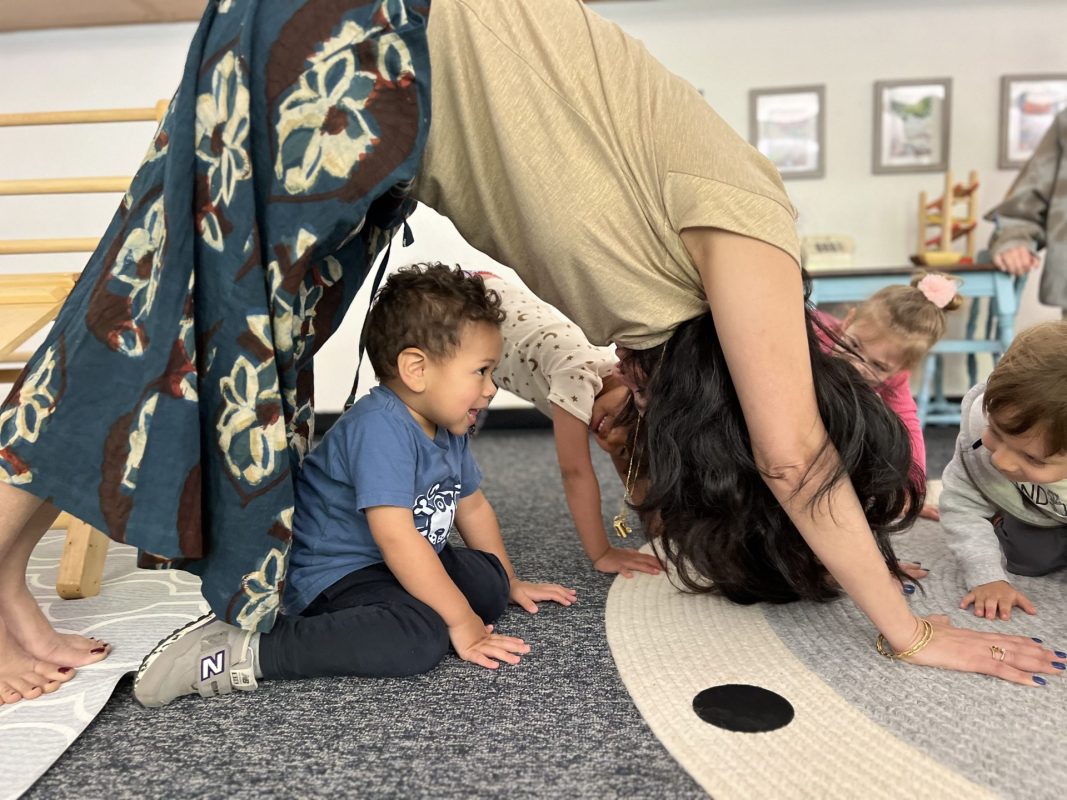
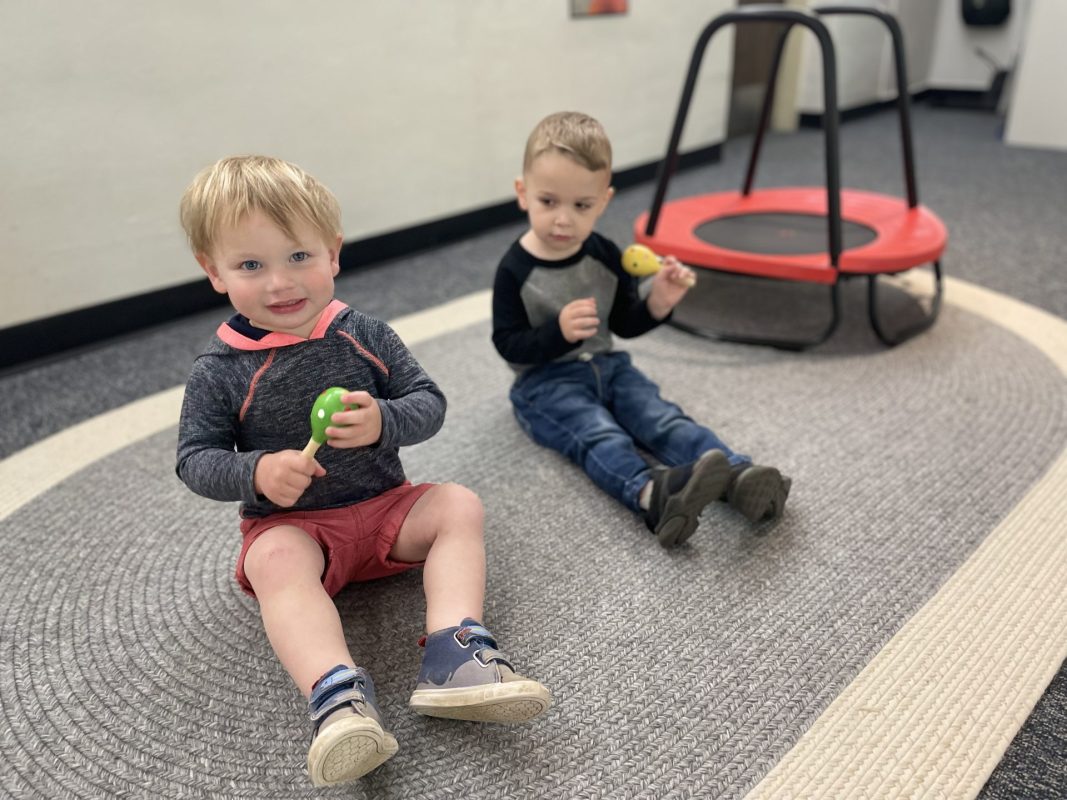
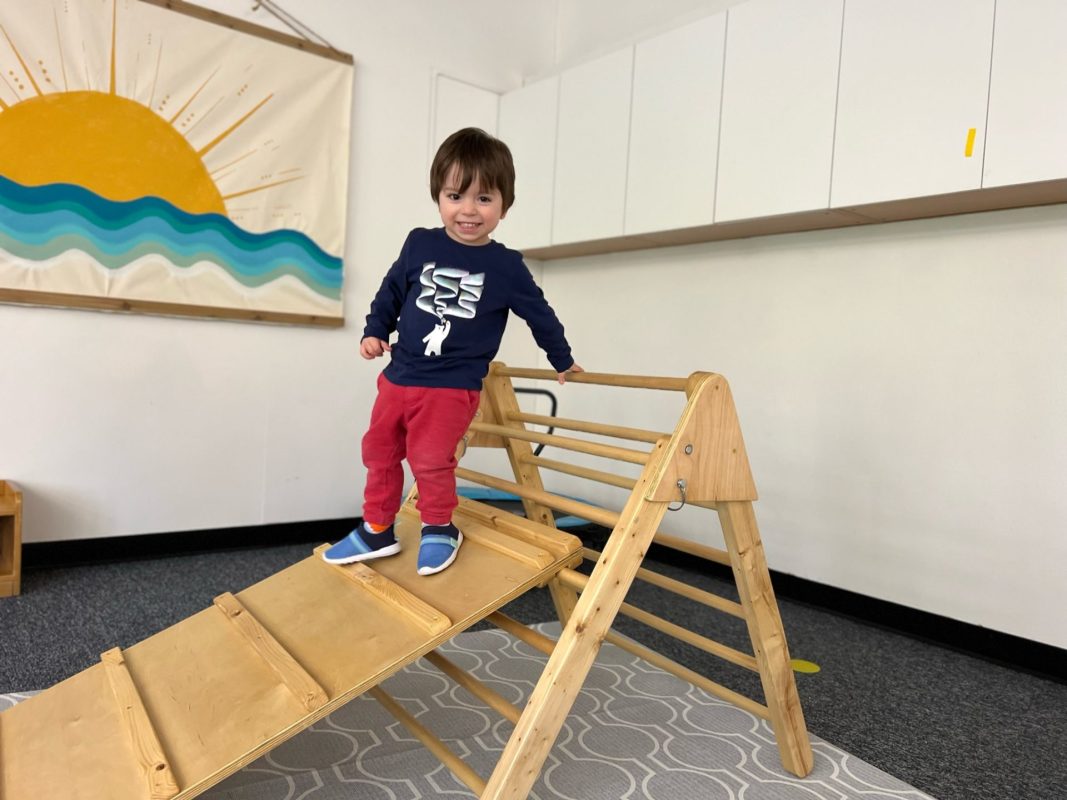
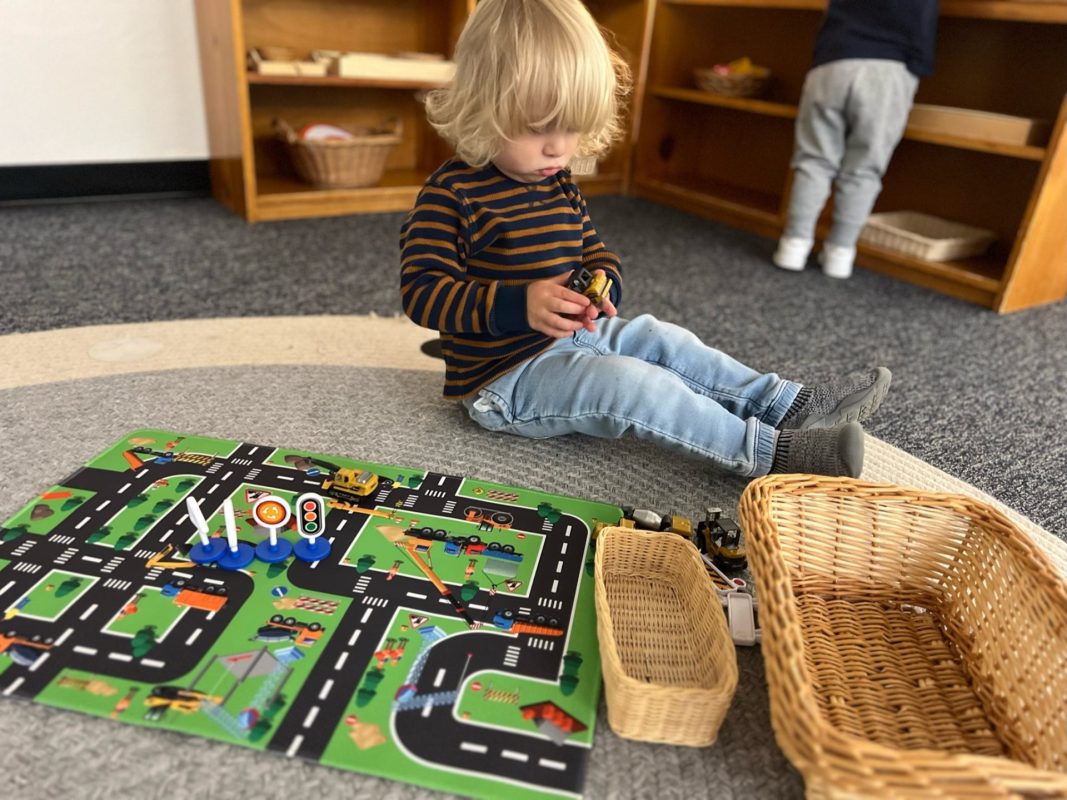
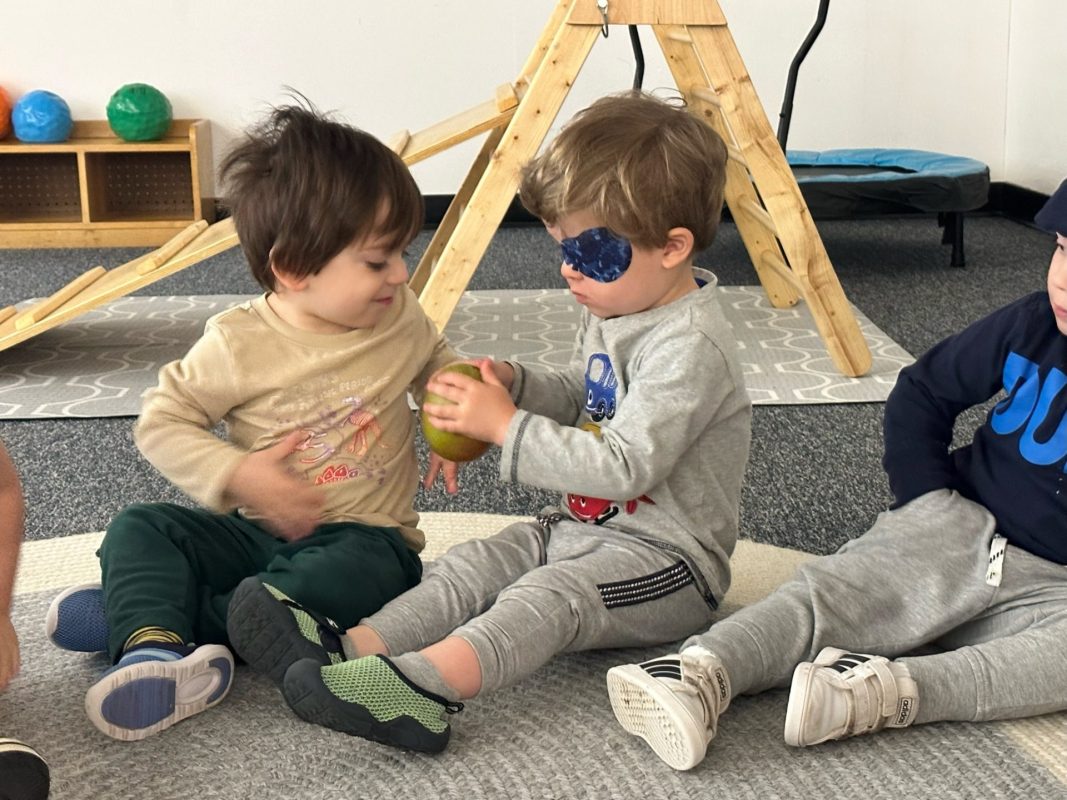
Lastly, in the movement area, we got to say goodbye to the stairs structure and welcomed a fun Pikler triangle. Children practice using this structure to practice balancing, climbing, reaching, pulling, and falling. As a result, children begin to understand their strengths and abilities and gain better control of their movement. We also explored delicious oranges for our food-tasting lesson!

We leave you here with a sign language song the children started learning this week: “The more we get together!”

Enjoy your weekend,

Mrs. Hood and Miss Marissa 


Mrs. Wilson: February Fun!

This month we will explore our emotions, valentines, shapes, and body parts. The children were introduced to five feelings: sad, happy, surprised, angry, and tired. The children can explore these emotions with language cards while looking into a mirror and practicing each facial expression. It is adorable to see.

All around the classroom, there is work that symbolizes Valentine’s Day. Hearts in pink, red, and white are found in the sensory bin, sorting tray, and lessons that help refine the hands. The color red is the main focus of the art shelf. The children worked on a special project in preparation for their Valentine’s bag. They made marble-painted hearts. We had each child squeeze some red and white paint into a deep tray. Then they had to shake the marbles around thru the paint onto a heart shape. Once it was dry, we stuck the heart onto their bags.

Food Tasting this week was lemons! This is one good way to practice facial expressions by puckering up from the sour lemon juice. Seeing each child’s reaction as they took that first bite was really fun. Surprisingly, they wanted to continue eating their lemons because they were delicious, although they were sour!

Enjoy the photos!

Cynthia and Sara


Mrs. Hood: Process vs. Product

“The human hand allows the mind to reveal itself.” – Maria Montessori

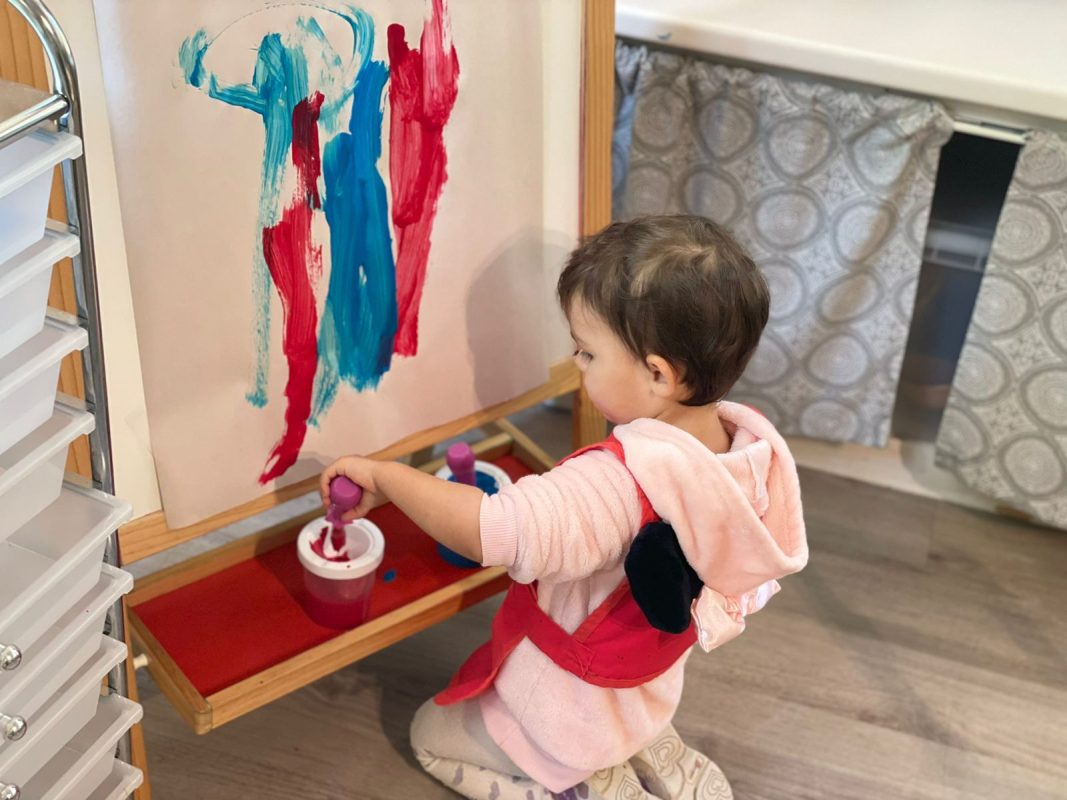
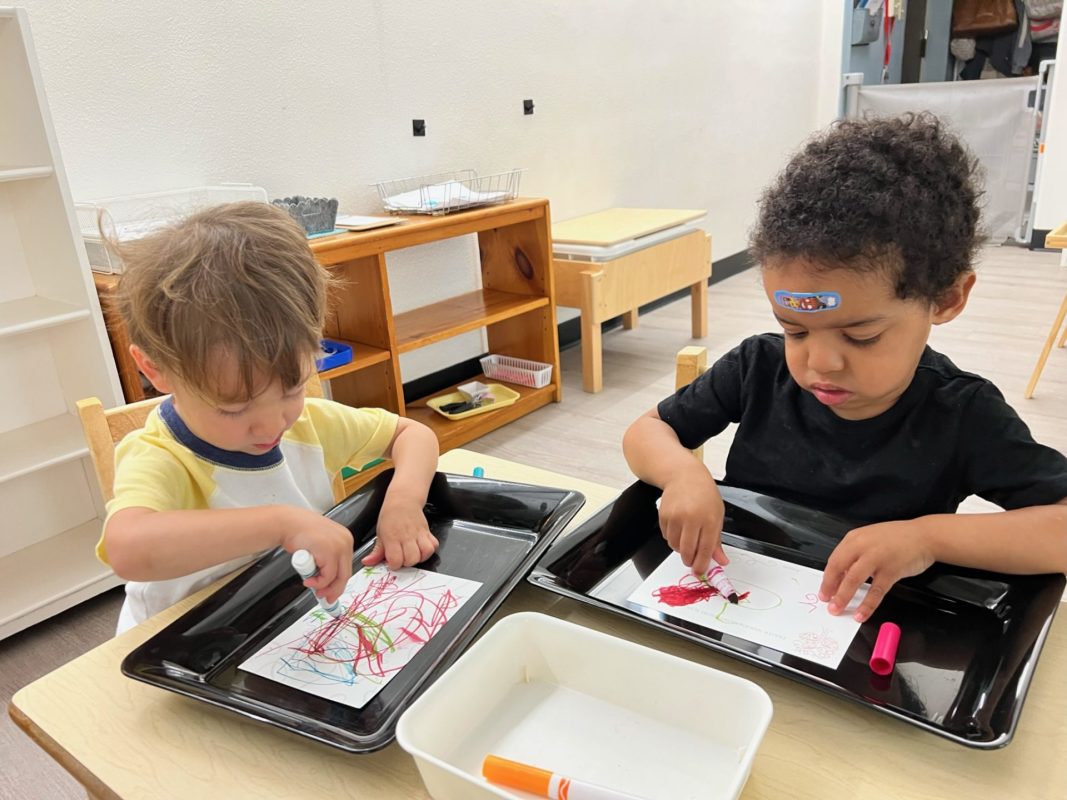
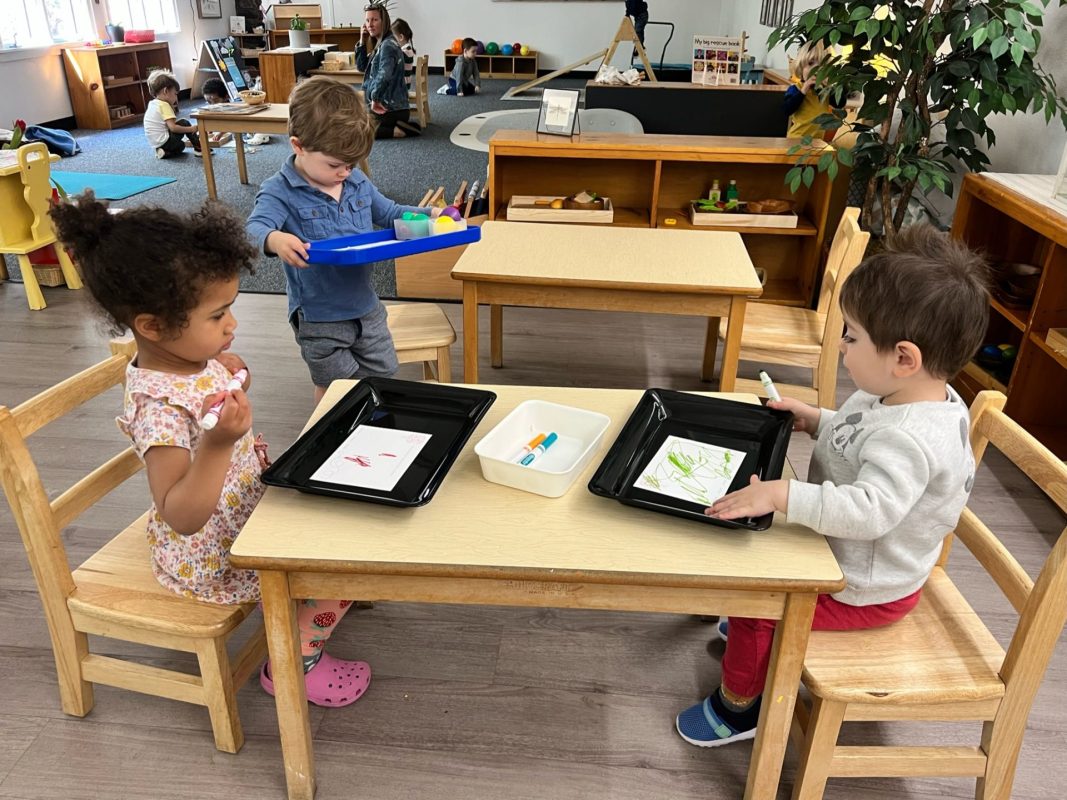
Art is one of the many ways children express themselves. When it comes to art, it is the process, not the product that is important to the child. As adults, our goal is to produce a product, but the child interacts with the world differently. The child works to develop self. The focus is on the process, not the product. Once a child creates something, they do not feel the need to keep the product. It is the process that gives them satisfaction and inner joy.

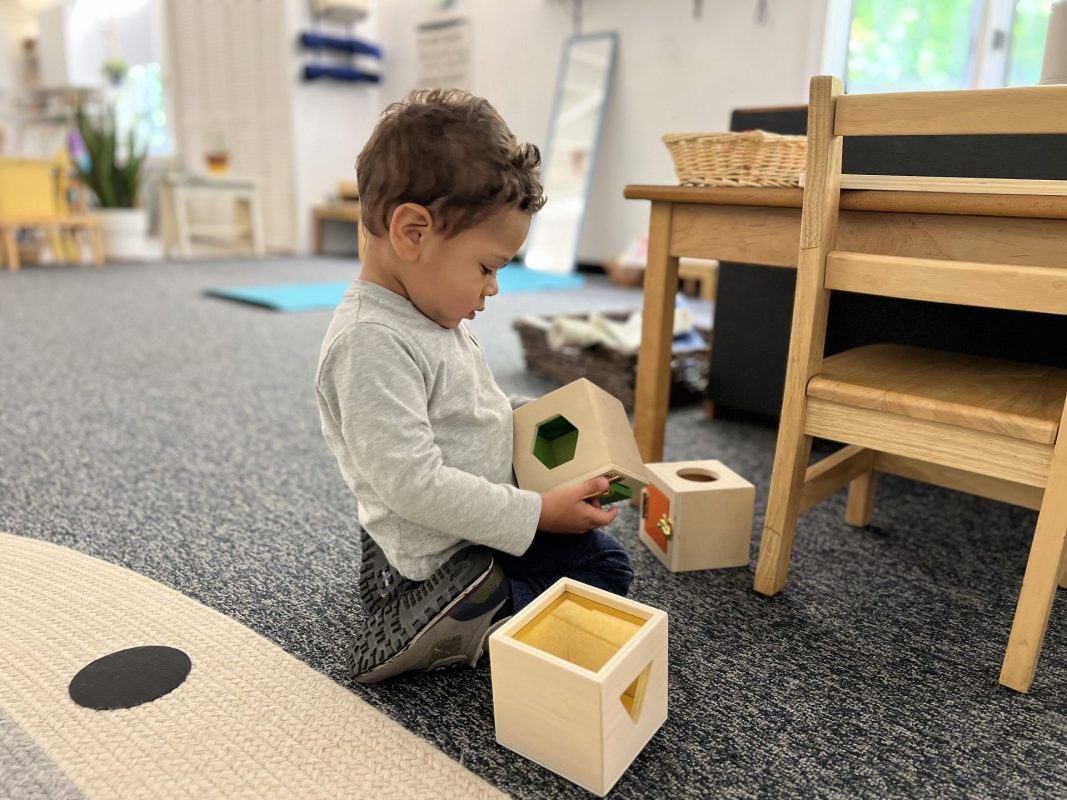
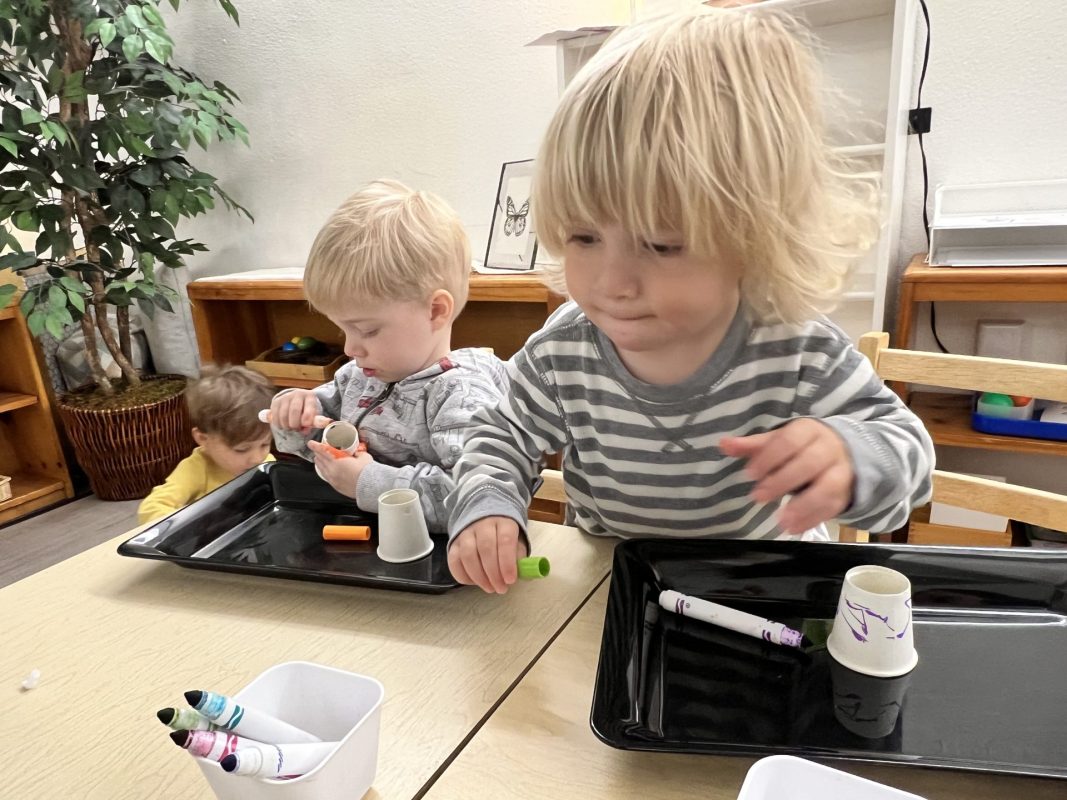
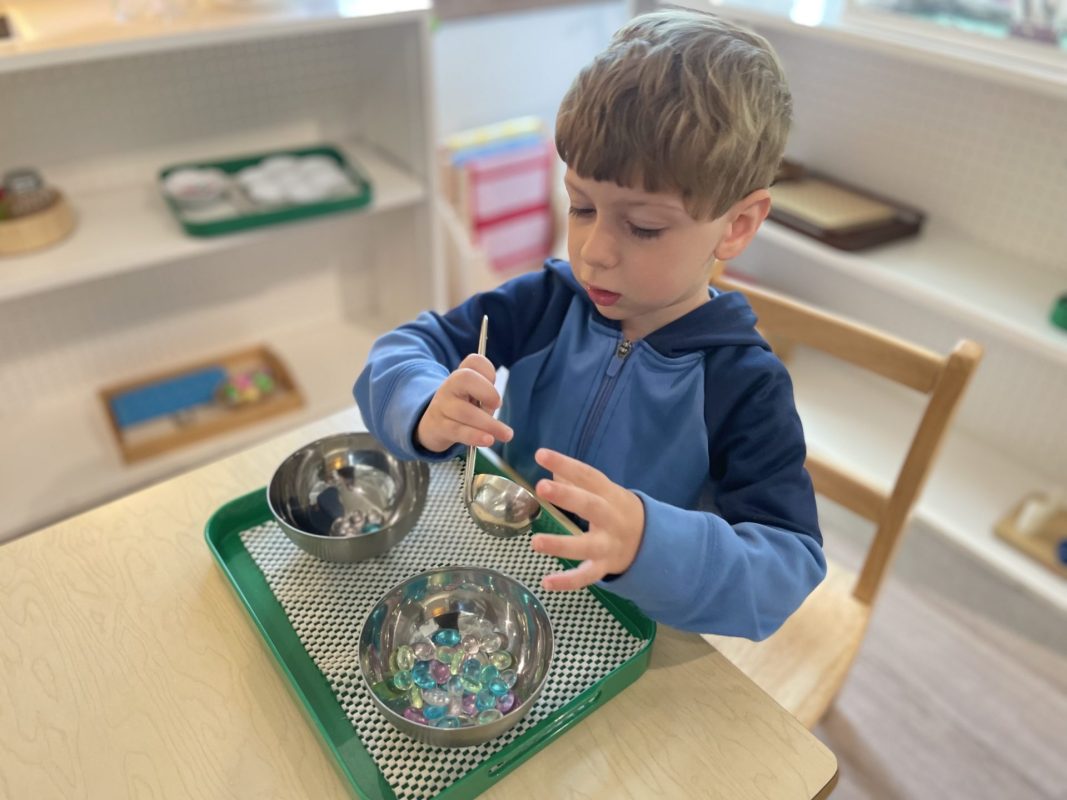
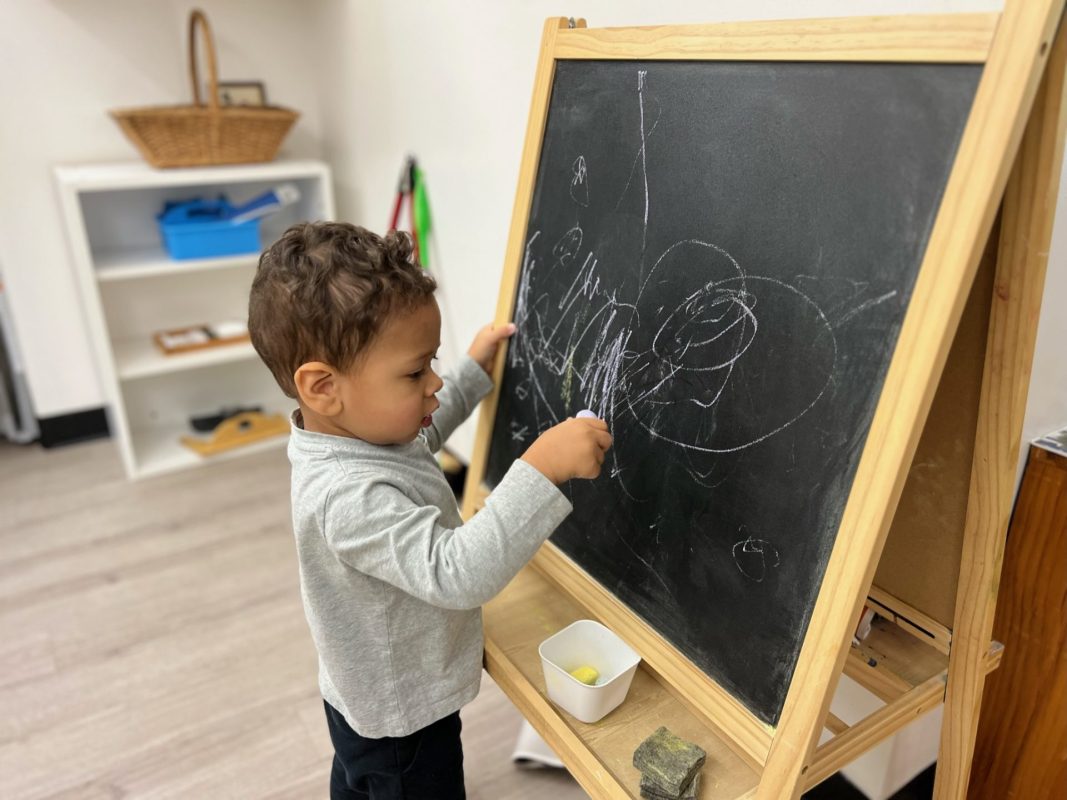
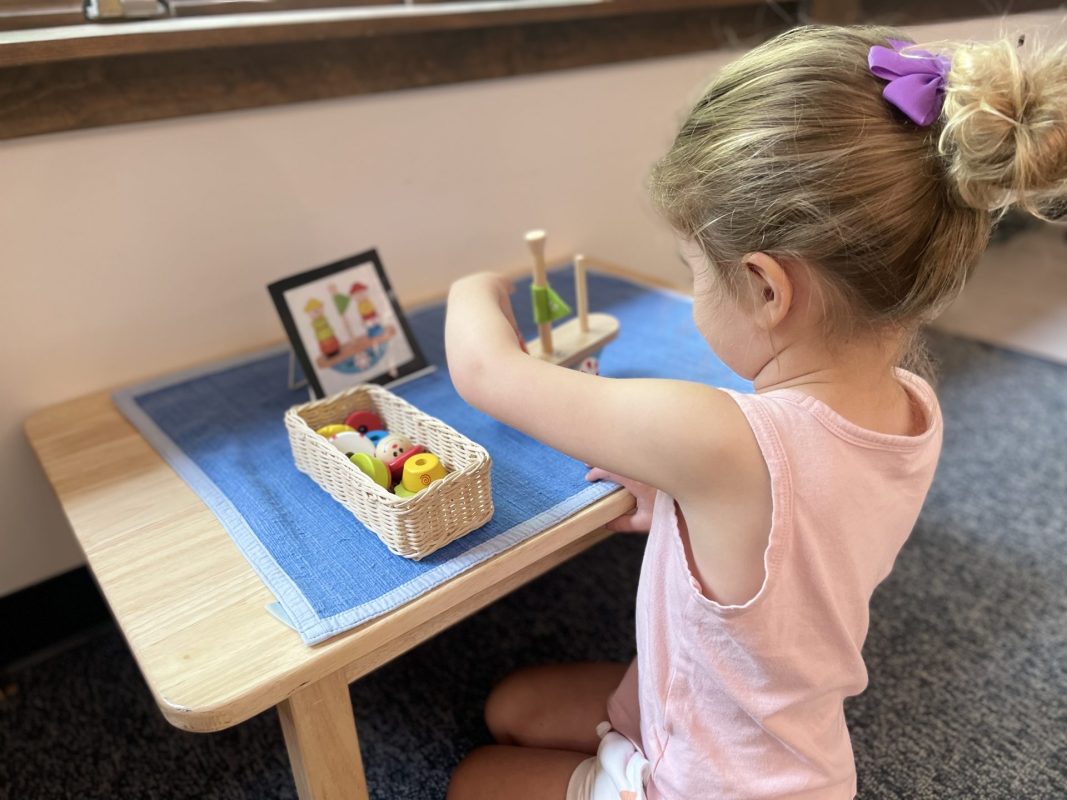
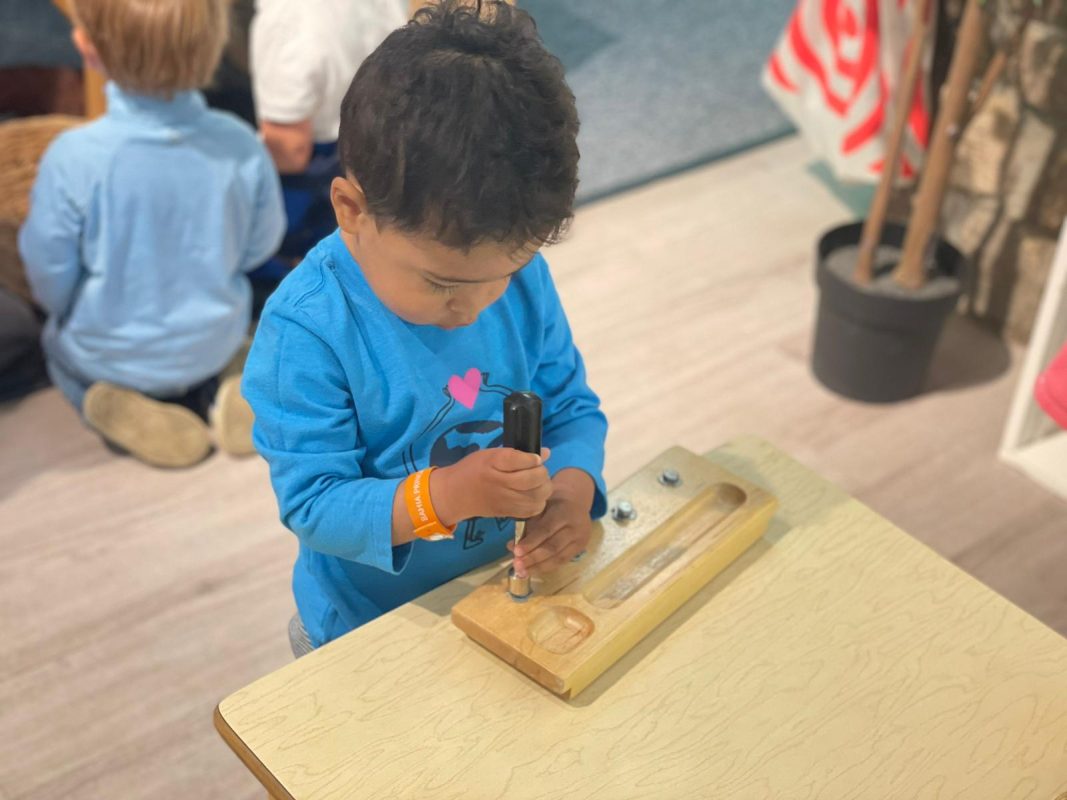
In our Montessori environment, art materials teach each skill separately so that the children can combine them on their own: line drawing with crayons, holding and managing colored chalk, cutting without and with a guideline, stamping, working with clay, painting with watercolors, etc.  All of these skills will be mastered independently and then combined at the child’s discretion in some grand piece of artwork later on in their development.

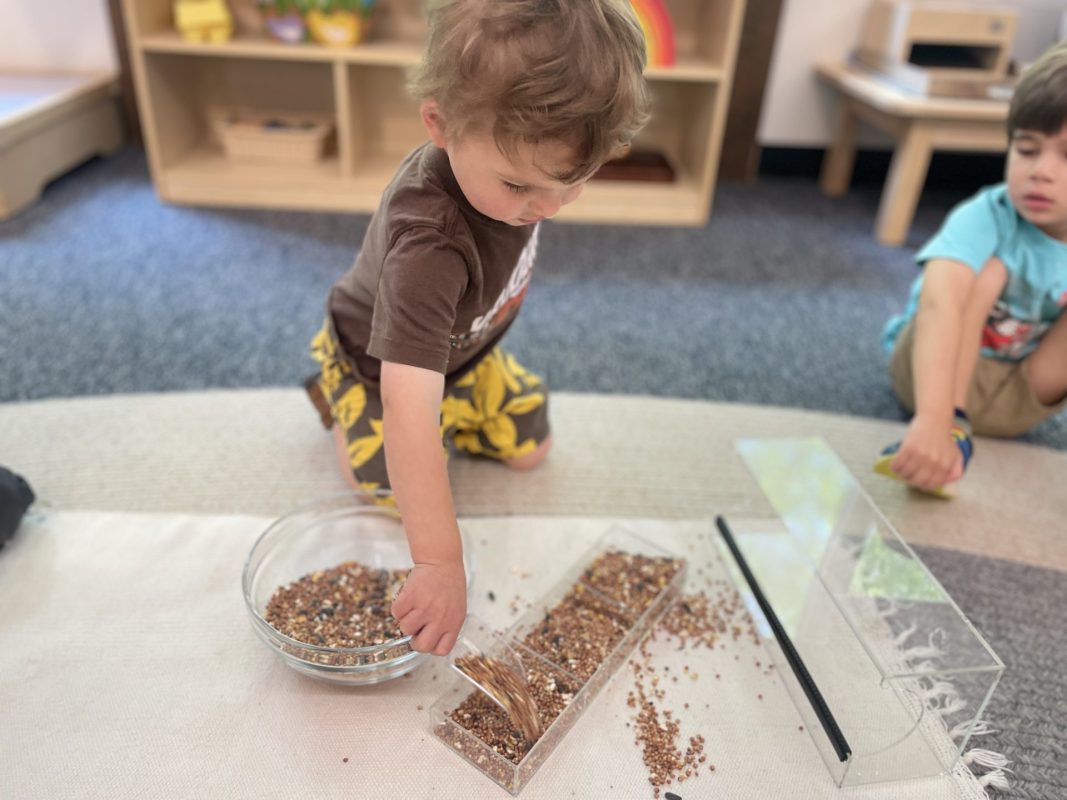
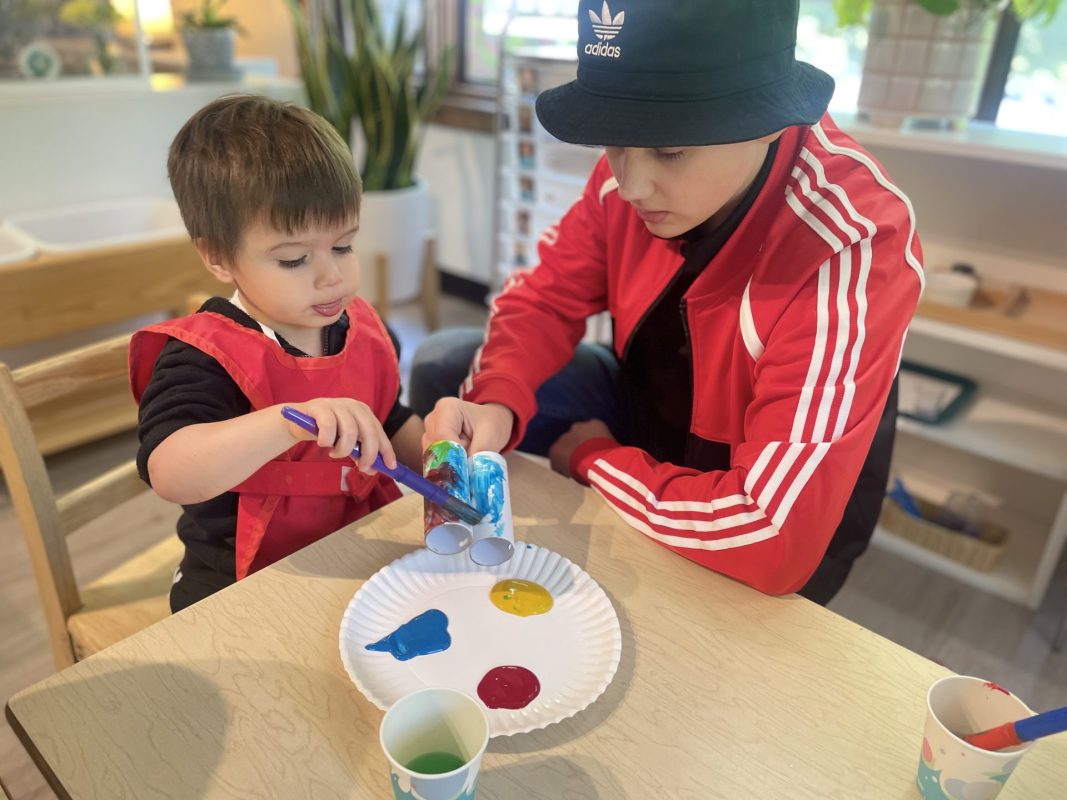
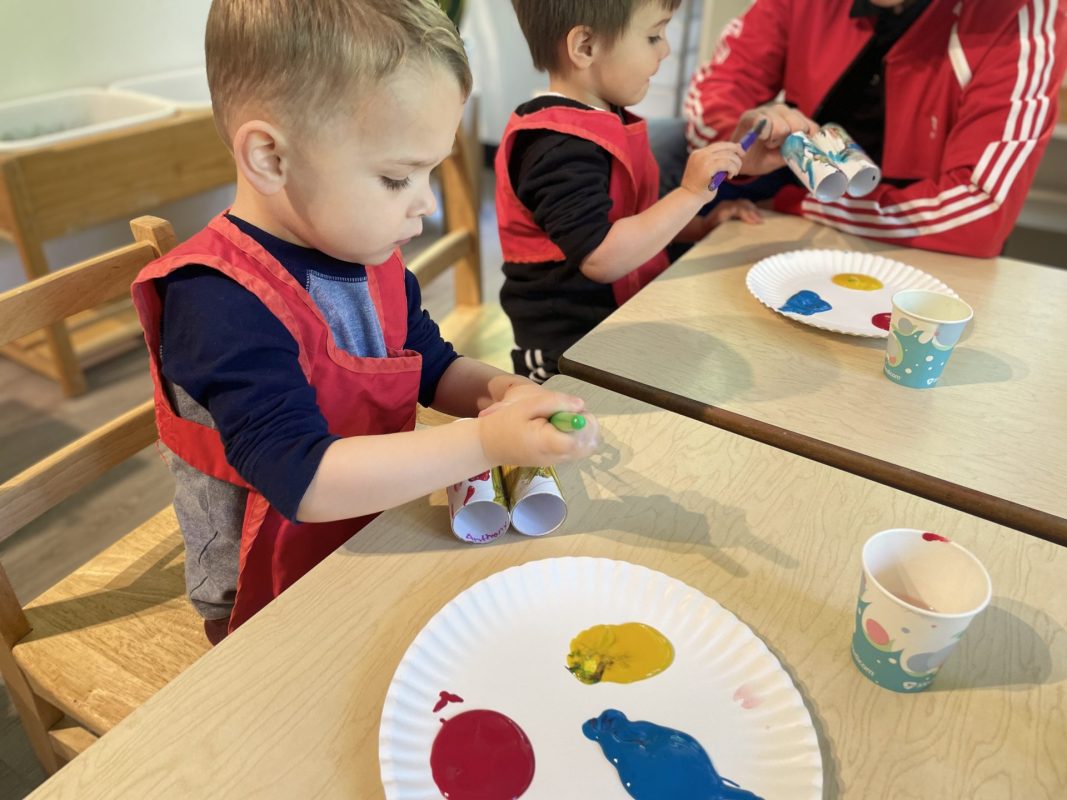
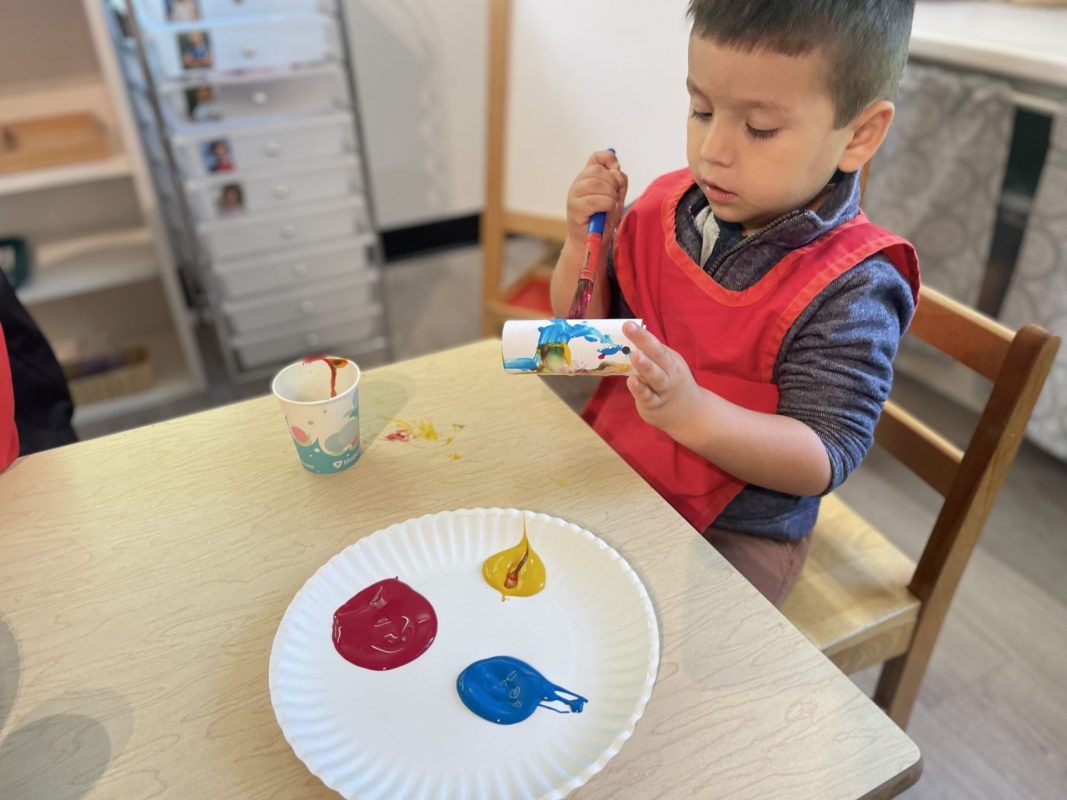
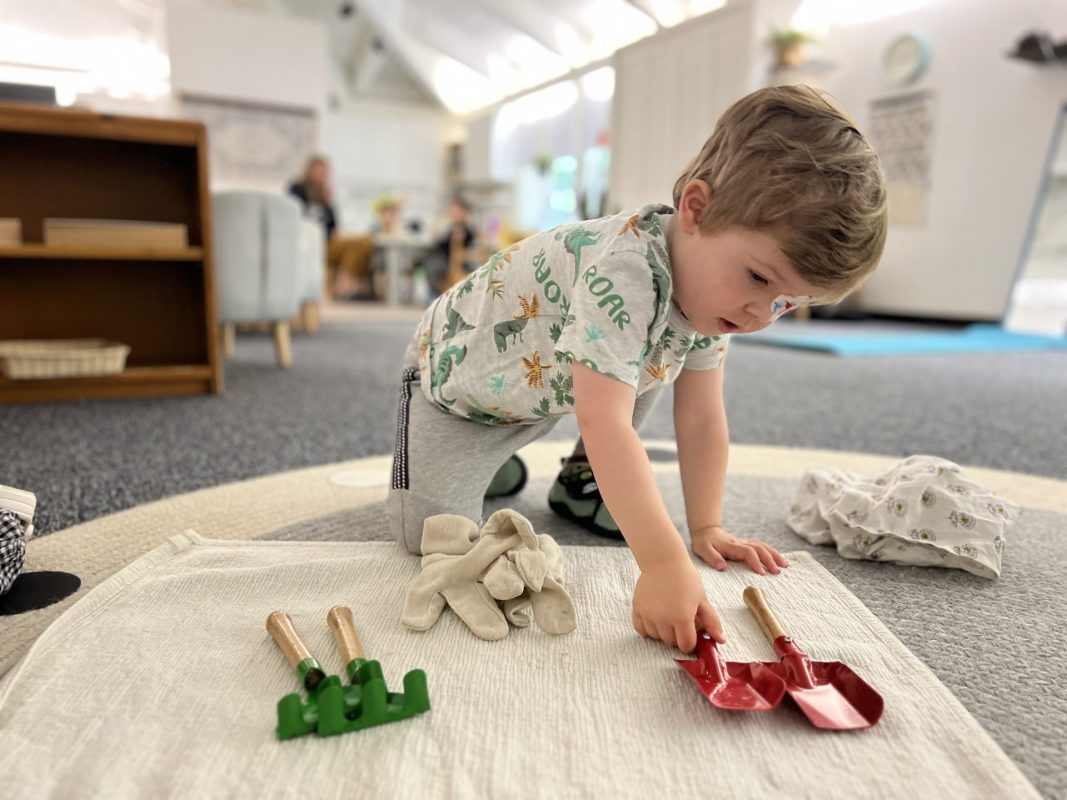
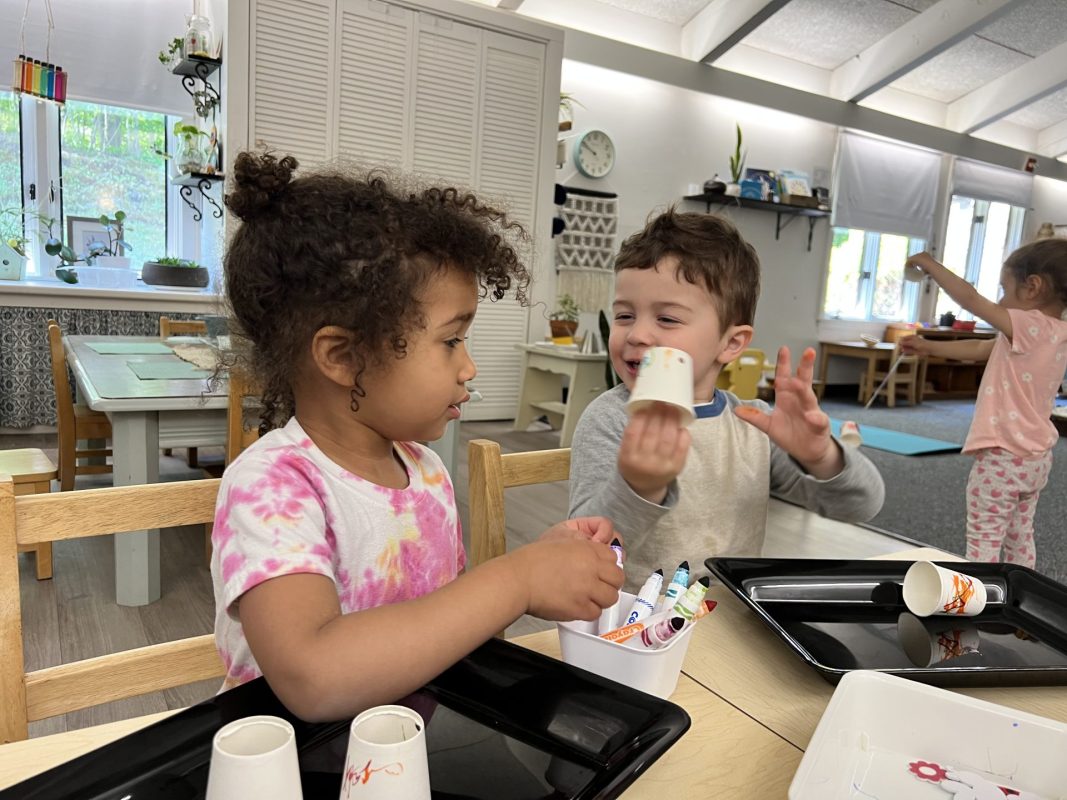
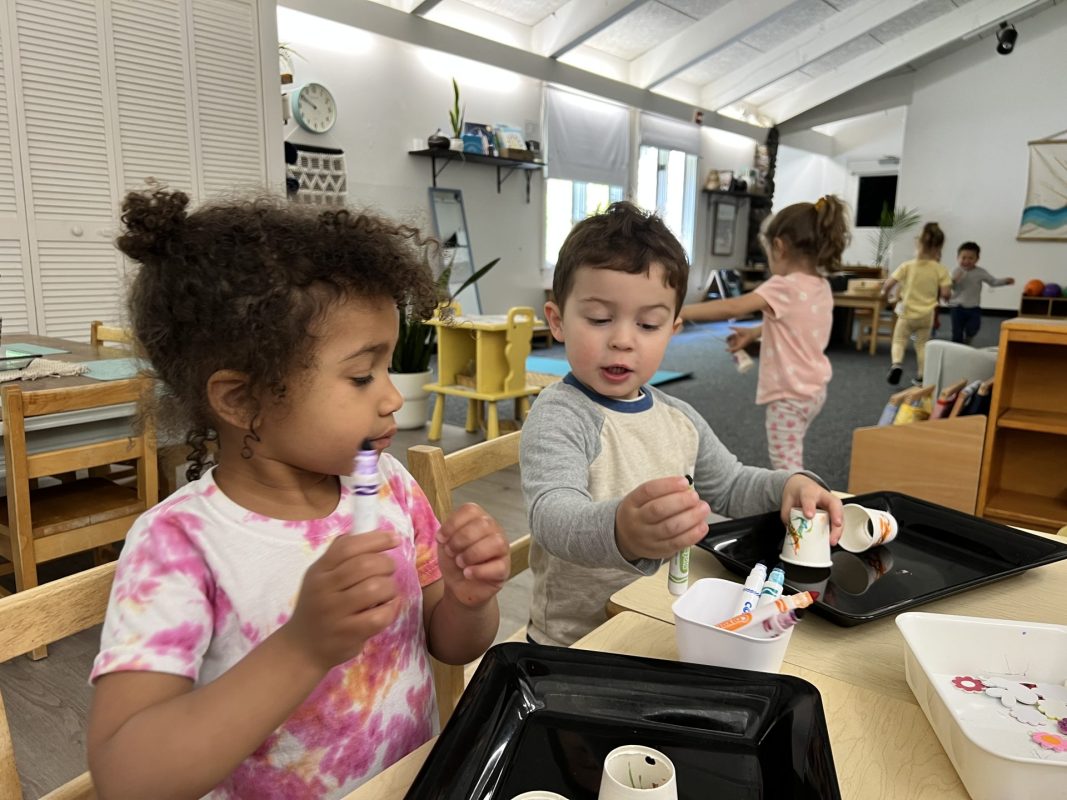
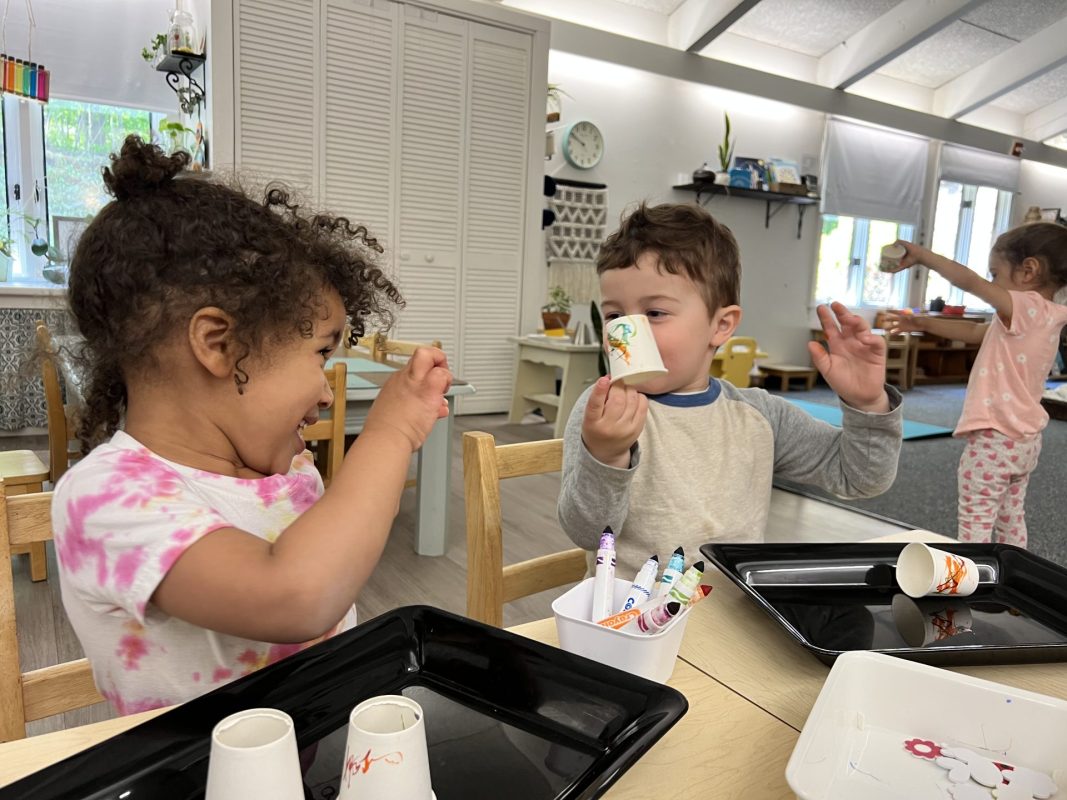
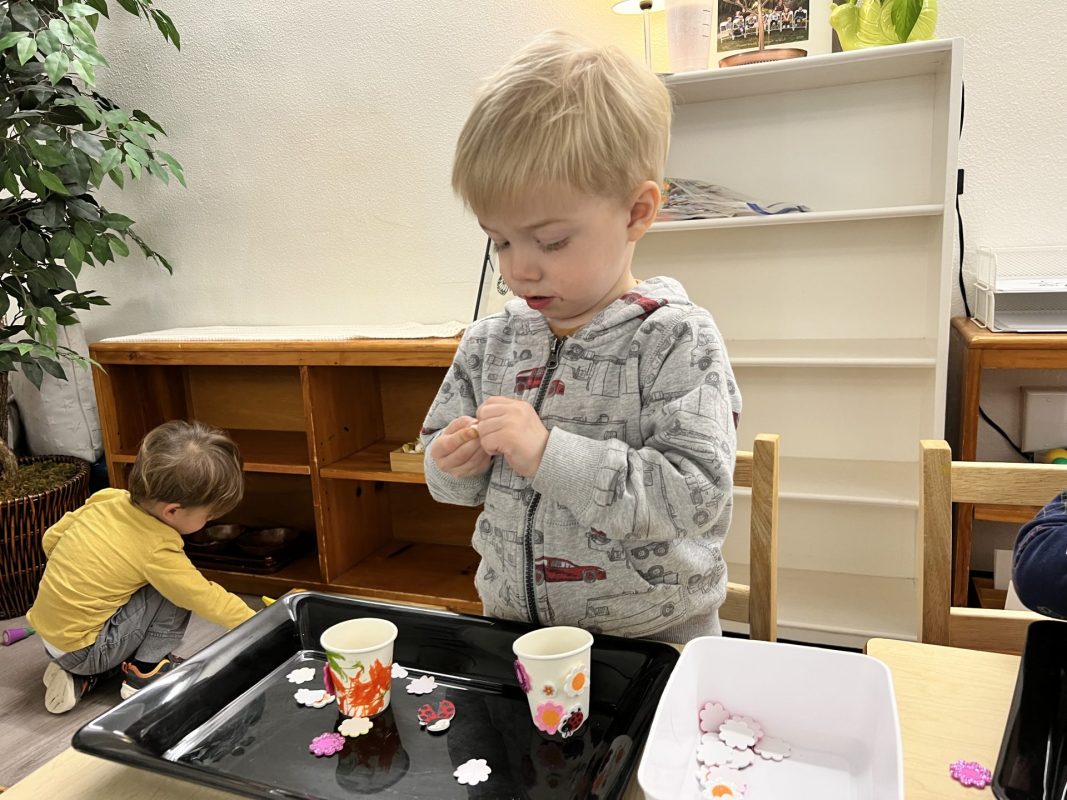
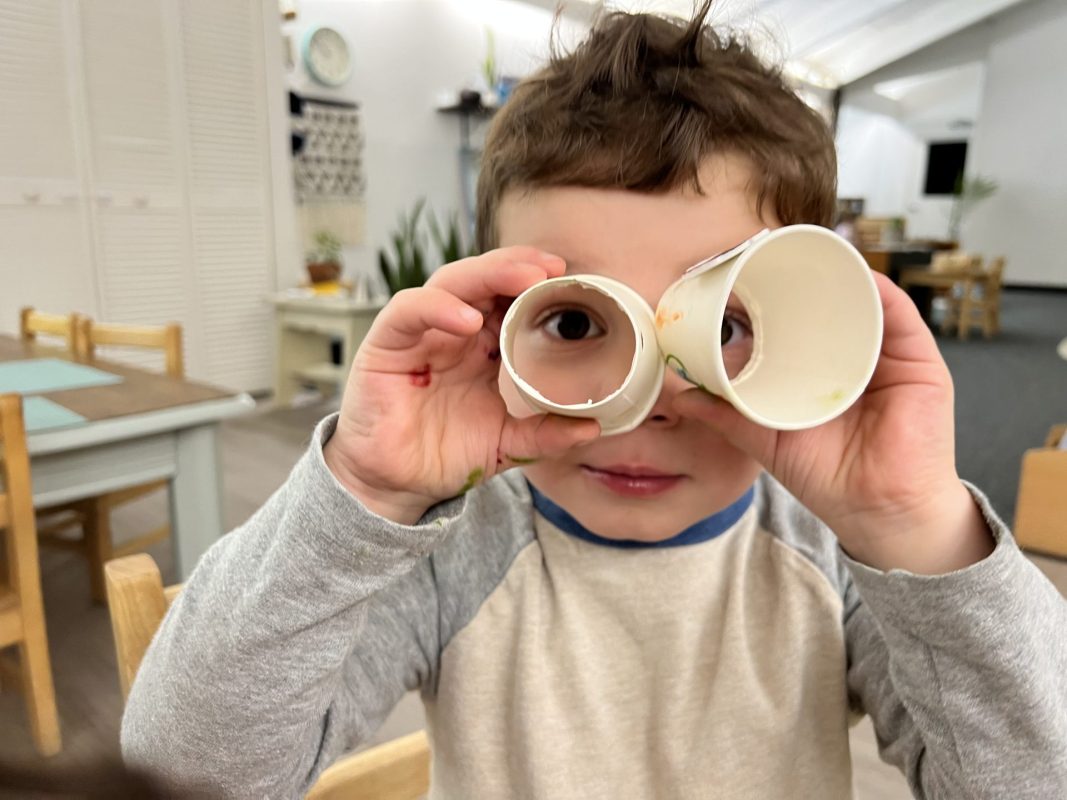
This week we added a fun Sensorial experience to tie in with our winter studies: ice cube painting! Children enjoyed creating different pieces of artwork while combining colors, but the truly big point of interest in this exercise was to feel the coldness of the paint! They LOVED painting their hands and were mesmerized for long periods of time by the sensation on their hands!

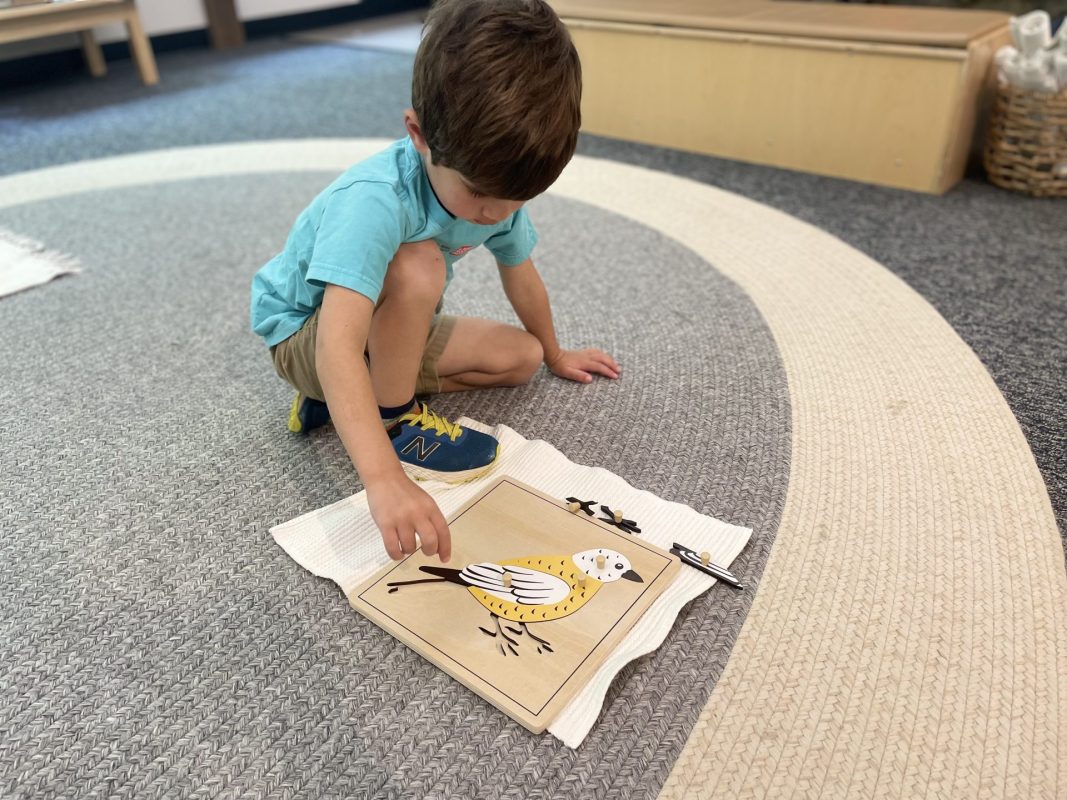
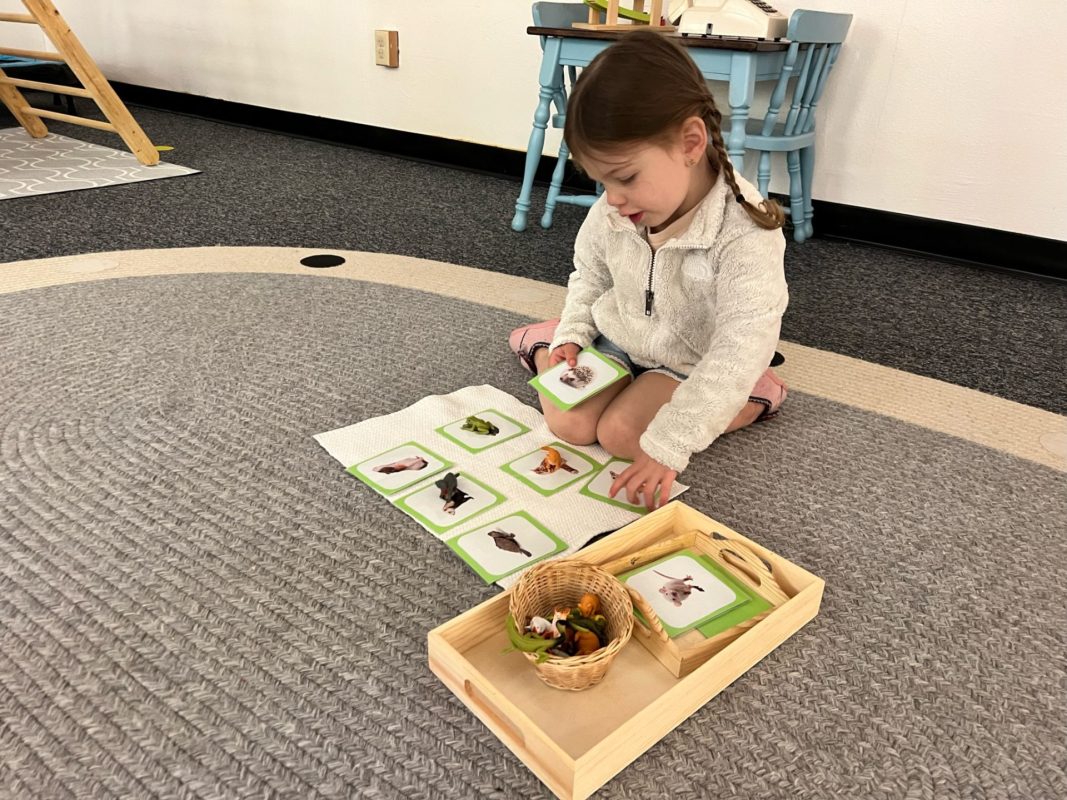
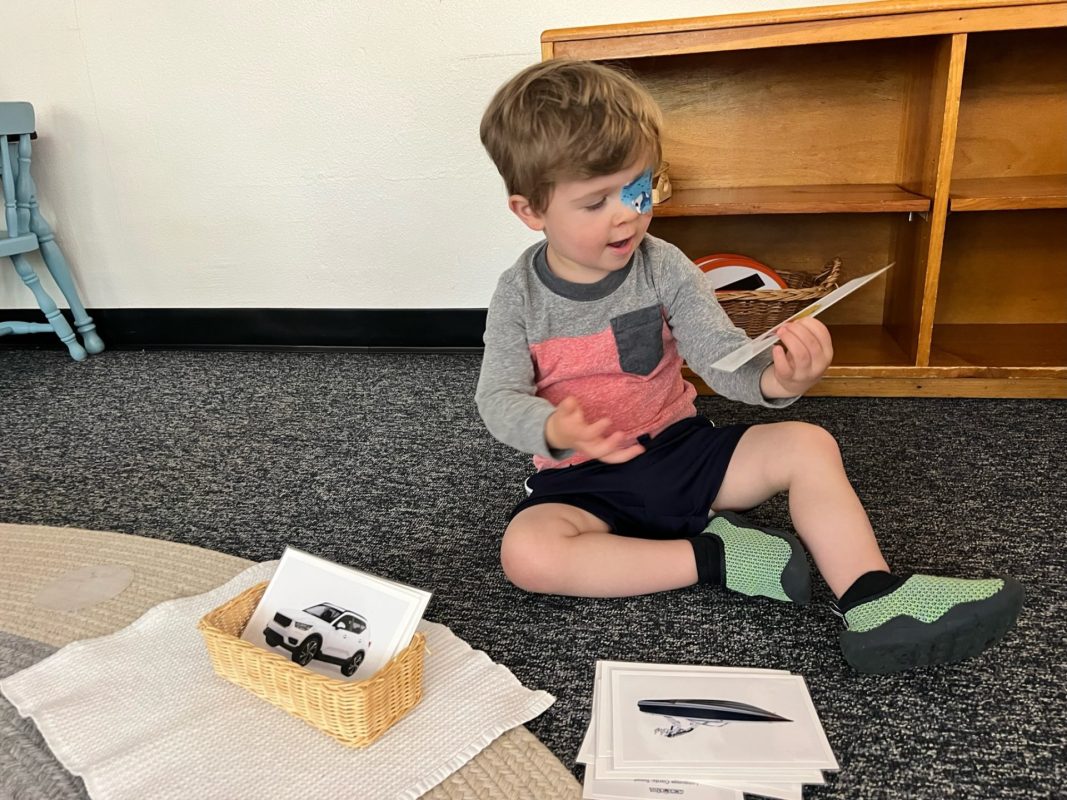
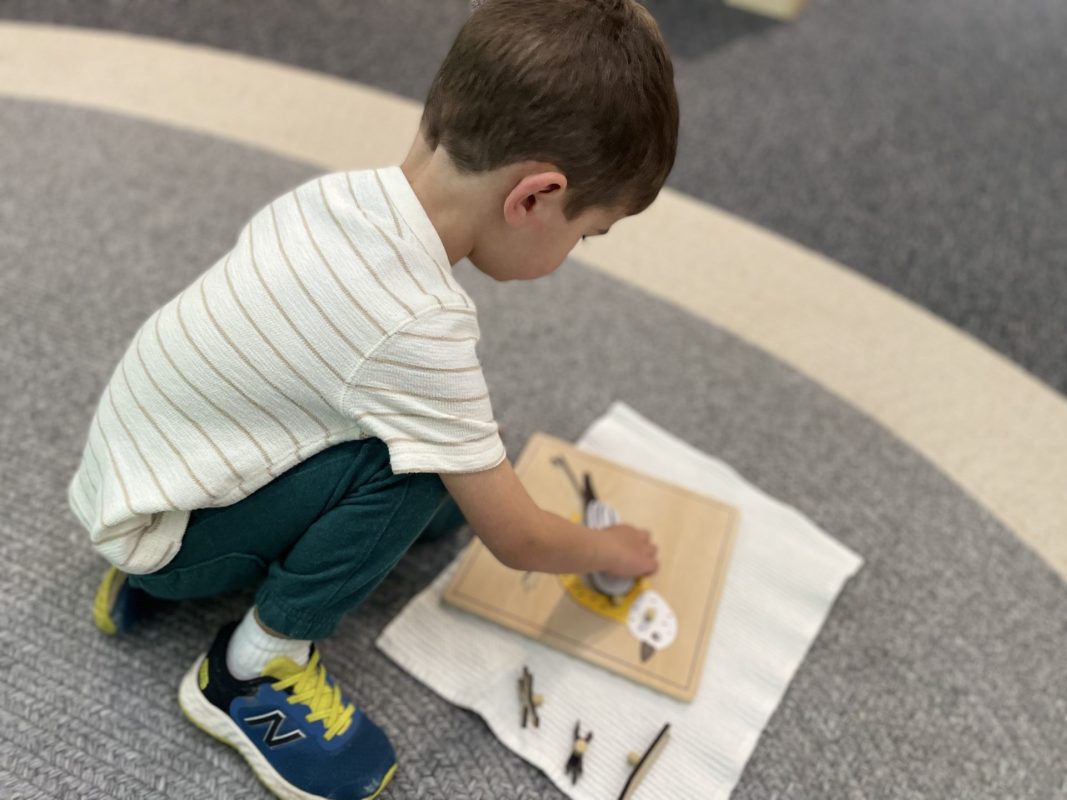
On another note, older toddlers received a lesson on learning to recognize the special markings of three different types of penguins: emperor, rockhopper, and chinstrap. Children then practice matching the adult penguin with their chicks. Since this is a picture-to-picture matching work and it’s a more abstract concept to grasp, we added an extra control of error on the back of the cards with some color coding stickers so the toddlers can self-correct as they continue to sharpen their observation skills. They also received a lesson about the names of the seasons and their different characteristics using a great puzzle that children like to call the pizza puzzle. This has become one of the most popular works of the week.

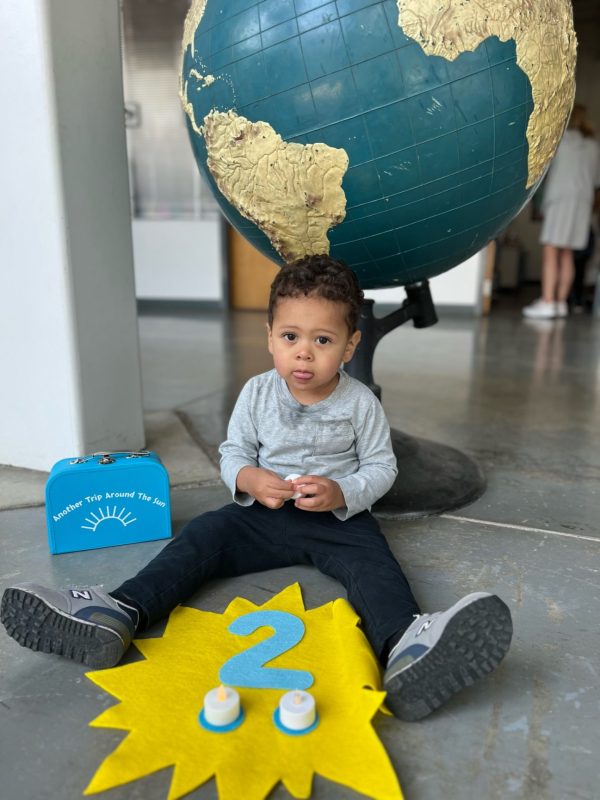
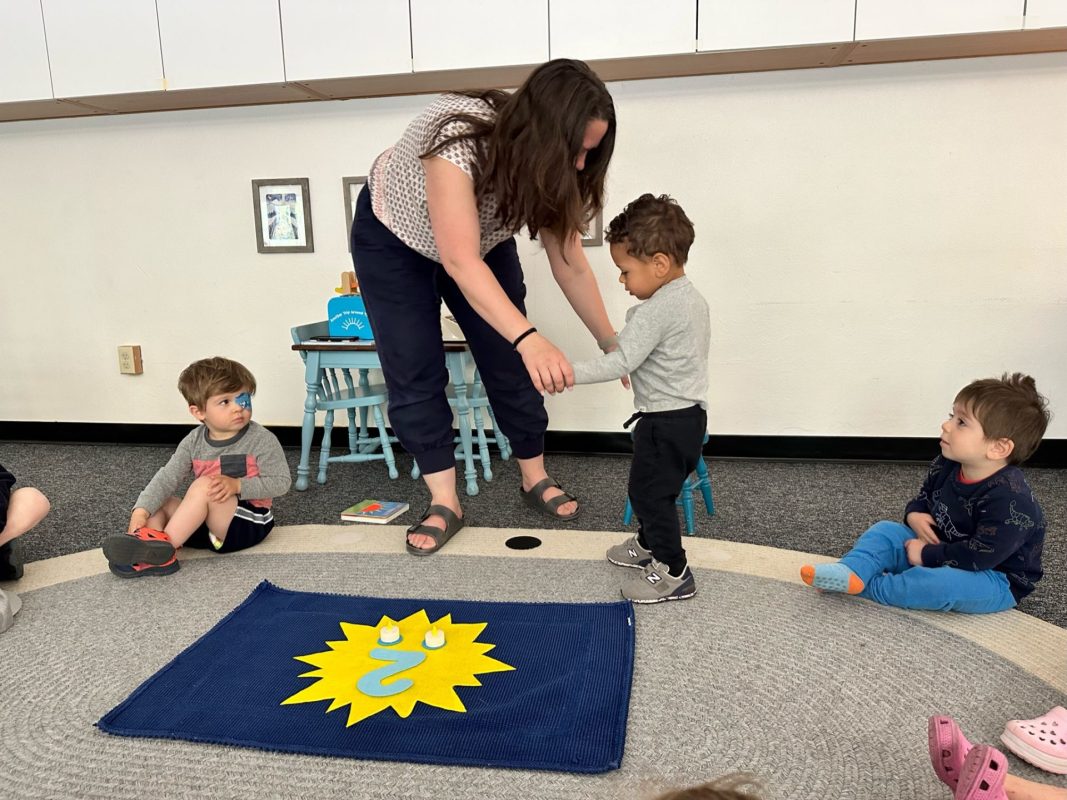
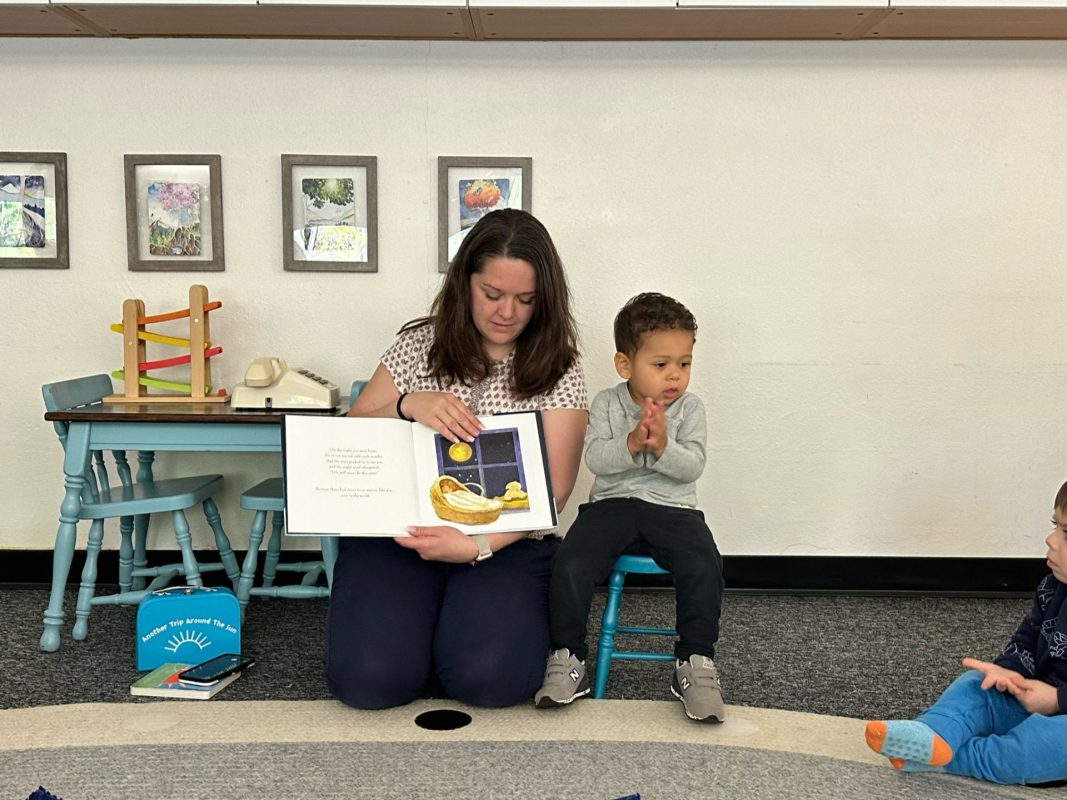
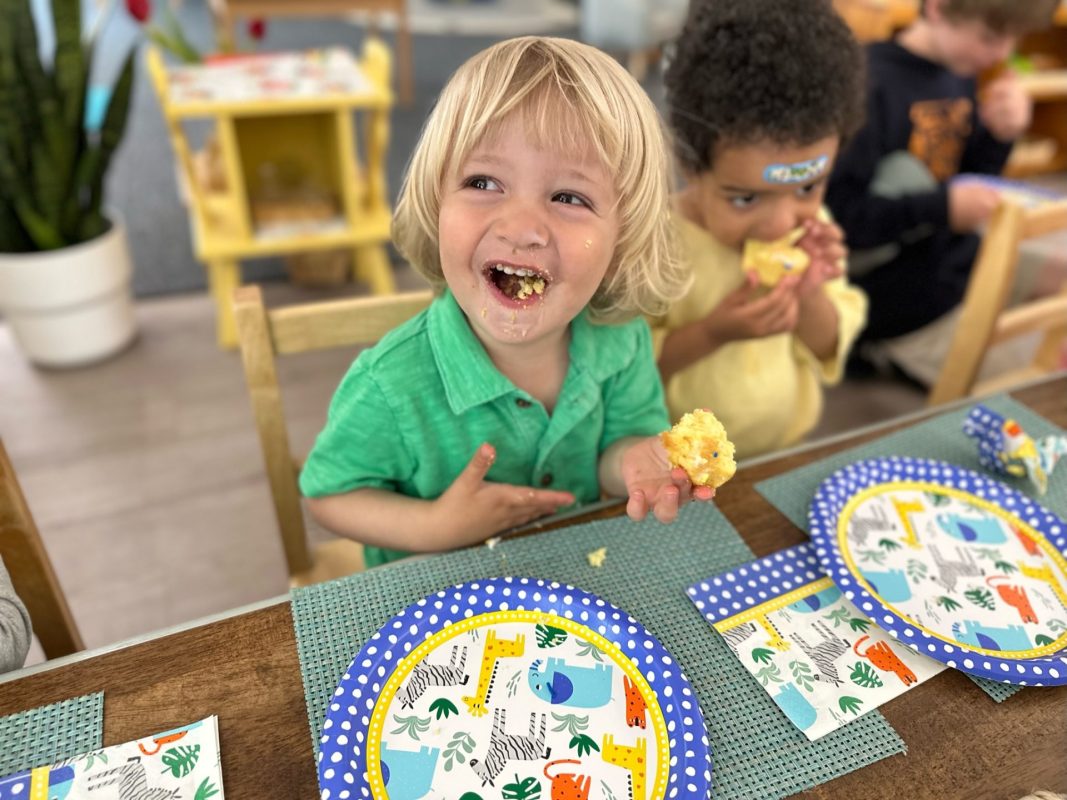
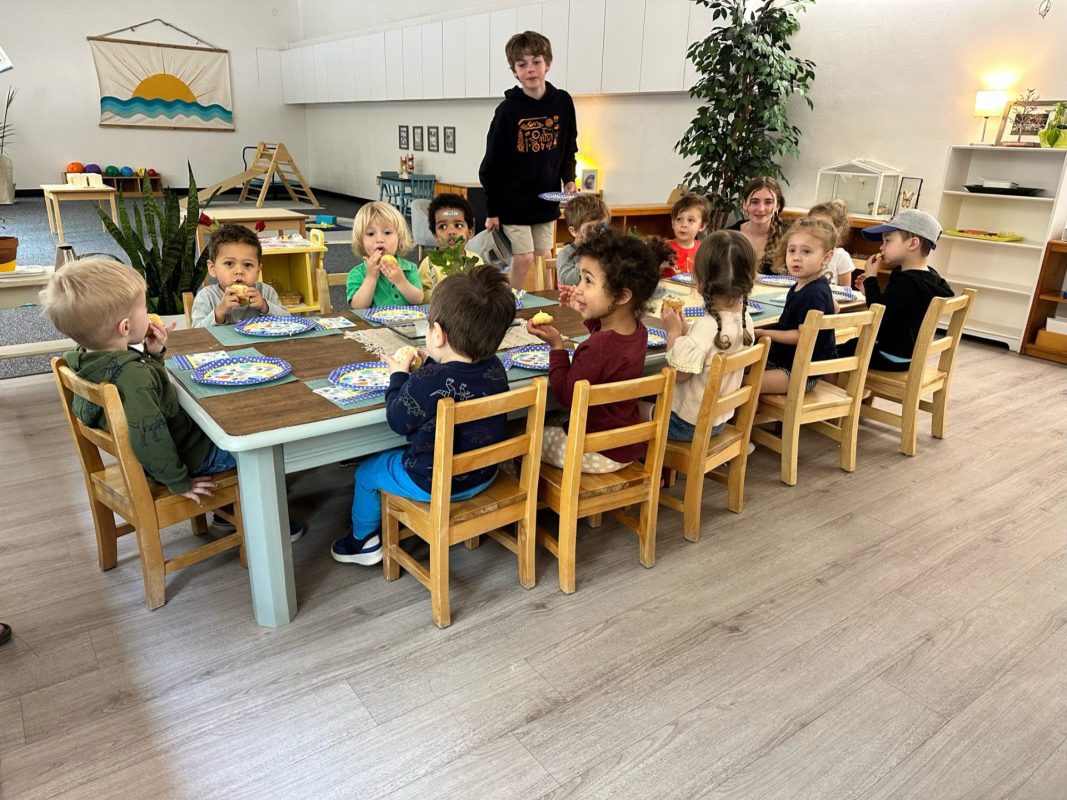
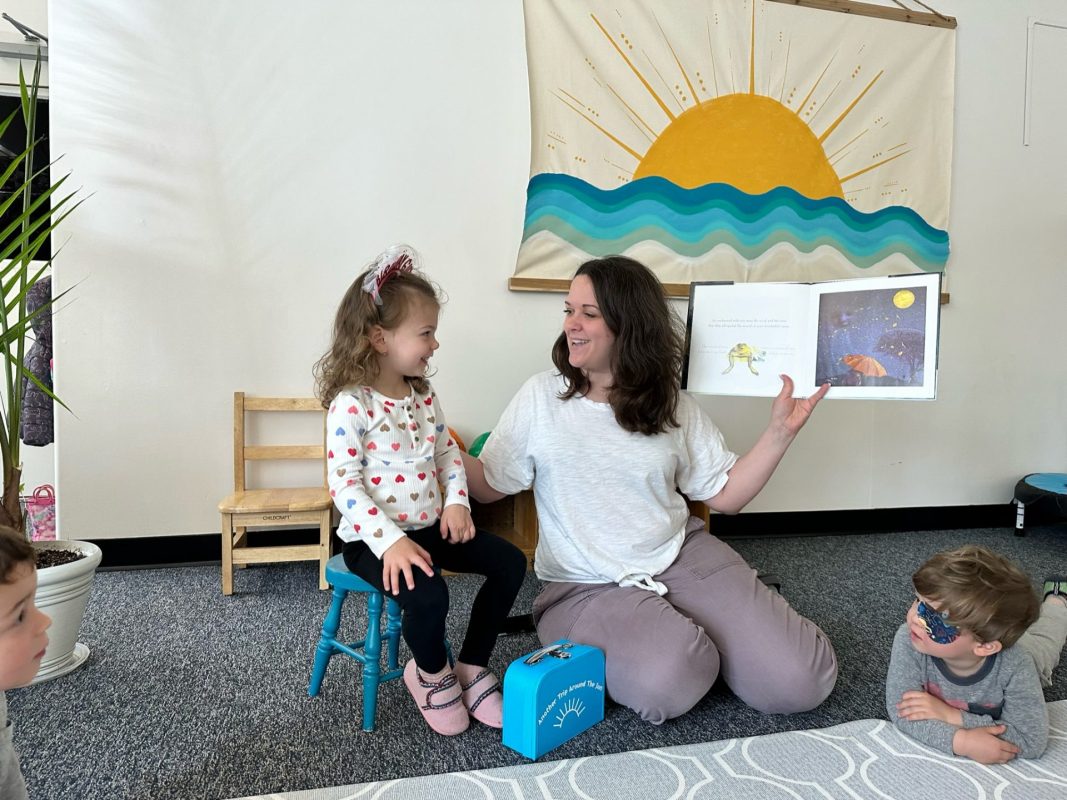
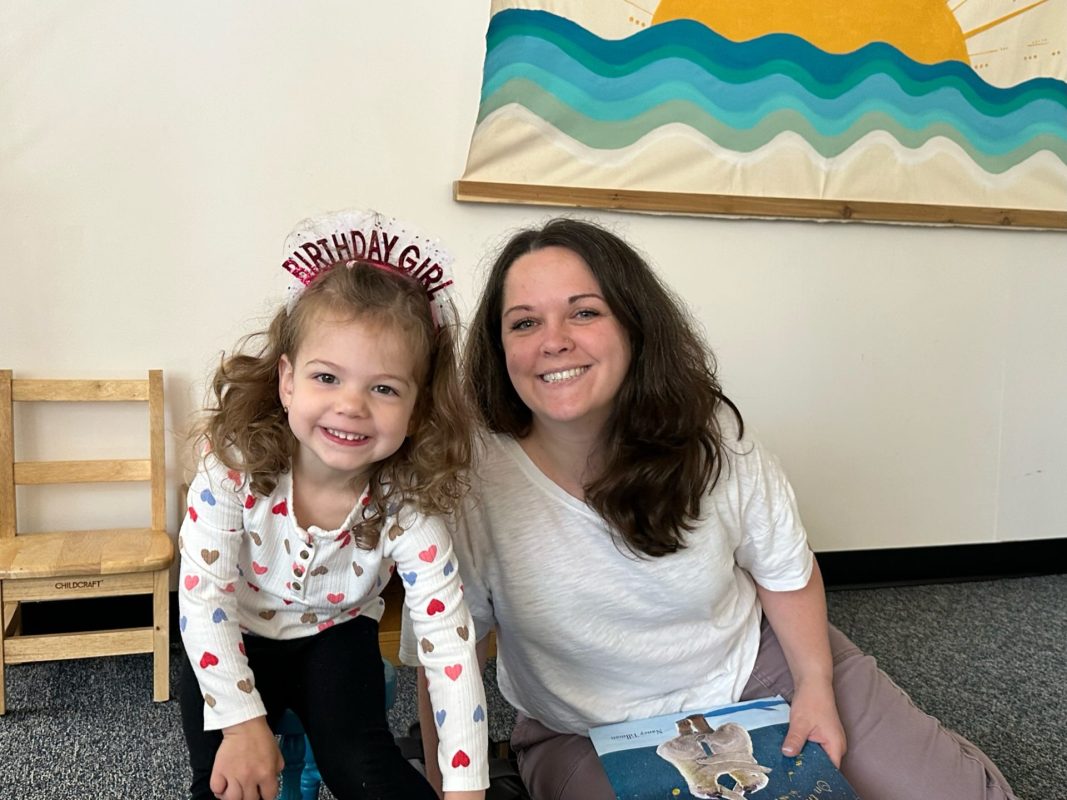
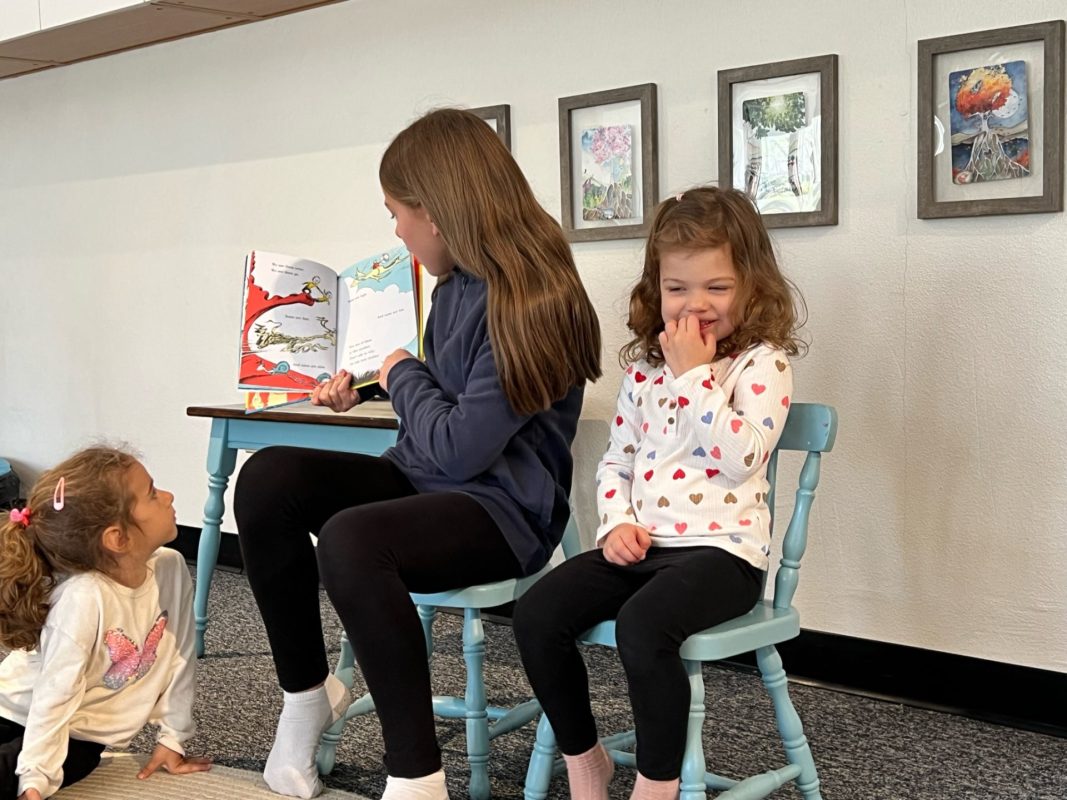
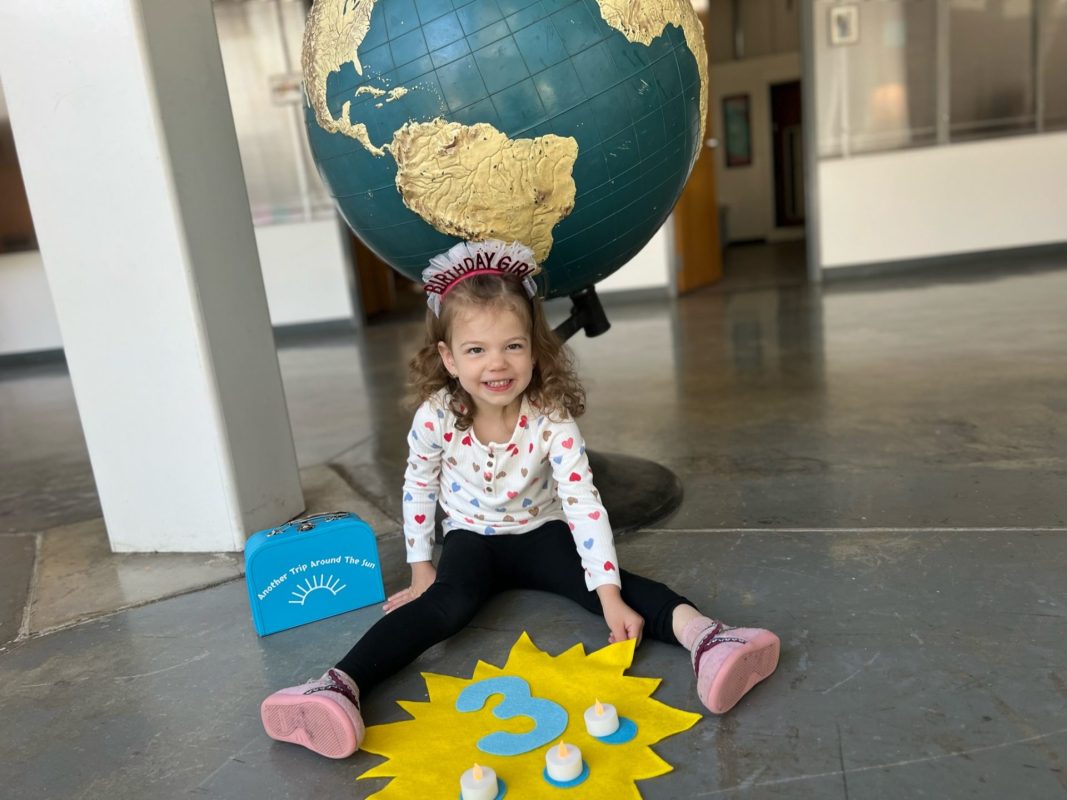
Lastly, we all explored parsnips as a food-tasting lesson. I have to confess, it was my first time trying this vegetable and I loved it. I also need to report that it was a very well-received vegetable from your toddlers. Feel free to add it to the grocery list. We also celebrated two great birthdays and the children enjoyed the yummy treats and hearing the stories from the donated books.

Enjoy the weekend,

Mrs. Hood and Ms. Marissa
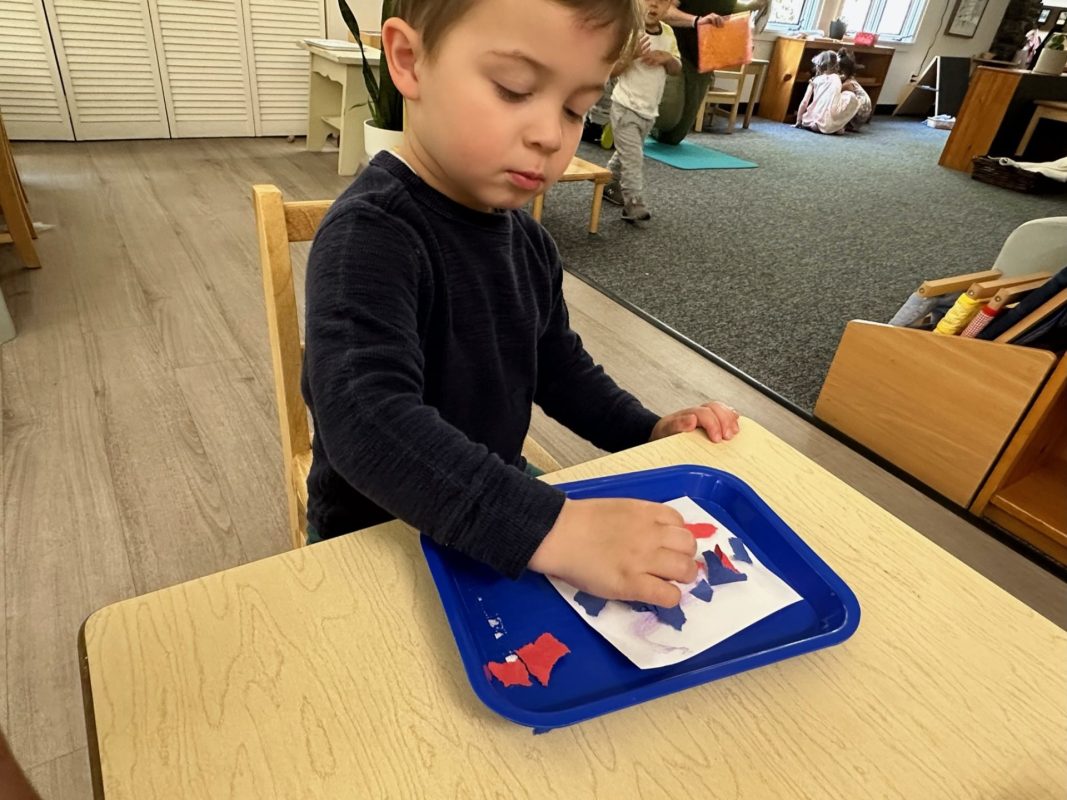

Mrs. Hood: Copo de Nieve!

Maria Montessori believed that the initial six years of a child’s life are crucial for their language development; that from birth a child must receive appropriate stimulation. This is also widely recognized by many specialists in language, also when referring to learning foreign languages.
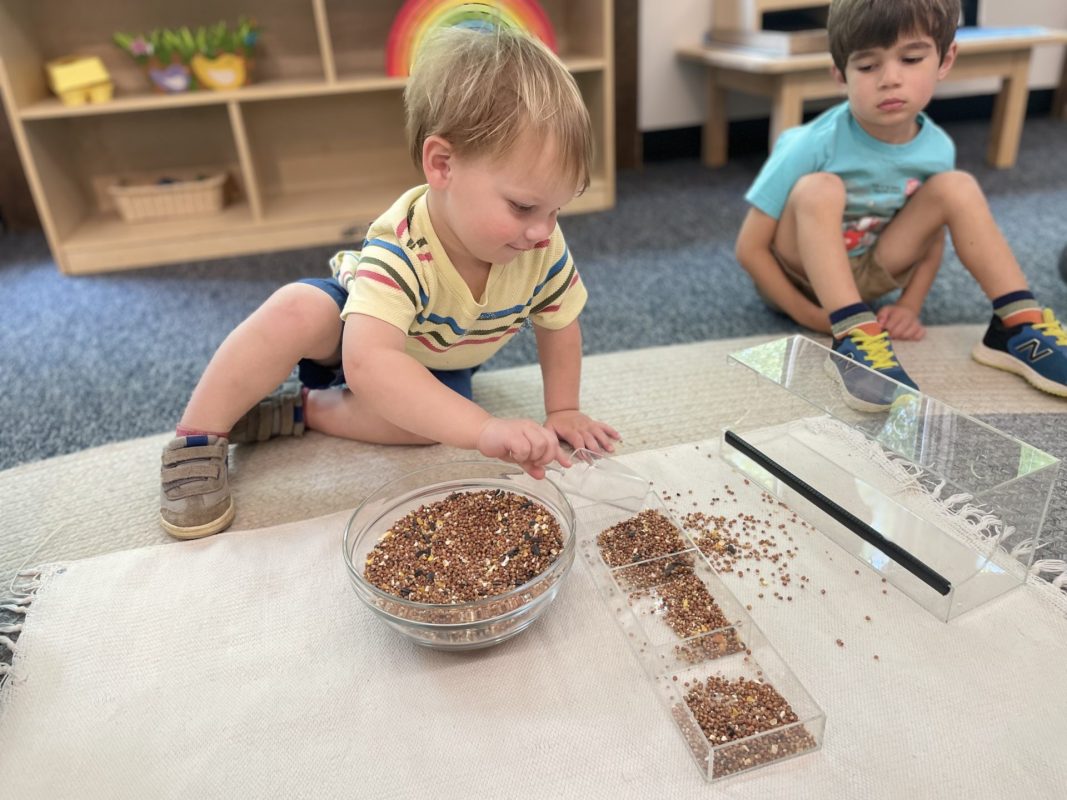
Research shows that learning a second language boosts problem-solving, critical-thinking, and listening skills, in addition to improving memory, concentration, and the ability to multitask. Children proficient in other languages also show signs of enhanced creativity and mental flexibility.

In our environment, children are exposed to Spanish multiple times a day. From songs, to books, to counting, to direct conversations and commands, Spanish is always part of our routines.

As Highlights and in continuation with our winter studies, this week we introduced one of the conditions of water that is truly magical: snowflakes. Thankfully, the weather helped a bit to reinforce this lesson while the children were able to observe the beauty of the snow falling. Children learned that even though snowflakes have in common symmetry and a hexagonal structure, the detailed structures of the snowflakes are totally different, this of course, was introduced to them in a language they can understand.  I can’t stop thinking about how the individuality of a snowflake is parallel to human life. Each one of your children are so unique and so precious and we are grateful we are able to “contemplate” them as they grow and continue to share their beauty.

To tie this lesson with the Spanish language, children have been  learning the song called:  “Copo de nieve” (snowflake) by Super Simple Español. We used fake snowflakes of different sizes to follow the steps of the song and represent the snowflakes falling from the sky, practicing  some body parts such as: cabeza (head), nariz(nose), mano (hand). As time goes on we will continue adding and practicing more body parts in Spanish.  We recommend you to add this song to your playlist and sing it with your little one.

Also using educational videos, books, songs and animal models, we traveled last week to the Arctic and learned about Polar bears and this week we took a trip to Antarctica to learn about Penguins. Children learned simple facts as:

POLAR BEARS PENGUINS
Are warm blooded Are birds
Have thick fur Are expert  divers and fast swimmers
Baby bears are called cubs Have flippers. They don’t have wings
Have big paws There are different types of penguins
Live in the Arctic Live in Antarctica

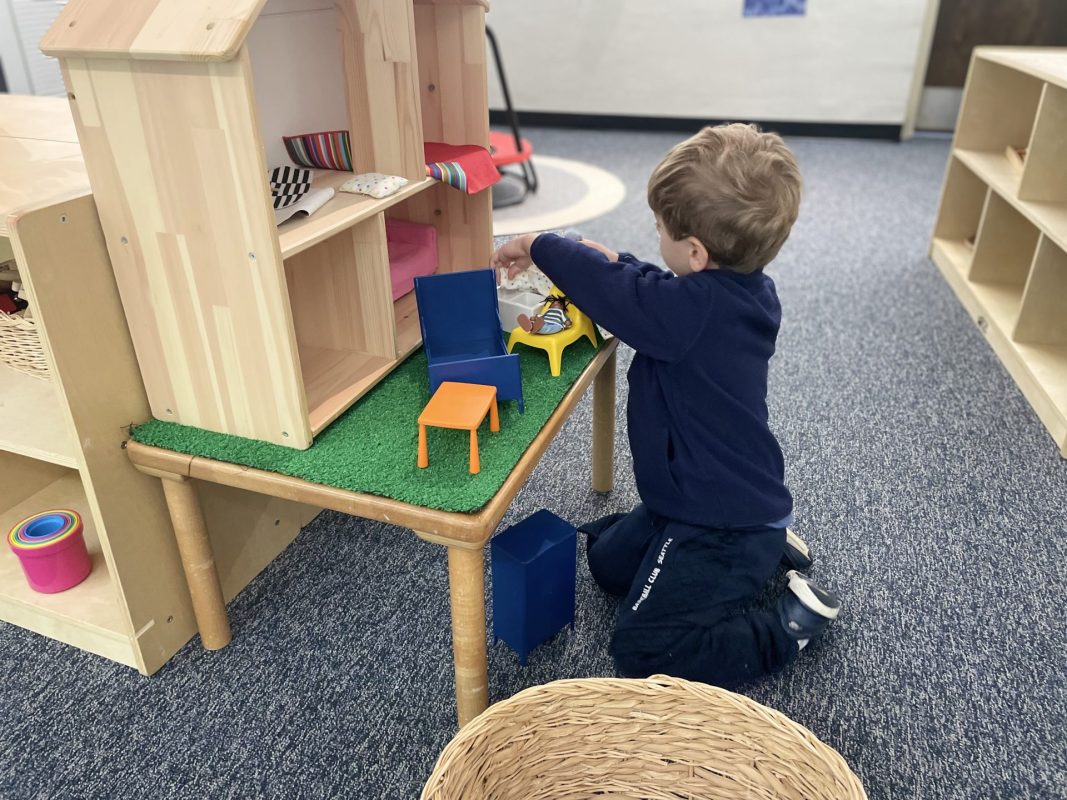
Children really seem to enjoy being imaginative on the Polar Bear family’s table and had a blast taking the penguins to skate in our Sensory table, where the penguins were stuck in real ice.

Lastly, we explored carrots as food tasting and celebrated one of our friends’  birthday together!

Have a great weekend,

Mrs. Hood and Ms. Marissa